

AI in Recruiter Workflow Guide: Boost Hiring Efficiency with Smart Tools

Artificial intelligence is reshaping how recruiters work, automating repetitive tasks and freeing up time for meaningful decisions. From resume screening to interview scheduling, AI makes the recruiter workflow smoother and faster without sacrificing quality or fairness.
With HRMLESS, powered by Nerva AI, automation becomes effortless. It manages screening, scoring, and communication so you can focus on evaluating people—not processing paperwork. The result is a faster, more consistent, and candidate-friendly hiring experience that fits right into your daily workflow.
This guide breaks down how to integrate AI into your recruitment process, from sourcing talent to final selection. Learn practical steps, measurable benefits, and how automation aids recruiters in smarter hiring while keeping a human touch.
Understanding AI in the Recruiter Workflow
AI helps you automate key tasks so you can hire the right people, faster. It fits right into your recruiting steps, from sorting candidates to booking interviews. You save time, make fewer mistakes, and keep candidates engaged throughout.
What Is AI in Recruitment?
AI in recruitment uses smart software to handle things like screening resumes, scoring candidates, and managing communications. It checks your job descriptions and skill lists to match the best applicants. You get less repetitive work and a faster process.
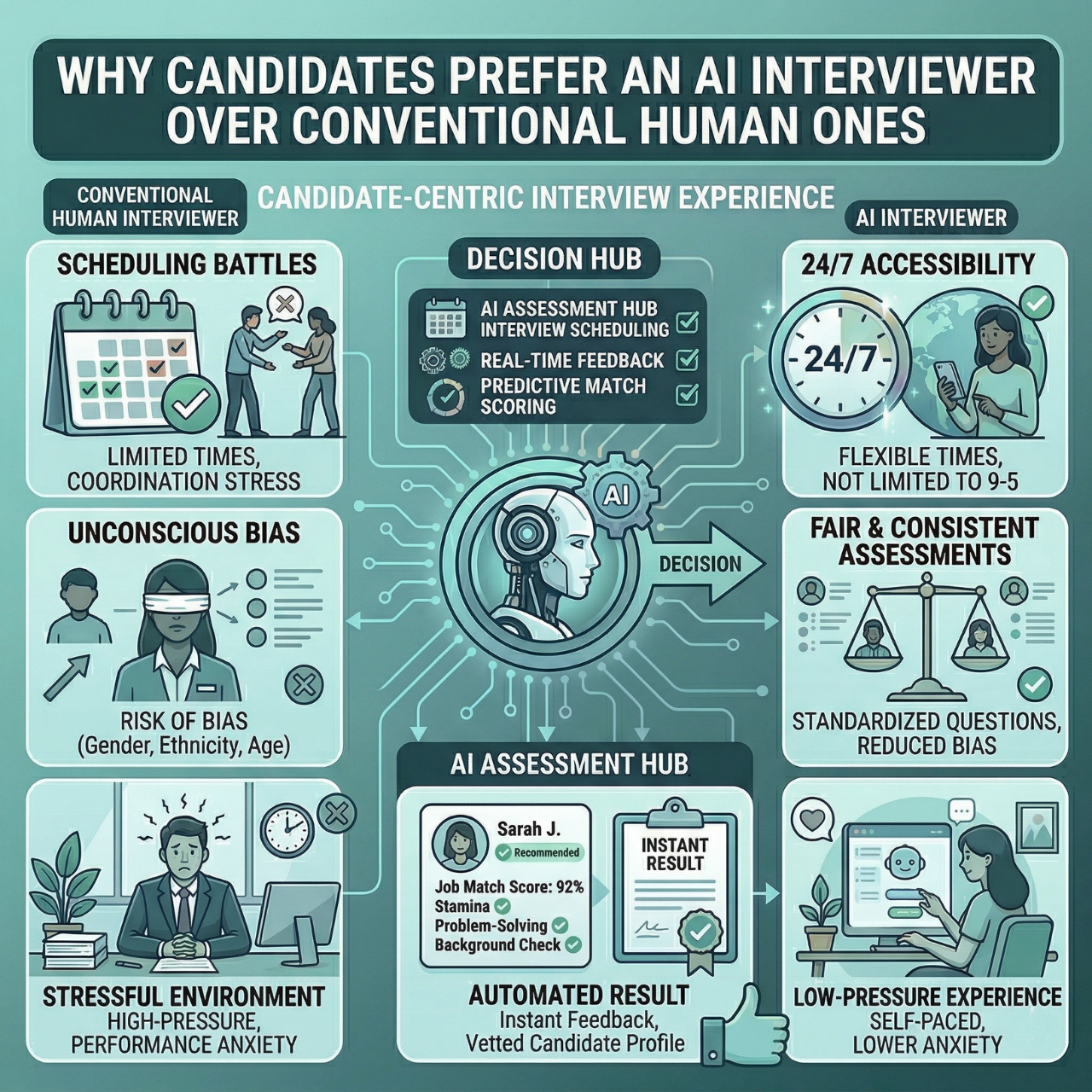
You’re still in the driver’s seat, but AI takes over the early stages. For example, AI pre-screening lets candidates answer questions anytime, day or night. No more endless email chains or missed calls.
Overview of Recruiter Workflow Stages
A typical recruiter workflow covers:
- Job posting and sourcing
- Screening resumes and applications
- Interview scheduling
- Candidate evaluation and selection
AI can lend a hand in most of these steps. It sorts resumes by skill match, scores candidates automatically, and sets up interviews without manual hassle. When you plug AI into your ATS (Applicant Tracking System), you skip duplicate work and keep everything in one place.
This really helps when you’re handling a flood of openings or applications.
Benefits of Integrating AI
Here’s what you get when you add AI to your workflow:
- Speed: Automate scheduling and screening so you can talk to top candidates right away.
- Efficiency: Cut out hours of busywork—no more calendar chaos or endless follow-ups.
- Candidate quality: AI filters out the noise so you focus on the best fits.
- Better candidate experience: Automated updates keep candidates in the loop and less likely to ghost you.
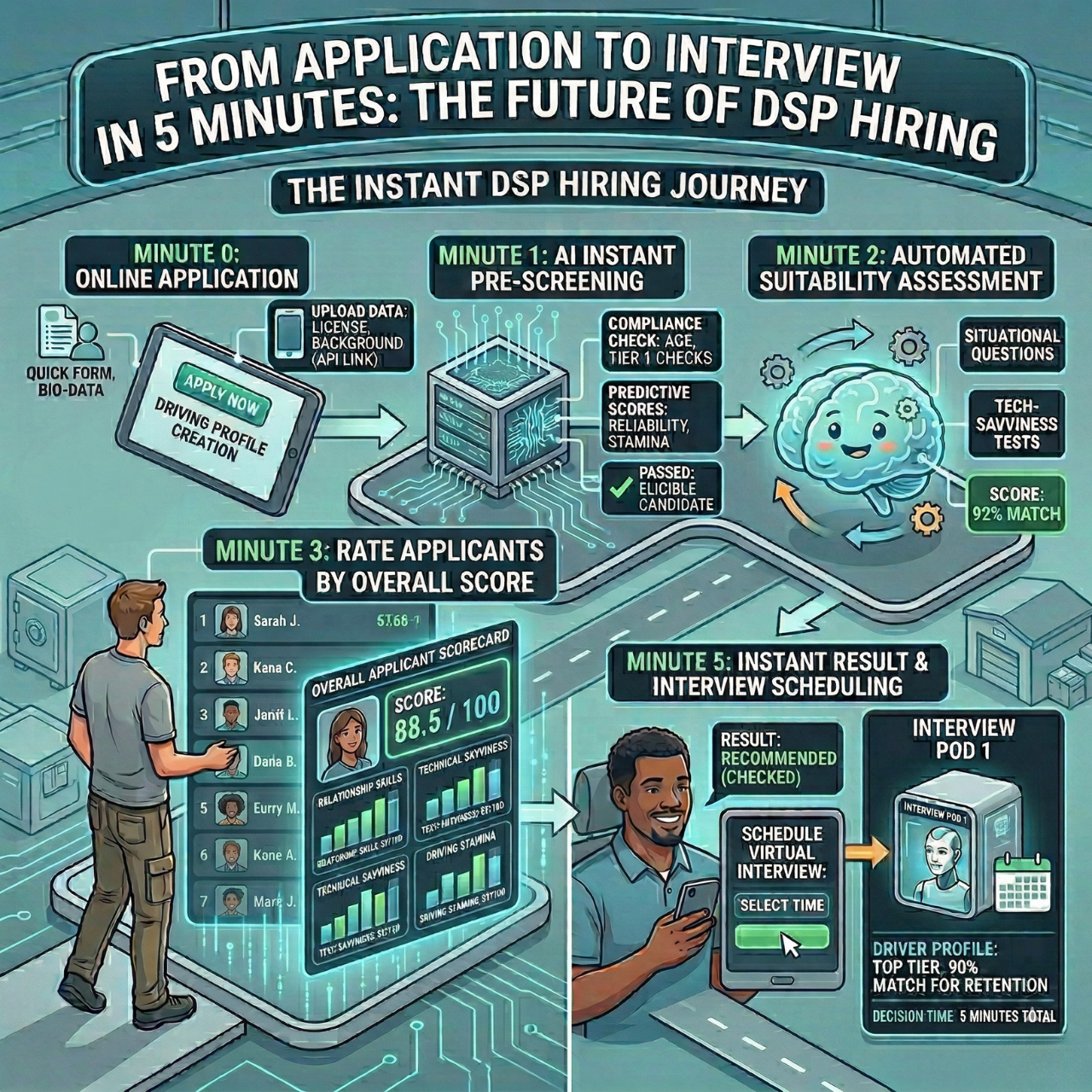
A reliable tool automates pre-screening interviews, scoring, and scheduling, making hiring fast and pretty much stress-free. With AI handling the routine, you get to spend more time on strategy and building real connections.
AI’s Impact on the Recruiter Workflow
AI is increasingly used across sourcing, screening, scheduling, and matching in talent acquisition. The Boston Consulting Group notes that over 90 % of firms already using AI in recruitment are improving productivity and expanding talent pools.
For recruiters, this means AI isn’t just a tool for one step. It supports the full workflow, letting you focus less on manual tasks and more on candidate relationships and strategic fit.
Key AI Tools for Recruiters
Modern hiring leans on tools that find candidates fast, screen resumes fairly, and keep people engaged without burning you out. These tools automate the stuff that usually eats up hours. You save time and get better hires.
AI-Powered Sourcing Platforms
AI sourcing platforms scan job boards, social media, and databases to find candidates who match your openings. They don’t stop at keywords—they actually analyze skills, experience, and even cultural fit.
You can build a solid pool of qualified candidates without endless searching. Most platforms sync with your Applicant Tracking System (ATS) to keep everything tidy.
They also help you reach passive candidates—the ones who aren’t actively looking but might be perfect. This broadens your talent pool and ups your chances of finding a star.
Automated Resume Screening
Screening resumes takes forever and can bring bias into the mix. Automated resume screening tools use AI to score and rank candidates based on your criteria. These tools zero in on skills, qualifications, and experience that matter.
This helps cut unconscious bias and makes sure you don’t overlook great applicants. Automated screening moves things along fast, so only the best candidates move forward. AI pre-screening interviews and scoring reveal top talent without the noise.
Chatbots and Virtual Assistants
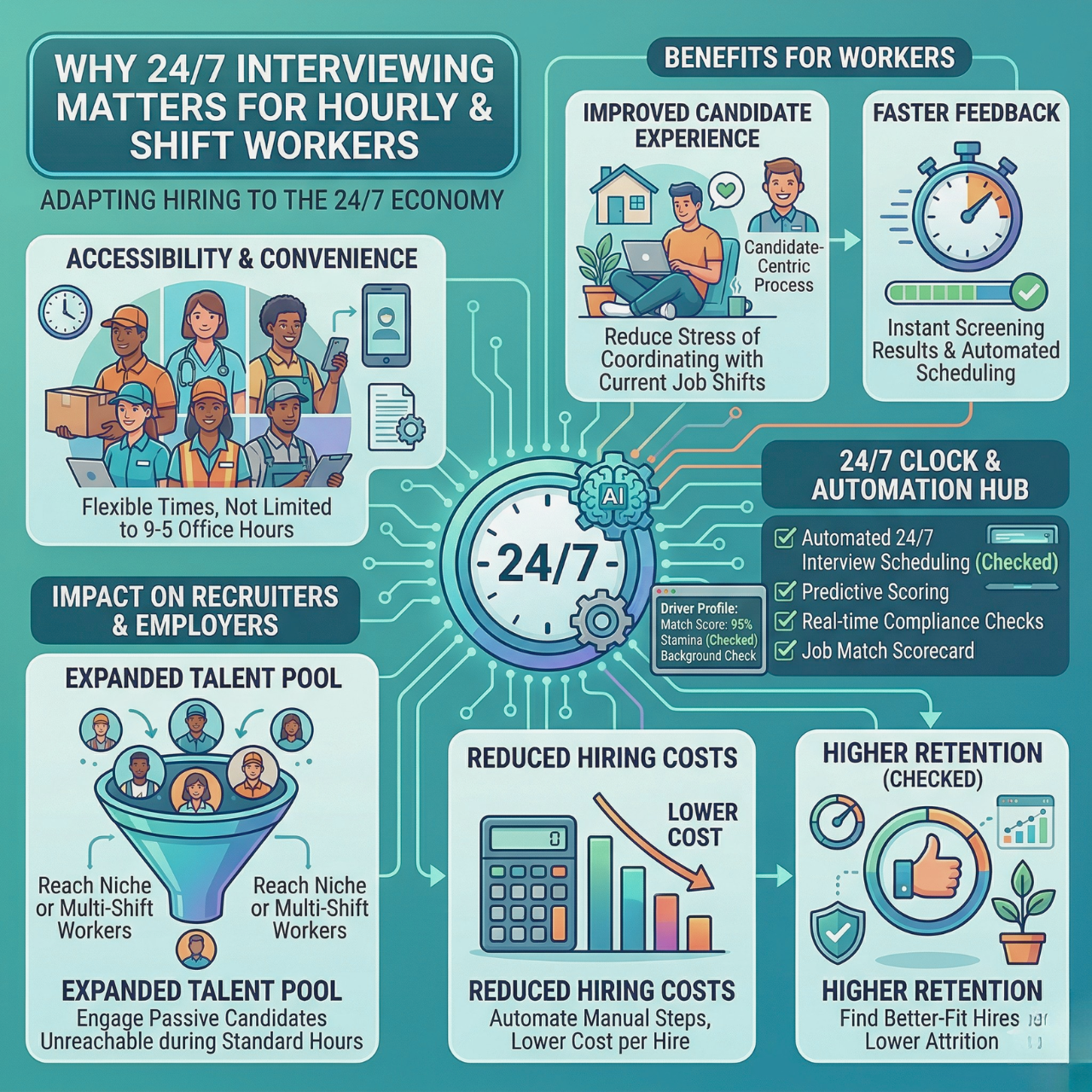
Chatbots answer candidate questions and collect info 24/7. They can schedule interviews by syncing with calendars like Google or Outlook, cutting down on back-and-forth emails. Virtual assistants send reminders to keep no-shows low and candidates engaged—via SMS or email.
They make the candidate experience smoother with quick answers and friendly nudges. Using chatbots frees you up to focus on the human side of recruiting, while the process keeps moving without hiccups.
Implementing AI Step-by-Step
Rolling out AI in your recruitment process takes some planning. You need to spot where your current system stumbles, pick tools that fit, and help your team get up to speed.
Assessing Current Workflow
Start by mapping out your hiring process—every step, from posting jobs to scheduling interviews. Look for delays or repeated mistakes. Zero in on time sinks like phone screens or endless emails.
That’s where AI can help most, like automating candidate scoring or auto-scheduling interviews. Think about how many candidates you juggle and if your system can scale when things get busy. Knowing these pain points helps you set real goals for using AI.
Choosing the Right AI Solutions
Pick tools that actually match your hiring goals and play nice with your current setup. Want to reduce no-shows? Go for AI that handles scheduling and reminders. Look for solutions that automate more than one thing—pre-screening, scoring, and communication.
That’s where you really save time. Check if the AI integrates with your ATS or HRIS so you’re not stuck toggling between systems. Real-time analytics are a bonus—they help you spot bottlenecks and see how candidates engage.
Onboarding and Training the Team
Once you’ve picked the tools, help your team get comfortable. Offer hands-on training, using real scenarios to show how AI fits into daily work. Explain how automation supports their work, not replaces it. Sharing success stories can help build trust in the tech.
Encourage feedback as everyone gets used to the new tools. This helps you fine-tune things and boost adoption. Using conversational AI interviews means less manual grind and more time to focus on top candidates.
Optimizing Candidate Sourcing
Finding great candidates fast—and keeping them interested—is what it’s all about. Smart tools help you target the best talent and reach out in ways that get actual responses.
Predictive Talent Sourcing
Predictive talent sourcing uses AI to sift through mountains of data. It finds people who fit your job even before you post it. You spend less time searching and more time reviewing the right folks.
With the right tools, you can spot hidden talent by examining skills, job history, and success patterns. The AI ranks candidates so you see the best first. No more slogging through endless resumes.
This way, you’re ahead of the competition by reaching out early. Shorter hiring cycles, less chance of missing out on a great fit.
Personalized Outreach with AI
Personalization matters when you reach out to candidates. AI drafts messages tailored to their background and interests. It shows you actually care, which bumps up reply rates. You can automate messages via email or SMS, keeping follow-ups timely with zero extra effort.
Automated outreach means less ghosting and quicker scheduling. Candidates feel connected, so they’re more likely to stick around. Your team stays focused on interviews and next steps—not chasing replies.
Enhancing Candidate Experience
Smooth hiring for candidates means fast replies and easy access to info. AI keeps candidates in the loop and engaged, with no annoying delays.
AI-Driven Communication
AI tools help you send consistent messages to candidates fast. No more waiting days—candidates get instant updates by email or SMS. That keeps them interested and less likely to disappear. You can automate reminders for interviews, follow-ups, and status changes.
This steady communication shows you respect their time. It also builds your employer brand by making every step a little more pleasant. You can personalize messages based on where the candidate is in the process. For example:
- New applicant: “Thanks for applying! Next step is a quick interview.”
- Scheduled interview: “Looking forward to meeting you on [date].”
It saves your team hours and makes candidates feel noticed.
24/7 Support with Bots
AI chatbots answer candidate questions instantly, day or night. Whether it’s about the job, application steps, or interview times, bots give clear answers right away.
Candidates don’t have to wait for office hours or for a recruiter to reply. That cuts frustration and keeps things moving. Bots also track common questions, so you can improve your info over time.
By automating routine questions, your team can focus on conversations that actually need a human touch. The mix of AI support and real recruiter attention helps candidates feel supported all the way through.
Streamlining Screening and Shortlisting
Your hiring process moves quickly when AI handles the first wave of candidates. It matches skills better and removes bias from resume reviews. You get to focus on the best fits and save a ton of effort.
Skill Matching Algorithms
AI uses skill matching to compare what candidates have with what you need. It checks keywords, experience, and qualifications, quickly filtering out mismatches. You find strong matches faster. These algorithms learn and get sharper over time.
They don’t just look for exact matches—they spot related skills too. So if you need project management, AI might find people with strong leadership or organizational chops.
With top tools, you get automated scoring that ranks applicants by skill fit. Less guesswork, faster decisions about who to talk to next.
Unbiased Resume Evaluation
AI cuts out unconscious bias by focusing on facts in resumes. It skips names, age, or photos—just skills and experience. Every candidate gets a fair shot.
You get consistent evaluations without the stress of comparing stacks of resumes. AI can even spot hidden gems by analyzing behavior and communication styles.
The best platforms keep your hiring process open and fair. Automated resume screening means less manual sorting and a higher-quality shortlist. You stay focused on meaningful interviews, not paperwork.
Improving Interview Coordination
Smooth interview coordination is huge for hiring success. AI lets you schedule faster and get better insights from interviews, saving you time and spotlighting the best candidates.
Automated Scheduling
AI-driven scheduling ends the endless back-and-forth of finding meeting times. Candidates pick slots that work for them, anytime. This flexibility helps lower no-shows and speeds up hiring.
You can set rules to dodge conflicts and sync with your calendar. Automated reminders by SMS or email keep candidates on track for their interviews. Fewer last-minute cancellations, more momentum.
With a trusted system, you skip the manual scheduling headaches. It works with your existing ATS, so you don’t have to overhaul your workflow. Fewer delays, smoother interviews, and honestly, a lot less stress.
AI-Based Interview Analytics
After interviews, AI analyzes responses in more ways than just giving scores. It notices tone, pacing, and what candidates actually say, offering a richer sense of fit. Sometimes, it picks up on qualities that just don’t show up on a resume.
The platform flags possible bias and aims for fairer assessments. You get data-backed insights to compare people side by side. That means you can zero in on those who are actually ready to move forward.
Real-time analytics show you how candidates engage and where your process gets stuck. If interviews drag or candidates bail early, you’ll see it. Dashboards highlight key stats, so you can improve hiring step by step.
Measuring AI Impact in Recruitment
If you want to know how AI is really helping, you’ve got to watch the numbers—and keep updating. Tracking the right data reveals what’s working and what needs a tweak. Regular reviews keep things moving and help boost both engagement and candidate quality.
Key Performance Metrics
Check time-to-hire to see if AI is actually speeding things up. A shorter cycle means less waiting and more roles filled.
Keep an eye on candidate drop-off rates to find where people lose interest or get stuck. High drop-off? It could be confusing steps, weak communication, or just a boring process.
Compare candidate quality by looking at how many AI-screened applicants move forward versus the old manual way. Tools are supposed to surface stronger talent, cut down on bias, and reduce ghosting.
Don’t forget to track engagement rates on automated messages and interviews. Higher engagement usually means candidates feel seen and are less likely to disappear.
Continuous Process Improvement
Real-time dashboards make it easier to spot bottlenecks or weak spots. Say you notice lots of no-shows after AI scheduling—maybe it’s time to rethink how you invite candidates. Tweak your AI settings based on what the metrics are telling you.
Maybe your questions are too vague, or your scoring is off. Adjusting these can keep candidates moving through the process. Try out new AI features as they pop up. Voice engagement, for example, can make interviews feel less robotic and get better responses.
Ethical Considerations and Compliance
Using AI in recruitment means you’ve got to think about fairness and protecting candidate data. Make sure your tools don’t favor certain groups, and keep sensitive info locked down. These steps aren’t just legal boxes to check—they help build trust with candidates, too.
Bias Prevention in AI Recruiting
AI sometimes picks up bias from old data. You’ve got to keep an eye out so you don’t end up excluding people unfairly by gender, race, age, or whatever else. Test your AI models for bias regularly. If you spot issues, retrain or adjust with more balanced data.
That way, your AI can make fair decisions for everyone. Be transparent with your team about how AI scores or filters candidates. It helps people trust the process and catch errors early.
Data Privacy and Security
You’re handling a lot of private data with AI. Protecting it needs to be a top priority. Secure candidate info securely with encryption, and limit access to only those who really need it. Make sure your AI platform sticks to strict privacy rules and follows employment laws.
Let candidates know how you’re collecting and using their data. Get their consent when you need to.
It’s just good manners—and it keeps you covered legally. Audit your systems regularly and update data policies as needed. It’s a pain, but it helps prevent breaches and keeps your recruiting process compliant.
Future Trends in AI Recruitment
AI in recruitment is getting smarter and more useful. New tools will predict candidate fit with more accuracy and change how you work with hiring teams. You’ll need to adapt as technology takes over the repetitive stuff, leaving you more time for the human side.
Emerging Technologies
AI isn’t just screening resumes anymore—it’s starting to predict how well someone will actually do in a role. Tools learn from past hires, picking up on what really leads to success. Voice-based AI recruiters are on the horizon, making interviews feel more natural and less awkward.
Early engagement through SMS or email helps cut down on no-shows. Automation will handle scheduling across time zones, so you can hire globally without the usual headaches. These tools free up your time and keep things moving.
Our platform brings these advances together, automating screening, scoring, and scheduling so hiring feels a little less like a slog.
Shaping the Recruiter’s Role
With AI covering admin work, your job shifts. You’re not being replaced—you’re just freed up to focus on judging soft skills and building relationships. You’ll guide AI tools and make sure hiring stays fair. Humans still need to make the final calls to keep things balanced and personal.
You’ll work with AI platforms that offer real-time analytics. These dashboards help you spot bottlenecks and track how candidates move through your pipeline, letting you react fast. Adapting means embracing the tech, hiring smarter and faster, and still keeping your personal touch in the mix.
Smarter Recruiting Starts With an AI-Powered Workflow
AI transforms the recruiter workflow by handling repetitive tasks and improving every stage—from sourcing to final selection. With faster screening, smarter scheduling, and clearer insights, recruiters can spend more time connecting with great candidates.
Instead of chasing logistics, they can focus on building meaningful relationships.
HRMLESS makes this transition seamless. Our AI-driven tools automate pre-screening, scoring, and candidate engagement, helping you cut bias and fill roles faster. Recruiters get the structure they need and the flexibility they want — all without sacrificing fairness or quality.
Ready to streamline your hiring? See our tool in action — book a demo today and discover how AI can simplify your workflow while elevating every hiring decision.
Frequently Asked Questions
Using AI in recruitment comes with clear steps, a bunch of tools to try, ways to save time, and a few things to watch out for. It’s also wild how much AI has grown and why recruiters and candidates both stand to gain.
What are the best practices for integrating AI into the recruitment process?
Start small: automate things like resume screening or interview scheduling first. Make sure your AI plays nice with your current systems, like your ATS. Keep humans in the loop to review AI decisions. AI should support—not replace—your judgment. Focus on clear communication when AI is involved, so candidates don’t feel left out.
Can you provide some examples of AI tools currently used in recruitment?
AI pre-screening lets candidates do interviews on their own time. Scoring and filtering software highlights top picks automatically. AI-powered scheduling reduces no-shows by inviting only engaged candidates to book. SMS and email nudges keep the process moving.
Platforms like HRMLESS bundle all this together to lighten your workload and speed up hiring.
How does AI improve efficiency in candidate screening and selection?
AI reviews stacks of resumes fast, so you don’t waste time on folks who aren’t a fit. It scores everyone the same way, lowering bias and making things fairer. You get to the best-fit talent faster.
Automation shaves off about 2.7 hours per hire by handling scheduling and follow-ups without waiting for people to reply.
What are the potential pitfalls of using AI in recruitment, and how can they be avoided?
AI can pick up bias from bad data. You’ve got to check and adjust its settings regularly. If AI communication feels too robotic, candidates might check out. Use more conversational AI to keep things natural.
Don’t let AI do everything—human insight still matters, especially for the stuff you can’t measure.
In what ways has AI in recruitment evolved over the past few years?
AI used to just scan resumes. Now, it can act as a 24/7 interview assistant, chatting with candidates whenever. It integrates better with ATS and HRIS, sliding into your workflow without much fuss.
Some AI tools even analyze voice and behavior, adding a more human touch to automated interviews.
Could you list the benefits of using artificial intelligence for both recruiters and candidates?
For recruiters:
- Automates screening and scheduling, freeing up hours every week.
- Lets you zero in on candidates with the right skills.
- Handles growth in hiring without piling on extra stress.
For candidates:
- Interviews can happen anytime—whatever fits their schedule.
- Communication tends to be clearer and quicker, so they aren't left guessing.
- Reduces the odds of getting overlooked because of bias or slowdowns.
Using AI tools like HRMLESS can make hiring smarter and faster, and the whole thing feels a bit more transparent and fair.
Featured

Subscribe to ournewsletter
Related posts
Explore the world of photography with our curated selection of
portfolio websites that showcase creativity and innovation.