

Integrating AI Into Recruitment Strategy for Hiring

Hiring today is slow, manual, and unpredictable. Teams spend hours screening resumes, chasing candidates, and coordinating interviews. Integrating AI into recruitment strategy helps reduce delays, improve consistency, and create a faster, more structured hiring process.
HRMLESS helps automate screening, scoring, and scheduling so recruiters can focus on real conversations. Instead of juggling repetitive tasks, your team gains speed, clarity, and better hiring outcomes without sacrificing human judgment.
In this guide, you’ll learn where AI fits into your workflow, how to roll it out effectively, and how to measure impact. The goal is simple: save time, improve quality, and build a more efficient hiring engine.
What Is AI Recruitment?
AI recruitment means using artificial intelligence technology to improve how companies find, evaluate, and hire candidates. Instead of reading hundreds of resumes manually, you can use AI tools to quickly spot qualified applicants based on specific criteria.
These systems automate repetitive tasks throughout your hiring process. AI can:
- Screen resumes
- Match candidates to job descriptions
- Send initial outreach messages
- Conduct preliminary assessments
The technology learns from data patterns to predict which candidates might be the best fit for open roles. You still make the final hiring decisions. AI simply handles the administrative work that consumes most of your time.
This allows you to focus on building relationships and evaluating qualities like cultural fit that require a human touch.
Core Technologies Powering AI Recruiting
Several key technologies work together to make AI recruitment possible:
- Machine Learning analyzes past hiring data to identify patterns in successful hires.
- Natural Language Processing (NLP) helps AI understand text in resumes, cover letters, and job descriptions.
- Chatbots and Conversational AI communicate with candidates throughout the application process.
- Predictive Analytics uses historical data to forecast hiring outcomes.
These tools identify relevant skills even when candidates use different wording. They answer common questions, schedule interviews, and provide updates without constant recruiter involvement. The result is better prioritization of time and resources.
Benefits of Implementing AI in Talent Acquisition
AI recruitment brings practical advantages to your hiring process. You save significant time by automating resume screening and other repetitive tasks. What used to take hours now happens in minutes.
Your hiring becomes more consistent because AI evaluates every candidate using the same criteria. This reduces the risk of overlooking qualified applicants.
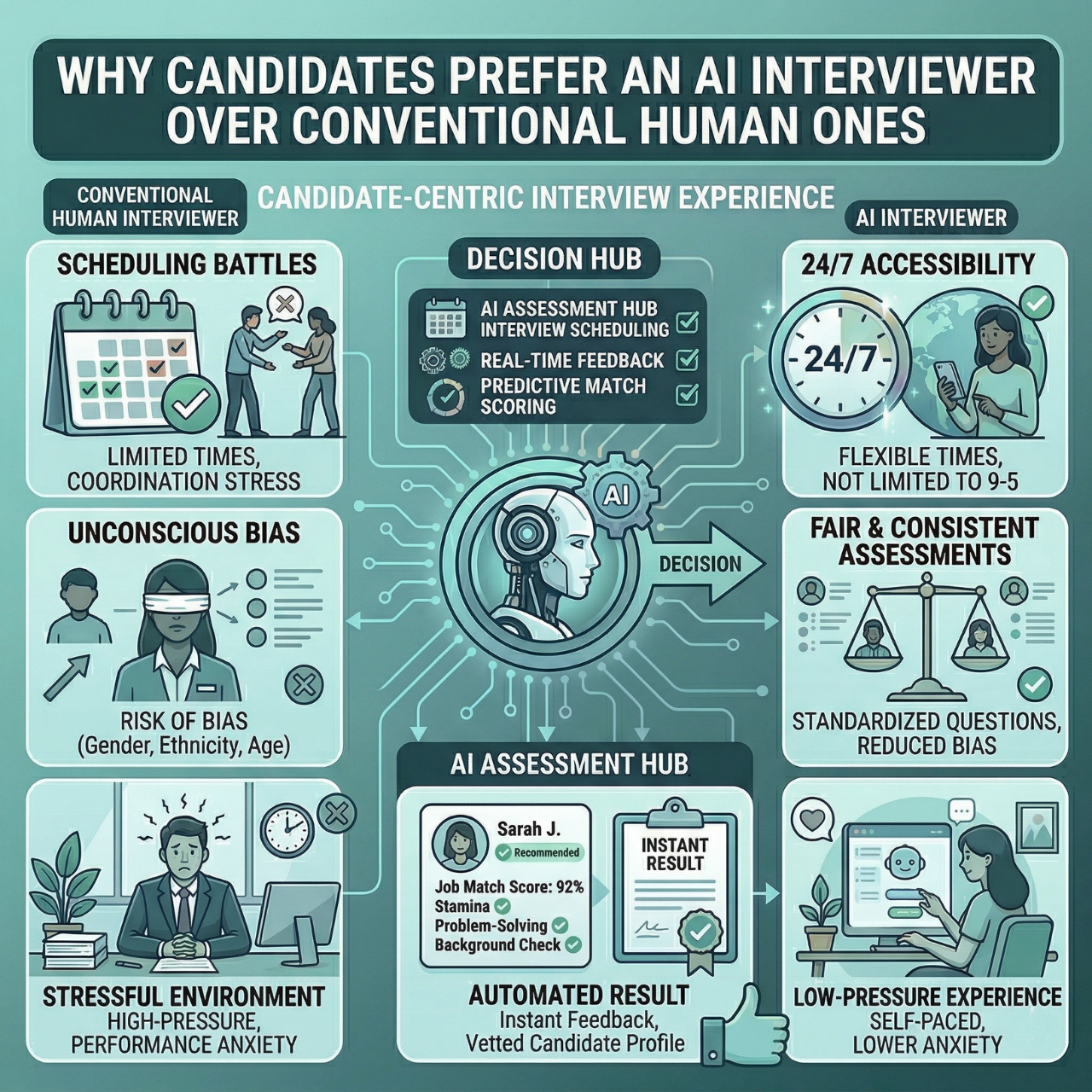
AI can also help minimize unconscious bias by focusing on skills and qualifications rather than demographic details.
Additional benefits include:
- Faster response times
- Expanded candidate reach
- Improved candidate communication
- More structured evaluations
AI-powered chatbots provide instant answers and keep applicants updated. This makes your organization look responsive and professional.
Preparing Your Recruitment Strategy for AI Integration
Before integrating AI into your recruitment strategy, assess where you stand and where you want to go. This prevents wasted spending and ensures AI solves real problems.
Assessing Current Recruitment Processes
Start by mapping every step of your hiring workflow. Document how long each stage takes, from job posting to offer acceptance.
Identify where your team spends the most time. Common bottlenecks include:
- Resume screening
- Interview scheduling
- Candidate follow-ups
Track key metrics such as:
- Average time-to-hire
- Cost-per-hire
- Offer acceptance rate
- Candidate satisfaction scores
Talk with your recruitment team about their daily frustrations. Ask which tasks feel repetitive and what prevents them from focusing on relationship-building.
Identifying Integration Opportunities
Review your workflow and look for rule-based, repetitive tasks. AI performs best with structured, pattern-driven work. High-volume hiring often benefits most. If you receive hundreds of applications per role, AI can help manage that scale efficiently.
Common AI integration points include:
- Resume parsing and screening
- Chatbots for candidate questions
- Automated interview scheduling
- Skills assessment matching
- Candidate engagement tracking
Avoid automating everything at once. Focus on one or two high-impact pain points first.
Defining Clear Objectives for AI Adoption
Set specific and measurable goals. “Better hiring” is too vague.
Instead, define outcomes such as:
- Reduce resume screening time by 50%
- Decrease time-to-hire from 45 days to 30 days
- Increase qualified candidate pipeline by 40%
- Improve candidate response rate to 75%
Each goal should include a metric you can track. Decide how progress will be measured before implementing new tools. Share these objectives with your team so everyone understands the purpose and success criteria.
Implementing AI Tools in Recruitment
Successful AI adoption requires selecting the right solutions, integrating them properly, and protecting candidate data.
Selecting the Right AI Solutions
Identify which part of your recruitment process needs the most improvement. Are you overwhelmed with resumes? Struggling to identify qualified applicants? Spending too much time coordinating interviews? Look for AI tools that directly address your pain points.
Common solutions include:
- Resume screening platforms
- AI chatbots
- Automated scheduling systems
- Skills assessment tools
Request demos and free trials before committing. Ensure the tool supports your company’s size and hiring volume. Read reviews from recruiters who use the software. Ask vendors about training and ongoing support.
Seamless Integration Into Existing Systems
Confirm the AI tool integrates with your applicant tracking system (ATS) and HR software. Most modern platforms support integrations, but verification is essential.
Plan your technical rollout carefully. Involve IT if necessary. Consider launching a pilot program within one department before expanding organization-wide. This approach allows you to identify issues early. Maintain human oversight during implementation. AI should support recruiters, not replace them.
Ensuring Data Quality and Privacy
Clean and standardize candidate data before introducing AI systems. Poor data quality produces unreliable results.
Establish clear rules regarding:
- What candidate information is collected
- How data is analyzed
- How long is the data stored
Ensure compliance with privacy laws such as GDPR or CCPA. Inform candidates when AI is part of your hiring process. Transparency builds trust and reduces confusion. Regularly audit your AI systems for bias or performance issues. Align AI decisions with your organization’s fair hiring practices.
Optimizing Candidate Experience with AI
AI can make applying for jobs simpler, faster, and more personalized.
Automating Screening and Shortlisting
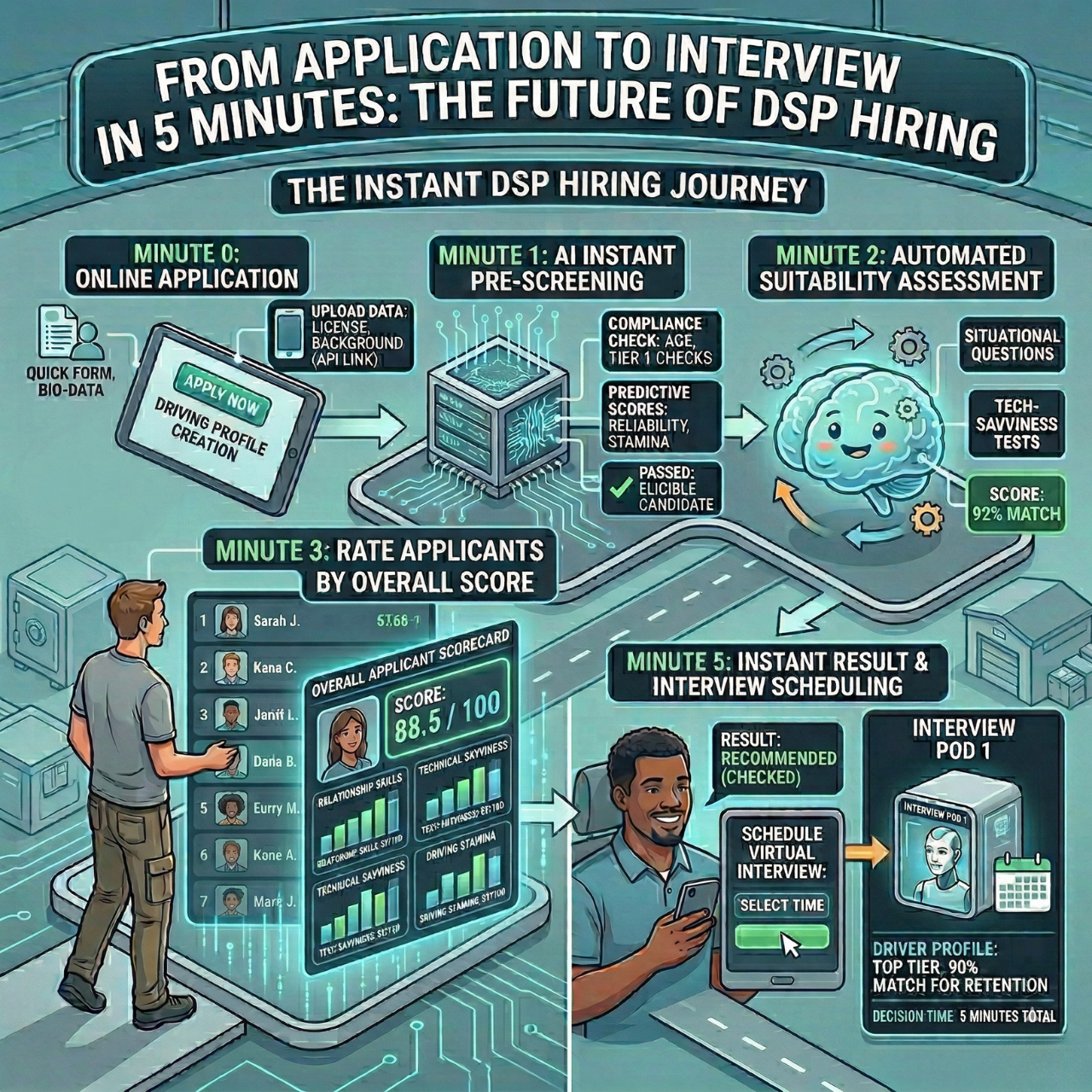
AI-powered screening tools review hundreds of resumes in minutes. They evaluate applications based on predefined skills, experience levels, and qualifications.
Recruiters can then focus on high-value interactions instead of manual resume review. Machine learning systems improve over time by recognizing patterns in successful hires. This helps identify strong candidates more accurately. Faster screening also leads to quicker candidate feedback, which keeps applicants engaged.
Personalizing Communication with Applicants
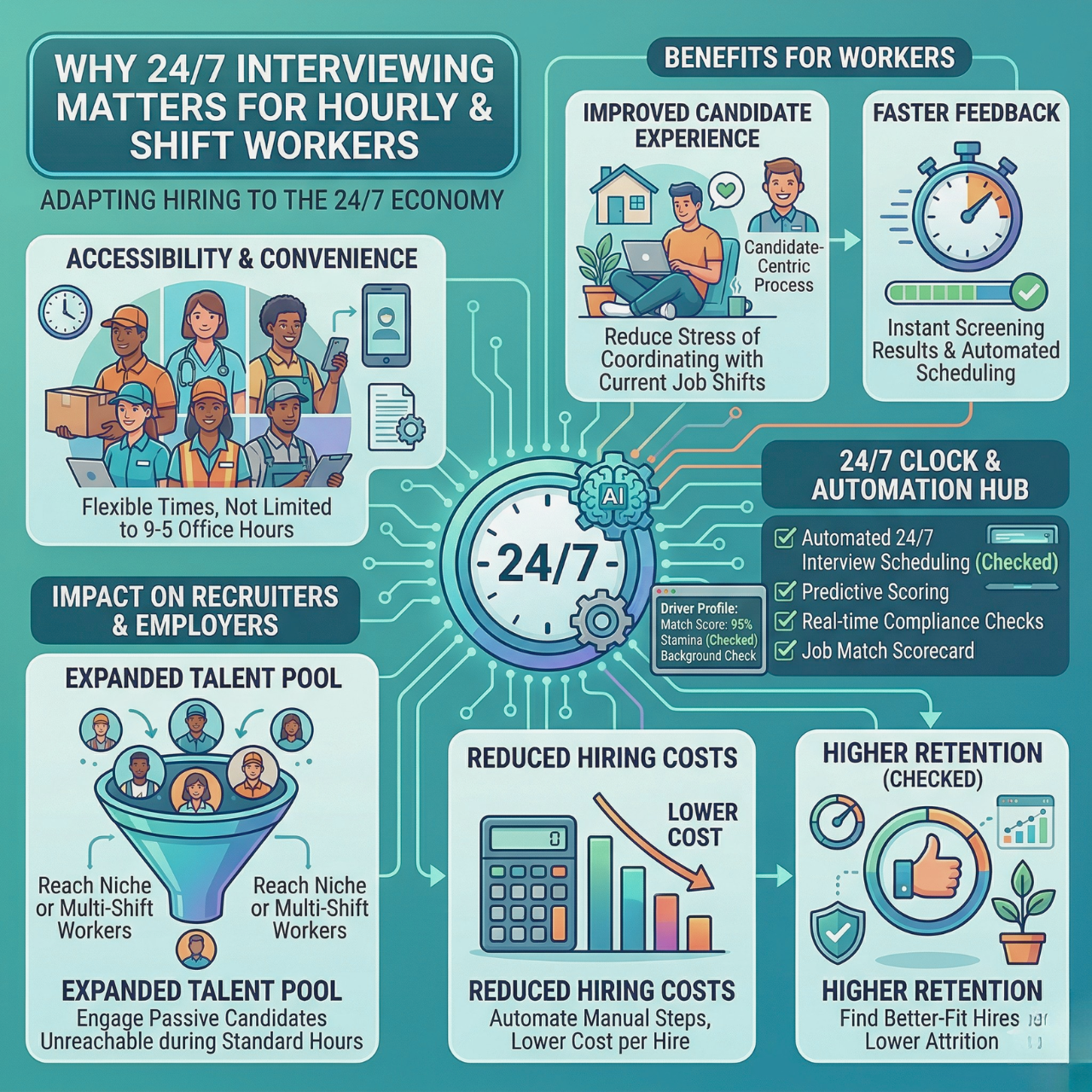
AI chatbots provide 24/7 responses to candidate inquiries. They can answer questions about:
- Job responsibilities
- Salary ranges
- Benefits
- Application status
Automated email systems send personalized messages based on each applicant’s stage in the hiring process. AI can also recommend similar roles to returning career site visitors, improving engagement and retention.
Reducing Unconscious Bias
AI tools can mask demographic information during initial screening. This enables evaluation based solely on qualifications and skills. The system applies consistent criteria to every application. Unlike humans, it does not fluctuate due to fatigue or mood.
However, AI must be monitored carefully. If historical hiring data contains bias, AI systems may replicate it. Test AI tools with diverse candidate pools and adjust algorithms as needed to support fair treatment.
Monitoring and Improving AI-Driven Recruitment
AI requires continuous oversight to ensure performance, fairness, and compliance.
Measuring Recruitment KPIs
Track key performance indicators before and after integrating AI into the recruitment strategy.
Focus on:
- Time-to-hire
- Cost-per-hire
- Quality-of-hire
- Retention rates
- Candidate satisfaction scores
Monitor diversity metrics at each stage of the hiring funnel. If certain groups drop off disproportionately, investigate potential bias.
Gathering Feedback and Making Adjustments
Collect feedback from recruiters, hiring managers, and candidates. Hold regular check-ins to discuss system performance. Ask candidates about their chatbot interactions and overall experience.
Test AI tools periodically with sample resumes to verify accuracy. Make incremental adjustments instead of large overhauls. Document each change and its outcome to identify what improves results.
Staying Compliant with Changing Regulations
AI hiring regulations continue to evolve. Some regions require companies to disclose AI use in screening. Stay informed about laws affecting your hiring locations.
Keep AI software updated to maintain compliance features. Document how AI makes decisions and what data it uses.
Work with your legal team to audit AI tools at least twice a year. Train your HR team on compliance requirements and disclosure practices.
By thoughtfully integrating AI into recruitment strategy, you can build a hiring process that is faster, more efficient, and more consistent while keeping human judgment at the center of every final decision.
Build a Faster, Smarter Hiring Process
Manual screening, slow scheduling, and inconsistent evaluations hold hiring teams back. Integrating AI into recruitment strategy helps streamline workflows, improve response times, and support more consistent decisions. The result is greater efficiency, stronger candidate pipelines, and better hiring outcomes.
HRMLESS simplifies automation across screening and scheduling while keeping recruiters in control. Your team moves faster, reduces administrative work, and focuses on meaningful candidate conversations that drive quality hires.
If hiring bottlenecks are slowing you down, it’s time to modernize your process. Book a Demo and see how AI can transform your recruitment strategy.
Frequently Asked Questions
What Does Integrating AI Into Recruitment Strategy Actually Mean?
Integrating AI into a recruitment strategy means using artificial intelligence to automate repetitive hiring tasks such as resume screening, interview scheduling, and candidate communication. It supports recruiters by improving speed, consistency, and data-driven decision-making while keeping final hiring decisions in human hands.
Will AI Replace Recruiters?
No. AI is designed to support recruiters, not replace them. It handles administrative and high-volume tasks so recruiters can focus on relationship-building, interviewing, and evaluating cultural fit.
How Does AI Improve Hiring Speed?
AI speeds up hiring by instantly screening resumes, ranking candidates, and automating scheduling. What once took hours of manual review can happen in minutes, reducing overall time-to-hire and improving candidate response times.
Can AI Help Reduce Bias in Hiring?
AI can help reduce bias by focusing on skills, qualifications, and structured evaluation criteria. However, it must be monitored regularly to ensure fairness and prevent bias from historical data from influencing decisions.
How Do You Start Integrating AI Into Recruitment Strategy?
Start by identifying repetitive, rule-based tasks in your hiring process. Set measurable goals such as reducing screening time or improving candidate response rates, then pilot an AI tool in one area before expanding across your recruitment workflow.
Featured

Subscribe to ournewsletter
Related posts
Explore the world of photography with our curated selection of
portfolio websites that showcase creativity and innovation.