

AI Recruitment Platforms: 2025 Comparison Guide

Hiring has gotten more complex, but your team’s time hasn’t grown with it. AI recruitment platforms step in to handle the busywork so you can focus on real conversations, not manual filtering and scheduling. Used well, they speed up hiring while improving candidate quality.
That’s where HRMLESS fits in, connecting AI hiring software with your existing tools to automate pre-screening, scoring, and scheduling. Instead of juggling spreadsheets and inboxes, your team gets a live view of who is ready, qualified, and engaged.
In this guide, you’ll see how different AI recruitment platforms compare on automation, integrations, analytics, and candidate experience. By the end, you’ll know what to look for to fast-track a reliable, scalable hiring process.
What Are AI Recruitment Platforms?
AI recruitment platforms help you manage hiring by using smart software. They handle tasks like finding candidates, checking their fit, and keeping them engaged. These tools save you time and improve the quality of your hiring decisions.
Definition and Core Features
AI recruitment platforms use artificial intelligence to automate parts of the hiring process. This includes screening resumes, scheduling interviews, and scoring candidates based on their qualifications.
Core features often include:
- Automated Candidate Screening: Quickly filters resumes to find top matches.
- Interview Scheduling: Removes back-and-forth by letting candidates pick times.
- Candidate Engagement: Sends reminders and follow-ups via email or SMS.
- Data Analytics: Tracks hiring metrics like time-to-hire and candidate drop-off rates.
Together, these features reduce your workload and speed up recruitment while keeping quality high.
How AI Enhances Recruitment
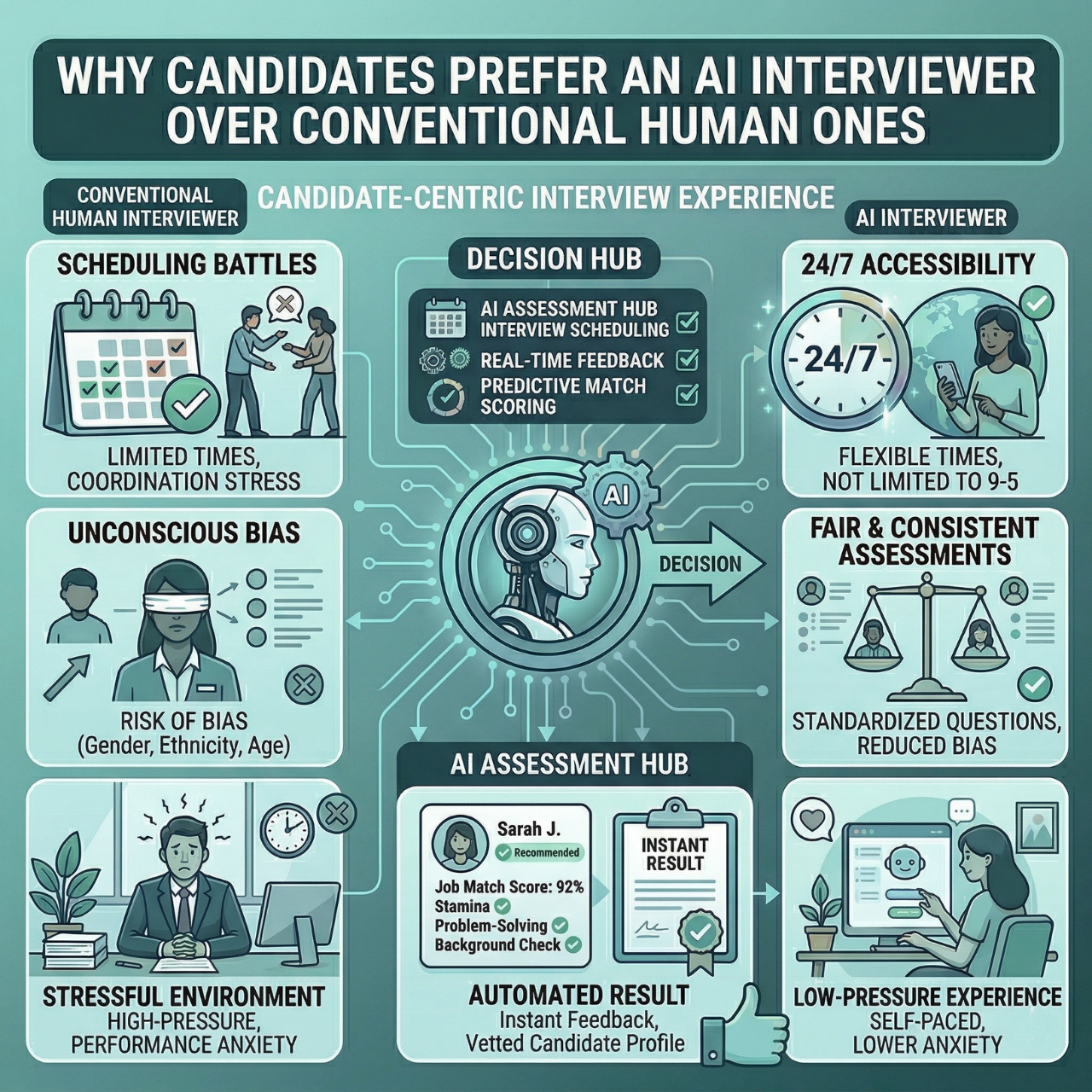
AI boosts your hiring efficiency by handling repetitive tasks automatically. It can screen applicants 24/7, so you never miss out on qualified candidates. AI also reduces human bias by using consistent criteria to evaluate applicants.
This makes the hiring process fairer. By automating scheduling and engagement, AI cuts down ghosting and no-shows. AI-driven insights help you spot bottlenecks and optimize your process continuously, so you hire faster and smarter.
Types of AI Recruitment Tools
AI recruitment tools come in several types, each serving a distinct purpose:
- Pre-Screening AI: Handles initial candidate interviews or assessments to filter fits early.
- Candidate Sourcing AI: Finds and attracts candidates using data from job boards and social media.
- Interview Scheduling AI: Automates booking interviews, reducing manual coordination.
- Engagement AI: Maintains communication with candidates through personalized messages.
- Analytics and Reporting AI: Provides dashboards with metrics to improve hiring strategy.
Choosing the right combination depends on your team’s needs and recruitment volume.
Key Comparison Criteria for AI Recruitment Platforms
When choosing an AI recruitment platform, focus on how it automates work, finds the right candidates, and tracks hiring progress. These areas determine how much time and effort you save, the quality of hires you get, and how easy it is to improve your process over time.
Automation Capabilities
Automation cuts down the busy work in recruiting. Look for tools that handle tasks like candidate pre-screening, interview scheduling, and follow-up messages. For example, some platforms use AI to automatically screen and score applicants, so you only see top candidates.
Another important feature is multi-channel engagement, such as SMS and email nudges. These keep candidates interested and reduce no-shows.
Automation not only saves you hours per hire but also speeds up your entire process. A good AI recruitment platform should let you focus on the best talent while it handles routine tasks.
Candidate Sourcing and Screening
Effective sourcing means the platform helps you find qualified candidates quickly. The best AI tools scan resumes and profiles in real-time, filtering out unqualified applicants efficiently.
Screening goes beyond keywords. AI-driven platforms assess experience, skills, and fit using smart algorithms. This helps reduce bias by focusing only on relevant data.
Some platforms include conversational AI interviews that candidates can take anytime, increasing accessibility and reducing scheduling delays. This improves candidate quality by ensuring only the most suitable move forward in your hiring funnel.
Reporting and Analytics
Detailed reporting helps you see how well your recruitment process works. Look for platforms that provide real-time dashboards tracking key metrics like time-to-hire, candidate engagement, and screening success.
Good analytics reveal bottlenecks, allowing you to fix slow steps before they cause bigger problems. They also show where candidates drop off, helping you improve communication.
With this data, you can measure the impact of automation and keep improving your hiring outcomes. A clear and simple analytics dashboard is essential to make data-driven decisions without extra effort.
Top AI Recruitment Platforms Overview
Choosing the right AI recruitment platform can speed up your hiring, reduce bias, and keep candidates engaged. Platforms in the market vary in features, ease of use, and strengths that fit different needs and company sizes.
Popular Platforms in the Market
You’ll find several leading AI recruitment platforms that businesses rely on in 2025.
These include tools that focus on end-to-end automation, candidate sourcing, or interview scheduling.
Common choices provide:
- Automated screening to easily filter candidates.
- Engagement tools like SMS and email nudges.
- Interview scheduling that cuts down no-shows.
Most platforms integrate with existing ATS systems to keep your workflow smooth. You can pick platforms based on your company's size, hiring volume, and budget—plans generally range from basic automation to enterprise-level solutions.
Platform-Specific Strengths
Each AI recruitment platform offers unique strengths. Some may excel in candidate scoring using AI-driven algorithms that highlight top talent quickly. Others focus on engagement, with multi-channel communication features to reduce ghosting.
Important features to compare:
- Screening accuracy: How well does the AI identify qualified candidates?
- Automation levels: Does it handle scoring, scheduling, and follow-ups automatically?
- Bias reduction: Look for tools with built-in bias mitigation.
- Integration: Can it sync with your ATS and HR systems without friction?
User Interface and Experience
A clean, easy-to-use interface is key to getting the most from AI recruitment platforms. You want a dashboard that shows candidate progress clearly and helps you act fast.
Look for platforms that offer:
- Intuitive dashboards with real-time hiring metrics.
- Simple candidate management with drag-and-drop or quick filters.
- Multi-device support so you can access it on mobile or desktop.
- Candidate-friendly features like self-scheduling interviews and timely reminders.
Platforms with confusing layouts slow you down and risk errors.
Performance and Accuracy
Choosing the right AI recruitment platform means focusing on how well it finds the right candidates, evaluates their skills, and reduces bias. These factors decide how effective your hiring will be and how much time you save.
Matching Algorithms
Matching algorithms are the heart of AI recruiting. They analyze resumes, keywords, and experience to find candidates who fit your job descriptions closely.
The best platforms use machine learning to improve matches over time by learning what works and what doesn’t. Accuracy in matching saves you from wasting time on unfit candidates. Some tools allow customization, so you control which skills or qualifications the AI prioritizes.
Assessment Tools
Assessment tools help you check a candidate's skills beyond their resume. This can include AI-driven video interviews, coding tests, or personality quizzes done remotely. The goal is to get a clearer picture of candidates’ abilities and how they perform under pressure.
Automating assessments speeds up your process and reduces human error. Good platforms provide clear scoring so you can compare candidates easily.
Bias Detection Mechanisms
Bias in hiring is a major concern. AI platforms now include tools that spot and reduce bias based on gender, ethnicity, or age. These systems review job descriptions and candidate data to ensure fairness at every stage.
Effective bias detection builds diversity and compliance. The best tools flag biased language and balance candidate scoring to promote equal opportunity. Choosing a platform with strong bias detection protects your hiring process and creates a more inclusive workforce.
Integration and Compatibility
When choosing AI recruitment platforms, you want tools that fit smoothly into your existing systems. This includes working well with your applicant tracking system (ATS), human resource information systems (HRIS), and other apps you use every day. Compatibility saves you time and avoids headaches.
Applicant Tracking System Integration
Your recruitment platform should connect seamlessly with your ATS. This lets you move candidates through stages automatically. Look for AI tools that sync candidate data, interview results, and notes directly with your ATS dashboard.
Integration features to check:
- Real-time updates on candidate status
- Two-way data syncing without manual input
- Automated candidate scoring feeding into ATS rankings
This avoids double work and improves your hiring speed. For example, some platforms use AI to update ATS records instantly after pre-screening, keeping your workflow smooth and removing delays caused by manual data entry.
HRIS Compatibility
Your HR information system stores employee records, payroll, and benefits data. An AI recruiting platform that is compatible with your HRIS helps in transferring new hire info without re-entry errors.
Important compatibility points:
- Secure connection to your HRIS database
- Automatic transfer of onboarding data for hires
- Support for common HRIS platforms used in your industry
This ensures the transition from candidate to employee is quick and error-free.
Third-Party App Support
Many recruiting teams depend on tools beyond ATS and HRIS, like calendar apps, email, or messaging software. AI recruitment platforms that support third-party integrations help keep your entire hiring process connected.
Look for these features:
- Integration with popular calendar systems for interview scheduling
- Built-in SMS and email engagement tools
- APIs for custom connections to other business apps
With automated scheduling and multi-channel communication built in, these integrations help reduce no-shows and boost candidate engagement by keeping communication smooth and timely.
Scalability and Customization
Choosing the right AI recruitment platform means finding one that grows with your team and adapts to how you work. You want tools that handle large applicant volumes and fit your unique hiring steps without extra hassle.
Enterprise Readiness
When your hiring needs expand, an enterprise-ready platform supports high volumes without slowing down. Look for software that can manage thousands of candidates at once while maintaining fast processing speeds.
These platforms often offer robust security and compliance features, which protect sensitive applicant data. You should also consider integrations with your existing ATS and HRIS systems to avoid disrupting daily operations.
Some solutions scale smoothly from small teams to enterprise levels without added complexity. They automate key tasks, so you don’t need to add staff as hiring demands increase.
Custom Workflow Support
No two companies recruit exactly the same way. Custom workflow support lets you tailor the recruitment process to your specific steps and rules.
With customization, you can automate tasks like candidate scoring, interview scheduling, and follow-up messaging based on your criteria. This means you keep control without manually adjusting each stage.
A good platform offers drag-and-drop or easy setup for workflows. It will allow you to decide when AI pre-screening kicks in, how data flows between tools, and which candidates move forward automatically.
Using flexible, AI-driven platforms, you design processes that fit your hiring style, reduce repetitive work, and move candidates faster through the funnel.
Data Privacy and Security
When you use AI recruitment platforms, protecting candidate data is key. Platforms must secure personal details like resumes, identifiers, and interview responses.
Without strong safeguards, data leaks or misuse can harm candidates and your hiring reputation. Look for platforms that encrypt data both in transit and at rest.
This means data is protected when it moves and while it is stored. Also, your platform should follow privacy laws like GDPR to keep candidate information safe and give them control over their data.
Transparency is important. You need clear information on how your candidates’ data is collected, stored, and used.
Some AI tools retrain on user data, so understanding what stays private can protect you and your candidates from hidden risks like bias or identity theft.
Key data privacy features to expect:
- Encrypted data storage and transfers
- Strict compliance with privacy laws
- Clear consent and data usage policies
- Minimal and secure data collection
Choosing a platform with these features helps you keep your hiring fair, fast, and secure.
Pricing Models and Cost Comparison
When choosing an AI recruitment platform, understanding the pricing options is key. Costs can vary widely based on subscription types and the availability of free trials or demos. Knowing what fits your budget and hiring needs helps you make a confident decision.
Subscription Structures
Most AI recruitment platforms offer subscription plans that range from basic to advanced levels. Plans typically vary in price based on features like candidate screening, scheduling automation, and AI-powered scoring.
Common structures include:
- Monthly subscriptions: Prices can start as low as $18 per month for small teams.
- Annual plans: Often cost less per month but require upfront commitment.
- Tiered pricing: Plans like Launch, Growth, Pro, and Enterprise provide increasing features and user limits.
Some platforms charge per user or per active job listing. Make sure to check for extra fees, like integration with your ATS or SMS engagement tools.
Free Trials and Demos
Free trials and demos are essential before committing to any AI hiring software. They let you test key features without risk. Free trials typically last 7 to 30 days.
During the trial, you can try tools like AI pre-screening interviews or automated candidate engagement. Some platforms offer guided demos, helping you understand the user interface and integrations with your ATS.
Trying before buying helps you identify which product matches your workflow and hiring speed. It also reduces uncertainty about hidden costs or unnecessary features.
Customer Support and User Training
A strong customer support system and solid user training are crucial for making AI recruitment platforms effective. You want quick help when issues arise and clear resources to get your team up to speed fast.
Onboarding Services
Good onboarding sets the stage for smooth use. Many platforms offer personalized onboarding to guide your HR team through setup, integrations, and feature use. You get help customizing workflows to fit your specific hiring needs, reducing setup time and confusion. Some services include live training sessions and dedicated support contacts.
This means you won’t be left to figure it out alone. Timely support here can cut down your time to value and ensure your team uses the tool correctly from day one.
Knowledge Resources
Easy-to-access knowledge bases and tutorials empower your team to learn independently. Look for platforms offering step-by-step guides, video tutorials, and FAQ sections.
This helps resolve common questions quickly without waiting for support. Often, these resources include updates on new features and best practices for AI recruitment tools.
Clear, focused documentation helps hiring teams use automation right away—especially useful if you want to reduce ghosting and streamline scheduling without hiccups.
Future Trends in AI Recruitment Platforms
AI recruitment platforms are becoming smarter and faster. In 2025, expect tools that do more than just screen resumes. They will use skills-first assessments to find the best candidates five times more accurately. This means you can trust AI to highlight real talent quickly.
Personalization is growing, too. Platforms will use data to create hyper-personalized candidate experiences. This helps keep applicants engaged through tailored messages. Interviews will fit their skills and schedules.
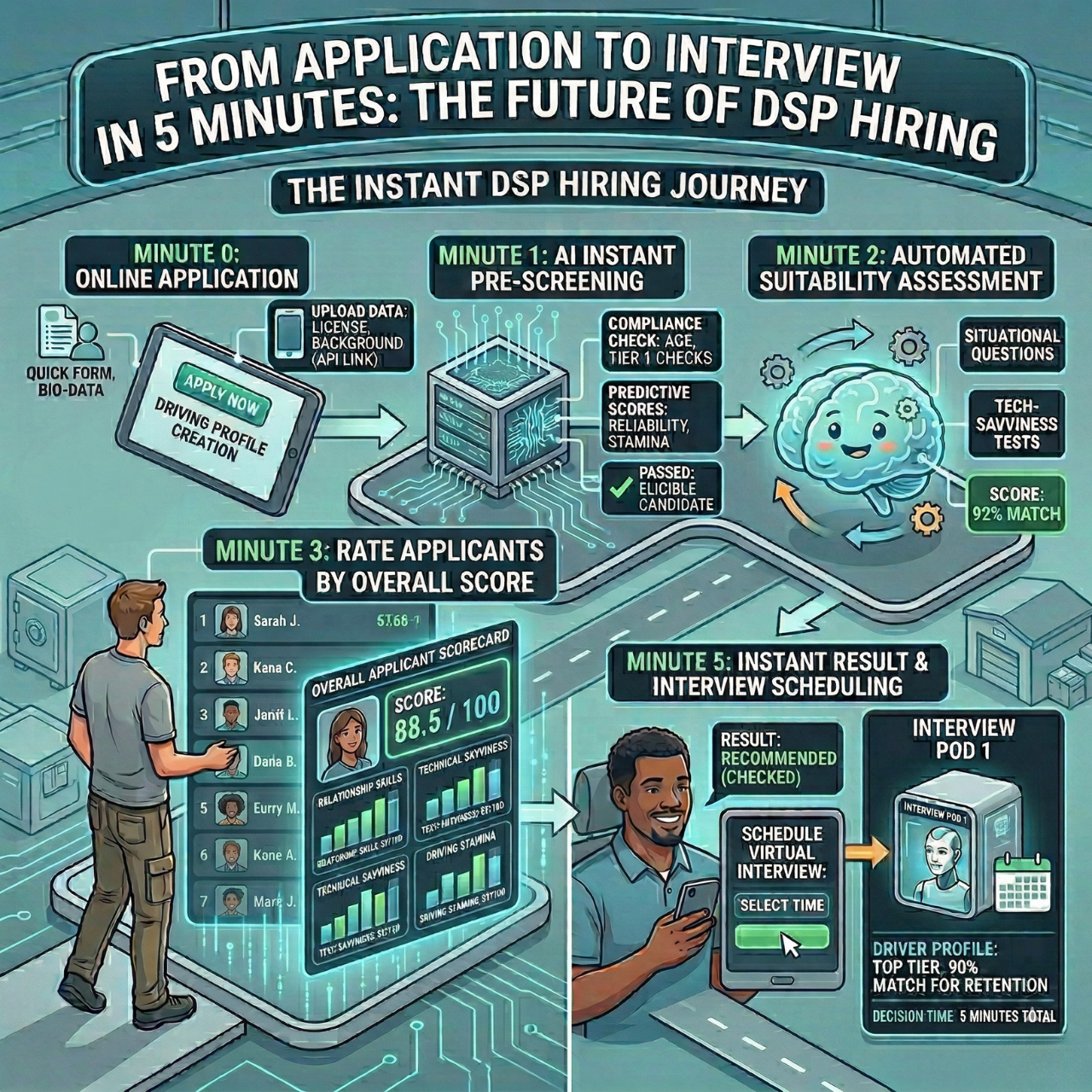
Automation will streamline your process even more. Features like automated scheduling and real-time candidate scoring reduce the time you spend managing interviews. You can see fewer no-shows because only truly interested candidates book their slots.
Ethical AI is also a key focus. You can rely on tools designed to minimize bias and make hiring fairer. Transparent algorithms will help you build diverse teams without extra effort.
With built-in ATS integration and multi-channel engagement, you can scale hiring without adding stress.
Here’s what to look for in future AI hiring software:
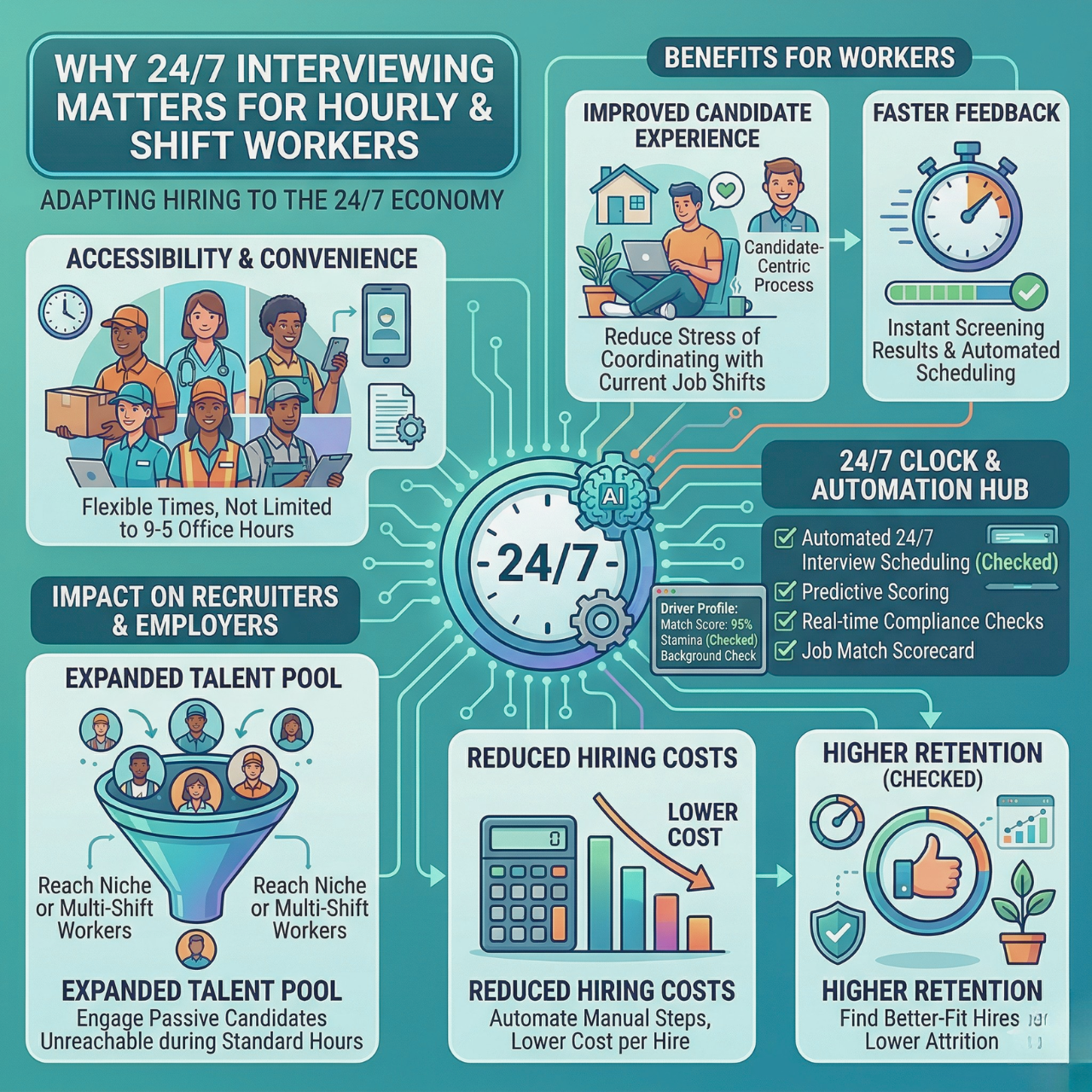
- 24/7 AI interviews for flexible candidate access
- Automated candidate nudges via SMS and email
- Real-time analytics for tracking bottlenecks
- Voice engagement to add a natural feel to interviews
Make AI Recruitment Work for You
The right AI recruitment platforms cut admin, speed up decisions, and lift hiring quality. They automate screening, scheduling, and follow-ups so your team can focus on judgment, not logistics. The result is faster, more efficient hiring with stronger candidates at every stage.
HRMLESS helps you plug AI recruitment platforms into your ATS and workflows so automation actually runs end-to-end. You get consistent pre-screening, real-time visibility, and fewer leaks in your funnel. That means less firefighting and more predictable hiring outcomes.
If you’re ready to streamline your process, turn manual steps into automation, and protect candidate experience, now is the moment to move. Share your current stack and goals, and we’ll map the fastest path to value. Book a demo and start building a faster, cleaner hiring engine.
Frequently Asked Questions
What are AI recruitment platforms?
AI recruitment platforms are software tools that use artificial intelligence to automate parts of hiring. They help with tasks like sourcing candidates, screening resumes, scheduling interviews, and engaging applicants through email or SMS. The goal is to reduce manual work and improve speed and quality in your hiring process.
How do AI recruitment platforms reduce bias?
These platforms apply consistent criteria when screening candidates, focusing on skills, experience, and job-related data instead of subjective impressions. Some include bias-detection features that flag problematic language in job ads or patterns in shortlisting. While they cannot remove bias completely, they help minimize it and make decisions more consistent.
Will AI recruitment platforms replace recruiters?
No. AI recruitment platforms handle repetitive work like filtering, scheduling, and reminders so recruiters can spend more time on interviews, stakeholder alignment, and offer strategy. They act as a force multiplier, not a replacement, by giving recruiters better data and more time for human judgment.
Do AI recruitment platforms work with my existing ATS?
Many AI recruitment platforms integrate directly with applicant tracking systems. They sync candidate data, scores, notes, and status updates so you do not have to copy information between tools. When evaluating vendors, check for native integrations with your ATS and HRIS, plus API options for custom connections.
Are AI recruitment platforms suitable for small teams?
Yes. Many AI recruitment platforms offer entry-level plans for smaller teams or lower hiring volumes. Even with a few open roles, automating screening and scheduling can save hours per week. As your hiring needs grow, you can usually upgrade to plans that support more users, workflows, and advanced analytics.
Featured

Subscribe to ournewsletter
Related posts
Explore the world of photography with our curated selection of
portfolio websites that showcase creativity and innovation.