

Hiring 10 Drivers a Week? How Amazon DSPs Keep Up Without Burning Out HR
Amazon DSPs hiring 10+ drivers per week face nonstop turnover. Learn how top DSPs use AI tools like AI Interviewers to scale hiring without burning out HR.
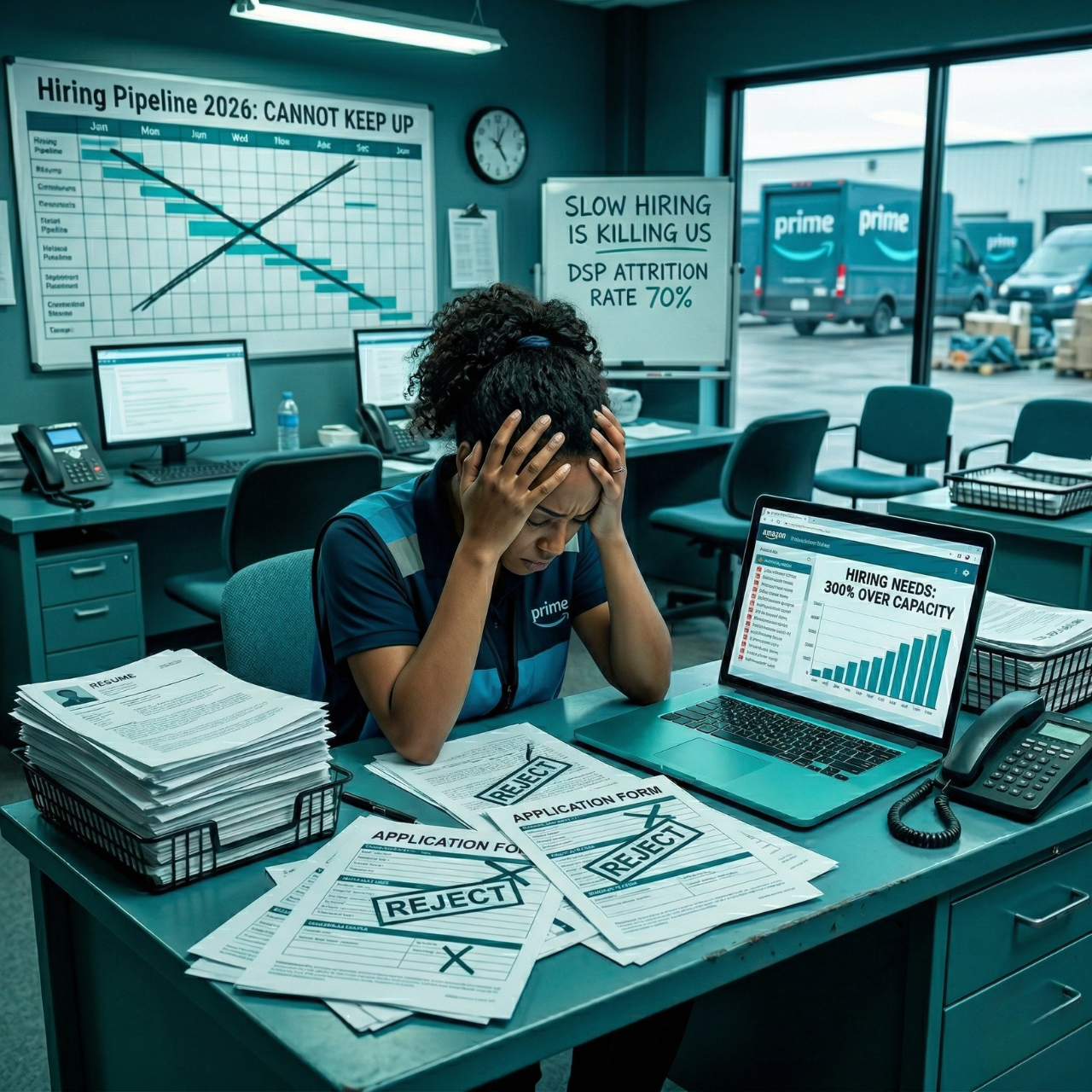
For most Amazon Delivery Service Partners (DSPs), hiring isn’t seasonal—it’s constant.
Whether it’s expanding routes, replacing turnover, or preparing for peak, many DSPs are expected to hire 5–10 drivers every single week just to stay operational. And while Amazon sets the delivery standards, the hiring burden falls squarely on the DSP.
The result?
Overloaded HR managers, rushed interviews, missed candidates, and a revolving door of Day‑One no‑shows.
The Amazon DSPs that scale successfully aren’t hiring harder. They’re implementing AI‑powered hiring systems, including AI Interviewers, to keep up with volume without burning out their people.
Here’s how.
Why Amazon DSP Hiring Feels Overwhelming
Amazon DSP hiring comes with unique challenges that traditional recruiting wasn’t built for:
- Consistently high driver turnover
- Tight route coverage requirements
- Competitive same‑day hiring markets
- Amazon compliance and onboarding timelines
- Limited HR headcount (often one person doing everything)
When HR teams rely on manual hiring processes—emails, phone calls, spreadsheets—the system breaks as volume increases.
Hiring becomes reactive instead of scalable.
The Hidden Cost of HR Burnout in DSP Operations
When your HR team is overwhelmed, the entire DSP feels it.
Common downstream effects include:
- Slower response times to applicants
- Higher interview no‑show rates
- Inconsistent driver quality
- Poor onboarding experiences
- Early driver attrition (first 30–60 days)
For Amazon DSPs, even short staffing gaps can mean:
- Missed routes
- Forced overtime
- Increased driver fatigue
- Lower scorecards
Burned‑out HR isn’t just an internal problem—it’s an operational risk.
How Top Amazon DSPs Scale Hiring Without Scaling Stress
High‑performing DSPs treat hiring like a logistics problem—optimized, automated, and systemized.
Here’s what they do differently.
1. They Treat Hiring as a Continuous Amazon DSP Pipeline
Successful DSPs never “pause” hiring.
Instead of waiting for shortages, they:
- Keep driver postings live year‑round
- Maintain a bench of pre‑qualified candidates
- Track past applicants who may be a fit later
This approach ensures they’re never scrambling when Amazon adds routes or peak volume hits.
2. They Use AI Tools to Eliminate Manual Bottlenecks
This is where many DSPs see the biggest gains.
Top operators use AI‑powered hiring tools to:
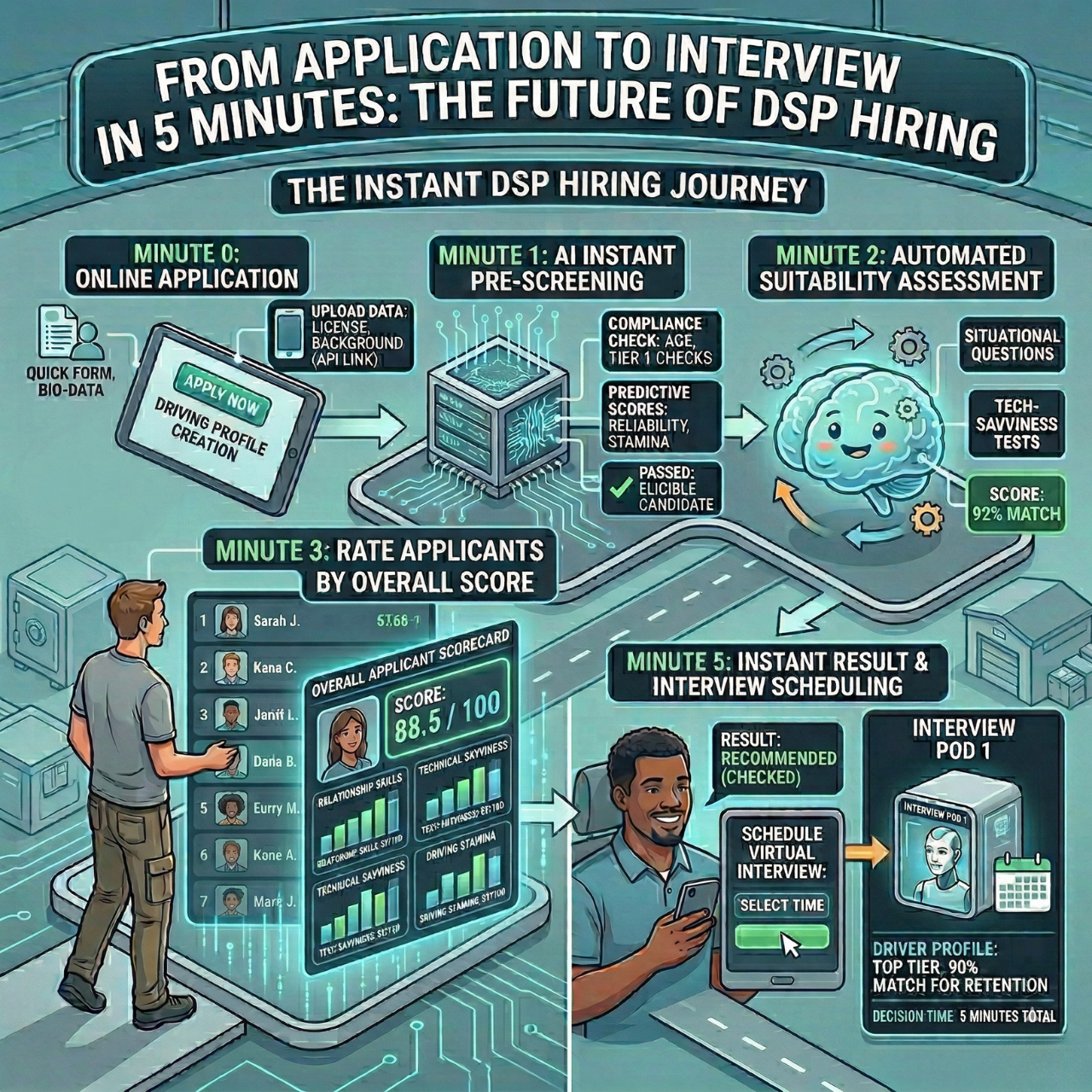
- Automatically screen applications
- Pre‑qualify drivers based on DSP requirements
- Schedule interviews instantly
- Send SMS follow‑ups and reminders
Automation handles the repetitive tasks—so HR can focus on decision‑making, not admin chaos.
3. AI Interviewers Are Becoming Non‑Negotiable for DSPs
Hiring 10 drivers a week manually is unsustainable.
That’s why forward‑thinking DSPs are implementing AI Interviewers as the first step in their funnel.
An AI Interviewer:
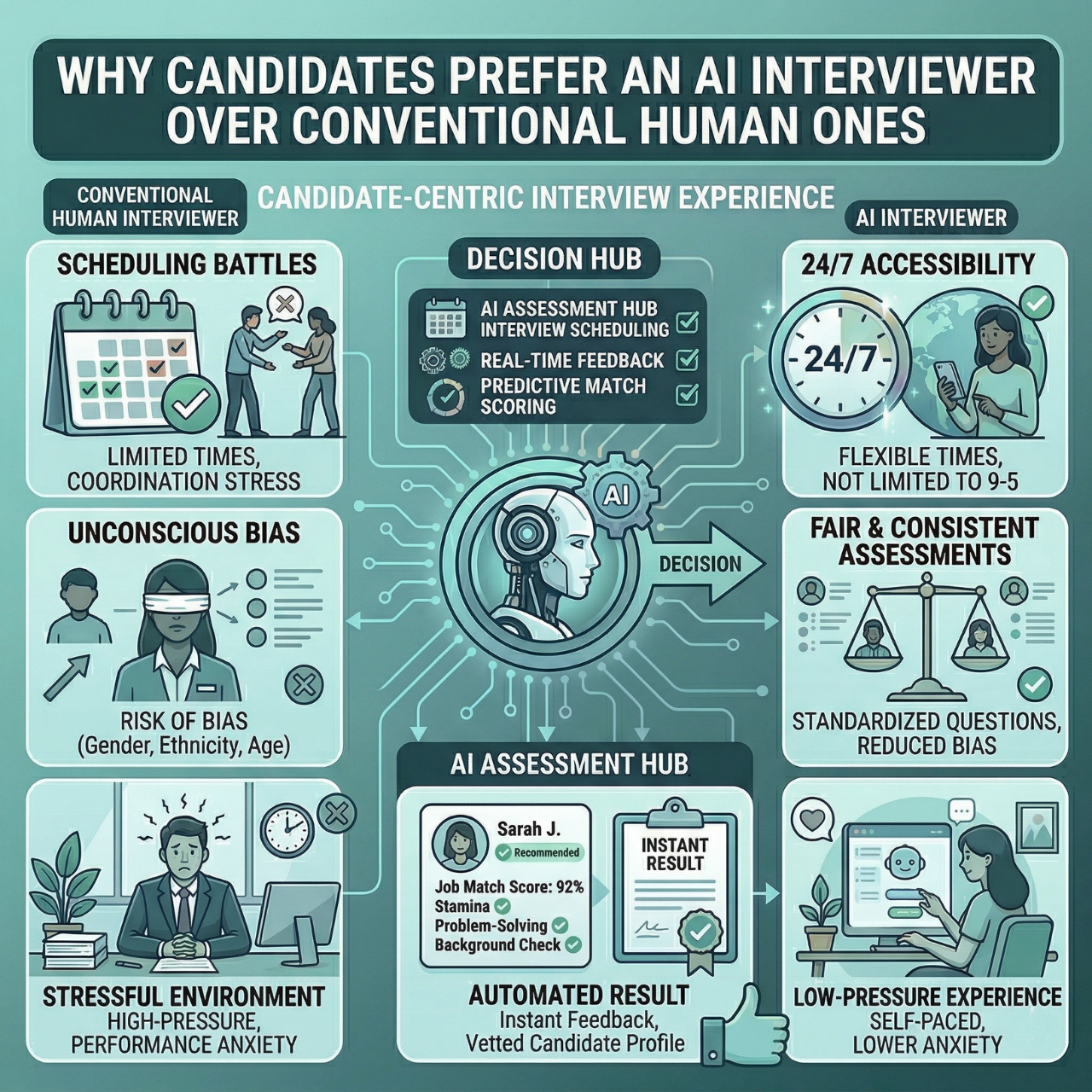
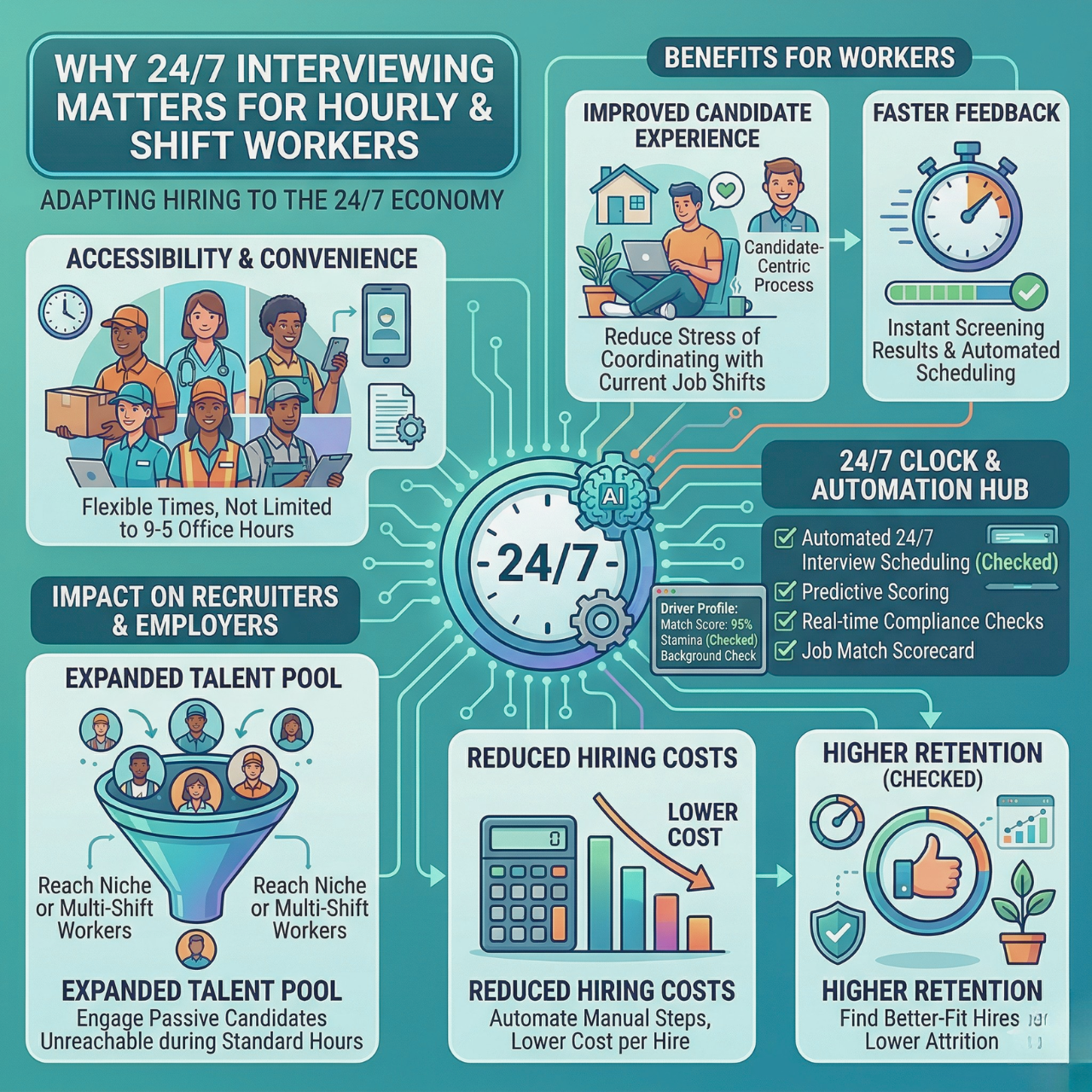
- Conducts structured video or chat interviews 24/7
- Asks consistent, DSP‑approved questions
- Scores candidates objectively
- Flags top performers instantly
Why this matters for Amazon DSPs:
- No waiting for HR availability
- No inconsistent interviews
- Faster time‑to‑hire
- Better hiring data
AI Interviewers ensure every applicant gets screened quickly—before they accept another DSP’s offer.
4. They Optimize for Speed (Because Amazon Candidates Move Fast)
Amazon DSP candidates apply to multiple DSPs at once.
The DSP that responds first often wins.
High‑volume DSPs aim to:
- Engage applicants within minutes
- Complete screening the same day
- Move qualified drivers into onboarding immediately
AI tools (including AI Interviewers and automated scheduling) allow DSPs to match the speed of today’s labor market—without requiring HR to work nights and weekends.
5. They Standardize Interviews and Onboarding to Reduce Mistakes
Consistency matters at scale.
Top DSPs use:
- Standard interview criteria
- Defined pass/fail benchmarks
- Uniform onboarding timelines
AI Interviewers help enforce consistency by asking the same questions, evaluating the same traits, and removing bias caused by fatigue or rushed decisions.
The outcome:
Better hires and fewer early quits.
6. They Reduce Turnover Before Day One
Hiring fast won’t help if drivers quit immediately.
Smart DSPs focus on pre‑hire clarity, making sure candidates understand:
- Schedule expectations
- Physical demands of Amazon routes
- Metrics and performance standards
AI‑based screening ensures only candidates aligned with the reality of Amazon delivery move forward—dramatically reducing first‑month attrition.
The Reality: Amazon DSPs Need Systems, Not More HR
Most DSPs don’t need to hire more HR staff.
They need:
- AI‑driven screening
- AI Interviewers for first‑round interviews
- Automation across hiring and onboarding
- A repeatable hiring system that scales with Amazon demand
This shift transforms hiring from a constant emergency into a predictable operation.
Final Thoughts: AI Is No Longer Optional for DSP Hiring
If your Amazon DSP is hiring 10 drivers a week—or needs to—manual processes won’t keep up.
DSPs that win long‑term are:
- Embracing AI hiring tools
- Implementing AI Interviewers early in the funnel
- Protecting HR from burnout
- Delivering a faster, more consistent candidate experience
In a high‑turnover, high‑volume environment like Amazon delivery, AI isn’t a nice‑to‑have—it’s a competitive advantage.
Featured

Subscribe to ournewsletter
Related posts
Explore the world of photography with our curated selection of
portfolio websites that showcase creativity and innovation.