

Can AI Replace Human Recruiters in 2026?
Recruiters are under pressure to move faster, reduce costs, and still make the right hires. With AI tools everywhere, many teams are asking the same question: Can AI replace human recruiters, or will it just change how hiring gets done?
The real pain point isn’t choosing between humans and technology. It’s dealing with slow screening, interview bottlenecks, and candidate drop-off. HRMLESS addresses this by automating repetitive steps so recruiters can focus on judgment, relationships, and quality hires.
This guide breaks down what AI excels at, where it falls short, and why human recruiters still matter. You’ll see how a balanced approach helps teams hire faster without losing the human touch.
What Is The Role of Human Recruiters?
Human recruiters juggle tasks that demand judgment, empathy, and strategic thinking. They act as the bridge between companies and candidates, managing relationships and making decisions that algorithms can’t reliably handle.
Core Responsibilities in Talent Acquisition
Recruiters do more than post job ads and sift through resumes. They source candidates through professional networks, referrals, and platforms, often reaching people who aren’t actively job hunting.
Screening isn’t just box-checking. Recruiters read between the lines to understand fit, spot potential, and identify strengths in candidates who may not match the “perfect” resume.
Key tasks include:
- Writing and posting job descriptions that attract the right crowd
- Reviewing applications to spot qualified people
- Handling initial phone screens to check basic fit
- Coordinating interviews between candidates and hiring teams
- Negotiating salaries and managing counteroffers
Interpersonal Skills and Candidate Experience
Recruiters use emotional intelligence to read candidates' emotions throughout the process. They catch concerns, excitement, and hesitations, sometimes before a candidate says anything directly.
They guide candidates through stressful moments, such as interview prep and compensation conversations. A strong recruiter knows when to push, when to be direct, and when to help someone make a tough decision.
Human recruiters excel at:
- Asking follow-up questions that go deeper
- Sensing when someone is uncomfortable or holding back
- Adapting communication style to match the candidate
- Giving feedback that’s useful, not canned
Your recruiter is also the face of the company. Every interaction shapes a candidate’s first impression of what it’s like to work there.
Relationship Building With Hiring Managers
Recruiters work closely with hiring managers to define what the team truly needs, beyond the job description. These conversations reveal unspoken preferences, team dynamics, and the real challenges of the role.
They also push back when requirements get unrealistic or when bias starts creeping in. That advocacy helps candidates get a fair shot based on what they can actually do.
Recruiters also educate hiring managers about the job market, explaining why certain skills are rare or why salary expectations may be reasonable.
Advances in AI Recruitment Technology
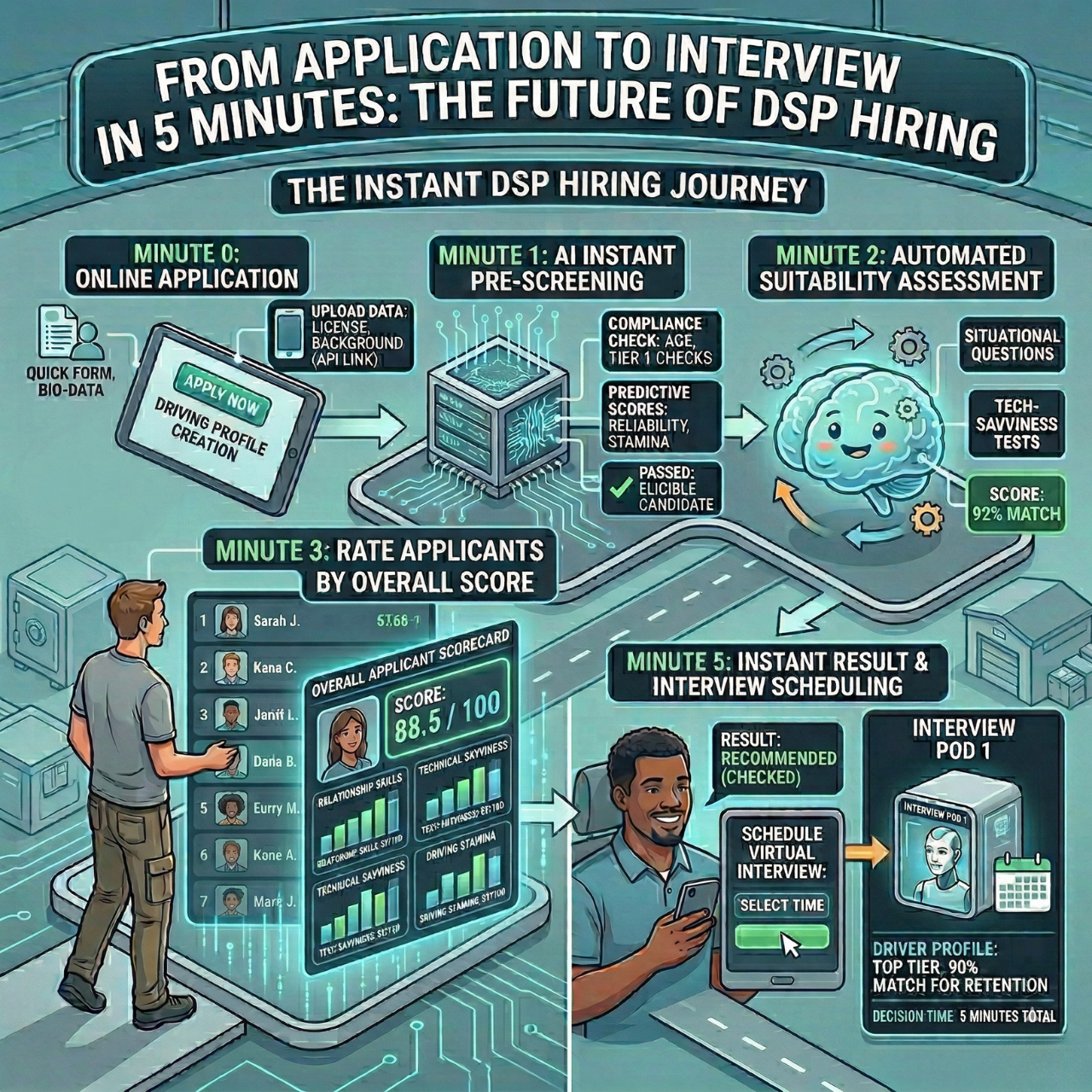
AI recruitment tools now handle tasks like resume scanning and interview scheduling with little to no manual effort. These systems use algorithms to interpret candidate information and match people to roles faster than traditional workflows.
AI-Powered Resume Screening
AI screening tools can review hundreds of resumes in minutes. They scan for keywords, skills, and relevant experience aligned with a role. Modern tools go beyond keyword matching. They can interpret context and identify comparable experiences, even when candidates describe skills in different words.
Some reports claim this tech can cut initial screening time by up to 75%. Even so, it’s smart to double-check results because AI can miss strong candidates or make odd calls.
Automated Interview Scheduling
AI scheduling tools remove the endless back-and-forth emails. The software checks calendars, suggests times, sends invites, and issues reminders.
These systems can coordinate multiple rounds and adjust when conflicts arise. Some allow candidates to choose their own slots, improving speed and flexibility.
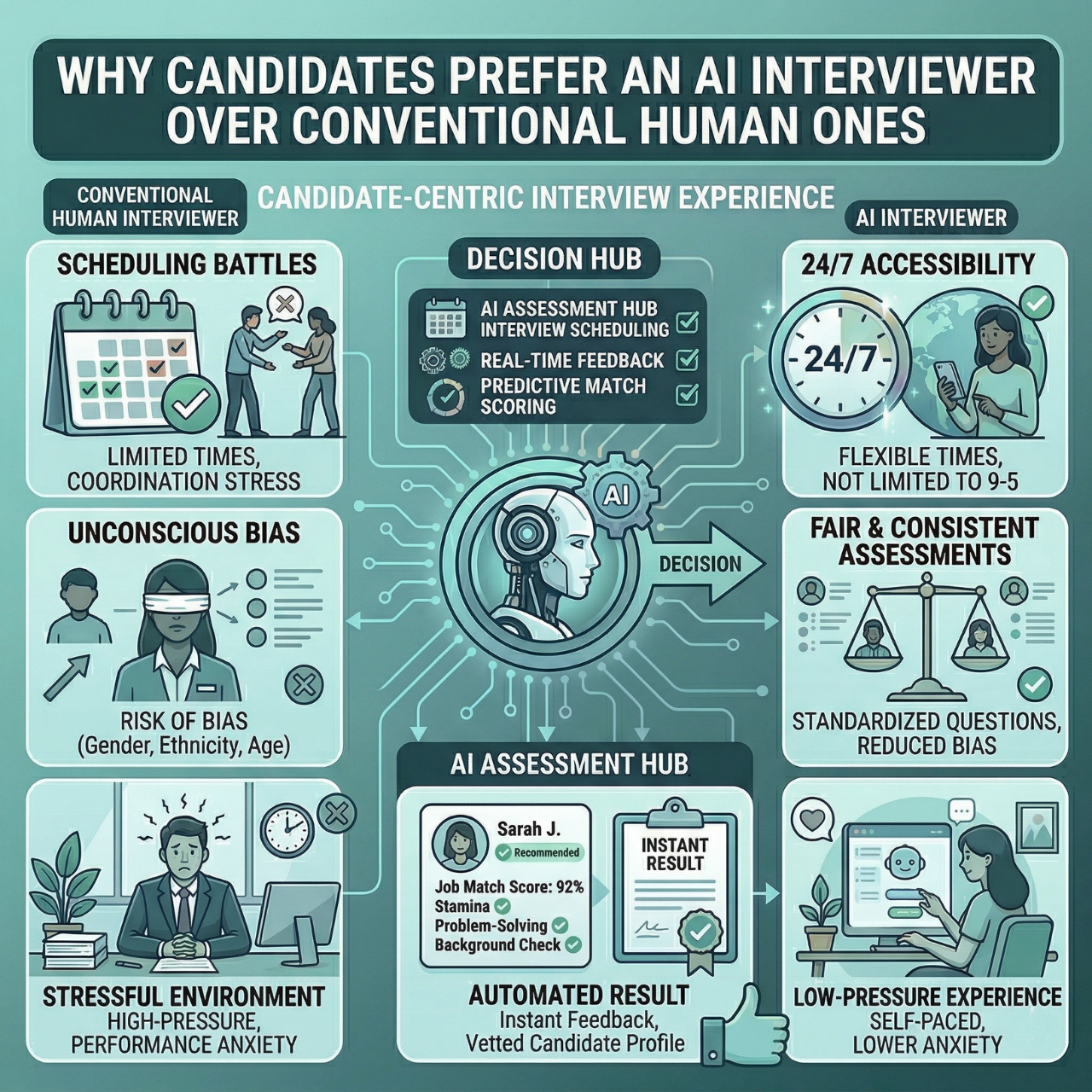
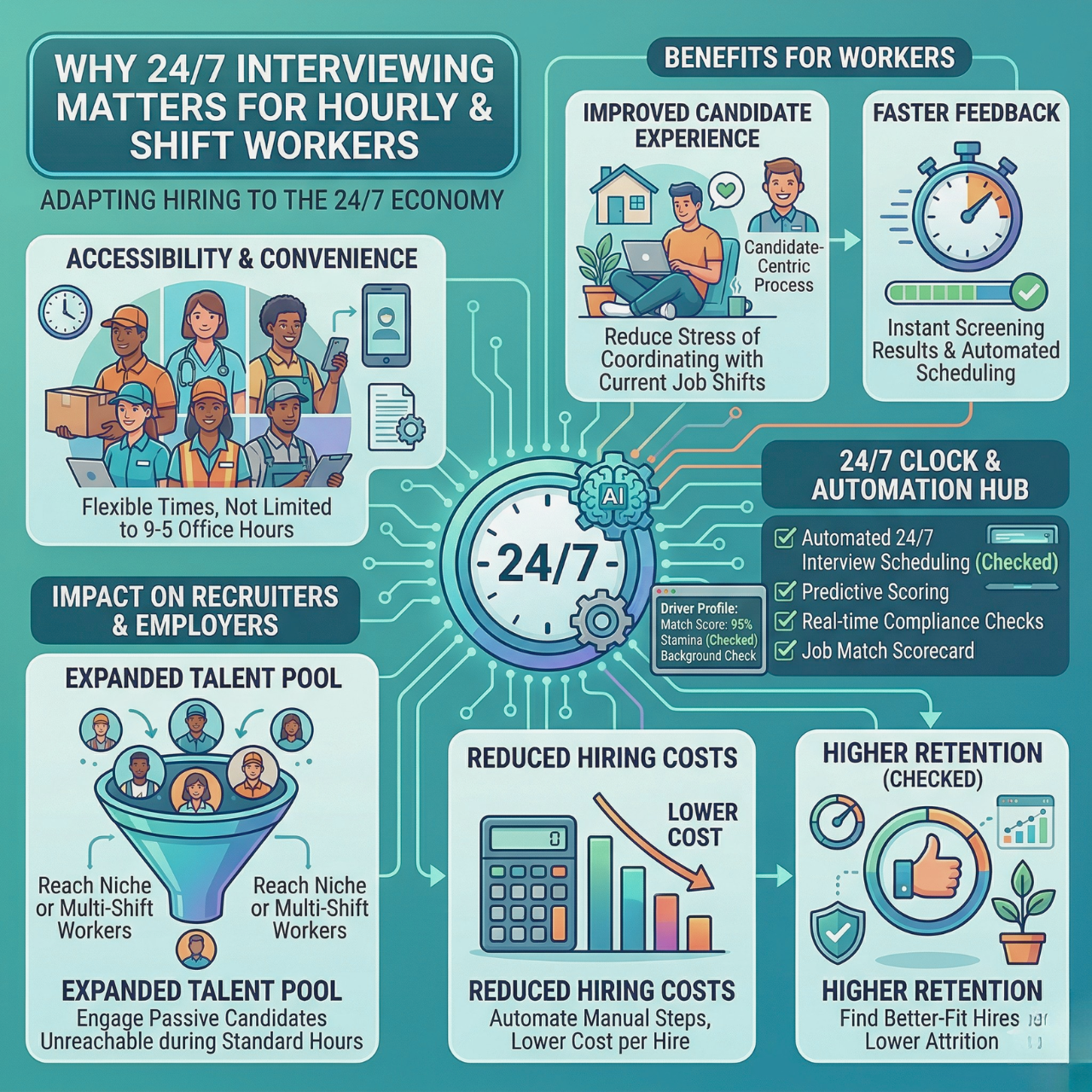
Because the tech runs 24/7, candidates can book interviews outside normal business hours, helping reduce delays.
Natural Language Processing in Candidate Assessment
Natural Language Processing (NLP) helps AI analyze written responses and interview transcripts. It looks at patterns in word choice, sentence structure, and communication style.
Some tools also analyze video interviews, using signals like tone and facial expressions to estimate confidence or enthusiasm. That can add context beyond a resume, but it’s not a replacement for human judgment. AI assessments can help structure evaluations, but they’re only one part of the decision to hire.
Limits of AI in Replacing Human Recruiters
Even as AI improves, it still struggles with nuanced judgment, ethical issues, and understanding human dynamics. If you’re still asking if AI can replace human recruiters, these limits explain why the answer stays “not completely.”
Complex Decision-Making Challenges
AI works best with clear rules and consistent patterns. But hiring is messy, and real careers don’t always follow a neat path.
If someone has an unusual career story or a gap in their career for personal reasons, AI might reject them too quickly. Human recruiters can see value in non-traditional paths and interpret context.
Where human judgment is crucial:
- Seeing potential beyond perfect credentials
- Understanding career changes and employment gaps
- Weighing conflicting information on borderline candidates
- Adjusting criteria for unique or evolving roles
AI can also struggle with gray areas in interviews. A candidate may answer awkwardly but show strong potential elsewhere. Humans can recognize talent that doesn’t fit a template.
Bias and Ethical Considerations
AI learns from past hiring data, which may include patterns of discrimination. If historical outcomes were biased, AI can repeat them.
These systems don’t reliably recognize bias on their own. People must audit results and watch for unfair patterns.
Common bias risks in AI recruiting:
- Gender or age discrimination
- Overvaluing certain schools or companies
- Penalizing employment gaps (often impacting caregivers)
- Misreading language patterns for non-native speakers
Ethical hiring requires empathy and value-based judgment. AI can’t weigh competing priorities the way people can.
Understanding Company Culture Fit
AI can match keywords and experience, but culture fit requires real conversation. It’s about tone, energy, values, and how someone interacts under pressure. A recruiter notices subtle signals, like how a candidate talks about teamwork or responds to conflict questions.
What humans pick up that AI often misses:
- Genuine motivation for the mission
- Communication style that fits the team
- Ability to handle pace, ambiguity, and pressure
- Relationship-building that helps close top candidates
Candidates also want a human connection. Trust and transparency often influence whether a top candidate accepts an offer.
Collaboration Between AI and Human Recruiters
AI and human recruiters are strongest when they work together. AI can handle repetitive tasks, while recruiters focus on relationships, judgment, and decision-making.
Enhancing Efficiency Through Automation
AI takes on time-consuming admin work, which frees recruiters to spend more time with candidates.
Common tasks AI automates:
- Resume screening and parsing
- Interview scheduling
- Candidate status updates
- Basic qualification checks
- Job posting distribution
AI can act as a first filter, then hand off qualified candidates for deeper evaluation. That makes recruiter time more focused and consistent.
Leveraging AI for Candidate Sourcing
AI tools scan job boards, social platforms, and networks to identify candidates with specific skills. They can also learn patterns from past successful hires and suggest similar profiles.
But recruiters still make the final call about who to contact and how to approach them. Culture fit, team balance, and long-term potential still rely on human judgment.
Future Outlook for Recruitment Professionals
Recruiting is moving toward a hybrid model where tech skills and human judgment work together. Recruiters who adapt will step into more strategic roles that AI can’t replace.
Evolution of Recruiting Skills
Recruiters who thrive will learn to use AI tools effectively, interpret hiring data, and evaluate outputs without blindly trusting them.
At the same time, core human strengths become even more valuable, especially relationship building, culture assessment, and nuanced interviews.
Skills that become more important:
- Structured interviewing and soft-skill evaluation
- Building candidate trust and engagement
- Negotiation and sensitive conversations
- Translating hiring data into action
Emerging Roles in the Age of AI
As recruiting tech evolves, new roles are becoming more common, including:
- AI recruiting specialists who manage recruitment systems
- Candidate experience managers who design human touchpoints
- Recruitment data analysts who translate insights into strategy
- Strategic talent advisors who support workforce planning
These roles blend business understanding with technology fluency.
Hiring Faster Without Losing the Human Touch
AI helps reduce slow screening, scheduling delays, and manual work that drain recruiter time. But it can’t replace human judgment, empathy, or the ability to assess real fit. The strongest hiring teams combine automation with human decision-making.
That balance is where HRMLESS fits. By automating repetitive steps, it helps recruiters focus on conversations, quality evaluation, and better candidate experiences instead of inbox overload.
If hiring feels slower and harder than it should, it’s time to streamline the busywork. Book a Demo to see how a smarter workflow supports faster, more human hiring.
Frequently Asked Questions
How might AI tools support human recruiters, rather than replace them?
AI tools handle time-heavy tasks like resume scanning, matching, and scheduling. That frees recruiters to focus on conversations, evaluation, and decision-making. AI can provide rankings and recommendations, but recruiters apply judgment and context before deciding who moves forward.
What roles in recruitment can AI automate, and which require a human touch?
AI can automate screening, follow-ups, scheduling, and basic qualification checks. Some tools can run early-stage chatbot screens, too. Human recruiters are still needed for relationship building, culture assessment, nuanced interviews, and offer negotiation.
Could the implementation of AI in recruitment lead to more unbiased hiring processes?
AI can help reduce bias by applying consistent criteria. But if it’s trained on biased historical data, it may repeat those patterns. Regular audits, transparency, and human oversight are essential to keep outcomes fair.
What challenges does the recruitment industry face with the integration of AI technology?
AI systems can be expensive and take time to implement. Recruiters also need training to use them well. Some candidates dislike AI interviews, and technical problems can disrupt the process. Teams also need to separate useful tools from hype.
How can recruiters ensure they stay relevant in an increasingly AI-driven industry?
Develop skills AI can’t replicate: relationship building, emotional intelligence, negotiation, and nuanced decision-making. Also, learn to manage AI tools confidently, so you can use them as leverage rather than competition.
What ethical considerations arise with the use of AI in recruiting and hiring?
AI may discriminate without clear warning signs, so oversight matters. Candidates should know when AI is used, and privacy protections must be strong. Teams should track compliance with applicable laws, provide transparency, and offer candidates a way to talk to a human if something feels wrong.
Featured

Subscribe to ournewsletter
Related posts
Explore the world of photography with our curated selection of
portfolio websites that showcase creativity and innovation.