

High Turnover Isn’t the Problem—Hiring the Wrong Drivers Is
High turnover isn’t inevitable for Amazon DSPs. Learn why hiring the wrong drivers—not the job itself—is the real issue, and how DSP owners can fix it at the source.
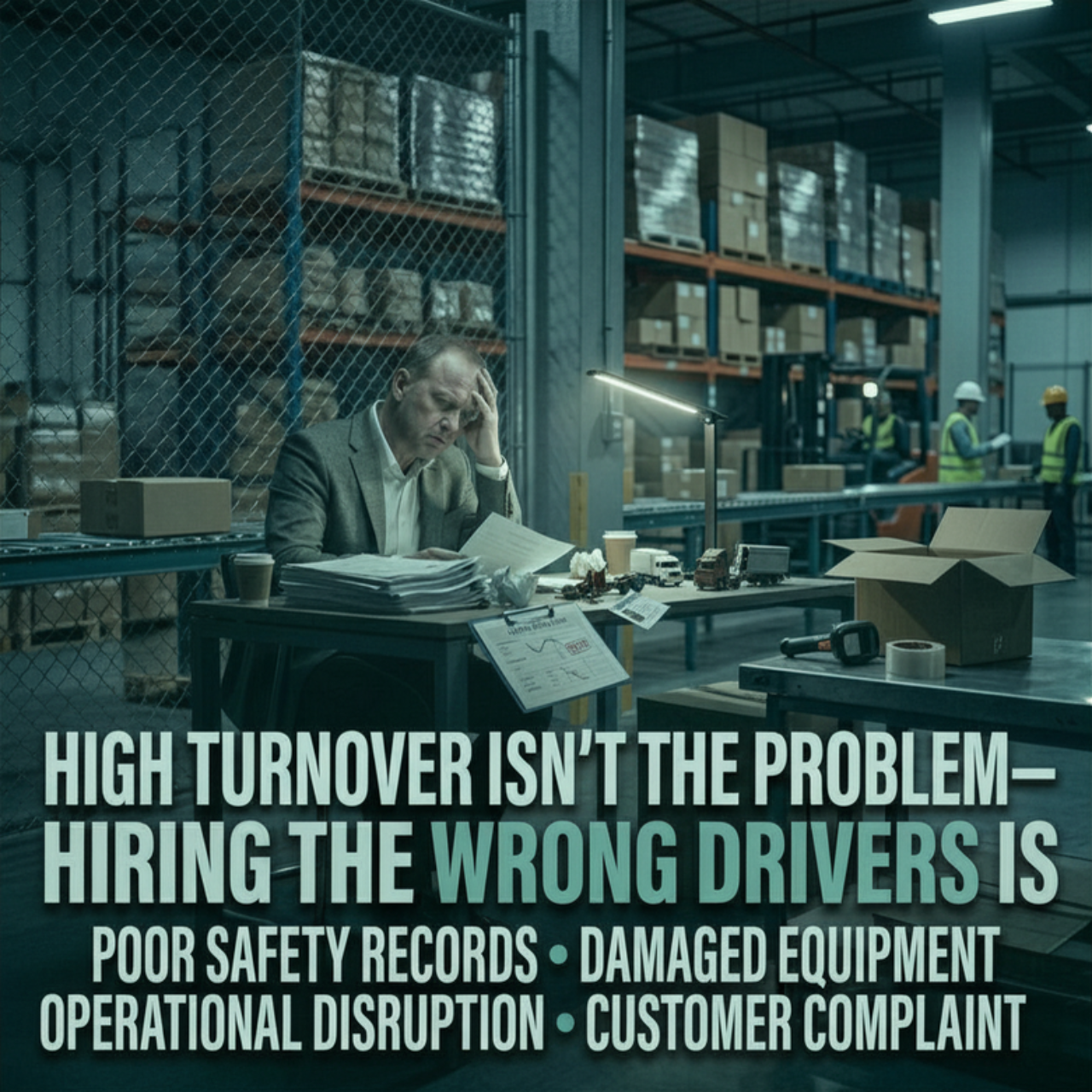
If you own an Amazon Delivery Service Partner (DSP), you’ve probably said—or thought—this at least once:
“Driver turnover is just part of the business.”
And while it’s true that Amazon delivery roles have natural churn, constant turnover is not inevitable. In fact, for most DSPs, the real issue isn’t high turnover at all.
It’s hiring the wrong drivers from the start.
When the same problems repeat—early quits, no‑shows, performance issues—the cause isn’t Amazon, the routes, or even the labor market. It’s a breakdown in the hiring process that allows poor‑fit candidates into your operation.
Let’s unpack what’s really happening—and how Amazon DSP owners can fix it.
The Costly Myth: “Turnover Is Just Part of DSP Life”
High‑performing DSPs prove every day that turnover can be managed, reduced, and predicted.
The DSPs who struggle most tend to:
- Hire reactively when routes are short
- Prioritize speed over fit
- Lower standards to “fill seats”
- Skip structured screening
The result? Drivers who quit in the first 30–60 days—and a never‑ending hiring cycle that feels unavoidable.
But turnover isn’t the root problem. Mismatch is.
Why Hiring the Wrong Drivers Creates Chronic Turnover
Amazon delivery isn’t for everyone. The job is:
- Physically demanding
- Metric‑driven
- Fast‑paced and repetitive
- Weather‑dependent
- Rigid on performance standards
When DSPs don’t clearly screen for candidates who can handle this reality, turnover spikes—not because the job is bad, but because expectations were never aligned.
Common hiring mistakes include:
- Overlooking red flags to move fast
- Relying on “gut feel” interviews
- Inconsistent screening across managers
- Not addressing schedule, pace, or physical demands upfront
These gaps allow candidates to say “yes” to a job they were never going to sustain.
Early Turnover Is a Hiring Failure, Not a Retention One
When a driver quits in the first few weeks, it’s rarely due to:
- Pay
- Dispatch
- Management
More often, it’s because the role was misrepresented, misunderstood, or misaligned with the candidate’s capabilities or expectations.
From a DSP owner’s perspective, early turnover creates:
- Re‑training costs
- Route instability
- Increased overtime for existing drivers
- Lower morale across the team
And every early quit forces you back into hiring mode—again.
Why “Hiring Faster” Often Makes the Problem Worse
When DSPs feel understaffed, hiring becomes urgent.
This leads to:
- Shorter interviews
- Fewer screening questions
- Ignoring gaps in experience or availability
- Onboarding drivers who aren’t ready
Speed matters in Amazon DSP hiring—but speed without structure increases churn.
The DSPs with the lowest turnover hire quickly and decisively, using consistent criteria every time.
High‑Performing DSPs Hire for Reality, Not Hope
Successful Amazon DSP owners focus on pre‑hire alignment.
That means ensuring candidates understand:
- The physical nature of Amazon routes
- Schedule realities (weekends, peak, holidays)
- Performance standards and scorecards
- The pace expected on each shift
Drivers who know what they’re walking into—and are screened accordingly—are far more likely to stay.
The Real Question DSP Owners Should Be Asking
Instead of asking:
Top DSP owners ask:
“How do we stop hiring drivers who won’t last?”
That shift changes everything.
It leads to:
- Better interviews
- Clearer job previews
- Consistent qualification standards
- Fewer early exits
- More stable route coverage
Retention becomes a byproduct of better hiring—not a constant firefight.
What Lower Turnover Actually Looks Like for Amazon DSPs
DSPs that fix their hiring process typically see:
- Fewer first‑month quits
- Higher driver performance consistency
- Reduced HR workload
- More predictable staffing levels
- Stronger Amazon scorecards
They still replace drivers—but not at a pace that disrupts operations.
Final Thoughts: Fix Hiring, and Turnover Follows
Amazon DSP turnover isn’t a mystery—and it isn’t unsolvable.
When churn feels endless, it’s usually because:
- The hiring funnel is leaking poor‑fit candidates
- Speed is prioritized over alignment
- Screening lacks structure
High turnover isn’t the problem.
Hiring the wrong drivers is.
And when DSP owners fix hiring at the source, everything downstream—retention, performance, morale, and growth—gets easier.
Featured

Subscribe to ournewsletter
Related posts
Explore the world of photography with our curated selection of
portfolio websites that showcase creativity and innovation.