

How to AI-Proof Your Resume (and Beat the AI Interviewer)
Struggling to get noticed? Discover how to optimize your resume for an AI Interviewer and pass ATS screenings with expert tips that get results.
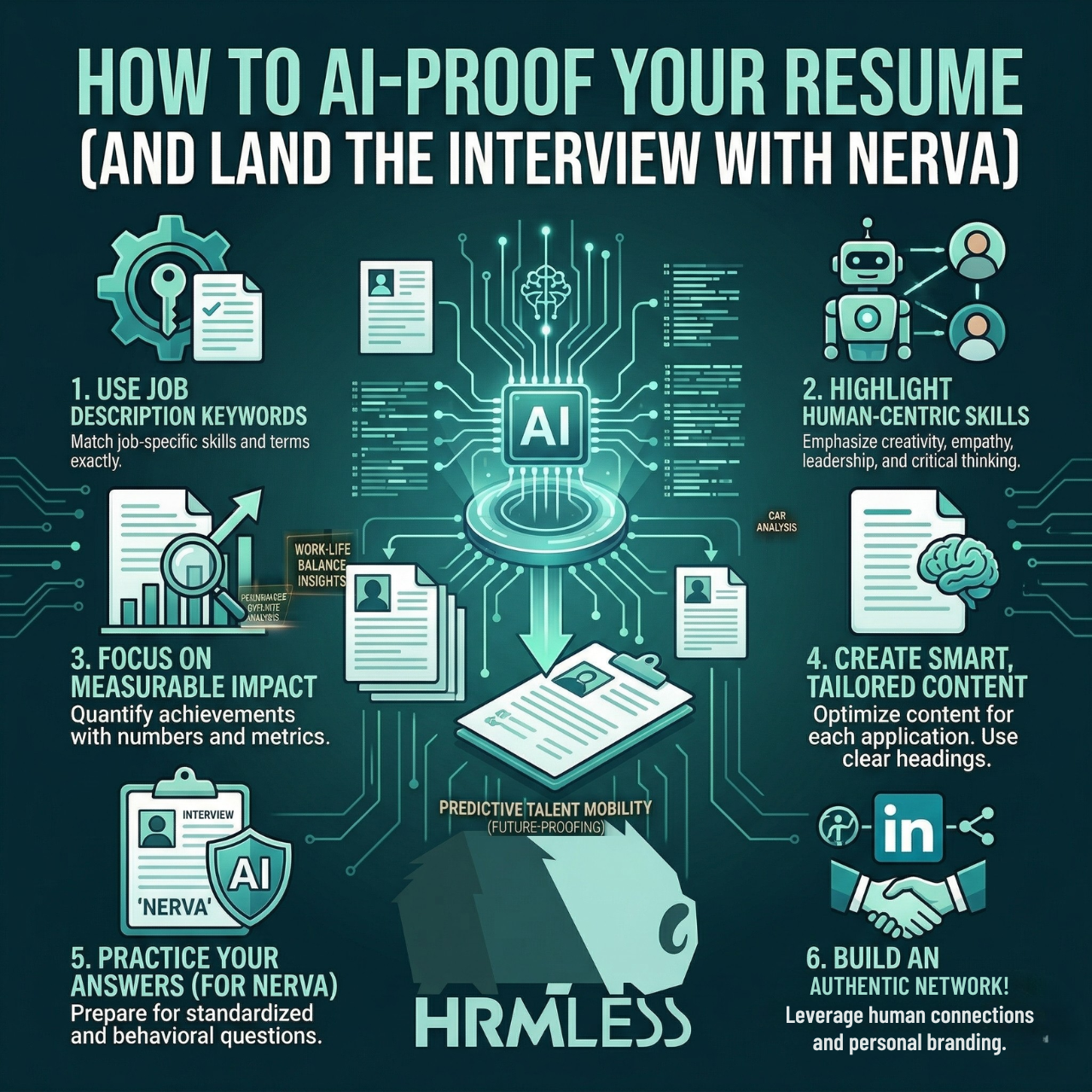
The hiring process has changed dramatically. Today, your resume isn’t just read by a human recruiter—it’s scanned, filtered, scored, and sometimes even “understood” by an AI Interviewer before a person ever sees it.
If your resume isn’t optimized for this reality, it may never make it past the first digital gate.
In this guide, you’ll learn exactly how to AI-proof your resume, stand out in automated screenings, and increase your chances of getting hired in an AI-driven job market.
What Is an AI Interviewer?
An AI Interviewer is a system powered by artificial intelligence that evaluates candidates during the hiring process. It can:
- Scan resumes for keywords and relevance
- Rank candidates based on job fit
- Analyze formatting and readability
- Conduct video or chatbot-based interviews
- Score responses using natural language processing
This means your resume must be optimized not just for humans—but for algorithms.
Why Traditional Resumes Fail AI Screening
Many job seekers unknowingly create resumes that are invisible to AI systems. Common issues include:
- Overly designed layouts with columns or graphics
- Missing keywords from the job description
- Vague or generic descriptions
- Inconsistent formatting
- Use of images or text boxes
While these might look attractive to a human, they can confuse or even break an AI Interviewer’s parsing system.
10 Proven Ways to AI-Proof Your Resume
1. Use a Clean, Simple Format
AI systems prefer clarity over creativity.
Best practices:
- Use standard fonts (Arial, Calibri, Times New Roman)
- Avoid tables, text boxes, and columns
- Stick to a single-column layout
- Use clear headings like “Experience” and “Skills”
2. Mirror the Job Description Keywords
An AI Interviewer scans for relevance by matching keywords.
How to do it:
- Carefully read the job posting
- Identify repeated skills and requirements
- Naturally incorporate those keywords into your resume
Example:
If the job mentions “project management” and “Agile,” include those exact terms where applicable.
3. Use Standard Section Headings
Avoid creative titles like:
- “My Journey” → Use “Work Experience”
- “What I Bring” → Use “Skills”
AI systems are trained to recognize conventional headings.
4. Focus on Measurable Achievements
AI tools increasingly evaluate impact, not just duties.
Weak:
- Responsible for managing a team
Strong:
- Managed a team of 8, increasing productivity by 25%
Numbers signal value—to both AI Interviewers and humans.
5. Optimize for Both Humans and AI
Your resume must pass two tests:
- The AI Interviewer
- The hiring manager
Write clearly, avoid jargon overload, and keep it readable.
6. Avoid Keyword Stuffing
Yes, keywords matter—but overusing them can backfire.
Instead of:
“Project management project manager managing projects…”
Use:
“Led cross-functional projects using Agile project management methodologies.”
Natural language wins.
7. Include a Skills Section with Hard Skills
AI Interviewers heavily rely on skills matching.
Include:
- Technical skills (software, tools, platforms)
- Certifications
- Industry-specific competencies
Place this section prominently on your resume.
8. Use Standard File Types
Always submit your resume as:
- PDF (if allowed)
- DOCX (safe fallback)
Avoid unusual formats that an AI Interviewer may not process correctly.
9. Customize Every Resume
Sending the same resume everywhere is no longer effective.
Tailor each version to:
- The specific job
- The company
- The role requirements
Even small keyword adjustments can dramatically improve AI matching scores.
10. Prepare for AI-Driven Interviews
Getting past the resume is only step one. Many companies now use AI Interviewer tools for screening interviews.
Be ready to:
- Answer behavioral questions clearly and concisely
- Use structured responses (like STAR method)
- Speak naturally but professionally
- Maintain good pacing and tone
Bonus Tip: Test Your Resume Against AI
Before submitting, try:
- Resume scanners
- ATS simulators
- Keyword match tools
These give insight into how an AI Interviewer might rank your application.
The Future of Hiring: Adapt or Get Filtered Out
AI isn’t replacing hiring—it’s transforming it.
The candidates who succeed are those who:
- Understand how AI Interviewers work
- Adapt their resumes accordingly
- Balance optimization with authenticity
Final Thoughts
AI-proofing your resume isn’t about tricking the system—it’s about aligning your experience with how modern hiring works.
By using the right structure, keywords, and clarity, you’ll dramatically improve your chances of passing the AI Interviewer stage and landing real interviews.
The job market is evolving. Your resume should too.
Featured

Subscribe to ournewsletter
Related posts
Explore the world of photography with our curated selection of
portfolio websites that showcase creativity and innovation.