

AI Hiring Tools for Remote Jobs That Actually Save Time

Hiring for remote roles sounds simple until the applications start flooding in. Different time zones, long screening cycles, and manual follow-ups quickly slow teams down. That’s why many companies turn to AI hiring tools for remote jobs to regain speed and control.
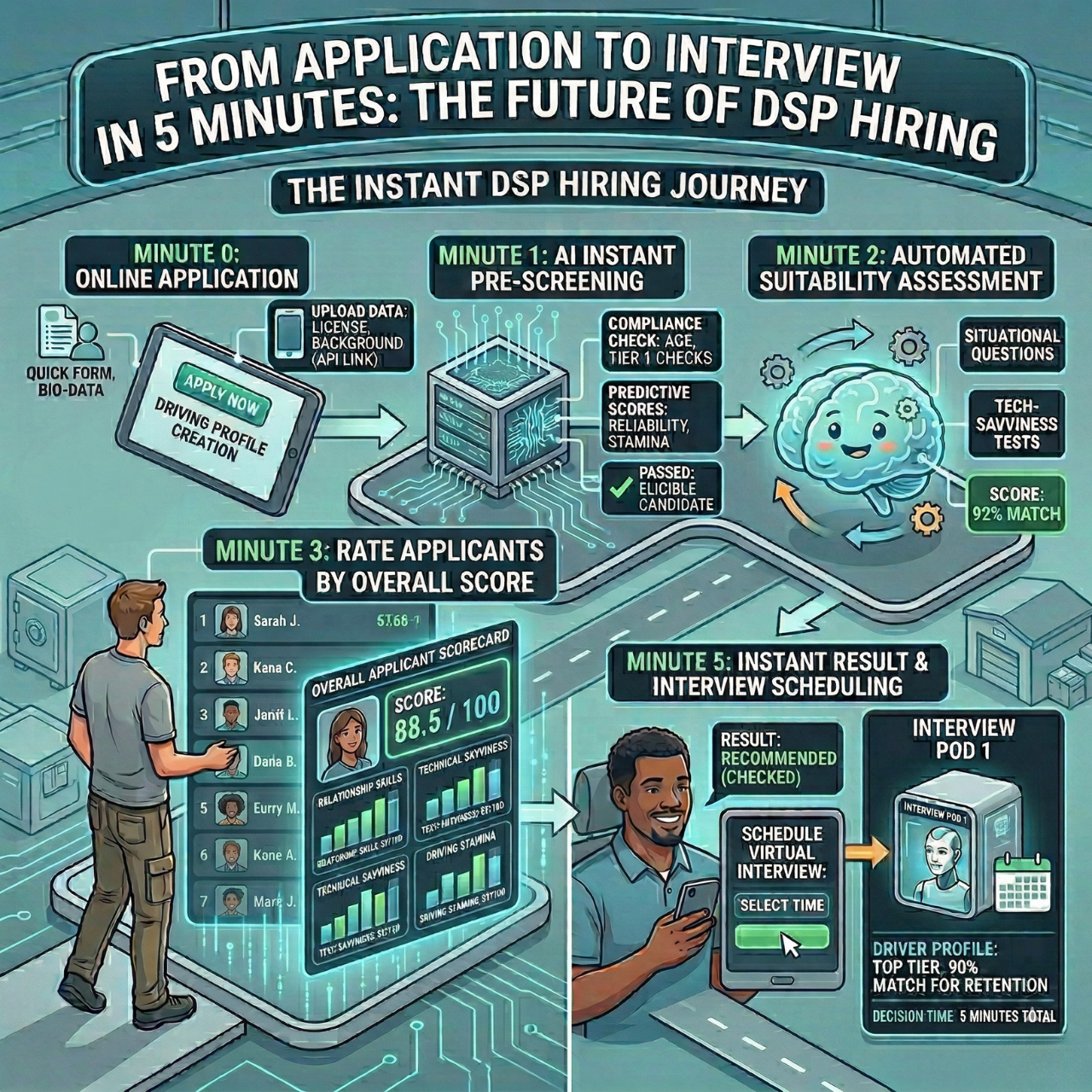
Instead of spending hours reviewing resumes and coordinating interviews, platforms like HRMLESS automate screening, scoring, and scheduling. The result is faster shortlists, less admin work, and more time to focus on real conversations with qualified candidates.
This guide breaks down how AI hiring tools work, which features matter most for remote teams, and how to choose the right option without overcomplicating your process.
What Are AI Hiring Tools for Remote Jobs?
AI hiring tools for remote jobs use smart tech to match job seekers with remote gigs and help companies find candidates without burning up days on admin. These systems streamline tasks that used to eat up hours.
For job seekers, these tools might include:
- Resume builders
- Application trackers
- Interview prep systems
Some platforms will even apply to jobs for you, based on your preferences. Others analyze job descriptions and let you know how well your background matches what employers want.
For employers, AI tools can:
- Screen thousands of applications quickly
- Rank candidates by qualifications
- Automate interview scheduling
- Send follow-up emails
- Handle candidate communications
Many companies use Applicant Tracking Systems (ATS) that filter applications before a human ever gets involved.
How AI Is Shaping Remote Recruitment
Remote hiring exploded from 2019 to 2023, and AI tools made that surge manageable. Companies can now review candidates from anywhere without spending weeks buried in resumes.
AI platforms can:
- Scan job listings across the web every hour
- Organize listings by skill level and location flexibility
- Weed out duplicate postings
- Flag unclear salaries or sketchy job requirements
Job seekers already use AI tools in their search. These folks tend to land higher salary offers, probably because their applications are more tailored. AI helps you tweak each resume for specific jobs and suggests keywords that get past automated screening.
Why Remote Companies Use AI in Hiring
Remote companies get flooded with more applications than local businesses since they can hire from anywhere. AI shrinks the time spent reviewing resumes from weeks to days, or even hours.
Key benefits for remote employers:
- Screen hundreds of candidates automatically
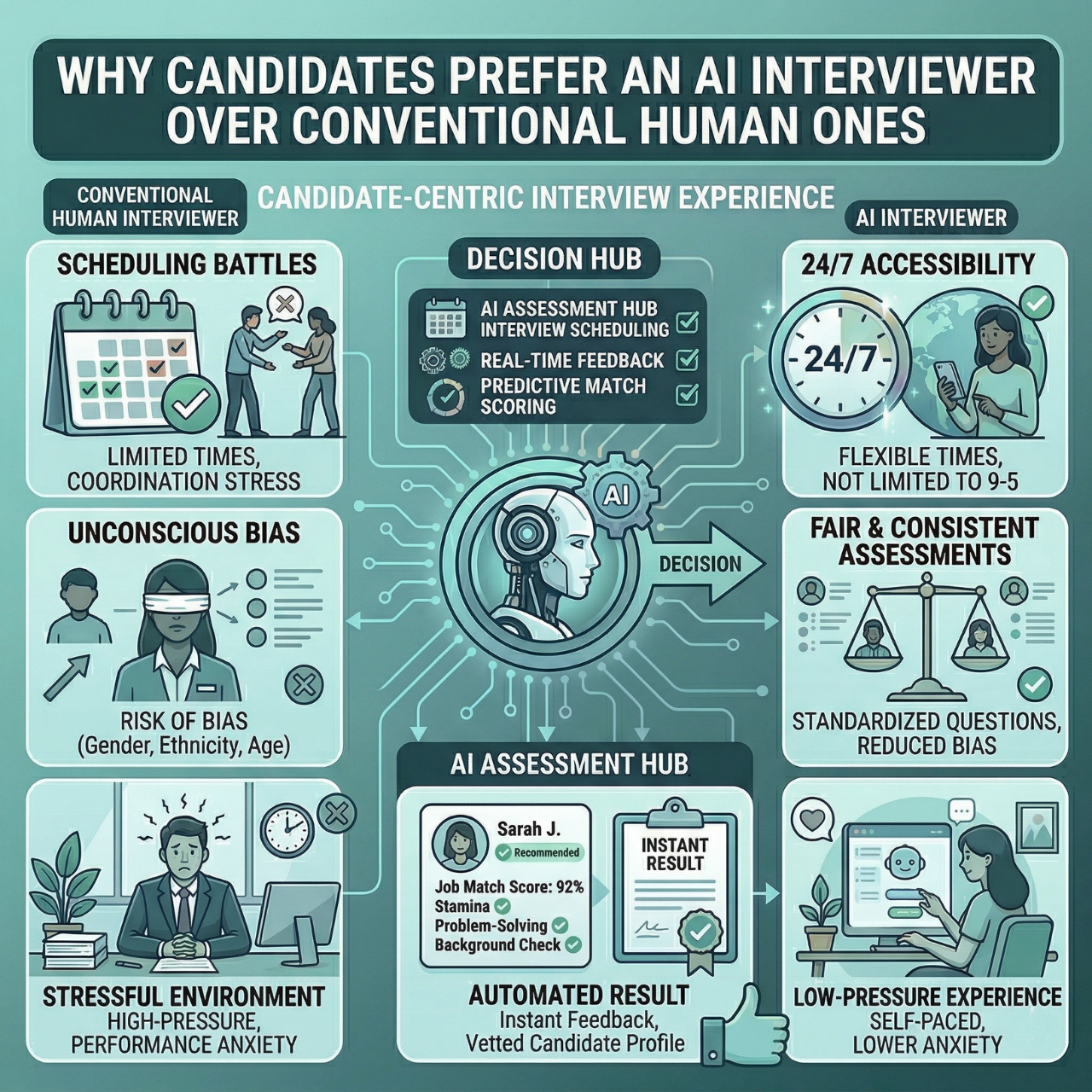
- Reduce bias by focusing on skills and experience
- Schedule interviews across different time zones
- Track candidate progress through hiring stages
- Spot top talent faster
Remote work needs strong communication and self-management skills, but those don’t always jump off a resume. AI tools can analyze video interviews, writing samples, and work assessments to predict who’ll really thrive in a remote role. This helps companies make better calls and keep turnover rates lower.
Key Features of AI Hiring Tools for Remote Recruitment
AI hiring tools made for remote work come packed with features to tackle unique challenges. They automate repetitive work, evaluate candidates fairly across locations, and speed up decisions.
Automated Resume Screening
AI-powered resume screening saves you hours by scanning applications and ranking candidates based on how well they match your job requirements. The software digs through resumes to find relevant skills, experience, and qualifications.
You can set criteria like:
- Years of experience
- Technical skills
- Industry background
The AI then scores each application and hands you a shortlist of top contenders.
Key benefits include:
- Faster processing of big applicant pools
- Less unconscious bias in first-round screening
- Consistent evaluation for everyone
- Automatic filtering of unqualified applications
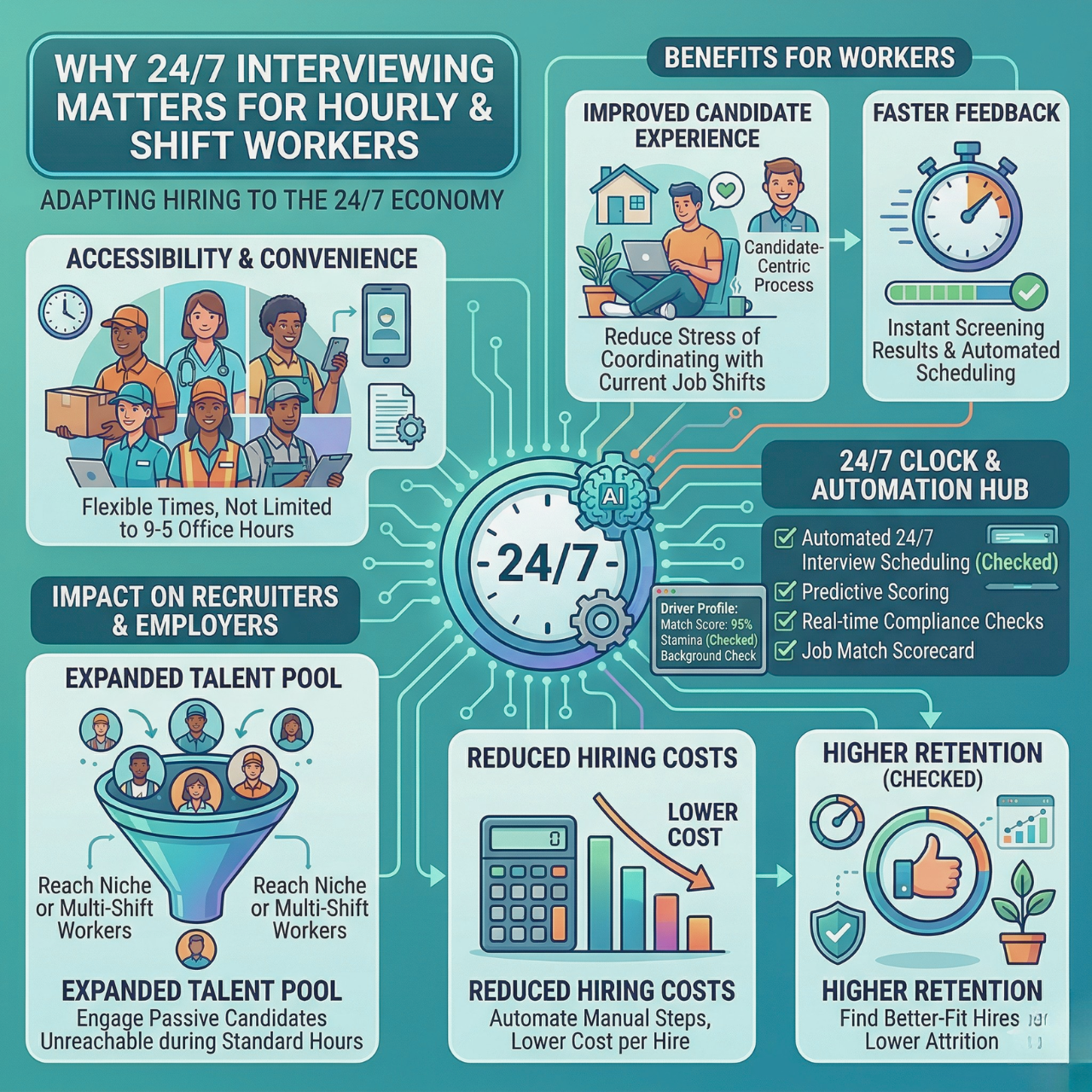
This is especially useful for remote roles since applications can come in around the clock.
AI-Powered Video Interviewing
Video interview tools with AI analyze candidate responses and communication skills during recorded or live interviews. You can send out questions, and candidates record answers when it works for them.
Common capabilities include:
- Tone and word choice analysis
- Engagement signals
- Transcription for easier review
- Side-by-side comparisons across candidates
This setup supports remote hiring because candidates can interview from anywhere, without the scheduling headaches.
Skill Assessment Integration
Built-in skill testing lets you check candidate abilities before moving forward. These assessments measure technical skills, problem-solving, and job-specific knowledge through online tests and simulations.
Benefits for remote hiring include:
- Candidates complete tests on their own schedule
- Automatic grading and performance reports
- Faster decisions based on actual skills, not just resume claims
- No in-person testing required
Top Benefits of Using AI in Remote Job Hiring
AI tools deliver real improvements to remote recruitment: faster processing, fairer evaluations, and the ability to handle big applicant pools without adding headcount.
Efficiency and Time Savings
AI slashes the time spent on repetitive hiring tasks. Resume screening that used to take hours now happens in minutes.
Where you’ll feel the impact most:
- Faster resume review and shortlisting
- Automated interview scheduling (no endless email threads)
- 24/7 candidate Q&A via chatbots
- Better job-candidate matching to avoid time-wasting misfits
Research shows AI-powered tools can boost hiring efficiency by up to 20%. That means you fill roles quicker and your team gets back to higher-value work.
Bias Reduction in Candidate Selection
AI helps reduce unconscious bias by focusing on skills and qualifications, not names, photos, or background signals that can skew judgment.
How it helps:
- Consistent scoring rules across candidates
- Options to ignore non-job-relevant data
- More standardized, repeatable evaluation
Over 70% of big companies use AI recruitment tools partly to boost diversity metrics. AI doesn’t get tired or have off days, so screening stays consistent.
Scalability for High Volume Recruitment
Remote roles often attract hundreds or thousands of applicants. AI handles that volume without breaking a sweat.
Why this matters for smaller teams:
- Keep up with high application flow without hiring extra recruiters
- Maintain quality even at scale
- Review more qualified candidates, not just early applicants
Whether it’s 50 applications or 5,000, AI gives each one the same structured look.
Choosing the Right AI Hiring Tool for Your Remote Team
The best AI hiring tool fits your workflow and connects smoothly with the software you already use. Focus on features that solve your real pain points.
Evaluating Essential Functionalities
Start by listing the recruiting tasks that eat up most of your time. Is it screening? Scheduling? Candidate follow-up?
For AI hiring tools for remote jobs, prioritize:
- Resume parsing and auto-screening
- Video interview recording and analysis
- Candidate chatbots for early questions
- Skills assessment integration
- Scheduling across time zones
Don’t pay for a bloated feature set you’ll never use. Test the fundamentals during free trials to confirm the tool actually saves time.
Integration With Existing Systems
Your AI hiring tool should work with what you’ve already got, not force a rebuild.
Check compatibility with:
- Your ATS
- HR software
- Slack or Microsoft Teams
- Email and calendar tools
If you use custom software, ask about API access. Some platforms have pre-built integrations; others require more technical setup.
Future Trends in AI Hiring for Remote Work
AI recruitment tools are getting faster and smarter. With remote work opening up global talent pools, companies are using AI to match candidates across borders in ways that weren’t possible before.
Emerging Technologies in AI Recruitment
Predictive analytics is helping companies forecast job performance and retention, sometimes before you even meet the person.
Machine learning systems are improving at finding signals that don’t always show up on a resume, like project depth, communication habits, and work style.
Key technologies to watch:
- AI-powered skill assessments that go beyond basic tests
- Blockchain verification for credentials and work history
- Virtual reality onboarding for remote hires
- Natural language processing for smarter candidate-job matching
Anticipated Changes in Remote Job Markets
Geographic barriers are fading as companies embrace global hiring. That expands opportunity and competition at the same time.
Other changes gaining momentum:
- More pay transparency
- Faster screening cycles (weeks to days)
- Stronger focus on systems that help minimize bias by removing identifiers early
As AI takes on more screening work, candidates will need materials optimized for automated review while still appealing to humans.
Hire Remote Talent Without the Hiring Chaos
Remote hiring shouldn’t mean endless resume reviews, slow scheduling, or losing great candidates to delays. AI hiring tools for remote jobs help teams cut admin work, move faster, and focus on evaluating real skills instead of managing inboxes.
By automating screening, interviews, and coordination, HRMLESS helps hiring teams reduce bottlenecks and keep candidates engaged, even across time zones and high application volumes.
Ready to simplify your remote hiring process? Book a Demo and see how AI can remove friction from every stage of hiring.
Frequently Asked Questions
What are AI hiring tools for remote jobs?
AI hiring tools for remote jobs are software platforms that automate parts of the hiring process. They help screen resumes, match candidates to roles, schedule interviews, and manage communication across time zones.
How do AI hiring tools help with remote hiring challenges?
Remote hiring creates issues like high application volume, slow screening, and scheduling across regions. AI hiring tools reduce manual work, speed up decisions, and keep candidates engaged throughout the process.
Can AI hiring tools reduce bias in remote recruitment?
AI hiring tools can help minimize bias by focusing on skills, experience, and job-related criteria. Many platforms also allow teams to remove identifying details early in screening to support fairer evaluations.
Are AI hiring tools suitable for small or growing remote teams?
Yes. Many AI hiring tools offer flexible pricing and scalable features. Small teams can automate screening and scheduling without adding recruiters, then expand usage as hiring needs grow.
What features matter most for remote hiring?
The most useful features include automated resume screening, async video interviews, skills assessments, and time zone-aware scheduling. Strong integrations with ATS and communication tools also matter.
Do AI hiring tools replace human recruiters?
No. AI hiring tools support recruiters by handling repetitive tasks. Human judgment still plays a key role in interviews, final decisions, and candidate relationships.
How do AI hiring tools improve the candidate experience?
Candidates benefit from faster responses, clear updates, flexible interview scheduling, and fewer delays. Consistent communication helps reduce drop-off and keeps candidates engaged.
Are AI hiring tools secure for handling candidate data?
Most reputable platforms follow strict data security and compliance standards. Always review privacy policies and security certifications before adopting any hiring software.
Featured

Subscribe to ournewsletter
Related posts
Explore the world of photography with our curated selection of
portfolio websites that showcase creativity and innovation.