

Best Interview Automation Tools for Faster Hiring
Discover the best interview automation tools that speed up hiring and reduce manual work. Improve candidate experience with AI screening and smart scheduling.

If your team is stuck juggling calendars, chasing replies, and losing candidates to slow processes, you’re not alone. The best interview automation tools exist to take that pain off your plate.
HRMLESS helps teams automate pre-screening, scoring, and scheduling so recruiters spend more time with the right candidates, not on admin. With 24/7 AI interviews and smart reminders, you cut drop-offs and move qualified people forward faster while helping minimize bias.
In this guide, you’ll see how leading tools work, which features actually matter, and what pricing models to expect. You’ll also get practical tips on picking the right platform for your stack and future trends shaping interview automation.
What Are Interview Automation Tools?
Interview automation tools use artificial intelligence and software to take over parts of the hiring process. That covers things like pre-screening, scoring answers, scheduling, and communicating with applicants.
You get features like one-way or live video interviews, automated resume review, and integration with your ATS. These tools cut down on manual work and let you zero in on the best candidates way faster.
Key Features of Modern Interview Automation Solutions
Modern interview automation offers:
- AI-Powered Pre-Screening: Candidates answer pre-set questions whenever they want, day or night.
- Automated Scoring: AI reviews answers and ranks candidates by skills.
- Scheduling Automation: Candidates book interviews themselves, cutting no-shows by 50%.
- Multi-Channel Engagement: SMS and email reminders keep candidates in the loop.
- ATS Integration: Connects easily with your current hiring software.
- Real-Time Analytics: Lets you track hiring speed and candidate engagement from one dashboard.
Benefits for Hiring Teams
Interview automation tools help your team get faster results and better hires with less hassle. Automation clears bottlenecks like ghosting and manual scheduling.
You can scale hiring from a handful of roles to a lot more, without everyone burning out. These tools also support fair hiring by cutting down on unconscious bias. With automation, you spend less time chasing candidates and more time making real hiring decisions.
Top Best Interview Automation Tools 2025
Hiring automation tools really focuses on speeding things up, improving candidate quality, and slashing manual work. You get features like AI pre-screening, automated scheduling, and bias reduction, making hiring smoother and fairer for everyone.
Leading Platforms Comparison
The top platforms blend AI screening, candidate engagement, and scheduling in one place. Some use AI to automate interview scoring and scheduling, saving you hours per hire and cutting ghosting with gentle nudges via SMS or email.
Other leaders make sure you can keep your current workflow with solid ATS integration. They offer real-time analytics to show you where candidates are in the process and where things might be slowing down.
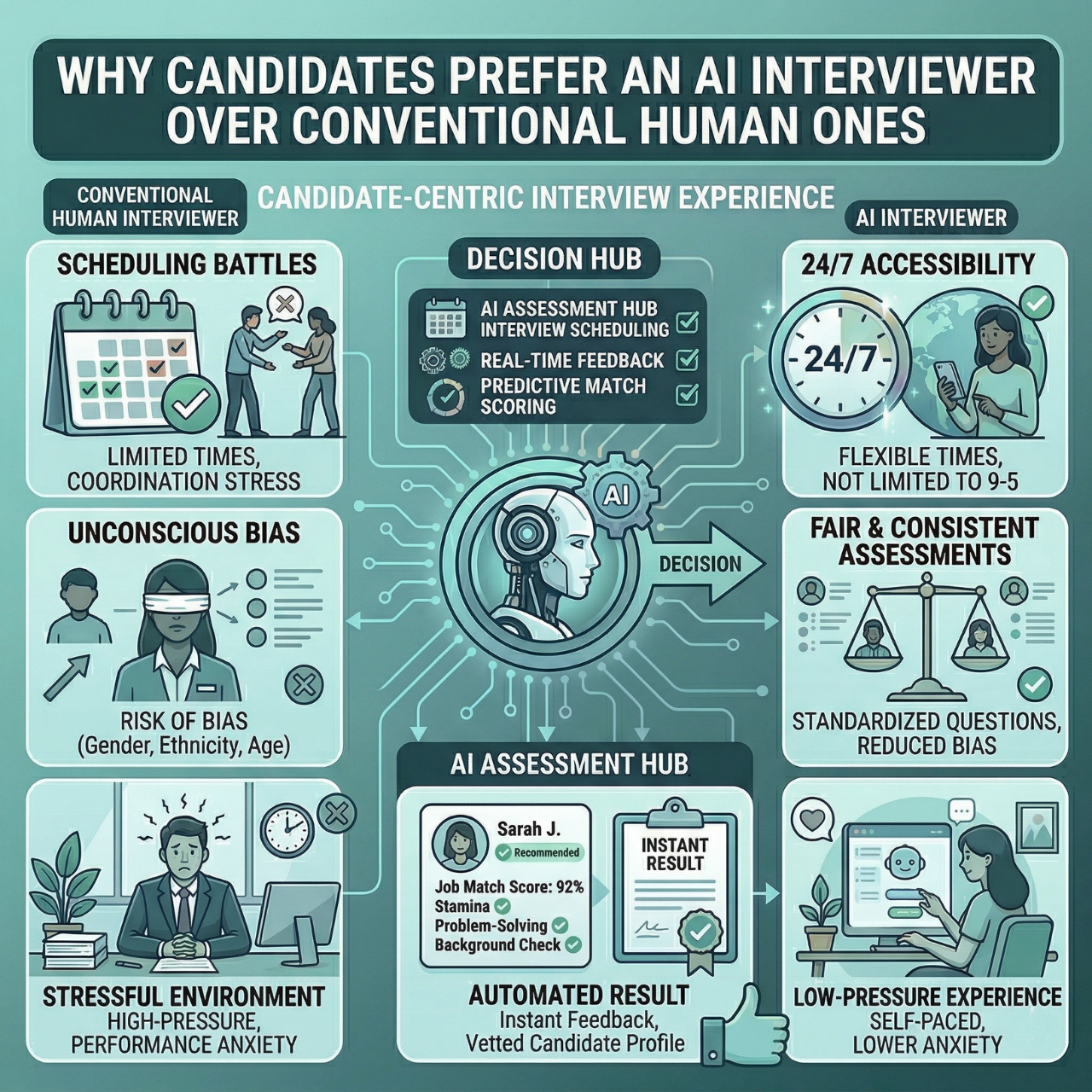
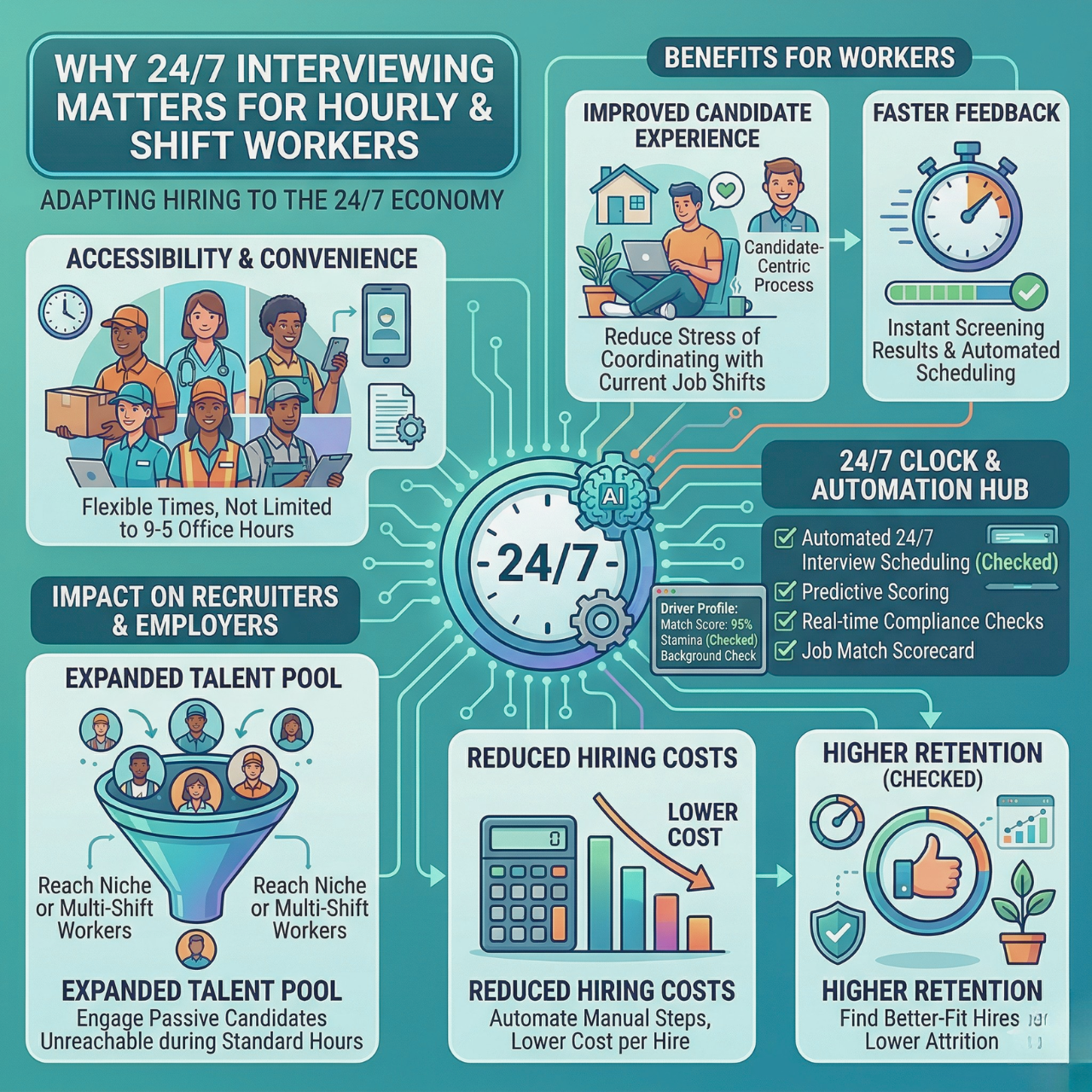
Most platforms let you reach candidates on multiple channels and offer 24/7 AI interviews, so candidates complete steps when it suits them.
The best tools reduce bias by scoring candidates fairly and only moving qualified folks forward, which means your candidate pipeline gets stronger without extra effort.
Emerging Solutions
New tools put a bigger emphasis on personalizing the candidate experience and deeper automation. Some use voice AI so candidates can answer naturally, which feels more human.
Others offer coaching features with instant feedback to help candidates prep before the real interview. You’ll find platforms using conversational AI chatbots for first-round interviews, freeing up your team from the repetitive stuff.
Scheduling automation now invites only engaged candidates to book, which helps reduce no-shows. Newer tools also boost collaboration for hiring teams, making feedback easier and bias less likely to creep in. The focus is on balancing efficiency with a positive candidate and recruiter experience.
Pricing Overview
Most interview automation platforms use tiered plans based on features and company size. The entry-level options usually include basic screening and scheduling, while higher tiers unlock advanced AI scoring, SMS engagement, and more detailed analytics.
Common plan types include:
- Launch: Core features, limited users, basic automation
- Growth: Adds multi-channel communication, higher candidate volume
- Pro: Full AI features, enterprise ATS integration, team collaboration
- Enterprise: Custom pricing, dedicated support, advanced security
Investing in automation tools usually pays off by reducing your time to hire by over 60% and cutting ghosting. Just make sure you pick a platform that fits your hiring scale and works with your current ATS.
Essential Features to Consider
When you’re picking interview automation tools, zero in on features that actually save you time, make the candidate experience better, and give you clear insights. The right tools help you schedule interviews with less hassle, screen candidates faster, use video for deeper assessment, and track the metrics that matter.
AI-Powered Scheduling
AI-powered scheduling takes away the endless email and phone tag that drags out hiring. These tools sync with your calendar and the candidate’s availability, so they can pick a time that works—no reminders needed.
This usually includes:
- Automated meeting invites
- Integration with email and calendar apps
- Smart rescheduling if conflicts come up
- Candidate self-scheduling portals
AI scheduling reduces no-shows by inviting only engaged candidates and saves you a couple hours per hire. Pick a platform that offers easy integration with your ATS to keep everything running smoothly and avoid manual mistakes.
Automated Candidate Screening
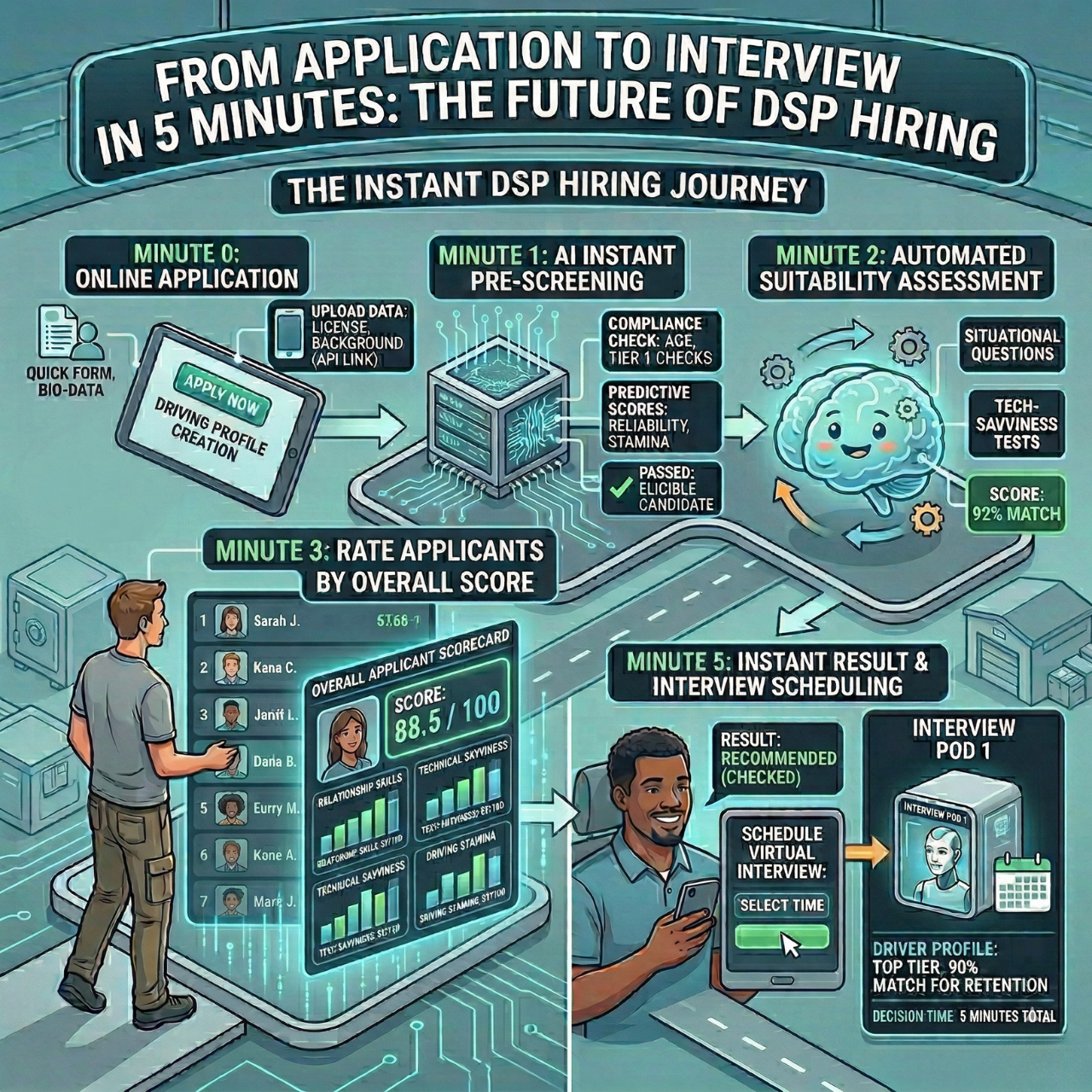
Automated screening filters resumes and pre-screens candidates using AI interviews. The tech scores applicants based on skills, experience, and answers, so you can focus on the most qualified people.
Key benefits:
- 24/7 candidate interviews with AI
- Objective scoring to cut bias
- Instant feedback on candidate fit
- Faster shortlisting, no human holdups
Automating screening helps you avoid ghosting and saves time by filtering out unqualified applicants. It lets you scale up hiring without extra stress.
Video Interview Capabilities
Video interviews let you get a better sense of candidates than a resume or phone call ever could. Automation here can mean one-way video, live interviews, or even AI-driven analysis of candidate responses.
What to look for:
- Support for both live and recorded video
- AI that highlights key answers or behaviors
- Easy replay and sharing with your team
- Mobile-friendly so candidates can interview on the go
Video interviews help you spot strong candidates faster and cut travel costs. Some platforms use AI to guide candidates through conversational interviews, which honestly makes the whole process feel more natural and less robotic.
Analytics and Reporting
Good analytics track every step of your hiring process. Dashboards show you where candidates drop off, how long hiring takes, and what needs fixing.
Look for:
- Real-time hiring metrics
- Candidate engagement tracking
- Source and channel performance
Customizable reports for different teams
These insights help you spot bottlenecks and tweak your process fast. Data-driven hiring decisions boost efficiency and can lower your cost per hire. With the right analytics, you’re not flying blind.
Integration With Recruitment Workflows
Hiring automation works best when it fits right into your current process. Your tools should connect with other systems so data flows easily, without you having to do extra work.
ATS and HRIS Compatibility
Your interview automation tool really needs to play nice with your ATS and HRIS. That way, candidate data updates everywhere automatically.
Key features to look for:
- Seamless data sync between interviews, candidate profiles, and job postings
- Automated status updates in your ATS for faster decisions
- Candidate scoring that feeds straight into your HRIS for easy reporting
Some platforms integrate with the big ATS systems, so scheduling, scoring, and engagement all happen without you juggling different tools.
Onboarding System Integrations
Automation shouldn’t stop at hiring. It should flow right into your onboarding tools to help new hires get started fast.
Benefits here include:
- Instant transfer of candidate info from interview to onboarding
- Automated document generation for contracts and policies
- Scheduling orientation or training right after the offer’s accepted
By linking these systems, you cut paperwork and make the new hire experience way smoother. This saves time and helps avoid the mistakes that come with manual data entry. The best tools make the transition easy, so new hires can focus on their new job from day one.
User Experience and Interface
A smooth user experience is crucial for keeping both candidates and interviewers engaged. The interface should be simple enough for candidates to complete interviews anytime, and it should give interviewers tools to provide clear, timely feedback.
Both sides need easy navigation and real-time updates to avoid delays and confusion. If the experience isn’t easy, people just won’t use it—no matter how smart the tech is.
Candidate-Centric Design
Your candidates should find the interview process simple and flexible. Automated systems let them complete interviews 24/7 on their own schedule, which definitely helps reduce drop-offs and no-shows.
Look for features like:
- Mobile-friendly interfaces for interviews on any device
- Clear instructions and progress indicators
- Automated reminders via SMS or email to keep candidates on track
This type of design keeps candidates engaged and shows your company actually respects their time. Conversational AI can make the process feel more natural, lowering ghosting rates and improving applicant quality by focusing on ease and clarity.
Interviewer Feedback Tools
Your interviewers need efficient ways to share feedback that don’t slow down the hiring process. The latest tools offer scoring systems that rank candidates automatically based on their responses.
Key benefits include:
- Structured feedback forms for consistency
- Automated score aggregation to highlight top candidates
- Real-time dashboards showing candidate performance
These features help reduce bias and make it much faster to decide who moves forward. Integrated scoring and scheduling let interviewers spend less time on admin and more on assessing quality. That’s a win for speed and accuracy.
Security and Compliance Factors
When you’re picking interview automation tools, you really need to consider how they protect candidate data and follow hiring laws around the world. These tools have to keep info safe while sticking to strict rules for fair and legal hiring.
Data Privacy Standards
Your interview automation tool should follow strong data privacy rules. Choose platforms that encrypt candidate information both at rest and in transit. Encryption stops hackers from snatching personal details.
Many tools comply with privacy laws like GDPR or CCPA. This protects candidates’ rights, including their ability to access, correct, or delete their data.
It’s smart to know how long the tool keeps data and if it shares info with third parties. Transparent data handling builds trust and helps you dodge legal headaches.
Compliance with Global Hiring Regulations
Automated interviewing has to follow rules wherever you hire. That means anti-discrimination laws, consent for recording interviews, and handling personal data the right way.
Your tool should come with built-in compliance checks for both local and global regulations. For example, it should support equal opportunity hiring and avoid bias in AI screening.
Audit trails matter too. They show your hiring process follows the law and help if you ever face a compliance review or audit. With compliant tools, you lower the risk of lawsuits or fines, and candidates are more likely to trust your process. That’s just good business, honestly.
Industry-Specific Applications
Interview automation tools come with features tailored for different industries. They speed up hiring, improve candidate quality, and fight bias in ways that fit each field’s quirks.
Tech Sector Hiring Solutions
In tech, you need automation that tests skills and handles huge numbers of candidates. Tools here focus on technical assessments, coding challenges, and automated scoring.
Integrated coding tests and AI-driven interview assistants analyze responses for accuracy and speed. Automated scheduling and reminders help keep things moving and reduce no-shows.
Tech companies also need fair and compliant hiring practices. Automation can reduce bias by standardizing evaluations and offering data-backed insights.
When you combine AI screening and scheduling, you can cut hiring time by over 60%. That frees your team to focus on culture and technical fit instead of getting bogged down in manual tasks.
Healthcare Interview Automation
Healthcare recruiting demands strict compliance and careful skill checks. Interview automation helps screen for certifications, clinical skills, and softer skills like empathy.
AI can run structured behavioral interviews that reduce bias and spot key traits. Automated workflows verify credentials and schedule multiple rounds with barely any manual effort.
Since healthcare roles often need to be filled quickly, automation speeds things up and cuts administrative work. SMS and email nudges remind candidates about appointments, which helps with no-shows.
AI platforms tailored to healthcare deliver faster, better candidate matching while keeping up with legal standards and patient safety needs.
Enterprise-Level Use Cases
Large companies juggle high-volume, multi-position hiring. Automation helps manage the chaos with scalable workflows and deep ATS integrations.
You get tools for bulk scheduling, customizable interview paths, and real-time analytics across departments. This makes it easier to spot bottlenecks and predict hiring timelines.
AI scoring highlights top talent from thousands of applicants. Automated candidate engagement keeps your pipeline active and reduces ghosting.
Platforms that work with your existing systems keep data flowing smoothly and cut down on manual entry. That’s what keeps hiring efficient at scale and consistent with your brand.
Challenges and Limitations of Automation
Automation brings a lot of perks, but it’s not all sunshine. There are specific challenges—especially around fairness in evaluation and fitting unique hiring needs.
Potential Bias in AI Assessments
Even the best AI systems can show bias. That’s because AI learns from data that might have hidden biases. If past hiring favored certain groups, the AI could repeat those patterns, which is a real problem.
Bias can lead to unfair rejection of qualified candidates. You can reduce this by picking tools that update and test their AI regularly.
It’s worth asking vendors how they handle bias and checking if their system is transparent. No system is perfect, so it’s a good idea to combine AI insights with human judgment.
Limitations for Niche Roles
Automation often struggles with niche or highly specialized roles. These positions might need unique skills or cultural fit that AI just can’t spot from standard tests or interviews.
For these roles, automated tools might miss subtle but crucial traits. Instead of automating everything, let automation handle basic screening and save the tricky stuff for experts later.
Look for platforms with flexible settings so you can tweak assessments or add manual steps. Custom screening questions and personalized follow-ups help keep quality high without losing efficiency.
Future Trends in Interview Automation
Interview automation is changing fast, bringing new ways to speed up hiring and improve the candidate experience. Smarter tools are popping up that do more than just scheduling—they offer deeper insights and more interactive formats.
AI Advancements Shaping The Present
AI isn’t just filtering resumes anymore. It’s running intelligent pre-screening interviews around the clock, scoring candidates fairly, and cutting bias. Your hiring workflow can run smoothly as AI handles scheduling, follow-ups, and candidate engagement automatically.
AI tools now work alongside your ATS, integrating so you do less manual work. Automated scoring highlights your top candidates right away. That means you spend less time sorting through unqualified applicants and more time focusing on the best fits.
With the right platform, you can cut time-to-hire by over 60% and screen three times more applicants. SMS and email nudges keep candidates engaged, which really helps reduce no-shows. These efficiencies let you hire faster without sacrificing quality.
Increasing Role of Virtual Reality
Virtual reality (VR) keeps popping up as a tool for immersive candidate assessments. With VR, you can drop candidates into real-world job simulations and watch how they handle things in a controlled setting.
This interactive approach gets at skills that just don't show up in a regular interview. For instance, you might see someone's problem-solving or teamwork in action before you even consider hiring them.
VR makes interviews way more engaging for candidates, too. Everyone faces the same scenarios, so it cuts down on bias and levels the playing field.
Turn Interview Automation Into a Hiring Advantage
The best interview automation tools help you move faster, cut manual work, and improve candidate quality without burning out your team. By automating screening, scheduling, and reminders, you shrink time-to-hire, reduce ghosting, and keep top candidates engaged from first touch to offer.
HRMLESS brings these pieces together in one workflow, from AI pre-screening to automated scheduling and structured feedback. You get clearer signals on who to advance, fewer delays, and a more consistent, fair experience for every candidate.
If you’re ready to streamline interviews and improve hiring outcomes, see the platform in action and discover how quickly you can upgrade your process.
Frequently Asked Questions
What are interview automation tools?
Interview automation tools are software platforms that use AI and workflows to handle repetitive hiring tasks. They support pre-screening, interview scheduling, reminders, and candidate communication so recruiters can focus on high-value conversations and final decisions.
How do the best interview automation tools reduce time-to-hire?
The best interview automation tools remove manual admin work by running on-demand AI interviews, auto-scoring responses, and streamlining scheduling. Recruiters get a shortlist of qualified candidates faster, move quickly to live interviews, and avoid delays from back-and-forth coordination.
Do interview automation tools replace human recruiters?
Automation does not replace recruiters. These tools handle routine tasks and provide structured data, while people still lead strategic interviews, evaluate culture fit, and make final hiring decisions with full context.
How do interview automation tools affect candidate experience?
Good tools make the process flexible and predictable for candidates. They allow people to complete steps on their own schedule, provide clear instructions, and send timely reminders, which reduces drop-offs, no-shows, and confusion about next steps.
What should I look for when choosing interview automation tools?
Look for strong ATS integration, AI-powered screening, flexible scheduling, and actionable analytics. The right platform also protects candidate data, supports fair and consistent evaluations, and fits cleanly into your existing hiring workflows without adding complexity.
Featured

Subscribe to ournewsletter
Related posts
Explore the world of photography with our curated selection of
portfolio websites that showcase creativity and innovation.