

AI Vs. Manual Hiring Results: Best Candidates In 2026

Hiring teams feel constant pressure to move fast without lowering standards. Comparing AI vs. manual hiring results often comes down to one pain point: too much time spent screening, scheduling, and chasing candidates, with mixed quality at the end.
Platforms like HRMLESS help reduce that strain by automating early screening and coordination, so recruiters spend less time on busywork and more time evaluating real potential, improving speed without losing hiring quality.
This guide breaks down AI hiring versus manual hiring results across speed, cost, candidate quality, and experience, so you can decide what works best for your team in 2026.
Defining AI Hiring and Manual Recruitment
AI hiring uses software and algorithms to handle recruiting tasks. Manual hiring depends on people to manage each step.
The methods differ in speed, cost, and how they evaluate candidates. It's not just about the tools; it's about how you want your process to run.
What Is AI-Powered Hiring?
AI-powered hiring uses technology to automate parts of the recruitment process. The software can scan resumes, search for candidates, and schedule interviews—no human needed for those repetitive bits.
You'll find AI tools that screen hundreds of applications in minutes. They look for keywords, skills, and experience that match your job requirements.
Some systems even rank candidates based on how well they fit the role. These tools also help with sourcing candidates from job boards and social media.
They can send automated messages to potential applicants and track responses. AI systems often include dashboards showing you real-time data about your hiring pipeline.
The technology learns from patterns in successful hires, so it can improve its recommendations over time. Many platforms integrate with your existing HR software, keeping all candidate info in one place.
Understanding Manual Hiring Processes
Manual hiring relies on recruiters and hiring managers to do every task by hand. You or your team members read each resume, write emails to candidates, and organize interview schedules yourself.
This means someone reviews applications one at a time, making notes and comparing candidates. Your team handles phone screens and coordinates with multiple people to find meeting times.
Manual processes use spreadsheets or basic tools to track candidates. Notes might end up in documents or buried in email threads.
All decisions about who qualifies come from human judgment and experience. The method demands significant time from your staff.
Each resume might take several minutes to review properly. Even just scheduling can involve endless back-and-forth emails.
Key Differences Between AI and Manual Hiring
- Speed: AI processes applications in seconds. Manual review? Minutes or hours per candidate.
- Volume: Automated systems breeze through thousands of resumes. Manual hiring works better for smaller pools.
- Cost structure: AI tools charge subscription or per-assessment fees. Manual hiring costs you staff time and salary hours.
- Tasks handled: AI excels at repetitive work like screening and scheduling. Humans pick up on nuanced qualifications and cultural fit.
- Decision-making: Algorithms use data patterns and preset criteria. People apply judgment, intuition, and context.
- Personalization: Manual hiring offers customized communication with each candidate. AI sends templated messages—faster, but less personal.
Comparing AI Hiring Results vs Manual Hiring Results
AI hiring systems process applications in minutes, while manual methods can take days or weeks. But the outcomes in candidate quality and cost? That's where things get interesting.
Speed and Time-to-Fill Metrics
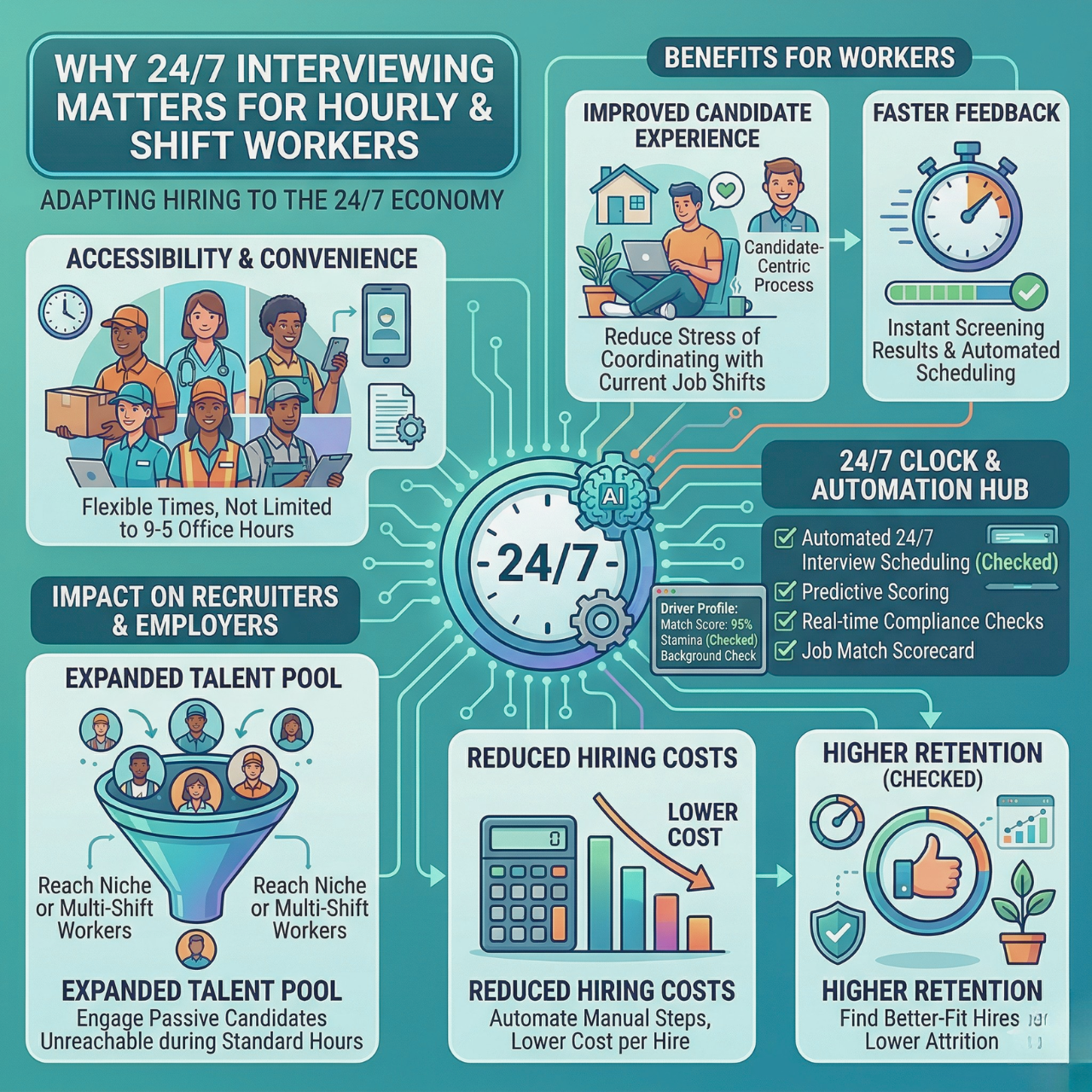
AI systems can screen hundreds or thousands of resumes in minutes. Your time-to-fill drops significantly because the technology works 24/7, no coffee breaks required.
Manual hiring forces your recruiters to read each resume individually. This process drags on for days or weeks when you have a big stack of applicants.
A recruiter might review 50-100 resumes per day, while AI handles that volume in seconds.
Typical time comparisons:
- AI resume screening: 2-5 minutes for 1,000 resumes
- Manual resume screening: 20-40 hours for 1,000 resumes
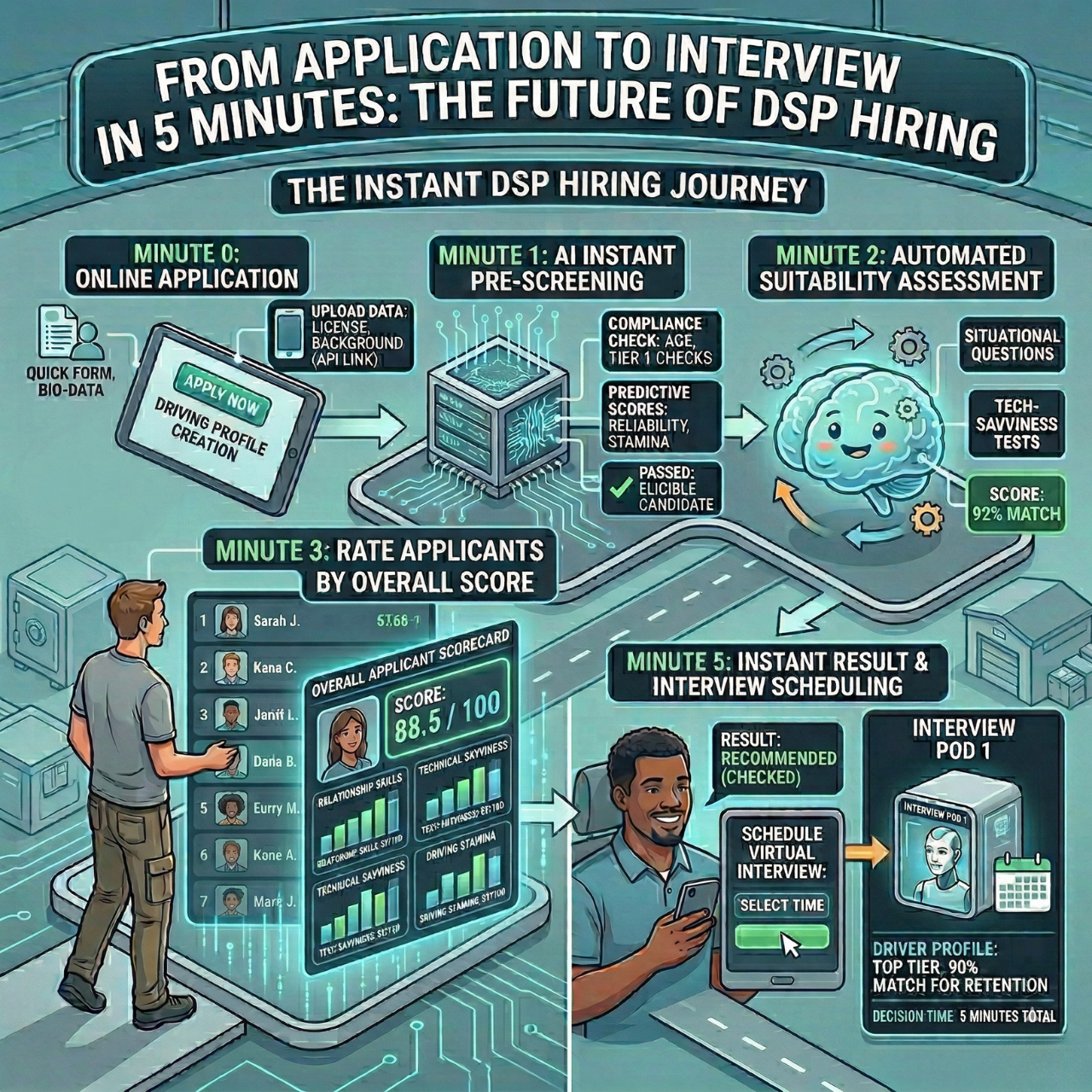
AI interview scheduling happens instantly with automated coordination. Manual interview scheduling? Expect 2-3 days of back-and-forth emails.
Your hiring speed increases by 60-80% when you use automated systems. The faster process means you might actually land top candidates before your competitors do.
Quality of Candidate Matches
AI uses algorithms and data patterns to match candidates with job requirements. The system ranks applicants based on specific skills, experience, and qualifications you set.
You get consistent evaluation criteria across all candidates. Manual hiring relies on your recruiter's judgment and experience, which can catch nuances in resumes that AI might miss.
Your team can evaluate soft skills and cultural fit during the initial review. AI sometimes misses qualified candidates who don't use exact keyword matches.
Manual reviewers understand context better and can spot potential in unconventional backgrounds. For specialized or senior roles, human judgment often produces better matches; these positions just need deeper evaluation.
Cost Efficiency and Budget Impact
Cost comparison per hire:
Method
Average Cost
Main Expenses
Manual
$4,000–$7,000
Recruiter salaries, agency fees, and advertising
AI-Automated
$1,500–$3,000
Software subscriptions, initial setup, maintenance
You pay high recruiter salaries and agency fees with manual hiring. Costs include advertising, job board postings, and the hours your team spends reviewing applications.
These expenses add up fast when you're filling multiple positions. AI systems need upfront investment in software and setup, but ongoing costs are mostly subscription fees.
You save money on recruiter hours because the system handles repetitive screening tasks automatically. It's not always "cheaper"—but it definitely shifts where your money goes.
Candidate Experience in AI vs Manual Hiring
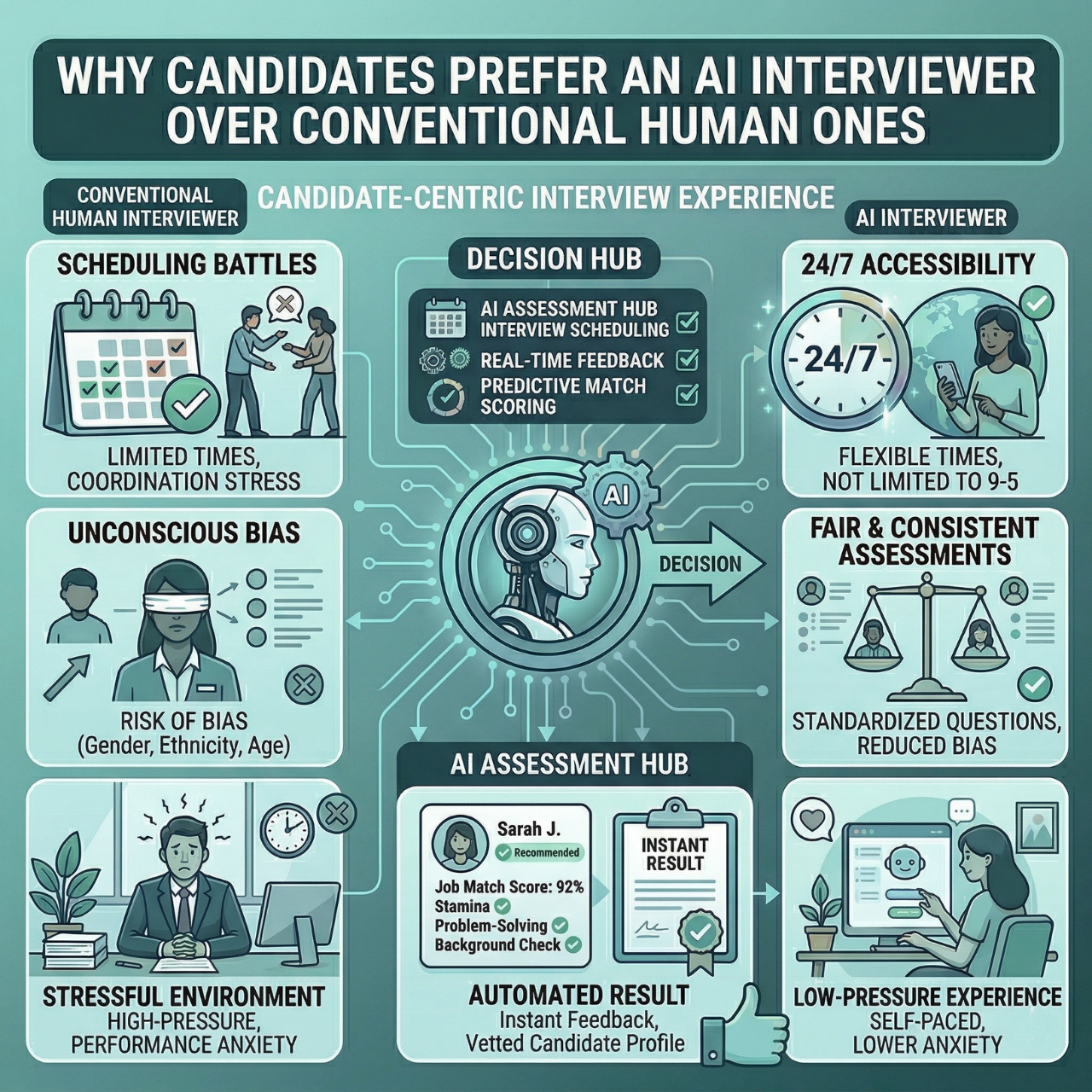
AI systems respond faster but can feel impersonal. Manual hiring offers warmth, but at the cost of speed. Your choice between these approaches shapes how candidates see your company from first contact to final decision.
Communication and Feedback Timelines
AI-powered systems can acknowledge your application within seconds. They send status updates automatically, so you'll usually hear back quicker about your progress.
Manual hiring often leaves you waiting days or weeks for a simple confirmation. Recruiters juggling hundreds of applications just can't keep up with timely updates for everyone.
AI can frustrate you when you need clarification or have questions. Automated messages don't address your specific concerns like a real person can.
The speed advantage disappears when you need actual human interaction to resolve issues or get meaningful feedback about why you weren't selected.
Personalization in the Candidate Journey
Manual hiring gives you interactions tailored to your background and needs. Recruiters can adjust their approach, answer unique questions, and chat about fit. AI systems treat all candidates through the same process and often send generic messages. You might feel like just another resume in a giant system.
Some modern AI tools are getting better at personalization, customizing email content based on your profile data. Still, these systems can't match the adaptability of human recruiters who pick up on subtle cues and adjust their communication style to match yours.
Bias Reduction in the Evaluation Process
AI removes some common biases by focusing on skills and qualifications rather than names or schools. The algorithms evaluate your credentials consistently, without being swayed by unconscious preferences.
Manual screening can introduce bias even when recruiters try to be fair. Your name, age, or employment gaps might unconsciously affect how someone views your application.
But AI isn't flawless at eliminating bias. These systems learn from historical hiring data, which may already contain biases.
If past hires favored certain backgrounds, the AI might keep repeating that pattern. You need humans to monitor and correct these algorithmic biases regularly.
Challenges and Limitations of Each Approach
Both AI and manual hiring face distinct obstacles. AI systems struggle with bias and technical limitations. Traditional methods deal with inefficiency and human error.
Potential Risks of AI Hiring
AI tools can inherit biases from their training data, which means they might unfairly screen out qualified candidates based on factors like education, work gaps, or even zip codes.
If your AI system learned from past hiring data that included discriminatory patterns, it'll repeat those mistakes. Technical errors are another headache—AI might reject strong candidates who use different keywords or formatting.
The system can't understand context the way humans do, so it might miss people with excellent transferable skills.
Common AI hiring risks:
- False rejections of qualified candidates
- Privacy concerns with candidate data
- High upfront costs for implementation
- Limited ability to assess soft skills
- Technical glitches that disrupt the process
Candidates might also feel frustrated by automated systems that provide no personal interaction. Some top talent may just drop out if they feel like they're talking to a robot.
Common Issues in Manual Hiring
Manual hiring takes a lot longer than automated methods. Your recruiters might spend hours reading through hundreds of resumes for a single position.
This slow pace means you could lose great candidates to competitors who move faster. Human bias creates serious problems in traditional hiring.
Recruiters might favor candidates from certain schools, with specific backgrounds, or who remind them of successful past hires. These unconscious biases can hurt diversity and cause you to overlook talented people.
Inconsistency is another headache. Different recruiters evaluate candidates with different standards, making it hard to compare applicants fairly.
Manual processes also cost more. You need to pay recruiters for all those hours spent reviewing applications and conducting initial screenings.
Balancing Automation with Human Touch
The best approach? Use AI for early screening and keep humans involved in final decisions. Let AI handle resume sorting and initial assessments. Then have your team conduct interviews and make the ultimate hiring choice.
Set clear guidelines for when AI should flag applications for human review. Maybe program your system to automatically send any borderline candidates to a recruiter instead of rejecting them outright.
Train your team to work alongside AI tools effectively. Recruiters need to understand what the AI can and can't do, and know how to review AI recommendations critically.
Regular audits help catch problems early. Check your AI system's decisions monthly to spot any patterns of bias or technical errors.
Future Trends in Talent Acquisition
Companies are combining AI tools with human judgment to create better hiring systems. Recruiters are shifting away from administrative tasks and focusing more on strategy and relationships. New AI technology keeps improving how businesses find and evaluate candidates.
Hybrid Recruitment Strategies
Most companies now use a mix of AI and human decision-making in their hiring process. AI handles repetitive work like screening resumes and scheduling interviews.
Human recruiters focus on building relationships with candidates and making final hiring decisions. This approach works best when you set clear rules about what AI does and what humans do.
AI can review hundreds of applications in minutes and identify qualified candidates based on skills and experience. Your recruiting team then steps in to assess cultural fit and conduct interviews.
The hybrid model helps you hire faster without losing quality. You get the speed of automated screening combined with human insight about soft skills and team dynamics.
Companies using this strategy often report better results than those relying only on manual processes or only on AI.
Evolving Role of Human Recruiters
Your recruiters are becoming more like strategic talent advisors than administrative coordinators. They spend less time sorting resumes and more time on high-value activities like employer branding and candidate experience.
Modern recruiters need new skills to work with AI tools effectively. You need to know how to train AI systems, interpret their recommendations, and spot when the technology screws up.
The focus shifts to relationship building and strategic planning. Recruiters also play a critical role in preventing AI bias and ensuring fair hiring practices.
You must review AI decisions to catch errors and make sure your hiring process treats all candidates equally. This oversight keeps your company compliant and ethical.
Impact of Ongoing AI Advancements
AI recruitment tools keep getting better at understanding context and evaluating soft skills. New platforms now analyze video interviews, assess communication styles, and predict job performance with more accuracy than ever.
You can expect AI to handle even more complex hiring tasks soon. The technology’s getting sharper at matching candidates to company culture and spotting growth potential.
Some systems already use data from billions of hiring decisions to shape smarter strategies. It’s a wild leap from where things were just a few years ago.
The challenge? Keeping up with all these changes while still trusting the tech. You’ve got to train your team on new features and update your processes often.
Choosing the Right Hiring Approach for 2025
When you compare AI vs. manual hiring results, the core challenge stays the same: hiring fast without sacrificing quality. Automation improves speed and consistency, while human judgment adds context and depth.
HRMLESS supports teams by handling early-stage screening and scheduling, reducing manual workload while keeping recruiters focused on high-impact hiring decisions that actually improve outcomes.
If slow hiring cycles or inconsistent candidate quality are holding you back, now is the time to rethink your process. Book a Demo to see how automation can improve hiring results.
Frequently Asked Questions
How do AI vs. manual hiring results differ in speed?
AI hiring tools process applications and schedule interviews in minutes, not days. Manual hiring depends on recruiter availability, which slows time-to-fill as applicant volume grows.
Does AI hiring improve candidate quality compared to manual hiring?
AI improves consistency by applying the same criteria to every applicant. Manual hiring adds context and judgment, which can improve quality for complex or senior roles.
Is AI hiring more cost-effective than manual hiring?
AI tools often lower cost per hire by reducing recruiter hours spent on screening and scheduling. Manual hiring costs rise quickly as roles and applicant volume increase.
Can AI hiring reduce bias better than manual processes?
AI can help reduce bias by focusing on skills and qualifications, but only when monitored closely. Manual hiring allows bias to creep in through subjective judgment, even unintentionally.
How does candidate experience differ between AI and manual hiring?
AI delivers faster responses and clearer timelines, while manual hiring feels more personal. Many candidates prefer a blend of automation with human interaction.
Will AI replace recruiters in the hiring process?
No. AI handles repetitive tasks, but recruiters remain essential for interviews, decision-making, and relationship building. The strongest results come from using both together.
When does manual hiring still make sense?
Manual hiring works well for small applicant pools, highly specialized roles, or leadership positions where context and deep evaluation matter more than speed.
Featured

Subscribe to ournewsletter
Related posts
Explore the world of photography with our curated selection of
portfolio websites that showcase creativity and innovation.