

Resume Screening Using AI for Better Hiring Decisions
Learn how resume screening using AI speeds up hiring, improves candidate matching, and reduces bias while integrating smoothly with your ATS and workflows.
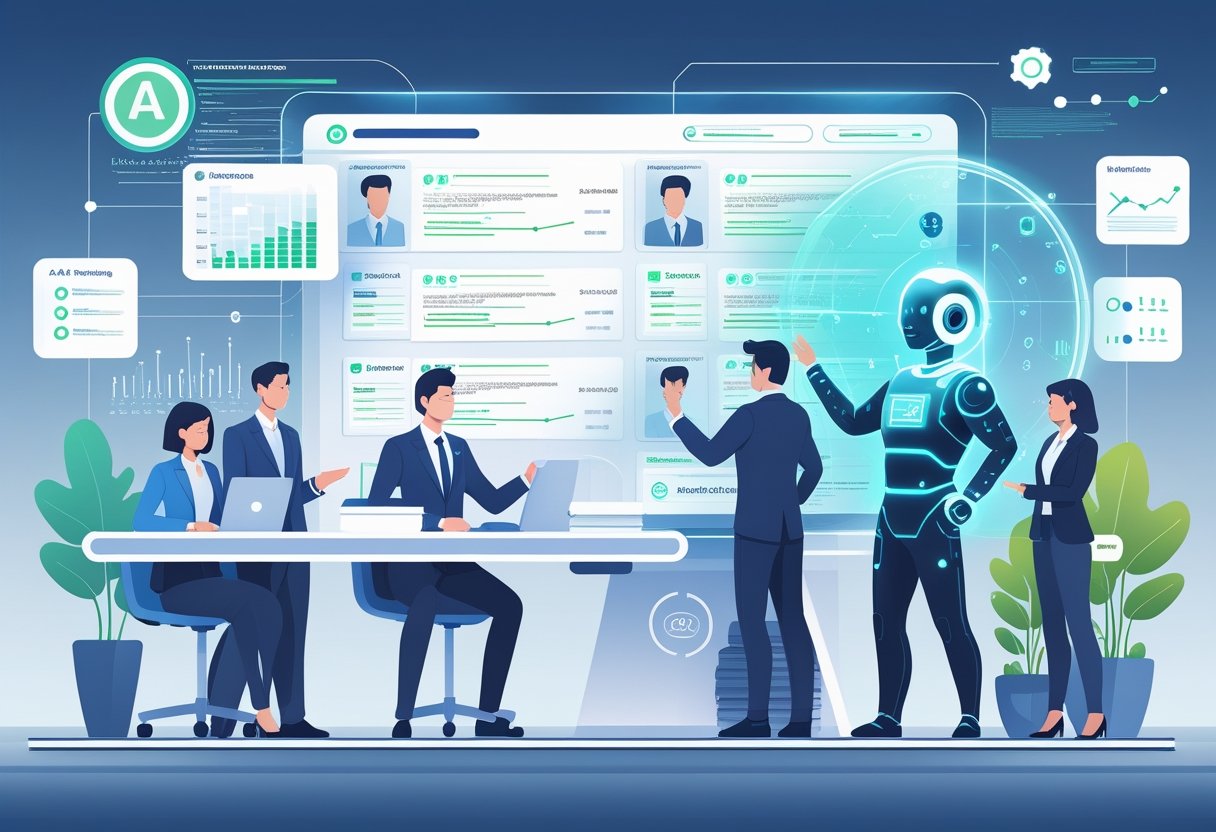
Resume screening using AI lets you move beyond slow, manual resume review. Instead of skimming every application, AI highlights the best fits first. You spend less time sorting and more time speaking with strong candidates.
HRMLESS helps teams automate resume screening using AI so pre-screening, scoring, and scheduling run in the background. You get faster shortlists, fewer bottlenecks, and clearer, data-backed hiring decisions.
In this guide, you’ll see what resume screening using AI is, how the technology works, and how to integrate it with your Applicant Tracking System. You’ll learn benefits, tradeoffs, and best practices to keep hiring fast, fair, and compliant.
What Is Resume Screening Using AI
Resume screening using AI helps you quickly find the best candidates by scanning resumes with smart technology. It replaces manual, slow review processes and uses data to focus on skills, experience, and fit. This saves time, reduces errors, and improves your hiring decisions.
Definition and Overview
AI resume screening uses software to analyze resumes automatically. It scans for keywords, qualifications, and relevant experience that match the job description. Some AI systems use machine learning to predict how well a candidate might perform based on their background.
This technology handles high volumes of applications fast. Instead of reading every resume manually, AI ranks candidates by relevance. It can also flag missing information or inconsistencies. By doing this, AI lets you focus on the most promising applicants.
Evolution of AI in Recruitment
AI tools in hiring have evolved from basic keyword matching to advanced models that understand behavior and success predictors. Early systems only matched text but often missed good candidates with different wording.
Today’s AI includes generative AI and predictive analytics, which learn from past hiring data. This helps forecast a candidate's future job performance and cultural fit.
Benefits Over Manual Screening
Using AI for resume screening brings many clear advantages:
- Speed: AI scans thousands of resumes in minutes, saving hours per hire.
- Accuracy: It reduces human error and bias by objectively evaluating candidates based on data.
- Consistency: AI applies the same criteria fairly across every application.
- Scalability: Whether hiring for two roles or hundreds, AI handles large volumes without extra work.
- Better Quality: By filtering out unqualified candidates early, you focus on top talent and reduce ghosting.
How AI Powers Resume Screening
AI speeds up resume screening by quickly sorting and evaluating applications based on the skills and experience you need. It relies on tools that can read, understand, and rank resumes. This makes it easier to find the right candidates without wasting time on unsuitable ones.
Key Technologies in AI Resume Screening
AI resume screening uses several important technologies to work well. First, it relies on software that scans resumes to pick out keywords and relevant details. This process is called parsing. Next, normalization adjusts different resume formats to a standard shape. This helps the AI compare data fairly.
Multi-factor matching then looks at skills, past jobs, education, and other factors together. These technologies ensure the AI can evaluate resumes fast and accurately, saving you time and reducing errors.
Natural Language Processing Applications
Natural Language Processing (NLP) lets AI understand the words and phrases in resumes the way a human would. Instead of just looking for exact keywords, NLP captures the meaning behind terms.
For example, it recognizes that "managed a team" and "led a group" imply similar skills. NLP also helps handle typos and varying job titles. This means your system won’t miss good candidates due to slight wording differences.
Using NLP improves the quality of screening by focusing on what candidates can do, not just what exact words they use. This helps ensure more relevant resumes reach you.
Machine Learning Algorithms
Machine Learning (ML) teaches AI to learn from data and improve over time. In resume screening, ML algorithms analyze past hiring decisions and candidate outcomes to rank new resumes better.
They spot patterns that show which skills and experiences predict success for your roles. ML models also help filter out unqualified candidates automatically, letting you focus on the best matches.
With continuous use, these algorithms adjust to your hiring needs. This means your AI screening gets smarter and more efficient.
Implementation of AI Resume Screening Systems
Implementing AI for resume screening speeds up hiring, improves candidate matching, and reduces bias. You need a clear plan to add AI smoothly into your hiring workflow, pick the right tools, and make sure everything works well with your current systems.
Steps for Integrating AI into Hiring Processes
Start by defining your hiring goals and the roles you want to fill. Then, map out where AI can help most, like screening resumes or scoring candidates automatically. Next, gather clean, quality data for the AI to learn from.
This includes past resumes, job descriptions, and hiring outcomes. Train the AI with this data to improve accuracy over time. Test the system in a controlled way before full rollout. Pilot AI screening on a few roles and gather feedback.
Adjust criteria and algorithms based on results. Finally, train your HR team on how the AI works and how to interpret its recommendations. Make sure there’s a clear process for when humans should take over.
Choosing the Right AI Screening Tools
Look for tools that match your hiring volume and workflow. Some AI solutions focus on speed, while others prioritize deep candidate analysis. Check that the tool uses advanced tech like natural language processing (NLP) to read resumes accurately.
It should filter by skills, experience, and keywords without missing important details. The chosen tool must help reduce bias by focusing on objective data, not personal info like names or photos.
Transparency in how the AI scores candidates is important for fairness. Consider if the tool offers extra features like candidate engagement through SMS or email.
Integration With Applicant Tracking Systems
Your AI screening system should connect seamlessly with your existing ATS to avoid extra work. Look for tools with built-in ATS integration or APIs that allow data exchange. This integration helps automatically pull job descriptions and push screened candidates back into your hiring pipeline. It lets you manage all applicants from one platform.
Check if the AI tool supports real-time analytics inside your ATS dashboard. This way, you can track screening performance, candidate flow, and time-to-hire without switching systems.
Make sure the integration respects data security and privacy rules, especially if you handle applicant data across regions. A smooth ATS connection means faster, smarter hiring with no disruptions.
Advantages of Resume Screening Using AI
Using AI for resume screening helps you save time and money while improving how well candidates fit your jobs. It also cuts down on hidden biases, making hiring fairer and more consistent.
Time and Cost Efficiency
AI automates the initial resume review, allowing you to scan hundreds or thousands of applications quickly. This saves hours that recruiters usually spend sorting resumes manually. You reduce hiring costs by avoiding unnecessary interviews with unqualified candidates.
AI tools use algorithms to rank applicants based on your job needs, speeding up the process from application to interview. Automation also cuts down delays caused by scheduling or lost resumes.
Some platforms provide 24/7 candidate interviews, so screening happens even outside business hours, making your hiring faster and more cost-effective.
Improved Candidate Matching
AI matches candidates’ skills and experience directly to your job criteria. It goes beyond simple keyword searches by assessing qualifications, past roles, and even behavioral traits. This deeper evaluation means you get a better pool of candidates who fit your role, lowering your time spent on unsuitable hires.
Scoring systems can highlight top candidates instantly. You can customize filters to focus on specific skills or experiences, ensuring only well-matched applicants move forward in your pipeline.
Reduction of Unconscious Bias
AI reduces human bias by focusing only on qualifications and data, not on factors like gender, age, or ethnicity. It ensures consistency by applying the same standards to every applicant. This helps you create a more diverse and fair hiring process.
Using automated tools limits snap judgments or favoritism that can happen in manual resume reviews. Your decisions become based on clear, measurable criteria, which support equal opportunity hiring.
Limitations and Challenges
AI resume screening brings speed and efficiency, but it also has downsides you should know. These include bias in algorithms, missing out on strong candidates, and risks around data privacy.
Potential Bias in AI Algorithms
AI tools learn from past hiring data. If this data contains bias, the AI may repeat or worsen it. For example, resumes from certain groups might be unfairly scored lower. This can affect diversity and inclusion goals. Bias can come from factors like gender, age, or education.
AI may favor candidates with specific keywords or backgrounds, missing talented people outside those norms. You must check your AI’s training data regularly. Combining AI with human review helps catch bias early.
Overlooking Qualified Candidates
Automated screening relies heavily on keywords and structured data. Resumes that don’t match exact terms might be rejected even if the candidate is a good fit. This means you could lose candidates with unusual career paths or transferable skills.
AI also struggles to pick up soft skills or potential. These are important but harder to measure at the resume stage. Relying only on AI means you risk missing out on candidates who shine in interviews or on the job.
Data Security and Privacy Concerns
AI resume screening requires large amounts of candidate data. This raises risks around how data is stored, shared, and protected. Your company must follow laws like GDPR or CCPA to avoid penalties. Candidates expect their personal information to be safe. A data breach could damage your reputation and trust.
- Use platforms with strong encryption
- Limit data access to authorized users
- Regularly update security protocols
Best Practices for AI-Driven Resume Screening
To make the most of AI in resume screening, you need clear job descriptions, a blend of human judgment and AI insights, and ongoing system checks. These steps help ensure your process is fast, fair, and effective.
Optimizing Job Descriptions
Your job description is the foundation for AI screening. Use clear and specific language to describe required skills, education, and experience. Avoid vague terms that the AI might misinterpret. Include measurable qualifications like years of experience or certifications.
This helps the AI match resumes more accurately. Use keywords naturally and avoid keyword stuffing, which can confuse the system and lower accuracy. List core responsibilities and preferred skills separately.
This lets AI prioritize candidates who meet essential criteria first. A well-written job description reduces false positives and speeds up candidate selection.
Combining Human and AI Insights
AI speeds up screening but doesn’t replace human judgment. Use AI to narrow down your pool to top candidates based on objective criteria. Then, review those resumes manually to catch nuances AI might miss.
Humans assess qualities like cultural fit, communication style, and unique experience. This mix prevents over-reliance on algorithms and reduces bias risk. It also boosts candidate quality by balancing data with intuition.
Monitoring and Adjusting AI Systems
AI systems need regular checks to keep performing well. Test your screening tool before each hiring cycle to ensure it aligns with your goals and job requirements. Watch for signs of bias or unexpected results by reviewing candidate demographics and screening outcomes.
Adjust filters or retrain AI models if you spot problems. Track metrics like time saved, candidate quality, and no-show rates. Use these insights to fine-tune AI settings. A well-maintained system improves accuracy, speeds up hiring, and delivers fairer candidate evaluations every time.
Future Trends in AI Resume Screening
AI resume screening is evolving with smarter data use, more tailored candidate experiences, and new rules on privacy and fairness. These shifts will help you hire faster, keep applicants engaged, and stay compliant with laws.
Advancements in Predictive Analytics
Predictive analytics will become more precise in identifying candidates who fit your roles. AI systems analyze patterns from past hires, performance, and turnover to score resumes based on how likely candidates are to succeed.
You will see AI tools predict not just skill matches but cultural fit and long-term potential. This means fewer bad hires and more employees who stay and grow. Expect these systems to deliver clear, ranked results fast.
Personalization of Candidate Experience
AI will tailor communication and feedback based on each candidate’s profile and progress. Instead of generic emails, you can send personalized messages that guide and motivate applicants.
With AI-driven tools, candidates get specific tips on their resumes and interview readiness. This keeps them engaged and reduces drop-off or ghosting. Scheduling interviews will be smarter, too.
Automated systems invite only committed candidates, lowering no-shows by 50%. Personalization creates a smoother journey for both you and your applicants.
Emerging Regulatory Considerations
AI resume screening faces growing scrutiny over bias, transparency, and data privacy. New regulations will require you to prove your tools do not discriminate based on age, gender, race, or other protected traits.
You will need to document how AI makes decisions and keep records for audits. Ensuring data security and respecting candidate privacy will be mandatory. Choosing AI providers who comply with these rules will protect your company from legal risk.
Scale Smarter With AI Resume Screening
Resume screening using AI helps you move faster, cut manual work, and keep quality high. You get shortlists built on data, not guesswork, and a fairer process for every applicant.
With HRMLESS, you can plug AI directly into your hiring workflow so screening, scoring, and scheduling stay consistent while your team focuses on final decisions.
Ready to modernize resume screening using AI and speed up your hiring? Book a demo to see how this approach fits your roles, volumes, and existing tools.
Frequently Asked Questions
What is resume screening using AI?
Resume screening using AI is the use of software to read, rank, and filter resumes based on your job criteria. It scans for skills, experience, and qualifications, then surfaces the strongest matches. This reduces manual review time and makes early screening more consistent.
How accurate is resume screening using AI compared to manual review?
AI can process far more resumes than a human and apply the same rules every time. When trained on good data and aligned with clear job descriptions, it often catches qualified candidates that busy recruiters might miss. Human review is still important later in the funnel to validate context and fit.
Will resume screening using AI replace recruiters?
Resume screening using AI is designed to handle repetitive tasks like initial filtering and ranking, not to replace recruiters. Recruiters still lead relationship building, interviewing, offer strategy, and stakeholder alignment. AI handles the heavy sorting so recruiters can spend more time with top candidates.
Featured

Subscribe to ournewsletter
Related posts
Explore the world of photography with our curated selection of
portfolio websites that showcase creativity and innovation.