

Automated Hiring Process: Benefits and Best Practices

Hiring teams feel the drag of manual screening, scheduling, and follow-ups. Automating your hiring process benefits speed, consistency, and candidate quality. With the right workflow, you shorten time-to-hire and cut repetitive tasks while keeping decisions fair.
HRMLESS pairs AI pre-screening, smart scheduling, and structured scoring to remove busywork and surface qualified talent faster. You get clear pipelines, fewer no-shows, and data you can trust, so recruiters focus on conversations—not calendars.
This guide explains what automated hiring is, core features to prioritize, and how systems connect with ATS and HRIS tools. You’ll see where automation improves fairness, common pitfalls to avoid, and best practices for 2025.
What Is the Automated Hiring Process
The automated hiring process uses technology to handle repetitive tasks. It speeds up recruiting, reduces errors, and keeps candidates engaged without manual effort. This system adapts as your needs grow and helps maintain fairness throughout.
Definition and Core Concepts
Automated hiring means using software to do routine tasks like posting jobs, screening resumes, and scheduling interviews. Instead of doing these things by hand, AI tools handle them for you.
Main features include:
- Pre-screening candidates automatically
- Ranking applicants based on job fit
- Engaging candidates through SMS or email
- Scheduling interviews without back-and-forth
Automation reduces time spent on paperwork and lets you focus on decisions only humans can make. It also helps prevent bias by applying consistent criteria to all candidates.
Evolution of Automated Hiring
Early hiring tech mostly managed resumes and tracked candidates in databases. Today, AI tools analyze candidate responses, schedule interviews instantly, and provide real-time analytics. This shift makes hiring faster and smarter.
Automation began as simple tools, but now includes:
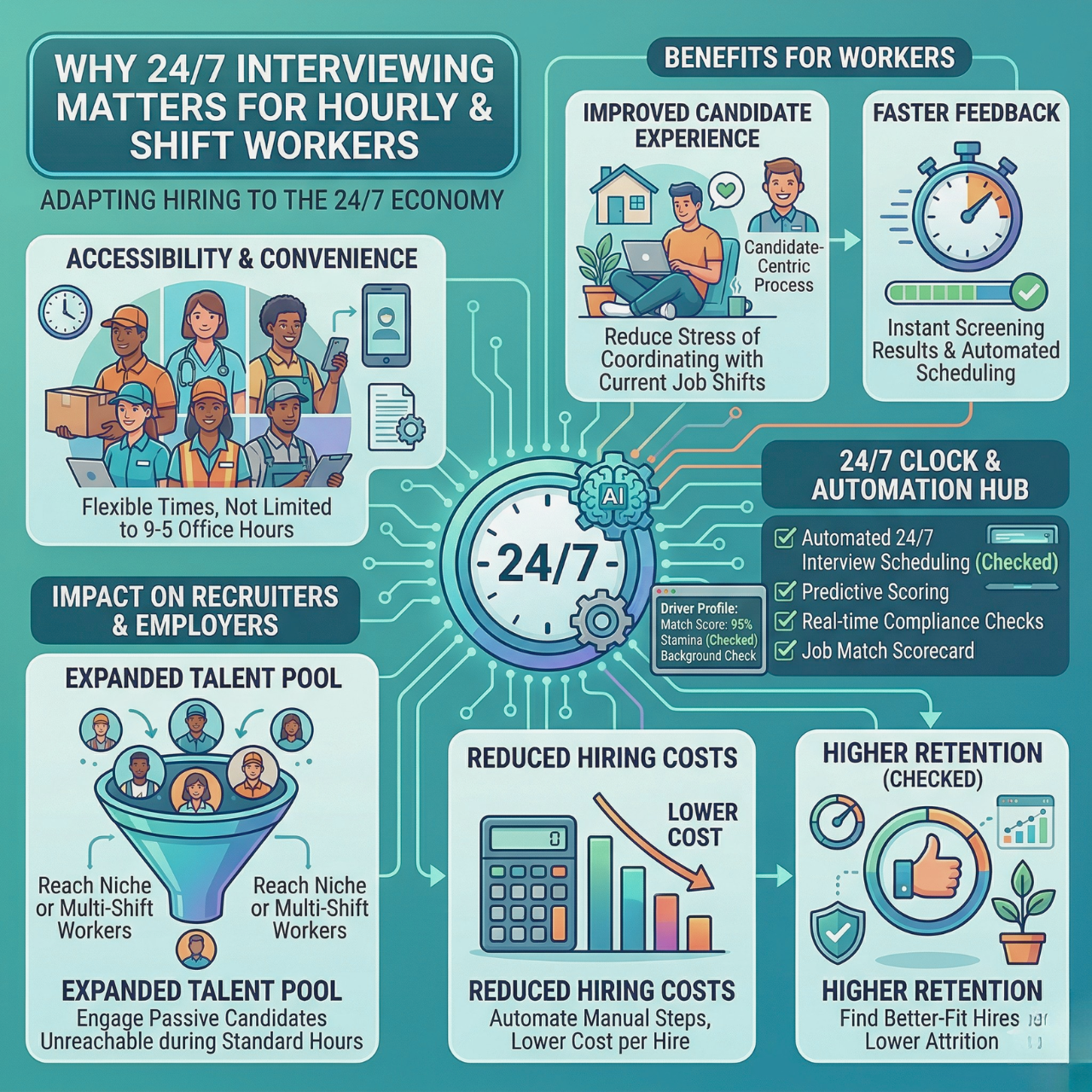
- AI-powered interviews that you can run 24/7
- Automated communication that reduces ghosting by 50%
- Tools that integrate with ATS and HRIS systems
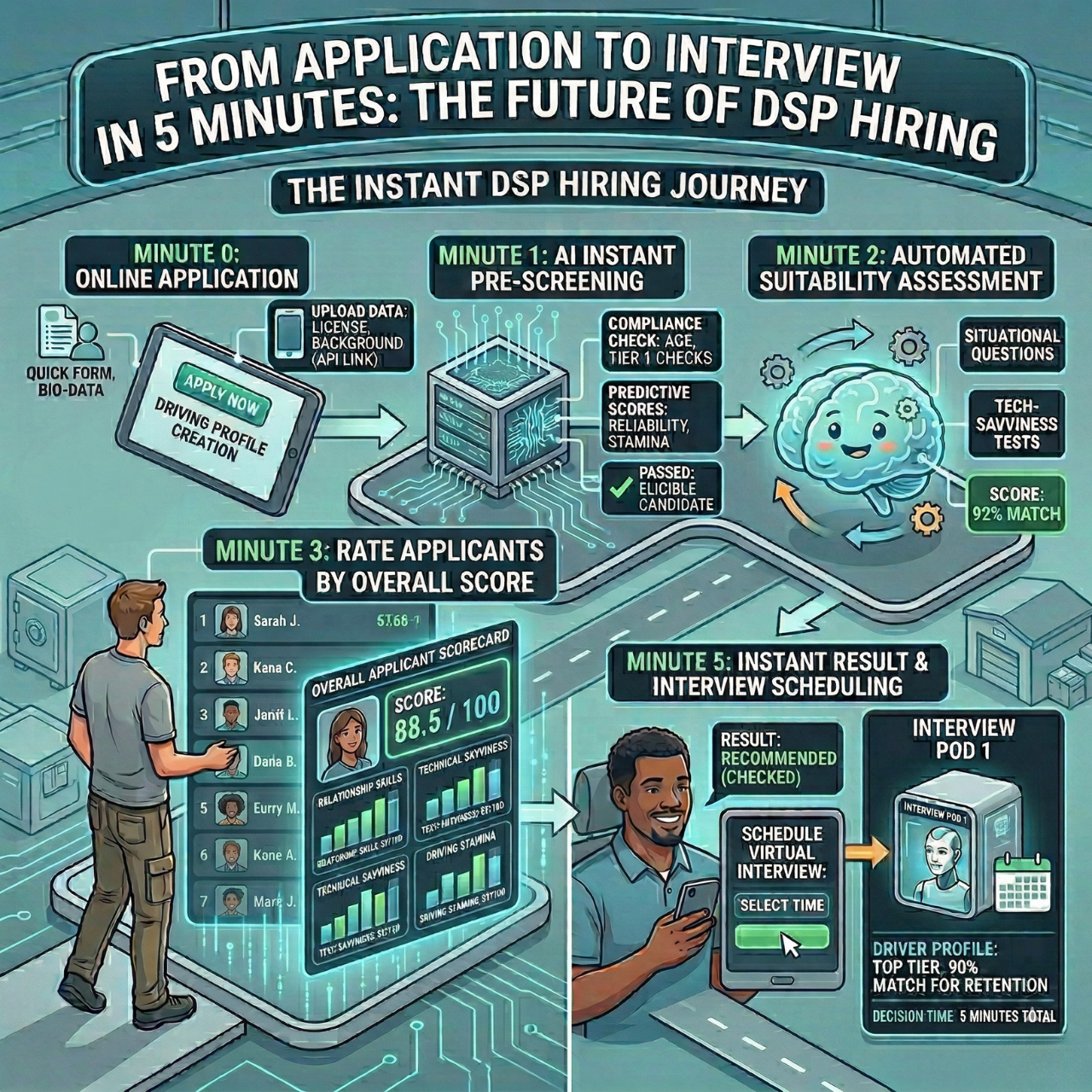
Modern systems are built to handle more jobs at once and help you scale hiring without adding stress to your team. Platforms use advanced AI to cut hiring time by over 60%.
Types of Automated Hiring Systems
There are several types of automated tools based on what part of hiring they improve:
Automation Type
Purpose
Benefit
Job Posting Automation
Creates and shares job ads
Saves time, keeps ads consistent
AI Screening & Scoring
Filters resumes, scores candidates
Finds top talent quickly
Interview Scheduling
Books interview slots automatically
Reduces no-shows by half
Candidate Engagement
Sends reminders and updates
Keeps candidates involved
Onboarding Automation
Handles forms and paperwork
Makes new hires welcome quickly
Choosing the right system depends on your hiring volume and goals. Using an AI-driven platform ensures you focus on quality candidates while automating repetitive work.
Benefits of Automated Hiring
Automating your hiring cuts down wasted time, lowers costs, and makes the process better for candidates. It also helps you handle more applicants without extra work. These key benefits improve how you find, engage, and select talent.
- Increased Efficiency and Speed
Automation speeds up every step of hiring. You can post jobs, screen resumes, and schedule interviews quickly without doing these tasks by hand. This helps you fill roles faster and keeps top candidates interested.
You save hours on manual work like scheduling and follow-ups. AI pre-screens candidates 24/7, so qualified people move through the process automatically. This reduces delays and avoids losing good hires because of slow responses.
You can also track your hiring progress in real time. This helps spot roadblocks fast and adjust your process to keep hiring on track.
- Improved Candidate Experience
Candidates want clear, quick communication. Automated systems keep candidates engaged with prompt updates and reminders by SMS or email. This reduces no-shows and keeps applicants interested.
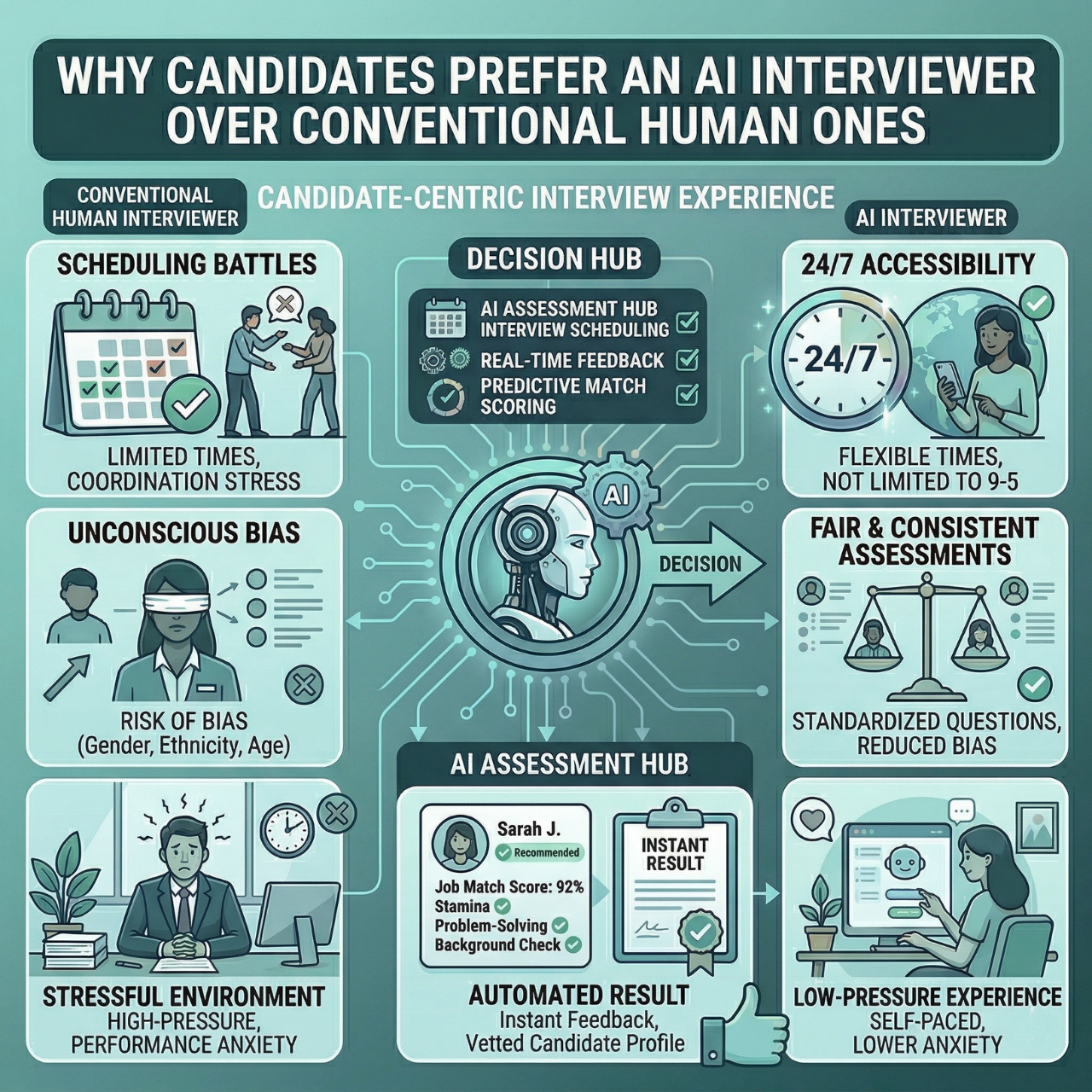
AI interviews let candidates respond at any time, fitting their schedules, which builds goodwill and lowers drop-off rates. You also reduce bias by letting AI fairly score candidates based on skills and answers instead of gut feelings.
By using automated hiring tools, you create a smoother, fairer path for candidates, making your company more attractive to top talent.
- Cost Reduction
Automating hiring lowers expenses by cutting time spent on repetitive tasks. Less manual work means your HR team can focus on strategy, not busywork. You save money by moving candidates faster through the funnel.
There's less need for large recruiting teams or expensive job ads to meet hiring goals. You reduce ghosting and unqualified applicants, saving costs tied to bad hires or lost candidates. Automation also ensures compliance with hiring laws, helping you avoid fines or legal risks.
By lowering time and resource use, automated hiring tools maximize your recruiting budget efficiently.
Key Features of Automated Hiring Software
Automated hiring software helps you speed up recruiting while improving how you find, screen, and engage candidates. It uses AI to reduce manual tasks and errors, making hiring fairer and more efficient. The main tools focus on resume review, interview scheduling, and candidate tests.
AI-Powered Resume Screening
AI resume screening quickly scans and sorts large volumes of applications. It pulls out key details like skills, education, and experience. This saves you hours by showing only the candidates who fit your job requirements.
The system ranks applicants based on the qualifications you set. It removes human biases by following strict criteria while scoring candidates. It helps you avoid missing qualified people and speeds up decision-making.
You can customize filters and scoring rules. The AI runs 24/7, so candidates get reviewed without delay. This means you spend less time on sorting resumes and more on talking to the best fits.
Automated Interview Scheduling
Automated scheduling tools let candidates book interviews themselves based on your available time slots. This cuts out back-and-forth emails and phone calls that slow the hiring process. The system sends reminders via SMS or email, which lowers no-shows by up to 50%.
You can easily reschedule or cancel interviews without manual updates. This keeps your calendar organized and candidates informed at every step. The platform integrates with popular calendar apps, so your team stays coordinated.
You get alerts instantly when interviews are booked or changed, helping you stay on top of hiring without extra work.
Candidate Assessment Tools
Assessment tools give you objective ways to evaluate skills, knowledge, and cultural fit. They include quizzes, coding tests, or situational judgment exercises designed to measure real job abilities.
These assessments run automatically after screening, so only serious candidates spend time on them. You get detailed reports and scores that make it easier to compare applicants fairly.
Some platforms use AI to analyze responses and flag inconsistencies or low performance. This reduces bias and guesswork, helping you choose candidates who truly match your needs. Using automated assessments can reduce early hiring mistakes and improve quality. This saves your team time and effort during interviews.
Stages of the Automated Hiring Workflow
An automated hiring workflow handles many tasks that once took hours of manual work. It speeds up recruiting by managing job posts, finding candidates, and onboarding new hires with little effort from you. Each step improves how fast and well you hire.
Job Posting Automation
Job posting automation starts by automatically creating and sharing job ads across multiple platforms. This saves you time and ensures your openings reach the right audience quickly and consistently.
You can set rules for job descriptions, required skills, and application deadlines. Automation tools also optimize listings for search engines, increasing visibility. This means more qualified applicants will find your jobs without extra work on your part.
Auto-updating posts keep the info current across job boards. You avoid reposting or manual edits. That's especially helpful if you hire often or across locations.
Candidate Sourcing Automation
Candidate sourcing automation scans resumes and applications to filter out unqualified candidates fast. It scores and ranks applicants based on your criteria, so you focus only on top talent.
Automated tools can also engage candidates instantly via emails or SMS, reducing ghosting. You won’t wait days for replies or schedule calls manually.
Strong sourcing software integrates with your ATS, making it easy to track candidates’ progress. AI pre-screens and scores applications 24/7, so you don’t miss anyone good.
Automated Onboarding Processes
Automated onboarding welcomes new hires right after they accept offers. It sends all necessary documents, sets up accounts, and shares training materials without your direct input. This stage reduces errors and delays that cost time and frustrate newcomers.
Automated reminders ensure new employees complete forms and training on time. Onboarding automation improves the new hire experience and lets your HR team focus on helping employees with real questions.
You also get clear reports on onboarding progress in one dashboard, so nothing falls through the cracks.
Integrating Automated Hiring With Existing Systems
Connecting automated hiring tools with your current systems makes the process smoother and faster. It helps avoid confusion and keeps data organized. You can link software that tracks applicants, manages HR data, and supports team collaboration without interrupting your workflow.
Applicant Tracking System Integration
Your Applicant Tracking System (ATS) holds critical candidate data. Integrating automation with your ATS means resumes, interview scores, and feedback move seamlessly between systems. This prevents double entry and reduces errors.
Automation tools connect directly with most ATS software. This allows you to:
- Automatically import candidate profiles after AI pre-screening
- Sync interview scheduling and status updates
- Filter out unqualified applicants before they reach the ATS
This speeds up your hiring without adding extra work. It also ensures your team sees accurate, up-to-date info at every step.
Human Resources Information System Compatibility
Human Resources Information Systems (HRIS) store employee records and payroll data. When your automated hiring software ties into your HRIS, your new hires’ details transfer instantly, cutting onboarding delays.
Look for automation platforms that support common HRIS formats. This means:
- New employee data flows directly from hiring into payroll and benefits
- Compliance records stay consistent and complete
- You avoid manual re-entry, which can cause mistakes or slow hiring
This helps you move candidates from offer acceptance to employee quickly and without headaches.
Collaboration Tools Integration
Hiring isn’t just about software. It’s about teams working well together. Automated systems integrate with collaboration tools like shared databases, chat apps, or feedback platforms to keep communication clear.
This integration enables you to:
- Share candidate profiles and interview notes across hiring teams
- Collect feedback in one place
- Manage hiring tasks and timelines smoothly
These features reduce delays and miscommunication. They keep everyone aligned, so hiring moves faster and decisions are informed.
Ensuring Fairness and Reducing Bias
You want your hiring process to be fair and unbiased. That means using tools that check for errors in algorithms and support diverse candidate pools. Doing this well helps you hire the best people without missing talent or risking unfair treatment.
Mitigating Algorithmic Bias
Algorithmic bias happens when AI tools favor certain groups over others. To stop this, you must regularly review and test your hiring software’s decisions.
Ask:
- Does it screen candidates fairly across race, gender, and age?
- Are certain resumes unfairly ranked lower or dropped?
Using platforms that constantly audit and adjust AI models helps reduce bias in scoring and scheduling. You should also train your AI on diverse data sets. This step prevents unfair patterns that come from limited examples.
Automation alone isn’t enough. Combine AI with human oversight to catch mistakes AI might miss. This teamwork ensures fairness, making your recruitment process more trustworthy and effective.
Enhancing Diversity in Hiring
Building diverse teams means widening your hiring lens beyond typical candidates. Automated tools can help by highlighting skills and qualifications without focusing on personal details.
You can:
- Remove names and photos from applications to avoid unconscious bias.
- Use AI to rank candidates based on merit and potential.
- Track diversity metrics with real-time analytics to spot gaps.
This supports diversity by scoring candidates on objective criteria only. It stops bias from creeping in during phone screens or interviews.
Encouraging diverse hiring not only improves your workplace culture but also helps you access fresh ideas and perspectives. Automated systems make this easier by holding recruiters accountable with clear, data-driven processes.
Challenges and Limitations of Automated Hiring
Automated hiring brings speed and efficiency, but also faces certain obstacles. These include technical difficulties, concerns about data safety, and how candidates view automation. Knowing these helps you use tools wisely to avoid common pitfalls.
Technical and Implementation Hurdles
Getting automation systems up and running can be tricky. Your software needs to integrate smoothly with your ATS and HRIS, or it may cause delays and errors.
Poorly designed tools might misinterpret resumes or fail to recognize skills, hurting your candidate selection. Automation also requires constant updates to stay effective.
If the AI models or filters aren't tuned, you risk missing good candidates or slowing down the process. Balance automation with human checks to catch these gaps.
Training your team to use new tools is another challenge. Without proper guidance, recruiters can struggle to trust the system or maximize its benefits. Make sure your platform offers clear support and easy onboarding.
Data Privacy and Security Concerns
Automated hiring systems hold a lot of personal information. Protecting this data must be a top priority. You need to ensure compliance with laws like GDPR or CCPA to avoid legal trouble. Systems can be vulnerable to cyberattacks or data leaks if not properly secured.
This threatens candidate trust and your company’s reputation. Use strong encryption, regular security audits, and limit access based on roles.
Transparency is also key. Candidates want to know what data you collect and how it will be used. Clear privacy policies and consent steps can ease concerns. Your hiring automation tool should include features supporting these best practices.
Overcoming Candidate Skepticism
Not every candidate welcomes automation. Some see AI screening as cold or unfair, worrying about hidden bias or errors. Personal connections feel missing without live interviews early on. You can address this by explaining how automation benefits them.
For example, 24/7 conversational AI interviews let candidates pick their interview times on their schedule. Automated scoring backs objective decisions and lets good candidates rise.
Also, keep some steps human-led to give candidates a chance to connect with real people. Regular communication via SMS or email nudges helps maintain engagement and reduces ghosting.
Future Trends in Automated Hiring
The automated hiring process is evolving quickly. New tools bring better speed, fairness, and accuracy to hiring. You will see smarter AI, new technologies, and wider use of automation that help you find top talent faster.
Advances in AI and Machine Learning
AI and machine learning are improving how you screen and evaluate candidates. These systems learn from data to match jobs with the best applicants, reducing bias and human error.
You no longer spend hours sorting resumes manually. AI-powered tools can handle pre-screening interviews 24/7, so candidates can complete them anytime. Your hiring team saves time, and the process speeds up.
Machine learning also helps predict success, giving you a clearer hiring picture. Tools score, filter, and schedule interviews automatically, cutting your time-to-hire by over 60%.
Emerging Technologies in Recruitment
New tech in recruitment goes beyond AI. You’ll find chatbots that keep candidates engaged through SMS and email, ensuring fewer no-shows for interviews. Voice engagement, coming soon, will let candidates talk naturally during AI interviews, adding a human touch while still saving time. Automated scheduling synchronizes calendars instantly.
This means you don’t waste time chasing interview slots. Integration with ATS (Applicant Tracking Systems) and HRIS keeps all your hiring data in one place with no disruption to your current tools.
Key benefits you gain include:
- Reduced ghosting: Automated nudges keep candidates connected.
- Scalable hiring: Easily manage 2 or 200 open roles without extra effort.
- Real-time analytics: Track bottlenecks and engagement to improve your process.
Predictions for Automated Hiring Adoption
More companies will adopt automated hiring tools because they improve quality and cut delays. By 2025, you can expect that these solutions will be standard in most hiring teams.
Automation is moving beyond simple resume scanning to fully managing candidate journeys. Tools will automatically handle communication, pre-screening, and scheduling while highlighting only the most qualified candidates for your review.
Using automated platforms lets you kill the chaos in hiring. You gain:
- Faster hiring cycles
- Lower costs
- Better candidate experiences
- Reduced bias
Make Hiring Faster Today
Automating your hiring process benefits speed, efficiency, and quality. By offloading screening, scheduling, and updates to AI, teams cut delays, reduce errors, and keep candidates engaged. The result is a predictable pipeline and better decisions.
With HRMLESS, automation translates into measurable outcomes—fewer no-shows, consistent scoring, and real-time visibility. Integrated workflows connect ATS and HRIS data, so recruiters focus on high-value conversations while the system handles repetitive tasks.
Ready to see the lift from automation in weeks, not months? Book a demo or connect your ATS for a free audit to fast-track your process and capture the full benefits of automated hiring.
Frequently Asked Questions
What features should I prioritize in recruitment automation?
Focus on AI screening, automated scheduling, and candidate messaging. Add analytics and compliance controls. These deliver automating your hiring process benefits fast.
How does automation reduce time-to-hire?
AI pre-screens 24/7 and routes qualified applicants to interviews. Self-serve scheduling removes back-and-forth. Your team moves from admin to decisions.
Will AI increase bias in hiring?
It can if left unchecked. Use structured criteria, regular adverse impact tests, and human review. This helps minimize bias and improve fairness.
How do I integrate automation with an ATS and HRIS?
Choose tools with native connectors and open APIs. Sync profiles, statuses, and notes in real time. Keep one source of truth to avoid errors.
What metrics prove ROI from automation?
Track time-to-hire, cost-per-hire, and offer acceptance rate. Monitor candidate response time and no-show rate. Tie gains to filled roles and revenue.
Is automation right for small teams?
Yes. Start with screening and scheduling to see quick wins. Add assessments and messaging as volume grows. Automating your hiring process benefits scale with need.
How do candidates experience automated hiring?
They get fast updates and flexible interview times. Clear steps reduce drop-offs. A smooth path improves employer brand and acceptance rates.
Featured

Subscribe to ournewsletter
Related posts
Explore the world of photography with our curated selection of
portfolio websites that showcase creativity and innovation.