

Benefits Of Candidate-First Hiring With Conversational AI
Learn how candidate-first hiring with conversational AI speeds up screening, cuts no-shows, and improves candidate experience.

If your team is juggling resumes, chasing candidates, and watching top talent drop out, you’re not alone. Slow replies and clunky steps signal that candidate time doesn’t matter. Candidate-first hiring with conversational AI solves this by giving people fast, flexible ways to engage from the first touch.
HRMLESS helps teams replace manual screening and messy scheduling with 24/7 interviews, instant updates, and clear next steps that keep candidates moving. Applicants feel respected, recruiters get time back, and you reduce ghosting without adding headcount.
This guide shows you how to modernize hiring without overwhelming your team. You’ll learn where conversational AI creates the biggest gains, how to measure impact, and what to fix first so you can deliver a smoother, faster, more candidate-friendly process.
What Is Candidate-First Hiring With Conversational AI
Candidate-first hiring means treating candidates like your most important customers. You keep the process smooth, clear, and responsive so people feel respected. This approach cuts down on confusion and long waits, which, let’s be honest, nobody likes.
When you focus on the candidate, you also reduce ghosting. Candidates who get quick updates tend to stick around and trust your company more. You build a better reputation and attract stronger applicants by putting their needs first. It’s about respect, transparency, and real-time responses from start to finish.
Overview of Conversational AI in Recruitment
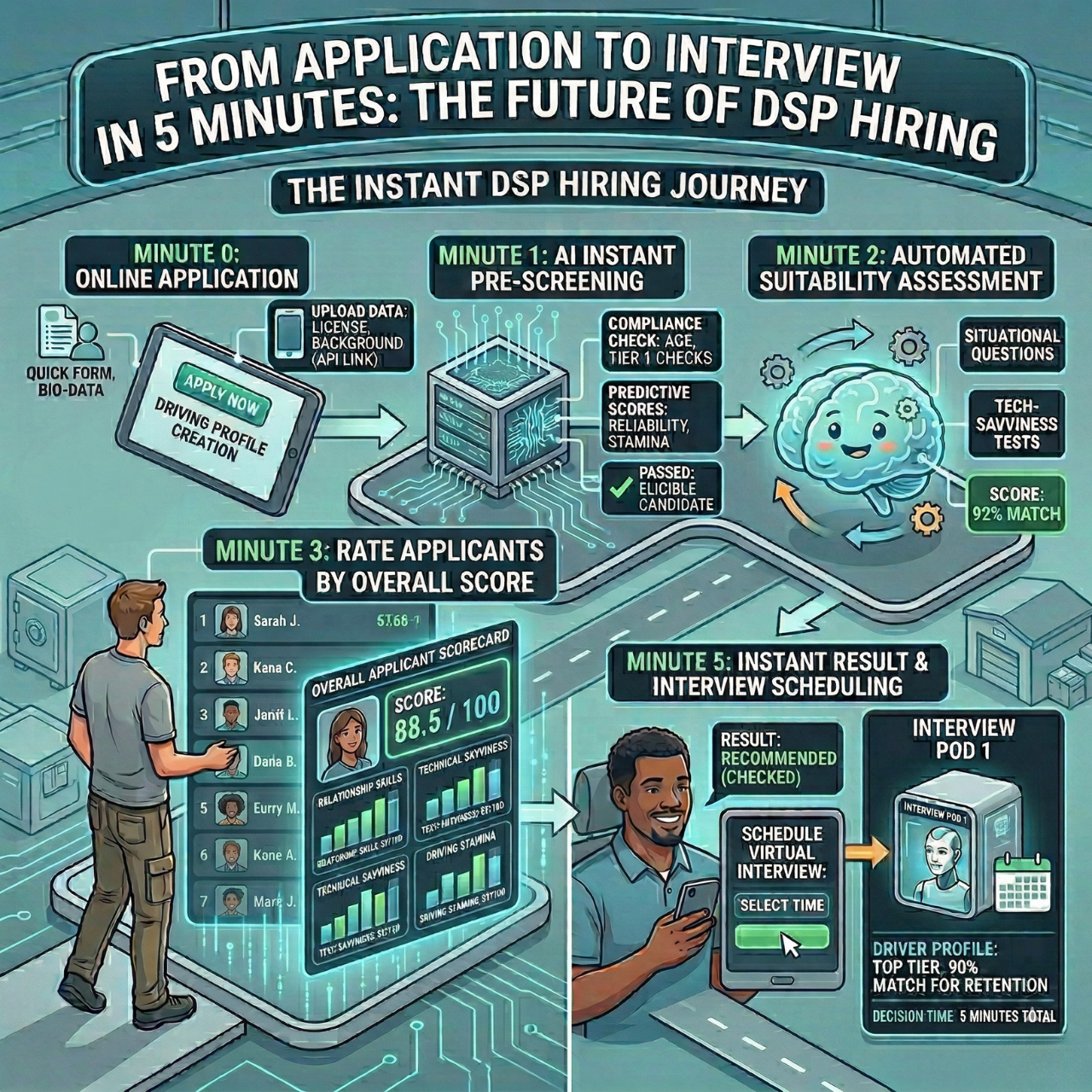
Conversational AI uses chatbots or voice assistants to have real conversations with candidates. These tools ask screening questions, collect answers, and score applicants right away. Your candidates can complete interviews any time, day or night, whenever it fits their schedule.
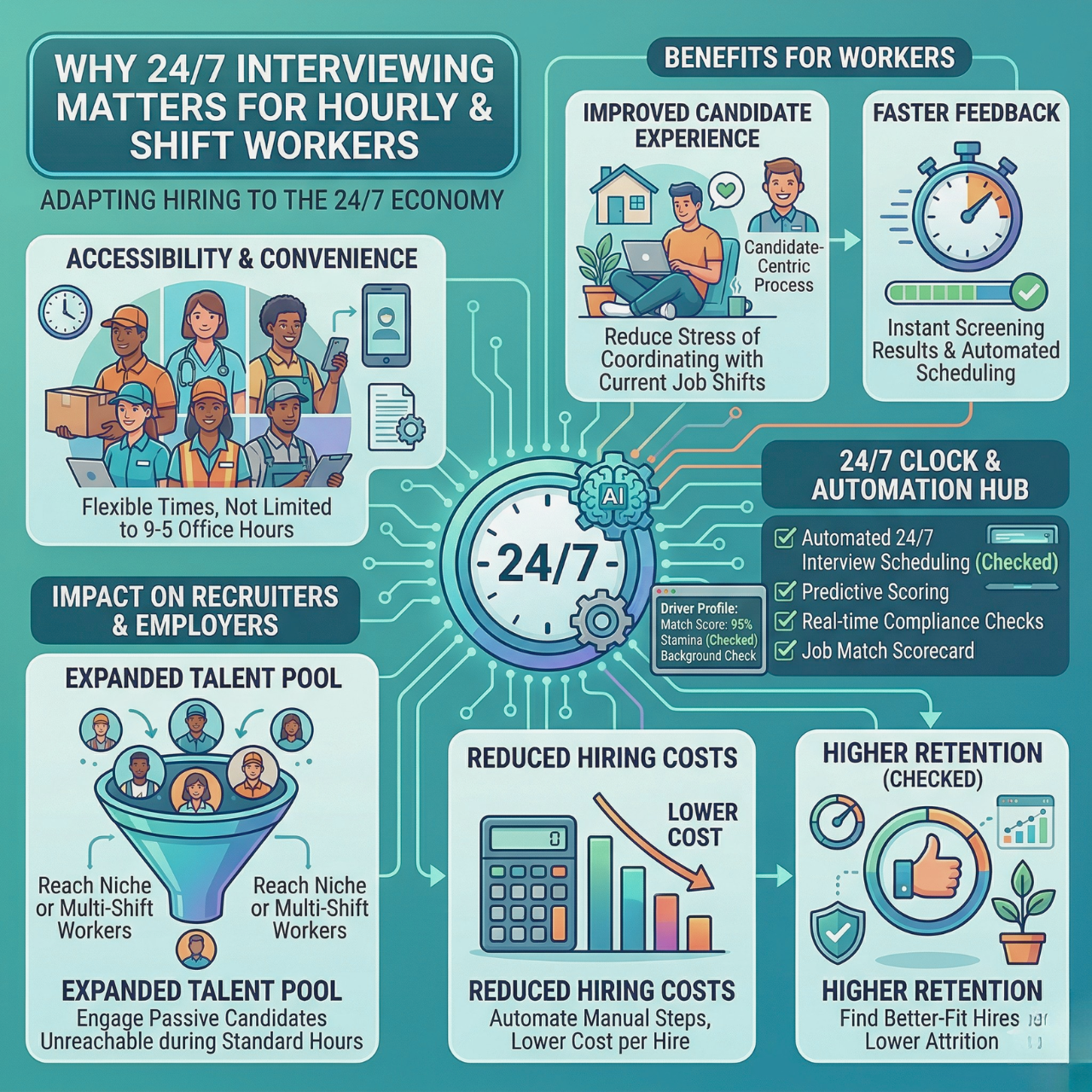
This 24/7 access means you don’t miss out on great talent just because of timing. The AI sends automated SMS and emails to keep candidates engaged and schedules interviews without endless back and forth. That saves you hours and lowers no-show rates.
Evolution of Hiring Technology
Hiring tools have come a long way, from stacks of paper resumes and endless phone calls to automated tracking systems called ATS. Now, conversational AI is the next big leap. Early tech helped organize resumes and book interviews, but conversational AI flips the script by making candidate interaction instant and ongoing.
Instead of just storing candidate data, you’re actually engaging with people. AI takes care of repetitive tasks, so you can focus on the more human side of hiring. This evolution means faster hiring cycles and better candidate experiences. Your hiring process keeps up with today’s fast-moving talent market.
Benefits of Candidate-First Hiring With Conversational AI
Using conversational AI puts candidates right at the center of your hiring process. Every step gets smoother, faster, and, hopefully, a bit fairer. You can boost how candidates feel, speed up recruiting, and even reduce bias during screening.
Enhanced Candidate Experience
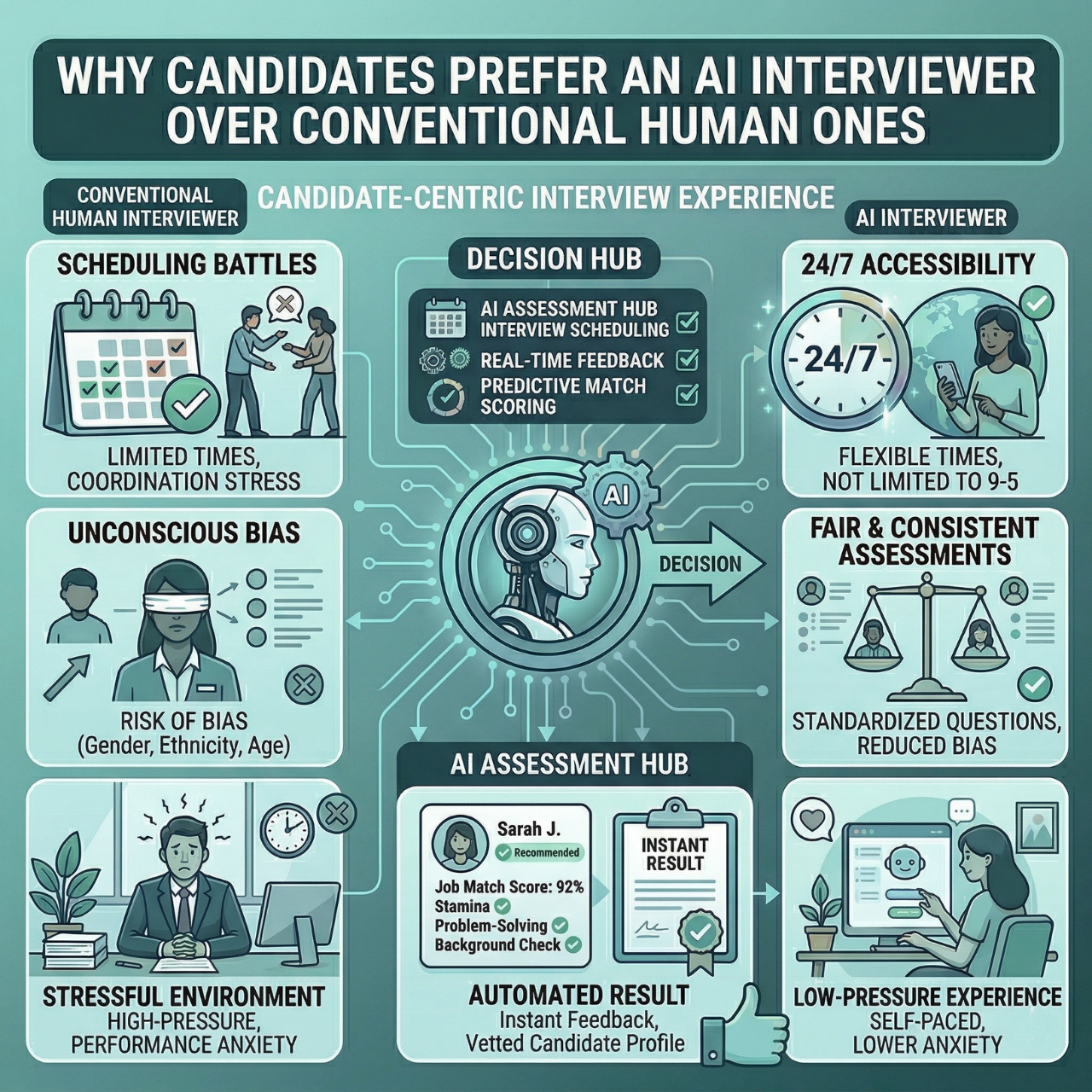
Candidates get a noticeably better experience when hiring uses conversational AI. They can do interviews on their own schedule, without waiting for slow replies or endless back and forth. This flexibility respects their time and helps cut down on frustration.
AI tools send quick reminders through SMS and email, so candidates stay informed and engaged. Faster response times help candidates move through the steps without getting stuck. Plus, candidates still connect with real people when it matters, like in live interviews and for feedback. That mix of automation and personal touch is what most people want.
Faster Recruitment Processes
Conversational AI speeds up hiring by automating the boring stuff. It handles pre-screening interviews, scoring, and scheduling, so you don’t have to chase resumes or candidates all day. You can save around 2.7 hours per hire, chopping your time-to-hire by more than half.
Automation clears bottlenecks and helps you fill roles quickly as your team grows. Letting candidates book their own interviews means no-shows drop by nearly half. That’s a relief for everyone.
Reduction of Bias in Screening
AI helps make screening fairer by focusing on skills and qualifications instead of gut feelings or unconscious bias. Automating the first steps keeps human error out of the mix. Clear scoring and filtering rules mean AI highlights top talent based on actual data.
This consistency helps you reach your hiring goals and widens your talent pool. Of course, AI isn’t perfect; careful setup matters. But when you get it right, conversational AI supports more transparent and inclusive hiring practices you can actually trust.
Implementing Conversational AI for Candidate-First Hiring
Conversational AI can make your hiring process faster and fairer. It helps you connect with candidates quickly, stay organized, and avoid mistakes. For real results, focus on picking the right tools, fitting AI into your current setup, and customizing messages for each candidate.
Selecting the Right Conversational AI Tools
Pick AI tools that match your hiring goals and make things easier for candidates. Look for features like automated pre-screening, candidate scoring, and scheduling. These can save you time and keep candidates moving through the process without hiccups.
Make sure the AI uses a natural tone so candidates don’t feel like they’re talking to a robot. Tools that reach out with SMS and email keep everyone in the loop and cut down on no-shows. It’s also smart to choose platforms that reduce bias by scoring people fairly.
Integrating AI With Existing Systems
Your conversational AI should play nicely with your current tech, like your ATS (Applicant Tracking System) or HRIS (Human Resource Information System). Good integration means less extra work for you and smoother data flow between tools. It helps you avoid double-booking interviews or losing track of candidate info.
Choose AI solutions designed to plug into your software without hassle. That way, your workflows stay intact, and tasks like scheduling and notifications get automated quietly in the background.
Customizing Communication for Candidates
Let your AI conversations feel personal. Use messages tailored to each stage of hiring to keep candidates informed and interested. Send friendly reminders before interviews or quick follow-ups after screening. Respect candidates’ time by being clear about what comes next.
Give candidates some flexibility to respond naturally. Conversational AI that talks like a real person lowers stress and gets more honest answers. Personalized communication really does boost candidate experience and helps keep people from dropping out.
Conversational AI Features That Empower Candidates
Conversational AI gives candidates more control and faster updates during hiring. You can connect with applicants anytime, answer questions quickly, and provide clear feedback. These tools create a smoother, fairer experience that keeps candidates engaged and informed.
24/7 Interview Scheduling
With conversational AI, candidates can schedule interviews whenever it works for them. No more waiting for business hours or endless email chains. The AI finds open slots and books interviews right away.
This cuts down on no-shows because candidates pick times that actually work for them. It also speeds up hiring by eliminating manual scheduling headaches. Your team saves time, and candidates appreciate the flexibility.
Immediate Responses to Candidate Questions
Candidates almost always have questions about the job or what’s next. Conversational AI can answer these instantly through chat or text, so nobody’s left waiting days for a reply. By responding 24/7, AI keeps candidates informed and less anxious.
It can clarify interview formats, timelines, or next steps, whatever’s needed. Fast answers improve candidate experience and help keep folks from dropping out during drawn-out hiring cycles.
Personalized Feedback and Guidance
AI can provide tailored feedback based on assessments and interviews. Instead of waiting days, candidates get clear, specific insights about how they did or what to work on. This keeps people engaged and motivated.
It shows your commitment to fairness and transparency by giving everyone a fair shot. Personalized guidance builds trust and makes your hiring process look a whole lot better.
Best Practices for Candidate-First Interviewing
Putting candidates first means making the process clear, fair, and easy to use. You want to build trust by treating applicants respectfully and keeping them engaged. Here are some ways to make automated hiring feel personal, accessible, and responsive to candidates’ needs.
Humanizing Automated Interactions
Even if AI handles screening and scheduling, the process should feel human. Use conversational language and skip the stiff, robotic stuff. For example, you can send SMS or email messages that sound warm and prompt. This keeps candidates interested and less likely to bail.
Adding voice interviews lets candidates speak naturally. Hearing a voice makes things feel more personal. Clear instructions and quick replies show you value each applicant’s time and effort.
Ensuring Accessibility for All Candidates
Your AI tools should be easy for everyone, regardless of background or tech skills. Offer interviews 24/7 so people can pick times that fit their schedule and time zone. Make sure the platform works on phones, tablets, and computers.
Simple interfaces, without too many steps, help folks finish interviews without getting frustrated. Check for language options and accommodations for disabilities. Accessibility means no one gets left behind, and you get a broader pool of qualified candidates.
Continuous Feedback Collection
Gathering feedback helps you improve and shows candidates you care about their experience. Short surveys after interviews or as part of the follow-up can do the trick. Ask about ease of use, clarity of communication, and wait times.
Automated tools can track where people drop off, so you can fix those pain points. Regular feedback keeps your hiring fair and efficient. It helps you spot issues early and build a better experience for future candidates.
Measuring Success of Candidate-First Hiring Initiatives
If you want to know if your candidate-first hiring approach is actually working, you need some real ways to measure its impact. That means checking how happy candidates are, whether your hires truly fit, and how smoothly the whole process runs. Tracking these areas helps you improve and keeps you focused on what matters most.
Candidate Satisfaction Metrics
Your candidates’ experience really is at the heart of this. You can measure satisfaction with post-interview surveys and by tracking how many candidates actually finish your process. Metrics like candidate Net Promoter Score (NPS) show how likely people are to recommend your hiring process to others. That’s a good sign you’re on the right track or not.
It’s also smart to watch response times and engagement rates. Quick replies to candidate questions or using automatic follow-ups can make a big difference in satisfaction.
Checking these numbers regularly shows you where candidates feel valued or frustrated. If you can improve here, candidates are way more likely to stay interested and even recommend your company, whether or not they get the job.
Quality of Hire Assessment
Quality of hire is about how well your new employees perform and whether they stick around. You can measure this by looking at retention rates in the first 6–12 months. Manager feedback and performance reviews also tell you if the new hire meets expectations or if something is off.
If you see turnover or low performance, it probably means something’s broken in your screening or interviewing. Tracking quality of hire alongside satisfaction metrics gives you a much fuller picture.
Process Efficiency Tracking
It’s important to know how fast and smooth your hiring process really is. Metrics like time-to-hire and time-to-fill show how quickly you close positions. Automated scheduling and AI interviews can seriously cut down on delays and bottlenecks, so those numbers drop.
Also, keep an eye on drop-off rates at each stage; if you see lots of people leaving, maybe your process is confusing or your communication needs work. Analytics tools will show you exactly where candidates quit, so you can fix problems right away.
Challenges and Solutions in Adopting Conversational AI
Jumping into conversational AI in hiring definitely comes with some headaches. Candidates might feel weird about talking to a robot, and you’ve got to keep their data safe. Plus, your recruiting team has to adjust to new tools and workflows, which isn’t always easy.
Overcoming Candidate Skepticism
Plenty of candidates hesitate when they realize they’re chatting with AI. They might worry the process feels impersonal or that they aren’t being judged fairly. To help, be transparent about AI’s role right at the start.
Let them know the AI interview saves time and works around their schedule by being available 24/7. Conversational AI that sounds natural goes a long way. Features like voice engagement let candidates respond more freely, giving things a bit of a human touch. Pairing AI screening with human follow-up interviews also helps balance speed with a personal connection.
Privacy and Data Security Considerations
Keeping candidate data safe is non-negotiable when you use AI tools. You have to follow data protection laws like GDPR or CCPA, depending on where you’re hiring. Protect info by encrypting everything and only letting people directly involved in hiring see it.
Be upfront with candidates about what data you collect, how you’ll use it, and how long you’ll keep it. That kind of transparency helps build trust and keeps privacy concerns to a minimum. Work with vendors who actually prioritize security and keep their systems updated. It’s the only way to keep candidate data safe without slowing down your hiring process.
Change Management for Recruiting Teams
Recruiters might push back on new AI tools if they feel threatened or just overwhelmed. They need training on using conversational AI effectively and understanding its limits. Focus on how AI can take over time-consuming stuff like pre-screening and scheduling, so recruiters can spend more time on candidate engagement and making decisions.
Encourage your team to sharpen skills that AI just can’t cover, like emotional intelligence and ethical judgment. Mixing AI insights with human experience can really improve hiring quality.
Future Trends in Candidate-First Hiring With Conversational AI
Your hiring process will soon use much smarter AI tools that handle more ways to interact, tailor conversations better, and even predict which candidates will succeed. These changes will make hiring faster and fairer, and more focused on what matters to your candidates.
Emergence of Multimodal AI Interfaces
Multimodal AI lets candidates interact with you using voice, text, or even video, all in one place. Instead of just typing, candidates can speak naturally or upload a quick video clip. This makes interviews feel a lot more personal and a lot less robotic.
For you, it means faster, clearer communication, and candidates get to express themselves in whatever way works best for them. This tech supports different languages and accents too, so global hiring doesn’t feel impossible anymore.
Increased Personalization Capabilities
AI will soon customize every step for each candidate. Instead of a one-size-fits-all interview, the system can adjust questions based on a candidate’s answers or resume details. That shows candidates you actually care about their unique skills and careers.
Personalized follow-ups and reminders via SMS or email will keep candidates engaged and less likely to ghost you. This means you’ll spend less time sorting through irrelevant applications, because the AI brings you only the best matches.
Predictive Analytics for Talent Acquisition
Predictive analytics look at applicant data and hiring trends to forecast who’ll perform well and stick around. It’s a tool that helps you plan your workforce better and make smarter decisions based on real outcomes, not just gut feelings.
With this data, you can spot which skills lead to success or retention and tweak job descriptions or filters to attract the right people from the start. Platforms provide real-time reports on candidate progress and hiring bottlenecks so you can keep things moving and avoid sacrificing quality.
Turn Hiring Friction Into Momentum
Slow replies, manual screening, and constant no-shows drain your team and frustrate candidates. Candidate-first hiring with conversational AI replaces that friction with fast, clear steps that respect candidate time and keep your pipeline moving.
HRMLESS helps you cut the busywork so recruiters can focus on real conversations, not calendar math and inbox chasing. The result is a smoother process, fewer drop-offs, and stronger hires made with less effort.
Ready to fix the bottlenecks in your process and put candidates first? Book a demo to see how this approach works end-to-end in your hiring.
Frequently Asked Questions
How does conversational AI improve the candidate experience in hiring?
Conversational AI lets candidates complete interviews anytime, day or night. This flexibility fits their schedules and reduces wait times. Candidates get instant feedback and reminders through SMS and email, which keeps them informed and less likely to drop out. AI conversations feel more natural, making the process less stressful.
What are some successful examples of conversational AI being used in recruitment?
AI tools run interviews 24/7, rank candidates quickly, and automatically schedule top candidates for next steps. These features reduce no-shows and speed up the time to hire. Candidates appreciate faster responses and fewer back-and-forth emails. Recruiters save hours by automating tasks like screening resumes and follow-ups.
What are the potential risks of using AI for candidate screening?
AI can make mistakes if it relies on biased data or algorithms. This might exclude qualified candidates unfairly. Technical issues could cause candidates to have trouble completing interviews. Also, over-automation sometimes makes the process feel less human. Monitoring and regularly updating AI systems helps minimize these risks.
How can job seekers prepare for AI-powered screening interviews?
Treat AI interviews like regular interviews. Speak clearly and give complete answers to help the AI understand you. Practice common interview questions and test any required technology before the actual interview to avoid delays. Keep your resume up to date and accurate, since AI often scans your information before interviews.
What advancements have been made in conversational AI for recruitment since 2021?
AI platforms now support automated multi-channel engagement through email and SMS to keep candidates responding. Scheduling tools handle global time zones, allowing candidates to book interviews anytime.
AI scoring and filtering have improved to identify top talent faster. Voice engagement options are becoming common, letting candidates speak naturally during AI interviews, which really adds a human touch.
How does conversational AI provide support to employees post-hire?
Some AI tools jump in to help new hires with onboarding questions. They might also guide folks through training schedules, whether it’s via chat or a voice assistant. That kind of support keeps employees in the loop.
It also takes some pressure off HR teams, which is never a bad thing. AI keeps the conversation going, checking in and answering the usual questions fast. It’s a handy way to keep people engaged without making them wait for answers.
Featured

Subscribe to ournewsletter
Related posts
Explore the world of photography with our curated selection of
portfolio websites that showcase creativity and innovation.