

The Real Cost of Interview No‑Shows for Amazon DSPs
Interview no-shows quietly cost Amazon DSPs thousands each year. Learn how missed interviews impact route coverage, HR time, and driver turnover—and how top DSPs prevent them.
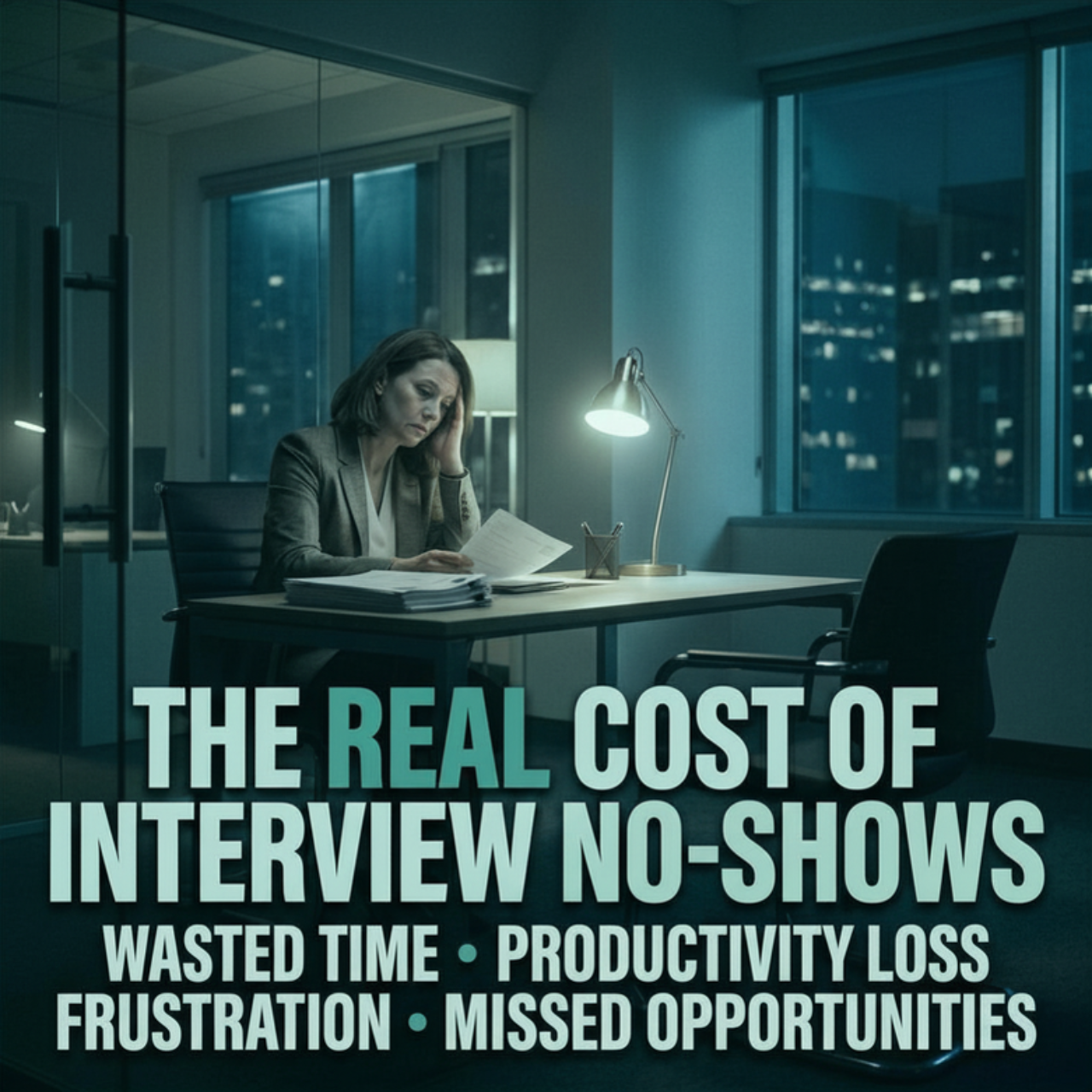
If you own or operate an Amazon Delivery Service Partner (DSP), you already know this truth:
Hiring drivers isn’t the challenge—getting them to show up is.
Interview no‑shows might feel like a minor annoyance in a high‑volume hiring environment, but for DSPs, they carry a real operational and financial cost. When candidates don’t show up, hiring slows, routes stay understaffed, HR burns out, and turnover spirals.
Let’s break down what interview no‑shows actually cost Amazon DSPs—and why ignoring them is far more expensive than most owners realize.
Interview No‑Shows Are a DSP‑Wide Problem—Not an HR Issue
Most DSP owners view interview no‑shows as “part of hiring.” But at scale, they’re not random. They’re systemic leaks in your hiring operation.
When you’re hiring 5–10 drivers a week, even a 30–40% no‑show rate can quietly derail staffing plans—especially heading into peak, Prime events, or route expansion.
And unlike other industries, Amazon DSPs don’t have excess buffer:
- Missed interviews = slower onboarding
- Slower onboarding = uncovered routes
- Uncovered routes = forced overtime, injuries, and churn
No‑shows don’t stop at HR—they ripple through your entire operation.
The Hidden Time Cost: HR Hours Lost Every Week
Let’s start with the most obvious loss: time.
Each interview typically involves:
- Screening the application
- Scheduling or coordinating the interview
- Preparing candidate notes
- Waiting for the no‑show
- Attempting follow‑ups
Multiply that by multiple missed interviews per week and you’re looking at hours of wasted HR capacity—time that could have been spent hiring qualified drivers, onboarding new hires, or supporting existing teams.
For DSPs with one HR manager (or an ops leader doing HR on the side), this becomes a burnout accelerator.
The Financial Cost: No‑Shows Compound Fast
Interview no‑shows rarely happen alone. They stack up—and so do the costs.
Here’s how missed interviews hit your bottom line:
1. Delayed Route Coverage
Every unfilled driver role increases the chance of:
- Forced overtime
- Last‑minute scheduling changes
- Paying premium hours to stay compliant
Those costs quickly outpace the hourly wage of a driver who should have been hired weeks earlier.
2. Increased Early Turnover
When hiring gets rushed to “make up” for no‑shows, standards drop.
That leads to:
- Poorer job fit
- Faster burnout
- Drivers quitting within 30–60 days
Replacing a driver is far more expensive than hiring correctly the first time—and interview no‑shows push DSPs toward reactive hiring.
3. Missed Growth Opportunities
When hiring pipelines stall, DSPs can’t:
- Confidently expand routes
- Absorb volume increases
- Prepare for peak without panic
No‑shows quietly cap your DSP’s scalability.
Why Amazon DSP Candidates Skip Interviews
Understanding the why matters—because no‑shows are often preventable.
Common reasons Amazon DSP candidates don’t show up include:
- Applying to multiple DSPs simultaneously
- Long delays between application and contact
- Interview times scheduled too far out
- Lack of clarity about job expectations
- No reminders or confirmation process
In competitive markets, candidates don’t wait. The DSP that moves slow loses—even before the interview happens.
The Candidate Experience Is the First Retention Test
For Amazon DSPs, hiring is your first operational impression.
No‑shows often signal:
- Weak engagement early in the funnel
- Poor communication
- A process that feels manual or outdated
DSPs that tighten their hiring experience see fewer no‑shows and better long‑term driver retention.
Why High‑Performing DSPs Treat No‑Shows as a Metrics Problem
Top Amazon DSP owners don’t accept no‑shows as inevitable.
They track:
- Interview no‑show rates
- Time‑to‑first contact
- Time‑to‑interview
- Conversion from interview → day one
When no‑show rates spike, they treat it like a broken process—not bad candidates.
This mindset shift is what separates DSPs constantly rehiring from those running stable, scalable operations.
How DSP Owners Reduce Interview No‑Shows at Scale
While volume hiring will always have friction, top DSPs consistently reduce no‑shows by:
- Engaging candidates immediately after they apply
- Keeping interview scheduling frictionless
- Using reminders and confirmations
- Providing realistic job previews upfront
- Removing unnecessary delays between steps
The goal isn’t perfection—it’s predictability.
Final Thoughts: Interview No‑Shows Cost More Than You Think
For Amazon DSP owners, interview no‑shows aren’t just a recruiting annoyance—they’re an operational liability.
They:
- Drain HR capacity
- Delay route coverage
- Increase overtime and turnover
- Limit your ability to scale
The DSPs that win long‑term are the ones that tighten the hiring funnel early—before no‑shows slow everything downstream.
If your DSP is hiring constantly but still feels perpetually understaffed, it’s worth asking:
How much are interview no‑shows really costing you?
Featured

Subscribe to ournewsletter
Related posts
Explore the world of photography with our curated selection of
portfolio websites that showcase creativity and innovation.