

AI-Generated Interview Feedback: A Recruiter’s Guide

Wondering how recruiters are leaning on AI-generated interview feedback to cut guesswork and speed up hiring? This tool turns raw responses into clear scores and summaries. You get faster, fairer decisions without digging through notes.
With HRMLESS, teams automate pre-screening, scoring, and scheduling in one flow. You move qualified candidates forward with 24/7 AI interviews and consistent evaluation. The result is less bias and more time spent with top talent.
This guide explains how AI-generated interview feedback works, where it helps most, and what to watch for. You will see key features, workflow tips, and metrics to track. Expect practical steps that reduce ghosting and fast-track hiring.
Understanding AI-Generated Interview Feedback
AI-generated interview feedback gives recruiters fast, unbiased insights about candidates. It breaks down candidate responses and scores them against your criteria. That means less time wasted and a smoother process overall.
How AI Transforms Recruitment Feedback
AI reviews candidate answers on the spot. No more waiting around to read through piles of notes. Real-time scoring and summaries let you focus on top candidates right away.
AI taps into natural language processing (NLP) to understand both what candidates say and how they say it. It spots strengths, flags weak points, and highlights any gaps. Since it’s all based on facts, not feelings, it helps keep human bias out of the equation.
With AI feedback tools, you make decisions faster without sacrificing quality. Plus, candidates can interview whenever it works for them, so your pipeline keeps moving.
Key Features of Automated Feedback Systems
Automated feedback tools bring a bunch of features that actually make a difference:
- Instant Scoring: Answers get scored right after the interview ends.
- Behavioral Analysis: Picks up on tone, confidence, and how relevant answers are.
- Customization: You set the criteria and weightings for your open roles.
- Summary Reports: Clean, simple feedback you can review at a glance.
- Bias Reduction: Objective scoring that keeps personal opinions out.
These features shave hours off your process and help weed out folks who just aren’t a match.
Types of AI-Generated Interview Feedback
You’ll see a few flavors of AI-generated interview feedback out there:
- Numeric Scores: Overall or skill-by-skill breakdowns.
- Strengths and Weaknesses: Highlights which answers stand out (or fall flat).
- Behavioral Insights: Notes about tone, hesitations, or enthusiasm.
- Comparisons: Ranks candidates against each other or against a job benchmark.
Mixing these up gives you a more complete picture, less guesswork, and smarter picks.
Modern AI blends all these styles so you get fast, fair hiring help. You’re still in charge, but with better info in your corner.
Benefits of AI-Generated Interview Feedback for Recruiters
AI-generated interview feedback is changing how you approach hiring. It speeds things up, delivers fair and clear results, and gives candidates a better experience. You get sharp data to guide your choices, no more waiting or wondering.
Enhancing Recruitment Efficiency
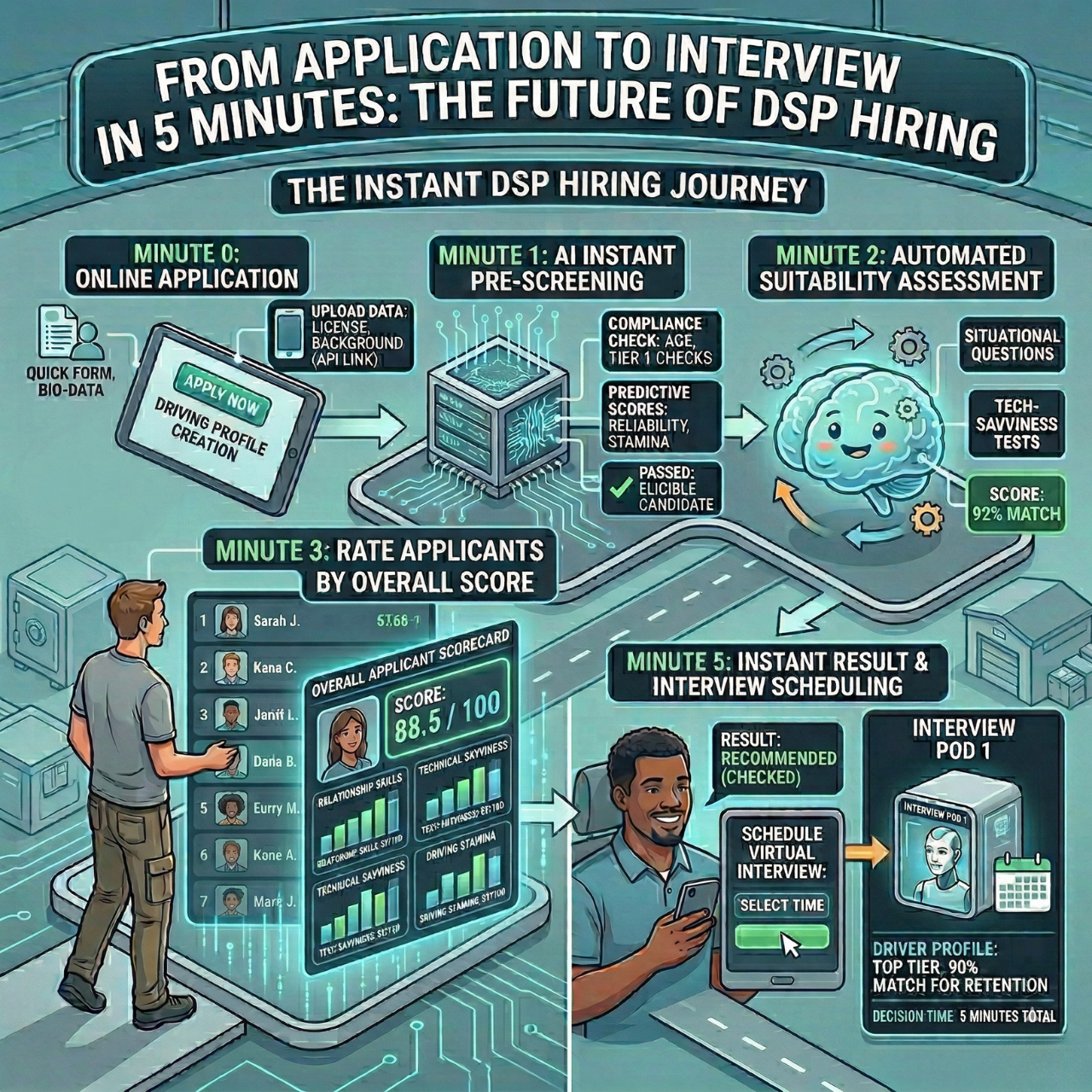
AI tools handle scoring and scheduling on autopilot, so you spend less time on the boring stuff and more time with your top picks.
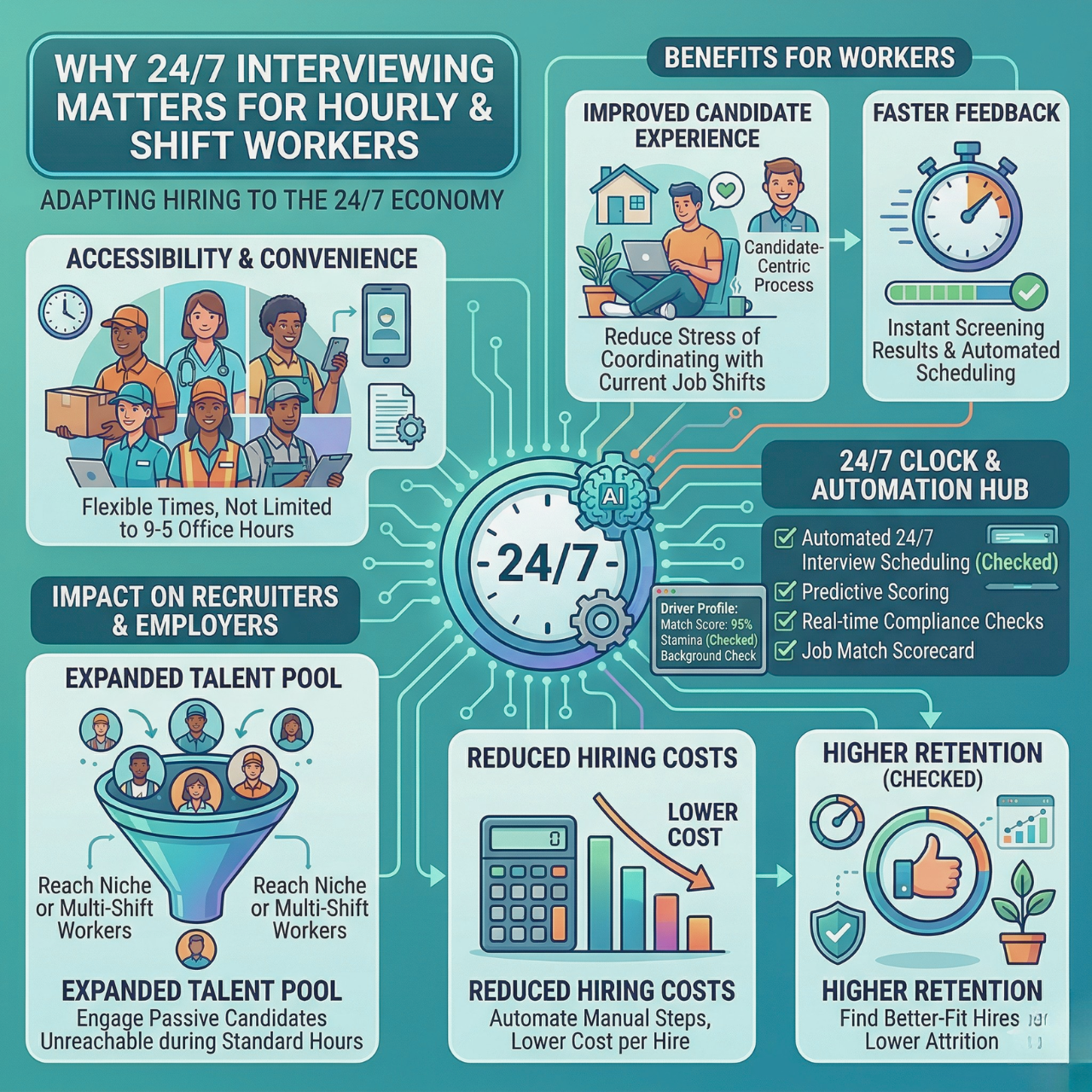
Interviews can happen anytime, letting candidates fit them into their own schedules. Instant feedback means you move quickly and don’t lose momentum. For example, the right platform saves hours every week by automating screening and scheduling.
This speed matters. AI also keeps your pipeline full by nudging candidates, so you get fewer no-shows.
Ensuring Unbiased Candidate Evaluation
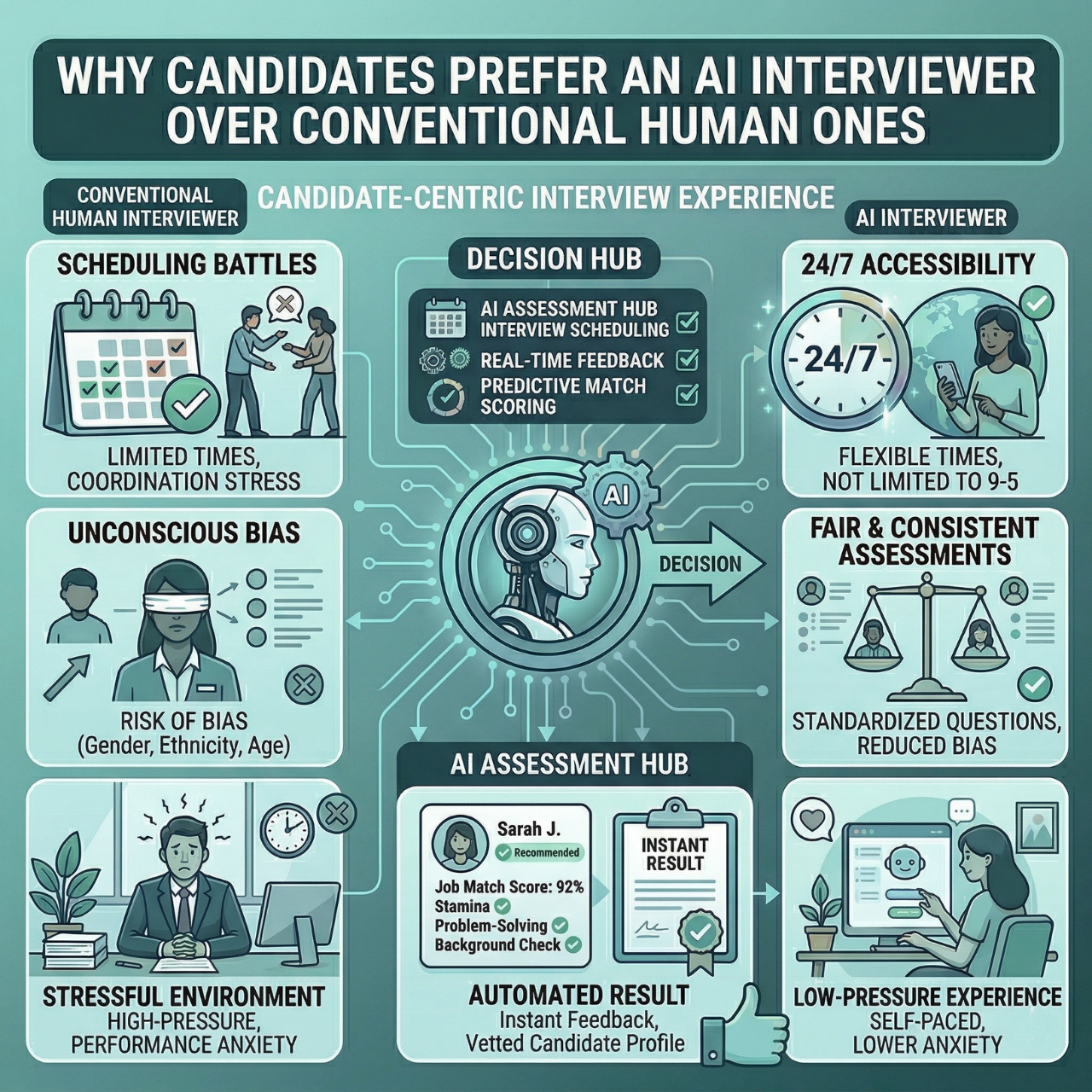
AI scores everyone using the same playbook every time. That means unconscious bias doesn’t sneak in during early screening.
You’re making calls based on data, not just first impressions. AI compares answers across the board, helping you spot talent you might otherwise overlook. Of course, you still weigh in on soft skills and culture fit. AI just helps with the heavy lifting up front.
Improving Candidate Experience
Candidates can interview whenever it works for them, so there’s less scheduling drama. Fast, AI-driven feedback keeps them in the loop and feeling valued. Clear, timely communication keeps drop-off rates down. No more candidates left hanging, wondering what’s next.
Automated scoring gives fair, transparent results, which builds trust in your process and encourages more quality applicants to stick around.
Implementing AI Feedback in Hiring Workflows
Bringing AI-generated interview feedback into your hiring routine can save time and help you find better candidates. You streamline things, cut down on bias, and keep candidates engaged. But you’ll need the right integrations, tools, and some recruiter training to make it all click.
Best Practices for Integration
Start by connecting AI feedback tools to your current ATS or recruitment software. This keeps info flowing without extra hassle. Automate things like sending feedback to hiring managers to speed up decisions.
Lay out clear ground rules for how you’ll use the AI feedback. It should support your recruiters, not replace them. Keep feedback simple and actionable, focused on skills and fit.
Test the system with a handful of hires first. Get feedback from both recruiters and candidates. Tweak the settings as you go to make sure the AI is actually helping.
Selecting the Right AI Tools
Pick AI platforms that give detailed, unbiased feedback matched to your job needs. Look for clear scoring and candidate summaries that help you move fast.
Go for systems with multi-channel communication—SMS, email, you name it. Keeping candidates engaged cuts down on no-shows. Tools that automate scheduling and scoring will save you a ton of time.
Make sure your AI plays nicely with your existing setup. For instance, some platforms use advanced AI for screening, scoring, and scheduling, so everything stays smooth.
Training Recruiters on Feedback Platforms
Get your recruiters comfortable with reading and using AI feedback. They should know what the scores mean and where their own judgment fits in. Use real candidate data for hands-on practice.
Highlight how AI feedback speeds things up and cuts bias. Show them how to use it daily, reviewing candidates and tweaking interview focus.
Ask your team for feedback on the platform. Their insights will help you fine-tune the tool so it actually works for your hiring needs.
Key Challenges and Solutions
Using AI-generated interview feedback isn’t all smooth sailing. You’ve got to watch out for data privacy, accuracy, and tech hiccups. Each one matters if you want to trust the process.
Addressing Data Privacy Concerns
Protecting candidate data is a must. Set clear boundaries about what info the AI can see and how it’s stored. Secure cloud services and encryption go a long way.
Make sure your AI tool complies with GDPR, CCPA, and related standards. Let candidates know what data you collect and why. Being upfront builds trust.
Keep access limited to team members who need it. Automate data handling with platforms that include built-in security features. Less human error, more privacy.
Handling Feedback Accuracy
You need reliable AI feedback to make solid hiring choices. Choose tools that score and summarize interviews based on your criteria.
Check AI results against human judgments regularly. That way, you can catch mistakes or bias early. AI improves with training and updates, but it’s not perfect out of the gate.
Stick with structured interviews so AI can compare answers fairly. Use its insights as one part of your process, not the whole story.
Overcoming Technical Barriers
Getting started with AI feedback takes a bit of setup. You’ll want smooth integrations with your ATS and communication tools so you’re not adding headaches. For example, many tools offer easy ATS integration.
Train your team to actually use the feedback. If they don’t get it, reports will just collect dust. Lean on customer success teams to help everyone get up to speed.
And don’t forget the candidates. Make sure the system works on both mobile and desktop so interviews are accessible to all. Reliable scheduling automation cuts down on no-shows and keeps things moving.
Comparing Human and AI-Generated Interview Feedback
Knowing the differences between AI and human feedback helps you figure out the best way to use both. AI is fast and consistent, while humans bring context and intuition. Understanding the strengths and gaps on each side is key to your hiring approach.
Strengths and Limitations of AI Comments
AI feedback looks at data, word choice, tone, and even body language if it can. It scores and ranks candidates quickly and without bias, which is perfect for high-volume hiring. Modern tools can run AI interviews around the clock and flag top contenders right away.
But AI can miss the subtle stuff a human spots, cultural fit, personality quirks, or why someone answered the way they did. It also needs regular check-ins to stay accurate.
Strengths of AI Feedback:
- Fast, automated scoring
- Consistent and objective
- Scales easily for lots of applicants
Limitations of AI Feedback:
- Misses context and nuance
- Can overlook personal details
- Relies on solid training data and ongoing tweaks
Balancing Automated and Personalized Feedback
You can’t just lean on AI and call it a day. The best results come from blending AI’s data-driven insights with your own review. Use AI for screening and ranking, then dig in yourself for things like soft skills or culture fit.
This combo lightens your load and cuts bias, but keeps the human side where it counts. Say the system scores your candidates, and you can spend more time getting to know the best fits.
Tips to balance feedback:
- Let AI handle pre-screening
- Cross-check AI results with your notes
- Adjust AI models based on what works for you
- Use your judgment for the intangibles
That way, you hire faster but don’t lose the personal touch.
Future Trends in AI-Generated Interview Feedback
AI-generated interview feedback keeps getting smarter, quicker, and fairer. New tech and ethical debates are pushing the field forward. Expect more natural conversations and better ways to keep bias out.
Emerging Technologies and Innovations
AI feedback is now using advanced language models to ask follow-ups and interact more like a person. Candidates get a more natural interview, and you get instant summaries and scores.
Voice is becoming a bigger deal; candidates can talk instead of just typing. This helps pick up on tone and emotion. Integrations with your ATS or HRIS mean candidate data syncs automatically, saving you hassle.
Teams have seen these upgrades cut time to hire by 62% and slash no-shows. Automated scheduling and smart nudges keep things on track so hiring moves fast.
Ethical Considerations
Fairness matters a lot. New AI systems try to reduce bias by looking at a wider range of data, not just keywords or resumes. You can also check AI decisions against human feedback to keep things balanced.
Regular audits help you catch hidden bias. Being upfront about how feedback is generated builds trust with candidates and your team. Don’t just let AI run wild; keep a human hand on the wheel.
Blending automation with human oversight means your hiring stays fast, consistent, and fair. That’s the sweet spot, and it aligns with the mission to cut bias and ghosting so you can focus on hiring the best.
Metrics and Success Measurement
If you're wondering whether AI-generated interview feedback is actually helping, it comes down to tracking the right metrics. You need numbers that really show if your hiring process is getting better or just spinning its wheels.
Start with time to hire. If you fill roles faster, you’re ahead of the game. Some teams report slashing time to hire by 62%. That kind of speed gives you a real edge when top candidates are in demand.
Next, think about candidate engagement. AI tools can send automatic reminders through SMS or email to keep candidates involved. This can cut no-shows by around half, so you’re not wasting time on empty interviews.
Quality is a big deal, too. Use AI scoring and filtering to see if you’re actually surfacing the best people for the job. Pushing only qualified folks forward means less ghosting and more time saved.
Diversity shouldn’t be ignored. Track diversity ratios and watch for bias drop-offs. If you notice gaps, tweak your process to pull in a broader mix of talent.
Keep tabs on ROI with a table like this:
Metric
What It Means
Why It Matters
Time to Hire
Days from job post to hire
Faster fills cut costs
Candidate Engagement
Response and interview rates
Higher engagement lowers drop-offs
Candidate Quality
Score of top candidates
Better hires improve success
Diversity
Ratio of diverse candidates
Helps build an inclusive team
When you use real-time AI feedback, you can spot problems early and adjust as you go.
Tips for Maximizing Value from AI-Generated Feedback
To squeeze the most out of AI-generated interview feedback, you should mix it with your own instincts. Sure, AI can break down answers and flag strengths or weaknesses, but your judgment brings it all together.
Let AI feedback guide you, not boss you around. If you keep seeing gaps in communication or technical skills, that’s a clue where to dig deeper. Focus your time on candidates who actually fit.
Speed matters too. With modern tools, you can screen folks whenever you want. Automated scoring and scheduling mean less waiting around and more great people moving forward.
Don’t forget about the candidate experience. When you can, share clear, honest feedback. Candidates appreciate the respect, and it keeps top talent interested.
Compare your results using the AI data. Spot trends in candidate quality or hiring speed. If something’s off, tweak your process and see if things improve next week.
Quick checklist to maximize value:
- Cross-check AI scores with your own perspective
- Pay attention to the top candidates AI finds
- Use automation to cut down on no-shows
- Reach out to candidates quickly via SMS and email
- Track metrics like time to hire and ghosting
- Adjust your steps based on what the analytics tell you
Try these tips, and you’ll get a lot more out of AI-powered feedback, without losing the human touch that makes recruiting work.
Turn Insights Into Better Hires
AI-generated interview feedback streamlines screening, speeds decisions, and lifts quality. You cut manual work, reduce bias, and keep candidates engaged.
With HRMLESS, teams pair automated scoring and scheduling with structured reviews to move top talent forward faster while maintaining fairness and clarity.
Ready to optimize your process? Book a Demo or connect your ATS for a free audit to see measurable gains in days.
Frequently Asked Questions
AI-generated interview feedback can help you make clearer hiring decisions, save time, and reduce unconscious bias. It also offers practical examples and support for improving your interview techniques.
How does AI-generated feedback enhance a recruiter’s decision-making process?
AI feedback breaks down candidate responses into straightforward scores and summaries. That way, you can focus on the qualities that matter without letting bias slip in.
It points out strengths and weaknesses in an objective way. You get faster insights and can compare candidates more fairly. It’s easier to spot who’s a good fit.
What are the top free tools for AI-assisted interview practice?
Free AI tools usually offer simulated interviews and feedback on your answers. They help you practice common questions and sharpen your delivery.
Look for platforms with instant scoring and communication tips. They’re great for practice, though paid versions usually unlock more features.
Can AI help in taking notes during interviews, and if so, how?
Absolutely. AI can record and transcribe interviews right as they happen. That means you can focus on the conversation instead of scribbling notes.
Some tools even highlight key points automatically, so reviewing answers later is a breeze; no need to rewatch the whole thing.
In what ways can AI assist with generating potential interview questions?
AI can suggest questions based on the job, the skills you need, or even the candidate’s resume.
It’ll also come up with follow-up questions on the fly, letting you dig deeper in real time. Your interviews end up more thorough and tailored.
What features should recruiters look for in an AI interview bot?
You’ll want bots that offer clear candidate scoring, round-the-clock interview availability, seamless scheduling, and unbiased evaluations.
Integration with your ATS and automated candidate engagement via SMS or email is a plus. These features reduce no-shows and keep things moving.
Are there any AI platforms that offer good interview feedback examples for training recruiters?
Yes, a few platforms share sample feedback so you can get a feel for how AI evaluates interviews, and sharpen your own feedback game along the way.
Some platforms include plenty of feedback examples and training resources for recruiters. Honestly, it’s helpful if you want to figure out how to make the most of what AI can tell you.
Shema markup:
{
"@context": "https://schema.org",
"@type": "FAQPage",
"mainEntity": [
{
"@type": "Question",
"name": "How does AI-generated feedback enhance a recruiter’s decision-making process?",
"acceptedAnswer": {
"@type": "Answer",
"text": "AI feedback breaks down candidate responses into straightforward scores and summaries. That way, you can focus on the qualities that matter without letting bias slip in. It points out strengths and weaknesses in an objective way. You get faster insights and can compare candidates more fairly. It’s easier to spot who’s a good fit."
}
},
{
"@type": "Question",
"name": "What are the top free tools for AI-assisted interview practice?",
"acceptedAnswer": {
"@type": "Answer",
"text": "Free AI tools usually offer simulated interviews and feedback on your answers. They help you practice common questions and sharpen your delivery. Look for platforms with instant scoring and communication tips. They’re great for practice, though paid versions usually unlock more features."
}
},
{
"@type": "Question",
"name": "Can AI help in taking notes during interviews, and if so, how?",
"acceptedAnswer": {
"@type": "Answer",
"text": "Absolutely. AI can record and transcribe interviews right as they happen. That means you can focus on the conversation instead of scribbling notes. Some tools even highlight key points automatically, so reviewing answers later is a breeze, no need to rewatch the whole thing."
}
},
{
"@type": "Question",
"name": "In what ways can AI assist with generating potential interview questions?",
"acceptedAnswer": {
"@type": "Answer",
"text": "AI can suggest questions based on the job, the skills you need, or even the candidate’s resume. It’ll also come up with follow-up questions on the fly, letting you dig deeper in real time. Your interviews end up more thorough and tailored."
}
},
{
"@type": "Question",
"name": "What features should recruiters look for in an AI interview bot?",
"acceptedAnswer": {
"@type": "Answer",
"text": "You’ll want bots that offer clear candidate scoring, round-the-clock interview availability, seamless scheduling, and unbiased evaluations. Integration with your ATS and automated candidate engagement via SMS or email is a plus. These features reduce no-shows and keep things moving."
}
},
{
"@type": "Question",
"name": "Are there any AI platforms that offer good interview feedback examples for training recruiters?",
"acceptedAnswer": {
"@type": "Answer",
"text": "Yes, a few platforms share sample feedback so you can get a feel for how AI evaluates interviews, and sharpen your own feedback game along the way. Some platforms include plenty of feedback examples and training resources for recruiters. Honestly, it’s helpful if you want to figure out how to make the most of what AI can tell you."
}
}
]
}
Featured

Subscribe to ournewsletter
Related posts
Explore the world of photography with our curated selection of
portfolio websites that showcase creativity and innovation.