

What Amazon DSPs Can Learn From Their Best Long‑Term Drivers
Your best long‑term Amazon DSP drivers hold the blueprint for lower turnover. Learn what DSP owners can copy from top performers to hire and retain better drivers.
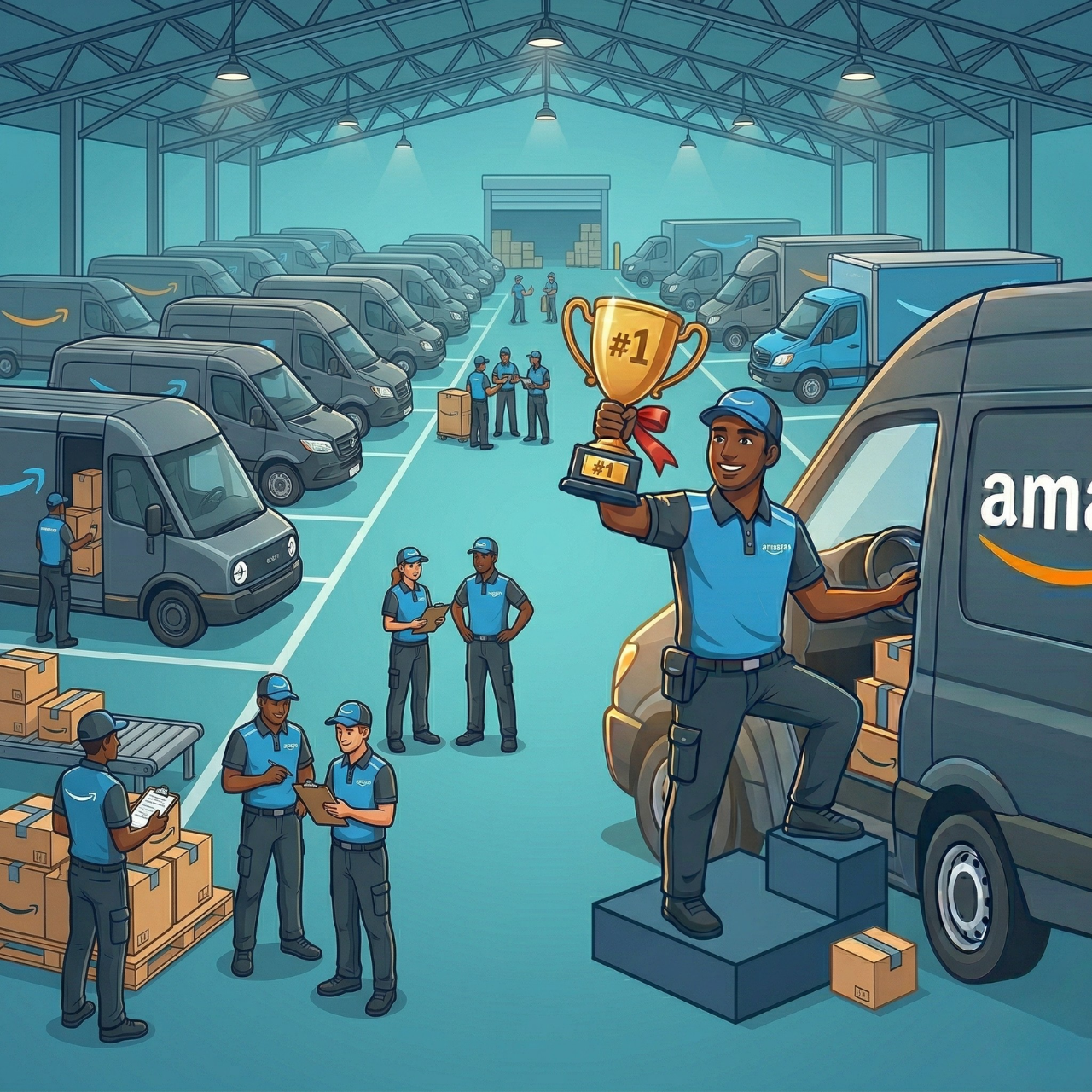
Every Amazon DSP has them.
The drivers who:
- Always show up
- Know the routes inside and out
- Hit metrics without drama
- Rarely complain
- Stick around year after year
They’re not just “good drivers.” They’re operational anchors.
Yet many DSP owners spend more time managing turnover than studying what makes their best long‑term drivers stay. The truth is, your most reliable drivers are already telling you exactly how to fix your hiring and retention problems—if you’re paying attention.
Here’s what Amazon DSP owners can learn from their best long‑term drivers—and how to use those insights to build a stronger, more stable operation.
Long‑Term Drivers Are Proof the Job Can Work
In an industry known for churn, long‑tenured drivers disprove the idea that:
“Nobody stays in Amazon delivery.”
They stay because:
- The job fits them
- Expectations matched reality
- They can handle the pace and metrics
- The structure works for their lifestyle
This matters because it reframes turnover as a hiring and alignment issue—not a job issue.
If some drivers thrive here, others can too—if you hire correctly.
Lesson #1: Your Best Drivers Knew What the Job Was—Before Day One
Ask any long‑term driver why they stayed, and you’ll rarely hear:
- “I was surprised it was hard”
- “This wasn’t what I expected”
- “Nobody told me how physical it would be”
That’s not an accident.
Your best drivers:
- Understood the physical demands
- Expected the route pace
- Accepted weekend and peak requirements
- Were comfortable with performance tracking
Clarity upfront prevented regret later.
DSP owners can learn this:
Early transparency beats early retention efforts—every time.
Lesson #2: The Best Drivers Were Never “Convincing Hires”
Long‑term drivers usually didn’t need to be sold hard.
They didn’t require:
- Multiple follow‑ups
- Extensive convincing
- Last‑minute schedule flexibility
They wanted the job because it fit their situation, not because they were desperate.
This is critical for DSP owners:
- Drivers who need convincing often leave early
- Drivers who self‑select correctly stay longer
Your hiring process should filter, not persuade.
Lesson #3: Consistency Matters More Than Comfort
Top drivers don’t stay because every day is easy.
They stay because:
- Expectations are consistent
- Metrics are predictable
- Schedules are reliable
- Standards don’t change week to week
Long‑term drivers value stability over convenience.
DSP owners often lose new drivers by:
- Over‑promising flexibility
- Softening standards early
- Changing expectations after onboarding
Your best drivers stayed because the rules were clear—and stayed that way.
Lesson #4: Long‑Term Drivers Are Mentally Built for the Job
Amazon delivery isn’t just physical—it’s mental.
Your best drivers:
- Don’t panic under pressure
- Recover quickly from bad days
- Accept feedback without quitting
- Don’t take metrics personally
This resilience isn’t trained on the job—it’s screened before hire.
DSP owners who ignore mindset during hiring often end up managing:
- Emotional burnout
- Conflict with dispatch
- Early resignations after one bad week
Your best drivers had the mindset before their first route.
Lesson #5: Longevity Starts With the Right First 30 Days
Drivers who stay long‑term typically:
- Made it past the first 30–60 days smoothly
- Didn’t feel blindsided by the role
- Settled into rhythm early
Once a driver clears that early adjustment period, attrition drops sharply.
That’s why your long‑term drivers are less about retention programs—and more about pre‑hire alignment and early experience.
What DSP Owners Should Do With This Information
Your best long‑term drivers aren’t exceptions—they’re patterns.
DSP owners should ask:
- What expectations were clear when they applied?
- What qualifications do they share?
- What schedules work best for them?
- What mindset traits repeat across top performers?
Then build those insights directly into:
- Job descriptions
- Pre‑screening questions
- Interview criteria
- Onboarding timelines
Hiring more people like your best drivers starts with defining them clearly.
Stop Studying Exit Interviews—Start Studying Success
Most DSPs analyze why drivers quit.
High‑performing DSPs analyze:
Why their best drivers stay.
That one shift leads to:
- Better screening
- Fewer early quits
- Reduced hiring volume
- Lower HR workload
- Stronger route reliability
Long‑term drivers are already telling you what works.
You just have to listen—and hire accordingly.
Final Thoughts: Your Best Drivers Are Your Hiring Blueprint
Amazon DSP turnover feels inevitable only when hiring is disconnected from reality.
Your most reliable drivers prove:
- The job can be sustainable
- The right people exist
- Stability is achievable
When DSP owners model their hiring process around their best long‑term drivers, turnover stops being a mystery—and starts becoming manageable.
The answers aren’t outside your operation.
They’re already clocking in every morning.
Featured

Subscribe to ournewsletter
Related posts
Explore the world of photography with our curated selection of
portfolio websites that showcase creativity and innovation.