

AI and Human Collaboration in Hiring: Better Teams, Faster

Hiring today takes too long. Recruiters are buried in resumes, candidates lose interest, and great people drop out before you ever speak to them. As teams scale, AI and human collaboration in hiring has become essential to reduce delays without sacrificing quality.
This is where HRMLESS fits in. By combining AI-driven screening and scheduling with recruiter judgment, teams move faster while staying focused on people, not admin work.
This guide breaks down where AI delivers the most value, where human insight still matters most, and how to balance both to build stronger teams with less friction.
What Is AI in Hiring?
AI in hiring means using software to automate parts of the recruitment process. These tools screen resumes, schedule interviews, and rank candidates based on predefined criteria.
Algorithms scan applications for keywords, skills, and experience matching your job needs. You'll see AI chatbots answering candidate questions or even running the first screening chat.
Some systems analyze video interviews for communication patterns. Others use data from past hires to guess who’s most likely to succeed. The tech is especially fast with big piles of applications. It can review hundreds of resumes in the time it takes a person to read a handful.
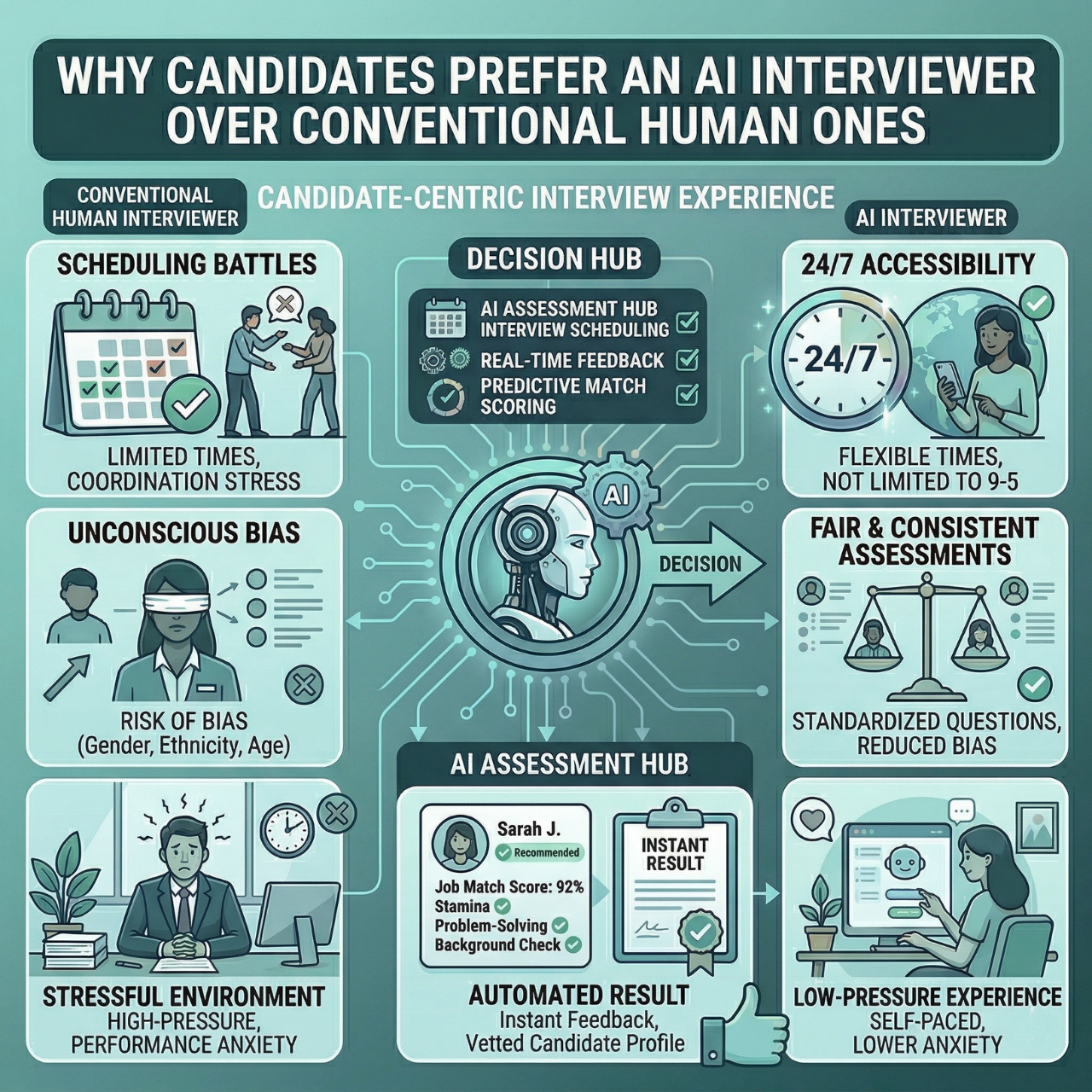
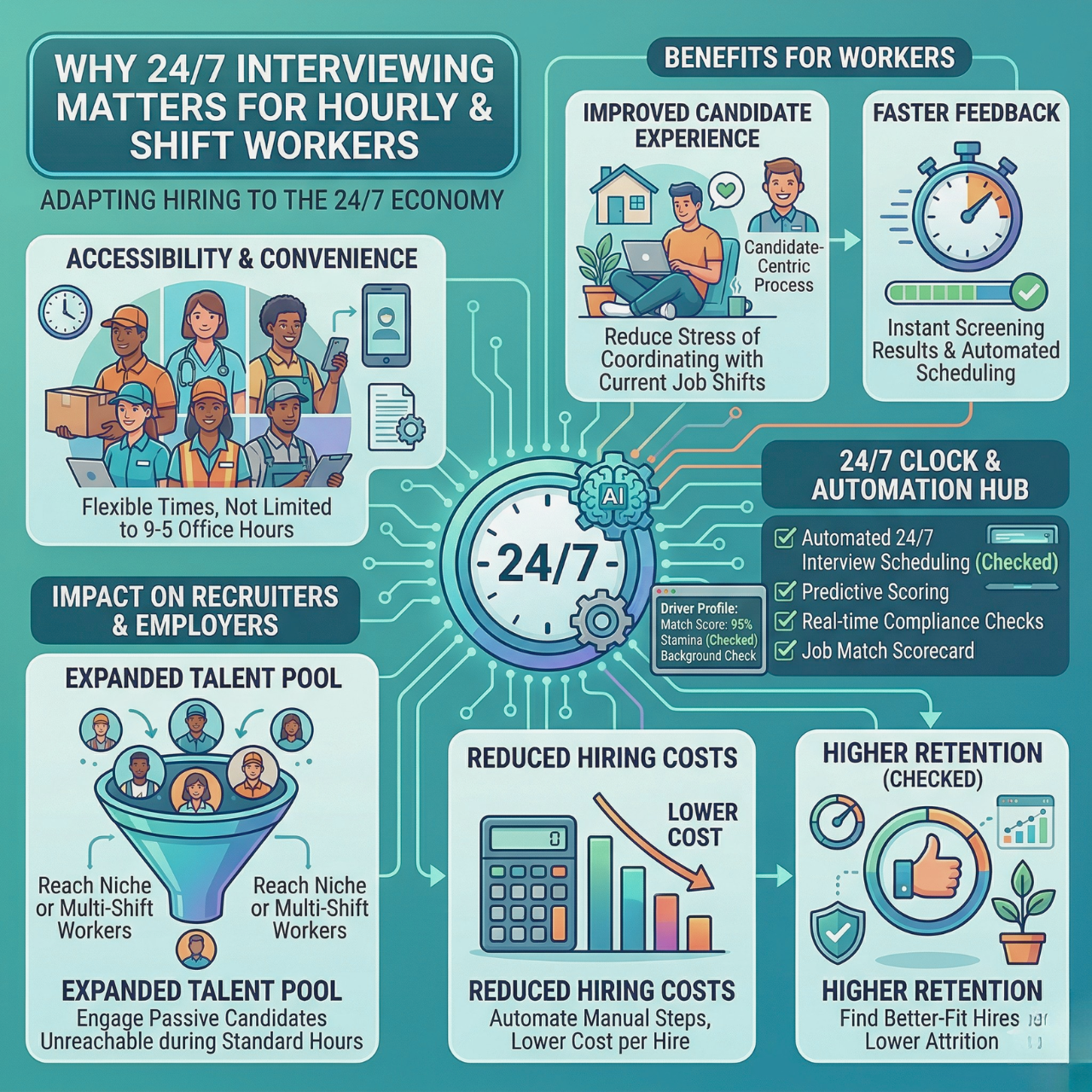
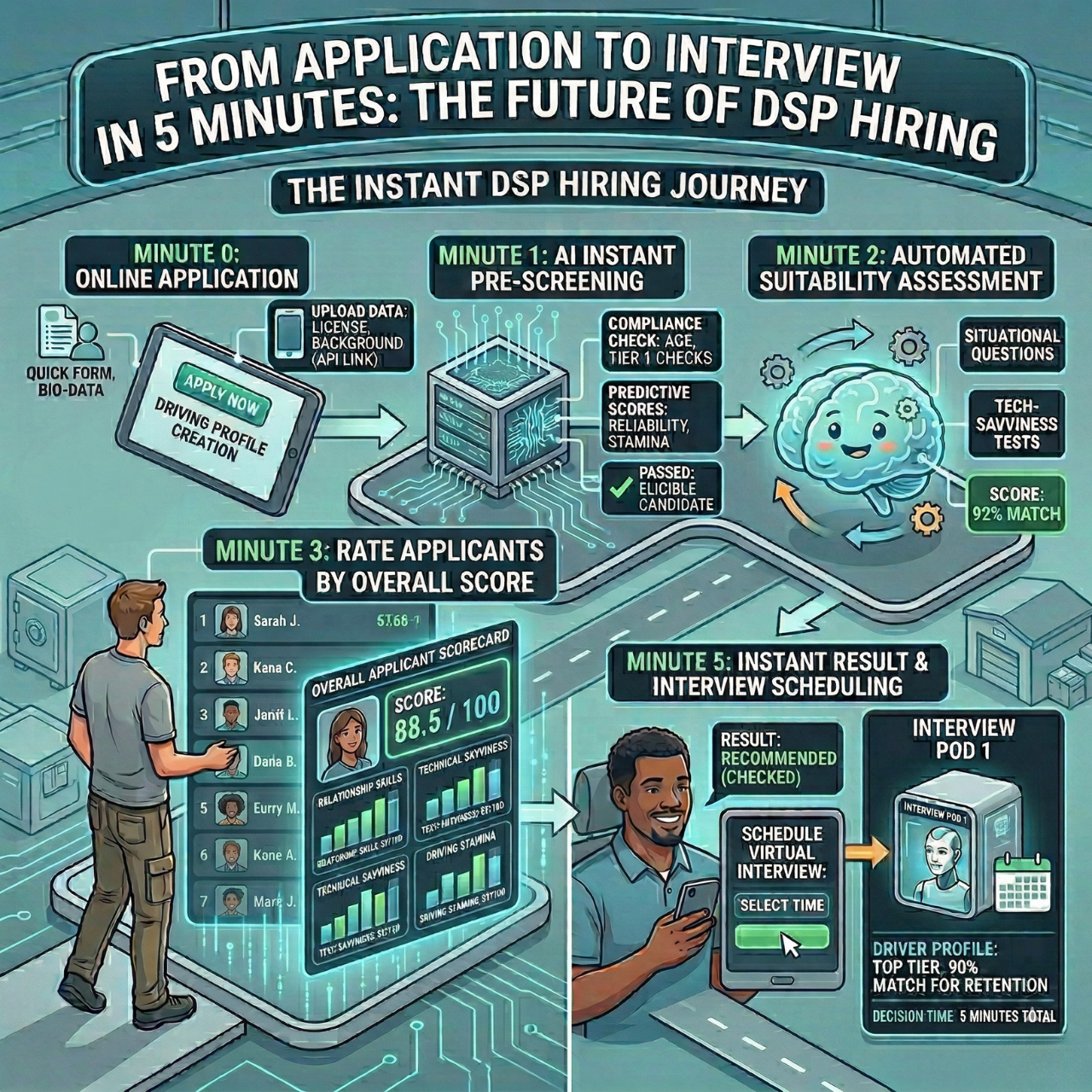
AI also reduces scheduling chaos by automatically scheduling interviews between candidates and your team.
Role of Human Judgment in Recruitment
Your judgment is still crucial for things AI can't measure. Figuring out if someone fits your culture or will gel with your team? That's on you.
Personal interaction and intuition matter. When someone has an unusual career path or a gap for personal reasons, you can read between the lines and get the real story. Building trust and rapport with candidates happens in real conversations, not just through screens.
You also keep AI tools in check. By reviewing AI's picks, you can spot bias or weird patterns. Your experience helps you decide when to go with the AI's suggestions and when to trust your gut.
Benefits of Combining AI and Human Expertise
Time savings are a big win here. AI does the grunt work, so you focus on the people who actually have a shot. This means your hiring moves faster without losing quality.
Better candidate quality comes from combining both approaches. AI finds people with the right hard skills; you judge their problem-solving and communication style.
Reduced bias is possible if you use AI as a checkpoint. It can flag inconsistencies you might not notice. You still need to keep an eye on things to make sure the AI isn't just repeating old biases.
You end up making smarter decisions by combining AI insights with your own notes. The data shows you patterns, but your experience gives them meaning.
Key Applications of AI-Human Collaboration
AI tools handle the repetitive stuff and surface smart insights. Human recruiters focus on culture fit and people skills. This combo leads to faster and more accurate hiring at every stage.
Resume Screening and Candidate Shortlisting
AI can rip through hundreds of resumes in minutes. It sorts candidates by keywords, qualifications, and experience.
You save a ton of time letting AI handle the first round. The tech identifies relevant skills and credentials, but you need to set clear criteria and keep them up to date.
Key benefits:
- Faster processing of big applicant pools
- Consistent evaluation for everyone
- Fewer missed qualified candidates
Still, you have to check the AI's shortlist yourself. The system might miss folks with non-traditional backgrounds or unique skills. That's where your expertise comes in.
Structured Interviews and Bias Reduction
AI helps you standardize interview questions so they focus on job skills. You can use conversational AI for initial interviews to check the basics.
The tech helps reduce bias by scoring candidates on set criteria. It can even hide identifying info to keep things fair.
Companies sometimes use AI to score interview responses. You get a rating, but you also bring your own judgment about problem-solving and team fit. This way, you keep things fair while still using your own judgment for the final call.
Skill Assessments and Predictive Analytics
AI testing platforms can measure technical skills and job-specific abilities with high precision. You get detailed performance numbers to compare candidates.
Predictive analytics tools look at hiring data to forecast who might succeed. They spot patterns in your best employees and flag similar traits in new applicants.
The tech can process huge datasets you’d never manage by hand. But you need to interpret the predictions and consider things AI just can’t measure, like adaptability. You mix the AI's data with your understanding of your team and culture when making the final choice.
Enhancing Candidate Experience Through Collaboration
When AI and human recruiters work together, candidates get faster responses and more personal interactions. This teamwork helps people feel valued and keeps the process moving smoothly.
Personalized Communication Approaches
AI can analyze candidate profiles and customize messages based on their background and interests. You can use these tools to send tailored job recommendations that actually fit.
The tech looks at past applications and engagement patterns to figure out the best way to reach out. But human recruiters add warmth and understanding. You should always check AI-generated messages to make sure they sound real and reflect your vibe.
Key personalization includes:
- Custom job alerts based on what candidates care about
- Emails that actually reference their qualifications
- Details about the benefits that matter to them
Efficient Feedback Loops
AI tracks where folks are in the process and sends automatic updates at each step. You can set up notifications so applicants know when their resume is reviewed, or when they move forward.
This takes the edge off the waiting game. Your recruiters can focus on real feedback from interviewed candidates rather than just sending status updates.
AI handles the routine stuff, freeing you up to write helpful notes about why someone didn't make it or what stood out.
Candidate Engagement Tools
AI chatbots answer common questions about jobs, pay, and how to apply—any time, day or night. Candidates get instant answers without waiting. These bots can also schedule interviews, send prep materials, and even provide directions.
Human interaction still matters most in interviews and meetings. You can use AI insights to guide deeper conversations about culture fit and problem-solving.
Virtual office tours and AI-driven games make things more interactive, but your team evaluates the soft skills that tech can't really measure.
Overcoming Challenges in AI-Human Hiring Partnerships
AI hiring systems aren't perfect. They can introduce bias, make things less transparent, or even lose that human touch that candidates expect. Addressing these issues takes planning and constant attention.
Managing Bias and Ensuring Fairness
AI learns from your old data, which means it can repeat past mistakes. If your company mostly hires men for tech jobs, the AI might favor male candidates.
You need to regularly check for bias. Test the tools with diverse profiles and track outcomes by gender, race, and age. If you see issues, tweak the AI's training data or algorithms.
How to reduce bias:
- Use data from a mix of backgrounds
- Audit AI decisions often
- Keep humans in the final selection
- Track acceptance rates across groups
Legal and HR teams should work together to ensure your AI hiring complies with the rules. Some tools might accidentally screen out people with disabilities or cause age bias.
Transparency and Explainability in Hiring Processes
People want to know how decisions get made. When AI rejects someone, you should explain why. Many AI systems are black boxes. They make decisions without showing their reasoning.
You need tools that can show which factors mattered in each decision. For example, did the system lower a candidate’s score because of experience, skills, or resume style?
Being open builds trust. Let applicants know when AI screens them, and give them a way to appeal. Your hiring team also needs to understand how the AI works. If they don’t, they can’t keep things fair.
Balancing Automation With Human Touch
AI is great for handling tons of applications and scheduling. But it can't really judge culture fit or pick up on subtle cues. Candidates still want to talk to real people.
Use AI for tasks such as resume screening and basic assessments. Save humans for interviews, relationship-building, and final decisions. This way, recruiters spend more time on what matters: real conversations.
Who does what:
- AI handles: resume screening, skills assessments, interview scheduling, initial communications
- Humans handle: final interviews, culture fit evaluation, negotiating offers, building relationships
Don't let automation take over everything. Candidates who only get automated emails or chatbots often feel like a number. Even a quick call from a real person can make a huge difference.
Future Trends in AI and Human Collaboration in Hiring
The hiring world is changing fast. Generative AI can write personalized job descriptions, while recruiters focus more on building relationships. New tech will handle repetitive stuff, making human expertise even more important for final decisions.
Emerging Technologies and Innovations
Generative AI tools like GPT-4 are shaking things up. These systems can write custom job descriptions and send out tailored messages to candidates. You'll see AI creating onboarding materials that match each new hire’s background.
Conversational AI is becoming the first screener. It can interview candidates and check skills before you even step in. This gives you more time to focus on the things AI can't measure, like problem-solving and communication.
Big advances include:
- AI video interview analysis
- Predictive analytics for candidate success
- Automated skill tests
- Real-time talent matching
These tools are at their best when they support your judgment, not replace it.
Changing Roles for Recruiters
Recruiters are shifting from admin work to strategic partnerships. AI handles resume screening, initial contact, and scheduling. You'll spend more time on the stuff that really needs a human touch.
Recent numbers say 67% of senior HR execs already see AI changing their jobs. You'll need to get good at managing AI tools and reading data. Your judgment gets more valuable as AI handles the routine.
You'll focus on building relationships and assessing culture fit. Empathy, intuition, and accountability are skills AI just can't match.
Adapting to Dynamic Talent Markets
Talent markets are moving faster than ever. You'll need to keep up with changing candidate expectations and new skill needs. AI can help you track these shifts in real time and tweak your strategies.
Skill-based hiring is starting to edge out traditional credential checks. AI can spot candidates with the right abilities, even if their backgrounds are unconventional. You’ll make the final call on whether those skills fit your company.
AI also helps you find new talent pools and spot trends. It can analyze millions of data points about where candidates are and what they want. Your job is to turn those insights into action and make the human connections that seal the deal.
Hire Faster Without Losing the Human Touch
Hiring breaks down when teams rely on manual work or over-automate the process. AI and human collaboration in hiring solves this by reducing screening delays, improving candidate quality, and keeping decisions grounded in real judgment.
HRMLESS supports this balance by automating time-consuming steps while keeping recruiters focused on conversations, culture fit, and final decisions that matter.
If hiring feels slow, fragmented, or impersonal, it’s time to fix the process. Book a Demo and see how a smarter balance speeds up hiring without losing people along the way.
Frequently Asked Questions
What does AI and human collaboration in hiring really mean?
It means using AI to handle repetitive, time-consuming tasks while humans focus on judgment, relationships, and final decisions. AI speeds things up, but people provide context, empathy, and accountability.
Will AI replace recruiters in the hiring process?
No. AI supports recruiters by removing manual work, not by replacing human decision-making. Recruiters are still essential for interviews, culture fit, and offer decisions.
How does AI help reduce hiring delays?
AI screens resumes, schedules interviews, and sends updates automatically. This removes bottlenecks that slow hiring and cause candidates to drop out.
Can AI help reduce bias in hiring?
AI can help reduce bias when used carefully and reviewed by humans. It must be trained on diverse data and audited regularly to avoid repeating past patterns.
What parts of hiring should always stay human-led?
Final interviews, culture fit evaluation, relationship-building, and offer negotiations. These steps rely on trust, nuance, and real conversation.
Does AI hurt the candidate experience?
Not when used correctly. AI improves response time and communication, while humans ensure interactions stay personal and respectful.
How should teams start using AI without over-automating?
Start with resume screening, scheduling, and basic assessments. Keep humans involved in every decision that impacts fairness, culture, and long-term success.
Is AI and human collaboration in hiring only for large companies?
No. Smaller teams often benefit the most because AI removes workload without adding headcount.
What’s the biggest risk of relying too much on AI?
Losing transparency and human connection. Hiring works best when automation supports people instead of replacing them.
Featured

Subscribe to ournewsletter
Related posts
Explore the world of photography with our curated selection of
portfolio websites that showcase creativity and innovation.