

AI in Manufacturing Recruitment: Faster Hiring in 2026
Learn how AI in manufacturing recruitment speeds up hiring, improves candidate quality, and reduces time-to-fill for skilled roles.

Manufacturing hiring is under pressure. Open roles stay vacant too long, skilled workers are harder to find, and short staffing puts production timelines at risk. Many teams still rely on manual screening and slow follow-ups, which makes these problems worse.
AI in manufacturing recruitment addresses these pain points by speeding up screening, improving candidate matching, and reducing time-to-hire. HRMLESS automates where it matters most, helping recruiters focus on qualified workers rather than inbox overload and scheduling delays.
This guide explains how AI works in manufacturing hiring, where it delivers the most value, and what to watch out for before adoption. You’ll learn how manufacturers use AI today and how it can support faster, more reliable hiring decisions.
The Role of AI in Manufacturing Recruitment
AI technology is changing how you find and hire workers in manufacturing by making the process faster and more accurate. These tools help you screen candidates, reduce hiring time, and focus on skills that matter for production roles.
Overview of AI Applications in Talent Acquisition
AI tools help you review job applications by scanning resumes for specific skills and experience. These systems can read through hundreds of applications in minutes instead of hours.
Common uses include:
- Resume screening to identify required skills and experience
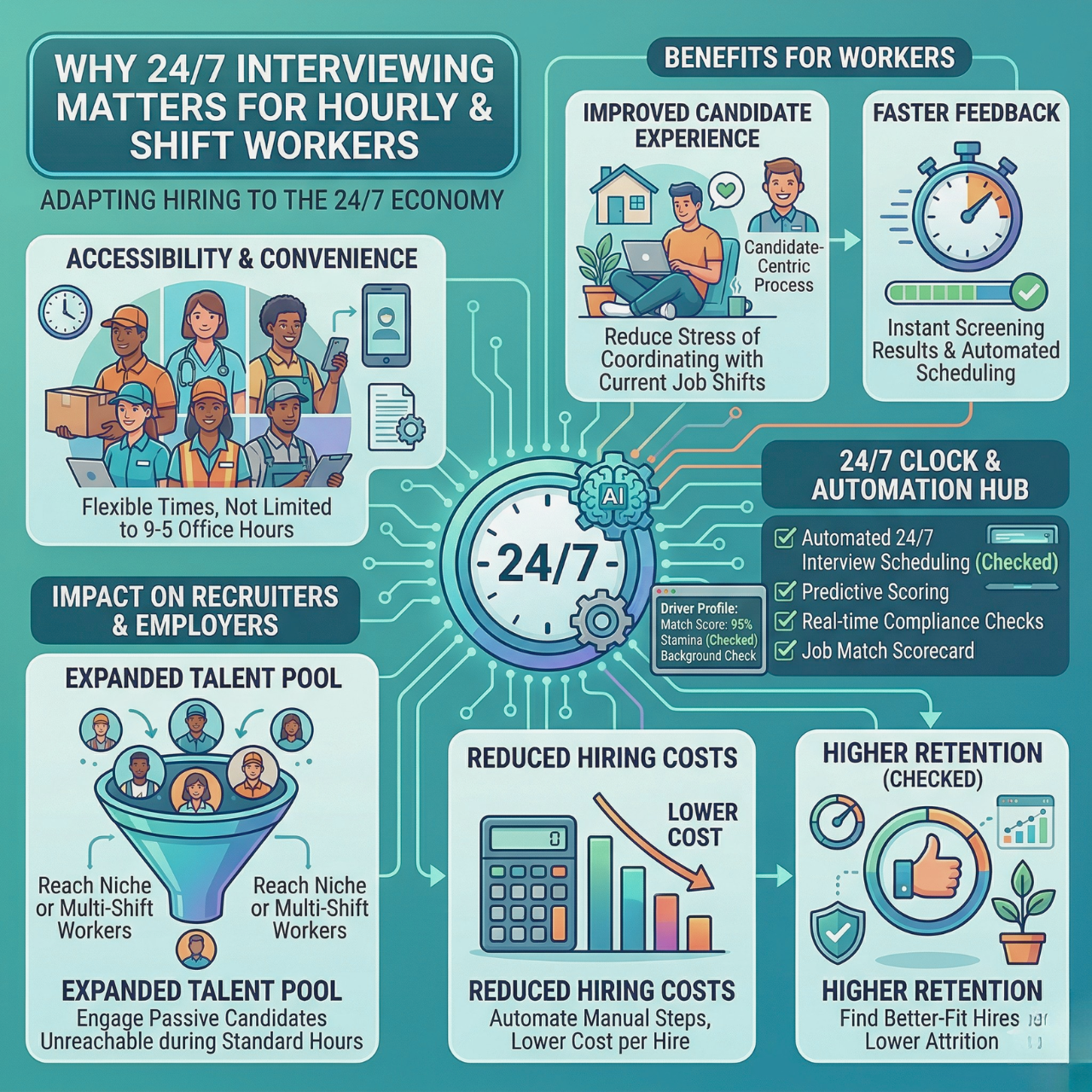
- AI chatbots to answer candidate questions 24/7
- Interview scheduling and automated updates to reduce drop-offs
- Matching engines that align job requirements with candidate qualifications
- First-round video interviews that standardize early screening questions
AI matching systems compare job requirements to candidate qualifications. They look at technical skills, certifications, and work experience to find the best fits. These tools can also check for safety compliance requirements and shift availability.
Shifts in Hiring Processes Driven by AI
Your hiring process moves faster when AI handles early screening steps. Tasks that used to take days can happen in hours.
AI changes how you evaluate candidates by focusing on what they can do rather than just their job titles. This skills-based approach helps you find workers who might not have traditional backgrounds but have the right abilities. You can discover talent that would have been missed with older screening methods.
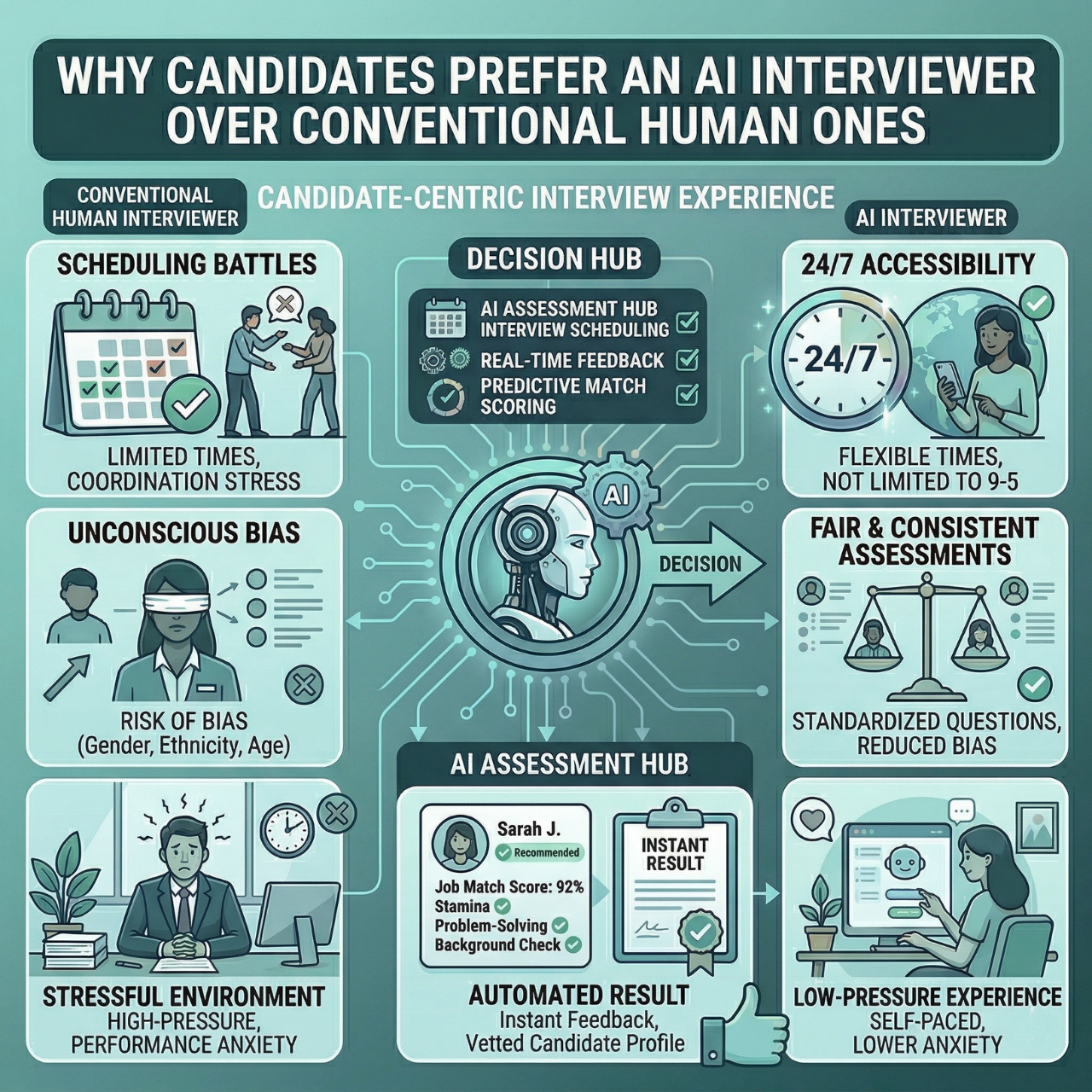
The technology can also help reduce unconscious bias in initial screening by applying consistent rules to each applicant and focusing on job-related information. You still need human review to make final decisions, but the early stages become more consistent.
Your recruitment team spends less time on paperwork and more time talking to qualified candidates.
Enhancing Recruitment Efficiency With Automation
Automation handles repetitive tasks like sending confirmation emails and updating candidate status. Your HR team can save hours each week on administrative work.
Automation can support:
- Status updates and confirmations
- Workflow triggers that move qualified candidates to the next step
- Pre-screening questions to confirm certifications and availability
- Pipeline reporting for time-to-hire and candidate quality metrics
AI tools track metrics like time-to-hire and candidate quality. You get reports that show which recruiting methods work best and where bottlenecks occur. Pre-screening tools ask candidates about technical skills, certifications, and availability before human reviewers get involved.
AI Tools and Technologies Transforming Talent Acquisition
Manufacturing companies now use AI-powered tools to speed up hiring and find better candidates. Machine learning screens applicants automatically, natural language processing reads resumes like a human would, and chatbots keep candidates engaged throughout the process.
Machine Learning for Candidate Screening
Machine learning algorithms can review thousands of applications in minutes instead of days. These systems learn from past hiring decisions to identify which candidates match your open positions best.
What machine learning can do well:
- Rank applicants based on job-specific requirements
- Filter candidates who do not meet minimum qualifications
- Highlight patterns tied to strong performance in similar roles
- Improve recommendations over time as outcomes are tracked
The technology compares job requirements against candidate qualifications, work history, and skills. It can surface strong candidates faster while reducing manual resume review time.
Natural Language Processing in Resume Analysis
Natural language processing (NLP) reads and understands resume content the way a person would. It extracts key information like skills, job titles, education, and certifications without manual data entry.
NLP is useful because it can:
- Recognize different terms that mean the same thing
- Standardize candidate profiles for easier comparison
- Match job descriptions to resumes even when the language differs
- Identify manufacturing-specific terminology and certifications
This helps you compare candidates more consistently, even when resumes are formatted differently.
Chatbots for Candidate Engagement
AI chatbots answer candidate questions instantly, any time of day or night. They provide information about job openings, application status, and next steps in the hiring process.
Chatbots can support:
- Quick answers to role and shift questions
- Automated screening questions
- Interview scheduling based on recruiter availability
- Reminders and follow-ups to keep candidates engaged
This improves the candidate experience by providing faster responses. It can also reduce drop-off during the application process, especially when candidates are applying to multiple employers.
Benefits of Using AI in Manufacturing Hiring
AI tools handle screening and matching tasks automatically while helping you make better hiring decisions. These systems reduce the time spent reviewing applications and improve how well new hires perform in their roles.
Improving Candidate Quality and Fit
AI systems analyze resumes and applications to find candidates whose skills match your job requirements. The software looks at technical abilities, certifications, and work experience to identify people who can actually do the job.
Benefits include:
- Better skills matching for roles like welding, CNC, or maintenance
- Fewer interviews with unqualified applicants
- Transferable skill discovery from adjacent industries
- More consistent evaluation across large applicant pools
Reducing Time-to-Hire
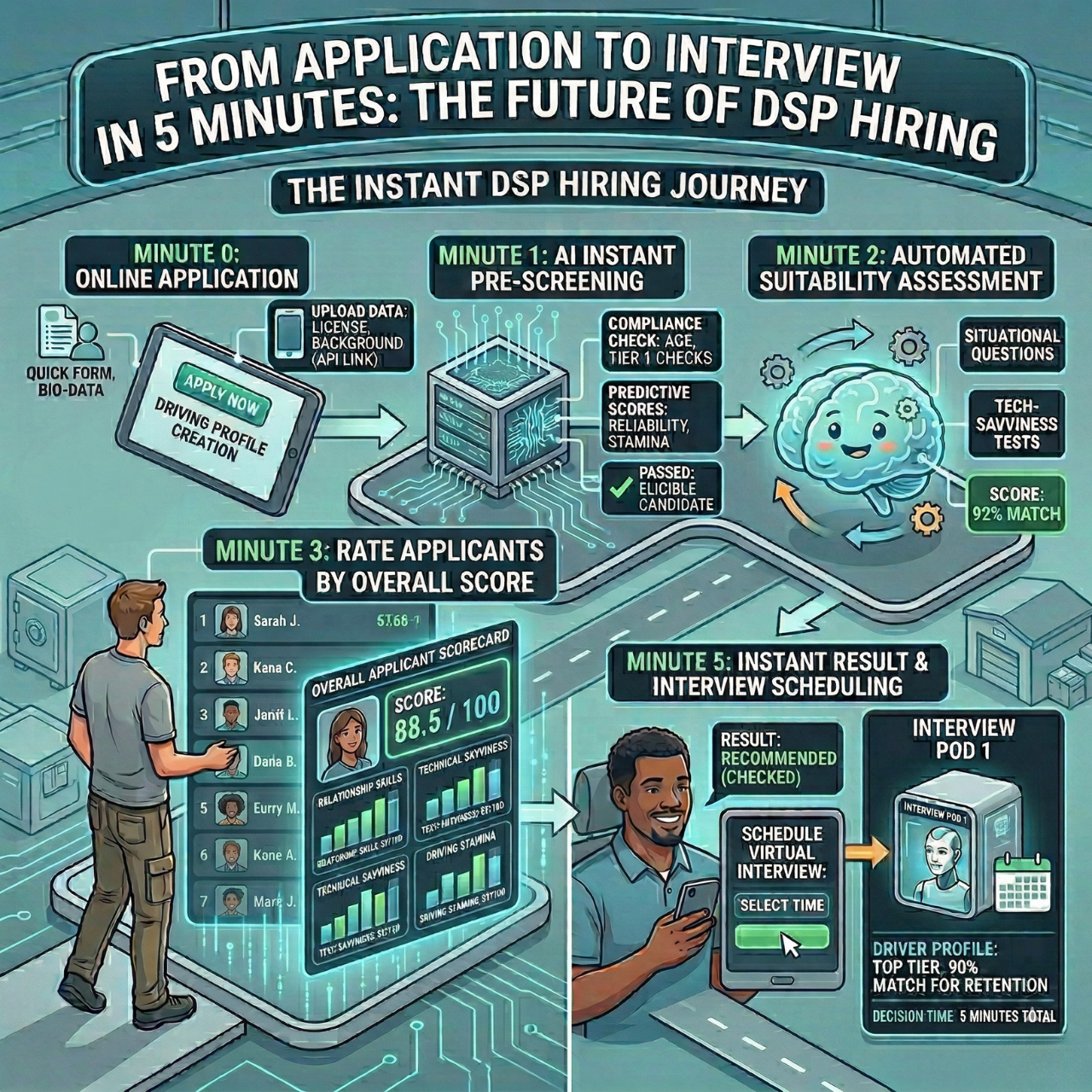
Automated screening can reduce hiring timelines from weeks to days. AI reviews hundreds of applications quickly and ranks candidates based on the qualifications you set.
AI can speed up:
- Resume review and basic qualification checks
- Interview scheduling and reminders
- Candidate communications and updates
- Movement through the pipeline with workflow automation
Positions that previously took 45 days to fill can drop to 20 days or less when early stages are automated, and follow-up happens quickly.
Minimizing Recruitment Bias
AI evaluates candidates using consistent criteria. The software focuses on skills, experience, and qualifications rather than factors that can trigger unconscious bias.
What to keep in mind:
- AI can help reduce bias when the criteria are job-related and consistently applied
- It still needs oversight, monitoring, and periodic testing
- Human decision-making remains essential in fthe inal selection
Challenges and Considerations
AI recruitment tools in manufacturing offer major benefits, but they also bring important challenges around data protection, system compatibility, and workforce readiness.
Data Privacy and Compliance Issues
When you collect and process candidate information through AI systems, you handle sensitive personal data that falls under strict regulations. You must comply with laws like GDPR in Europe or state-specific privacy laws in the US.
Priorities include:
- Encrypted storage and secure transmission
- Limited access controls for internal users
- Clear retention and deletion policies
- Regular audits to confirm compliance across locations
Working with legal and compliance experts helps reduce risk and protects both your company and applicants.
Integration With Existing HR Systems
Your current HR software, applicant tracking systems, and payroll platforms may not work smoothly with new AI recruitment tools. Many manufacturing companies use legacy systems that were not designed for modern AI connections.
Common integration challenges:
- Incompatible data formats
- Outdated APIs that limit connectivity
- Duplicate data entry during transition
- Longer testing and implementation cycles
Plan for a transition period where old and new systems run together and document the new workflow clearly for the team.
Addressing Skill Gaps in AI Adoption
Your HR and recruitment teams may need training to use AI tools effectively. Many recruiters have traditional hiring backgrounds without exposure to machine learning concepts or analytics.
To build adoption:
- Train staff on how to interpret AI recommendations
- Define when human judgment should override automation
- Teach teams how to spot bias or errors in outputs
- Consider external consultants for initial implementation
Start with simpler features first, then expand into advanced capabilities as confidence grows.
Future Trends of AI in Manufacturing Recruitment
AI technology will reshape how manufacturers find and hire workers through better data analysis and smarter testing methods.
Predictive Analytics for Workforce Planning
AI systems analyze patterns from past hiring data to predict which candidates will succeed in specific roles. These tools can forecast performance and retention patterns based on job requirements and work history.
Predictive analytics can help you:
- Anticipate staffing needs based on production plans
- Flag potential turnover risks earlier
- Reduce rushed hiring that leads to poor fit
- Align recruiting timelines with workforce planning
Evolution of AI-Driven Assessments
Traditional interviews and resumes do not always show what candidates can do on the job. AI-driven assessments test real skills through simulations and practical exercises that mirror actual tasks.
These assessments can:
- Measure technical skills and problem-solving ability
- Provide objective scores for fair comparisons
- Adapt difficulty based on candidate responses
- Support VR and interactive scenarios for hands-on evaluation
This creates a clearer view of job readiness before you make a hiring decision.
Make Hiring Faster Without Losing Quality
AI in manufacturing recruitment can help you screen faster, respond quicker, and focus your recruiters on the candidates who are most likely to succeed. The key is balancing automation with human judgment, solid compliance practices, and a plan for integration.
HRMLESS supports teams that want to put AI into recruiting with practical workflows that cut delays and keep candidates engaged. Book a Demo to see how an automated screening and scheduling flow can fit your hiring process.
Frequently Asked Questions
How is AI transforming the recruitment process in the manufacturing industry?
AI automates the repetitive parts of hiring so you can focus on final decisions and candidate relationships. It screens applications, scores candidates, and handles scheduling and messaging, reducing manual workload and speeding up the process.
What types of roles in manufacturing are most impacted by AI-driven recruitment?
High-volume production roles benefit most, including assembly line workers, machine operators, and quality control technicians. Skilled trades also benefit because AI can identify and verify certifications for welders, CNC operators, and maintenance technicians faster.
What are the best practices for integrating AI into a manufacturing company's hiring strategy?
Start with your biggest bottlenecks, usually resume screening and interview scheduling. Pilot AI with a small set of roles, monitor results closely, and train recruiters on what the system can and cannot do, so they can use it effectively.
How does AI improve the efficiency and effectiveness of talent acquisition in manufacturing?
AI reduces time-to-fill by screening candidates quickly and keeping communication moving. It also improves candidate matching by evaluating more job-related data points, which can increase quality and reduce drop-off through faster follow-up.
Can AI in recruitment help in identifying skill gaps within a manufacturing workforce?
AI can compare the skills in your current workforce to the skills needed for open and future roles. That helps you focus training programs on specific gaps and recruit earlier for capabilities that are becoming more important.
What are some of the challenges and limitations of using AI for recruitment in manufacturing?
AI can amplify bias if it is trained on biased historical data, so monitoring is essential. It can be less effective for highly specialized leadership roles where nuance matters. Costs, change management, and training requirements can also slow adoption, so it works best when paired with strong recruiters and clear processes.
Featured

Subscribe to ournewsletter
Related posts
Explore the world of photography with our curated selection of
portfolio websites that showcase creativity and innovation.