

AI in Recruitment Agencies: Smarter, Faster Hiring

Recruitment agencies are under pressure to move faster, place better candidates, and do more with leaner teams. Manual screening, endless scheduling, and slow follow-ups drag down results. AI in recruitment agencies helps solve these pain points by automating high-effort tasks without losing quality.
With tools like AI screening, sourcing, and scheduling, agencies using HRMLESS reduce busywork and shorten time-to-hire. Recruiters spend less time sorting resumes and more time building relationships that actually drive placements.
This guide breaks down how AI fits into modern recruitment workflows, where it delivers the most value, and what to watch out for. You’ll see practical use cases, real benefits, and how to stay competitive as AI adoption accelerates.
The Role of AI in Recruitment Agencies
AI takes on time-consuming tasks that used to eat up hours or even days for recruiters. These tools scan candidate pools, review resumes, and rank applicants based on specific job requirements.
Automating Candidate Sourcing
AI tools search across multiple platforms to find potential candidates for your open positions. They scan job boards, LinkedIn, social media, and professional networks in minutes.
The tech identifies passive candidates who aren’t actively job hunting but fit your requirements. AI algorithms analyze skills, experience, and career patterns to spot people who might be open to new opportunities.
You can set parameters like years of experience, technical skills, or location preferences. Many AI sourcing tools even predict which candidates are most likely to respond to your outreach.
They analyze things like recent profile updates, engagement, and career trajectory. This helps you focus on prospects who are actually open to new roles.
The systems can also send personalized messages to candidates automatically. Messages get tailored to the candidate’s background and the job requirements.
Streamlining Resume Screening
AI screening software reviews hundreds of resumes in the time it takes you to read just a few. It scans for keywords, qualifications, and experience that match your job descriptions.
These tools rank candidates based on how well they fit the position. You get a scored list of applicants instead of slogging through every resume by hand.
AI identifies relevant skills even when candidates use different terms or phrases. The systems also filter out unqualified applicants early, which cuts down your workload and lets you focus on promising candidates.
AI can spot gaps in employment, verify credentials, and flag inconsistencies. Some platforms parse resume data into standardized formats, making it easier to compare candidates side by side and keep your database organized.
Enhancing Candidate Shortlisting
AI creates targeted shortlists by matching candidates against specific job criteria. It evaluates factors beyond basic qualifications, like soft skills, cultural fit, and potential for growth.
You can use AI to run initial assessments through automated tests or video interviews. The systems analyze responses, communication style, and problem-solving approaches.
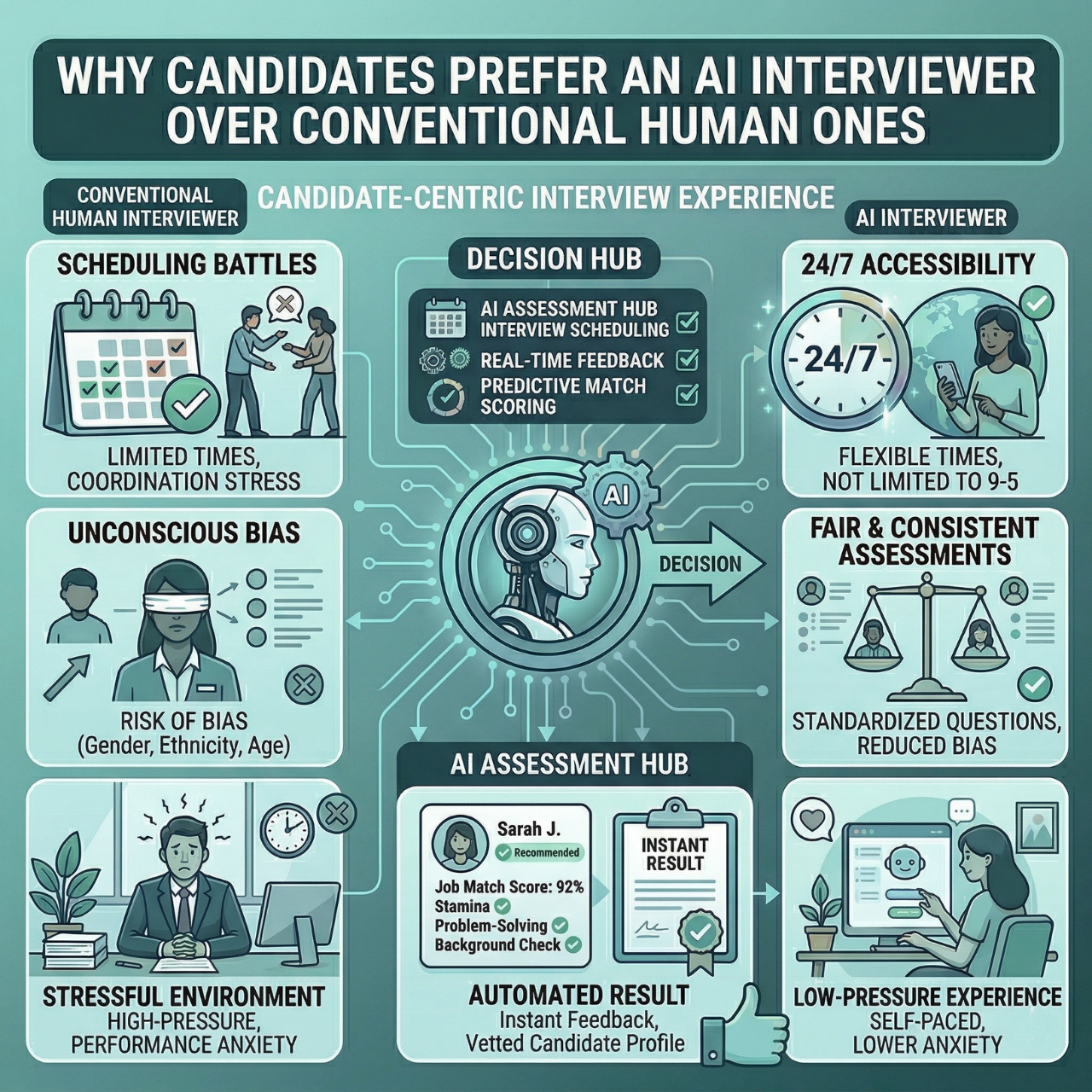
This gives you deeper insights before you invest time in personal interviews. AI also helps reduce unconscious bias in shortlisting.
The tech focuses on skills and qualifications rather than demographic details. You can even configure the system to hide names, age, or educational institutions during early screening.
The tools track which candidates perform well in later interview stages. They learn from your hiring decisions and improve their recommendations over time.
AI-Powered Tools and Technologies
AI recruiting tools use machine learning and automation to handle tasks like chatting with candidates, predicting who’ll succeed in a role, and reading through resumes faster than any human. These technologies work around the clock, speeding up hiring while letting recruiters focus on people.
Chatbots for Candidate Engagement
AI chatbots answer candidate questions instantly, day or night. They take care of basics like scheduling interviews, providing application status updates, and collecting initial info from job seekers.
These bots can chat with hundreds of candidates at once. You don’t have to wait until business hours to answer someone’s question about salary or benefits. The chatbot gives them an answer right away.
Common chatbot features include:
- Answering frequently asked questions about job openings
- Scheduling interview times based on recruiter availability
- Sending automated follow-up messages
- Pre-screening candidates with qualifying questions
The technology keeps candidates engaged throughout the application process. When people get quick responses, they’re more likely to stick around and stay interested in your jobs. Your human recruiters can jump in for the conversations that really need a personal touch.
Predictive Analytics for Hiring Outcomes
Predictive analytics uses data from past hires to forecast which candidates will perform well in specific roles. The AI looks at patterns in successful employees’ backgrounds and skills to spot similar traits in new applicants.
You can avoid bad hires by seeing which candidates match your top performers. The software analyzes education, work history, skill assessments, and even how candidates interact during the application process.
This tech also helps you spot candidates who might leave quickly. If your data shows that certain backgrounds lead to early turnover, the AI flags those risks before you make an offer. You save money and time by focusing on candidates who are likely to stick around.
Natural Language Processing for Resume Analysis
Natural language processing (NLP) reads and understands resume text like a human, but way faster. It pulls out info about skills, experience, education, and qualifications without needing exact keyword matches.
The AI understands context and meaning. If a resume says “managed a team” or “led a group,” NLP knows those mean the same thing.
You don’t miss good candidates just because they used different words than your job posting. NLP can process thousands of resumes in minutes.
It ranks candidates based on how well they match your requirements and can even spot transferable skills that aren’t obvious at first glance. This speeds up your screening and helps you find qualified people you might’ve missed with manual review.
Improving Candidate and Client Experiences
AI tools help recruitment agencies deliver faster responses and more relevant matches. This makes things smoother for job seekers and companies looking to hire.
Personalizing Job Recommendations
AI systems analyze candidate profiles to suggest jobs that match their skills, experience, and career goals. These tools look at work history, certifications, and even preferences like location or company culture.
You can use AI to track which positions candidates click on or spend time reviewing. The system learns from this behavior and gets better at predicting what opportunities will interest them. That means candidates see fewer irrelevant jobs and more positions they actually want to apply for.
For your clients, AI matches candidates based on requirements beyond just keywords. The tech evaluates soft skills, career trajectory, and technical abilities to recommend people who’ll succeed in the role.
This cuts down the time your team spends sorting through resumes and boosts the quality of candidates you present.
Enhancing Communication Throughout the Hiring Process
AI chatbots answer candidate questions immediately, even outside business hours. They can provide updates on application status, schedule interviews, and share job details.
This keeps candidates engaged instead of waiting days for a reply. Your team can automate status updates, so candidates always know where they stand.
AI tools send personalized messages at key moments like application received, interview scheduled, or feedback from the client.
For clients, AI provides real-time dashboards showing candidate progress through each stage. You can share analytics about response times, candidate quality scores, and predicted time-to-fill. This kind of transparency builds trust and shows your agency’s value throughout the process.
Benefits and Challenges of AI Integration
AI tech speeds up hiring and helps minimize bias in recruitment agencies. At the same time, it raises important questions about privacy and fairness that need careful attention.
Reducing Time-to-Hire
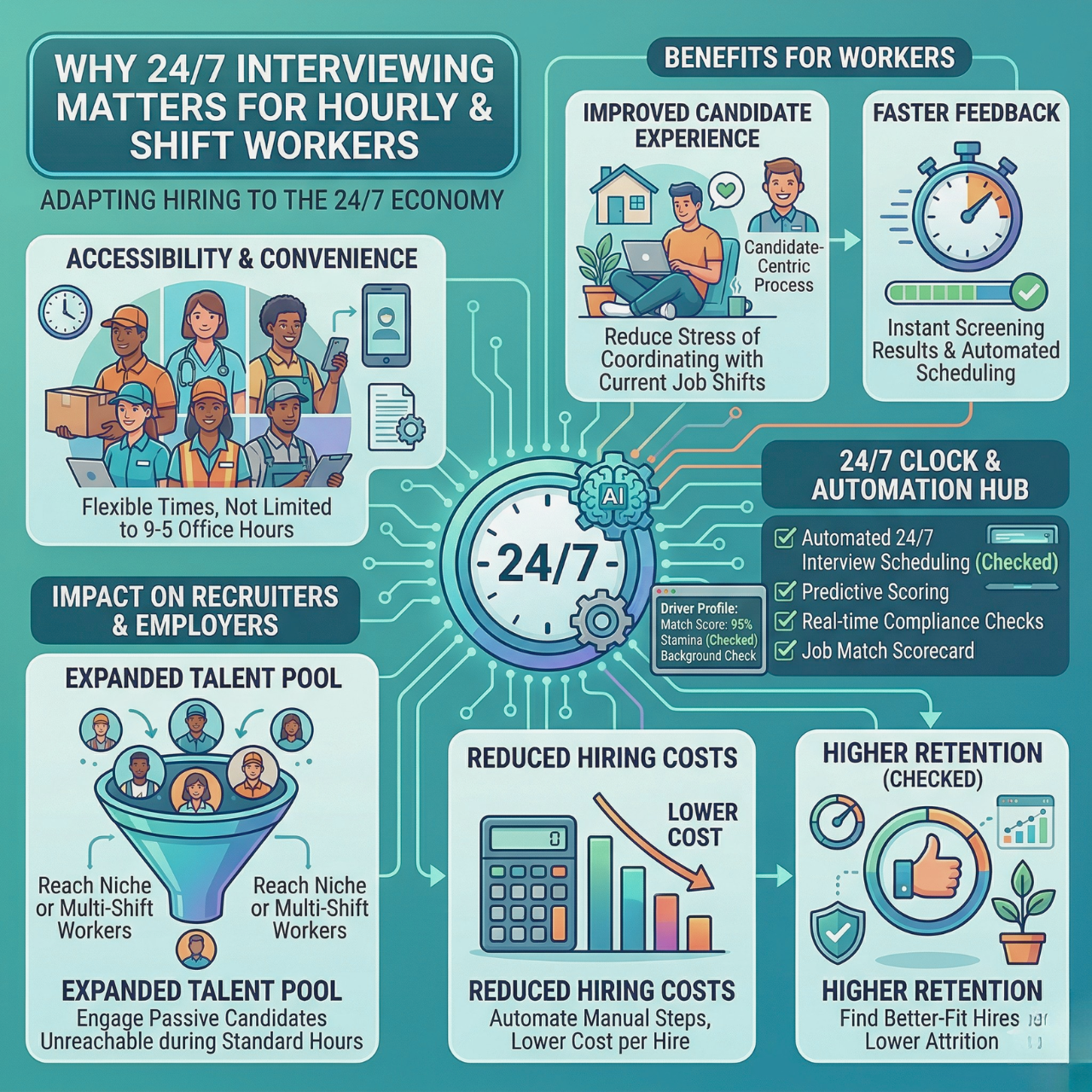
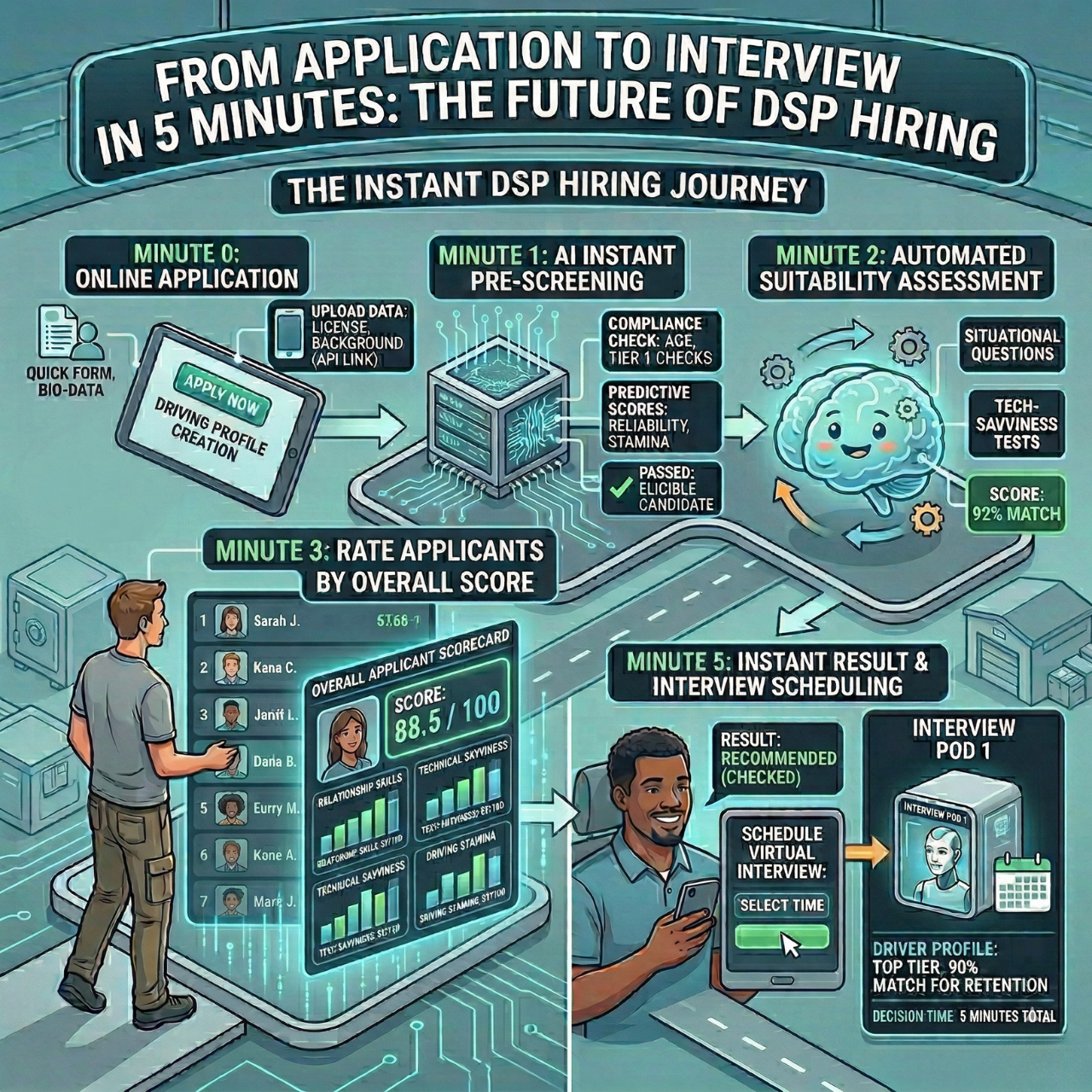
AI cuts down your recruitment timeline by handling repetitive tasks automatically. It screens resumes in minutes, sorting through hundreds of applications to find qualified people quickly.
You can schedule interviews, send follow-up emails, and update candidate status without manual effort. Your recruitment team saves an average of 23 hours per hire with AI tools.
That means you fill positions faster and keep top talent from accepting other offers. AI chatbots answer candidate questions instantly, keeping prospects engaged throughout the process.
The automation lets your recruiters focus on relationship building and strategy instead of paperwork. You’ll see faster placements and happier clients as your agency gets more efficient.
Minimizing Human Bias
AI systems evaluate candidates based on skills and qualifications instead of personal characteristics. Your process becomes more objective when algorithms focus on experience, education, and abilities.
This helps you build diverse teams and reach candidates who might otherwise get overlooked. The tech removes unconscious bias from initial screening.
AI doesn’t see names, ages, or photos that might sway a human. You give every applicant a fair shot based on what they can actually do.
But here’s the catch: AI can inherit bias from its training data. If your historical data shows patterns of discrimination, the AI might pick up and repeat those patterns.
You need to regularly audit your AI systems and update them with diverse, representative data to avoid that problem.
Addressing Ethical Considerations
Your agency has to protect candidate privacy when using AI systems. Collect personal data only with clear consent and keep it stored securely.
Be transparent about how AI makes decisions in your hiring process. Candidates deserve to know when algorithms, not humans, are evaluating them.
Set policies that explain what data you collect, how long you keep it, and who can access it. Some regions require these disclosures by law.
Keep human oversight in final hiring decisions. AI should help recruiters, not replace their judgment.
This keeps accountability clear if questions come up about hiring choices. Regularly test your AI tools to catch errors or unfair patterns before they impact candidates.
The Future of AI in Recruitment Agencies
AI in recruitment is moving fast. New tools can write better job posts, predict which candidates will succeed long-term, and even conduct voice-based interviews. Your agency will need to get ready for these changes and figure out which trends actually matter for your business.
Emerging Trends and Innovations
Generative AI is changing how you create recruitment content. These tools can draft job descriptions and candidate messages in seconds. That leaves your recruiters more time to focus on building relationships.
Skills-based hiring powered by AI is increasingly replacing traditional resume screening. The tech analyzes what candidates can actually do, not just what their job titles or degrees say. This helps you find hidden talent that a human reviewer might miss.
Predictive analytics has moved beyond basic candidate matching. You can now use AI to forecast how long someone will stay in a role and predict their future performance based on patterns in the data.
Some agencies are even using predictive diversity analytics to build more balanced teams.
Voice-based screening is another trend on the rise. AI can run initial phone interviews, analyze speech patterns, and assess communication skills before a recruiter steps in.
Preparing Teams for AI Adoption
Recruiters need training on how AI tools work and when to use them. Start by figuring out which tasks eat up the most time, like resume screening or interview scheduling.
Teach your team to work with AI, not against it. Recruiters should handle the human side: building trust with candidates and understanding company culture.
AI takes care of the repetitive work.
Set clear rules about when human judgment should override AI recommendations. Your team needs to know AI suggests, but doesn’t decide.
Start small with one or two AI tools instead of changing everything at once. This gives recruiters time to learn and lets you gather feedback on what actually works. Regular check-ins help you tweak your approach as your team gets more comfortable.
Hiring Faster Without Losing the Human Touch
Recruitment agencies are stretched thin by manual screening, slow coordination, and rising client expectations. AI removes friction from the hiring process by automating repetitive work, improving match quality, and reducing time-to-hire without sacrificing judgment.
By combining automation with recruiter expertise, HRMLESS helps agencies spend less time on admin and more time on relationships. The result is faster placements, better candidate experiences, and stronger client trust.
Ready to reduce bottlenecks and hire smarter? Book a Demo and see how AI can support your recruitment workflow today.
Frequently Asked Questions
What does AI in recruitment agencies actually do?
AI in recruitment agencies automates repetitive tasks like resume screening, candidate sourcing, and interview scheduling. This reduces manual effort and speeds up hiring without removing human decision-making.
Will AI replace recruiters at staffing and recruitment agencies?
No. AI supports recruiters by handling time-consuming admin work. Recruiters still manage relationships, assess fit, and make final hiring decisions where human judgment matters most.
How does AI help recruitment agencies hire faster?
AI screens resumes in minutes, identifies qualified candidates quickly, and automates scheduling and follow-ups. This shortens time-to-hire and helps agencies secure top talent before competitors do.
Can AI improve candidate quality for recruitment agencies?
Yes. AI analyzes skills, experience, and job requirements more consistently than manual review. This leads to better shortlists and stronger candidate-to-role matches.
Does using AI in recruitment agencies reduce bias?
AI can help minimize bias by focusing on skills and qualifications instead of personal details. However, agencies must regularly audit AI tools to ensure they don’t repeat bias from historical data.
Is AI in recruitment agencies difficult to implement?
Most AI tools integrate with existing ATS platforms and workflows. Agencies often start with one use case, like screening or scheduling, and expand once teams are comfortable.
How does AI improve the candidate experience?
Candidates get faster responses, clearer communication, and more relevant job matches. Automated updates and chatbots keep candidates engaged throughout the hiring process.
What should agencies watch out for when using AI?
Key concerns include data privacy, transparency, and over-reliance on automation. AI should assist recruiters, not replace human oversight or accountability.
Featured

Subscribe to ournewsletter
Related posts
Explore the world of photography with our curated selection of
portfolio websites that showcase creativity and innovation.