

Best Hiring Tool for Healthcare to Cut Time to Hire

Healthcare hiring hurts when roles sit open, staff burn out, and compliance slows every decision. The best hiring tool for healthcare should cut time to hire, reduce no-shows, and lift candidate quality without piling on admin work.
HRMLESS uses AI interviews, scoring, and automation to move candidates through your pipeline around the clock. You spend less time chasing people and more time staffing shifts with qualified clinicians.
This guide shows what really makes a platform the best hiring tool for healthcare. You’ll see the key features, integrations, and safeguards to prioritize so you can choose software that fits your workflows and hiring goals.
Key Features of the Best Hiring Tools for Healthcare
The best hiring tools for healthcare focus on speeding up recruitment while maintaining high quality. They use automation and clear workflows to handle tasks like screening, verifying credentials, and tracking compliance.
These tools help you reduce errors and keep the hiring process smooth. You’ll notice fewer hiccups and more consistency in your hiring outcomes.
Automated Candidate Screening
Automated screening saves you time by quickly sorting through applications. Instead of manually reviewing every resume, the system uses AI to rank candidates based on your criteria. This lets you focus only on the most qualified applicants. You can set filters for skills, licenses, and experience needed for the role.
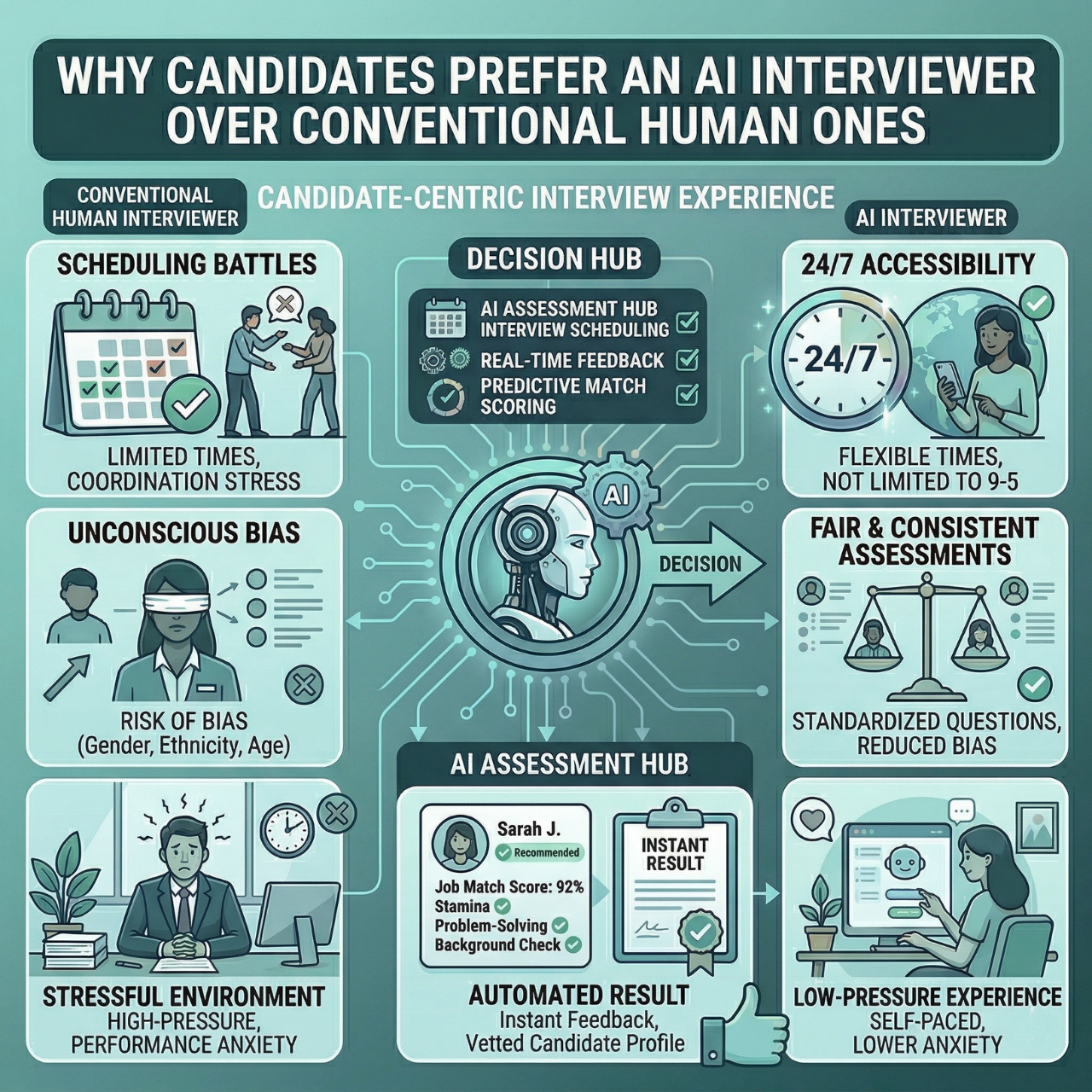
Some platforms also offer automated interviews that candidates can complete anytime. This 24/7 access speeds up early assessments without needing your constant attention.
By automating screening, you cut down on delays and reduce hiring bias. You’ll see fewer unqualified applications and can move top candidates faster.
Credential Verification
In healthcare, verifying credentials is critical. The best tools integrate automatic checks to confirm licenses, certifications, and background details. This stops unqualified candidates from moving forward. Credential checks happen in real time, cutting down manual work and preventing errors.
Some systems send alerts if a credential is expired or missing, which helps maintain compliance. This feature reduces risk by making sure only properly credentialed professionals enter your hiring pool.
Credential verification tools protect your organization and build trust with patients by confirming staff meet legal and professional standards.
Workflow Integration
Hiring tools need to connect with your existing HR systems to avoid extra steps. Integration with Applicant Tracking Systems (ATS) or Hospital Information Systems (HIS) keeps data seamless from application to onboarding.
When tools are integrated, candidate information flows automatically without manual entry. This means less chance of mistakes and faster updates across departments.
You can also link scheduling and communication features to send automatic interview invites and reminders. This lowers no-shows and keeps candidates engaged.
Workflows that sync reduce the need to switch between platforms. This provides a smoother experience for both your HR team and applicants.
Compliance Management
Healthcare hiring involves a ton of regulations like HIPAA and OSHA. Good software helps track and enforce these rules during recruitment.
Compliance modules monitor state and federal requirements. They notify you if a position needs updated certifications or background checks before hiring. This reduces legal risks and costly penalties. You should choose tools that provide audit trails and reports.
These features keep your hiring process transparent and ready for inspections or internal reviews. With compliance managed automatically, you spend less time on paperwork and more on finding the right candidates.
Benefits of Using Specialized Healthcare Hiring Platforms
Specialized healthcare hiring platforms focus on the unique needs of medical facilities. They help you save time, find better candidates, and reduce the workload on your staff. These tools streamline hiring by automating key steps and improving candidate quality through targeted features.
Time Efficiency
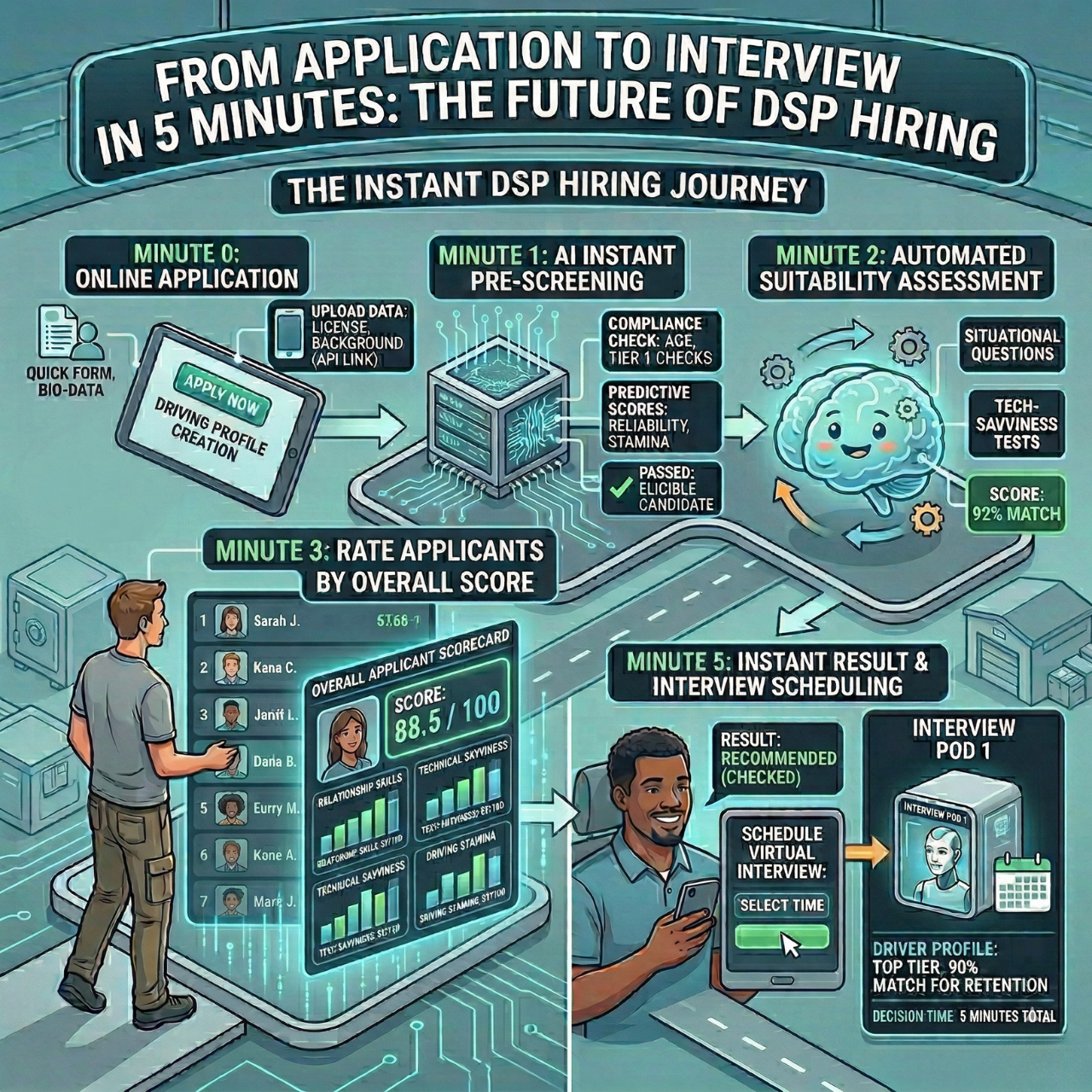
Healthcare hiring platforms automate many repetitive tasks. You can schedule interviews automatically and screen candidates using AI, which saves you hours every week.
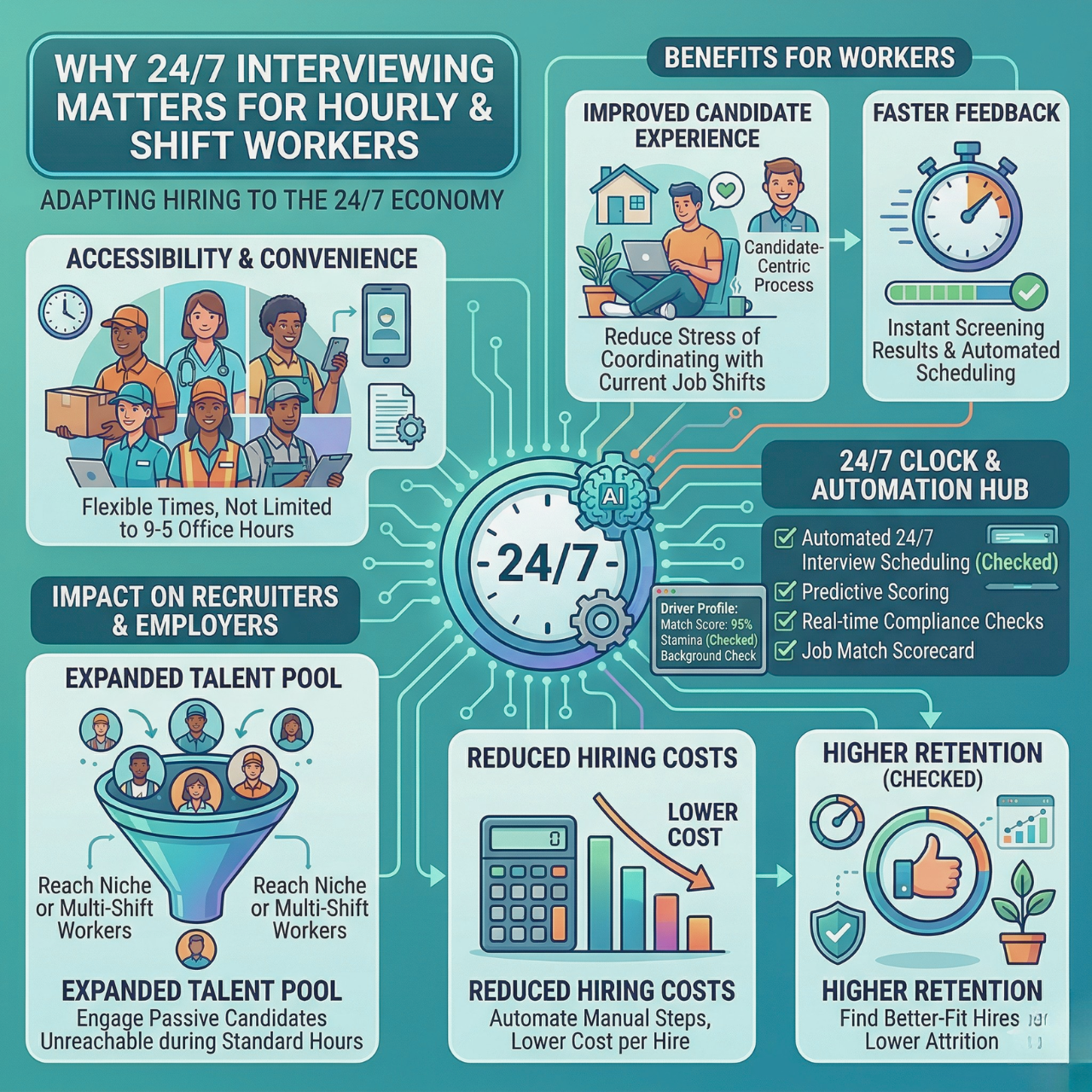
This reduces the overall time to hire and helps you fill urgent roles faster. Many platforms also offer 24/7 candidate interviews.
Applicants can complete assessments whenever it suits them, keeping your pipeline active without delays. Automated reminders reduce no-shows, which keeps hiring moving forward smoothly.
By cutting manual steps, these platforms help you focus on important decisions instead of paperwork. You can handle more open roles without adding stress to your team.
Improved Candidate Quality
These platforms use AI scoring to highlight the best candidates quickly. Instead of sorting through every resume, you see only those who meet your criteria.
This improves the quality of people you interview, raising your chance of hiring the right fit. Automated screening also reduces bias by focusing on skills and qualifications without human error.
This helps you build a more diverse, competent team. Features like conversational AI interviews allow candidates to show their skills naturally.
Tools such as scoring and filtering make sure unqualified applicants don’t slow down your process. You get a sharper pool of talent ready to boost your healthcare workforce.
Reduced Administrative Burden
Hiring for healthcare demands many steps: credential checks, compliance, scheduling, and onboarding. Specialized platforms handle much of this automatically.
That cuts the back-office work your HR team faces. These tools integrate with your existing ATS or HRIS, so data flows smoothly without extra entry or mistakes.
Email and SMS reminders keep candidates engaged, lowering the chance of ghosting. With reporting dashboards, you track progress easily and spot bottlenecks fast.
The reduced admin load lets your team focus on strategic hiring, not paperwork. This makes your process more reliable and less stressful.
Essential Criteria for Evaluating Healthcare Recruitment Software
When choosing recruitment software for healthcare, focus on tools that protect sensitive data, offer ease of use, and can be tailored to your needs. These factors ensure compliance, boost hiring speed, and fit your unique workflows.
Security and Data Protection
Healthcare recruitment software must handle sensitive candidate and patient data with strict security measures. Look for platforms that comply with regulations like HIPAA to protect health information.
Data encryption, secure login systems, and regular security updates are critical. Your software should limit access based on user roles to reduce the risk of unauthorized information sharing.
Choose software that offers audit trails to track who accessed or changed data. This helps with accountability and compliance during audits.
User Experience and Interface
A clean, simple interface saves time and reduces errors in hiring. The software should allow you to manage candidates, schedule interviews, and track progress easily.
Automation features like AI pre-screening and scoring simplify your work. However, the system must remain intuitive, so your team spends less time learning and more time hiring.
Look for platforms with mobile-friendly designs. This way, you can manage recruitment tasks even when away from your desk.
Fast response times and clear candidate communication tools also improve both recruiter and candidate experience, reducing no-shows and ghosting.
Customizability
Every healthcare facility has different hiring needs. Your recruitment software must allow you to tailor application forms, screening questions, and workflows.
Customizable alerts and scoring models help prioritize candidates who meet your criteria. The ability to integrate with your existing HR systems saves time and avoids duplicate data entry.
Make sure the software can scale with your growth, whether you have 5 or 500 openings. You want something that won’t break under pressure.
Top-Rated Hiring Tools for Healthcare Organizations
Choosing the right hiring tool means looking at how well it handles recruitment tasks, speeds up hiring, and fits healthcare-specific needs. The best platforms combine automation with strong candidate engagement and compliance features.
They help you move qualified talent through your pipeline faster while reducing manual work. No one wants to get bogged down in spreadsheets, right?
Overview of Leading Solutions
Top healthcare hiring tools today focus on applicant tracking systems (ATS) with built-in automation. These platforms manage job postings, candidate screening, interviews, and communication all in one place.
Some use AI-driven features for pre-screening and scoring candidates automatically. For example, some platforms leverage AI to conduct 24/7 interviews and filter applicants by fit.
This means you spend less time sorting resumes and more time interviewing only top candidates. Other systems emphasize compliance tracking, especially important for healthcare licensing and certifications.
Many tools integrate easily with your existing HR software, reducing setup headaches. You want tools designed for healthcare staffing so they can handle roles from nurses to specialists.
Comparison of Platform Strengths
Here’s how top healthcare hiring platforms compare by key strength:
Feature
Strength Description
Automation
AI screens, scores, and schedules interviews automatically. Saves hours per hire.
Speed
Instant candidate engagement reduces time-to-hire by over 60%.
Compliance
Tracks medical licenses and certifications to prevent costly errors.
Candidate Experience
Multichannel communication keeps applicants engaged, lowering no-show rates.
Integration
Works with ATS and HRIS systems without disruption to your workflow.
Choosing tools with these strengths means fewer delays and better hires. Focus on platforms that show clear data-driven improvements in hiring speed and quality.
Unique Advantages for Healthcare Hiring
Healthcare hiring has unique challenges like managing certifications and avoiding bias in a high-pressure environment. Some hiring tools stand out by addressing these needs directly.
Some platforms use AI pre-screening to eliminate bias and wasted interviews. Candidates complete interviews on their time, enabling 24/7 availability.
Automated scheduling cuts no-shows by half because only engaged candidates book slots. Other platforms offer real-time analytics to track bottlenecks in your process so you can fix issues fast.
Enhanced communication tools use SMS and email to nudge candidates, reducing ghosting and keeping your pipeline active. Look for tools with features built to handle healthcare complexity, from applicant compliance to candidate retention.
This helps your team stay staffed with qualified professionals while you spend less time managing recruiting chaos.
Integrating Hiring Tools with Existing Healthcare Systems
Picking a hiring tool isn’t just about features; it’s about making sure it fits with what you already use. When you get integration right, your data stays consistent, and your processes feel less clunky.
That means less manual work, fewer mistakes, and a smoother day-to-day flow. Nobody wants to fill out the same info twice, right?
Electronic Health Record Compatibility
Your hiring tool really needs to play nicely with your Electronic Health Records (EHR) system. When these systems talk to each other, you can verify credentials and licenses way faster.
It’s also just easier to keep everyone’s info up to date in one spot. Here’s what you actually get out of this setup:
- Automatic background and certification checks
- Quick updates to employment records
- Avoiding duplicate data entry by syncing candidate profiles
When your hiring tool syncs with EHR, onboarding takes less time. It’s also a lifesaver during audits and keeps you compliant with healthcare rules.
ATS and HRIS Syncing
Your Applicant Tracking System (ATS) and Human Resource Information System (HRIS) should just work together with no extra steps from you. When these connect, candidate info flows from hiring to payroll and benefits without a hitch.
What should you look for? Try to find tools that:
- Automatically update candidate status between ATS and HRIS
- Reduce errors from manual data input
- Support reporting on hiring metrics and workforce planning
Platforms that connect easily with major ATS and HRIS systems let your hiring move faster. Your HR team can finally stop juggling multiple logins and spreadsheets.
With AI-powered automation, it’s possible to get the right candidates into your system quickly and with fewer mistakes. Who doesn’t want that?
Addressing Healthcare Industry Hiring Challenges
Healthcare hiring? It’s tough. You’re up against a shortage of qualified workers and a credentialing process that’s anything but simple. If you want hiring to stay fast, fair, and compliant, you’ve got to tackle both issues head-on.
Talent Shortages
Let’s face it, healthcare has a serious talent shortage. High demand, burnout, and open roles that just won’t fill, especially for nurses and specialists. This shortage piles on the pressure and can even affect patient care. So, how do you keep up?
Tools that screen and rank candidates instantly are a must. Automated AI interviews let people apply whenever they have a minute, which speeds up your review process.
Focusing only on resumes? That’s a waste of time. Automation can score candidates based on real skills, so you actually find qualified professionals faster.
It even helps with ghosting; prompt SMS and email nudges keep candidates engaged, so fewer drop out along the way.
Credentialing Complexities
Credentialing in healthcare is a beast. You have to check licenses, certifications, and backgrounds before hiring, and any holdup can stall staffing completely.
It helps to have a system that tracks credentials and sends alerts for expirations or missing documents. Automating reminders and pre-screening checks cuts down on mistakes and keeps onboarding moving.
AI hiring software can automate these steps, so you stay compliant without drowning in paperwork. Only fully verified candidates move forward, which lowers risk and takes some pressure off your staff.
A solid credentialing workflow should cover:
- License verification management
- Automated alerts for renewals
- Document tracking and storage
- Integration with ATS to streamline candidate movement
Getting credentialing right means you can build your team faster and focus on delivering quality care. Isn’t that the point?
Future Trends in Healthcare Recruitment Technology
Healthcare hiring is changing fast. Smart tools are speeding up how you find and connect with candidates, and honestly, it’s about time. New tech cuts down on wait times and lets you zero in on the right people, all without extra hassle.
AI-Driven Hiring
AI is transforming healthcare recruitment, no exaggeration. It can screen candidates in a flash, analyzing resumes and pre-screen interviews automatically. This saves hours and reduces bias by focusing on skills and experience. No more guesswork.
AI ranks candidates by fit, so recruiters get a clear list of top talent instead of digging through endless applications. Even interview scheduling gets automated, which means fewer no-shows.
Platforms powered by Nerva AI let you reach out to candidates instantly through messaging tools. That keeps people interested and speeds up hiring, sometimes by more than half.
Automation here means less manual work, better hires, and a process that doesn’t stop when you do. Who wouldn’t want smarter decisions, faster?
Mobile Accessibility
Healthcare workers rarely sit at a desk, so mobile-friendly hiring tools are a must. Candidates can apply, complete AI interviews, and schedule meetings right from their phones whenever it fits their schedule.
With mobile-first design, you reach more applicants and get quicker responses. It just makes sense. Text and email reminders, like these, keep your process moving and help prevent candidates from slipping through the cracks.
With mobile access, you can hire at the pace healthcare demands. It’s all about meeting candidates where they are on the go, in the moment.
Turning Healthcare Hiring Into a Strength
The best hiring tool for healthcare should speed up hiring, cut admin work, and raise candidate quality at the same time. With automation doing the heavy lifting, your team can move faster while staying compliant and focused on patient care.
HRMLESS brings AI screening, 24/7 interviews, and smart integrations together so your recruiters can spend more time choosing the right clinicians and less time chasing logistics. It turns fragmented workflows into a single, reliable hiring engine.
If you are ready to reduce delays and staff critical roles with confidence, now is the time to upgrade your tech stack. Book a demo to see what modern healthcare hiring can look like in practice.
Frequently Asked Questions
What makes a platform the best hiring tool for healthcare?
The best hiring tool for healthcare automates screening, scoring, and scheduling, integrates with your ATS and HR systems, and supports compliance with healthcare regulations while keeping candidate experience strong.
How does an AI hiring tool reduce time to hire in healthcare?
AI tools pre-screen candidates, rank them by fit, and offer 24/7 interviews and automated scheduling. This removes the manual back and forth and can cut days or weeks out of your hiring timeline.
Can healthcare hiring software help with compliance and credentialing?
Yes. Strong healthcare hiring software verifies licenses and certifications, tracks expirations, and creates audit trails so you stay aligned with HIPAA, OSHA, and state-level requirements.
How does the best hiring tool for healthcare reduce ghosting and no-shows?
It uses automated SMS and email reminders, self-serve interview booking, and real-time status updates so candidates stay engaged and are less likely to miss interviews or drop out.
Is AI hiring software suitable for smaller clinics and practices?
It can be. Cloud-based tools often scale to a handful of roles or many locations, helping smaller teams save time on screening and scheduling while still improving candidate quality and compliance.
Featured

Subscribe to ournewsletter
Related posts
Explore the world of photography with our curated selection of
portfolio websites that showcase creativity and innovation.