

AI-Powered Recruitment Platforms to Speed Up Talent Acquisition
AI-powered recruitment platforms automate screening, scoring, and scheduling so you hire faster, reduce bias, and improve candidate experience at scale.

Hiring teams are buried in resumes, missed messages, and interview no-shows while roles stay open for weeks. Manual screening and scheduling drain hours, and candidates drop out when communication lags. You feel pressure to move faster without lowering the bar on quality or fairness.
AI-powered recruitment platforms step in to handle screening, scoring, and scheduling so your team can focus on real conversations, not admin work. With automated follow-ups and 24/7 AI interviews, HRMLESS keeps candidates engaged, reduces ghosting, and gives you a clear view of who is truly qualified.
In this guide, you will see how AI-powered recruitment platforms work, which features matter most, and how to roll them out with your current systems. You will also explore common risks, ethical questions, and future trends to modernize hiring with confidence and measurable results.
What AI-Powered Recruitment Platforms Actually Do for You
AI-powered recruitment platforms streamline how you find and hire candidates. They cut down manual work, improve candidate quality, and make the hiring process faster and fairer.
They also use data and smart technology to handle tasks such as screening, scheduling, and engagement with greater accuracy and less bias.
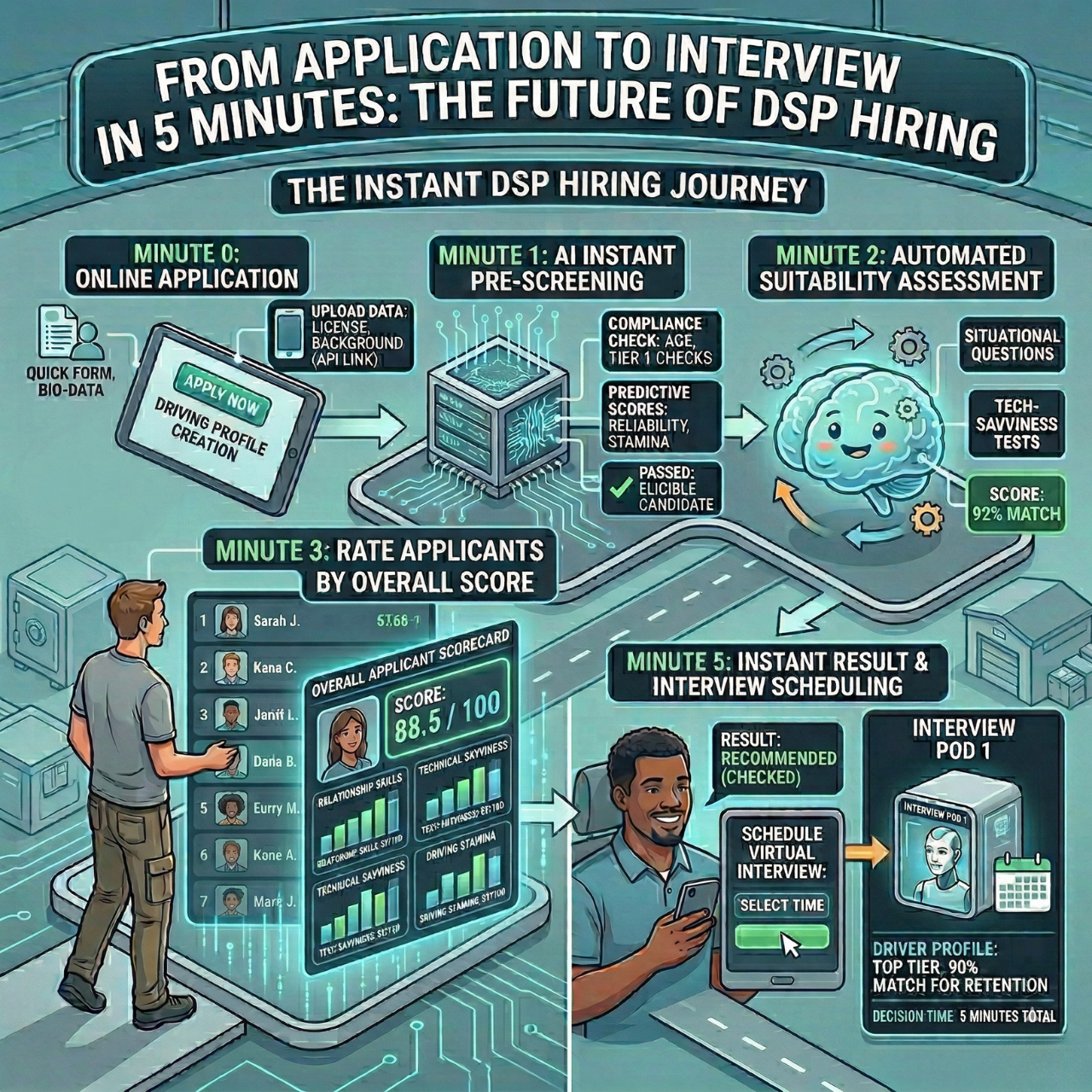
AI recruitment platforms use artificial intelligence to handle parts of recruiting that used to take hours of human labor. They automate pre-screening, scoring, and scheduling, letting you focus on interviewing only the best candidates.
These platforms integrate with your ATS (Applicant Tracking System) to keep everything seamless. Using AI reduces human error and bias, leading to fairer candidate assessments. You get analytics that show where bottlenecks happen and how to hire better and faster.
How AI Transforms Recruitment
AI changes recruitment by speeding up tasks while improving decision quality. Instead of reading hundreds of resumes manually, AI scans and scores candidates automatically, highlighting those who fit your job requirements best.
It also keeps candidates engaged with automated follow-ups via SMS or email, reducing no-shows. You can schedule interviews instantly without back-and-forth emails.
With AI, your hiring process becomes smooth, cutting down time-to-hire by over half in many cases.
Key Technologies Utilized
The main technologies inside AI recruiting platforms include:
- Natural Language Processing (NLP): Understands candidate responses during interviews or chats.
- Predictive Analytics: Forecasts which candidates are most likely to succeed.
- Chatbots and Conversational AI: Handle FAQs and engage with candidates 24/7.
- Automated Scheduling: Books interviews by syncing calendars automatically.
Platforms use these technologies to automate pre-screening interviews and follow-ups. You save time and effort while maintaining a human touch through AI-powered engagement.
Benefits of AI in Talent Acquisition
AI-powered recruitment platforms give you faster hiring, better candidate matches, and fairer decisions. These tools handle many steps automatically, so you spend less time on routine tasks and more on choosing the right fit.
Efficiency and Time Savings
AI automates tasks like screening resumes, scheduling interviews, and sending follow-up messages. This cuts hours from your hiring process, letting you fill jobs faster.
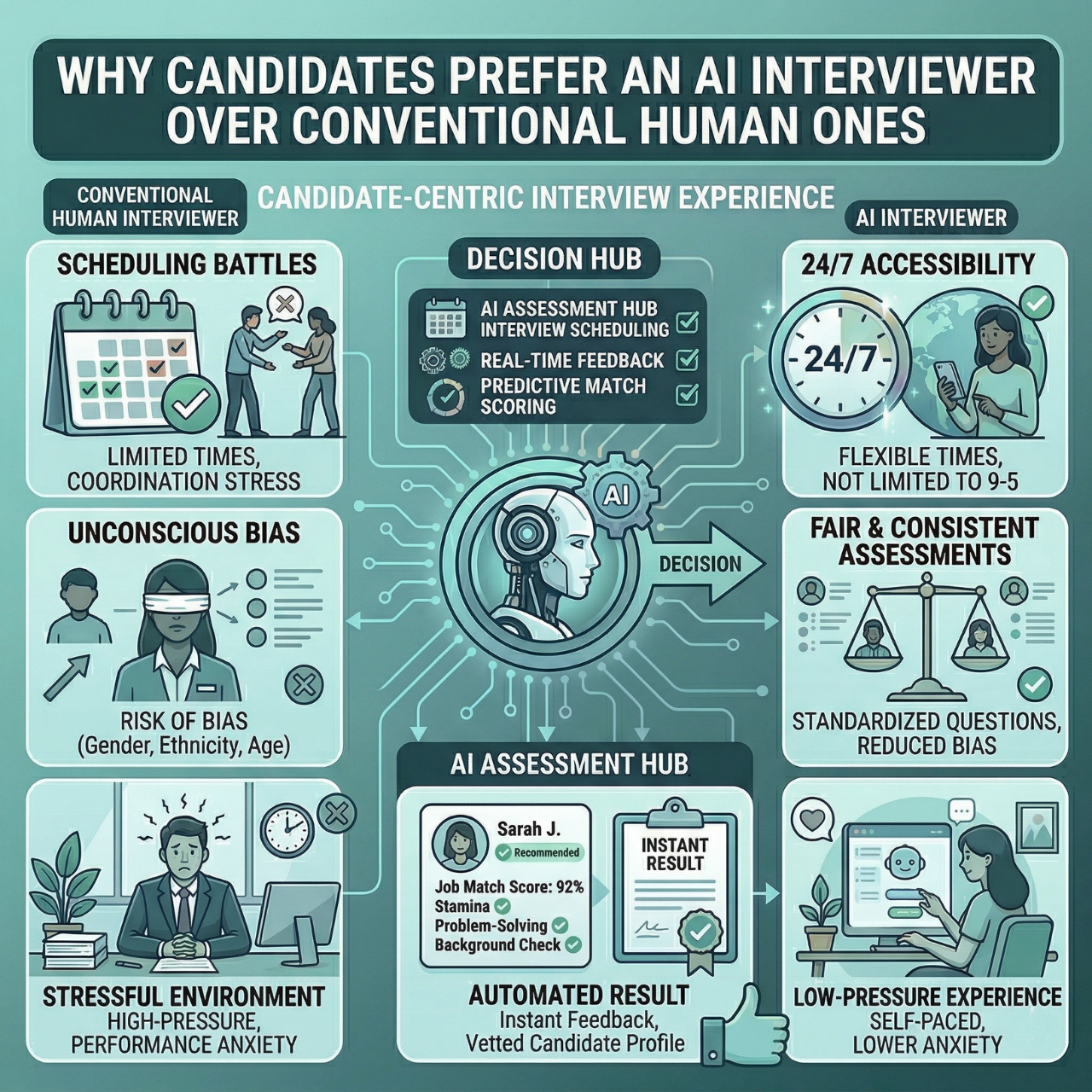
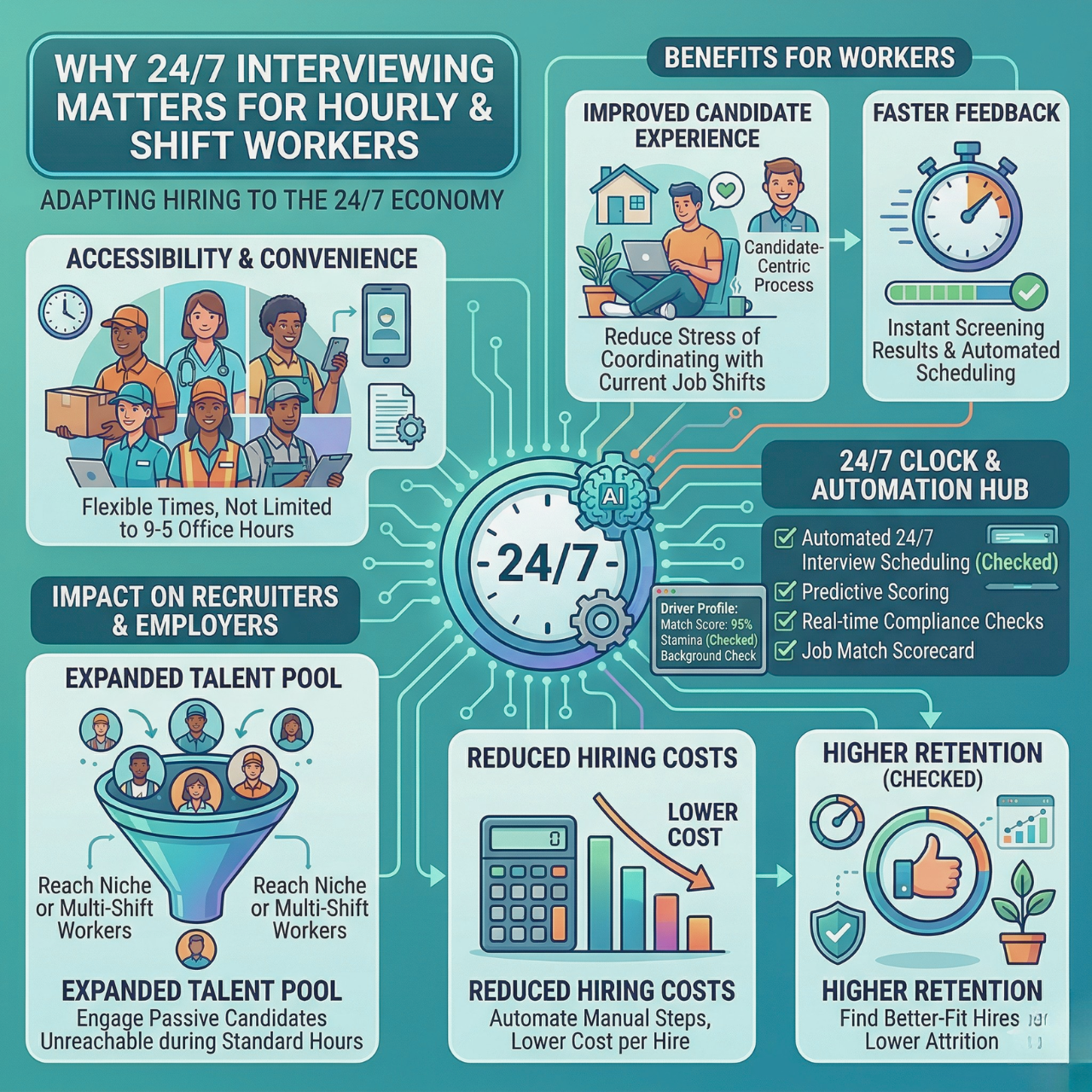
Automated tools work 24/7, so candidates move through the process without delay. You avoid bottlenecks caused by waiting for human input.
This speed also improves candidate experience, reducing no-shows by making interview booking seamless. Using AI in talent acquisition means you can handle many openings without adding stress. Whether you have two roles or dozens, your process scales smoothly.
Improved Candidate Matching
AI platforms score and filter applicants based on skills and experience. This means only the most qualified candidates reach your team, saving time on unfit profiles.
AI uses data to predict who fits well, going beyond keywords to evaluate fit more deeply. This leads to better hires who meet your job requirements sooner.
You get intelligent pre-screening interviews that candidates do on their own time. The platform ranks candidates automatically, so you focus on top talent quickly.
This precise matching keeps your hiring pipeline full of quality applicants, reducing ghosting and dropping rates by engaging interested candidates with timely nudges.
Bias Reduction
AI can help make recruitment fairer by focusing on objective data instead of subjective opinions. Automated scoring removes unconscious bias that often happens in manual resume reviews.
By standardizing how candidates are evaluated, AI platforms ensure everyone gets the same chance based on skills, education, and relevant experience.
This approach supports diversity by preventing favoritism toward certain groups. You get a more balanced pool of applicants, which improves team strength over time.
When you use AI thoughtfully, your hiring decisions become more consistent and transparent. This builds better trust with candidates and your organization.
Key Features of AI-Powered Recruitment Platforms
AI-powered recruitment platforms help you find the best candidates faster while cutting down repetitive work. They use technology to analyze applications, predict candidate success, and keep communication smooth throughout the hiring process.
Automated Resume Screening
Automated resume screening uses AI to quickly review and rank resumes based on your job criteria. This saves you hours compared to manual screening.
The system looks for keywords, skills, and experience that match the role. By filtering out unqualified applicants early, you focus only on top talent.
It reduces human bias by applying consistent checks to every resume. Many platforms score candidates automatically, so you can compare them easily.
This method speeds up the hiring process and helps you avoid overlooking strong candidates hidden in large applicant pools.
Predictive Analytics
Predictive analytics tools analyze data from resumes, assessments, and past hiring outcomes to forecast which candidates are likely to succeed. These platforms use metrics like candidate experience, skill fit, and interview performance to score applicants.
This helps you make smart decisions based on evidence, not guesswork. You can spot potential issues early and reduce costly hiring mistakes.
The data-driven approach also supports diversity by minimizing unconscious bias. With tools powered by Nerva AI, predictive analytics can show you which candidates match your company culture and job needs best, helping you build stronger teams.
Candidate Engagement Tools
Effective candidate engagement keeps applicants interested and informed, reducing dropouts. AI platforms use automated email and SMS messages to remind candidates about tasks like interviews or assessments.
You can set up personalized nudges that prompt timely responses without extra manual work. Some platforms offer chatbots that answer questions and guide candidates through the process 24/7.
Engagement tools also help reduce no-shows by pre-qualifying candidates before scheduling interviews. This means you spend time only on serious applicants.
Using SMS Engagement features, you can keep communication clear and fast, improving candidate experience and speeding up your hiring cycle.
Implementation Strategies for Organizations
To get the most from AI-powered recruitment platforms, you need to carefully connect new tools with your current setup, guide your team through changes, and provide training. These steps ensure smooth adoption and better hiring results.
Integration with Existing Systems
Start by mapping how your current tools work. Look at your ATS, HRIS, and communication channels.
Your AI platform must connect easily to avoid extra work or data silos. Use APIs or built-in connectors to sync candidate data and schedules.
This helps automate tasks like pre-screening and scheduling without manual steps. For example, some platforms integrate with many ATS systems, so you get real-time updates without disruption.
Test integrations in stages to find and fix any problems early. Clear success metrics, such as reduced time-to-hire or fewer no-shows, can track progress.
Change Management
Introducing AI can change how your team works. Prepare your staff by explaining the benefits and how their roles will improve. Address concerns about job security or new workflows openly. Keep communication frequent and transparent.
Use small pilot programs to show quick wins and build trust. Invite feedback and adjust as needed. Create a plan to handle resistance. Involve team leaders and HR early to champion the change. This helps maintain morale and encourages adoption faster.
Staff Training and Onboarding
Effective training focuses on how your team will use the AI platform daily. Offer hands-on sessions that cover key features like automated scheduling and candidate scoring.
Use simple guides and videos to reinforce learning. Provide ongoing support through help desks or internal forums.
Focus on how automation frees up time for recruiters to engage with candidates more deeply. Highlight benefits like fewer no-shows and more screened applicants when using AI tools.
Monitor usage and skill levels regularly. Refresh training as new features arrive or workflows evolve. This keeps your team confident and efficient.
Comparing Leading AI-Powered Recruitment Solutions
Choosing the right AI-powered recruitment platform means looking at what each solution offers in features, costs, and overall value. Some tools focus on speedy candidate screening, while others excel at engagement or bias reduction.
Understanding these differences helps you pick a system that fits your hiring needs and budget.
Notable Platforms Overview
Top AI recruitment platforms often aim to simplify candidate sourcing, screening, and scheduling. Many incorporate automated interviews, intelligent scoring, and multi-channel engagement.
Some use Nerva AI to automate pre-screening and scheduling, reducing bottlenecks and ghosting. Other platforms excel in predictive analytics or bias mitigation, but may vary in user experience and integrations.
You’ll find platforms offering various degrees of automation and reporting. Some specialize in high-volume hiring, while others focus on improving candidate quality through advanced AI scoring.
Picking the right one depends on your company's size and recruitment goals. Honestly, it’s worth testing a few to see which actually feels like a fit for your team’s style and needs.
Feature Comparison
Feature
Benefit
What You Should Expect
AI Pre-Screening
Save time by automating early interviews
Candidates complete interviews anytime, allowing 24/7 hiring
Candidate Scoring
Focus on top talent faster
Automated ranking based on job fit scores
Automated Scheduling
Fewer no-shows, less hassle
Candidates book interviews at their convenience, reducing gaps
Multi-Channel Engagement
Keep candidates engaged
Instant SMS and email nudges to prevent ghosting
ATS & HRIS Integration
Seamless workflow
Works smoothly with your existing HR systems
Real-Time Analytics
Track hiring bottlenecks
Clear dashboards showing time-to-hire and candidate flow
Pricing Models
Most AI recruitment tools offer tiered plans based on company size and features. Common tiers include:
- Launch/Starter: Basic AI screening and scheduling for small teams.
- Growth: Adds advanced scoring, multi-channel engagement, and integrations.
- Pro/Enterprise: Full features plus custom reporting, API access, and dedicated support.
Pricing often depends on the number of users or open jobs. Some vendors offer pay-per-hire options, which can be cost-effective if your hiring fluctuates.
Understanding pricing and included features helps you avoid paying for tools you don’t need while making sure you get automation that actually speeds up hiring and reduces bias. That’s the sweet spot, right?
Challenges and Ethical Considerations
AI-powered recruitment platforms bring a lot to the table, but they’re not without some tricky challenges. You have to handle data carefully, get a grip on how algorithms work, and make sure hiring stays fair.
All these issues—big or small—shape how you use AI tools and keep the process ethical.
Data Privacy Concerns
Your candidates share personal info during recruitment, and AI platforms scoop up and store that data. Protecting privacy isn’t optional anymore; laws like GDPR make it a must.
Limit access to sensitive data. Only the right people should see candidate answers or profiles, and you’ve got to be upfront with candidates about how you’ll use their info.
Encrypting data and running regular audits keeps information safe. Always check your platform’s privacy policies and make sure you’re following local laws. It’s a hassle, but it beats the alternative.
Algorithmic Transparency
AI in hiring scores and ranks candidates based on data it processes, but let’s be honest: sometimes you have no idea how those decisions happen. Some algorithms are just black boxes.
You need to know what factors influence AI decisions. If you can’t explain why the AI favored one candidate, trust and fairness take a hit.
Ask your AI provider for transparency. Some platforms show you how candidate scores are calculated, letting you review and question AI outputs. That’s how you make sure decisions actually line up with your hiring goals.
Fairness in Recruitment
AI can speed up hiring, but it can also repeat human biases if you’re not careful. Historical data used to train AI might reflect old biases against certain groups.
Check for and reduce bias in automated tools. Test algorithms regularly and use diverse data sets, even if it takes extra work.
Balance AI efficiency with human judgment. Use tools for initial screening, but don’t skip involving real people when it’s time to make final hiring choices.
Fair use of AI means every candidate gets a real shot—no unfair exclusions based on race, gender, or age. Your hiring software should help you stick to that.
Future Trends in AI Recruitment Technology
AI recruitment technology is shaking up how you find and hire talent. New tools are faster, a bit smarter, and honestly, they make the whole process less painful.
You’ll see systems that do more than just basic screening—they help you build better teams and actually keep candidates engaged. Sounds good, right?
Emerging Innovations
AI platforms now use predictive analytics to match candidates not just on skills, but also on cultural fit. That helps you cut down on turnover by picking people who’ll actually stick around.
Automation’s going further with 24/7 AI interviews, so candidates can do assessments on their own schedule. No more losing great people because of scheduling headaches.
Look for automated scoring and filtering that bring top talent to the surface. Soon, voice engagement tools will let candidates speak naturally during AI interviews, adding a little human touch to the process.
Evolving Hiring Practices
Your hiring approach is getting more data-driven and inclusive, thanks to AI. Automating pre-screening and candidate communication cuts down on manual work.
AI tools help reduce unconscious bias by focusing on qualifications and behaviors, not just gut feelings. That gives you a more diverse and fairer candidate pool.
With automation, you can schedule and engage candidates through SMS and email nudges, which drops no-shows and keeps the process moving. No one likes ghosting, and this helps keep everyone in the loop.
Long-Term Implications
Over time, AI recruitment helps you scale hiring efforts without piling on extra stress. As your company grows, AI just adapts—handling unlimited roles without needing to bring in more recruiters.
You’ll see real-time insights on dashboards that track bottlenecks and candidate engagement. These reports point out spots where your hiring flow could use a tune-up.
With more automation in the mix, you can focus on building strong teams and tackling strategic work instead of getting bogged down in admin. That means you get to spend your energy where it actually counts: hiring the right people, fast and (hopefully) fair.
Turning AI Hiring Into a Real Advantage
AI-powered recruitment platforms automate the heavy lifting in your funnel. You hire faster, keep candidates engaged, and protect quality. The result is a smoother, more efficient process from first touch to offer.
With HRMLESS, you turn AI screening, scoring, and scheduling into a predictable system instead of a gamble. Your team gains time for real conversations while the platform reduces ghosting and surfaces the right talent sooner.
If you are ready to modernize your hiring, start small but start now. Connect your ATS, launch your first role, and measure the lift. Book a demo to see how AI-powered recruitment platforms can upgrade your next hire.
Frequently Asked Questions
What are AI-powered recruitment platforms?
AI-powered recruitment platforms are tools that use artificial intelligence to automate parts of hiring, such as screening, scoring, and scheduling candidates. They help you move qualified applicants forward faster, while reducing manual work and human error.
How do AI-powered recruitment platforms improve hiring speed?
These platforms scan resumes, run pre-screening interviews, and schedule meetings automatically, often in real time. Candidates can move through key steps outside business hours, so roles are filled faster without constant back-and-forth from your team.
Can AI-powered recruitment platforms reduce bias in hiring?
AI-powered recruitment platforms can help reduce bias by applying consistent criteria to every candidate. When configured well and monitored regularly, they focus on skills, experience, and job-related data, rather than subjective impressions.
Do AI-powered recruitment platforms work with my existing ATS?
Most AI-powered recruitment platforms integrate with popular Applicant Tracking Systems (ATS). They sync candidate data, interview stages, and notes, so your team can keep using familiar tools while adding automation on top of your current workflow.
Are AI-powered recruitment platforms only for large companies?
No. AI-powered recruitment platforms now offer plans for small teams, mid-sized companies, and enterprises. Smaller teams benefit from automation that replaces manual screening, while larger organizations rely on these tools to handle high-volume hiring at scale.
Featured

Subscribe to ournewsletter
Related posts
Explore the world of photography with our curated selection of
portfolio websites that showcase creativity and innovation.