

AI Recruitment in Healthcare: Faster, Safer Hospital Hiring
AI recruitment in healthcare: faster hiring with automated screening, scheduling, and updates. + Better candidate experience.

Healthcare hiring teams are under constant pressure. Staffing shortages, long time-to-hire, and candidate ghosting make it harder to keep critical roles filled. AI recruitment in healthcare has emerged as a practical way to move faster without sacrificing quality or compliance.
By automating screening, interview scheduling, and early candidate engagement, platforms like HRMLESS help healthcare organizations reduce manual work and respond to applicants sooner. The result is shorter hiring cycles, less recruiter burnout, and stronger candidate follow-through.
This guide breaks down how AI recruitment in healthcare works, where it delivers the most value, and what to watch out for. You’ll learn how hospitals and healthcare systems use AI to hire smarter while staying fair, secure, and human-first.
The Role of AI in Healthcare Recruitment
AI takes on the boring stuff like resume screening and interview scheduling, and helps healthcare organizations find qualified people faster. It can also help reduce hiring bias.
Key Applications in Talent Acquisition
AI tools match candidates to healthcare jobs by comparing skills, experience, and qualifications to what the job actually needs. These systems can scan thousands of applications in minutes, picking out the best fits based on things like certifications, specialties, and years in the field.
Recruiters use AI-powered platforms to hunt for passive candidates who aren’t even job hunting. The tech combs through professional networks, databases, and online profiles to find nurses, doctors, and specialists with rare skills or credentials.
Predictive analytics help you guess which candidates will accept offers and stick around. AI spots patterns in candidate data such as career moves and job preferences, and predicts retention rates. This helps you focus on applicants who are most likely to succeed and saves money on turnover.
Improving Candidate Screening
AI screens resumes by picking out relevant keywords, certifications, and experience without the usual human bias. It checks each application against set criteria like required licenses, education, and clinical experience.
Video interview analysis tools look at candidate responses, communication skills, and job-related abilities. They analyze speech patterns and responses to standardized questions, giving you objective evaluations.
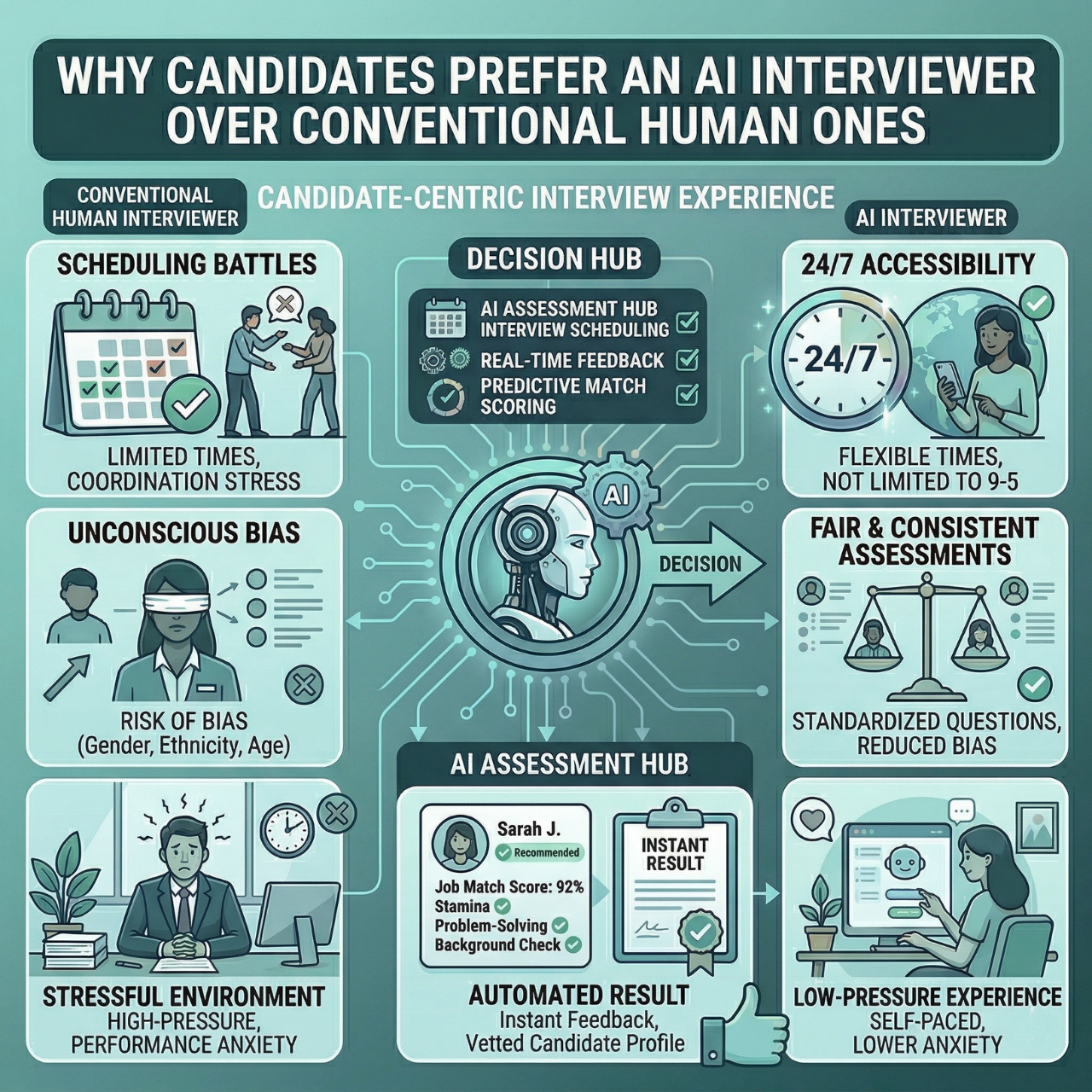
You can reduce unconscious bias by removing identifying details in the first round. AI focuses on skills and qualifications, not age, gender, or background, stuff that can sway human reviewers.
Automating Administrative Tasks
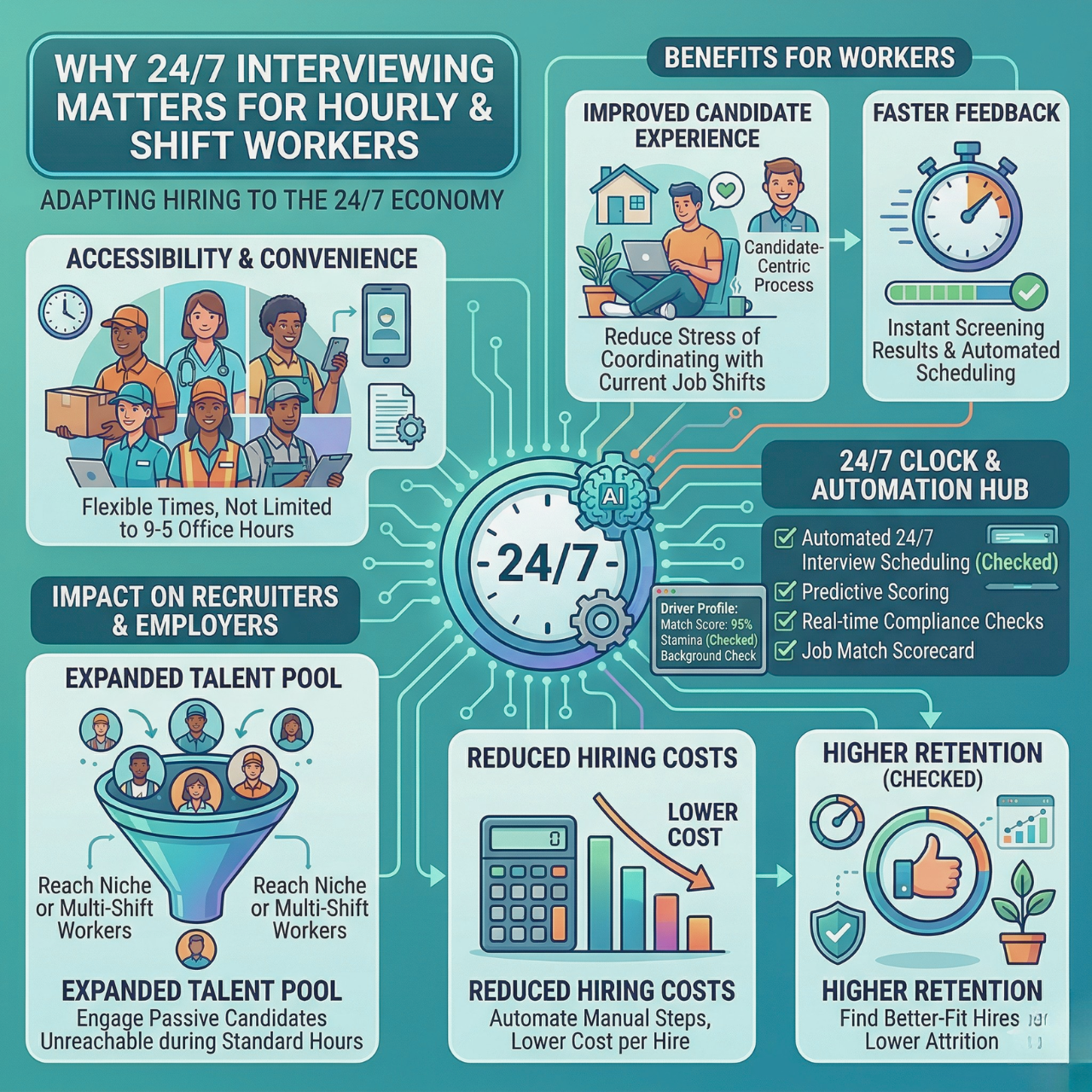
AI chatbots answer candidate questions about jobs, application status, and company info 24/7. These bots handle basic questions instantly, freeing up your recruitment team to focus on more complex conversations.
Automated scheduling tools set up interviews between candidates and healthcare staff. They check calendars, send invites, and handle rescheduling with no need for endless email chains.
AI pulls key info from recruiter-candidate phone calls and creates tidy summaries. This means less manual note-taking and ensures you don’t miss important details like salary expectations or availability.
Benefits of AI Recruitment in Healthcare
AI recruitment tools speed up hiring, cut out human bias, and make applying less painful for candidates. These improvements help healthcare organizations fill urgent positions faster and build more diverse teams.
Enhancing Hiring Efficiency
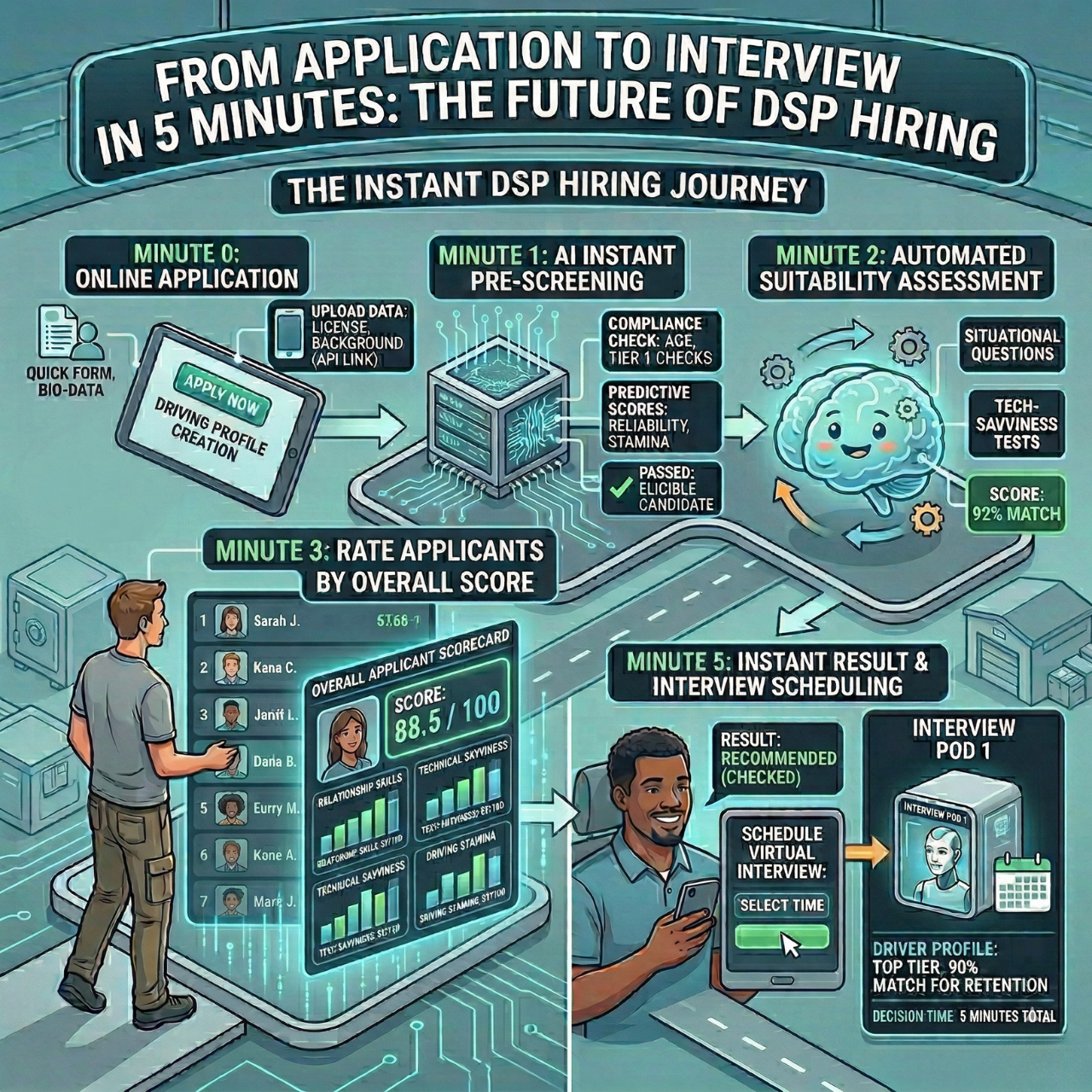
AI automates the slow, repetitive stuff in recruiting. It can screen resumes in seconds, flagging candidates who match your needs. You get to review qualified applicants right away instead of waiting weeks for manual sorting.
When AI takes care of repetitive tasks, your team can finally focus on more strategic work. The system analyzes video interviews, schedules communications, and tracks applicants through every stage. In healthcare, where staffing shortages are a constant headache, this speed really matters.
AI-powered matching connects your open roles with qualified candidates faster than old-school methods ever could. The tech searches across multiple databases at once and ranks applicants based on skills and experience. You cut your time-to-hire by 40-60% compared to doing it all by hand.
Reducing Bias in the Recruitment Process
AI evaluates candidates using hard data, not gut feelings. It looks at skills, qualifications, and experience, ignoring age, gender, ethnicity, and other personal details. This makes hiring decisions fairer.
The system reviews every application with the same standards. Each candidate gets an equal shot based on their credentials and abilities. You end up with more diverse healthcare teams when bias doesn’t sneak into your screening.
AI can spot patterns in your hiring data that reveal hidden bias. If it shows certain groups getting left out, you can tweak your criteria. The system even flags biased language in job descriptions before you post them, helping you attract a wider range of applicants.
Improving Candidate Experience
Candidates get faster updates on their application status thanks to AI-powered communication. The system sends automatic notifications at every stage. Applicants appreciate knowing where they stand, instead of waiting in limbo for weeks.
Recruitment chatbots answer candidate questions around the clock. Job seekers can get info about positions, requirements, and next steps right away, no more waiting for someone to check their inbox.
AI personalizes communication based on each candidate’s background and interests. It tailors job recommendations to their skills and career goals. Even if you don’t hire someone, you leave them with a good impression, which matters in today’s competitive healthcare market.
Challenges and Limitations
AI recruitment tools in healthcare face some real obstacles: keeping sensitive information safe, working with clunky hospital systems, and making sure candidate evaluation is fair.
Data Privacy and Compliance
Healthcare organizations deal with some of the most sensitive personal info out there. When you add AI recruitment tools into the mix, you create another spot where private data could leak or get misused.
You’ve got to follow strict rules like HIPAA in the US. These laws cover not just patient data but employee and candidate info too. Your AI systems need to encrypt data both in storage and while it’s moving.
Key compliance requirements:
- Secure storage for candidate credentials and certifications
- Proper handling of employee health records
- Audit trails that show who accessed what data and when
- Vendor agreements that actually meet healthcare security standards
A lot of AI recruitment platforms use cloud servers. You’ll want to double-check that any third-party vendors meet all those security requirements before rolling out their tools.
Integration with Existing Systems
Most healthcare facilities use a patchwork of software systems that barely talk to each other. Your applicant tracking system might not connect to your credentialing database or payroll software.
AI recruitment tools need access to employee records, scheduling systems, and licensing databases to work well. Adding a new system often means more manual data entry between platforms, wasting time and opening the door to mistakes.
Your IT team faces a real challenge in making new AI tools work with legacy systems that might be decades old. Some hospitals still run on outdated software that can’t handle modern integration. Upgrading everything just to use AI recruitment tools? That could be a budget-buster.
Addressing Bias in AI Algorithms
AI learns from your past hiring data. If your organization historically hired certain types of people more often, the AI will probably favor similar candidates. That’s a big problem if your past hiring reflected unconscious bias.
You might notice AI tools favoring applicants from specific schools or with certain names. Algorithms can even discriminate based on zip codes or gaps in employment, things that don’t actually predict job performance.
Common sources of AI bias:
- Training data from non-diverse hiring pools
- Keyword matching that leans toward certain demographic groups
- Scoring systems that penalize career breaks, like those for caregiving
You’ve got to regularly audit your AI recruitment tools for bias. That means checking how the system evaluates candidates from different backgrounds and tweaking the algorithms when you spot problems.
Implementation Strategies for Healthcare Organizations
Healthcare organizations need a solid plan to bring in AI recruitment tools successfully. You’ll want to carefully evaluate your current systems, pick the right tools, and get your team ready for the change.
Assessing Organizational Needs
Start by digging into your current recruitment headaches. Look at time-to-hire metrics, candidate quality, and where your HR team is losing the most time. Document specific pain points like high application volumes or endless scheduling hassles.
Review your existing technology setup to figure out what will play nicely with new tools. Check if your applicant tracking system can integrate with AI tools or if you’ll need something new. Consider your organization’s size and hiring volume so you don’t over- or under-buy.
Know your budget and what kind of return you expect. Factor in software licenses, setup, and ongoing maintenance. Set measurable goals; maybe you want to cut screening time in half or boost candidate response rates by a third.
Ask your HR team and hiring managers about their daily grind. Their feedback will show you which tasks eat up too much time and where automation could really help.
Selecting the Right AI Tools
Pick AI recruitment platforms based on what you actually need, not just the flashiest features. Focus on tools that solve your real problems, be it resume screening, interview scheduling, or better candidate communication.
Try out a few vendors with pilot programs before locking anything in. Ask for demos using your real job descriptions and candidate data. Pay attention to accuracy, how easy it is to use, and whether it plays well with your existing systems.
Key things to look for:
- HIPAA compliance and solid data security
- Integration with your current HR software
- Customization for healthcare-specific roles
- Good vendor support and training
- Room to scale as you grow
Make sure AI tools can handle healthcare must-haves like credential verification and license tracking. Ask for references from other healthcare organizations using the same platform.
Training HR Teams on AI Solutions
Roll out training in phases, start with the basics, then move to more advanced features. Set up hands-on sessions where team members process real applications with supervision.
Write clear documentation for everyday tasks and common issues. Include step-by-step guides with screenshots. Appoint internal champions who can help colleagues and answer questions.
Some folks will worry about job security or AI replacing their judgment. Address that head-on. Explain that these tools take care of repetitive tasks so your team can focus on building relationships and making strategic decisions. Share real examples of how AI helps, not hurts.
Keep training going as tools update and new features come out. Check in monthly for feedback on what’s working and what’s not.
Future Trends in AI Recruitment for Healthcare
Healthcare hiring is about to get a lot more interesting as AI tech keeps evolving. Natural language processing will make screening easier, predictive analytics will help forecast staffing needs, and personalized recruitment will change how you connect with candidates.
Advancements in Natural Language Processing
Natural language processing (NLP) lets AI systems understand and analyze human language in resumes, applications, and interviews. These systems can read through thousands of documents in minutes, picking out the most qualified candidates based on real skills and experience.
You can use NLP-powered tools to analyze interview recordings automatically. The tech pulls out key info from recruiter-candidate conversations and creates quick, easy-to-read summaries with no more frantic note-taking.
NLP also upgrades your chatbot game. These bots answer questions about job openings, benefits, and application status 24/7, giving every applicant consistent info.
The technology helps cut unconscious bias by focusing on skills and experience, not demographic details. It evaluates candidates based on what they can actually do.
Predictive Analytics for Talent Management
Predictive analytics uses past data and trends to forecast your future staffing needs. Word is, 61% of healthcare organizations plan to ramp up AI recruiting by 2026.
These tools look at things like:
- Seasonal changes in patient volume
- Employee turnover
- Retirement trends
- Department growth
You can spot which candidates are most likely to accept offers and stick around. The systems analyze past hiring data to find patterns that predict candidate success and retention.
Predictive analytics also helps you prioritize which jobs to fill first, so you can focus your recruiting resources where they’ll make the biggest difference for patient care.
Smarter, More Personal Recruitment: AI’s Impact on Healthcare Hiring
AI personalization lets recruiters tailor the experience to each candidate’s unique preferences and background. Your platform can suggest jobs that actually fit a candidate’s skills, where they live, and what they want from their career.
Automated systems send personalized messages to candidates at just the right moment in their job search. These systems tweak how often they reach out and what they say, depending on how each person interacts with your organization.
You can build out career paths that show candidates how they might grow inside your healthcare system. The AI lines up their experience with possible future roles, which feels more inviting than just a list of open jobs.
Personalization covers interview scheduling, too. AI learns when candidates like to meet and whether they prefer in-person or virtual interviews. It can coordinate schedules between several interviewers and applicants with no endless email chains needed.
Hiring Faster Without Burning Out Your Team
Healthcare hiring is under real strain. Open roles stay vacant too long, recruiters are overloaded, and candidates drop off when the process drags. AI recruitment in healthcare helps relieve that pressure by automating screening, scheduling, and follow-ups, so teams can move faster without cutting corners.
When used responsibly, AI supports better decisions and smoother workflows. HRMLESS helps healthcare organizations reduce manual workload, improve response times, and keep candidates engaged, all while maintaining fairness, security, and compliance.
If hiring delays are impacting patient care or team morale, it’s time to rethink your process. Book a demo and see how AI recruitment in healthcare can help you hire faster and with less friction.
Frequently Asked Questions
How does AI recruitment in healthcare help hospitals hire faster?
AI recruitment in healthcare automates time-consuming steps like resume screening, interview scheduling, and candidate follow-ups. This shortens time-to-hire and helps teams fill critical roles faster, even during staffing shortages.
Can AI recruitment tools handle healthcare-specific requirements?
Yes. Many AI recruitment platforms are built to account for licenses, certifications, clinical experience, and role-specific qualifications. This ensures candidates meet healthcare compliance and credentialing standards before moving forward.
Does AI recruitment in healthcare reduce recruiter workload?
AI takes over repetitive administrative tasks, which reduces manual effort and recruiter burnout. This allows hiring teams to focus more on candidate relationships, interviews, and final hiring decisions.
Is AI recruitment in healthcare compliant with privacy regulations?
AI recruitment tools can support compliance with regulations like HIPAA when implemented correctly. Secure data storage, encryption, audit trails, and vetted vendors are essential for protecting candidate information.
Can AI recruitment in healthcare help reduce bias?
AI helps reduce bias by focusing on skills, qualifications, and experience instead of personal identifiers. Regular audits and careful configuration are still necessary to ensure fair and consistent evaluations.
How does AI improve the candidate experience in healthcare hiring?
Candidates receive faster responses, clear status updates, and personalized communication. This transparency keeps applicants engaged and reduces drop-off during long hiring processes.
Will AI replace human recruiters in healthcare?
No. AI is designed to support recruiters, not replace them. It handles repetitive tasks so hiring teams can spend more time on judgment, relationship-building, and strategic hiring decisions.
How difficult is it to integrate AI recruitment tools with existing systems?
Most AI recruitment platforms integrate with applicant tracking systems through APIs. Some healthcare organizations may need IT support to connect older systems and ensure smooth data flow.
Featured

Subscribe to ournewsletter
Related posts
Explore the world of photography with our curated selection of
portfolio websites that showcase creativity and innovation.