

AI Recruitment Trends 2025: How Hiring Is Changing

Hiring stalls when you’re stuck in resumes, no-shows, and slow approvals. AI recruitment trends 2025 are driven by teams tired of manual screening and clunky scheduling. The real pain is moving the right people forward fast enough.
HRMLESS helps replace repetitive work with automated pre-screening, scoring, and follow-ups. You get real-time shortlists, fewer drop-offs, and a smoother path from application to offer—less chasing, more actual hiring.
This guide breaks down how AI recruitment is reshaping sourcing, screening, candidate experience, bias reduction, and compliance. You’ll see where AI fits, where humans still matter, and how to fix the slowest parts of your process.
AI Recruitment Trends 2025: The Big Picture
AI recruitment in 2025 zeroes in on faster hiring, smarter matching, and less bias. Automation now covers a lot of the grunt work, making things smoother for recruiters and candidates alike.
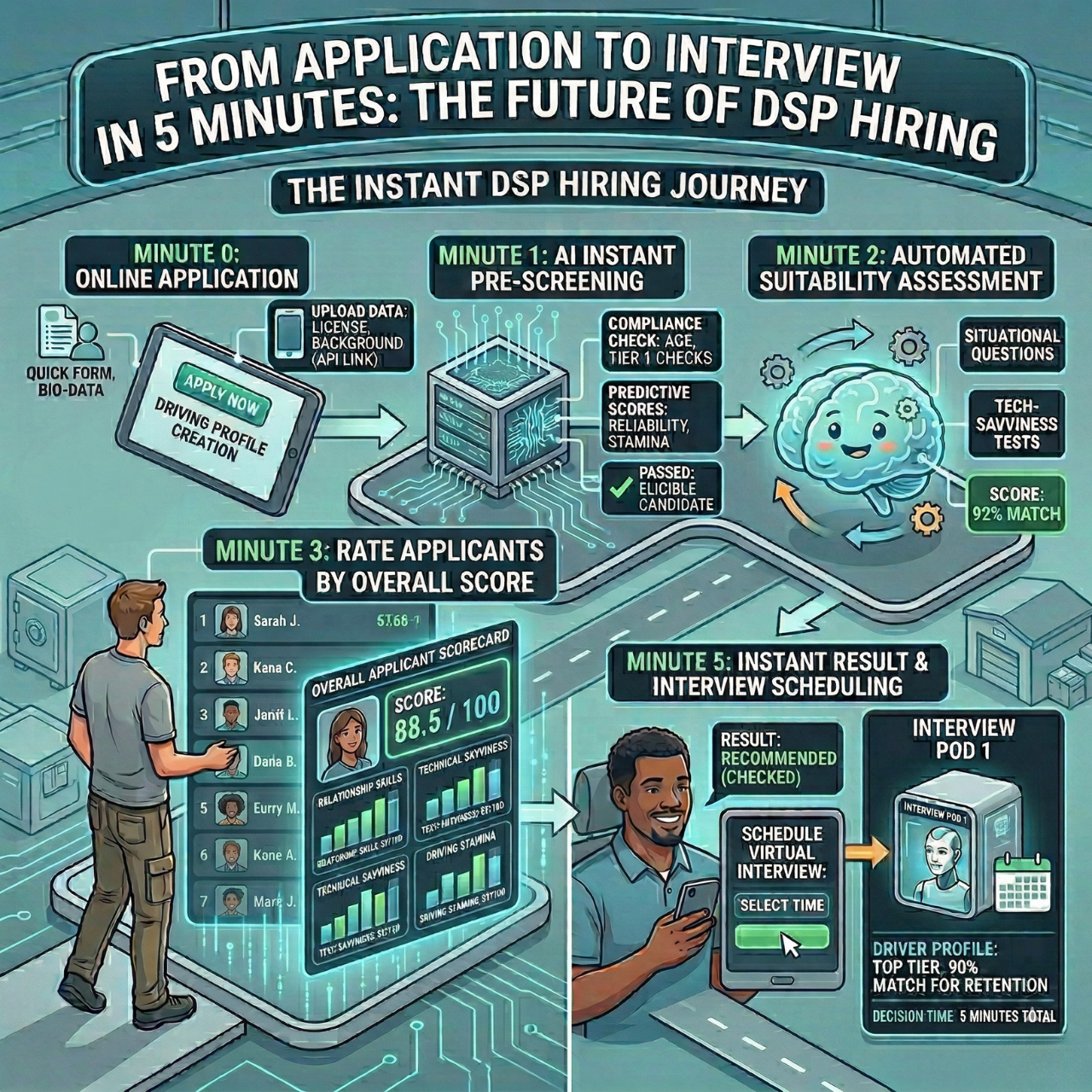
Expect tools that pre-screen, score, and schedule interviews with minimal human input. That’s where things are headed, like it or not.
Defining AI Recruitment in 2025
AI recruitment means using software to automate the big hiring steps: screening resumes, running interviews, and scheduling meetings. It’s not just about keyword searches anymore. Modern AI actually evaluates candidate skills and predicts job fit using data.
What’s included?
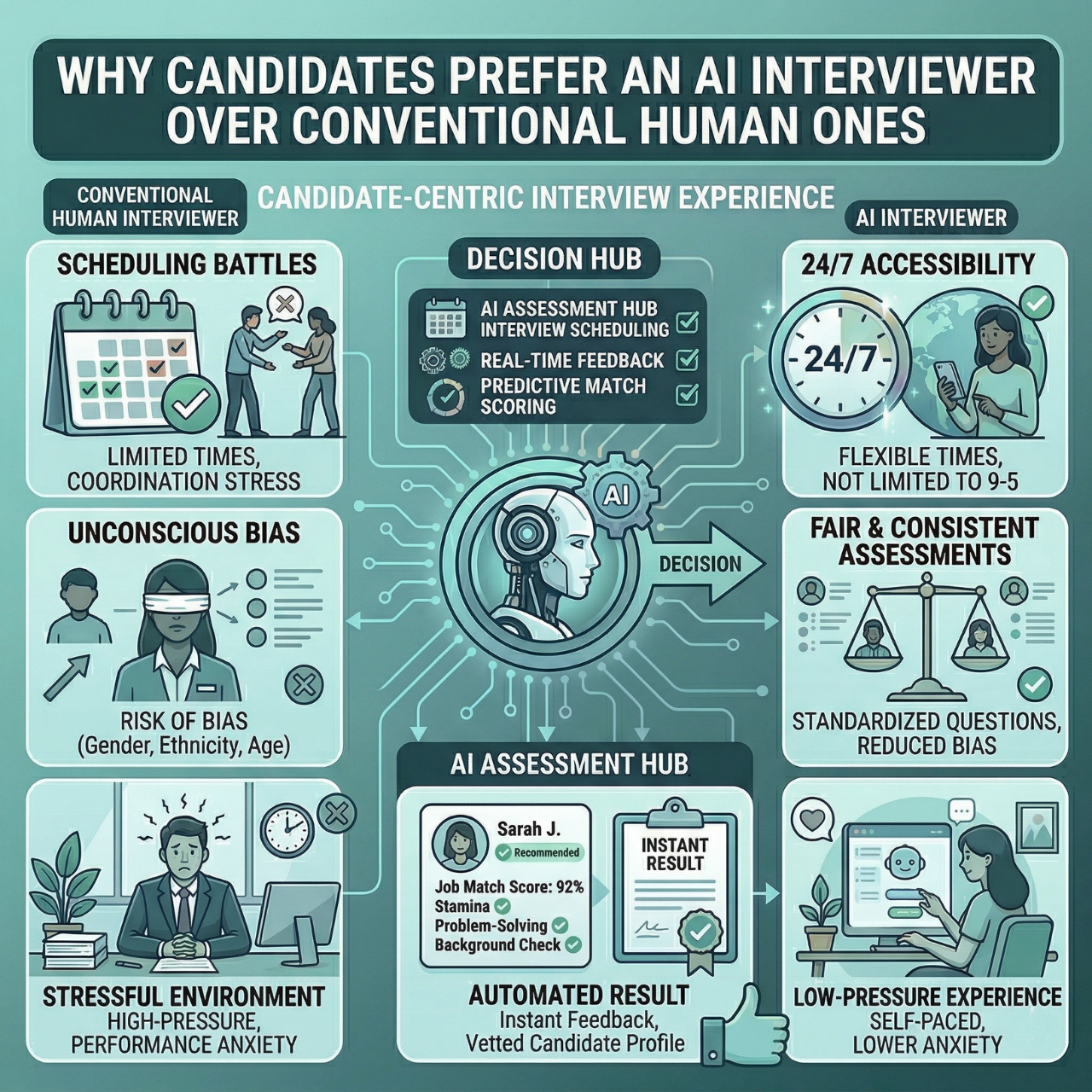
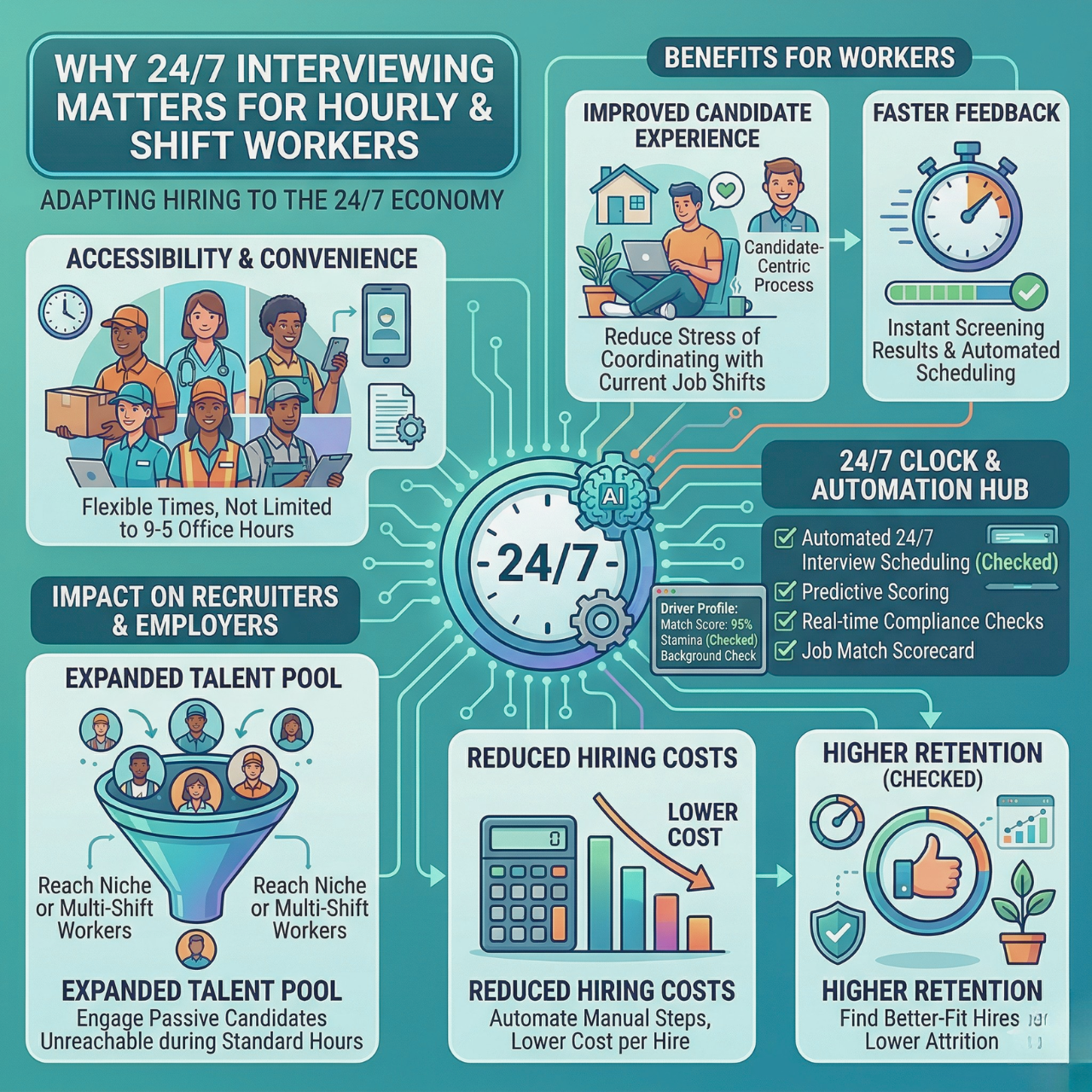
- AI pre-screening so candidates can do interviews whenever they want
- Automated scoring to spot top talent fast
- Candidate engagement with SMS and email nudges that cut drop-off rates
With 24/7 AI-driven interviews and easy ATS integration, things move faster and fairer. It’s a big change from the old ways.
Key Drivers of Change
What’s really pushing AI recruitment in 2025?
- Speed: AI slashes time-to-hire by over 60%. No more waiting around for weeks just to move forward.
- Efficiency: Automation takes boring stuff like scheduling and follow-ups off your plate. You can scale up hiring without drowning in admin.
- Candidate Experience: AI keeps candidates updated and gives them fair assessments, so ghosting drops by half.
- Bias Reduction: AI tools focus on skills and qualifications, not age or gender, so outcomes are fairer.
All of this is reshaping hiring into something actually modern and more inclusive.
Market Growth and Industry Impact
The AI recruitment market is exploding. Companies adopting these solutions see real results:
Benefit
Impact
Time saved per hire
2.7 hours
Reduction in no-shows
50%
Increased qualified candidates
3 times more screened
Faster scaling of hiring
From 2 roles to unlimited
AI recruitment tools are now must-haves for any business that wants to compete for talent and keep things fair. You get to automate the boring parts and let your team focus on what matters.
Emerging AI Technologies Transforming Recruitment
New AI tools are shaking up how you find and hire people, speeding everything up and helping you make smarter choices. These technologies help you screen, source, and communicate with candidates more effectively.
They also cut human bias and make the candidate experience better. It’s not just hype—it’s actually changing things.
Natural Language Processing Advances
Natural Language Processing (NLP) lets your AI hiring software “read” and understand human language. Now, job descriptions, resumes, and candidate responses get analyzed in seconds, not hours.
NLP helps spot relevant skills and matches candidates to roles based on real experience, not just keywords. You can use NLP-powered chatbots or conversational AI to chat with candidates 24/7.
This keeps people in the loop and reduces ghosting. For example, some platforms use NLP to run automated, natural interviews that feel surprisingly human and can happen whenever candidates are free. It’s a big time-saver.
AI-Driven Talent Sourcing
AI-driven sourcing tools scan massive databases and online profiles to pull out the best matches for your open jobs. Algorithms filter out unqualified folks, so you don’t waste time sifting through the wrong resumes.
With this approach, you get a steady stream of pre-qualified candidates. AI can even spot rare skills and diverse candidates, helping you build a more inclusive team.
The sourcing process isn’t just about keywords anymore; it’s about understanding potential and fit. That’s a big leap forward.
Machine Learning in Candidate Screening
Machine learning studies your past hiring data to improve how candidates get scored and ranked. Your AI learns from what’s worked, like which hires stick around or succeed.
This lets the system flag candidates who are more likely to perform, so you avoid costly bad hires. Automated pre-screening interviews using machine learning can quickly rate candidates on what matters most.
You get to focus on the best talent, not just whoever applied first. Scheduling automation makes things even easier and faster.
Personalization and Candidate Experience
If you want candidates to actually enjoy the process, personalization is key. AI tools let you engage people more naturally and provide fast, tailored responses.
This means better communication, fewer delays, and a faster path to the right hire. It’s the little things that add up.
AI-Powered Candidate Engagement
AI-driven platforms personalize interactions using candidate data like skills and history. Every message feels a bit more relevant and timely—no more generic updates.
You can automate reminders and updates over email or SMS, keeping candidates in the loop without extra hassle. Auto-screening and scoring tools move the most qualified folks forward automatically.
This cuts down on manual review and reduces no-shows by inviting only engaged candidates to interviews. Personalized engagement makes people happier and saves you time by automating follow-ups and feedback.
Intelligent Chatbots and Virtual Assistants
Chatbots answer candidate questions and schedule interviews instantly—no waiting for a recruiter to reply. They’re available 24/7, so candidates can interact whenever it works for them.
Virtual assistants walk candidates through each application step and give instant updates on their status. That reduces confusion and shows you actually respect their time.
By plugging chatbots into your ATS, you get seamless communication and fewer admin headaches. These assistants also help keep things fair by giving everyone the same treatment, which makes your hiring process more inclusive.
Bias Reduction and Ethical AI Practices
Reducing bias in AI recruitment is all about building fair systems that treat everyone equally. You need clear rules for decision-making to avoid unfair preferences.
These steps help your hiring stay ethical and compliant with the latest regulations. It’s not just about tech—it’s about people, too.
Addressing Algorithmic Bias
Algorithmic bias creeps in when AI systems use data that favors certain groups. That can lead to unfair hiring based on gender, race, or age. To tackle this, you need to review and update your data regularly. Use diverse training data and strip out biased terms before feeding it into your AI tools.
Testing helps you spot bias early and fix it fast. Some platforms design their algorithms to focus only on skills and experience, limiting bias as much as possible.
Adding human oversight means AI decisions don’t go unchecked. Transparency—like showing why a candidate scored a certain way—helps cut hidden bias and builds trust.
Fairness in AI Decision-Making
Fair AI decision-making means every applicant gets a real shot. You need to make sure your AI follows consistent, explainable rules.
When your system shows why it picked certain candidates, it’s easier to catch issues. Set clear guidelines so the AI’s decision flow is transparent and can be audited if needed.
Use fairness metrics, like comparing selection rates across groups, to spot any imbalances. This helps you scale up hiring while staying fair and compliant.
Meeting candidate expectations for transparency also helps you build a stronger employer brand. Plus, you get to hire faster and with less bias. Not a bad trade-off.
Data Privacy and Compliance in AI Recruitment
Protecting candidate data and following privacy laws are non-negotiable when you use AI in hiring. You’ve got to know the rules and use solid security methods to keep info safe.
Transparency and fairness aren’t just buzzwords; they actually help you build trust with candidates and dodge legal trouble.
Evolving Regulations Affecting AI
AI recruitment faces stricter laws in 2025, especially around data privacy, user rights, and fairness. For example, many regulations require you to explain how you collect and use candidate data.
You also have to comply with GDPR or local privacy standards, depending on where you operate. Not following these rules can mean big fines and a damaged reputation.
Staying on top of changes in labor and AI-specific regulations is crucial. Some platforms can help automate compliance by baking required checks into your hiring flow.
Best Practices for Data Security
To keep candidate info safe, use recruitment tools built for data security. Regularly audit your AI systems and patch any vulnerabilities you find. Limit who can access sensitive data. Be upfront with candidates about how their data gets stored and used.
Use data encryption and secure cloud storage. Keep your datasets diverse and unbiased, so your AI doesn’t make discriminatory decisions.
All of this helps boost candidate confidence and keeps your recruitment process ethical and compliant. That way, you can focus on hiring great people—without the stress.
AI Integration With Traditional Hiring Processes
Integrating AI into hiring means weaving new tech into the old, people-powered steps. This mix speeds things up and keeps human insight in the spots that matter most.
It sharpens how you screen, score, and reach out to candidates. Personal judgment still calls the shots on the biggest decisions.
Collaborative Hiring Workflows
AI picks up the boring stuff—resume screening, scheduling interviews, all that. It reviews every application quickly and fairly. Your team can finally focus on real interviews and making those tough final calls.
Key benefits include:
- Automated candidate scoring so you see top applicants right away
- Scheduling tools that actually cut down on no-shows by inviting folks who are really interested
- Real-time dashboards that help you spot where things get stuck
With AI interviews available 24/7, candidates can hop in whenever it works for them. Hiring keeps moving—no more waiting around for schedules to line up. Your team stays in the driver’s seat, but AI clears the road. You’ll notice the workflow feels smoother and less biased.
Blending AI and Human Judgment
AI throws you the data and suggestions, but you still get to decide who moves forward. It flags top folks based on skills and fit, but humans catch the stuff AI can’t—like attitude or team chemistry.
This mix means you’re not just trusting AI to get it right. It also keeps things fair by letting AI handle the first pass, and humans step in when it counts.
Here’s how you can balance both:
- Lean on AI for that first round of screening and filtering
- Let people run the final interviews and give real, personal feedback
- Keep an eye on what AI spits out so you catch any weirdness or unfairness early
When you blend AI’s speed with your own expertise, you get faster, better hires. Platforms that sync automated tasks with your ATS and chat tools make this mix pretty seamless.
Future Challenges and Opportunities for AI Recruitment
AI recruitment is changing at a wild pace. You’ll hit new bumps but also find smarter ways to work—if you balance tech with fairness and keep up with the market.
Talent Acquisition in a Rapidly Changing Market
The job market moves fast, and your AI tools have to keep up. AI helps you find talent quicker with smarter sourcing and sharper matching. But when things shift, your systems need to adapt to new skills and roles. You’ve got to handle swings in demand and fierce competition for good people.
Automated tools can cut down on ghosting and speed up hiring, so you fill roles before someone else does. Staying ahead means your AI needs to learn what skills are hot right now.
Ethics matter too. You want tools that fight bias and help you hire a diverse crew, even as your outreach scales up.
Continuous Learning for Recruitment AI
Your AI hiring software should always be learning from fresh data. That’s how it gets better at scoring candidates and making real decisions.
Regular updates mean you meet more qualified people and waste less time. For example, AI pre-screening interviews can adapt to candidates' answers and market changes, saving you hours.
Continuous learning also means you can spot bias before it gets ugly. Fairness sticks around, and things don’t slow down. AI has to learn from what actually happens if you want better hires. Keep updating those models so you don’t get stuck with bad or outdated decisions.
The result? Faster, fairer hiring at scale.
Putting AI Recruitment Trends 2025 to Work
AI recruitment trends 2025 all point in the same direction: automate the repetitive steps, hire faster, and improve candidate quality. The result is quicker decisions, fewer drop-offs, and a fairer experience.
With HRMLESS, you can plug automation into your existing hiring flow so pre-screening, scheduling, and follow-ups happen on time, every time. Recruiters get cleaner shortlists, stronger signals on who to prioritize, and more room to focus on interviews that actually matter. That’s how you scale hiring without burning out your team.
If you’re ready to put these AI recruitment trends 2025 into practice, now’s the time to act. Book a demo to see this workflow live.
Frequently Asked Questions
What are the main AI recruitment trends in 2025?
The biggest AI recruitment trends 2025 include automated pre-screening, AI-driven candidate scoring, 24/7 virtual interviews, and smarter scheduling tools. These help teams move qualified candidates forward faster while reducing manual admin and ghosting.
How does AI improve candidate experience?
AI tools send timely updates, reminders, and feedback so candidates are not left in the dark. Chatbots answer questions, schedule interviews, and guide people through each step, which makes the process feel clearer, faster, and more respectful of candidate time.
Can AI really reduce bias in hiring?
AI can help reduce bias by focusing on skills, experience, and job-related data instead of personal traits. When models are trained and monitored carefully, they support fairer shortlisting and more consistent decisions, but human oversight is still essential.
Is AI recruitment only useful for high-volume hiring?
No. While AI is powerful for high-volume hiring, it also helps smaller teams by removing repetitive tasks like screening and scheduling. Even if you hire for a few roles at a time, automation frees recruiters to spend more time with the right candidates.
How should companies prepare for AI recruitment trends in 2025?
Start by mapping your current hiring process and spotting slow, manual steps. Then add AI tools where they can make the biggest difference, such as pre-screening, scheduling, or candidate engagement, and review results regularly to stay compliant and fair.
Featured

Subscribe to ournewsletter
Related posts
Explore the world of photography with our curated selection of
portfolio websites that showcase creativity and innovation.