

AI Solutions for Hiring That Speed Up Recruiting

Hiring is slow, manual, and expensive. Recruiters juggle resume reviews, interview scheduling, and follow-ups while top candidates drop off. AI solutions for hiring help teams move faster without sacrificing quality.
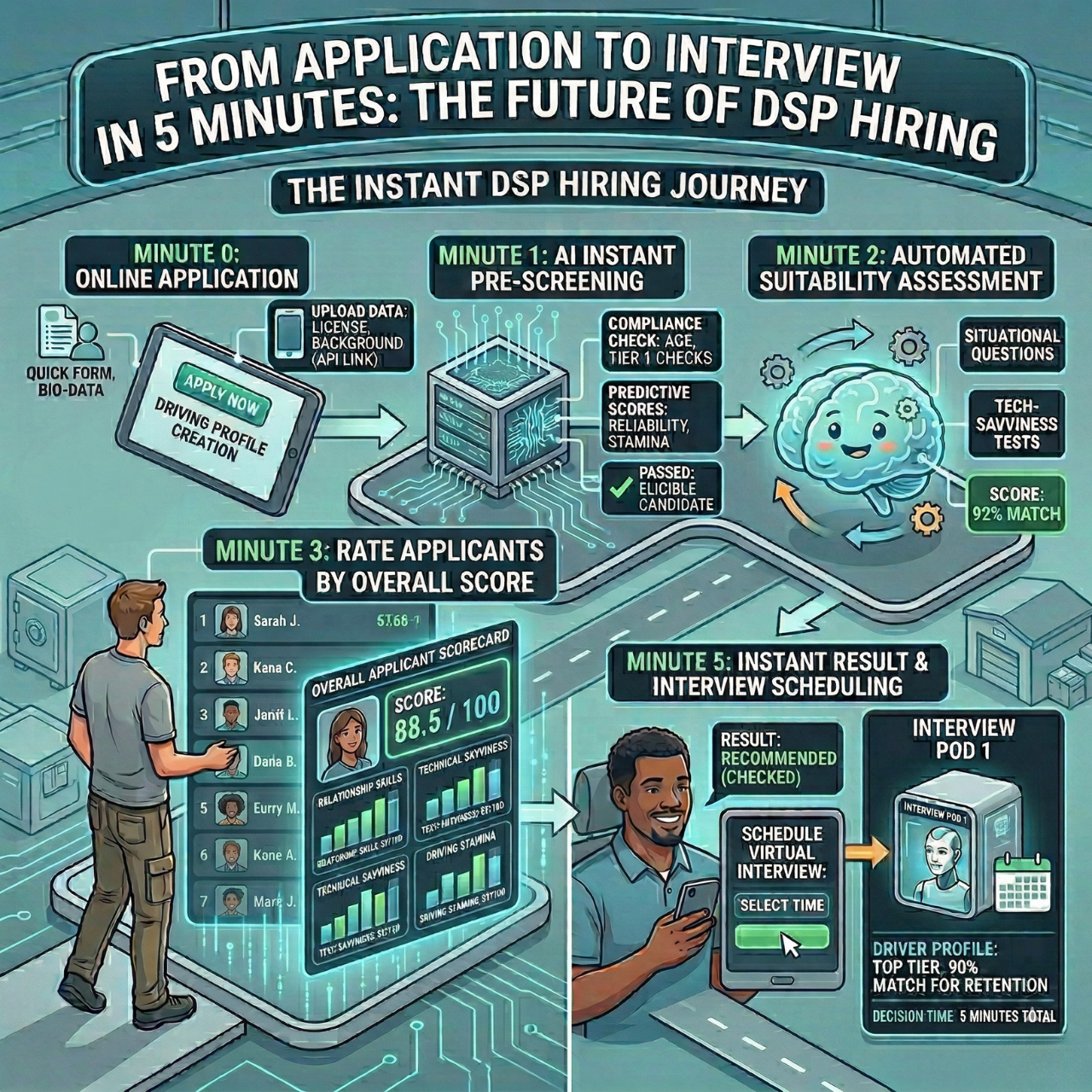
With HRMLESS, hiring teams can automate screening, scoring, and scheduling in a single streamlined workflow. That means fewer delays, less manual work, and a faster path from application to interview.
In this guide, you’ll learn how AI improves screening, sourcing, and candidate experience. You’ll also see where it fits in your process and what to consider before adopting it.
What Are AI Hiring Solutions?
AI hiring solutions are software tools powered by artificial intelligence that speed up and streamline recruiting. They can read resumes, match candidates to job descriptions, and even conduct initial screenings.
The technology works by analyzing huge amounts of data from past hires and job applications. Machine learning helps these tools get smarter as they process more information. Natural language processing lets the software understand written text in resumes and job posts, almost like a real person. You'll see AI tools handling different parts of hiring:
- Some focus on sourcing candidates from job boards and social media.
- Others screen applications by comparing skills and experience to job requirements.
- A few platforms conduct video interviews and analyze candidate responses.
Key Benefits of AI-Powered Recruitment
AI hiring tools save you serious time by automating repetitive tasks. Instead of slogging through hundreds of resumes, the software reviews them in minutes and surfaces the most qualified candidates.
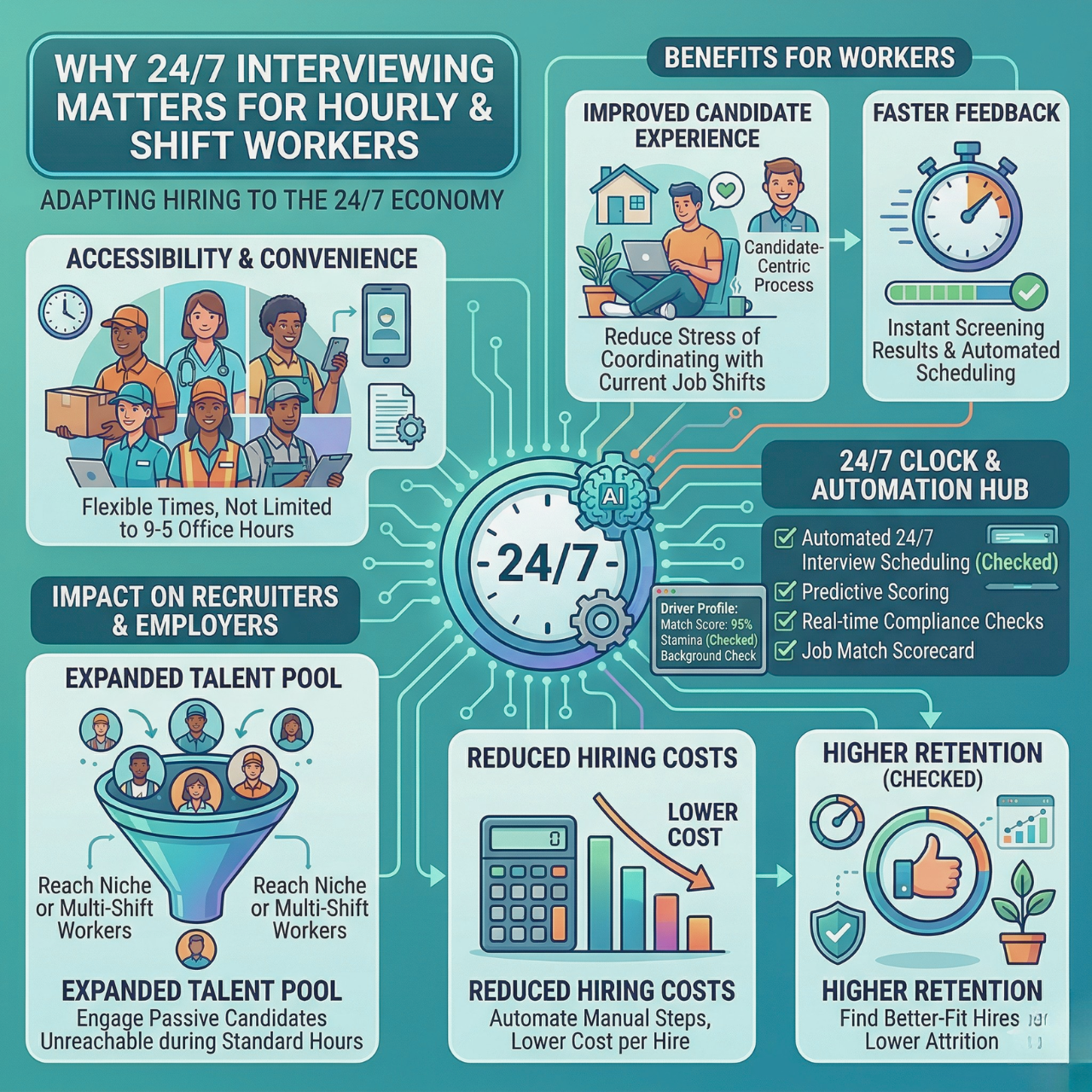
These solutions help you reach more potential hires. AI can search through millions of candidate profiles across multiple platforms at the same time.
Cost reduction is another big advantage. You spend less on job advertising and cut down the time your team spends on early-stage screening. Plenty of companies say they’ve slashed their cost-per-hire by 30–50% after rolling out AI tools.
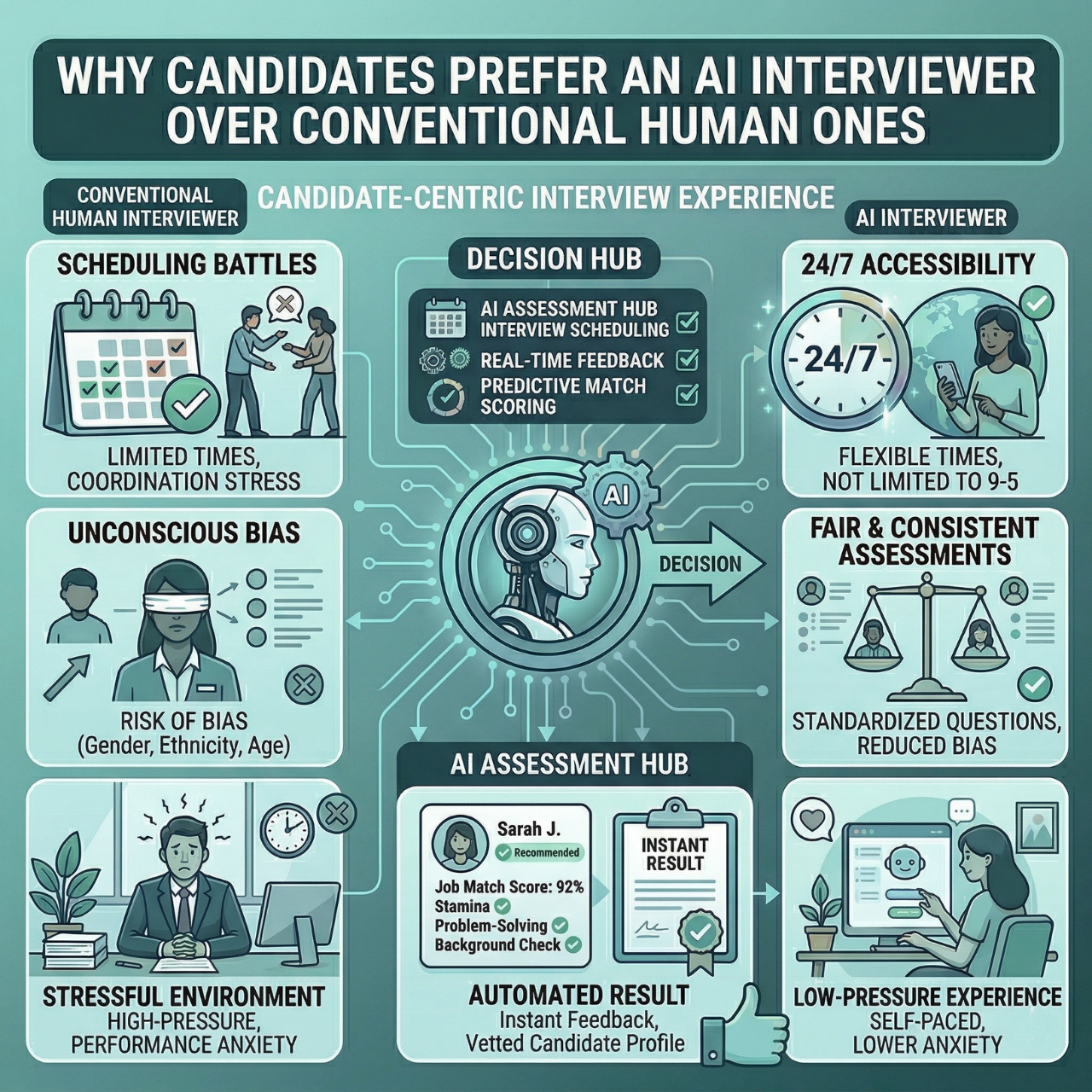
AI helps reduce unconscious bias in your hiring process. The software evaluates candidates based on qualifications and job requirements, rather than details that can influence a human review.
Types of AI Algorithms Used in Hiring
Machine learning algorithms are the backbone of most AI hiring tools. These systems learn patterns from your past hiring decisions and top employees, then use this information to predict which new candidates might do well in similar roles.
Natural language processing (NLP) algorithms read and understand text in resumes and applications. They can spot relevant skills, work experience, and education, even when candidates phrase things differently. NLP also powers chatbots that answer candidate questions and handle interview scheduling.
Predictive analytics algorithms look at candidate data to forecast job performance and retention. They dig into previous job tenure, career progression, and skills development to estimate how long someone might stick around.
Pattern recognition algorithms analyze video interviews by picking up on facial expressions, tone of voice, and word choice. Some systems also use matching algorithms that score how well a candidate’s profile fits your job requirements and company culture.
Implementing AI in the Recruitment Process
AI technology can handle repetitive hiring tasks automatically and help you find better candidates faster. These tools work alongside your recruitment team to screen resumes, find qualified applicants, and manage interview schedules.
AI-Driven Resume Screening
AI screening tools can read through hundreds or thousands of resumes in minutes. The software hunts for specific skills, experience levels, and qualifications that match your job requirements.
You can set up filters for keywords, years of experience, education, and certifications. The system ranks candidates based on how well they meet your criteria, so you can focus on top applicants faster.
Key benefits of AI resume screening:
- Reviews 75% more applications in the same time period
- Cuts time-to-hire by surfacing top candidates quickly
- Applies consistent criteria to every application
- Flags candidates with relevant skills that a human might miss
The technology learns from your hiring decisions over time. When you flag certain candidates as strong fits, the AI adjusts its screening to find similar profiles in the future.
Automated Candidate Sourcing
AI sourcing tools search job boards, professional networks, and databases to find people who aren’t actively applying to your jobs. They identify candidates whose skills and backgrounds match your open positions.
The software can also reach out to potential candidates with personalized messages. It tracks which outreach methods work best and adjusts based on who responds.
You can build talent pools for future openings by letting AI keep searching for qualified professionals in your industry. The system may also notice when passive candidates start showing signs of being open to new opportunities.
Interview Scheduling Automation
Scheduling tools use AI to coordinate interview times between candidates and your hiring team. The software checks calendars and sends invites automatically.
Candidates can pick from available time slots through a self-service portal. The system sends confirmation and reminder emails to reduce no-shows. If someone needs to reschedule, the AI finds new times without long email threads.
The automation can also handle:
- Different time zones
- Room bookings
- Video conference links
Enhancing Candidate Experience with AI
AI tools make it easier for job seekers to interact with companies during hiring. They speed up communication, provide instant support, and match candidates to roles that fit their skills.
Personalized Communication
AI helps companies send messages that feel more personal to each candidate. The technology reviews a candidate’s background, skills, and interests to create custom emails and updates.
These systems can track where someone is in the hiring process and send relevant updates at the right time. This helps candidates feel noticed and can keep them engaged.
AI also helps companies respond faster to applications. Candidates may receive a status update within hours or days instead of waiting weeks.
Chatbots in Candidate Support
AI chatbots answer questions anytime, even outside normal business hours. Candidates can ask about job requirements, benefits, or application status and get instant answers.
Chatbots can also help schedule interviews by checking availability and selecting time slots. This reduces back-and-forth communication.
Some advanced chatbots can run initial screening interviews by asking candidates questions about experience and qualifications in a conversational format.
Streamlined Job Matching
AI systems analyze a candidate’s resume, skills, and work history to match them with roles that fit. The technology looks beyond keywords to better interpret real experience.
Some matching systems also consider:
- Career goals
- Preferred work environment
- Salary needs
AI can also surface strong candidates to hiring managers, which increases the odds of being noticed for roles candidates might not have found on their own.
Ethical Considerations and Challenges
AI hiring tools can repeat existing biases, expose sensitive candidate data, and make decisions with little explanation. Understanding these issues helps you build fairer, more responsible hiring practices.
Addressing Bias in AI Hiring
AI systems learn from historical hiring data. If past decisions favored certain groups, the AI may repeat those patterns.
This happens because algorithms detect patterns without understanding fairness. For example, if a company hired more men for technical roles in the past, the AI might start ranking male candidates higher because it sees that pattern.
You can reduce bias by:
- Auditing training data for demographic imbalances
- Testing AI tools regularly with diverse candidate profiles
- Removing identifying info like names, photos, and addresses from initial screening
- Working with vendors who run bias testing and share results
Keep humans involved in final decisions. AI should support your hiring process, not take over completely.
Ensuring Data Privacy and Security
AI hiring tools collect and analyze personal information, so protecting candidate data is critical. Your responsibilities include secure storage, encryption, and limiting access to only those who need it. You also need to follow privacy laws like GDPR or CCPA, depending on where candidates live.
Be clear about what data you collect and how long you keep it. Delete data you no longer need. Choose vendors who can explain their security practices, storage locations, and compliance certifications.
Transparency in AI Decision-Making
Many AI hiring tools function like “black boxes,” making decisions without clearly showing how they reached them. This can create issues when candidates ask why they weren’t selected. It can also harm your employer brand and create legal risk.
Look for tools that explain how rankings are determined. Some systems show which skills or qualifications influenced a score, which helps ensure decisions are based on job-relevant factors.
Let candidates know when AI is part of the process, what role it plays, and that humans review recommendations before final decisions.
Future Trends in AI Solutions for Hiring
AI solutions for hiring are moving toward deeper integration with existing systems and smarter prediction of employee success. Models are also improving through continuous learning.
Integration with HR Technologies
AI hiring solutions are connecting with existing HR software to create unified systems. Instead of switching between platforms for applicant tracking, onboarding, and performance management, teams can work within connected tools.
Candidate data can flow automatically from AI screening tools into HR systems. When you hire someone, interview notes, skills assessments, and background checks can transfer into their employee file, reducing duplicate work and lost information.
Useful integrations often connect AI recruitment tools with:
- Payroll software
- Learning management systems
- Communication platforms
This saves admin time and reduces errors caused by manual data entry.
Predictive Talent Analytics
AI increasingly analyzes patterns to predict which candidates will succeed in specific roles. These systems study top performer data to identify shared traits and highlight candidates with similar indicators.
Predictive analytics can also estimate retention by analyzing factors like career progression, salary expectations, and work-life balance preferences.
Some platforms anticipate future skill gaps based on industry shifts and company growth plans. This helps teams recruit proactively and identify internal employees who may be ready for promotion or training.
Continuous Learning AI Models
Modern AI hiring systems get smarter as you make hiring decisions. When a new hire succeeds, the AI learns what signals stood out. If someone doesn’t work out, it adjusts future recommendations.
As a business evolves, the AI can pick up on changing skill priorities and update candidate rankings without requiring manual reconfiguration.
These systems also learn from recruiter feedback. When you flag candidates as strong or weak matches, the AI sharpens its understanding of what you need. Over time, it improves at surfacing the right people for the roles you are trying to fill.
Turn Hiring Bottlenecks Into Momentum
Manual screening, endless scheduling, and delayed decisions slow your team down. AI solutions for hiring reduce repetitive work, improve response time, and help you focus on qualified candidates faster.
HRMLESS brings automation, structured evaluation, and intelligent scheduling into one workflow. The result is a more efficient process that helps you hire quickly and consistently.
Stop losing top talent to slow processes. Book a Demo and see how AI can simplify your hiring workflow.
Frequently Asked Questions
What Are AI Solutions for Hiring?
AI solutions for hiring are software tools that use artificial intelligence to automate parts of the recruitment process. They help screen resumes, match candidates to roles, schedule interviews, and support communication.
These systems are designed to reduce manual work and improve hiring speed while maintaining consistent evaluation criteria.
How Do AI Solutions for Hiring Reduce Time-to-Hire?
AI automates repetitive tasks like resume screening and interview scheduling. Instead of manually reviewing every application, recruiters can focus on top-ranked candidates right away. Faster screening and real-time scheduling help move candidates through the process without long delays.
Can AI Solutions for Hiring Reduce Bias?
AI tools can help reduce bias by focusing on skills, qualifications, and job-related criteria. When configured properly, they remove identifying details from early screening stages. However, AI should support human decision-making. Regular audits and diverse training data are important to help minimize bias over time.
Will AI Replace Human Recruiters?
AI is meant to assist recruiters, not replace them. It handles repetitive administrative tasks so hiring teams can spend more time building relationships and making informed decisions. Human judgment remains essential for interviews, cultural fit assessment, and final hiring decisions.
Are AI Solutions for Hiring Secure?
Most reputable AI hiring platforms use encryption, access controls, and compliance standards to protect candidate data. Companies should verify vendor security practices and follow privacy regulations to ensure sensitive information is handled responsibly.
Featured

Subscribe to ournewsletter
Related posts
Explore the world of photography with our curated selection of
portfolio websites that showcase creativity and innovation.