

AI vs Traditional Recruitment: Which Hiring Method Wins in 2026?

Hiring feels harder than it should. Recruiters are buried in resumes, candidates ghost mid-process, and roles stay open too long. The debate around AI vs. traditional recruitment comes down to one pain point: speed without sacrificing quality.
Teams turn to automation to cut manual work, but worry about losing the human touch. HRMLESS helps bridge that gap by using AI to streamline screening and scheduling while keeping people in control of final decisions.
This guide breaks down how AI and traditional recruitment compare in real-world hiring. You’ll see where each approach struggles, where they shine, and how to choose the right balance for your team.
Key Differences Between AI and Traditional Recruitment
AI recruitment leans on software and algorithms to handle hiring tasks. Traditional recruitment is about human recruiters managing each step. The biggest differences show up in technology, human involvement, and speed.
Technology and Automation
Traditional recruitment uses basic tools: spreadsheets, email, and sometimes an applicant tracking system (ATS) that still requires lots of manual work. You might spend hours sifting through resumes and juggling interview schedules across long email threads.
AI recruitment takes repetitive tasks and hands them off to automation. The system can scan large resume volumes quickly, rank candidates, and even schedule interviews.
AI tools can also use natural language processing (NLP) to understand job descriptions and match them with candidate profiles.
Key automated features include:
- Resume screening and parsing
- Candidate sourcing from multiple platforms
- Interview scheduling and calendar management
- Initial candidate communication and responses
Human Involvement
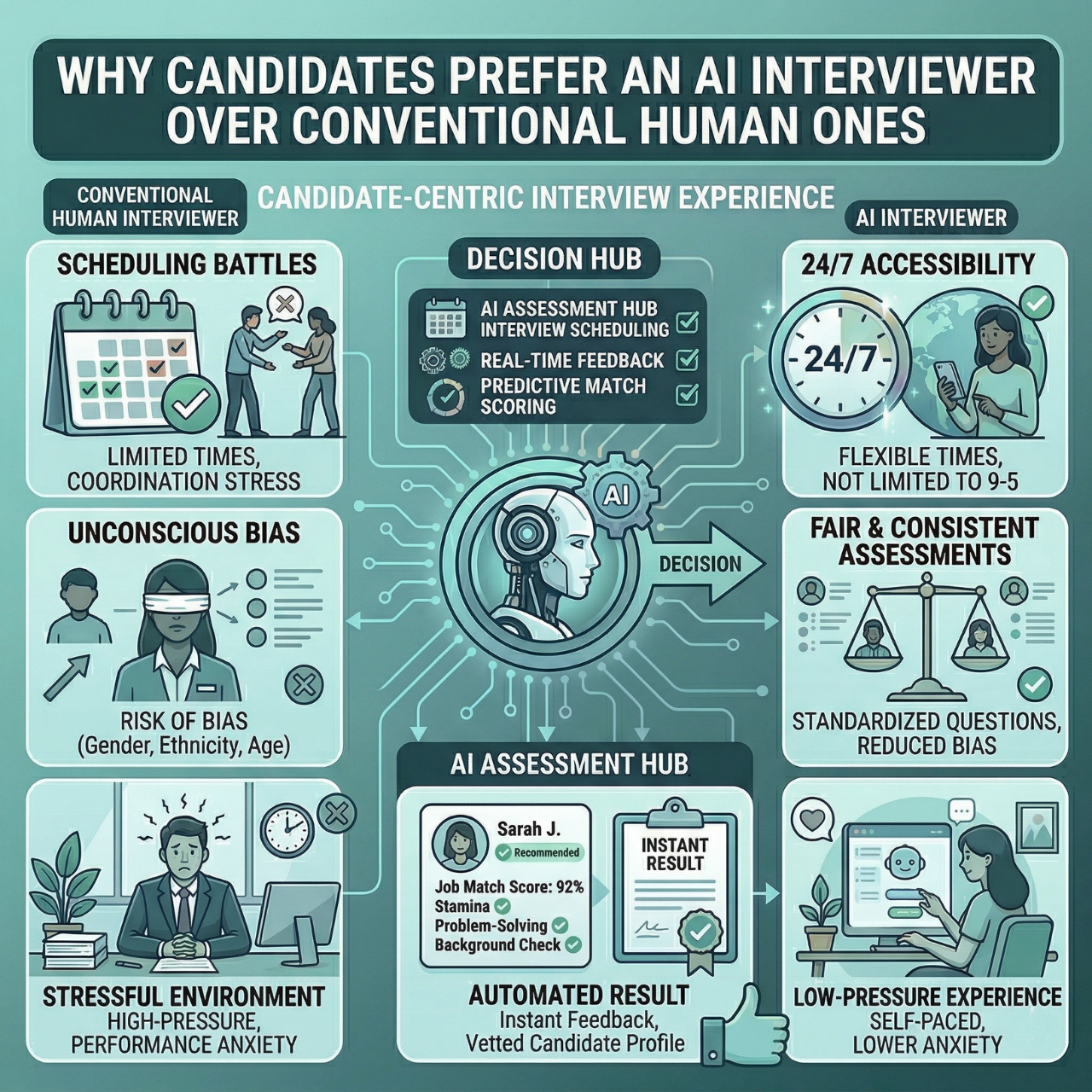
With traditional recruitment, you’re personally reviewing applications, making screening decisions, and often running first-round calls. It’s hands-on and controlled, but it limits how much you can do at once.
AI recruitment shifts your time toward higher-value work. Software can handle the first pass, while humans focus on deeper evaluation and the final decision.
Still, AI can’t replace human judgment on cultural fit or nuanced conversations about goals. People remain essential for assessing soft skills and making the call at the end.
Speed and Efficiency
Traditional recruitment often takes 30 to 45 days to fill a role. Manually sorting applications can take days, and scheduling interviews can add a week.
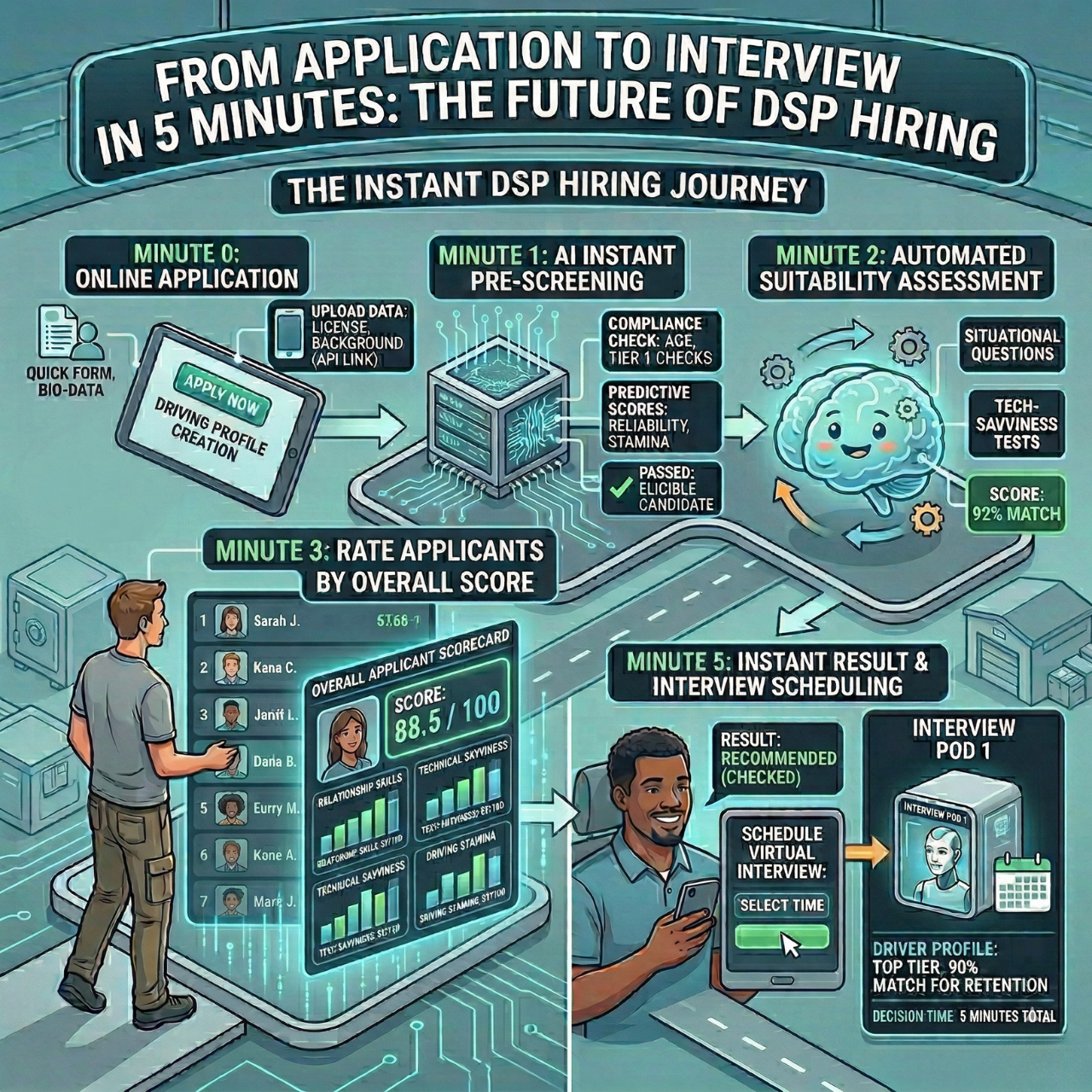
AI recruitment can reduce time-to-hire substantially by processing applications quickly and removing scheduling back-and-forth.
Speed comparison (example):
- Resume screening (100 applications): 8–10 hours (traditional) vs 10–15 minutes (AI)
- Candidate sourcing: 5–7 days (traditional) vs 1–2 days (AI)
- Interview scheduling: 3–5 days (traditional) vs same day (AI)
Benefits of AI Recruitment
AI recruitment tools move quickly, improve matching, and support decisions with data. They can also help reduce unfair bias when configured and monitored carefully.
Improved Candidate Matching
AI recruitment systems can review large resume volumes fast to find stronger matches. Algorithms compare skills, experience, and qualifications to job requirements.
You may spot higher-quality candidates sooner because AI can detect patterns that a human recruiter might miss. It checks work history, education, certifications, and skills tied to your criteria, which can cut time spent on poor-fit applicants.
AI matching tools can also improve over time by learning from prior hiring decisions. You can define the criteria, and the system prioritizes candidates who meet those needs.
Data-Driven Decision Making
AI can surface hiring metrics you can actually use. You can see how long each stage takes, where candidates drop off, and which sources deliver the best applicants.
These tools can track success rates and help you compare approaches with real numbers. Dashboards highlight patterns across roles so you can adjust your process based on evidence instead of guesswork.
Bias Reduction
AI tools can help reduce unconscious bias by focusing on skills and qualifications rather than personal details. Some systems anonymize early-stage applications by removing names, photos, gender signals, and age indicators.
Standardized evaluation can support more consistent decision-making. But AI still needs oversight. If tools learn from biased data, they can repeat those patterns, so ongoing review matters.
Challenges of Traditional Recruitment
Traditional recruitment relies heavily on manual effort. That can slow hiring, introduce inconsistencies, and let bias slip in.
Manual Workload
Traditional recruitment puts a heavy load on hiring teams. They review resumes by hand, schedule interviews one by one, and track candidates in spreadsheets or basic systems.
Screening alone can take hours, especially with high applicant volume. Administrative work adds more friction; coordinating schedules across several stakeholders often means long email chains and delays. When applications surge, it becomes difficult to give each candidate the attention they deserve.
Potential for Unconscious Bias
Because traditional recruitment depends on human judgment at every step, unconscious bias can creep in even with good intentions.
Bias can appear during resume screening, where factors like school names or familiar patterns influence decisions. Interviews can also amplify bias if interviewers connect more easily with candidates who share a similar background. Without consistent criteria, it’s hard to spot and correct bias across the process.
Longer Time-to-Hire
Traditional recruitment typically takes longer because each stage depends on the prior one being completed.
After posting a job, you might wait weeks for enough applications. Then screening, interviews, and feedback loops extend the timeline further.
Longer processes can cost you strong candidates. Top talent often moves fast, and delays can lead to drop-off before an offer is even made.
Potential Drawbacks of AI in Recruitment
AI recruitment systems can create issues when they run without enough human oversight. They can also miss the human connection that affects candidate experience.
Over-Reliance on Algorithms
If you rely too heavily on AI, decisions can become overly dependent on patterns and keywords. AI may overlook strong candidates who describe experience differently or come from less traditional backgrounds. It can also repeat historical blind spots if it learns from past hiring outcomes that weren’t balanced.
Technical issues matter, too. Resume formatting, non-linear career paths, or unusual work histories can be misread and filtered out unless a human reviews outcomes regularly.
Lack of Human Touch
Candidates want to feel seen. If early steps are fully automated, applicants may only receive templated emails or chatbot responses, which can feel impersonal.
AI struggles to assess soft skills like collaboration, adaptability, creativity, and emotional intelligence. Those require real conversations. Recruiters also play a key role in explaining culture, answering detailed questions, and building trust. AI can support that work, but it can’t replace it.
Choosing Between AI and Traditional Recruitment
Your strategy should match your company’s size, budget, and hiring goals. In practice, many teams use a blend instead of choosing only one.
Assessing Business Needs
Start with hiring volume. If you hire at scale, AI can save time by speeding up screening and scheduling. Budget also matters. Smaller teams with limited hiring needs may not benefit from expensive systems.
Role type is a factor, too. Jobs with clear, measurable requirements are easier for AI to screen. Roles that depend heavily on interpersonal skills benefit from human-led evaluation.
Finally, consider internal readiness. Recruiters need to understand how to use and monitor AI tools to avoid unintended outcomes.
Hybrid Approaches
Hybrid hiring often delivers the best balance.
A common setup:
- AI handles resume screening and scheduling
- Humans run interviews and make final decisions
- Automation supports follow-ups and status updates
Many organizations start small with one tool, such as automated scheduling, then expand as their team gets comfortable.
Making the Right Hiring Choice in 2026
Slow hiring, overloaded recruiters, and missed candidates all point to the same issue: inefficient processes. Comparing AI vs. traditional recruitment shows that speed, consistency, and candidate experience are now critical to hiring success.
HRMLESS supports teams that want faster hiring without losing human judgment. Combining automation with recruiter control helps reduce delays while keeping quality and fairness front and center.
If open roles are stalling your growth, it’s time to rethink your process. Book a Demo and see how a smarter hiring workflow can cut time-to-hire without cutting corners.
Frequently Asked Questions
What advantages does AI recruitment hold over traditional methods?
AI recruitment processes applications faster than humans can, scanning large volumes quickly for qualifications and patterns.
It can also reduce repetitive work by automating early-stage tasks. Some tools support fairer screening by focusing on job-relevant criteria instead of personal characteristics.
How can traditional recruitment strategies complement AI-driven approaches?
Traditional recruitment is stronger for evaluating soft skills and culture fit through real conversations.
Recruiters also build relationships, answer detailed questions, and add context that tools may miss, especially for non-traditional career paths.
What are the potential drawbacks of using AI in the recruitment process?
AI can reinforce bias if it learns from flawed historical data. It can also reject strong candidates who don’t match expected keywords or formats.
Candidate experience can suffer if communication is overly automated and lacks human engagement.
In what ways have AI recruitment tools changed the hiring landscape?
AI has accelerated timelines by automating early screening and scheduling. It has also made data-driven hiring more common, providing metrics across stages and supporting remote hiring at scale.
Are there specific industries or job types where AI recruitment is more effective?
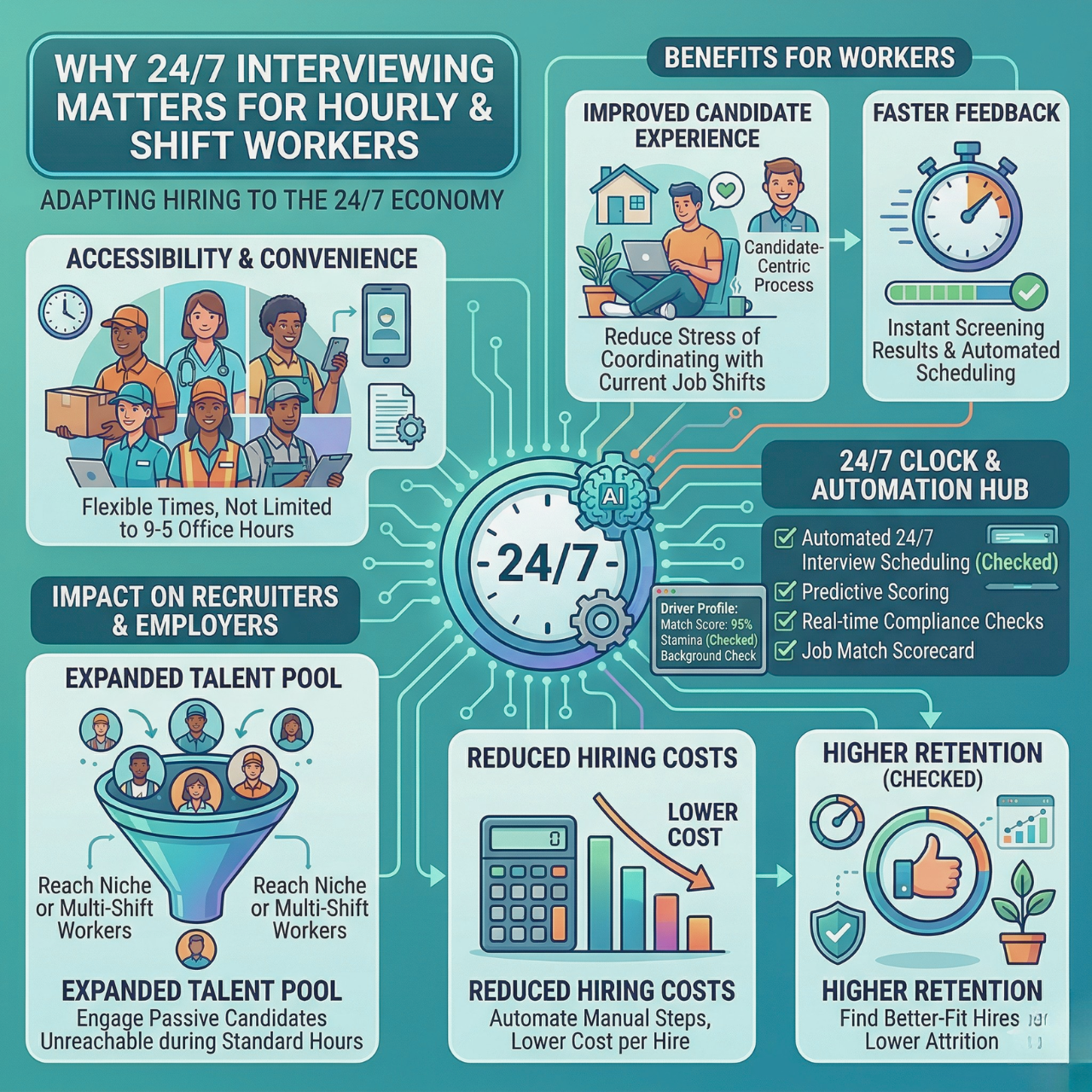
AI often works best in high-volume hiring with clear qualifications, such as retail, call centers, and many entry-level roles. It can also support screening for roles with defined certifications or skill requirements, though senior leadership and highly creative roles usually need more human evaluation.
How do AI recruitment systems handle personal data privacy and security?
Many systems are built to comply with data protection laws such as GDPR and CCPA, which require transparency and consent.
Reputable platforms typically use encryption and secure storage. Candidates can often request access to stored data and ask for deletion, depending on applicable rules and company policy.
Featured

Subscribe to ournewsletter
Related posts
Explore the world of photography with our curated selection of
portfolio websites that showcase creativity and innovation.