

Examples of AI in Recruitment That Make Hiring Faster
Explore real examples of AI in recruitment that improve speed, reduce bias, and help teams hire smarter with automation and data-driven insights.

Hiring takes too long, and teams often lose great candidates to delays or bias. That’s where AI hiring software steps in. It automates early screening, ranking, and scheduling—saving hours per hire and improving fairness.
With HRMLESS, recruiters speed up decisions and keep candidates engaged without extra effort. The platform handles repetitive tasks while your team focuses on what matters—building connections and hiring quality talent faster.
This guide walks through real examples of AI in recruitment that boost accuracy, cut hiring time, and help you find better fits. You’ll see how automation solves today’s biggest recruiting pain points.
Overview of AI in Recruitment
AI has become central to modern hiring. It automates tasks, improves candidate quality, and removes administrative strain. While there are clear benefits, understanding its challenges is just as important before diving in.
What Is AI In Recruitment?
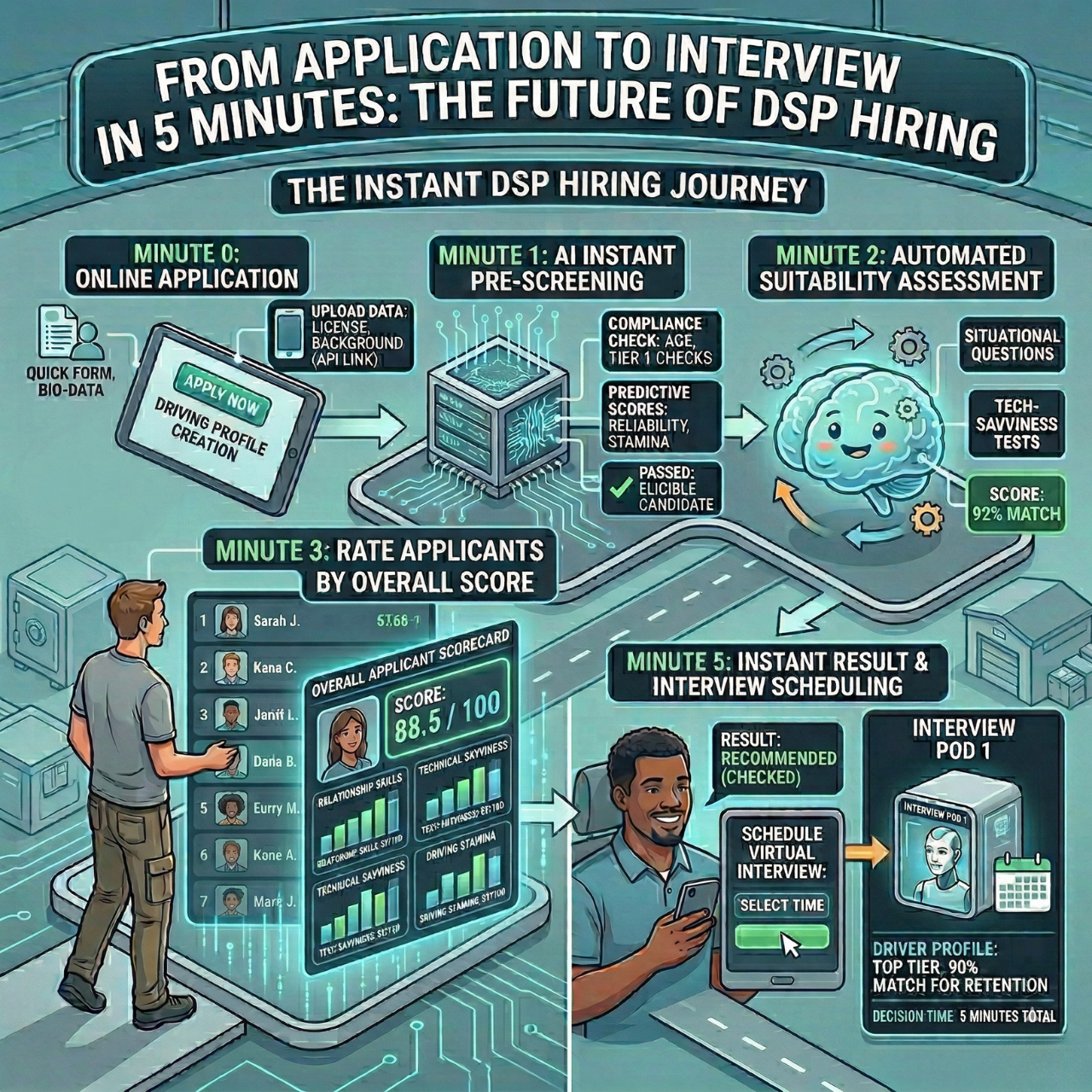
AI in recruitment uses algorithms and software to manage hiring tasks such as screening resumes, scoring candidates, scheduling interviews, and even chatting with applicants automatically.
It processes massive data sets in seconds, analyzing qualifications, predicting success, and answering early questions through chatbots.
AI tools integrate with systems like an Applicant Tracking System (ATS), offering faster, more efficient hiring without workflow disruption.
Key Benefits
AI speeds up hiring by automating time-consuming tasks. It can cut time-to-hire by over 60%, primarily through resume screening and interview scheduling.
It enhances candidate quality since only top applicants move forward. Automated notifications also reduce no-shows and keep candidates engaged.
Automation saves hours per hire—some systems report saving up to 2.7 hours per candidate by eliminating manual scheduling and follow-ups.
Common Challenges
AI depends on data, so protecting sensitive applicant information is essential. Failing to do so risks serious breaches and reputational damage.
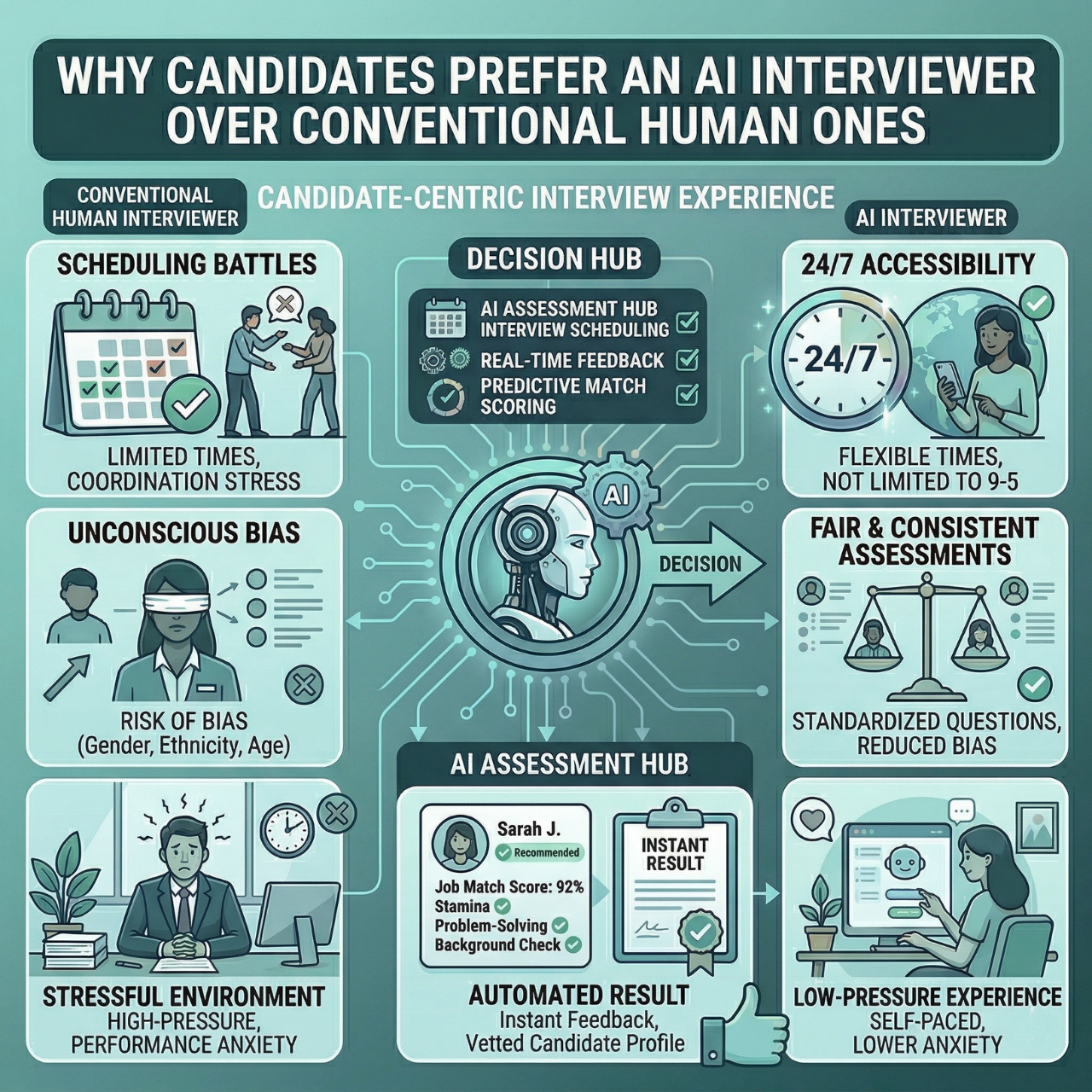
Bias can still creep in. While AI reduces human bias, feeding it biased data can perpetuate those errors. Continuous model auditing ensures fairness.
Finally, candidates sometimes view AI-driven hiring as impersonal. Combining automation with human touch and transparency creates a better experience.
AI-Powered Resume Screening
AI-powered screening saves hours by sorting applications and flagging top candidates. It matches skills to job needs and helps reduce bias early in the process.
Automated Candidate Shortlisting
AI scans resumes instantly and filters by experience, education, and skills. It generates a ranked shortlist so you can focus only on relevant interviews.
Automation handles high application volumes without errors or slowdowns, keeping your hiring pipeline efficient.
Skill and Keyword Matching
AI identifies critical skills and keywords, comparing them with job descriptions using Natural Language Processing (NLP). This context-aware matching helps you catch strong candidates who might otherwise go unnoticed.
Reports clearly show how each person fits the role—making hiring decisions faster and more data-driven.
Bias Reduction in Screening
AI screening focuses on skills and qualifications, not demographic details. This creates a fairer, more diverse pool and enhances your employer's reputation.
Some tools can even detect biased language or patterns in resumes, helping you maintain equity throughout screening.
AI in Candidate Sourcing
AI helps recruiters uncover hidden talent, track engagement, and optimize outreach—without manual searching.
Identifying Passive Candidates
AI algorithms scan resumes, job boards, and online profiles to locate passive candidates open to new roles. This expands your talent pool and saves research time.
Social Media Talent Discovery
AI tools scan social media profiles and posts for relevant skills and experience. You can target niche experts or rising professionals faster and more accurately.
Automated follow-ups and engagement messages help maintain candidate interest from the start.
Talent Pool Management
AI keeps your talent pool organized and up to date. It tracks skills, engagement, and availability, so you’re ready to act as soon as roles open.
This ongoing automation ensures consistent pipeline quality and quicker fills.
AI-Driven Candidate Assessment
AI enhances candidate assessment accuracy by analyzing interviews, testing skills, and evaluating personality traits.
Automated Video Interview Analysis
AI reviews video interviews for tone, language, and expression, automatically generating scores and reports. This saves recruiters from hours of review and provides objective evaluations.
Game-Based Skill Evaluation
Game-based tests assess problem-solving, memory, or focus. These results give unbiased, action-based data on a candidate’s true abilities.
Cognitive and Personality Testing
AI-driven assessments combine cognitive and personality insights to predict cultural and role fit, producing consistent, bias-reduced evaluations.
Natural Language Processing Applications
NLP makes it easier to manage large volumes of candidate data and automate communication.
Chatbots for Initial Screening
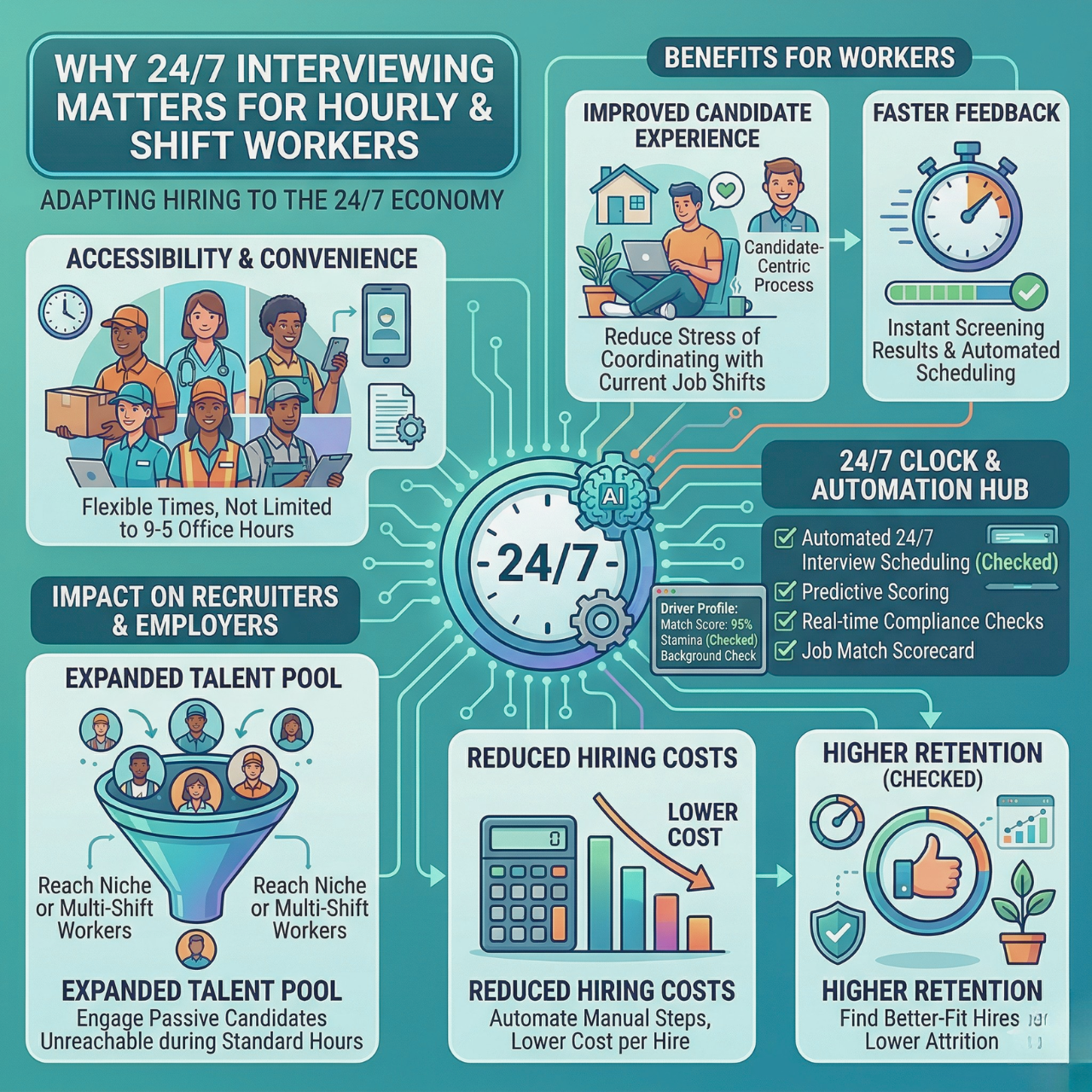
24/7 chatbots screen candidates, ask qualifying questions, and provide instant answers. Quick responses keep candidates engaged and reduce ghosting.
Automated Interview Scheduling
NLP tools manage interview scheduling and reminders automatically, cutting no-shows by up to half and keeping your ATS calendar full.
Parsing Unstructured Resumes
NLP extracts key data from unformatted resumes, identifying top candidates efficiently. This ensures that qualified applicants aren’t overlooked due to formatting differences.
Predictive Analytics in Recruitment
Predictive analytics uses hiring data to forecast candidate success, cultural fit, and retention.
Job Match Recommendations
AI compares candidate skills and experience with job details to recommend the best matches, ensuring quality hires and fewer mismatches.
Predicting Cultural Fit
AI analyzes behavior and personality traits to predict compatibility with company culture, improving teamwork and long-term satisfaction.
Employee Retention Forecasting
By studying past employee patterns, predictive analytics identifies candidates most likely to stay long term, cutting turnover costs.
AI for Diversity and Inclusion
AI improves fairness by reducing bias, promoting inclusive language, and tracking diversity progress.
Reducing Unconscious Bias
AI evaluates candidates based on skills and experience only, removing bias from early stages. Objective scoring leads to more diverse teams and fairer hiring.
Promoting Inclusive Language
AI reviews job ads to remove gender-coded or exclusive language, helping attract a broader talent pool.
Monitoring Diversity Metrics
AI tools track demographic data and hiring trends, offering insights into where inclusion can improve. Transparency keeps your process accountable.
AI Integration with Applicant Tracking Systems
AI strengthens ATS workflows by automating screening, scheduling, and reporting.
Workflow Automation
AI-enabled ATS platforms screen resumes, rank candidates, and manage interviews automatically, reducing recruiter workload.
Enhanced Reporting Capabilities
Real-time analytics highlight bottlenecks, track time-to-hire, and monitor diversity. Dashboards make it easy to identify what works and where to optimize.
Future Trends in AI Recruitment
By 2025, automation will handle nearly every hiring stage, from job posting to onboarding.
Hyper-personalization will grow, tailoring experiences to candidate skills and preferences. Predictive analytics will focus on success forecasting, not just resume matching.
AI-driven immersive assessments will provide realistic job simulations, while AI interviewers available 24/7 will reduce ghosting and enhance responsiveness.
Expect measurable improvements:
- Speed: 62% shorter time-to-hire
- Efficiency: Save 2.7 hours per hire
- Quality: Screen 3× more candidates
- Fairness: AI reduces bias early in hiring
Faster, Fairer, and Smarter Hiring Starts Now
AI removes the bottlenecks that slow hiring: manual screening, missed interviews, and bias. It gives teams the tools to move faster, improve accuracy, and make fairer hiring decisions.
HRMLESS helps companies turn these AI advantages into real results. From pre-screening to scheduling, it streamlines every step so your recruiters can focus on people, not paperwork.
Ready to fix hiring delays and drop-offs? Book a demo today and see how AI can make your recruitment process faster and more effective.
Frequently Asked Questions
How is AI used in recruitment?
AI in recruitment automates tasks like resume screening, interview scheduling, and candidate scoring. It analyzes data to identify top candidates, reduce bias, and improve hiring speed and accuracy.
What are the main benefits of using AI hiring software?
The main benefits include faster time-to-hire, better candidate quality, fewer no-shows, and reduced bias in early screening. It also saves recruiters hours each week by automating repetitive work.
Can AI completely replace human recruiters?
No. AI enhances recruitment by handling time-consuming tasks, but human judgment remains vital for final decisions, culture fit, and relationship building with candidates.
How does AI help reduce bias in hiring?
AI focuses on objective data such as skills and experience instead of personal details. Continuous model audits help minimize bias and support fairer hiring outcomes.
Is AI recruitment software hard to integrate with existing systems?
Most AI recruitment tools easily connect with Applicant Tracking Systems (ATS). Integration is typically seamless, allowing teams to start automating hiring without changing their workflow.
Featured

Subscribe to ournewsletter
Related posts
Explore the world of photography with our curated selection of
portfolio websites that showcase creativity and innovation.