

Hiring Automation ROI Statistics for 2026 Results

If your hiring team is being asked to do more with less, you need proof that automation pays off. Hiring automation ROI statistics help you connect faster hiring to real budget impact, not assumptions.
HRMLESS helps teams cut busywork across screening, scheduling, and follow-ups so recruiters can focus on decisions. The goal is simple: shorter time-to-hire, lower cost-per-hire, and better quality of hire you can defend.
This guide breaks down the metrics that matter, the latest benchmarks for 2026, and where savings show up first. You’ll also see common measurement mistakes so your ROI story holds up in budget reviews.
What Is Hiring Automation ROI?
Tracking specific metrics is the only way to measure the return on investment for hiring automation. These numbers show cost savings, time efficiency, and quality improvements. They help you justify technology spending and optimize your recruitment process.
Key Metrics for Measuring ROI
Time-to-hire is one of the most critical metrics you'll track. It measures how many days pass from when you post a job to when a candidate accepts your offer.
Automation typically cuts this timeline by 30-50% through faster screening and scheduling. Cost per hire shows your total recruiting expenses divided by the number of new employees.
This includes software costs, advertising, recruiter time, and other hiring expenses. You'll want to compare this number before and after implementing automation.
Quality of hire metrics include:
- 90-day retention rates
- Performance review scores
- Manager satisfaction ratings
- Time to productivity
Offer acceptance rate tells you how many candidates say yes to your job offers. Better automation tools improve this rate by creating smoother candidate experiences and faster response times.
Importance of ROI in Recruitment Automation
You need clear ROI data to get budget approval for automation tools. Leadership wants proof that the investment will pay off before committing resources.
Without these numbers, you're asking them to trust your gut feeling. 73% of companies now use some form of recruitment automation.
This means your competitors likely already benefit from faster hiring and lower costs. You risk falling behind if you can't demonstrate why your organization should invest, too.
ROI measurements help you optimize your current tools. When you track which features save the most time or money, you can focus your team's efforts on high-impact activities.
You might discover that automated screening saves 20 hours per week, while calendar tools only save 5 hours. Your ROI data becomes a roadmap for future technology decisions. It shows which problems automation solves well and where you might need different solutions.
How Automation Transforms Recruitment Efficiency
Automation handles repetitive tasks that normally consume hours of recruiter time. Resume screening, interview scheduling, and candidate follow-ups happen automatically instead of requiring manual work from your team.
Your recruiters spend less time on administrative work and more time on personal interactions. They can focus on interviewing top candidates, building relationships, and improving your employer brand.
This shift typically saves 15-20 hours per recruiter each week. Automation creates consistency in your hiring process.
Every candidate gets screened using the same criteria, receives timely updates, and follows the same workflow. This reduces errors and ensures fair treatment across all applicants.
Your hiring data becomes more accessible and actionable. Real-time dashboards show you bottlenecks, drop-off points, and performance trends. You can spot problems quickly and make adjustments before they impact your hiring goals.
Latest Hiring Automation ROI Statistics
Companies using hiring automation are seeing measurable returns through reduced time-to-hire, lower recruiting costs, and improved candidate quality.
The AI recruitment market reached $596.16 million in 2025, with 87% of companies now incorporating AI into their hiring processes.
Adoption Rates and Market Trends
Growth projections indicate steady expansion through 2030 as more businesses recognize the competitive advantage these tools provide. Small and mid-sized companies are catching up to enterprise-level adoption rates.
This trend means automation is no longer just for large corporations with big budgets. You can access affordable solutions that deliver measurable results regardless of your company's size.
Average ROI Benchmarks in 2025
You can expect significant time savings when implementing hiring automation. Companies report cutting their time-to-hire by 30-50% on average.
This reduction translates directly to cost savings since open positions get filled faster. Cost reduction represents another key benefit.
Organizations using automation tools see recruiting expenses drop by 20-40% compared to manual processes. These savings come from reduced administrative work and fewer resources needed for candidate screening.
Quality of hire improvements show up in retention metrics. Automated screening and matching tools help you identify candidates who fit better with your roles and company culture. This leads to lower turnover rates and reduced costs associated with replacing poor hires.
Cost Savings Achieved Through Automation
Automation in hiring delivers measurable financial benefits across multiple areas of the recruitment process. Companies see the biggest savings through faster hiring timelines, reduced recruitment costs, and less manual work.
Reduction in Time-to-Hire
When you automate your hiring process, you can cut the time it takes to fill positions by significant amounts. Many companies report reducing their time-to-hire by 40-70% after implementing automation tools.
Faster hiring means you spend less on extended job postings and reduce the productivity gaps from vacant positions. Your team can process applications in hours instead of days.
Automated screening tools review resumes instantly, while scheduling software eliminates the back-and-forth emails that slow down interview coordination. The speed improvements add up quickly across your organization.
If you typically fill 50 positions per year and cut 10 days from each hire, you save 500 days of vacancy costs annually.
Decreased Manual Processing Expenses
Manual recruitment tasks consume significant staff time and resources. Automation eliminates much of this expense by handling repetitive work.
Your HR team spends less time on data entry, resume screening, and candidate communication. This frees them to focus on strategic activities like candidate relationship building and employer branding.
You also see fewer errors in your hiring data, which reduces costly mistakes and compliance issues. The labor savings alone often justify automation investments within the first year.
Your recruiters can manage higher volumes without increasing headcount, and your existing team becomes more productive in their core responsibilities.
Productivity Gains and Quality Improvements
Hiring automation delivers measurable improvements in both speed and candidate quality. Organizations report 50% reductions in time-to-hire and 25% better retention rates through enhanced matching capabilities.
Enhanced Candidate Experience
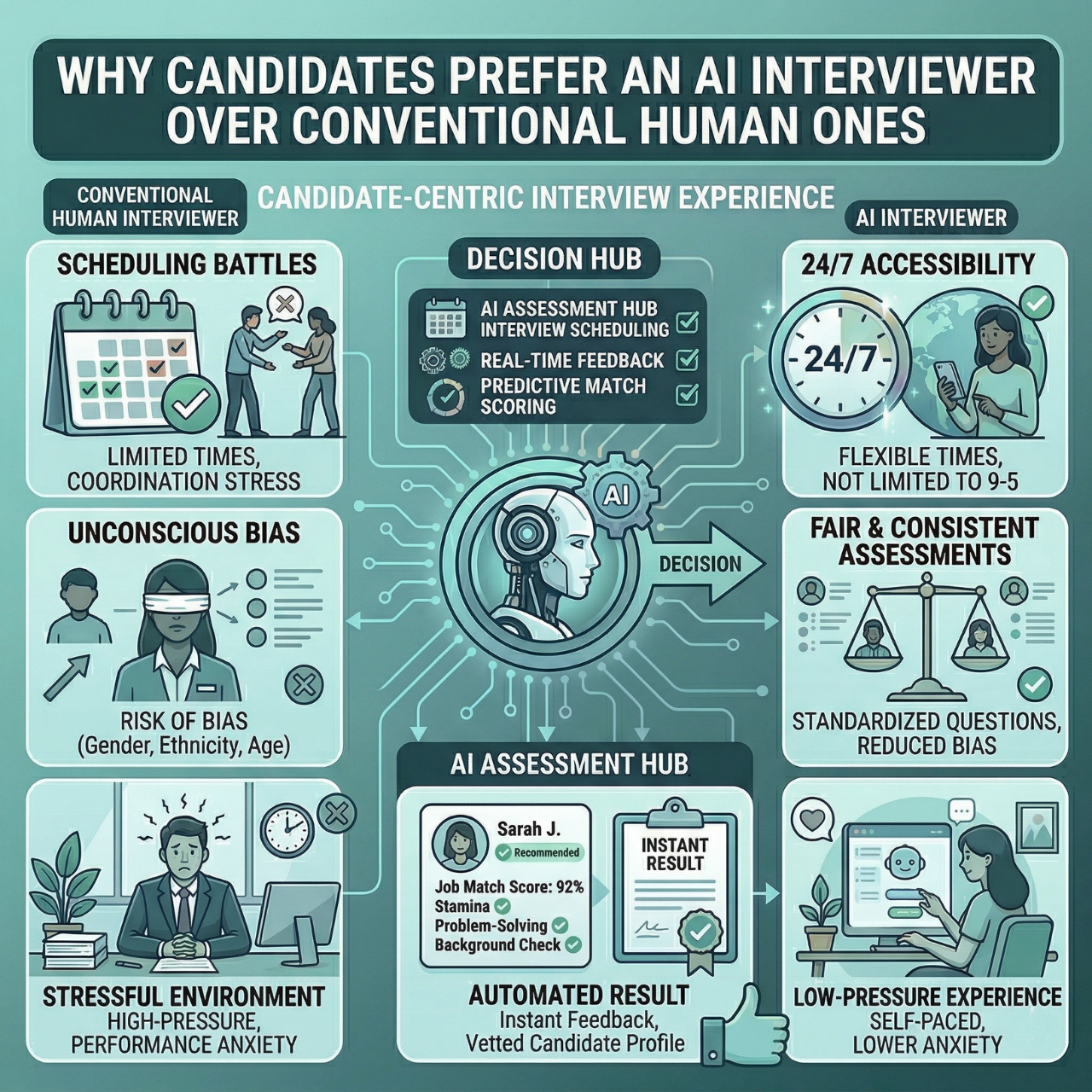
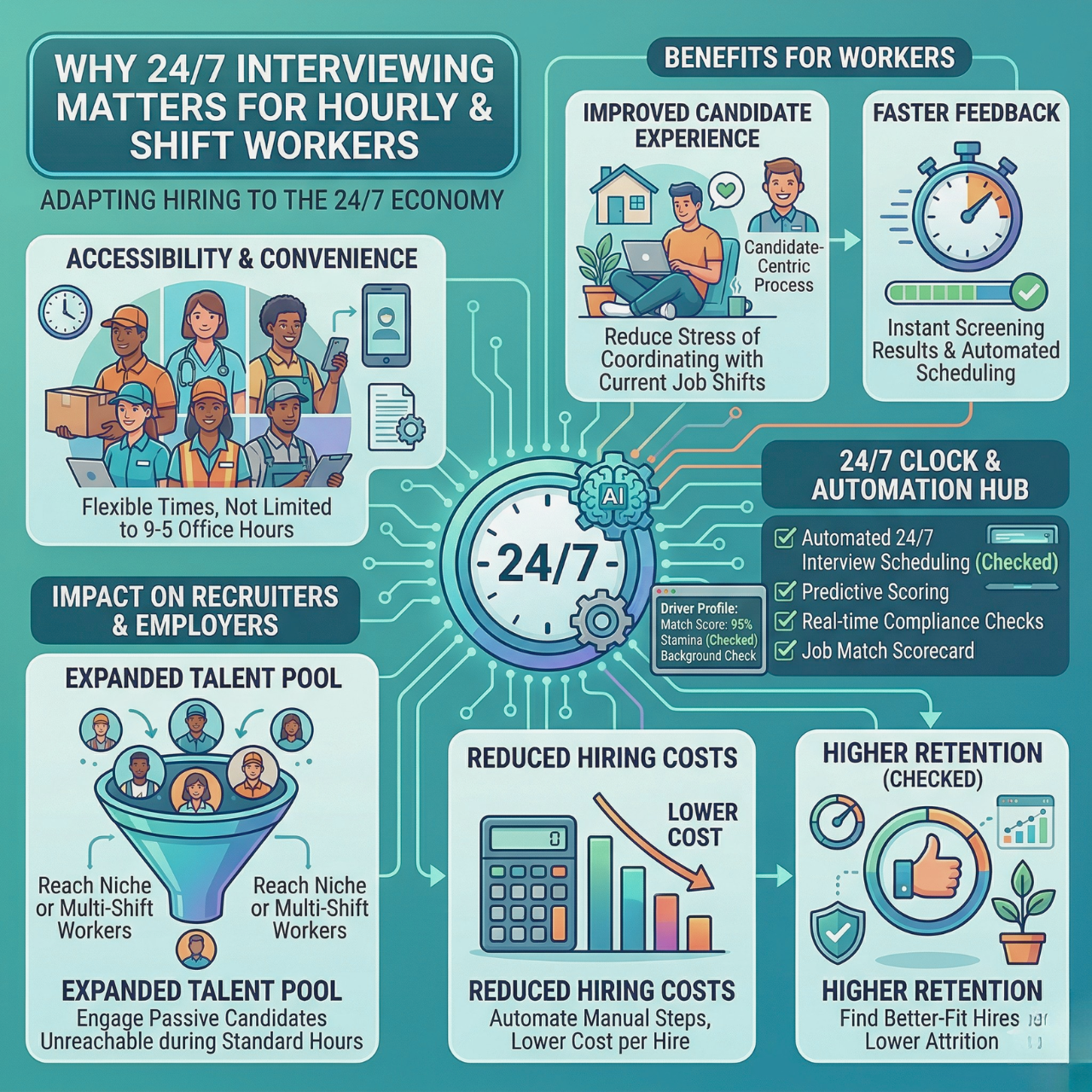
Automation tools respond to applicants instantly. You can set up automated emails that acknowledge applications within seconds instead of days. This quick response keeps candidates engaged with your company. Chatbots answer common questions 24/7.
Candidates get information about job requirements, salary ranges, and next steps without waiting for business hours. This self-service approach lets applicants move through your process on their own schedule.
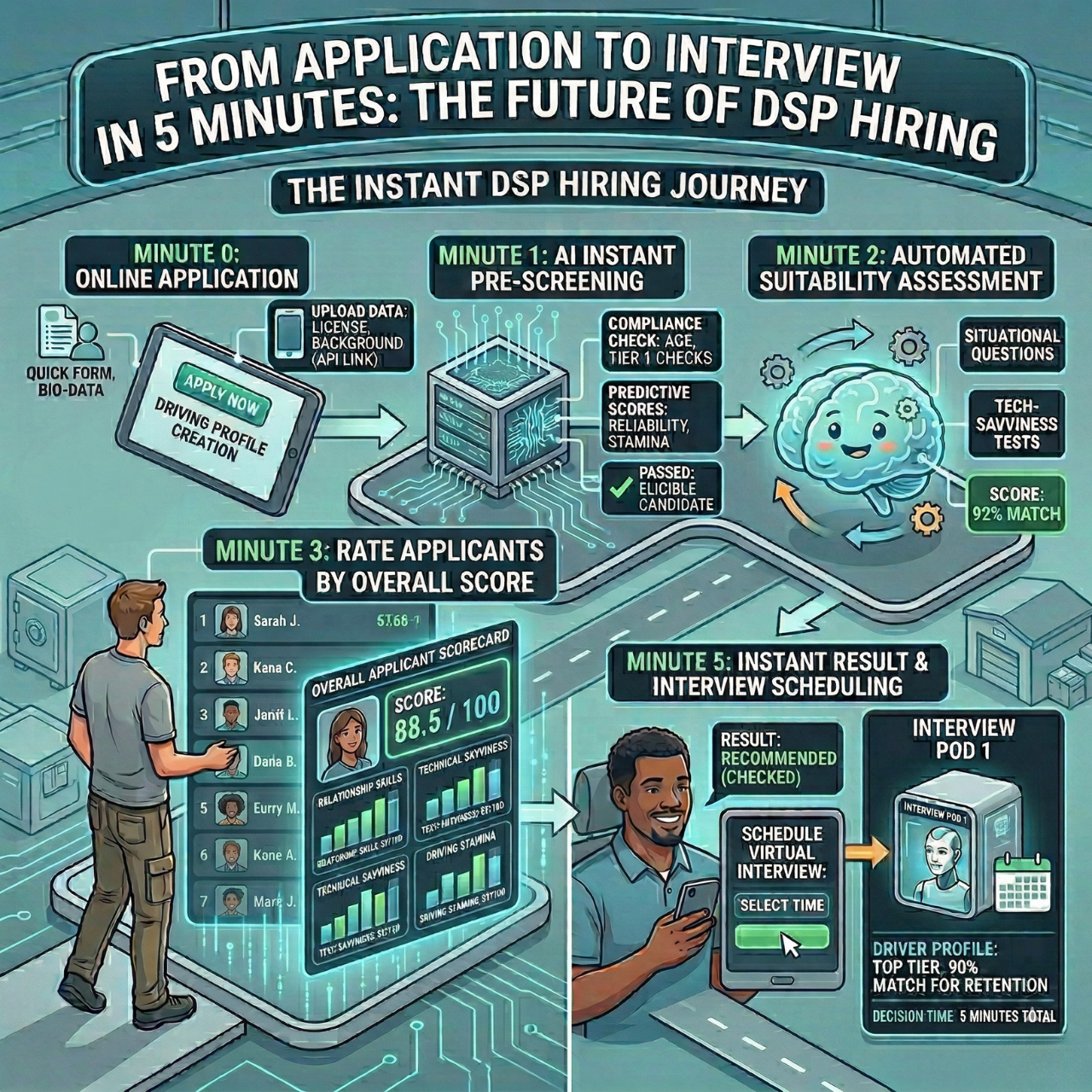
Automated scheduling eliminates the back-and-forth emails. Your candidates can book interview slots directly from available time blocks.
This simple change removes frustration and speeds up the hiring timeline. Status updates happen automatically at each stage. Candidates know where they stand instead of wondering if their application disappeared into a black hole.
Increased Recruiter Productivity
Your recruiters can process 10 times more candidates with automation tools. The software handles resume screening, initial assessments, and basic qualification checks.
This frees up your team to focus on conversations with top candidates. Companies see 30% cost savings per hire through these efficiency gains.
Your recruiters spend less time on data entry and more time on relationship building. They can conduct more interviews and make better hiring decisions.
Parallel processing lets multiple candidates move through different pipeline stages at once. You fill positions 40% faster when automation handles the administrative work. Your recruiters handle strategic tasks like interviewing and evaluating cultural fit.
Improved Quality of Hire Metrics
Better matching leads to 25% higher retention rates. Automation tools analyze skills, experience, and job requirements more consistently than manual review. You get candidates who actually fit the role. Your cost per hire drops by 60-80% through better quality matches.
You spend less money replacing employees who leave within the first year. The right candidates stay longer and perform better.
Data-driven decisions replace gut feelings. You can track which sources bring the best candidates and which assessments predict success. This information helps you refine your process over time.
Challenges and Considerations in Measuring ROI
Measuring the return on investment for hiring automation involves navigating complex data issues and avoiding common mistakes that can skew your results. Many organizations struggle with inconsistent metrics and poor data quality, that make it hard to prove the true value of their automation tools.
Common Measurement Pitfalls
You might focus too much on vanity metrics like total applications received while ignoring what really matters for your business. Time-to-hire and cost-per-hire only tell part of the story if you don't also track quality-of-hire and candidate experience scores.
Another major mistake is not establishing baseline metrics before implementing automation. Without knowing your starting point, you can't accurately measure improvement.
Many teams also fail to track the full cost of automation, missing expenses like training time, integration work, and ongoing maintenance. Your ROI calculations won't be accurate if you only count the software subscription fee.
Data Collection and Analysis Barriers
Your existing systems might not integrate well with new automation tools, creating data silos that prevent complete analysis. You could have applicant tracking system data in one place, interview feedback in another, and performance data in a third system.
Getting clean, unbiased data is critical for fair results. Poor data quality from incomplete candidate records or inconsistent job descriptions will lead to flawed ROI measurements.
You need standardized data collection processes across all hiring teams and departments. Limited technical expertise can also hold you back from proper analysis.
Your HR team might understand recruiting but struggle with analytics dashboards and reporting tools. Real-time analytics capabilities help overcome this barrier by automating reports and making data easier to interpret without advanced technical skills.
Turn Hiring Automation Data Into Budget Confidence
Hiring automation ROI statistics show clear gains in speed, efficiency, and hire quality when manual work is removed. Faster fills, lower costs, and better retention directly address today’s hiring pressure.
HRMLESS supports teams that need defensible ROI, not vague promises. Automation works best when results are measurable and tied to real recruiting outcomes.
If budget scrutiny is rising, now is the time to validate your numbers. Book a Demo and see where hiring automation delivers ROI first.
Frequently Asked Questions
What do hiring automation ROI statistics actually measure?
They measure how automation impacts time-to-hire, cost-per-hire, recruiter productivity, and quality of hire. These metrics connect recruiting improvements directly to financial outcomes.
How long does it take to see ROI from hiring automation?
Most teams see measurable results within the first three to six months. Time savings and reduced manual work usually appear first.
Which metrics matter most when calculating hiring automation ROI?
Time-to-hire and cost-per-hire are the fastest indicators. Quality-of-hire metrics like retention and performance confirm long-term value.
Can small or mid-sized teams achieve strong ROI from automation?
Yes. Hiring automation ROI statistics show consistent gains across company sizes. Smaller teams often benefit faster because efficiency gaps are more visible.
How does hiring automation reduce recruiting costs?
Automation cuts administrative time, reduces agency reliance, and shortens vacancy periods. These savings compound as hiring volume increases.
Does automation improve quality of hire or just speed?
Both. Faster screening removes delays, while consistent criteria improve candidate matching. This leads to higher retention and fewer mis-hires over time.
What mistakes reduce the accuracy of ROI calculations?
Missing baseline data and ignoring hidden costs are common issues. Tracking only activity metrics instead of outcomes also skews results.
How should teams present hiring automation ROI to leadership?
Focus on business impact, not features. Tie hiring automation ROI statistics to cost savings, risk reduction, and hiring capacity.
Featured

Subscribe to ournewsletter
Related posts
Explore the world of photography with our curated selection of
portfolio websites that showcase creativity and innovation.