

How Does AI Select Candidates? A Clear, Friendly Guide
Hiring teams are often overwhelmed with resumes, while qualified candidates get lost in the noise. If you’ve ever wondered how AI selects candidates, it usually starts long before a human sees an application. AI hiring software helps employers quickly sort, rank, and prioritize applicants based on job-related data.
Tools like HRMLESS use automation to screen resumes, assess skills, and move candidates forward faster. Instead of manual reviews that slow hiring, AI helps teams focus on speed, consistency, and higher-quality matches without adding more work.
In this guide, you’ll learn how AI selects candidates, what data it analyzes, and where the technology helps—or falls short. You’ll also see what this means for fairness, transparency, and your overall hiring process.
How AI Selects Candidates
AI leans on data analysis and pattern recognition to sift through job applications. It ranks candidates based on how well they match the role. The tech processes resumes, evaluates skills, and scores applicants through a series of automated steps that reduce the workload for recruiters.
Overview of the AI Selection Process
The process begins as soon as a candidate submits an application. The software scans the resume and pulls key details like work history, education, skills, and certifications into structured fields your system can compare.
Next, the tool compares that information against the job description. It searches for keywords, required qualifications, and relevant experience aligned to what your team defined as “must-have” and “nice-to-have.”
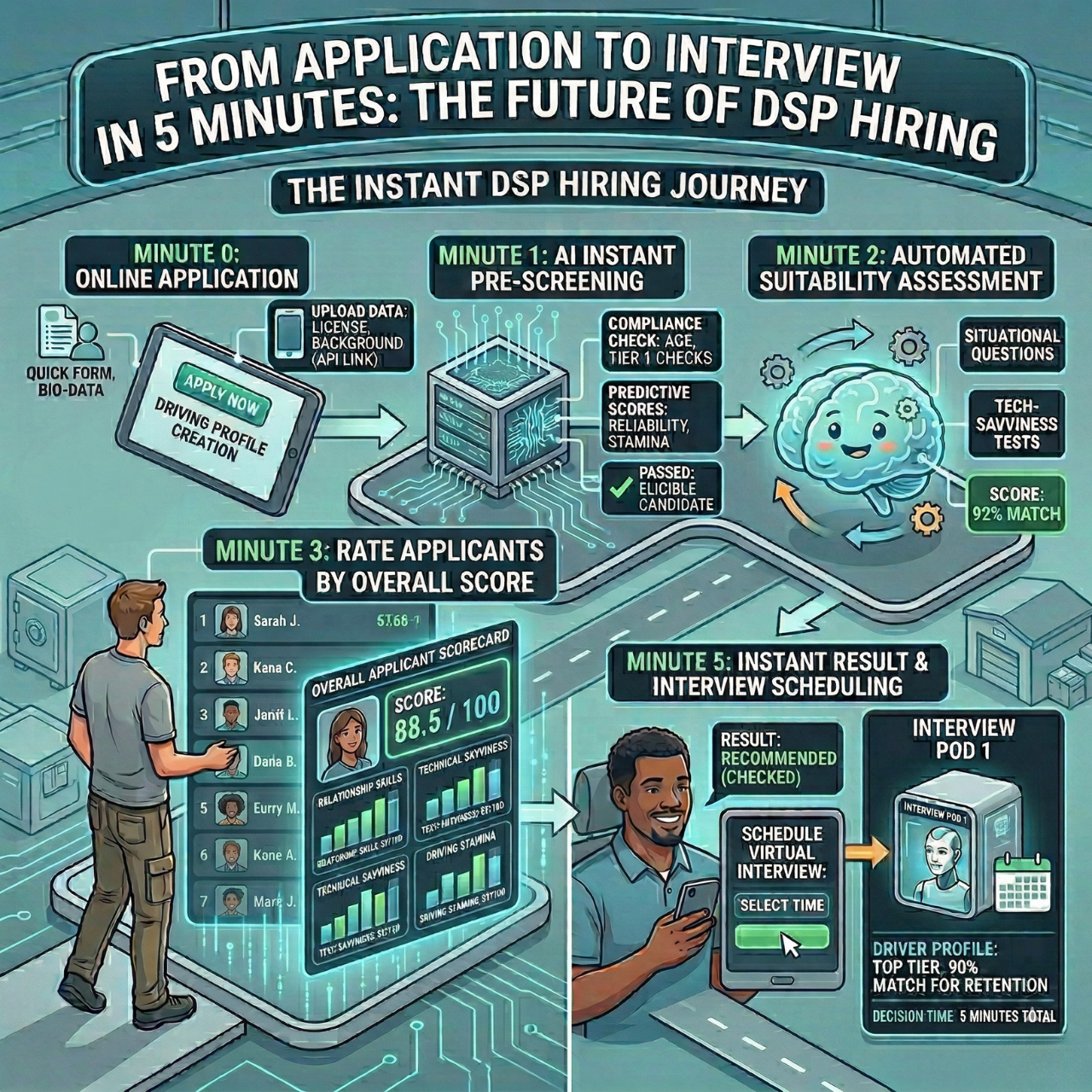
AI tools then create a profile for each applicant and generate a fit or compatibility score. This can happen in seconds, even when you’re managing a high-volume pipeline and need fast triage.
Stages in AI Candidate Screening
Here’s how the screening usually works in practice:
- Initial Resume Parsing: The AI reads resumes and extracts structured data like job titles, dates, skills, and credentials.
- Keyword Matching: The system checks for role-specific terms tied to requirements, such as tools, certifications, or industry experience.
- Qualification Verification: It confirms baseline requirements like education level, years of experience, and required licenses.
- Scoring and Ranking: Each applicant receives a score based on job criteria. Higher scores indicate stronger alignment.
- Skills Assessment: Some workflows add automated tests or challenges (coding tests, writing samples, or role-related questionnaires).
After these steps, AI produces a shortlist for recruiter review, helping you spend time where it matters most.
Role of Algorithms in Candidate Evaluation
Algorithms drive how AI scores and ranks applicants. They detect patterns from past hiring outcomes to estimate who may succeed in similar roles, then adjust weighting as results come back over time.
Most tools also normalize resume formats so candidates can be compared more consistently. Some systems use natural language processing to interpret context, not just keywords, which helps identify relevant experience even when candidates use different wording than your job post.
Types of AI Technologies Used in Recruitment
AI recruiting tools rely on several core technologies to evaluate and select candidates. Resume parsing, natural language processing, and predictive analytics are common building blocks.
Resume Parsing and Keyword Matching
Resume parsing tools scan application documents and extract key data into usable fields like work history, education, skills, and certifications. This turns messy, unstructured resumes into something your ATS can sort and compare.
Keyword matching works alongside parsing to identify terms tied to requirements. As candidates apply, the system searches for role-specific keywords like programming languages, certifications, or domain experience.
This saves recruiters time by filtering large volumes quickly. To keep results strong, make sure job descriptions reflect the skills you actually need so the keyword layer doesn’t over-prioritize noise.
Natural Language Processing in Candidate Assessment
Natural language processing (NLP) helps AI interpret meaning in text and sometimes speech. It can analyze application questions, chatbot conversations, and in some setups, structured interview responses.
NLP may evaluate communication clarity, detect whether a response addresses the prompt, and recognize that different phrases can signal the same competency. This can improve screening quality compared to keyword-only approaches, especially for roles where transferable skills matter.
Predictive Analytics for Job Matching
Predictive analytics uses historical hiring and performance data to estimate the likelihood of success in a role. Models can compare applicants to patterns from past hires, using factors like experience, skills, assessment performance, and progression.
For recruiters, this can help prioritize candidates who are both qualified and likely to ramp quickly. The most effective use is as a decision support layer, not an automatic “hire” or “reject” gate.
Key Data Points Analyzed by AI
AI systems evaluate specific information from resumes and applications, such as work history, skills, and education. Some workflows also include publicly available professional profiles to validate details and add context.
Analyzing Resumes and Application Data
AI tools scan resumes for keywords and role alignment. They consider job titles, years of experience, employers, and career progression to help you compare candidates against requirements.
The system reviews education, degrees, and certifications, then checks for gaps and tenure patterns. It also identifies achievements, projects, and measurable outcomes, which can be useful when recruiters need fast signals in high-volume pipelines.
Machine learning models may generate a compatibility score to rank candidates for review. Treat this as a prioritization tool and keep a human check for edge cases and non-traditional backgrounds.
Social Media and Online Presence Review
Some tools review LinkedIn profiles to confirm experience and skills. They may assess endorsements, recommendations, shared posts, and professional groups to add context.
In certain setups, systems can scan other public platforms for risk signals or professionalism flags. If you use this approach, keep the criteria job-related, document what you review, and avoid irrelevant data that can introduce risk or inconsistency.
Benefits of Using AI for Candidate Selection
AI-powered selection can speed up hiring and help you apply screening criteria more consistently. It can also support candidate communication, reducing drop-off when your team is stretched thin.
Increased Efficiency in Screening
AI can review hundreds or thousands of applications in minutes. It matches qualifications to requirements and reduces time spent on repetitive sorting, freeing recruiters to focus on interviews and stakeholder alignment.
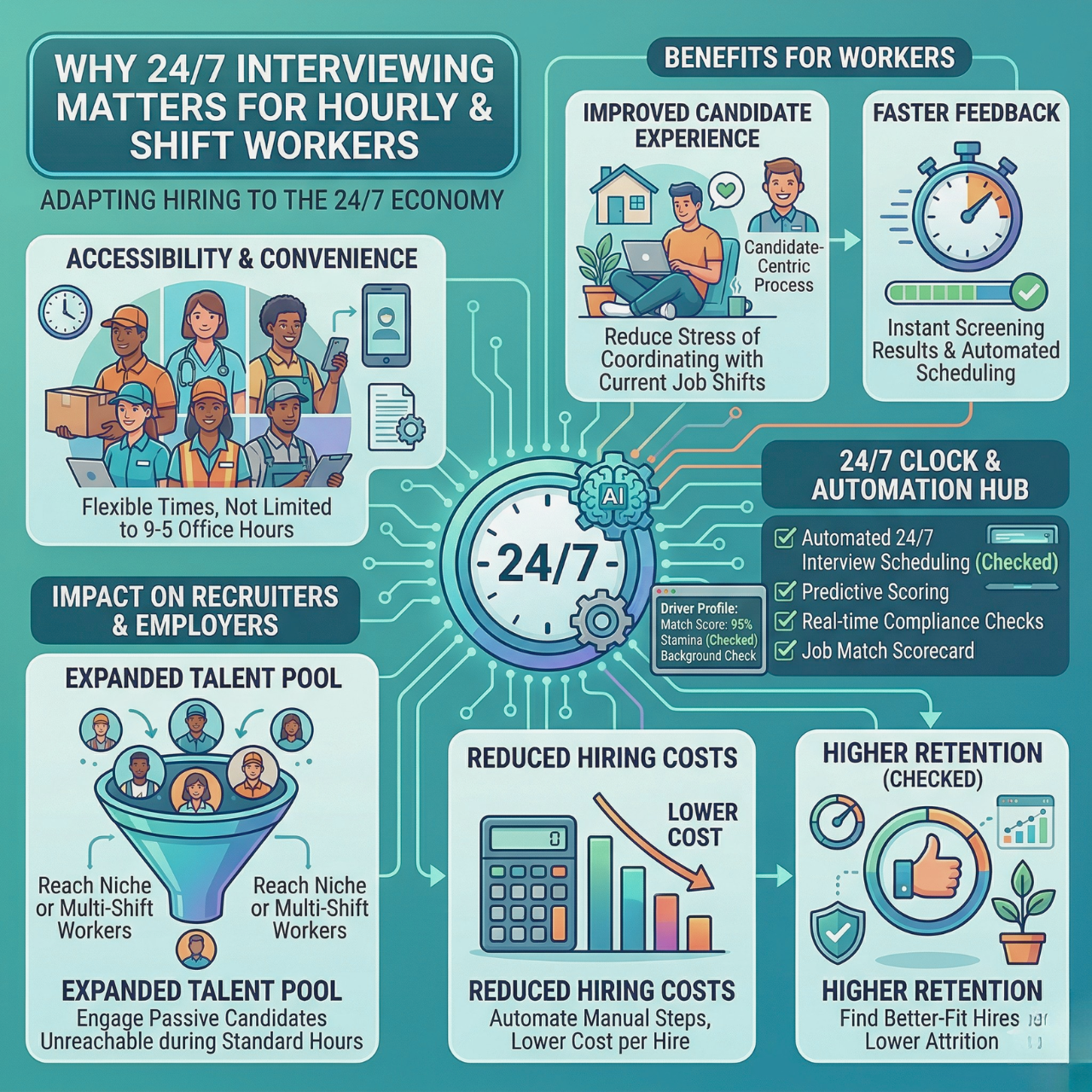
Because it runs continuously, applications can be processed soon after submission. This helps reduce time-to-shortlist and keeps strong candidates from sitting in limbo while your team catches up.
AI can also surface qualified applicants who might be missed in manual review, especially when fatigue and volume make it hard to stay consistent.
Reducing Human Bias
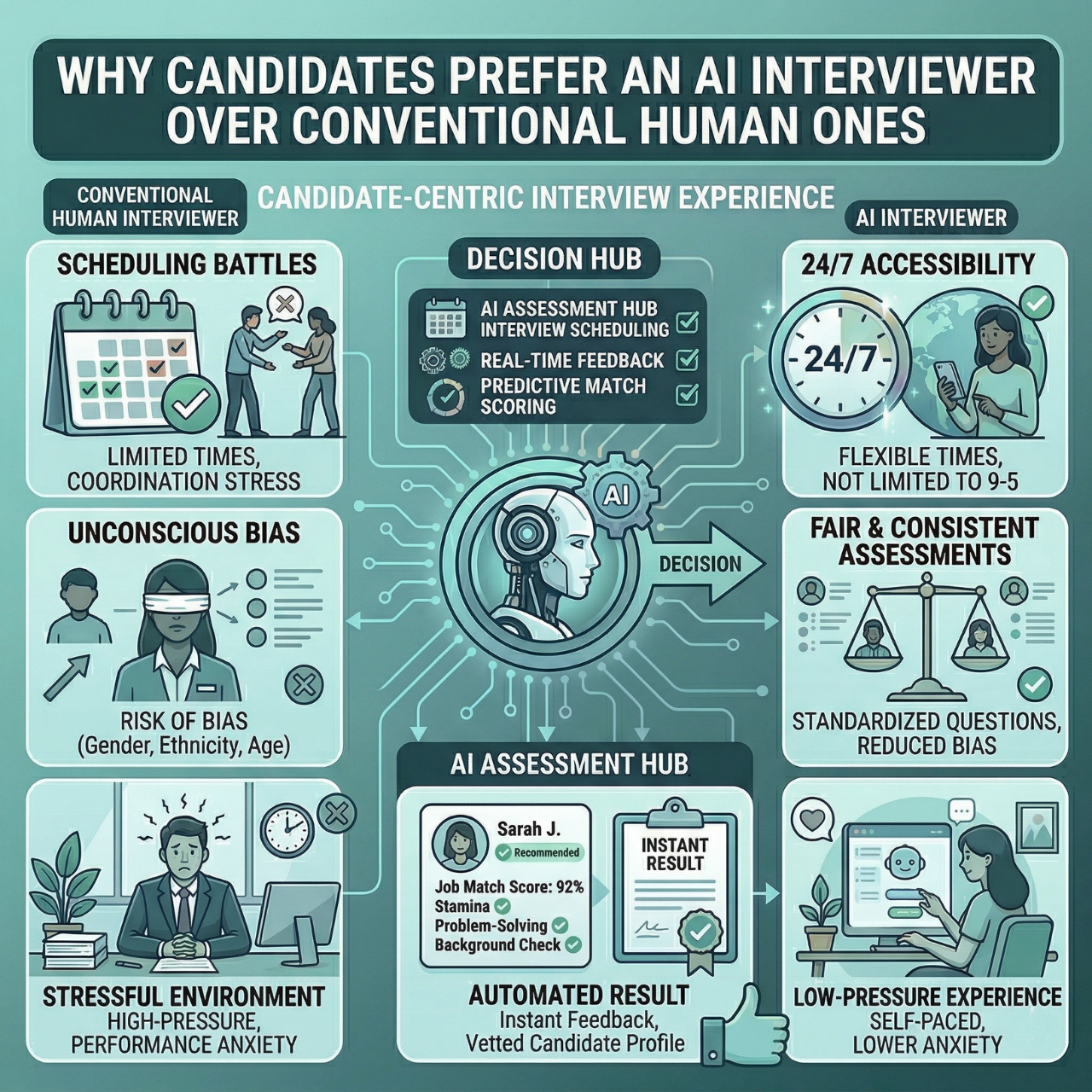
When configured well, AI can help reduce bias by emphasizing job-related criteria and applying them consistently. It can also de-emphasize signals that often introduce noise, such as formatting or subjective first impressions.
Still, AI can inherit bias from historical hiring data or flawed job criteria. Regular audits, clear score explanations, and human oversight help ensure the model supports fairer screening instead of reinforcing old patterns.
Enhancing Candidate Experience
AI can support faster updates and reduce candidate frustration when recruiter bandwidth is limited. Chatbots can answer basic questions and keep candidates informed, which helps reduce drop-off in competitive markets.
With automation, you can maintain consistent communication while keeping recruiter time focused on conversations that require judgment and rapport.
Challenges and Ethical Considerations
AI hiring tools can improve speed and consistency, but they also create risks you need to manage. Bias, limited transparency, and data privacy concerns can impact trust and compliance.
Potential for Unintentional Bias
AI learns from past data, so it can replicate patterns that reflect previous hiring decisions. If past processes favored certain backgrounds, the model may overweight similar signals, even when they are not truly job-related.
Because AI scales fast, small issues can affect many candidates quickly. Use validation checks, monitor outcomes, and consider a human review step before rejections, especially for borderline scores.
Transparency and Explainability
Some AI tools feel like black boxes. If you can’t explain why a candidate was ranked lower, it’s harder to debug criteria, defend decisions, or improve outcomes.
Recruiting teams benefit from systems that show which factors influenced scoring. Better explainability also helps you refine job criteria and reduce false negatives.
Data Privacy Concerns
AI tools can collect large amounts of personal data. Depending on the workflow, that may include resumes, assessments, interviews, and public profile information.
Be clear about what you collect, why it’s needed, and how long it’s retained. Keep data job-relevant, limit access, and align practices with applicable privacy laws and internal policy.
Hiring Faster Without Losing the Right Candidates
Manual screening slows hiring and increases the risk of missing strong applicants. AI selection tools address this pain point by automating early reviews, improving consistency, and helping recruiters focus on qualified candidates sooner.
When used thoughtfully, platforms like HRMLESS support faster decisions while helping reduce bias and recruiter burnout. The goal isn’t to replace recruiters, but to give them better signals and more time for meaningful conversations.
If resume overload or slow screening is holding your team back, book a demo to see how AI can streamline candidate selection without sacrificing quality.
Frequently Asked Questions
How does AI select candidates during screening?
AI selects candidates by analyzing resumes and applications against job requirements. It looks for relevant skills, experience, education, and keywords to score how closely each applicant matches the role.
What data does AI use to evaluate candidates?
AI reviews resume content, application answers, and sometimes assessments or interview responses. Some systems also reference public professional profiles to confirm experience and skills.
Does AI only rely on keyword matching?
No. While keywords matter, many systems also use natural language processing to understand context. This helps AI recognize relevant experience even when candidates use different wording.
Can AI help reduce bias in hiring?
AI can help reduce bias by focusing on job-related criteria and applying them consistently. However, tools must be audited regularly to avoid reinforcing bias from historical hiring data.
Is AI making final hiring decisions?
In most cases, no. AI is used to support early screening and ranking. Human recruiters typically make final decisions after reviewing shortlisted candidates.
How can candidates improve their chances with AI screening?
Candidates should clearly list relevant skills, use terminology from the job description, and keep their resumes well-structured. Clear, specific examples of experience also help AI systems accurately score applications.
Are AI hiring tools fair to all applicants?
AI tools aim for consistency, but fairness depends on how they are configured and monitored. Responsible use includes transparency, regular testing, and human oversight.
Will AI replace recruiters?
AI does not replace recruiters. It handles repetitive screening tasks so recruiters can spend more time interviewing, building relationships, and making informed hiring decisions.
Featured

Subscribe to ournewsletter
Related posts
Explore the world of photography with our curated selection of
portfolio websites that showcase creativity and innovation.