

Impact of Automated Scheduling Satisfaction at Work
See the impact of automated scheduling satisfaction on faster hiring and fewer no-shows. Smoother workflows boost efficiency and employee satisfaction.

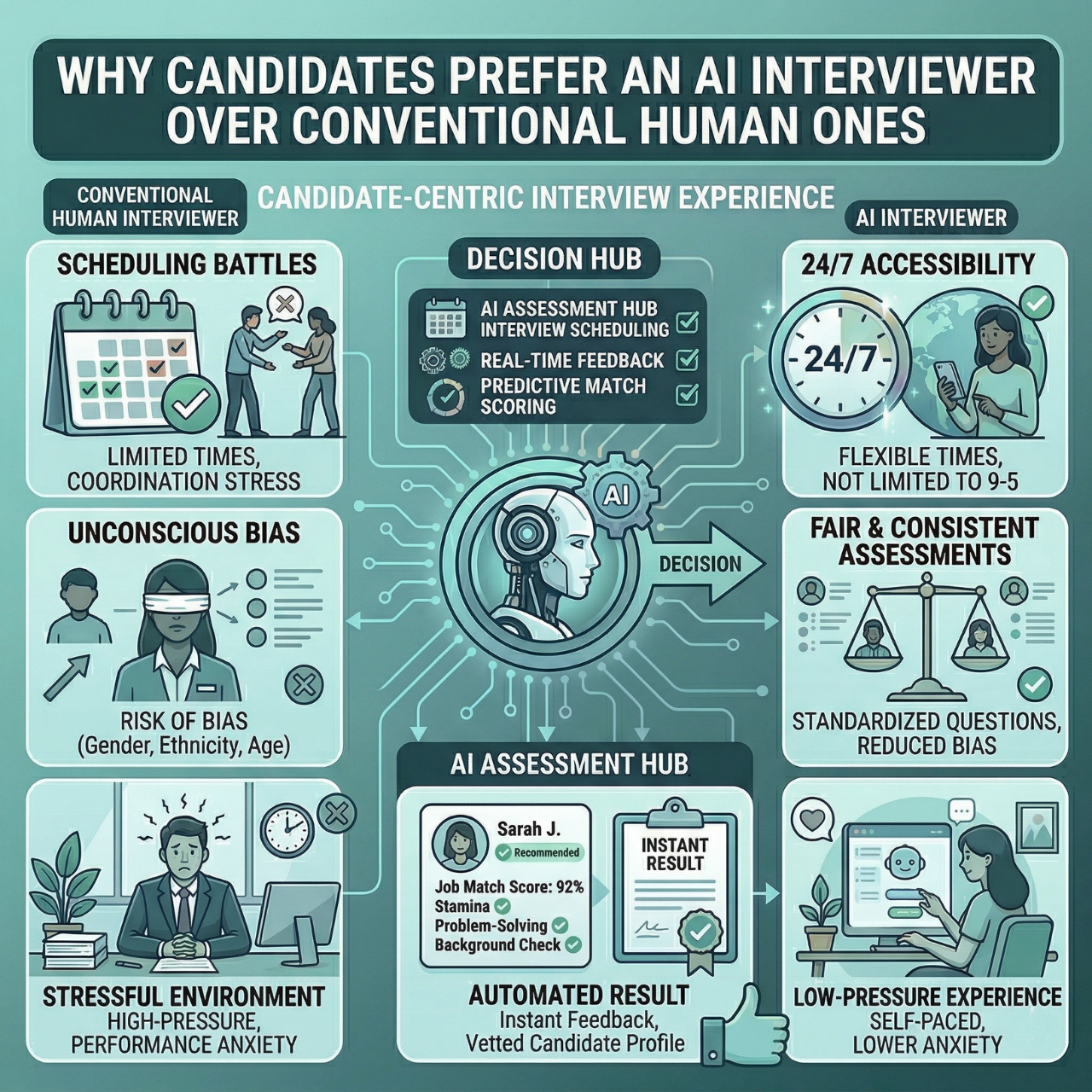
The impact of automated scheduling satisfaction shows up quickly: fewer no-shows, less candidate chasing, and smoother interview days. When calendars and reminders run in the background, your team can focus on real conversations instead of manual follow-up.
HRMLESS turns scheduling into a simple, always-on assistant that connects with engaged candidates and keeps interviews on track. Automating bookings and nudges saves recruiters time and creates a calmer, more predictable hiring experience.
In this guide, you will see how automated scheduling works, what drives scheduling satisfaction, and why it matters for both efficiency and happiness at work. You will also get practical tips, examples, and next steps to improve your own scheduling process.
What Is Automated Scheduling?
Automated scheduling is a software that handles appointment scheduling without manual emails or calls. Instead of going back and forth to find a time, the system shows available slots and lets candidates book instantly. This way, your team avoids missed meetings and reduces no-shows.
It filters out candidates who are less likely to commit and focuses on engaged ones. With automated scheduling, you spend less time managing calendars and more time interviewing. It speeds up hiring and keeps the process organized, which strengthens the overall impact of automated scheduling satisfaction on your team and candidates.
Key Features of Automated Scheduling Systems
Most systems include several features to make scheduling easy and reliable:
- Calendar Integration: Syncs with tools like Outlook or Google Calendar to show real-time availability.
- Automated Reminders: Sends email or SMS reminders to reduce last-minute cancellations.
- Candidate Self-Booking: Allows candidates to pick their own interview slots anytime.
- No-Show Reduction: Engages candidates actively, so fewer appointments are missed.
- Multi-Channel Communication: Uses text or email nudges to keep candidates responsive.
Some advanced systems use AI to learn from past hiring and improve how well they match candidates and schedule interviews. These features increase the impact of automated scheduling satisfaction by reducing friction at each step.
Types of Automated Scheduling Tools
You have several options depending on your needs:
- Standalone Scheduling Apps: Focus only on booking interviews with easy calendar syncing.
- AI Recruiting Platforms: Combine scheduling with pre-screening and candidate scoring.
- Applicant Tracking Systems (ATS): Many ATS include automated scheduling within a broader hiring workflow.
- Chatbots: Some tools engage candidates through chat to schedule interviews instantly and answer questions.
Choosing the right tool depends on your hiring volume and how automated you want your process to be. Using integrated platforms can save even more time and reduce hiring errors, which increases both efficiency and satisfaction with your scheduling process.
Key Factors Influencing Scheduling Satisfaction
Scheduling satisfaction depends on how easy and flexible the system is to use, how well it fits your needs, and if it runs without problems. You want a system that lets candidates control their time, adapts to your workflow, and stays reliable to keep everyone happy and reduce no-shows.
These factors shape the impact of automated scheduling satisfaction on both workplace efficiency and happiness.
User Experience and Interface Design
Your scheduling tool should be simple and clear. Candidates and hiring teams prefer a smooth process where steps are easy to follow. Good interface design means fewer mistakes and less frustration.
For example, clear buttons and straightforward calendars help users pick interview times without guessing. When candidates complete interviews on their own schedule, they feel more in control. That control boosts satisfaction and can help you attract better talent.
Customization and Flexibility
One size does not fit all in scheduling. You want a system that lets you customize options like interview length, buffer times, and availability windows. Flexibility also means different hiring roles might have unique scheduling rules, which supports a higher level of scheduling satisfaction.
For example:
- Some interviewers may want back-to-back slots.
- Others need breaks between meetings.
- Candidates might prefer evenings or weekends.
When your scheduling adapts to these needs, candidate experience improves. It shows respect for their time and yours, which directly improves the impact of automated scheduling satisfaction across teams.
System Reliability
Even the best design fails if the system crashes or lags. Reliability means your scheduling tool works smoothly every day without errors. Unreliable systems cause confusion, double bookings, or lost appointments.
This hurts your brand and wastes effort. Automated scheduling tools reduce these risks with real-time syncing and updates. When candidates can count on the system, they are less likely to miss interviews, leading to fewer no-shows and faster hiring cycles.
Impact of Automated Scheduling on Employee Satisfaction
Automated scheduling changes how employees manage their time and reduces common workplace frustrations. It helps balance personal life and work, limits scheduling mistakes, and gives people more control over their shifts.
These benefits directly improve how satisfied employees feel about their jobs and show the impact of automated scheduling satisfaction on workplace happiness.
Work-Life Balance Improvements
Automated scheduling makes it easier for employees to plan their personal lives. When your work schedule is clear and reliable, you can arrange appointments, family time, or hobbies without constant changes. You do not have to wait for a manager to assign shifts or swap times by hand.
Instead, automated systems offer available slots you can pick based on your needs. This flexibility lowers stress by preventing last-minute changes. Over time, a better work-life balance increases your overall happiness at work and reduces burnout.
Reduction of Scheduling Conflicts
Human-scheduled shifts often cause overlaps and errors, leading to missed hours or double bookings. Automated scheduling cuts down these errors by immediately updating when you book or swap shifts. You avoid confusion over who is working and when.
The system checks your availability, so you only get shifts that fit your calendar. Fewer conflicts mean fewer calls or messages to fix mistakes. This streamlines teamwork and lets you focus more on your job rather than on scheduling.
Empowerment Through Self-Service Options
Automated scheduling often includes self-service tools that let you manage shifts yourself. You can request time off, swap shifts, or pick open hours on your own. This control boosts your confidence because you decide your schedule without waiting for approval every time.
Platforms combine AI with easy-to-use interfaces, so you can book or change shifts quickly on your phone or computer. This reduces delays and gives you the freedom to balance work around your life.
Self-service benefits:
- Instant updates on shift changes.
- Easy requests for time off.
- Better communication with managers through alerts.
With these tools, you feel respected and valued as part of your team, which increases satisfaction and engagement.
Benefits for Management and Operations
Automated scheduling can save you time and reduce errors in shift planning. It also makes communication clearer, helping everyone stay informed and aligned. These changes can improve how your team manages day-to-day operations and highlight the impact of automated scheduling satisfaction for leadership.
Efficiency Gains in Schedule Creation
With automated scheduling, you cut down the hours spent on creating and adjusting shifts. Tools let you set rules upfront, so the system automatically matches availability, role requirements, and labor laws. This means fewer mistakes and less back-and-forth.
You also save recruiter time. Automated processes handle routine tasks, like booking interviews or shifts, freeing you to focus on higher-level planning. On average, companies save around 2.7 hours per hire, speeding up the entire recruitment cycle.
This efficiency scales as your team grows. Whether you have two open roles or many, automation keeps your scheduling accurate and up to date without extra manual work.
Improved Communication and Transparency
Automated scheduling platforms provide clear, real-time updates to everyone involved. Your team members get instant notifications about shift changes or new assignments through SMS or email, avoiding confusion and missed shifts.
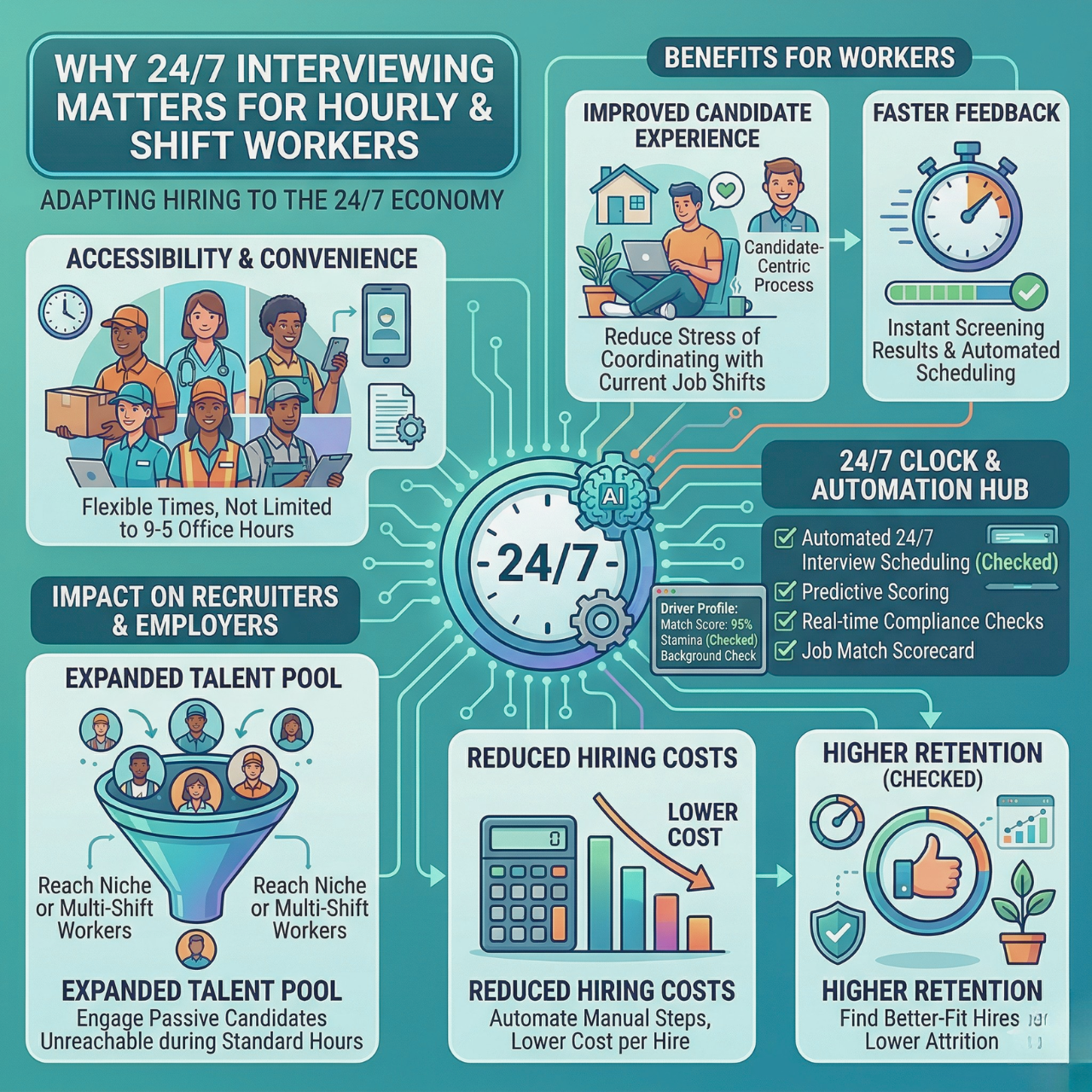
Transparency increases because schedules are shared and accessible 24/7. Employees can see their upcoming shifts and request changes easily. Managers gain better visibility into who is assigned where, reducing last-minute surprises.
This clear communication also helps reduce ghosting. Candidates and staff know their schedules well in advance, so they are less likely to disappear or miss commitments. AI-driven tools keep engagement high, making day-to-day operations smoother.
Challenges and Limitations of Automated Scheduling
Automated scheduling brings many benefits but also introduces some challenges. These include adjusting to changes in your workplace and the risk of relying too much on technology. Understanding these issues helps you use automation better without unwanted problems.
Adapting to Workplace Dynamics
Your workplace changes often, with shifts in team availability, priorities, and unexpected events. Automated scheduling systems can struggle to keep up with these changes in real time. For example, last-minute meetings or urgent tasks may not fit into a fixed schedule set by automation.
You might need to adjust manually, which can reduce some time-saving benefits. Also, team members sometimes prefer flexibility or want input on when they work. Automated tools may not always reflect these personal preferences well.
To handle this, you should choose a system that allows easy customization and quick updates. This way, the tool supports your dynamic work environment without causing confusion or conflict.
Over-Reliance on Technology
Relying only on automated scheduling can create problems if the system fails or misses details. Technical issues like software bugs or data errors may disrupt your hiring process and delay decisions.
Another risk is over-trusting automation to assess candidate interest or fit, which sometimes requires human judgment. For example, AI may not catch subtle cues or special cases during scheduling or communication.
To avoid this, combine automation with human review. Use tools to reduce no-shows and send reminders, but still keep a recruiter involved for final calls or unusual situations. Balancing tech with human insight helps keep your hiring smooth and effective, even when automation falls short.
Key points:
- Automated scheduling needs to be flexible for quick workplace changes.
- Manual adjustments are sometimes necessary.
- Technology can fail, so human oversight is still important.
- Balance automation and personal touch for the best results.
Best Practices to Maximize Scheduling Satisfaction
Making scheduling smooth takes clear steps. You need to train your team well and keep your scheduling system sharp by listening to feedback and checking its performance regularly.
These actions help reduce late changes, missed meetings, and confusion, and increase the impact of automated scheduling satisfaction.
Employee Training and Onboarding
Train your team on how the scheduling tool works. Show them how to set up interviews, use reminders, and adjust appointments easily. When everyone understands the system, fewer mistakes happen.
Use role-playing or demo sessions, so your team feels confident using the software. Teach how to handle common issues, like a candidate needing to reschedule. This prepares your team to respond fast.
Also, explain why automated scheduling improves the hiring process. When your team sees the benefits, such as fewer no-shows and saved time, they will be more motivated to follow best practices. This focus boosts satisfaction for both your staff and candidates.
Regular System Evaluation and Feedback
Check your scheduling system often to spot problems early. Track key metrics such as how many candidates miss interviews and how long scheduling takes. Use reports from scheduling tools to find bottlenecks.
Ask your team and candidates for feedback. Simple surveys or quick chats can reveal what is working and what needs fixing. For example, if candidates say reminders come too late, adjust settings to send alerts earlier.
Keep your scheduling software updated with new features. This ensures reliability and smooth operation and keeps the impact of automated scheduling satisfaction high over time.
Case Studies Demonstrating Scheduling Satisfaction
Many companies have seen clear benefits from using automated scheduling. One client cut down interview booking time by 70%. This led to faster hires and fewer scheduling errors.
Another case showed a 50% drop in no-shows after switching to automation. The system only lets engaged candidates book interviews, which keeps the process smooth and reliable.
Here is what clients noticed after using automated scheduling:
- Less back-and-forth because candidates pick the best times themselves.
- Instant notifications using SMS and email reminders to reduce missed interviews.
- Better candidate experience through 24/7 booking options that fit everyone’s schedule.
Benefit
Impact
Time saved per hire
Up to 2.7 hours
No-show rate reduced
About 50% reduction
Candidate engagement
Higher responsiveness with instant nudges
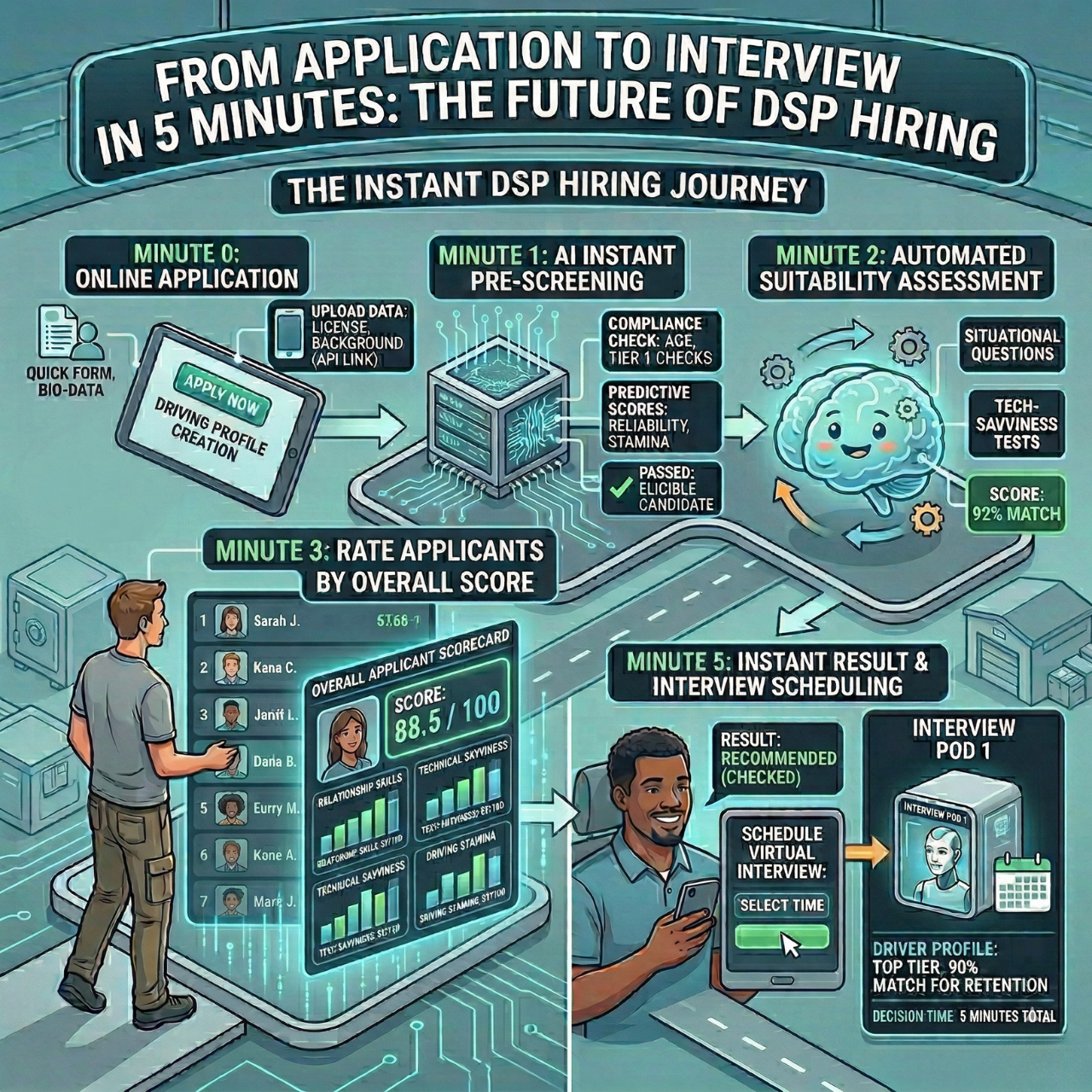
AI-powered scheduling tools can handle scheduling alongside pre-screening and scoring. This all-in-one approach simplifies your hiring process. You get fast, efficient interview setups with less stress.
Future Trends in Automated Scheduling Systems
Automated scheduling systems will keep getting smarter and more flexible. You will see more tools using AI to learn from past hiring patterns and candidate behavior. This helps predict the best times to schedule interviews, reducing no-shows even more.
Integration matters more than ever. Your scheduling software will connect seamlessly with your ATS, email, calendar, and messaging platforms. This saves you time by keeping everything in one place and avoiding long threads of back-and-forth emails.
Expect better candidate engagement through multi-channel reminders. Tools will use text, email, and even chatbots to nudge candidates before interviews. This keeps your hiring process moving smoothly and boosts satisfaction on both sides.
Voice engagement is an emerging feature. Soon, you could use AI to schedule and confirm interviews by talking naturally with candidates. This adds a human feel while keeping automation intact.
Here is what you can expect from future scheduling tools:
Feature
Benefit
Predictive AI scheduling
Cuts down on interview no-shows
Multi-channel reminders
Keeps candidates engaged and informed
Deep ATS integration
Streamlines workflow and data management
Voice scheduling
Adds natural, conversational interaction
Automated scheduling powered by AI can save you hours and reduce open role delays. You will appreciate its speed and simplicity as you scale your hiring without stress and increase the overall impact of automated scheduling satisfaction in your organization.
Turning Scheduling Into a Quiet Advantage
Automated scheduling cuts manual busywork, speeds up hiring, and reduces no-shows, all while improving candidate and employee experience. When interviews book themselves, and reminders go out on time, your team can focus on quality conversations and better decisions.
HRMLESS turns this into a repeatable system by connecting with engaged candidates, automating follow-ups, and keeping every stakeholder aligned. The result is a faster, calmer, and more accurate hiring process that supports both workplace efficiency and day-to-day satisfaction.
If you are ready to upgrade your scheduling process, book a demo to see how automated scheduling can streamline your hiring and boost team satisfaction.
Frequently Asked Questions
How has patient self-scheduling affected satisfaction in healthcare services?
Patient self-scheduling gives you control over when and how you book appointments. You can avoid long waits on the phone and pick times that fit your schedule. This flexibility raises your satisfaction by making access easier.
In what ways does automated scheduling enhance productivity in office environments?
Automated scheduling frees your team from manual booking tasks. That means you spend less time organizing and more on meaningful work. As a result, productivity increases and the impact of automated scheduling satisfaction becomes visible in daily workflows.
What changes have been observed in patient satisfaction with the advent of web-based scheduling systems?
Web-based systems let you book appointments anytime, day or night. This constant access reduces frustration from busy lines and limited hours. Many report feeling more valued and less rushed because scheduling fits their needs.
How does self-scheduling influence nurses' job fulfillment and morale?
When you schedule yourself, nurses spend less time managing calendars. This lowers their stress and lets them focus on patient care. Better morale comes from fewer interruptions and smoother workflows.
Can the quality of patient care be affected by the implementation of automated scheduling systems?
With fewer scheduling errors and missed appointments, care happens on time. You receive reminders that cut down on no-shows, helping to keep your treatment consistent. This leads to better health outcomes and smoother visits.
What are the perceived benefits of automated appointment systems on overall healthcare efficiency?
Automated systems reduce back-and-forth calls and errors. You get instant confirmations and reminders via SMS or email, which keeps everyone aligned. Healthcare providers report shorter wait times and more organized days.
Featured

Subscribe to ournewsletter
Related posts
Explore the world of photography with our curated selection of
portfolio websites that showcase creativity and innovation.