

Personalized Candidate Engagement With AI Messaging
Use AI messaging for personalized candidate engagement to cut no-shows, speed up time-to-hire, and keep every applicant informed with clear, timely updates.
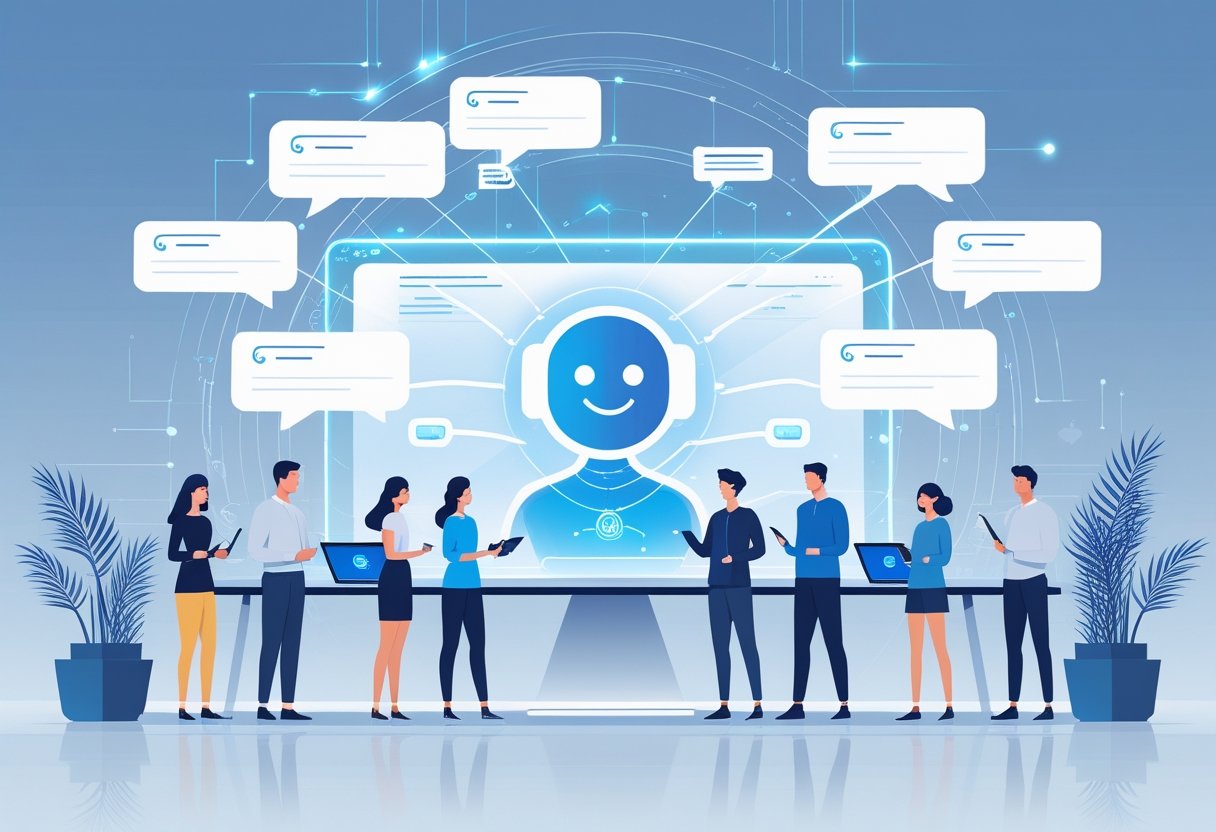
Personalized candidate engagement with AI messaging lets you reach every applicant with the right message at the right time. Instead of chasing replies, you guide candidates through each step with clear, automated updates that feel relevant, not robotic.
HRMLESS uses AI messaging to streamline screening, reminders, and follow-ups so your team can focus on real conversations, not admin work. By reacting to candidate behavior in real time, automated outreach keeps pipelines warm and moving without adding more tools or manual tasks.
In this guide, you’ll see how AI messaging powers personalized candidate engagement from first touch to offer. You’ll walk away with a clear playbook to modernize your engagement strategy.
Understanding Personalized Candidate Engagement AI Messaging
Personalized AI messaging helps you connect with candidates in a timely and relevant way. It uses automation to tailor communication based on each candidate’s behavior and stage in the hiring process. This makes your recruitment smoother and keeps candidates interested.
Definition and Core Concepts
Personalized candidate engagement AI messaging means sending messages that fit each candidate’s situation. Instead of generic emails, AI tools customize content based on who the candidates are and what steps they’ve completed. This type of messaging often includes updates, reminders, and interview schedules.
It uses data from your ATS and previous candidate actions to decide when and what to send automatically. Personalization is more than adding a candidate’s name. It involves adapting tone, timing, and information to fit different roles or candidate types. This keeps candidates feeling valued and informed.
How AI Transforms Candidate Engagement
AI handles routine communication tasks so you don’t have to. It sends fast, consistent messages that keep candidates engaged. For example, AI can run 24/7 pre-screening interviews and schedule interviews without manual input.
You get real-time updates on candidate actions and can send automatic nudges through SMS or email. You reduce delays and eliminate back-and-forth emails. AI works quietly behind the scenes, allowing you to focus on personal conversations when needed.
AI also adjusts messaging based on behavior. If a candidate opens an email or completes a task, the system responds with the right next step. This creates a smooth experience.
Benefits of Personalization in Messaging
Personalized AI messaging improves candidate experience and hiring outcomes. Keeps candidates engaged:
- Timely and relevant messages prevent candidates from losing interest.
- Reduces no-shows: Automated scheduling and reminders help candidates show up for interviews.
- Increases offer acceptance: Clear communication builds trust and shows professionalism.
- Saves you time: Automation eliminates manual messaging tasks and speeds up the process.
Key Technologies Powering AI Messaging for Candidate Engagement
AI messaging relies on several smart technologies to make your communication clear, fast, and personal. These tools help craft messages that fit each candidate’s progress and mood, keep candidates engaged, and reduce delays in your hiring process.
Natural Language Processing (NLP)
NLP lets AI understand and create human-like messages. It breaks down the words candidates write or speak, so your system knows what they mean. This means your messages can answer questions, provide updates, or explain next steps clearly.
With NLP, AI can tailor responses based on what candidates say or do. For example, if a candidate asks about interview timing, the AI can reply with the exact schedule. This reduces wait times and stops confusion.
NLP also supports multiple channels, like email and SMS, allowing you to send personalized updates instantly.
Machine Learning Algorithms
Machine learning makes AI smarter by learning from past hiring data. It spots patterns, like which responses lead to more candidate replies or which messages keep top talent interested. Your AI system can adjust messaging based on candidate behavior—for instance, sending nudges if candidates delay responding.
It also prioritizes messages for candidates who show high potential, so you focus your time wisely. This technology helps automate routine tasks like screening and scoring. You are freed to engage meaningfully with the best candidates.
Sentiment Analysis
Sentiment analysis reads the tone and feelings behind candidate messages. It tells whether candidates are excited, confused, or frustrated, so you can respond appropriately. For example, if a candidate seems unsure about a question, AI can send a clearer explanation or offer help.
If a candidate shows eagerness, the system can speed up engagement steps to keep momentum. By tracking sentiment, you avoid miscommunication and provide a smoother experience. This helps reduce candidate drop-off and improves your reputation as a transparent, caring employer.
Best Practices for Implementing AI Messaging in Recruitment
Using AI messaging thoughtfully improves how you talk with candidates. It helps you send the right message to the right person and keeps candidates interested without losing the human feel. The key is to craft clear messages, group candidates smartly, and balance automation with personal touches.
Crafting Tailored Messages
Your messages must fit each candidate’s role and stage in the hiring process. Avoid generic texts. Instead, use AI to personalize content based on the candidate’s profile, experiences, or responses.
Focus on short, clear language. Share key info like next steps, interview tips, or feedback directly. Personalization includes using the candidate’s name and specific job details to keep communication relevant.
Segmenting Candidate Audiences
Not every candidate needs the same message. Group your audience by criteria like job role, experience level, or where they are in the hiring pipeline. This allows your AI system to send targeted updates or reminders.
For example, you can separate early applicants from those ready for interviews. This means only engaged candidates get scheduling invites, lowering no-shows by up to 50%. Segmenting keeps your pipeline organized and makes candidates feel the recruitment process matches their unique situation. This avoids one-size-fits-all messages that feel impersonal.
Balancing Automation and Human Touch
Automation speeds up communication, but shouldn’t replace real connections. Use AI to send updates, schedule interviews, and answer FAQs quickly. Still, make sure your recruiters step in for complex questions, offer encouragement, or share personalized feedback. This mix shows candidates you care beyond the AI messages.
Integrating AI Messaging Platforms With Your Recruitment Workflow
To make AI messaging work, you need the right solution that fits your hiring style. It must connect with your current tools and automate communication to keep candidates engaged without extra work.
Choosing the Right AI Solution
Pick an AI platform that adapts to your hiring process and team size. Look for features like customizable screening questions and engagement messages tailored to your brand voice. This way, candidates feel the experience is personal and relevant.
Make sure the AI tool handles multiple channels like SMS and email for reminders and follow-ups. It should also help reduce no-shows by inviting only interested candidates to schedule interviews.
A flexible platform supports everything from small teams to larger hiring plans without adding complexity.
Integration With Applicant Tracking Systems (ATS)
Your AI messaging platform must connect smoothly with your ATS to keep all candidate data in one place. This connection saves you time by automatically syncing messages, interview results, and scheduling updates without manual entry.
Integration with ATS and HR systems means you can track candidate progress easily and measure engagement in real time.
Automating Follow-Up Communication
Follow-ups keep candidates interested and reduce ghosting. AI messaging platforms can send instant reminders and personalized nudges after interviews or application submissions. Automation ensures timely, consistent contact using SMS or email.
For example, if a candidate goes quiet, the AI reaches out automatically to re-engage them. This keeps your hiring pipeline strong without extra manual effort and helps you hire faster with less stress.
Measuring Success: Metrics for AI-Driven Candidate Engagement
To understand how well AI messaging works, you need to look at clear, specific numbers and feedback. This means checking how many candidates open and respond to your messages and listening to what they say about their experience. These details help you improve your hiring process and keep candidates interested.
Tracking Open and Response Rates
Open and response rates show if your messages reach candidates and get their attention. You want a high open rate, meaning most candidates read your messages. The response rate tells you how many take action, like replying or booking an interview.
You can track these rates automatically. For example, if your email open rate is below 50%, try adjusting your subject lines. If candidates aren’t responding, review message timing or content.
Focus on:
- Open rate: Percentage of candidates who open your message.
- Response rate: Percentage who reply or engage.
- Click-through rate: Tracks if candidates follow links, like scheduling interviews.
These numbers help you spot weak spots and improve engagement without extra work.
Candidate Experience and Feedback
Candidate experience matters as much as the numbers. Even if messages get opened, a poor experience can cause drop-offs. Collecting feedback—through quick surveys or follow-up questions—shows you what works and what doesn’t.
Ask candidates about:
- Ease of communication.
- Clarity of messages.
- Promptness of replies.
Good AI messaging should feel personal and timely, reducing frustration. When candidates feel respected and informed, they are more likely to stay engaged and complete hiring steps. Improving experience leads to better acceptance rates and fewer no-shows.
Use candidate feedback to adjust tone, frequency, and content to fit real preferences.
Challenges and Ethical Considerations in AI Messaging
When using AI for personalized candidate engagement, you must handle sensitive data with care. Candidates share personal information that needs strong protection to maintain trust. Any mishandling could harm your company’s reputation and legal standing.
AI systems can also show bias if not properly managed. Bias can sneak in through data or algorithms, unfairly favoring some candidates over others. You should regularly check for fairness and update models to prevent discrimination.
Another challenge is following employment laws. Rules about data privacy, equal opportunity, and consent still apply when you use AI messaging. Staying compliant protects you from legal risks and ensures respectful candidate treatment.
Transparency matters. Let candidates know when they interact with AI tools. Clear communication builds confidence and avoids confusion. You want your technology to support a fair and friendly hiring experience.
Challenge
Why It Matters
How to Address It
Data Privacy
Protects candidate personal info, builds trust
Use secure systems, follow laws
Bias in AI
Ensures fairness and equal opportunity
Regular audits, diverse data
Legal Compliance
Avoids lawsuits and reputational risk
Know and follow employment laws
Transparency and Trust
Improves candidate experience and engagement
Clearly label AI interactions
Future Trends in Personalized Candidate Engagement AI Messaging
Personalized AI messaging will soon get smarter by learning from how candidates respond. This means your messages will adjust automatically to keep candidates interested and engaged throughout the hiring process.
Expect AI tools to become more proactive. They will send timely reminders and updates based on each candidate’s behavior. For example:
- Follow-ups if a candidate delays a response
- Customized info based on the role they applied for
- Real-time nudges to reduce no-shows
Voice engagement is another growing trend. Soon, you’ll be able to let candidates talk naturally to AI. This makes conversations feel more human and less robotic, improving the overall candidate experience.
You’ll also see more real-time analytics dashboards. These will track important details, such as:
Metric
Why It Matters
Candidate response rate
Helps you identify where candidates lose interest
Time-to-hire
Lets you spot bottlenecks and speed up hiring
Engagement score
Shows which messages work best
Automated SMS and email tools will keep your pipeline moving smoothly. You’ll save time and cut down on ghosting because candidates get the right messages at the right moment — every time.
Turning Personalized Messaging Into a Hiring Advantage
Personalized candidate engagement with AI messaging helps you move faster, cut no-shows, and keep every applicant informed. When outreach is tailored, timely, and automated, your team gains speed and efficiency without sacrificing quality or candidate experience.
HRMLESS brings this to life by automating screening, updates, and follow-ups while still leaving space for human conversations where they matter most. You stay in control of hiring decisions, while AI handles the routine touches that reduce ghosting and keep your pipeline active.
If you’re ready to modernize your candidate engagement and see where AI messaging can make the biggest impact, book a demo and get a clear plan to upgrade your hiring process.
Frequently Asked Questions
AI messaging helps you reach candidates quickly with tailored messages. It keeps them informed and engaged while saving your time. You can use these tools alongside your current systems and adapt messaging as candidates respond.
How can I integrate AI into my candidate engagement strategy?
Start by choosing an AI platform that fits your hiring volume. Connect it to your ATS or HRIS for smooth data flow. Automate messages like reminders, updates, and interview invitations based on candidate actions to save time.
What are the benefits of using personalized messaging for candidate engagement?
Personalized messages keep candidates interested by giving them the right info at the right time. This reduces no-shows, speeds up hiring, and improves your employer brand. Candidates feel valued and stay involved throughout your process.
Which platforms offer the best AI-powered messaging tools for recruiters?
Look for solutions that combine scheduling, reminders, and messaging. Choose one that works well with your existing systems.
What measures should be taken to ensure personalization does not compromise candidate privacy?
Use AI tools that comply with data privacy laws. Only collect information needed for hiring, and keep data secure. Be clear with candidates about how their data will be used and avoid sharing sensitive details without consent.
How can AI messaging improve the candidate experience during the recruitment process?
AI gives quick, transparent updates and answers questions in real time. Candidates get reminders and clear instructions, which lowers confusion. This steady communication boosts your reputation, making candidates more likely to recommend your company.
Can AI messaging systems help in scaling candidate engagement for large recruiting operations?
Yes. AI messaging handles a high volume of candidates without extra effort. Automation lets you engage all applicants promptly, even when hiring for many roles. This flexibility lets your team focus on the best candidates while AI manages routine follow-ups.
Featured

Subscribe to ournewsletter
Related posts
Explore the world of photography with our curated selection of
portfolio websites that showcase creativity and innovation.