

Recruiting in Manufacturing with AI for Faster Hiring
Learn how recruiting in manufacturing with AI automates screening, scheduling, and communication to hire faster, cut ghosting, and improve candidate quality.
.jpg)
Recruiting in manufacturing with AI turns slow, manual hiring into a faster, more predictable process. Instead of juggling resumes and schedules, your team can rely on automated screening, scoring, and scheduling to keep roles filled and production on track. The result is fewer delays and better-aligned talent.
HRMLESS helps manufacturing teams move from reactive hiring to a streamlined, always-on process, using AI interviews and automated workflows to cut time-to-hire while improving candidate quality.
In this guide, you will learn how to manage risks, protect candidate data, and prepare your team for the next wave of AI-powered recruiting in manufacturing.
The Evolution of Recruiting in Manufacturing
Recruiting in manufacturing has changed a lot. It used to be slow and manual, but now technology, especially AI, is driving fast, smarter hiring. You can expect better candidate matches and quicker decisions.
Traditional Manufacturing Recruitment Challenges
Hiring in manufacturing often faced delays and inefficiencies. Many recruiters relied on resumes and gut feeling, which missed key skills and caused poor fits. Time-to-fill open roles was long, leaving important jobs empty.
Large applicant pools made it hard to sift through resumes quickly. This slowed down the hiring process. Biases also influenced decisions, affecting diversity and fairness. Communication with candidates was limited, leading to ghosting and low engagement.
Recruiters struggled to balance skill needs with production demands. Without clear data, predicting candidate success and retention was nearly impossible.
The Shift Toward Automation in Staffing
AI-driven tools have changed how you recruit in manufacturing. Platforms automate screening, scoring, and scheduling, saving hours per hire. You no longer waste time on low-fit candidates.
Automated candidate engagement uses SMS and email nudges to keep applicants involved, reducing no-shows by 50%. AI can predict who will succeed, cutting turnover and improving quality.
You get real-time insights on bottlenecks and hiring speed. Integration with ATS and HRIS means no disruption to your current systems. This makes your hiring faster, fairer, and less stressful.
Using AI, your team can focus on strategic decisions while machines handle routine tasks. This makes staffing scalable and efficient.
Artificial Intelligence in Recruitment Processes
AI changes how you find and hire manufacturing talent. It uses smart tools to sift through resumes, connect with candidates, and predict who fits best. These tools save time and improve hiring quality.
Overview of AI-Driven Recruitment Tools
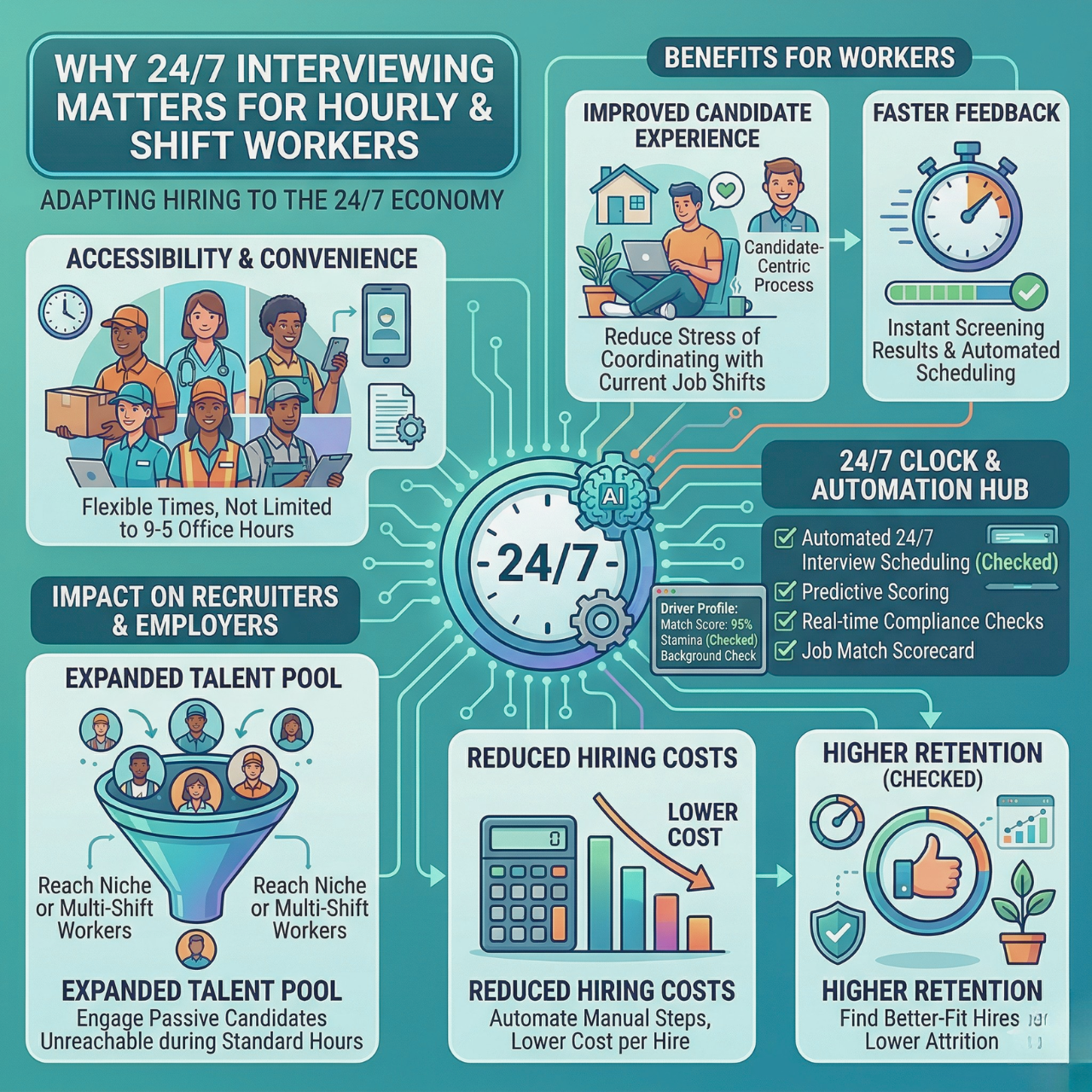
AI tools cover multiple recruitment steps. They parse thousands of resumes quickly using natural language processing. Chatbots engage candidates instantly, answering questions and scheduling interviews 24/7.
Predictive analytics forecasts candidate success by identifying key skills and experience. Your existing ATS can integrate with AI tools to keep data organized and workflows smooth.
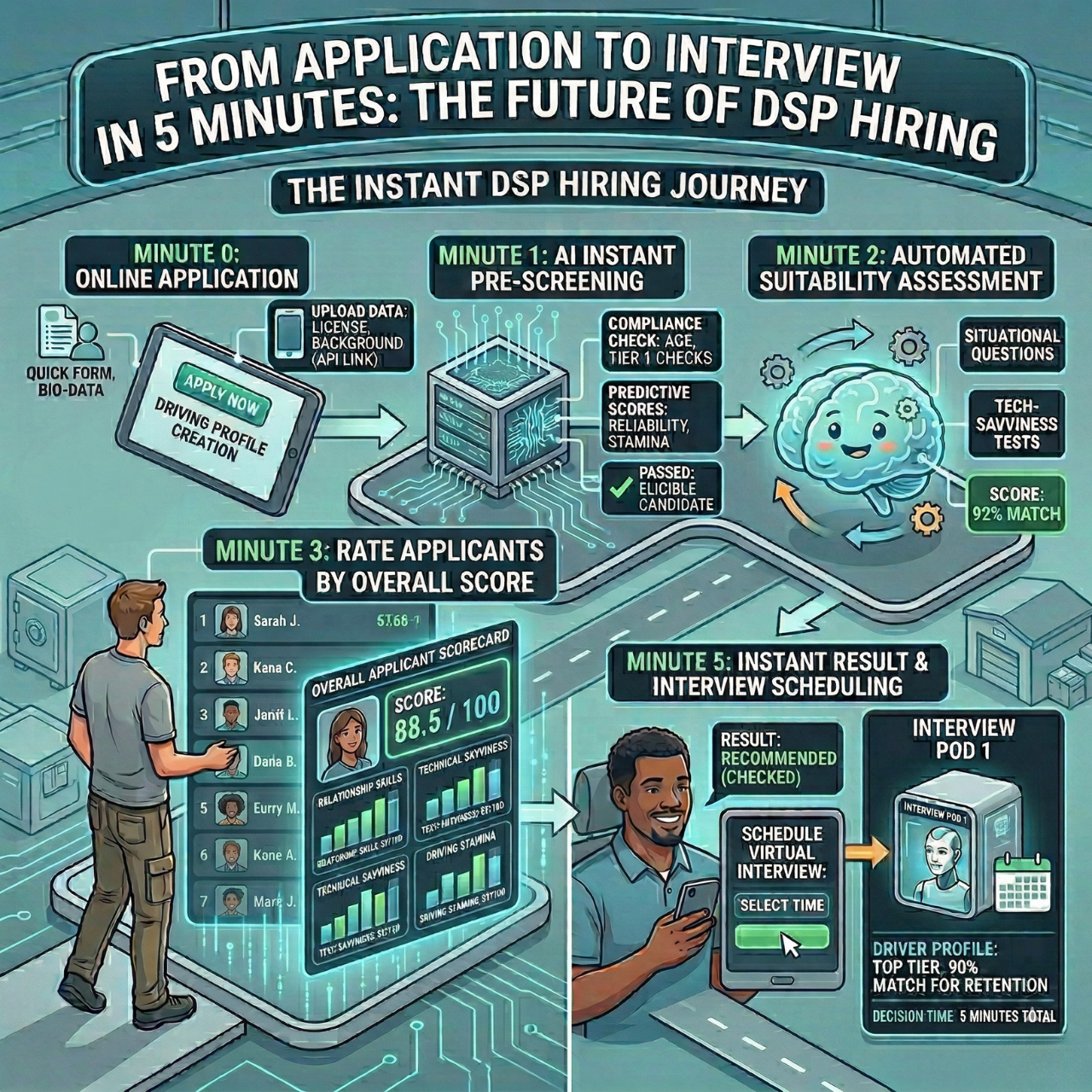
Platforms automate prescreening, scoring, and scheduling so your team can focus on strategic tasks. This reduces manual work and speeds up hiring.
Benefits of AI for Manufacturing Talent Acquisition
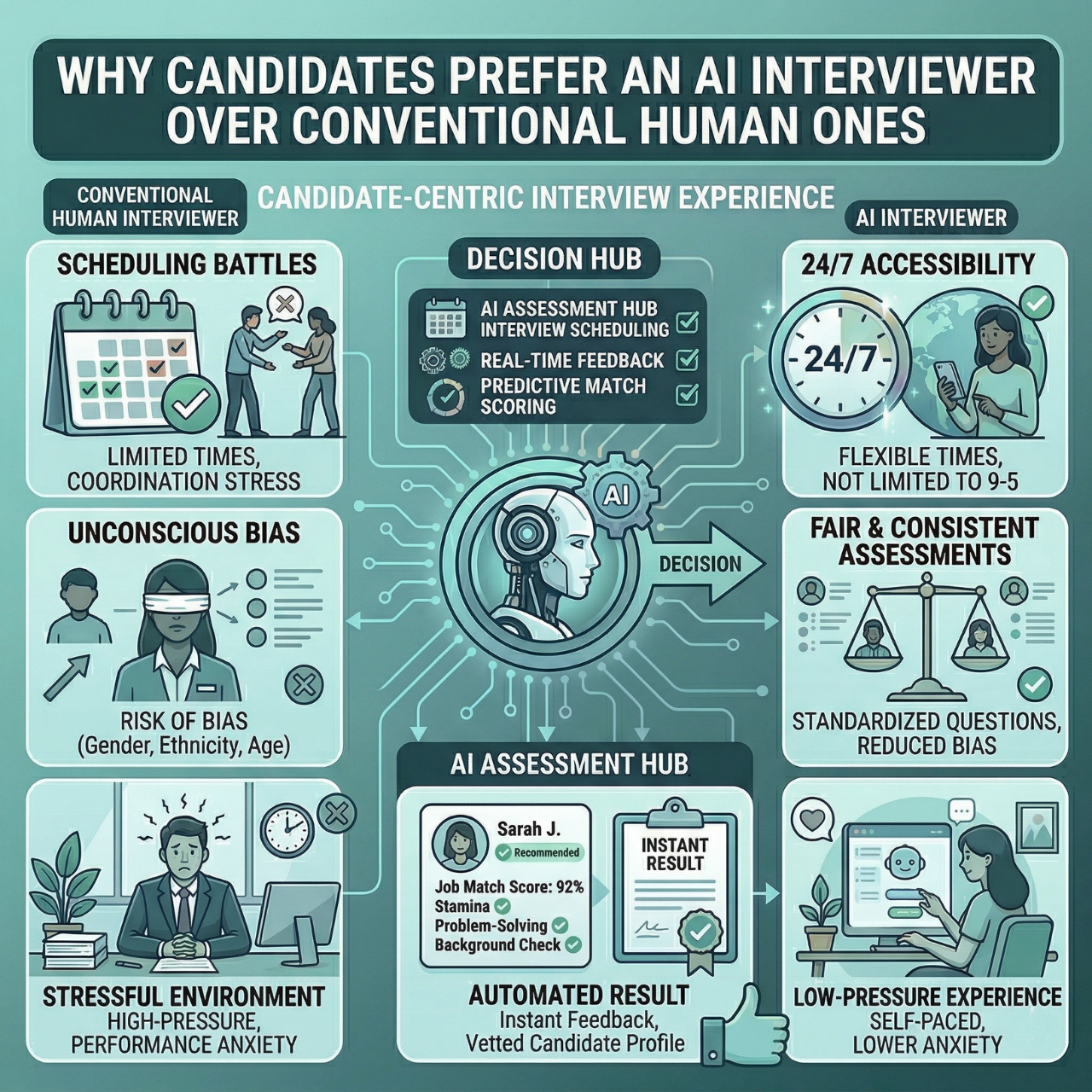
AI removes busywork by automating candidate screening and communication. You save hours per hire because AI handles scheduling and initial interviews automatically. This leads to faster hiring and fewer no-shows.
You also reduce bias because AI scores candidates on skills, not on unconscious preferences. This helps you find diverse talent for roles requiring specific manufacturing skills.
AI tools improve candidate quality and boost engagement with automated SMS and email nudges.
Streamlining Candidate Screening With AI
Screening is the most time-consuming recruitment step. AI quickly sorts resumes based on keywords, certifications, and experience relevant to manufacturing roles. It ranks candidates so you focus on top prospects.
You can automate pre-screening interviews that candidates complete anytime. This gives insight into skills and attitude before a human talks to them.
Automation reduces ghosting by keeping candidates engaged with timely follow-ups. Using AI, you spend less time on low-fit candidates and more on those likely to succeed. The process becomes faster, more efficient, and fairer.
Optimizing Job Matching and Placement With AI
Using AI in manufacturing recruitment helps you quickly find the right candidates and place them where they fit best. It powers smarter sourcing and better analysis of skills, reducing guesswork and wasted time.
AI-Based Candidate Sourcing
AI-driven sourcing tools scan large pools of applicants fast. They filter resumes and profiles by matching skills and experience to specific job needs. This cuts down on hours spent sorting through unqualified candidates.
You can automate initial outreach and engagement, keeping candidates interested with timely messages via SMS or email. This reduces no-shows and improves your hiring flow.
Predictive Analytics for Skills and Fit
Predictive analytics analyzes candidate data to forecast job success. This goes beyond basic qualifications by comparing candidates' past performance and skill sets to your company’s needs.
AI models identify patterns that humans might miss, improving how precisely you match people to roles. For manufacturing, this means finding workers whose skills align well with equipment, processes, or team dynamics.
This approach also limits bias by focusing on actual fit, not assumptions. Using AI analytics lets you place candidates where they will perform best, reducing turnover and boosting productivity.
Reducing Bias and Enhancing Diversity
Reducing bias and boosting diversity in manufacturing recruitment means using tools that make decisions more fair and inclusive.
This approach helps you avoid guesswork and opens the door to a wider range of qualified candidates. The right methods lead to consistent hiring that reflects real talent, not unconscious preferences.
Eliminating Subjective Decision-Making
Subjective decisions often cause bias in hiring. AI takes the emotion and hidden preferences out of early candidate screening. By analyzing resumes and interview responses based on skills and experience alone, AI helps you avoid favoring certain groups unintentionally.
You can rely on automated scoring and ranking tools to give every candidate a fair shot. These tools strictly follow the criteria you set, so each applicant is judged equally. This reduces errors in judgment and prevents bias from affecting your choices.
AI also flags biased language in job descriptions that might discourage certain applicants. Fixing this makes your job postings more welcoming. The result is a more balanced talent pool and fairer first-round decisions.
Promoting Inclusive Hiring Practices
Inclusive hiring means attracting and selecting candidates from diverse backgrounds. AI tools can guide you to build more welcoming job descriptions using terms that appeal across demographics. This encourages applications from groups often underrepresented in manufacturing.
You can automate candidate engagement with SMS and email follow-ups. This keeps all candidates informed and reduces no-shows, which often happen when some applicants feel overlooked.
Structured interviews powered by AI provide consistent questions and scoring. This ensures every candidate faces the same evaluation conditions. Standardizing interviews helps prevent unconscious bias from entering your decision-making.
Key benefits for your hiring process:
- Broaden candidate diversity through neutral language and outreach
- Keep candidates engaged with automated, fair communication
- Ensure equal treatment with consistent, AI-driven evaluations
Improving Candidate Experience Through AI
Your hiring process can become smoother and more engaging with AI that adjusts to each candidate’s needs. Faster responses and tailored communication help keep applicants informed and happy throughout the journey.
Personalized Application Processes
AI lets you customize the application steps based on each candidate’s profile. Instead of a one-size-fits-all form, your system can adapt questions and tests to match skills and experience. This saves candidates time and highlights their strengths right away.
Personalized processes reduce discouragement and make it easier to spot the best fit quickly. AI-driven pre-screening can score candidates automatically. This means you focus only on top talent while candidates get clear, relevant tasks.
You also avoid repetitive steps that many candidates dislike. By tailoring applications, you improve the quality of submissions without adding extra work for your hiring team.
AI Chatbots for Communication
AI chatbots help you stay in touch with candidates 24/7. They answer common questions instantly, guide applicants through each stage, and provide timely updates on their status.
By keeping candidates informed, chatbots cut down on uncertainty and reduce dropout rates. You won’t leave applicants guessing if their materials were received or what comes next.
Using chatbots also frees your team from routine messages. They quickly handle scheduling, reminders, and FAQs while you focus on decisions.
Chatbots can be combined with SMS and email engagement to maintain momentum and lower no-shows. Clear, fast communication creates a better candidate experience, making your hiring process more efficient and respectful of applicants’ time.
Data Security and Privacy in AI Recruiting
When using AI for recruiting in manufacturing, handling candidate data carefully is critical. Protecting personal information and following legal rules are key to keeping your hiring process safe and trustworthy.
Protecting Candidate Information
You must keep candidate data secure from the start. AI systems collect sensitive details like resumes, interview answers, and contact info. Protect this data by using strong encryption and limiting access only to authorized staff.
Store information on secure servers with regular backups to prevent loss. Monitor AI tools continuously for possible breaches or misuse.
Automated hiring platforms can also focus on security. The system can flag unusual activity and keep all candidate records confidential. This builds candidate trust and prevents costly data leaks that could damage your company’s reputation.
Compliance With Industry Regulations
You need to follow laws like GDPR, CCPA, and other local rules that regulate how you process and store personal data.
- Get clear consent from candidates before collecting their data.
- Explain why and how you use AI in hiring.
- Allow candidates to access or delete their information on request.
Non-compliance can lead to fines or legal trouble. Regular audits and staff training ensure your AI recruitment practices meet evolving regulations.
Measuring Success and ROI of AI Recruitment
To evaluate your AI recruiting efforts in manufacturing, focus on key hiring metrics and the cost and efficiency improvements gained. This helps you prove the value of AI tools and optimize your hiring process for better results.
Tracking Hiring Metrics
You should track time-to-hire, quality of hire, and candidate retention closely.
- Time-to-hire: AI tools can cut this by 20-40%, speeding up manufacturing roles that often face urgent staffing needs.
- Quality of hire: Measure how well new hires perform and stay long-term. AI screening improves matching, reducing turnover.
- Candidate experience: Monitor feedback and dropout rates. AI-powered scheduling and engagement lower no-shows and ghosting, keeping top candidates involved.
Use a dashboard to track these metrics in real time. This data shows where AI helps and where adjustments are needed.
Cost Savings and Operational Efficiency
AI recruitment reduces recruitment costs by automating repetitive tasks like pre-screening, scheduling, and candidate communication. Cost-per-hire drops as less manual work means fewer resources spent on basic screening and coordination.
Efficiency gains come from saving around 2.7 hours per hire through automation, allowing your team to focus on strategic work. Automated tools reduce ghosting and no-shows by about 50%, keeping your pipeline healthy and reducing delays.
Seamless ATS integration and multi-channel candidate engagement can trim costs and scale your hiring without added stress.
Challenges and Limitations of AI in Manufacturing Recruitment
Using AI in recruitment brings many benefits, but it also comes with some challenges you need to know. These include technology issues and adapting your team to use AI effectively.
Technological Barriers
One big challenge is algorithmic bias. AI learns from past data, which can contain hidden biases. This means some qualified candidates might get unfairly screened out if the AI favors certain profiles.
Another issue is data quality. AI needs clean, complete data to work well. In manufacturing, employee records might be incomplete or inconsistent, causing errors in candidate scoring.
Integration with your existing systems can also be tricky. Your AI should work smoothly with your ATS and HRIS, but technical glitches or a lack of compatibility may slow down hiring.
Security is important too. Protecting candidate data from breaches and misuse is critical, especially when AI handles sensitive information.
Change Management for Adoption
Many teams resist AI because it changes how they work. Recruiters may worry AI will replace them or add complexity. You need to clearly explain how AI helps by automating time-consuming tasks like screening and scheduling.
Training your staff is key. Everyone should understand how AI tools improve efficiency without removing human judgment.
Start small with pilot programs before expanding AI use. This helps people get comfortable and allows you to fix issues early.
Finally, keeping transparency in AI decisions builds trust. Let candidates and recruiters know how AI is used and ensure fairness throughout the process.
Future Trends in Manufacturing Recruitment With AI
AI is changing the way you recruit in manufacturing. One major trend is predictive skill-matching. AI uses past data to find candidates who fit roles better. This reduces turnover and helps you hire people who stay longer and perform well.
Another trend is autonomous recruiting systems. These tools handle screening, scoring, and scheduling automatically. You save time and avoid common hiring delays. For example, some platforms use AI to do this 24/7, so candidates can interview anytime without slowing your process.
Integration between HR and production data is also growing. This helps you align hiring needs with real-time production demands. You can react faster to changes and keep your workforce balanced.
Expect AI-driven recruiting to focus more on skills than just resumes. This means you look at what candidates can do, not only where they worked. It opens up your talent pool and improves hiring quality.
Key benefits include:
- Faster hiring with automated scheduling and instant candidate nudges.
- Reduced ghosting by keeping candidates engaged through automated SMS and email.
- Better decision-making using AI scoring and real-time analytics dashboards.
Driving Better Manufacturing Hires With AI
Recruiting in manufacturing with AI replaces slow, manual workflows with faster, more consistent hiring. The result is leaner processes and stronger manufacturing teams.
HRMLESS gives you a practical way to put this into motion, connecting AI interviews, candidate scoring, and ATS workflows so recruiters spend less time chasing logistics and more time making good decisions.
If you are ready to upgrade your recruiting in manufacturing with AI, book a demo to see these workflows in action, or start a free trial to test automated screening and scheduling on your next roles.
Frequently Asked Questions
What does recruiting in manufacturing with AI mean?
Recruiting in manufacturing with AI means using software to automate screening, scoring, scheduling, and messaging. AI takes over repetitive steps so recruiters can focus on decisions, relationship building, and final selection.
How can AI improve candidate quality for manufacturing roles?
AI compares skills, certifications, and experience against clear job criteria. It ranks candidates by fit, so better matches reach the top of the list faster, and hiring relies less on gut feeling.
Will AI replace recruiters in manufacturing hiring?
AI supports recruiters instead of replacing them. It handles resume filtering, pre-screening, and calendar tasks while humans still run interviews and make hiring decisions.
How does AI help reduce bias in manufacturing recruitment?
AI tools apply consistent rules to every applicant and focus on skills and job-related data. With proper setup and monitoring, they help reduce the impact of unconscious bias, but human review remains essential.
What systems can AI recruiting tools integrate with in manufacturing?
Most AI hiring tools connect with applicant tracking systems and HR information systems. This keeps data aligned, removes duplicate manual work, and makes metrics like time to hire easier to track.
Featured

Subscribe to ournewsletter
Related posts
Explore the world of photography with our curated selection of
portfolio websites that showcase creativity and innovation.