

Remote Hiring With AI: Find Top Talent Faster
Remote hiring with AI speeds screening, matching, and scheduling while improving candidate experience and supporting fair, skills-first decisions.
Remote hiring is harder than it looks. You’re dealing with too many applications, slow screening, time zone delays, and candidates dropping off mid-process. Remote hiring with AI helps teams cut through the noise faster while keeping quality high.
That speed only matters if it reduces workload and keeps candidates moving. HRMLESS cuts manual work, shortens time-to-hire, and keeps candidates engaged even when your team is offline.
This guide breaks down how AI supports remote hiring, the core technologies behind it, and practical ways to use these tools responsibly. You’ll see where automation saves time, where human judgment still matters, and how to build a hiring process that scales.
Why Use AI for Remote Hiring?
AI tools tackle repetitive tasks quickly and match candidates more accurately than old-school methods. They smooth out the hiring process for applicants and help solve the headaches of building remote teams.
Benefits of Automation in Talent Acquisition
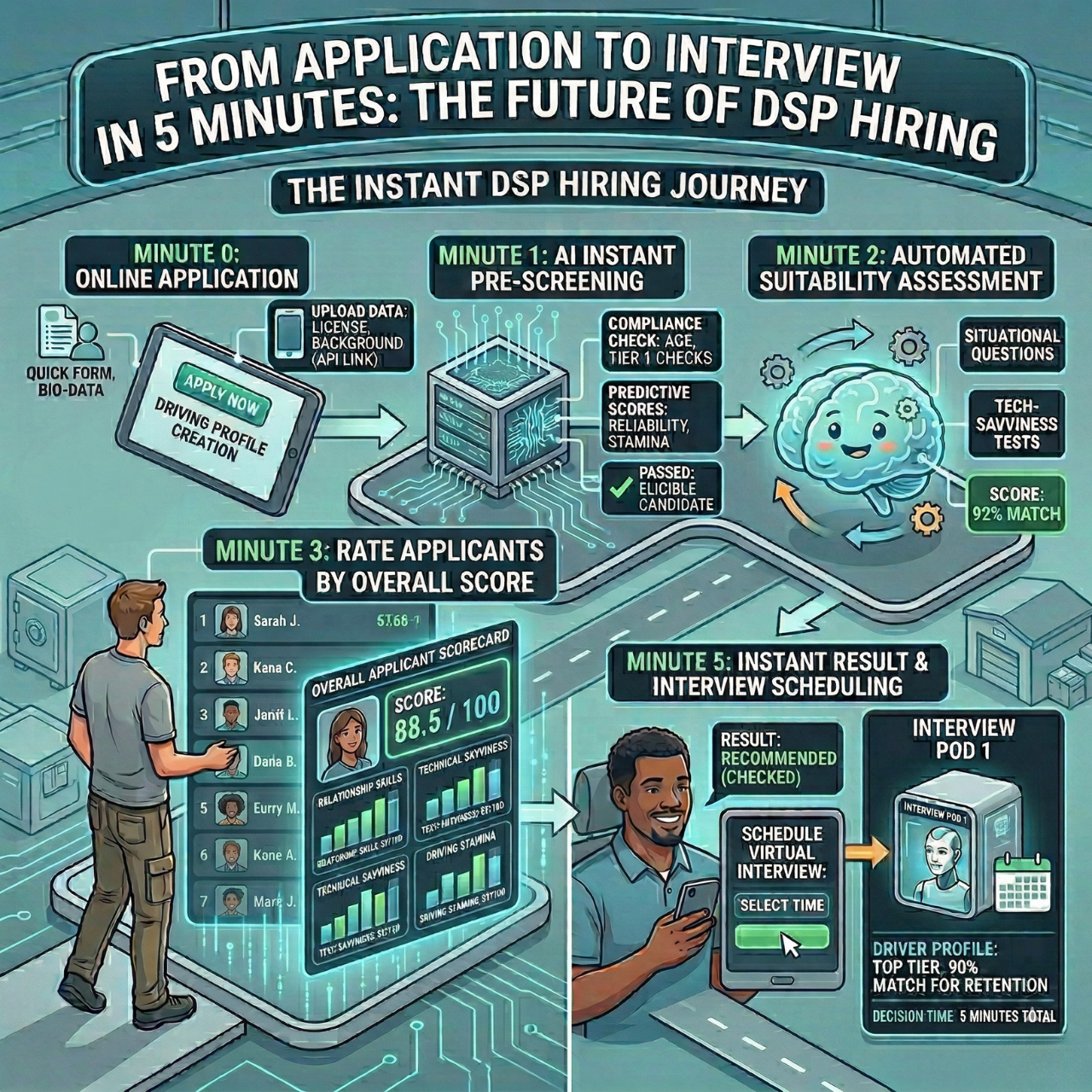
AI tools screen hundreds of applications in minutes, not days. They scan resumes for the skills, experience, and qualifications you need.
This saves your hiring team hours of manual work every week. These systems rank candidates based on how well they match your job requirements.
You get a sorted list of top applicants without slogging through every single resume. The software picks up on keywords and patterns that human reviewers might miss, especially when they’re tired or distracted.
AI scheduling tools coordinate interviews across different time zones. They send out invites, reminders, and follow-ups so you don’t have to.
This keeps your hiring process moving, even when your team is swamped. Data tracking gets easier, too. AI platforms show you metrics like time-to-hire, candidate sources, and drop-off rates. You can spot bottlenecks and fix them before they become a problem.
Enhancing Candidate Experience
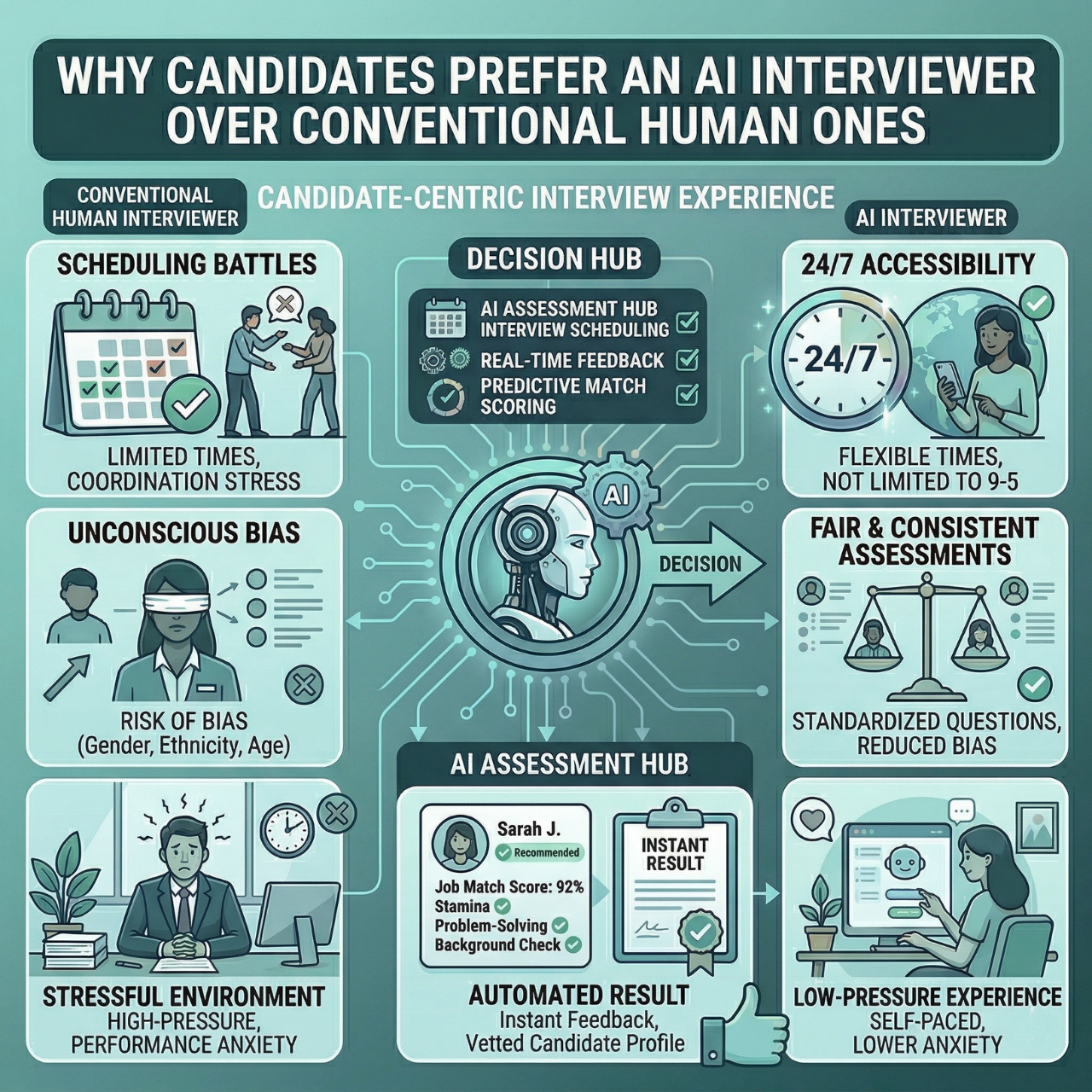
AI chatbots answer common questions instantly, no matter the time of day. Candidates get quick responses about job details, company culture, or next steps.
They don’t have to wait days for an email reply from HR. Personalized communication makes applicants feel like they matter. AI systems send updates based on where each candidate sits in your pipeline. These messages include info about the role and what to expect next.
Video interview platforms with AI support let candidates record responses on their own schedule. This flexibility matters when you’re hiring across different countries and time zones.
Applicants can show their skills without taking time off from their current job for a live interview. The application process gets simpler, too. AI form-filling assistance pulls information from resumes to auto-complete fields. This cuts the time candidates spend on paperwork from 20 minutes to just a few clicks.
Overcoming Remote Recruitment Challenges
Hiring in different countries means running into language barriers. AI translation tools help you understand applications from non-native English speakers.
You can assess skills fairly without language tripping you up. Remote work makes it tough to know if someone will fit your team culture.
AI assessments measure work styles, communication preferences, and collaboration skills. These insights help you predict how well someone will work with your remote team.
Bias sneaks into hiring when you can’t meet people face-to-face. AI removes identifying info like names, photos, and addresses from initial screenings.
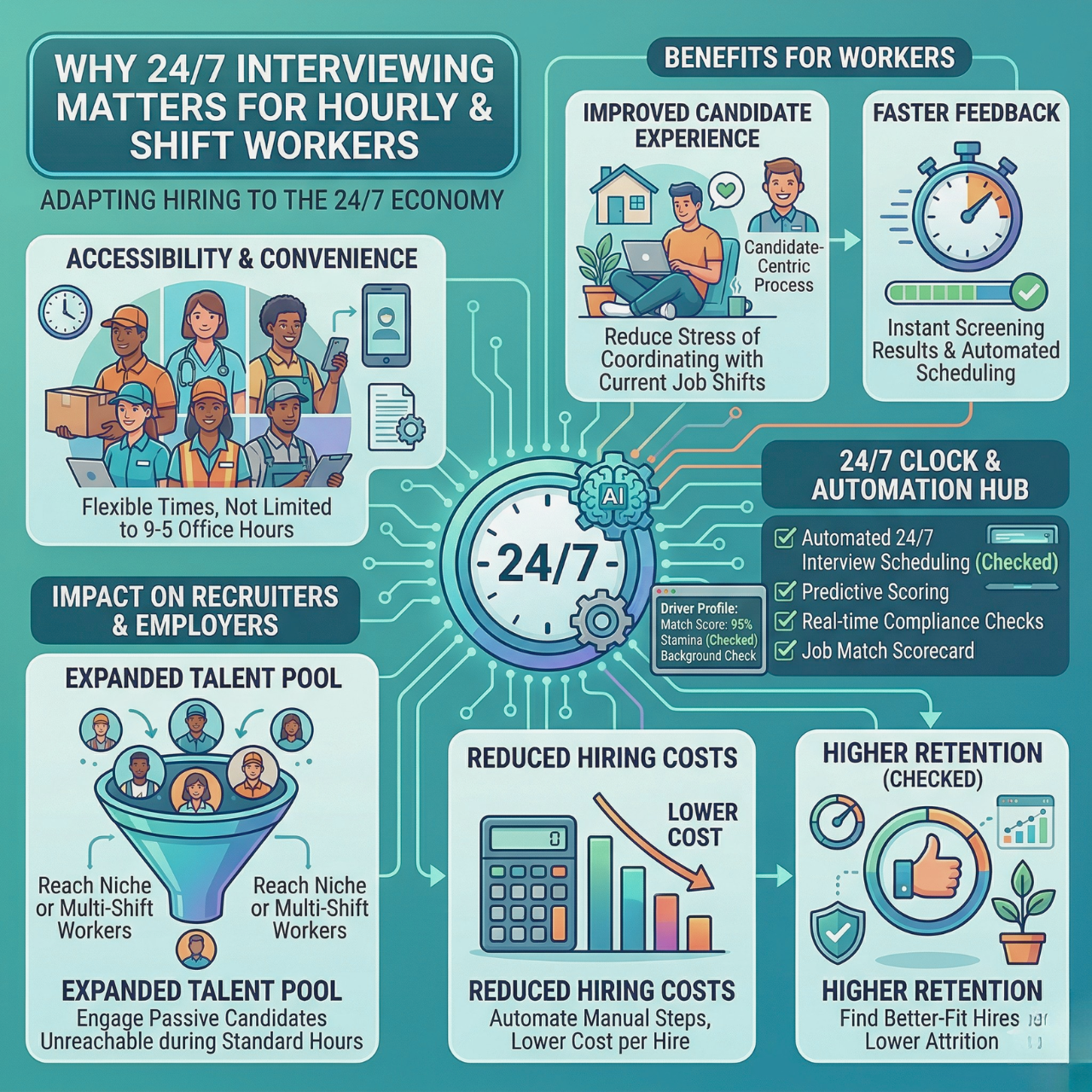
Your team evaluates candidates based on skills and experience only. Time zone differences can slow down hiring, but AI keeps your process running 24/7 by handling early interactions. Candidates in Asia can engage with your hiring process while your U.S. team is asleep.
Core Technologies Powering AI-Driven Hiring
AI recruiting tools rely on three main technologies to speed up and improve hiring:
- Natural language processing (NLP) helps computers understand resumes.
- Machine learning matches candidates to jobs.
- AI video analysis tools evaluate recorded interviews.
Natural Language Processing for Resume Screening
Natural language processing (NLP) lets AI systems read and understand resumes in a way that’s closer to how a human recruiter would. The tech scans through thousands of applications in minutes, pulling out key info like work experience, skills, and education.
NLP systems break each resume into smaller chunks. They spot job titles, company names, years of experience, and technical skills.
The AI can pick up on relevant keywords and understand context, so it knows that “managed a team” and “led a group” basically mean the same thing.
You can filter candidates based on specific requirements without reading every application yourself. The system flags the most qualified people and ranks them by how well they fit your job description.
This cuts your screening time from hours to minutes and makes sure you don’t miss hidden gems in a big applicant pool.
AI-Powered Video Interview Analysis
AI video analysis tools review recorded candidate interviews and give feedback on multiple factors. These systems look at verbal responses, tone of voice, word choice, and facial expressions.
The technology measures things like confidence, communication skills, and emotional responses. It can spot whether someone sounds excited about the role or struggles to answer certain questions.
Some platforms check how candidates structure their answers and whether they give specific examples. You get detailed reports on each candidate’s performance without watching hours of video.
The AI highlights strong answers and red flags, helping you compare applicants more objectively. These tools work especially well for remote hiring with AI since you can interview candidates across time zones without scheduling headaches.
Machine Learning for Candidate Matching
Machine learning algorithms analyze patterns in your successful hires to predict which new candidates will do well. The system studies data from your past hiring decisions and employee performance to learn what makes someone successful at your company.
These algorithms look at hundreds of factors at once, including skills, experience, education, career progression, and how someone’s background lines up with your role requirements. The system gets smarter as it processes more data and learns which predictions actually work out.
You get match scores that rank candidates from most to least likely to succeed in the role. The AI can surface qualified candidates you might have overlooked using traditional screening. This approach can help reduce hiring bias since the system focuses on data patterns rather than gut feelings or assumptions.
Building an Effective Remote Hiring Process With AI
AI tools help you find candidates faster, handle interview scheduling automatically, and screen applicants based on specific skills. Still, human judgment matters for final decisions and fairness throughout the process.
AI-Based Sourcing Strategies
AI-powered sourcing tools scan millions of profiles across job boards, social media, and professional networks. They find candidates who match your requirements using keywords, skills, and experience levels.
You can set specific parameters like location, language, and technical skills. The AI ranks candidates based on how well they fit your needs.
Key benefits of AI sourcing include:
- Finding passive candidates who aren’t actively job hunting
- Reducing manual search time by up to 75%
- Discovering talent in new regions
- Spotting skill matches you might have missed
Some platforms also track where your best candidates come from. This data helps you invest in the right sourcing channels for future hires.
Automated Scheduling and Assessments
AI scheduling tools take the back-and-forth out of booking interviews. These systems check calendars and book meetings automatically.
They send reminders and reschedule when conflicts pop up. Automated assessments test candidates on job-relevant skills before you even talk to them.
You can set up coding tests, writing samples, or scenario-based questions that AI grades instantly. This gives you objective data about each candidate’s abilities.
Common automated assessment types:
- Technical tests: coding or software skills (30–90 minutes)
- Personality assessments: work style and culture fit (15–30 minutes)
- Situational judgment: problem-solving approach (20–40 minutes)
These tools work across time zones without delays. Candidates can complete assessments when it fits their schedule, making the process less stressful.
Integrating Human Oversight in Automated Systems
AI handles repetitive tasks, but people need to review important decisions. Team members should check AI recommendations before rejecting candidates or moving them forward.
This catches errors and helps prevent bias from sneaking in. Set up regular audits of your AI tools to make sure they’re working fairly.
Look at which candidates get filtered out and why. If you notice certain groups being excluded, tweak your AI settings or criteria.
Hiring managers should conduct final interviews and make the ultimate call. AI narrows down the options, but humans evaluate soft skills, team fit, and long-term potential. Mixing AI efficiency with human judgment creates a stronger hiring process.
Ensuring Diversity and Fairness in AI Remote Hiring
AI tools screen hundreds of candidates quickly, but you have to design them carefully to treat all applicants fairly. You need specific strategies to prevent bias and regular checks to catch problems before they disrupt your hiring.
Reducing Bias With Algorithmic Approaches
You can reduce bias by training your AI systems on diverse candidate data from many backgrounds, locations, and experiences. This helps algorithms learn patterns that don’t favor one group over another.
Anonymizing resumes is another key step. Your AI can remove names, photos, addresses, and graduation dates before scoring candidates.
This keeps personal info from influencing decisions about skills and qualifications.
Set up your AI to evaluate:
- Specific job skills and competencies
- Work samples and test results
- Relevant experience only
You also need to audit your training data regularly. Look for patterns where certain groups get rejected more often.
If you spot these patterns, adjust your algorithms and retrain them on better data.
Monitoring AI Decisions for Fairness
You should track your AI’s hiring decisions across different demographic groups every month. Compare acceptance rates, interview invites, and final offers to spot unfair patterns.
Set up audits with both your HR team and tech staff. They need to review which candidates the AI selects and which it rejects. This human oversight catches problems automated systems might miss.
Create clear metrics to measure fairness. Track the diversity of candidates at each stage. If certain groups drop off at specific points, your AI could have hidden bias in that step.
You also need transparency in how your AI makes decisions. The system should show which factors led to each candidate’s score. This way, you can check that the AI weighs qualifications fairly and doesn’t rely on problematic patterns.
Future Trends in Remote Hiring With AI
AI recruitment technology is moving fast, bringing new automated tools and changing legal requirements. Companies need to keep up with both tech innovations and compliance rules to hire effectively across borders.
New Developments in AI Recruitment Tools
AI recruiting platforms now use predictive analytics to guess which candidates will succeed in specific roles. These tools analyze past hiring data and employee performance to spot patterns that signal a good fit.
Automated candidate screening is getting more sophisticated. Modern AI systems can review video interviews, assess body language, and evaluate communication skills. They score candidates based on multiple factors at once.
Some emerging tools include:
- AI-powered skill assessments that adapt difficulty based on candidate responses
- Chatbots that handle initial interviews and answer candidate questions 24/7
- Automated reference checking systems that verify candidate backgrounds quickly
- Culture fit algorithms that match candidate values with company culture
More than 60% of tech companies now offer remote positions in 2025. AI helps these organizations screen global talent pools efficiently.
You can process hundreds of applications in the time it used to take to review a few dozen. The technology also helps reduce unconscious bias by removing identifying info from applications. AI focuses on skills and qualifications instead of personal details.
Preparing for Evolving Compliance Standards
Remote hiring across different countries means you’ve got to juggle a patchwork of labor laws. AI systems also need to follow data privacy regulations like GDPR in Europe, plus similar rules elsewhere.
You have to make sure your AI tools aren’t discriminating against protected groups. More countries now require companies to audit their AI hiring systems for bias.
Regular testing can catch issues before they turn into legal problems.
Key compliance areas to monitor:
- Data storage and transfer rules for candidate information
- Required disclosures about AI use in hiring decisions
- Anti-discrimination laws in each hiring location
- Worker classification rules for remote employees
- Pay transparency laws and salary-range posting requirements
Keep track of how your AI makes hiring decisions. Regulators might ask you to explain why certain candidates moved forward or got rejected. Clear records can protect your company if regulators come knocking.
Hire Faster Without Losing Control
Remote hiring creates real pressure: too many applicants, slow decisions, and missed candidates across time zones. Automation helps teams move faster, stay organized, and focus on skills instead of manual tasks.
HRMLESS supports teams with AI by handling screening, scheduling, and early engagement while keeping humans in the loop. The result is less chaos, shorter hiring cycles, and better candidate experiences.
If remote hiring feels slow or overwhelming, it’s time to simplify. Book a Demo and see how AI can help you hire faster without sacrificing quality.
Frequently Asked Questions
What is remote hiring with AI?
Remote hiring with AI uses artificial intelligence to automate and improve parts of the hiring process for distributed teams. It helps with resume screening, candidate matching, scheduling interviews, and early communication. The goal is to hire faster without lowering quality.
How does AI help reduce delays in remote hiring?
AI removes manual bottlenecks that slow teams down. It screens resumes in minutes, schedules interviews automatically, and keeps candidates moving even across time zones.
This prevents stalled pipelines and missed talent.
Can remote hiring with AI help reduce bias?
AI can help reduce bias when designed correctly. Tools can remove names, photos, and other identifying details during early screening. This keeps the focus on skills, experience, and job-related criteria.
Is AI suitable for hiring across different countries and time zones?
Yes, remote hiring with AI is especially useful for global hiring. AI tools operate 24/7, handle time zone differences, and support multilingual applications. Candidates can engage with your process even when your team is offline.
Does AI replace recruiters in the hiring process?
No, AI supports recruiters rather than replacing them. Automation handles repetitive tasks, while humans make final decisions and assess team fit. The best results come from combining AI efficiency with human judgment.
What types of roles work best with AI-powered remote hiring?
AI works well for high-volume roles, technical positions, and distributed teams. It’s also effective for entry-level screening and early-stage assessments. Human-led interviews still matter for leadership and highly specialized roles.
How can companies get started with remote hiring using AI?
Start by identifying your biggest pain points, such as slow screening or scheduling delays. Use AI first for repetitive tasks, then expand as your team gets comfortable. Regular reviews ensure the system stays fair, accurate, and aligned with your hiring goals.
Featured

Subscribe to ournewsletter
Related posts
Explore the world of photography with our curated selection of
portfolio websites that showcase creativity and innovation.