

Scale Hiring In Retail: Practical Ways to Boost Efficiency

Scaling hiring in retail is about meeting peak demand without sacrificing quality. High turnover, seasonal spikes, and candidate no-shows strain teams and budgets. This guide shows how to use automation and clear processes to hire faster, keep standards high, and protect margins.
With HRMLESS, retailers can combine AI screening, always-on interviews, and self-serve scheduling to move qualified applicants forward quickly. The result is speed, efficiency, and better candidate experience, while helping minimize bias through consistent evaluation.
You’ll learn practical steps for workforce planning, tech stack choices, and employer branding that attracts reliable talent. Expect tools, metrics, and workflows that cut time-to-hire and reduce ghosting.
Understanding Scale Hiring in Retail
You need to hire many people quickly without losing quality or control. This requires clear processes, the right tools, and a strong focus on candidate experience to handle both seasonal demand and high turnover.
Definition and Key Concepts
Scale hiring in retail means recruiting a large number of employees in a short time. This happens during busy seasons, like holidays, or when opening new stores.
It’s different from regular hiring because speed and volume matter more. Key parts of scale hiring include:
- Bulk job postings: Reaching many potential candidates fast
- Quick screening: Sorting applications efficiently
- Automation: Using tools to handle repetitive tasks
- Consistent evaluation: Applying the same standards to all candidates
Importance of Volume Recruitment
Retail depends on having enough staff to serve customers well, especially during peak times. If you don’t hire fast or hire poorly, you risk low sales and unhappy shoppers.
Filling many roles quickly reduces overtime and burnout for your current team. It also supports growth, like launching new locations or adding shifts.
But hiring lots of people brings challenges, such as coordinating interviews and managing many resumes. Automated platforms help by handling screening and scheduling.
Current Trends Shaping Retail Hiring
Technology is reshaping how you hire at scale. AI tools now handle tasks like initial interviews, scoring, and candidate follow-up.
Mobile engagement through SMS and email helps keep candidates interested and reduces no-shows. Real-time analytics give insight into where delays happen, so you can fix them fast.
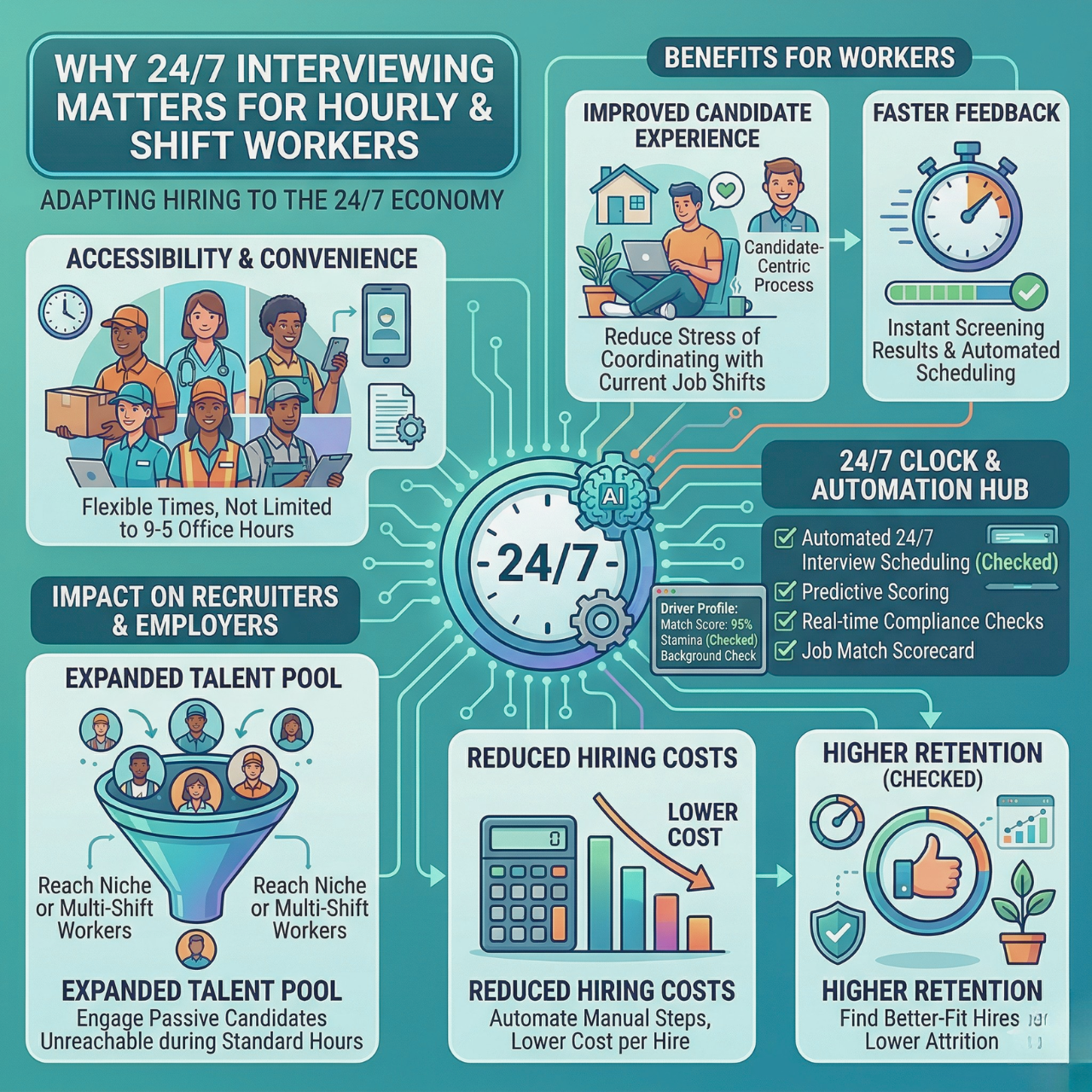
Remote and 24/7 AI interviews allow candidates to participate anytime, which widens your talent pool. Retailers that adopt these trends hire faster and smarter.
Using AI-driven platforms simplifies complex volume hiring. This ensures you never miss top talent.
Strategic Workforce Planning
You need clear plans to meet your retail staffing goals. Knowing how many workers you need and when you need them, then using smart data, helps you avoid gaps or excesses.
Forecasting Retail Staffing Needs
Forecasting means predicting how many employees you’ll need over time. You look at current vacancies, your staff’s age, and expected sales growth.
Changes in technology or new roles also affect this. If you add self-checkout machines, you might need fewer cashiers but more tech support staff.
Use automation to collect data and spot trends early. This reduces wasted time and ensures you hire when you really need to.
Aligning Hiring With Seasonal Demand
Retail sales spike during holidays or sales events. Your workforce plan should match these busy times by hiring temporary or part-time workers.
Plan ahead so you can onboard and train new staff before the rush begins. Too many workers during slow periods can mean wasted pay and scheduling problems.
A common approach is building a list of trusted temporary workers. Re-engage good performers with automated messaging to make future hiring faster and easier.
Role of Data Analytics in Planning
Data analytics gives you real-time insight into hiring and staffing. It tracks how fast you hire, how many candidates drop out, and which sources bring the best hires.
Instant reports show where delays or ghosting happen in your process. Adjust recruiting to focus on quality, not just quantity.
Using data helps you make smarter decisions on scheduling, budgets, and training needs. You avoid guesswork and scale your team efficiently.
Optimizing Recruitment Processes
To handle hiring at scale in retail, simplify job postings, use smart technology, and automate key steps. These actions speed up hiring, improve candidate quality, and free your team to focus on what matters most.
Streamlining Job Postings and Outreach
Make your job postings clear and easy to find. Use simple language that matches the role and highlights key benefits.
Mobile-friendly postings are essential since many candidates apply on phones. Target your outreach where job seekers spend time, including social media and job apps.
Use direct messaging and email to reach active candidates quickly. Organize your postings to avoid confusion.
Group jobs by location or department so candidates can find what fits them. This keeps your hiring pipeline full.
Leveraging Recruitment Technology
Recruitment technology helps you manage many candidates without extra work. AI-driven tools can screen resumes, score candidates, and schedule interviews automatically.
Integrate your ATS (Applicant Tracking System) with HR software to keep data synced and reduce errors. Use dashboards to track candidates and spot hiring delays fast.
Technology keeps you organized and helps you hire smarter.
Automating Candidate Screening
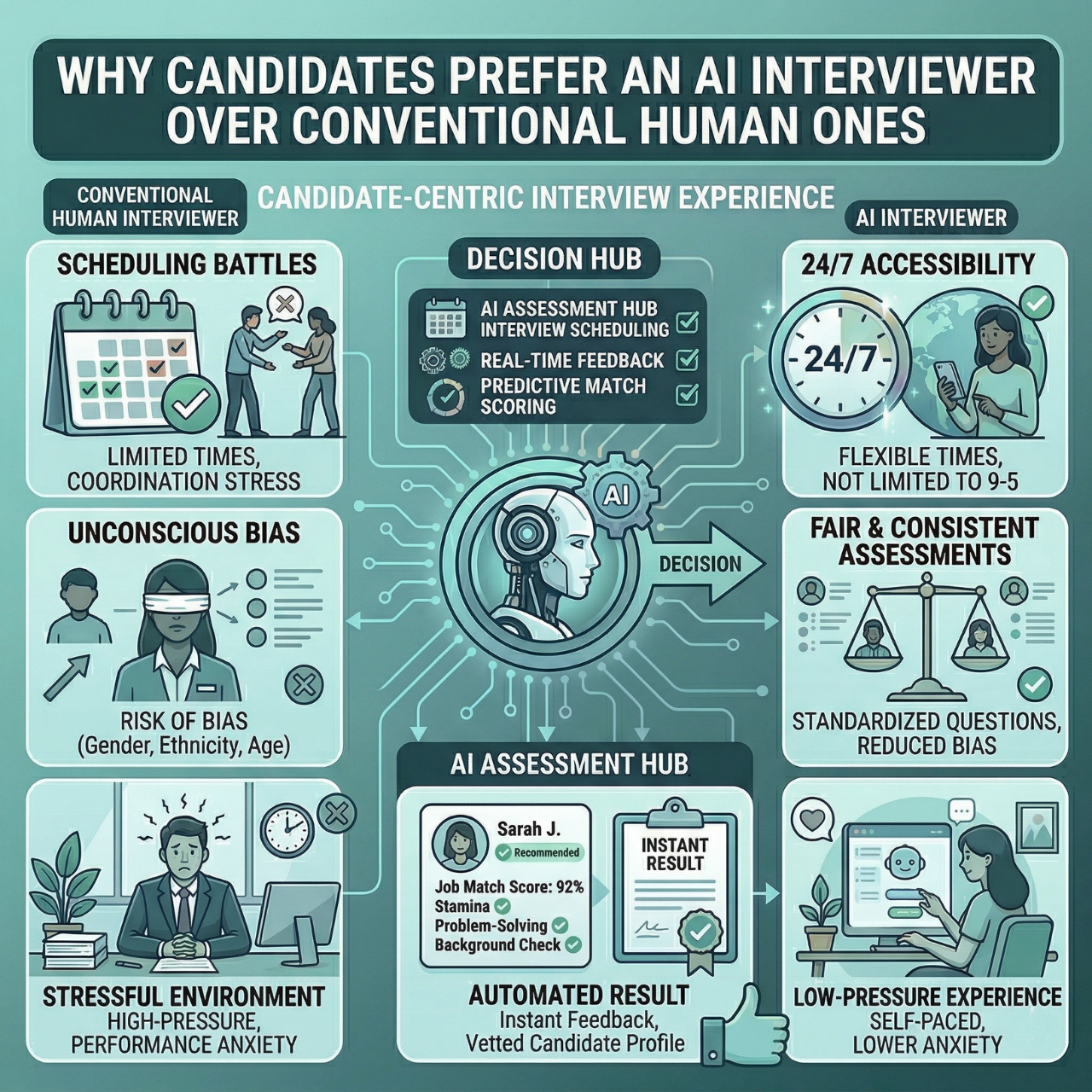
Automate the first steps of screening to filter out unqualified candidates efficiently. Use AI interviews that candidates can complete anytime to reach more people.
Advanced scoring systems rank candidates based on your criteria, so only the best move forward. Automated screening reduces bias and ghosting, improving candidate experience.
With automated scheduling, candidates book interview times themselves, lowering no-show rates.
Building Employer Branding for Scale Hiring
To hire many people quickly, build a strong employer brand. Show what makes your company a great place to work.
This involves clear value offers, using the right channels, and reaching both active and passive job seekers to fill roles fast.
Crafting a Compelling Value Proposition
Your value proposition tells candidates why they should work for you. Focus on what employees gain, like career growth, fair pay, or a positive culture.
Be specific. Use facts about training, team support, or flexible schedules.
Highlight your commitment to fairness and growth. For example:
- Growth opportunities: Training programs or promotion paths
- Work environment: Supportive teams and diversity
- Benefits: Competitive pay and flexible hours
Keep the message simple and memorable.
Employer Branding Channels for Retail
Share your employer brand where candidates spend their time. In retail, use multiple channels to reach diverse hires fast.
- Job boards: Post clear listings with your value proposition
- Social media: Show real employee stories and daily work life
- Career pages: Make them mobile-friendly with easy apply options
- Text and email: Send reminders and quick updates to keep candidates engaged
Automate contact through SMS and email to keep conversations moving and advance candidates through stages faster.
Engaging Passive Candidates
Passive candidates are not actively job hunting but may join if approached well. Your brand must speak to their needs and interests.
Build trust by sharing content that highlights your culture and mission:
- Employee testimonials
- Videos showing your workplace
- Success stories of recent hires
Automate outreach with AI tools to send personalized messages at scale.
Interviewing and Assessment at Scale
When you hire at scale in retail, consistent evaluation and fast decisions are critical. Your process must handle many candidates without losing quality or speed. Use structured methods, technology, and time-saving tactics to keep the flow steady and fair.
Implementing Structured Interviews
Structured interviews help you compare candidates fairly by asking the same set of job-related questions. This reduces bias and reveals the skills you need, like customer service and problem-solving.
Create interview guides aligned with retail roles. Focus on teamwork, communication, and handling busy environments.
Train interviewers to follow guides so evaluations stay consistent. Use scorecards with clear criteria to speed decisions.
Utilizing Assessment Tools
Assessment tools let you screen candidates before interviews and find strong fits. Pre-hire tests can measure attention to detail, reliability, and customer focus.
Automated platforms handle assessments around the clock. They score candidates objectively and rank them, so you quickly see who moves forward.
Customize assessments to match roles or volume needs. Test retail cashiers and floor associates differently using a consistent method.
Reducing Time to Hire
Speed matters in retail recruiting. Avoid slowdowns that lose candidates to competitors. Automation removes manual tasks like scheduling and follow-ups. Use AI tools to send instant reminders via SMS and email.
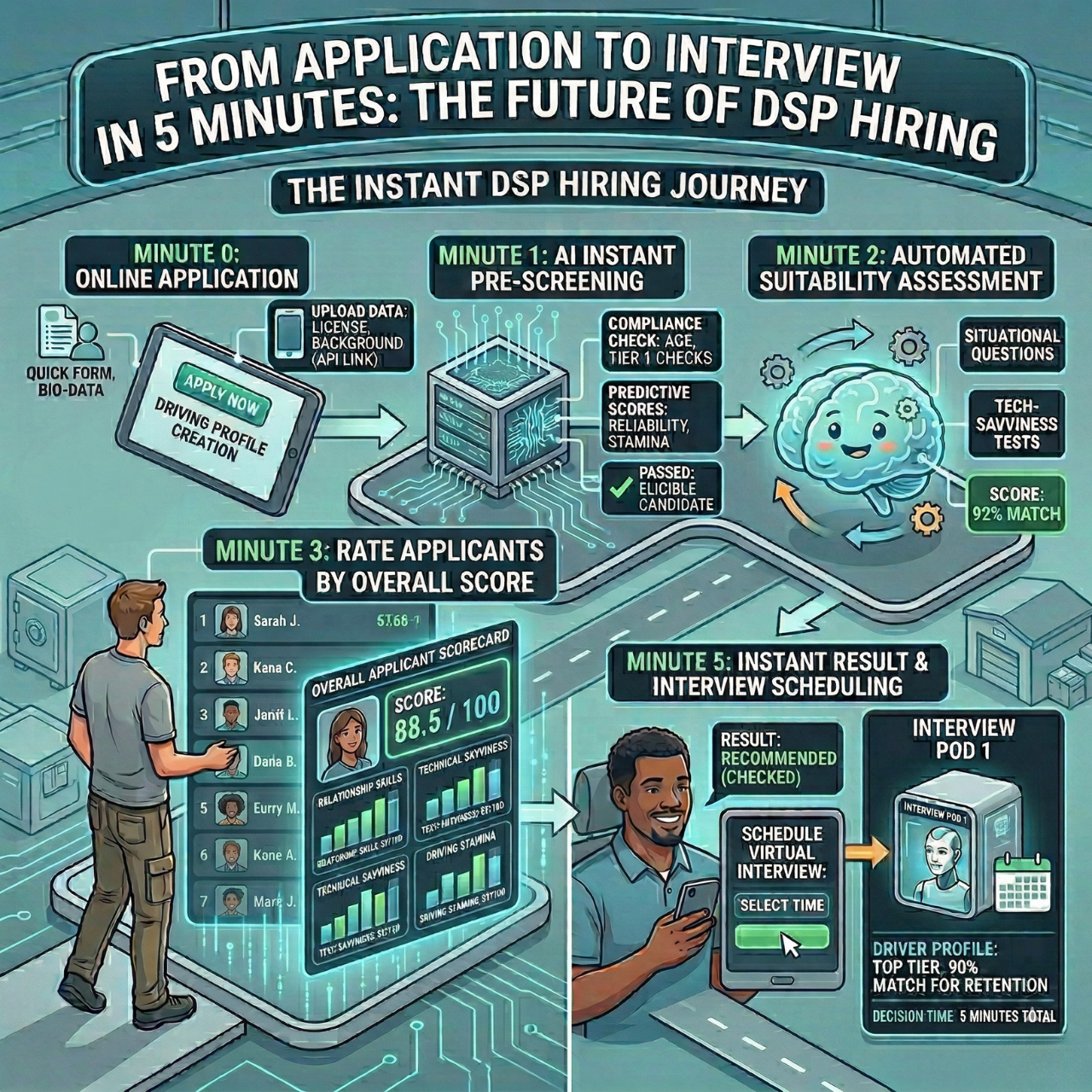
Automatic interview scheduling that matches candidates’ availability cuts back-and-forth delays. Structured interviews and automated screening together can reduce time to hire by over 60%.
Onboarding Processes for High-Volume Hiring
When you hire many people at once, onboarding must be clear and consistent. This helps new employees learn fast and feel supported. Use streamlined workflows and focused training to keep quality high.
Standardizing Onboarding Workflows
With large groups, you need a clear, repeatable process. Create a checklist that covers paperwork, orientation, and initial tasks for every hire.
Use tools that automate reminders and document sharing to keep everything on track.
A standardized onboarding workflow should include:
- Digital forms and contracts ready before day one
- Pre-scheduled training sessions
- Uniform introduction to company policies and culture
Automating pre-screening and scheduling cuts manual steps and avoids no-shows.
Training Solutions for Quick Ramp-Up
Training must be fast and effective. Use batch sessions or online modules that employees can access anytime. Focus on key skills like customer interaction, product knowledge, and safety rules.
To speed training:
- Use videos and quizzes for easy learning
- Provide access to knowledge bases for self-help
- Schedule live Q&A sessions for common questions
Automate training invites and track completion through your ATS integration to save managers time and keep onboarding on pace.
Compliance and Diversity Considerations
When you scale hiring in retail, meeting legal rules and promoting diversity are critical. Navigate labor laws carefully while building a workforce that reflects your customers. Doing both well helps avoid fines and improves engagement.
Meeting Legal and Regulatory Requirements
Retail hiring involves many laws at the federal, state, and local levels. Comply with Equal Employment Opportunity rules that prohibit discrimination based on protected categories.
Some cities add rules, like NYC's predictive scheduling laws or Chicago's seasonal staffing limits.
To stay compliant:
- Track hiring processes to prove fairness
- Maintain clear records of candidate evaluations
- Train managers on anti-discrimination rules
- Adjust hiring schedules to meet local labor rules
Automated systems document each step and reduce errors through standardized screening and scheduling.
Ensuring Diversity and Inclusion in Hiring
Diversity means having people from many backgrounds, cultures, and experiences. In retail, a diverse workforce connects better with a broad customer base.
Inclusion means everyone feels valued and supported.
To build diversity:
- Expand hiring pools beyond usual channels
- Use blind recruitment to remove resume bias
- Apply diverse interview panels for fair evaluation
- Set measurable diversity goals and track progress
AI-driven tools help reduce bias by focusing on skills and qualifications automatically. This supports faster, fairer hiring.
Measuring and Improving Hiring Performance
Tracking hiring data speeds up the process and improves candidate quality. It also shows where hiring falls short, so you can fix it. Using clear metrics and ongoing improvements lets you scale without added stress.
Key Hiring Metrics for Retail
Focus on these key metrics:
- Time-to-Hire: Days from job posting to acceptance. Retail averages about 47.5 days
- Quality of Hire: Performance, cultural fit, and retention
- Candidate Engagement: Response and completion rates
- No-Shows (NCNS): Candidates who miss interviews
Automated tools capture these metrics in real time, removing guesswork and flagging delays early.
Continuous Improvement Initiatives
Once you know your numbers, act on them with clear steps:
- Automate repetitive tasks to cut delays. AI screening interviews let candidates apply anytime
- Use scoring and filtering to surface top matches quickly
- Keep candidates engaged through SMS and email nudges, which can reduce drop-offs and no-shows by up to 50%
- Review time-to-hire and quality scores to spot bottlenecks and training gaps
- Integrate your ATS to get a clean dashboard view of hiring metrics
Challenges and Solutions in Retail Scale Hiring
Hiring at scale in retail means facing fast turnover and changing market needs. Build systems that keep up without slowing your process or hurting candidate quality.
Managing Turnover Rates
Turnover in retail is high, often around 70% yearly. This means you’re always hiring new staff. Speed up hiring without losing quality. Automating early steps like screening and scheduling saves time and cuts no-shows.
AI-driven tools identify serious candidates faster. 24/7 automated interviews let applicants complete steps on their own time.
Keep candidate pools active. Evergreen job postings maintain a steady flow of applicants, ready to fill roles quickly.
Adapting to Market Fluctuations
Retail demand changes by season or economy, so hiring must scale up or down fast. Use systems that automate repetitive tasks and flex with your needs.
AI can screen thousands of applicants, then schedule interviews for top matches. This keeps hiring efficient, whether you need 10 new hires or 1,000.
Build an applicant pool during slow times. When demand spikes, connect with pre-qualified talent instead of starting fresh.
Future Trends in Retail Hiring at Scale
You will see more automation in large-scale retail hiring. AI tools handle pre-screening, scoring, and scheduling.
Expect 24/7 AI interviews to become standard. Candidates can complete interviews anytime, boosting volume without added hours.
Automated candidate engagement will grow. SMS and email nudges keep candidates interested and lower no-show rates.
Here’s what to focus on for better outcomes:
- Speed: Cut time-to-hire by more than half with instant AI screening
- Efficiency: Scale operations without added stress or headcount
- Quality: Move only top candidates forward, reduce ghosting and bad hires
Technology will help you adjust hiring quickly for seasonal needs or unexpected demand.
Make Retail Hiring Scalable
Scaling hiring in retail works when automation, clear workflows, and consistent evaluation come together. You gain speed, cut manual tasks, and improve candidate quality without losing control.
HRMLESS helps teams automate pre-screening, always-on interviews, and smart scheduling that reduces bias and no-shows. You move qualified people forward faster while keeping standards high.
Ready to optimize your process and results? Book a demo.
Frequently Asked Questions
What is scaling hiring in retail?
Scaling hiring in retail means filling many roles quickly while keeping quality high. It relies on automation, clear workflows, and consistent evaluation so teams can move fast without losing control.
How do AI interviews speed up hiring?
AI interviews run 24/7, so candidates complete screening on their own time. Automated scoring ranks applicants against your criteria, then scheduling tools place interviews fast. The result is fewer bottlenecks and quicker decisions.
Which metrics matter most for scale hiring?
Track a small set that shows speed and quality:
- Time-to-hire (days from posting to acceptance)
- Candidate engagement (response and completion rates)
- No-shows (NCNS) for interviews
- Quality of hire (early performance and retention)
How can we reduce interview no-shows at volume?
Use self-serve scheduling with instant confirmations and reminders by SMS and email. Offer flexible time slots, share location and prep tips, and send a same-day check-in. Keep communication short, clear, and mobile-first.
What role does an ATS play in scaling hiring in retail?
An Applicant Tracking System centralizes jobs, candidates, and workflows. It syncs data across teams, triggers automations, and surfaces bottlenecks with dashboards. Integration with screening and scheduling tools keeps volume hiring organized.
How should onboarding adapt for high-volume retail hiring?
Standardize steps with checklists and digital forms. Batch training with short videos and quizzes, then track completion in your ATS. Pre-schedule orientations so new hires start productively on day one.
Featured

Subscribe to ournewsletter
Related posts
Explore the world of photography with our curated selection of
portfolio websites that showcase creativity and innovation.