

Top AI Hiring Tools for Startups: Find the Best Talent Fast
Discover the top AI hiring tools for startups to speed up screening, scheduling, and outreach while keeping costs flexible as you scale.

Hiring fast is hard when your team is small, and every role is critical. If you’re relying on inboxes, spreadsheets, and back-and-forth scheduling, you lose great candidates to companies that move more quickly.
HRMLESS helps startups cut busywork with automated screening, scoring, and scheduling, so you can spend your time on the conversations that actually change hiring outcomes.
In this guide, you’ll see the top AI hiring tools for startups, what to look for, and how to choose a platform that fits your budget, stack, and hiring pace.
What Startups Need in AI Hiring Tools?
Startups run into hiring challenges that big companies just don’t. You need tools built for speed, tight budgets, and seamless integration with your lean tech stack.
Scalability for Fast Growth
Your startup might hire five people this quarter and fifty the next. You need AI hiring tools that keep up without falling apart or forcing you to start over. Look for platforms with flexible user licenses that can handle high volumes of applications when you need them. The best tools let you scale up during busy hiring periods and scale down when things slow.
You don’t want to pay for enterprise-level features when your team is just ten people. But you also don’t want to switch platforms six months later because you’ve grown to fifty.
AI tools with scalable features include automated candidate screening that works whether you’re reviewing 20 or 2,000 applications. Customizable workflows that grow with your team are key. Some platforms charge per hire or per user, which gives you more control as your needs change.
Affordability and Pricing Flexibility
Most startups can’t drop $10,000 a year on fancy recruitment software. You need tools that fit your budget but still get the job done.
Many AI recruiting platforms now offer startup-friendly pricing tiers. Some provide free plans for small teams or charge based on actual usage instead of flat monthly fees.
Pay-per-hire models can work well when you’re only making a few hires each month. Watch out for hidden costs like setup fees or extra charges for basic features.
The best tools for startups include their core AI features in affordable packages. Check if the platform offers discounts for early-stage companies or annual payment plans that lower your monthly cost.
Integration With Existing Startup Tech Stacks
Your startup probably uses Slack for communication, Google Workspace for docs, and maybe a simple ATS or project management tool. Your AI hiring tool needs to play nice with what you already have.
Look for platforms that connect with popular tools through native integrations or APIs. This way, candidate data flows automatically between systems without you having to copy and paste.
You should be able to post jobs to multiple boards, sync with your calendar for interviews, and send updates through your team’s preferred channels. Check which integrations come standard and which require paid add-ons.
The most useful integrations include applicant tracking systems, video interviewing platforms, and team collaboration tools you use every day.
Top AI Hiring Tools for Startups
The top AI hiring tools for startups are less about brand names and more about what problems they solve. The right category of tool depends on how fast you’re hiring, how lean your team is, and where bottlenecks show up.
All-in-One Hiring Platforms
All-in-one platforms cover the full hiring workflow in one system. These tools typically include job posting, applicant tracking, resume screening, and interview scheduling.
They work best for startups that want fewer tools and less manual handoff between systems. With everything in one place, small teams can move faster without juggling spreadsheets or disconnected apps.
This category is ideal when you’re hiring across multiple roles and want a single source of truth as you scale.
Video Interviewing and Interview Automation Tools
These tools focus on speeding up early-stage screening through structured video interviews and automated evaluations.
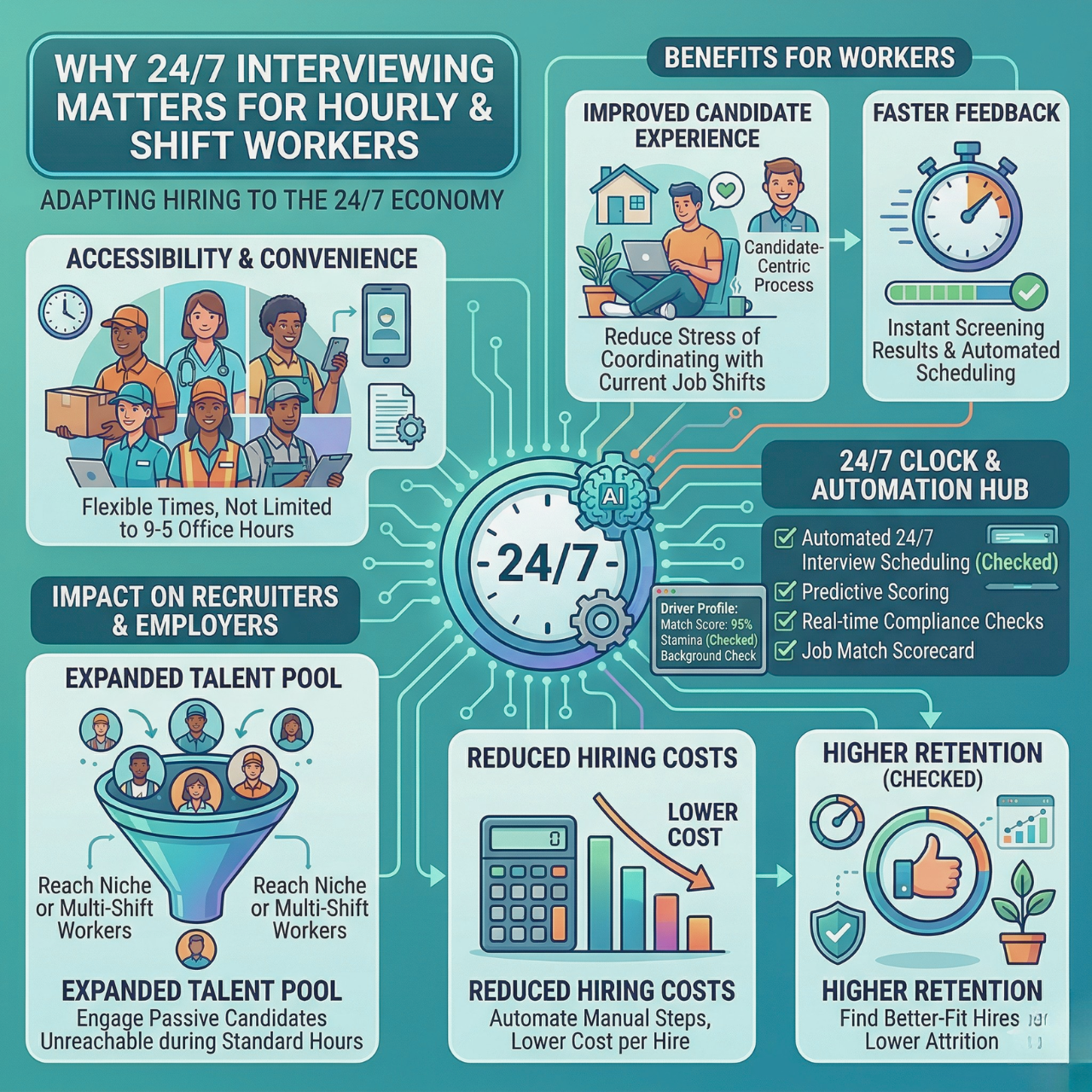
Candidates can record responses on their own schedule, which removes delays caused by time zones or packed calendars. Hiring teams review interviews when it works for them, cutting days out of the process.
This category works well when you receive a high volume of applicants and need a faster way to identify strong fits without endless phone screens.
ATS and Candidate Pipeline Tools
Applicant tracking and pipeline tools are built to organize candidates, stages, and decisions clearly. They focus on workflow visibility, collaboration, and reporting.
These tools help startups avoid losing candidates in email threads or shared docs. Everyone on the hiring team sees the same pipeline and status updates.
They’re a strong fit when sourcing is already handled, but managing applicants has become messy or inconsistent.
AI Sourcing and Outreach Tools
Sourcing and outreach tools focus on finding candidates before they apply. They use AI to identify potential fits, personalize outreach, and follow up automatically.
This category is especially helpful for hard-to-fill or technical roles where the best candidates aren’t actively job hunting.
Instead of waiting for applications, these tools help startups proactively build a pipeline while reducing the manual effort required to do outbound recruiting well.
Key Features to Look For in AI Hiring Software
The right AI hiring software blends smart automation with practical tools that actually save you time and help you make better hiring decisions.
Automated Candidate Screening
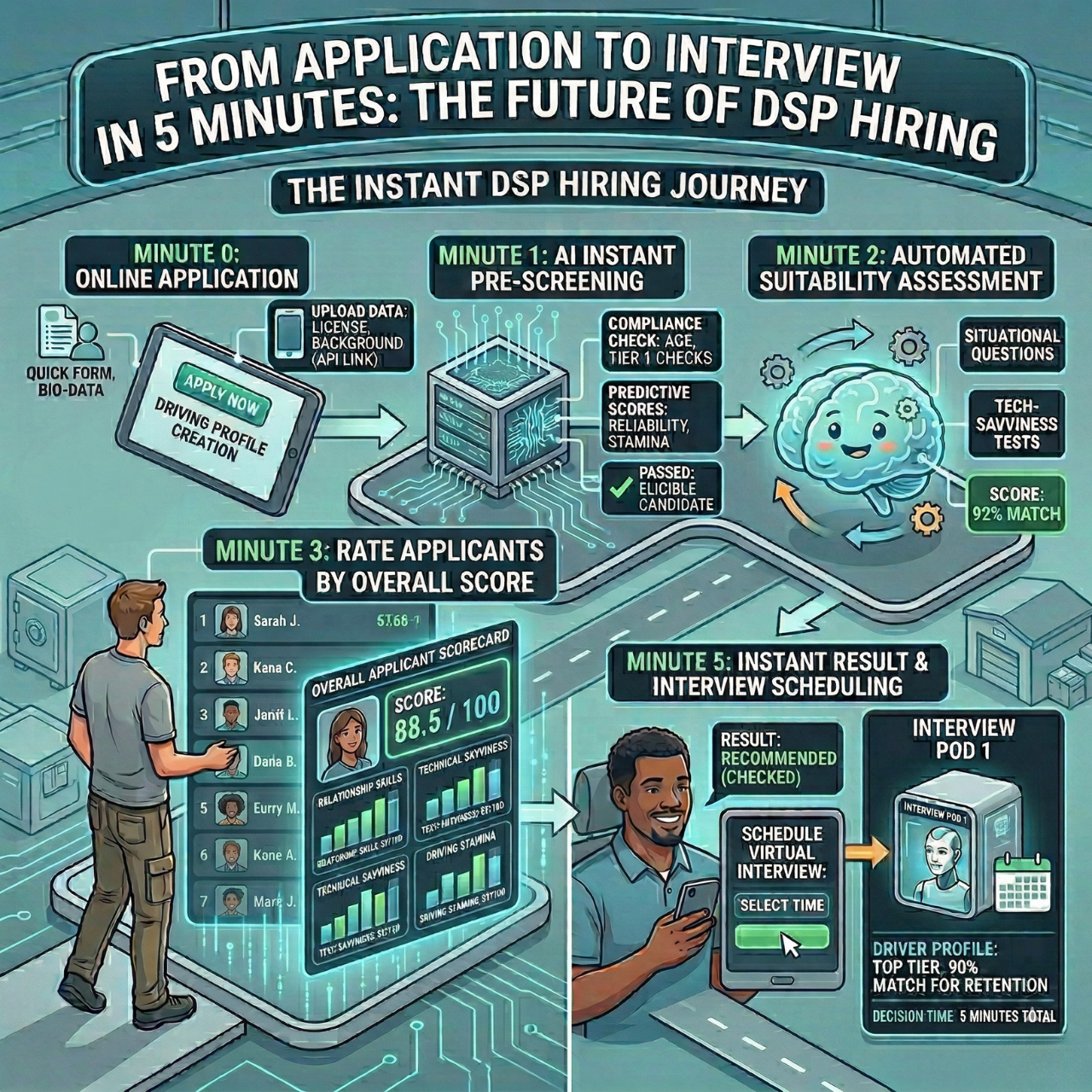
Automated screening uses AI to review applications and rank candidates based on the criteria you set. The software analyzes skills, experience, and qualifications to surface top matches for your roles.
You can filter hundreds of applications in minutes. The AI looks at things like work history, education, and specific skills to create a shortlist.
This helps you:
- Reduce time-to-hire by quickly identifying qualified candidates
- Eliminate bias through consistent evaluation
- Focus your energy on interviewing the best matches
Most tools let you tweak screening criteria for different positions. You can weigh certain qualifications more heavily or set minimum requirements.
AI-Driven Resume Parsing
Resume parsing technology pulls key info from resumes and organizes it into searchable fields. The AI reads all kinds of resume formats and extracts contact details, work experience, education, and skills automatically.
This wipes out manual data entry and builds a structured database of candidate info. You can search for specific skills or experience across all applicants instantly.
The technology recognizes different layouts and file types, even when candidates get creative with formatting. Good parsing tools keep accuracy rates above 95% for standard formats. They also handle different languages and international resume styles, which is handy if you’re hiring globally.
Interview Scheduling Automation
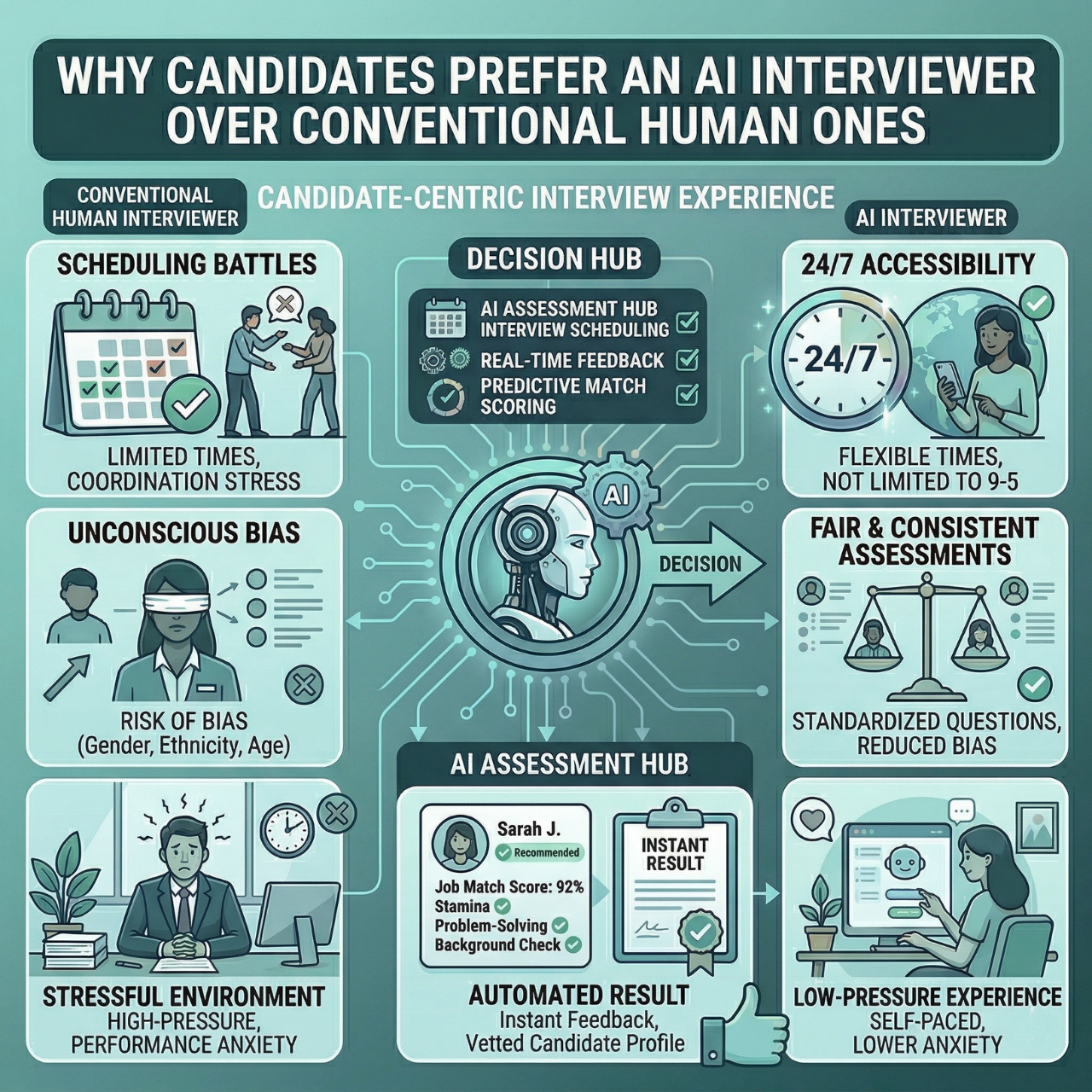
Scheduling automation means you don’t have to send endless emails to book interviews. The software connects to your calendar and lets candidates pick from available slots.
Set your availability preferences once, and the system does the rest. Candidates get booking links where they can choose times that work for them.
The tool sends automatic confirmations and reminders to both sides. It can reschedule if conflicts pop up and sync with video conferencing platforms. This feature saves you hours each week if you’re running lots of interviews. It also makes the candidate experience way smoother.
Personalized Candidate Outreach
AI-powered outreach tools help you communicate with candidates in a more targeted way. The software can generate custom messages based on each candidate’s background and the specific role.
You can set up automated email sequences that feel personal, not robotic. The AI adapts messaging based on candidate responses and engagement.
These tools track which messages get the best reply rates. You can experiment with different approaches and let the AI optimize your outreach over time.
Personalization boosts reply rates and keeps strong candidates engaged. The right message at the right time makes a huge difference.
Assessing AI Hiring Tools: Startup Success Stories
Startups using AI hiring tools often slash their recruitment time and find better candidates. These platforms help small teams automate screening, speed up interviews, and make smarter hiring decisions with fewer resources.
Streamlining Recruitment Processes
AI tools handle the repetitive stuff that eats up your day. They automatically post jobs to multiple boards, parse resumes, and organize candidate info in one place.
Many startups use these platforms to manage their entire hiring pipeline without bouncing between apps. The software scores candidates based on your criteria and sends automated emails to keep applicants engaged.
Key automation features include:
- Resume parsing and data extraction
- Automated job posting across platforms
- Candidate communication scheduling
- Interview calendar coordination
- Skills assessment distribution
You can focus on talking to candidates instead of sorting through spreadsheets. The tools actually learn from your hiring decisions and get better at spotting good matches.
Reducing Time to Hire
Speed is everything when you’re competing for talent with bigger companies. AI recruiting tools help startups make offers before candidates lose interest or accept other gigs.
Automated screening shrinks the initial review process from days to hours. The software flags qualified candidates instantly for your review.
Startups often report cutting their time-to-hire by 30-50% after adding AI tools. You can schedule interviews faster since the system handles coordination.
The tools also cut down on back-and-forth emails by letting candidates self-schedule. Reminders and follow-ups go out automatically, so you don’t have to chase anyone.
Improving Candidate Quality
Better matching means better hires. AI tools analyze skills, experience, and other factors to rank candidates based on what actually matters for your role.
The software reduces unconscious bias by focusing on qualifications, not names or backgrounds. You see a more diverse candidate pool and make decisions based on merit.
Startups using AI assessment tools say they get higher employee retention rates. The platforms test for real skills instead of just what’s on a resume.
Quality improvements include:
- Skills-based candidate ranking
- Predictive performance scoring
- Culture fit assessments
- Reduced bias in screening
Your new hires perform better because the matching process was more thorough and data-driven right from the start.
Best Practices for Implementing AI Hiring Tools
Getting the most from AI hiring tools takes more than just signing up for a platform. You need your team on board, some training, and a way to track what’s actually working.
Ensuring Team Buy-In
Your recruiting team needs to know why you’re adding AI tools to their workflow. Start by explaining how these tools will cut down on repetitive tasks like screening resumes and scheduling interviews, giving them more time for real candidate conversations.
Address concerns about AI replacing jobs head-on. Make it clear that these tools handle admin work, while humans focus on relationship building and final calls. Share examples of how the tool will make their day-to-day easier.
Bring your team into the selection process. Let them test different platforms and give feedback before you commit. When recruiters help pick the tool, they’re way more likely to use it.
Create champions within your team who can show off the tool’s benefits. These early adopters can troubleshoot issues and share tips to make adoption smoother for everyone.
Training and Onboarding
Set aside dedicated time for hands-on training sessions. Let your team actually practice using the AI tool in real scenarios, not just watch demos.
Focus on the features they'll use most often first. It just makes sense to start with what matters day-to-day.
Create simple reference guides for common tasks. Include screenshots and step-by-step instructions so team members can check back when they forget a process.
Schedule follow-up training sessions two to four weeks after launch. That way, your team gets a chance to use the tool and return with real questions from actual experience.
Assign a point person, someone who really knows your AI hiring tool inside and out. They should be available to answer questions and help troubleshoot when things get weird.
This person can also stay updated on new features and share them with the team. It helps to have someone who’s a go-to for the latest tips.
Measuring and Iterating on Results
Track specific metrics before and after you roll out your AI tool. Keep an eye on time-to-hire, cost-per-hire, candidate quality scores, and recruiter hours spent on screening.
These numbers tell you if the tool’s actually moving the needle. Review your data monthly for the first three months, then switch to quarterly.
Look for patterns, what’s working, what’s just... meh. Gather feedback from both your recruiting team and candidates.
Ask recruiters which features save them the most time and which ones just feel clunky. Survey candidates about their experience with automated communications and scheduling.
Adjust your processes based on what you learn. If candidates complain about bland automated messages, try personalizing your templates more.
If recruiters aren't using certain features, dig into why; maybe they need more training, or maybe the feature just doesn't fit. Test changes to your AI tool settings in small batches before rolling them out widely.
That way, you can catch issues early without messing up your entire hiring pipeline.
Hire Faster Without Burning Out Your Team
Startups don’t lose candidates because of weak offers. They lose them because hiring takes too long. AI hiring tools reduce manual work, shorten time-to-hire, and help small teams compete for top talent.
HRMLESS supports faster, more consistent hiring by automating screening and scheduling while keeping recruiters in control of final decisions.
Ready to remove bottlenecks from your hiring process? Book a Demo and see how faster hiring actually feels.
Frequently Asked Questions
What are the top AI hiring tools for startups?
The top AI hiring tools for startups focus on speed, affordability, and ease of use. They typically combine resume screening, interview scheduling, and candidate communication in one platform. The best options scale as your team grows without forcing you into enterprise pricing too early.
How do AI hiring tools help startups hire faster?
AI hiring tools automate time-consuming tasks like resume review, interview coordination, and follow-ups. This cuts days or even weeks out of the hiring process and helps startups reach strong candidates before they accept other offers.
Are AI hiring tools affordable for early-stage startups?
Many tools offer startup-friendly pricing, including free plans, pay-per-hire models, or lower monthly tiers. These options make it possible to use AI hiring software without a large upfront investment.
Can AI hiring tools reduce bias in hiring?
AI hiring tools can help reduce bias by evaluating candidates consistently based on skills, experience, and job-related criteria. While AI doesn’t remove bias entirely, it helps limit subjective screening decisions early in the process.
Do AI hiring tools replace recruiters?
No. AI hiring tools handle repetitive and administrative work, not human judgment. Recruiters still make final decisions, conduct interviews, and build relationships. The tools simply give them more time to focus on high-impact work.
What features should startups prioritize when choosing an AI hiring tool?
Startups should prioritize automated screening, easy scheduling, ATS integrations, and flexible pricing. Tools should fit your current hiring volume while supporting growth without requiring a full system switch later.
Can AI hiring tools integrate with existing HR software?
Most modern AI hiring tools integrate with popular systems like applicant tracking software, calendars, video interview platforms, and collaboration tools. Strong integrations reduce manual data entry and keep hiring workflows clean and efficient.
Featured

Subscribe to ournewsletter
Related posts
Explore the world of photography with our curated selection of
portfolio websites that showcase creativity and innovation.