

Using AI in the Recruitment Process For Speed and Accuracy

Using AI in the recruitment process helps teams move from busywork to outcomes. Automating pre-screening, ranking, and scheduling cuts delays while surfacing qualified talent sooner. The result is faster time-to-hire, more consistent quality, and fewer dropped candidates.
With HRMLESS, automation runs quietly in the background—scoring applicants, coordinating interviews, and nudging next steps—so recruiters stay focused on conversations, not calendars. Teams see speed, efficiency, and signal over noise without adding headcount or complexity.
This guide explains what AI does in hiring, the core technologies behind it, and where it drives the most value. You’ll also learn implementation steps, guardrails for ethics and compliance, common pitfalls, and the trends shaping next-generation recruiting.
What Is AI in Recruitment?
AI in recruitment changes how hiring works by automating tasks, using data to match candidates to jobs, and speeding up decision-making. It covers many tools and methods designed to make the hiring process faster, fairer, and less prone to mistakes.
Definition and Overview
AI in recruitment means using computer programs to handle hiring tasks that humans used to do manually. This includes sorting resumes, scheduling interviews, and interacting with candidates through chat or email.
With AI, you can quickly screen many applicants, focusing only on the most qualified. It reduces human errors and bias by relying on data and clear criteria.
Tools use AI to automate pre-screening and keep candidates engaged without extra work from recruiters.
Types of AI Technologies Used
Recruitment uses several AI technologies:
- Machine Learning: Learns from data to improve candidate ranking and fit prediction.
- Natural Language Processing (NLP): Reads and understands resumes and job descriptions.
- Automation: Handles repetitive tasks like scheduling interviews or sending reminders.
- Chatbots: Engage with candidates instantly to answer questions or collect information.
Each technology helps you save time and maintain consistent hiring standards. For example, NLP can analyze resumes faster than humans, while chatbots keep candidates informed and reduce no-shows.
Historical Evolution of AI in Hiring
Recruitment started mostly manually, with posting jobs, reading resumes, and interviewing by hand. Over time, tools like ATS (Applicant Tracking Systems) helped organize candidates but still relied on human screening.
AI arrived with machine learning and automation to take over repetitive work. Early AI helped sort resumes based on keywords.
Today’s systems go deeper, conducting interviews and scoring candidates automatically, 24/7. Now, AI not only speeds hiring but also improves fairness by reducing guesswork and human bias throughout the process.
Benefits of Using AI in the Recruitment Process
You can speed up hiring, improve candidate experience, and make decisions fairer. Using AI helps remove repetitive tasks so you can focus on what matters most, finding the right fit quickly and with less bias.
Enhancing Hiring Efficiency
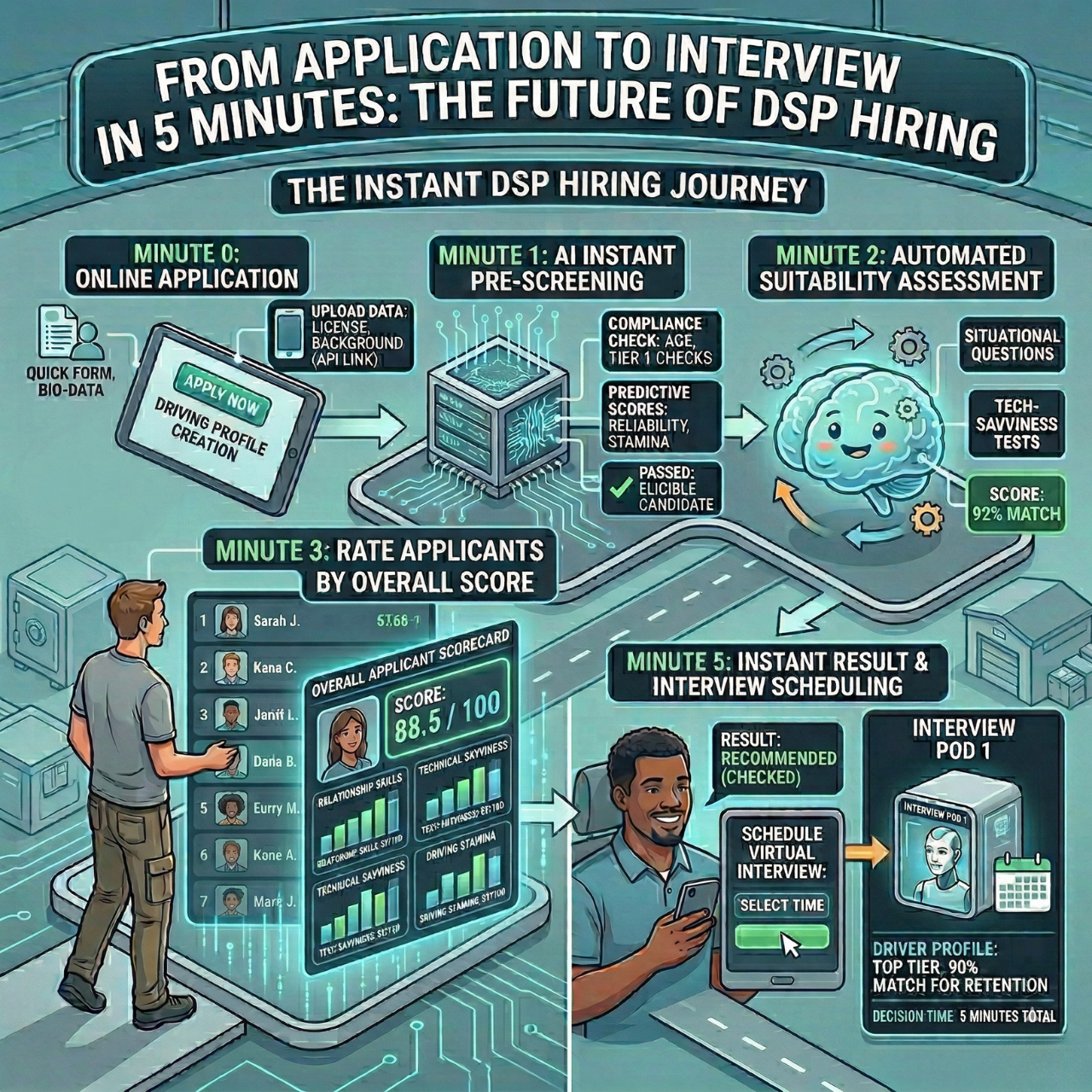
AI automates time-consuming tasks like screening resumes, scoring candidates, and scheduling interviews. This means you spend less time sorting applications and more time talking to top prospects.
- Filters hundreds of resumes in minutes, highlighting only those who meet your criteria.
- Automated scheduling sends invites instantly and can reduce no-shows by 50%.
- On average, teams speed up hiring by 60%+ and save about 2.7 hours per hire.
Improving Candidate Experience
Candidates want a simple, transparent application process. AI keeps them engaged with timely updates and easy scheduling options.
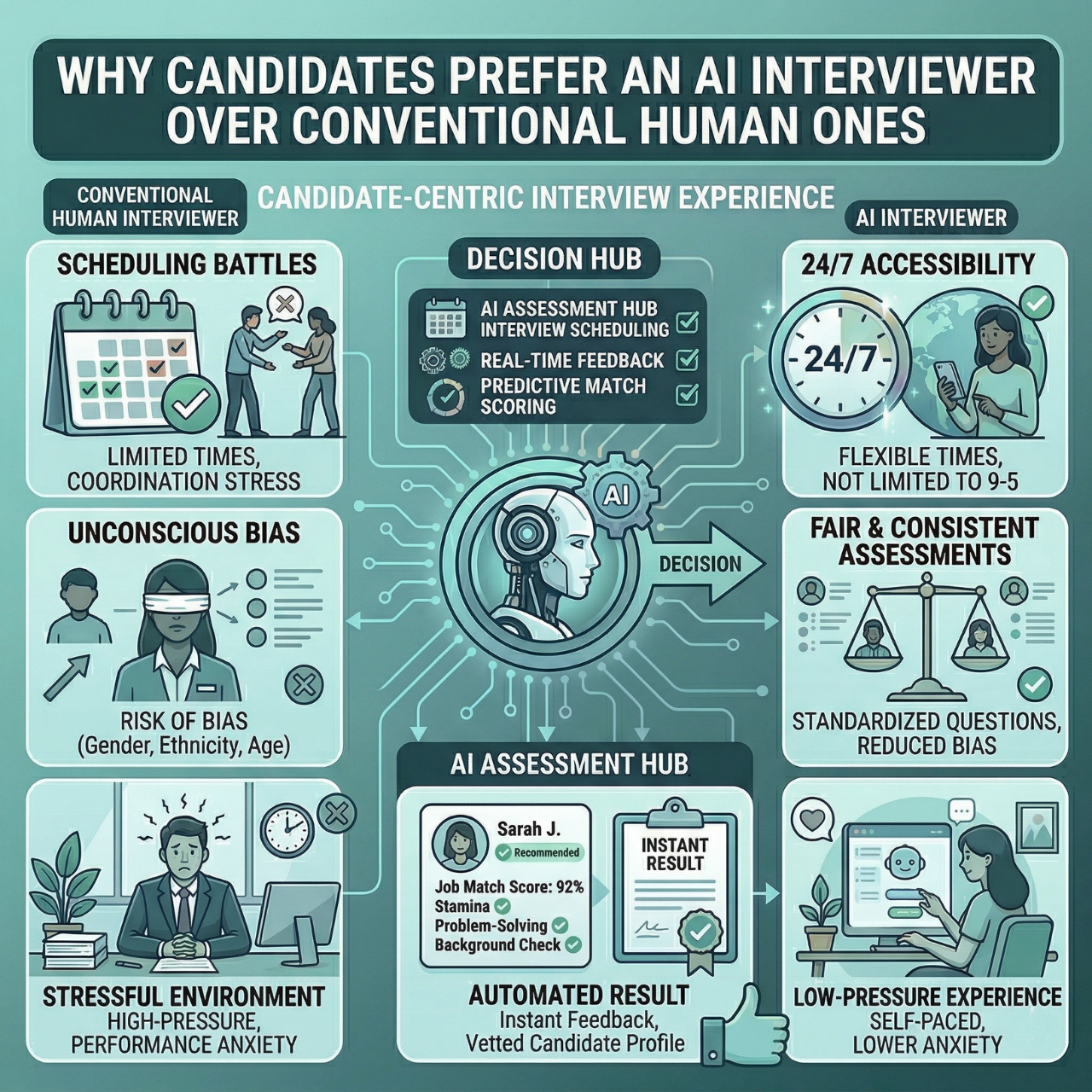
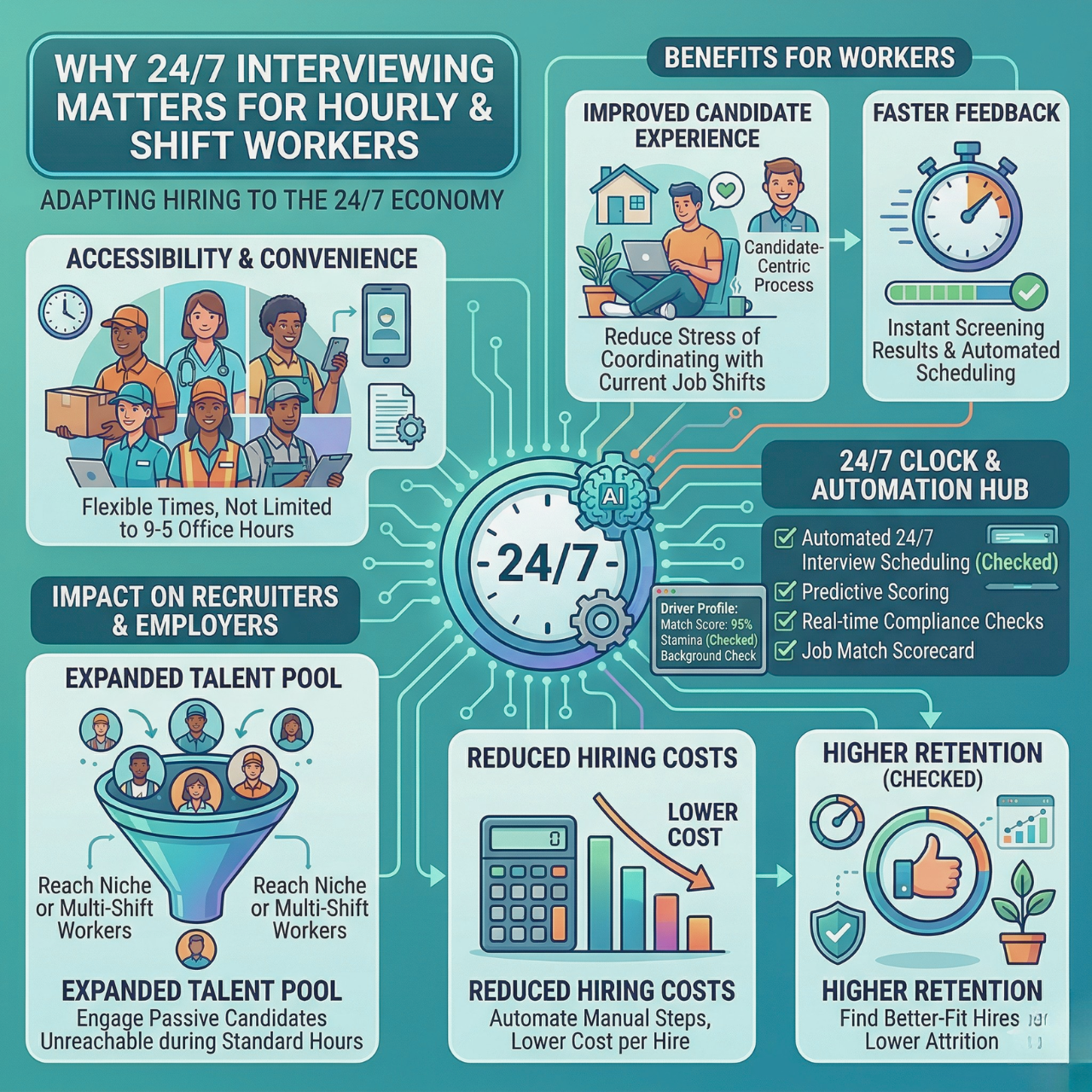
Letting candidates complete AI pre-screening interviews anytime (24/7) gives them flexibility. Instant SMS or email nudges remind them to finish steps, preventing dropouts. When candidates feel informed and respected, their experience improves.
Reducing Bias and Increasing Diversity
AI recruitment software helps reduce unconscious bias by focusing on objective data from candidates’ skills and qualifications. This lowers the risk of decisions based on gender, age, or background.
Automated scoring and filtering highlight diverse talent pools without human prejudice. You can track outcomes to spot patterns and improve fairness over time.
Using leading AI tools supports equal and transparent hiring. Only the most qualified candidates move ahead, based on merit.
Key Applications of AI in Recruitment
AI tools handle many parts of hiring to save time and improve candidate quality. They help with early resume reviews, find better matches, manage interview timing, and keep candidates engaged.
Resume Screening Automation
AI quickly scans resumes to find candidates who match your job requirements. It looks for keywords, skills, and experience levels that fit your criteria.
You don’t need to manually review hundreds of resumes. The system ranks candidates by relevance, so the best ones rise to the top.
This saves hours and reduces bias by focusing on facts, not gut feelings. It also supports high-volume hiring because it works around the clock.
Using leading tools, you can automate screening, scoring, and prioritization to keep your talent pool clean from the start.
Candidate Sourcing and Matching
AI can scan job boards, social media, and databases to find passive and active candidates. It uses job titles, skills, and past performance to suggest strong fits, even if those candidates haven’t applied.
Matching goes beyond simple keyword searches. AI predicts which candidates have the right potential based on patterns in previous hires. This improves your chances of reaching high-quality talent faster. You can focus outreach where it counts and keep your pipeline full with less effort.
Interview Scheduling
Coordinating interview times wastes time for both recruiters and candidates. AI automates this by integrating with calendars and sending automated invitations.
When candidates confirm, the system adjusts to avoid overlaps and no-shows. This flexibility replaces back-and-forth emails and phone calls.
Modern platforms often reduce no-shows by 50%+. You schedule interviews with engaged candidates who respond to automated nudges via SMS or email.
Chatbots for Candidate Engagement
Chatbots provide immediate answers to questions about jobs, interview steps, and company policies. They are available 24/7 and keep candidates informed without waiting for human help.
Bots can pre-qualify candidates by asking screening questions and collecting information. Recruiters then receive only well-matched candidates.
By automating communication, you reduce ghosting and keep candidates engaged until the hiring decision.
AI-Powered Assessment and Testing
Using AI in hiring helps you evaluate candidates faster and more fairly. It breaks down complex skills and traits into clear scores and predicts job fit.
Skills and Personality Assessments
AI tools test job-related skills and personality traits quickly and with consistent criteria. Assessments may include coding tasks, problem-solving, or communication exercises tailored to your industry.
You get standardized results because AI applies the same criteria to every candidate, which helps minimize bias in early screening.
Automated scoring highlights top performers instantly. Personality insights show how well a candidate’s traits match your culture, improving team fit.
Predictive Analytics for Candidate Success
Predictive analytics uses past hiring data to forecast how likely a candidate is to succeed. AI looks at patterns like skills, experience, and test scores to estimate performance and retention.
This helps avoid costly bad hires by focusing on high-potential candidates. Decision-making speeds up with data-backed insights rather than guesswork.
When integrated with your ATS, predictive analytics track candidate progress in real time to refine your model continuously. AI-driven tools keep only engaged, qualified candidates in the pipeline, which reduces ghosting.
Implementing AI Solutions in Recruitment
To bring AI into your recruitment process, focus on selecting tools that fit your needs, connecting them with current systems, and preparing your team to work alongside the technology.
Choosing the Right AI Tools
Start by identifying tasks that consume time or cause errors. Look for AI that automates screening, scoring, or scheduling.
Ensure the software fits your company's size and hiring volume. Use solutions with pre-screening and multi-channel engagement to cut hours per hire and reduce no-shows.
Also, check for unbiased filtering. Compare features like 24/7 interviews, automatic candidate ranking, and instant messaging.
A clear evaluation list:
- Automation capabilities (screening, scheduling)
- Bias reduction features
- Integration options with existing software
- Candidate engagement methods (SMS, email)
- Real-time reporting and analytics
Integration with Applicant Tracking Systems
Your AI solution must work well with your Applicant Tracking System (ATS). This keeps data in one place and prevents duplicate work.
Seek easy ATS integration that doesn’t disrupt workflow. Seamless syncing lets you track progress and analytics from a single dashboard.
Focus on:
- Compatibility with popular ATS software
- Real-time data syncing
- API or plug-and-play options
- Support for multi-channel communications
- Minimal setup time to avoid delays
This smooth integration speeds up hiring and frees recruiters to focus on interviewing and relationship-building.
Employee Training and Change Management
Your team needs to understand how AI tools work and how they improve recruitment. Provide training to use the software effectively without losing the human touch.
Emphasize that AI handles routine tasks like pre-screening and scheduling so recruiters can focus on engagement.
Helpful approaches include:
- Hands-on workshops with the platform
- Clear guides and FAQs
- Regular check-ins for feedback and process updates
- Highlighting wins like fewer no-shows and faster hires
When recruiters feel confident with AI, they scale hiring and improve candidate quality.
Ethical and Legal Considerations
Using AI in recruitment brings benefits and responsibilities around privacy, fairness, and accountability. Respecting candidate rights and legal rules keeps hiring fair and effective.
Data Privacy and Security
Protect candidate data at every step. AI tools collect resumes, interview responses, and personal details.
Ensure encryption and limited access for authorized users only. Be transparent about how data is used and stored to support GDPR or CCPA compliance.
Security should be built into the AI-driven flow so candidate information stays safe while pre-screening and scoring are automated.
Compliance with Hiring Laws
Your AI hiring software must follow employment laws that protect candidates from discrimination. Laws cover factors such as race, sex, religion, and national origin.
Using AI does not remove your responsibility to offer equal opportunities. Audit tools regularly to reduce bias in algorithms or data.
Use anonymized screening when possible. Keep humans involved in final decisions to ensure fairness and compliance.
Transparency and Accountability
Keep clear records of how AI influences hiring outcomes. Candidates should know what data affects their evaluation and have ways to ask questions or challenge decisions.
Document criteria and keep logs of automated actions. Assign owners to oversee AI systems and act on flagged issues to maintain trust.
Challenges and Risks of Using AI in Recruitment
AI offers many benefits, but challenges can affect fairness, accuracy, and trust in automated decisions.
Algorithmic Bias
AI systems learn from existing data. If that data reflects past hiring biases, the AI may repeat them. This can lead to unfair treatment of candidates based on gender, race, or age. Monitor and update AI tools regularly to reduce bias.
Smart algorithms can help minimize bias by focusing on skills and qualifications. Human oversight remains essential.
Over-Reliance on Automation
Automation saves time but creates risk if you rely on AI alone. Important details may be missed, especially soft skills or unique qualities that AI cannot easily detect. Balance efficiency with human judgment. Use AI to fast-track steps, then review critical decisions.
Over-reliance can also hurt candidate experience if communication feels robotic. Keep interactions personal, with AI supporting genuine engagement.
Technical Limitations
AI depends on accurate, clean data. If the data is incomplete or wrong, the results will be too.
This can cause qualified candidates to be overlooked. Security is another concern because platforms handle sensitive information.
Choose recruitment software with strong data protection and reliable integrations with your ATS and HRIS to ensure smooth, safe data flow.
Future Trends in AI Recruitment
AI in recruitment is getting smarter and more personal. It’s not just about speed; it’s about precision and a better candidate journey.
Advancements in Natural Language Processing
NLP helps AI understand resumes, cover letters, and candidate responses more accurately. Hiring software can read between the lines to catch skills that simple keyword searches miss.
With improved NLP, AI can lead conversational interviews, answer questions instantly, and analyze tone or intent. This reduces bias by focusing on facts and speeds up screening by identifying the best fit faster.
Personalization of Candidate Experience
Personalization keeps candidates interested and reduces ghosting. AI customizes communication, reminders, and feedback based on each candidate’s progress and preferences.
Automated scheduling syncs with availability and cuts no-shows. Tailored SMS and email messages maintain a smooth journey so you don’t miss opportunities with quality hires.
From Speed to Consistent Hiring Quality
Using AI in the recruitment process streamlines screening, scoring, and scheduling, so teams move faster with fewer handoffs. The payoff is shorter time-to-hire, higher signal, and more consistent decisions across roles and locations.
With HRMLESS orchestrating 24/7 interviews, automated nudges, and data-backed rankings, recruiters spend time where it matters—candidate conversations and final selection—while maintaining efficiency, fairness, and measurable outcomes.
Ready to modernize your funnel? Book a demo to see the workflow in action and get a tailored plan for speed, quality, and engagement.
Frequently Asked Questions
What Does “Using AI in the Recruitment Process” Actually Mean?
AI automates tasks like resume screening, interview scheduling, and candidate messaging. It uses data to rank fit and reduce delays.
Will AI Replace Recruiters or Just Support Them?
AI supports recruiters by removing repetitive work. Humans still make final decisions and handle relationship building.
How Do AI Tools Integrate With an ATS?
Most connect via APIs or native plugins. They sync candidate data, statuses, and notes so teams work in one system.
Can AI Reduce Bias in Hiring?
It helps minimize bias by applying consistent criteria and anonymized signals. Keep human review and audits to stay fair.
What Metrics Prove Value Fast?
Track time to hire, qualified candidates per role, response rates, no-shows, and conversion by stage. Use baseline vs. post-AI.
Schema markup:
[
{
"@context": "https://schema.org",
"@type": "Article",
"headline": "Using AI in the Recruitment Process for Better Hiring",
"description": "Using AI in the recruitment process streamlines screening, scheduling, and engagement to cut time-to-hire, improve candidate quality, and reduce no-shows.",
"author": {
"@type": "Organization",
"name": "Editorial Team"
},
"dateModified": "2025-11-11"
},
{
"@context": "https://schema.org",
"@type": "FAQPage",
"mainEntity": [
{
"@type": "Question",
"name": "What Does “Using AI in the Recruitment Process” Actually Mean?",
"acceptedAnswer": {
"@type": "Answer",
"text": "AI automates tasks like resume screening, interview scheduling, and candidate messaging. It uses data to rank fit and reduce delays."
}
},
{
"@type": "Question",
"name": "Will AI Replace Recruiters or Just Support Them?",
"acceptedAnswer": {
"@type": "Answer",
"text": "AI supports recruiters by removing repetitive work. Humans still make final decisions and handle relationship building."
}
},
{
"@type": "Question",
"name": "How Do AI Tools Integrate With an ATS?",
"acceptedAnswer": {
"@type": "Answer",
"text": "Most connect via APIs or native plugins. They sync candidate data, statuses, and notes so teams work in one system."
}
},
{
"@type": "Question",
"name": "Can AI Reduce Bias in Hiring?",
"acceptedAnswer": {
"@type": "Answer",
"text": "It helps minimize bias by applying consistent criteria and anonymized signals. Keep human review and audits to stay fair."
}
},
{
"@type": "Question",
"name": "What Metrics Prove Value Fast?",
"acceptedAnswer": {
"@type": "Answer",
"text": "Track time to hire, qualified candidates per role, response rates, no-shows, and conversion by stage. Use baseline vs. post-AI."
}
}
]
}
]
Featured

Subscribe to ournewsletter
Related posts
Explore the world of photography with our curated selection of
portfolio websites that showcase creativity and innovation.