

AI-Driven Applicant Tracking for Faster, Smarter Hiring
Hiring teams are buried in resumes, emails, and interview scheduling. Top candidates move fast, while manual processes slow you down. AI-driven applicant tracking helps teams keep up without burning out recruiters.
Instead of guessing who is qualified, HRMLESS uses automation to screen applicants, rank fit, and handle scheduling behind the scenes. The result is faster decisions, less admin work, and more time for real candidate conversations.
This guide breaks down how AI-driven applicant tracking works, the benefits it delivers, and what features matter most. You’ll also learn common pitfalls to avoid and how this technology is shaping the future of hiring.
What Is AI-Driven Applicant Tracking?
AI-driven applicant tracking uses smart technology to help companies find and hire job candidates faster and more fairly. The system reads resumes, ranks applicants, and handles many hiring tasks that used to take hours of manual work.
Defining AI-Driven Applicant Tracking
AI-driven applicant tracking is software that uses artificial intelligence to manage your hiring process from start to finish. The system relies on machine learning, natural language processing, and predictive analytics to understand resumes and match candidates to jobs.
When you post a job opening, the AI software jumps in and screens incoming applications. It reads through resumes, looks for relevant skills and qualifications, and scores each candidate based on how well they fit your needs.
The software can chat with applicants through automated bots. These bots answer common questions and keep candidates updated on their application status.
You get detailed reports and analytics that help you make better hiring decisions based on real data instead of just intuition.
How It Differs from Traditional Systems
Traditional applicant tracking systems mostly act as databases. They store resumes and track where candidates are in your process, but you still have to review most applications yourself.
AI-powered systems dive in deeper. They actively analyze each resume and compare it against your job requirements, so you don't have to read every single application. The software learns from your past hiring decisions and gets better at finding the right candidates over time.
Key differences include:
- Speed: AI screens hundreds of resumes in minutes, not hours or days.
- Accuracy: It identifies qualified candidates you might have missed.
- Bias reduction: AI focuses on skills and qualifications, not personal details.
- Smart matching: The system gets context and meaning, not just keywords.
Traditional systems make you set up rigid filters and search terms. AI systems understand natural language and can find relevant candidates, even when they use different words for the same skills.
Key Components and Technologies
Machine learning forms the foundation of AI applicant tracking. This tech lets the system learn from data and improve its candidate recommendations over time. The more resumes it processes, the sharper it gets at spotting top talent for your team.
Natural language processing helps the software read resumes like a human would. It picks up on context, intent, and meaning. For example, the system recognizes that "managed a team" and "led a group" are pretty much the same thing.
Predictive analytics uses historical data to guess which candidates are most likely to succeed in a role. It looks at patterns from your previous hires to pick out traits and qualifications that lead to good performance.
Other important technologies include:
- Automated resume parsing that pulls key info from different resume formats
- Candidate ranking algorithms that score applicants on multiple factors
- Integration capabilities so you can connect with your other HR tools
Core Benefits of AI-Driven Applicant Tracking
AI-driven applicant tracking systems really change how companies find and hire talent. They automate time-consuming tasks and help you make smarter decisions with data.
Enhanced Candidate Screening
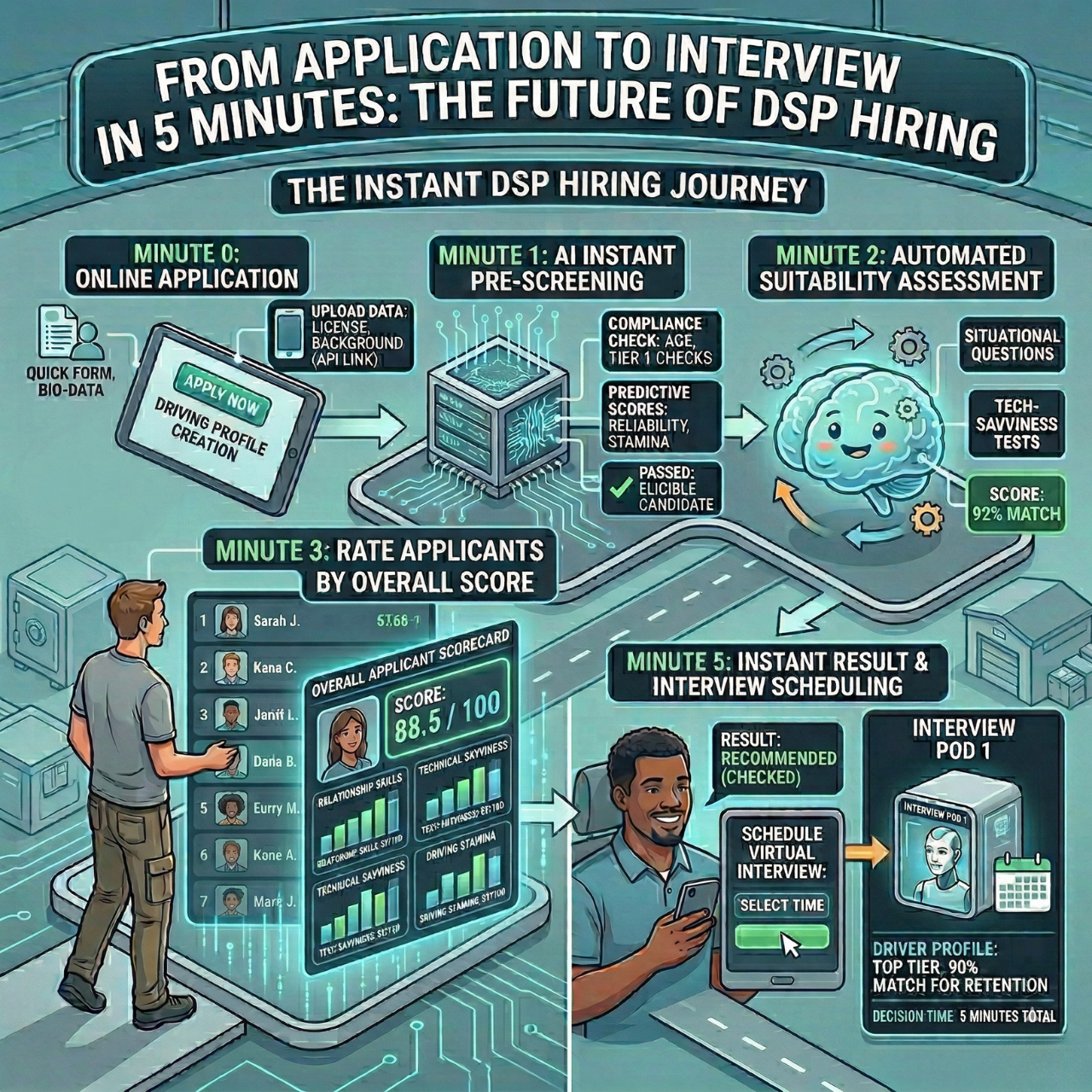
AI-powered screening looks at resumes way faster than any human could. The system reads through hundreds or thousands of applications in minutes, spotting candidates whose skills and experience match your job requirements.
Machine learning algorithms search for specific qualifications, work history patterns, and relevant keywords. This tech goes beyond simple keyword matching by understanding context and how different experiences relate. Maybe someone with project management experience would make a great team lead, even if their title was different.
Natural language processing helps the system interpret how candidates describe their skills in different ways. It can match "customer service" with "client relations" or "sales support" automatically.
The system ranks candidates based on how well they fit your criteria. You get a scored list of applicants, so it's easy to focus on the most promising people first. This scoring can cut the hours your HR team spends on resume reviews by as much as 75%.
Improved Recruitment Efficiency
Automation takes care of repetitive tasks that usually eat up your recruiting team's time. The system sends confirmation emails, schedules interviews, and updates candidates about their application status—all without human input.
Your cost per hire drops when AI handles these routine activities. Companies often save 30-50% on recruitment operational expenses after switching to AI-driven tracking systems.
The hiring process moves quicker, too. What used to take weeks now happens in days. Your team spends less time sorting paperwork and more time talking to qualified candidates.
AI tools give you data-driven insights about your recruitment process. You can see which job boards bring the best candidates, how long each hiring stage takes, and where things get stuck. These analytics help you decide where to spend your recruiting budget and energy.
Bias Reduction in Hiring
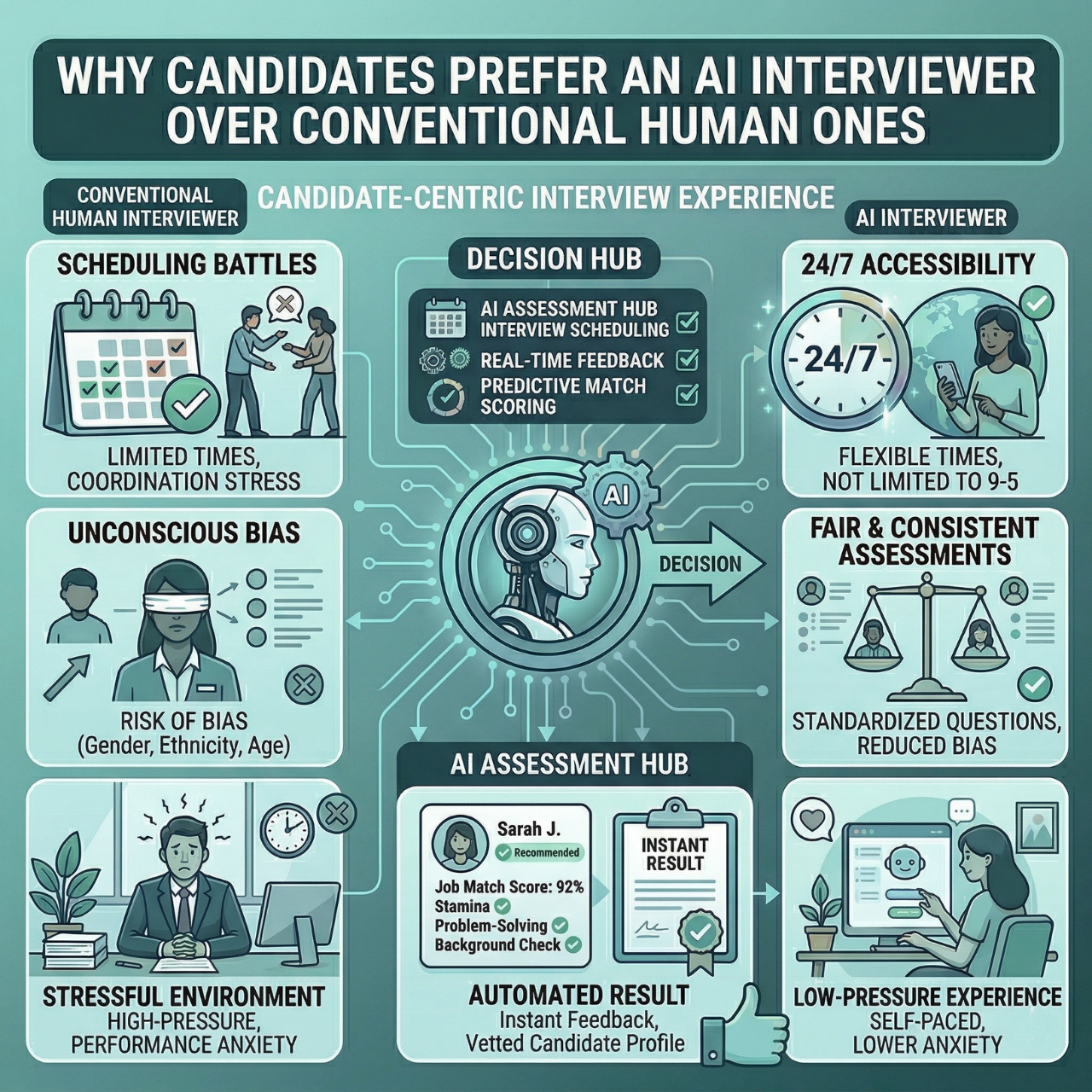
AI systems evaluate candidates based on objective criteria. The tech focuses on skills, qualifications, and experience; not a candidate's name, age, or background details that might trigger unconscious bias.
You can set up your system to ignore demographic info during initial screening. This way, candidates move forward based on fit for the role.
The algorithms need proper setup and regular checks to stay fair. You should review your AI's results to make sure it's not accidentally favoring certain groups based on old hiring patterns in your data.
By standardizing evaluation criteria, everyone gets assessed using the same measures. That consistency helps create a more level playing field.
Essential Features of Modern AI-Driven ATS
Modern AI-driven applicant tracking systems stand out because of certain features. These capabilities use artificial intelligence to automate tedious tasks, improve decision-making, and speed up the whole recruitment process.
Automated Resume Parsing
Resume parsing tech pulls info from candidate resumes and turns it into structured data your system can use. The AI reads resumes in formats like PDFs, Word docs, and plain text, grabbing key details like work history, education, skills, and contact info.
This feature saves your team hours of manual data entry. Instead of typing in candidate info by hand, the system automatically fills your database with accurate details in seconds.
Key benefits include:
- Processing hundreds of resumes in minutes
- Cutting down on human error
- Extracting info from all kinds of file formats and layouts
- Spotting relevant keywords and qualifications right away
The best parsing tools understand context and recognize how different candidates present the same info. They can handle industry-specific terms and odd resume formats without losing accuracy.
Predictive Analytics for Candidate Fit
Predictive analytics looks at your hiring history and uses machine learning to guess which candidates will thrive in certain roles. The system analyzes patterns from your past hires to spot traits that go hand-in-hand with strong job performance and long-term retention.
Your AI-driven ATS scores candidates based on things like experience, skill matches, education, and career path. It compares new applicants against your most successful employees to predict fit and likely job performance.
This tech helps you make more informed hiring decisions by highlighting candidates who match your company's proven success patterns. The system learns from each hire, getting better at its predictions over time.
You can use these insights to decide who to interview first. The analytics also flag potential red flags early, saving time and resources.
Automated Interview Scheduling
AI-powered scheduling wipes out the endless back-and-forth emails needed to book interviews. The system connects with your calendar and finds time slots that work for both your team and the candidate.
Candidates get a link to view available times and book interviews directly. The system sends out confirmations, reminders, and any needed meeting details or video links.
This feature handles:
- Syncing calendars across multiple interviewers
- Time zone conversions for remote candidates
- Automatic rescheduling if conflicts pop up
- Reminder notifications to cut down on no-shows
You can set things like buffer time between interviews, preferred meeting days, and required attendees. The system respects your rules while finding the earliest available slots.
Real-Time Candidate Communication
Real-time communication tools keep candidates in the loop throughout your hiring process. AI chatbots answer common questions instantly, provide application updates, and guide candidates through next steps—no human needed.
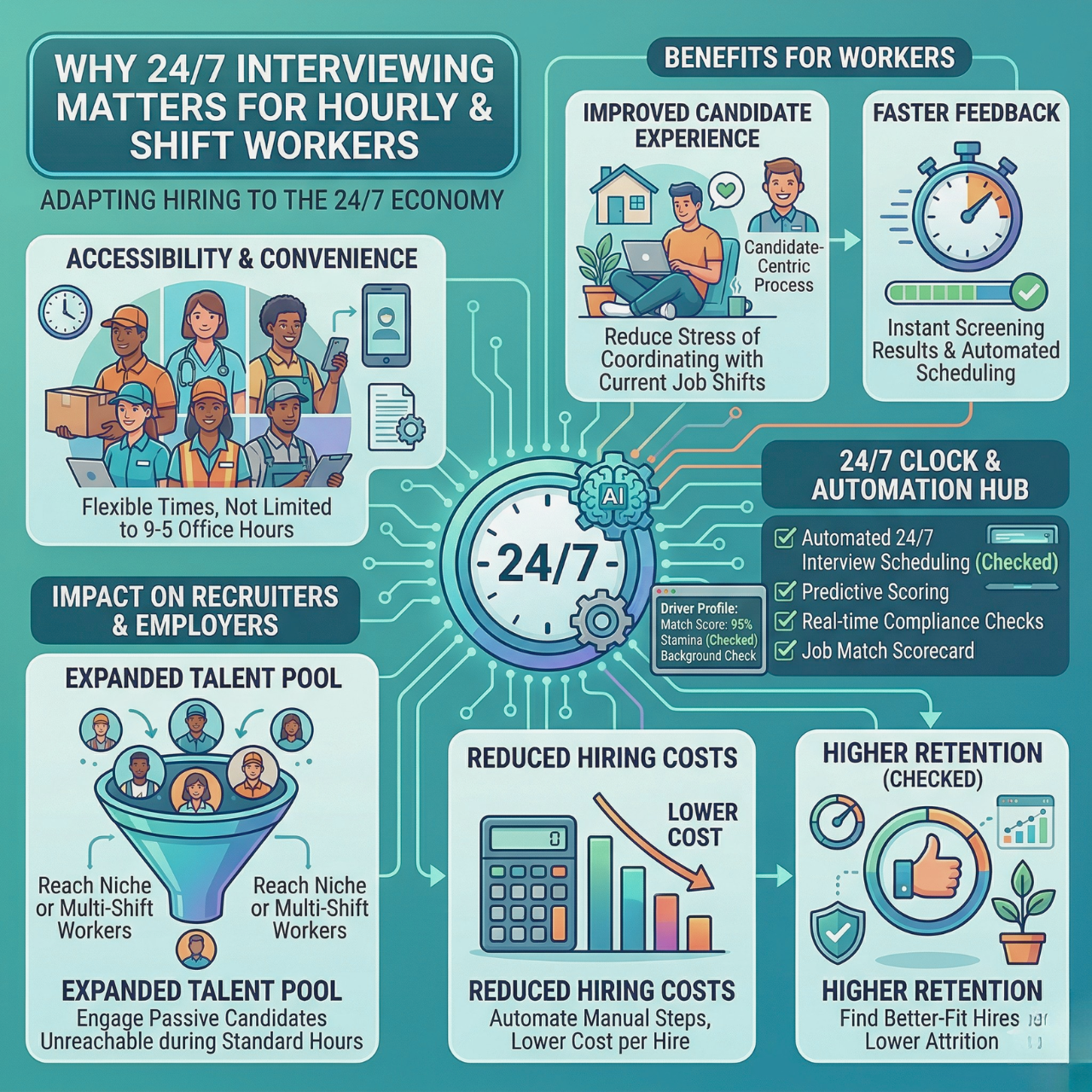
These systems use natural language processing to understand candidate questions and give relevant answers. Candidates can get help anytime, even outside business hours or on weekends.
Your team can also send automated messages at key stages, like when an application is received, interviews are scheduled, or decisions are made. The AI personalizes these messages with candidate names, position details, and other info.
This constant communication makes for a better candidate experience and reduces drop-off rates. People like knowing where they stand, and your team spends less time on repetitive questions.
Best Practices for Implementing AI-Driven Applicant Tracking
Success with AI-driven applicant tracking depends on careful integration with your current tools, strong data protection measures, and getting your team on board. These areas really make or break your rollout.
Integrating with Existing Recruiting Tools
Your AI applicant tracking system needs to play nicely with the software you already use. That means connecting it to your HRMS, calendar apps, email platforms, and job boards.
Start by mapping out all the tools your recruiting team uses every day. Check if your chosen AI system offers built-in integrations or API connections for each one. Built-in integrations usually work right away, while APIs might need some technical setup.
Aim for two-way data sync between systems. When a candidate updates their info in one place, it should update everywhere. This prevents errors and saves your team from double entry.
Test your integrations with a small group before rolling them out to everyone. Watch for data gaps, duplicate entries, or delays. Fix these issues early.
Ensuring Data Quality and Privacy
AI systems only work well if they have clean, accurate data. Bad data leads to bad matches and hiring mistakes.
Set up data validation rules that catch errors at entry. Required fields, format checks, and dropdown menus help keep things consistent. Clean up your existing candidate database before feeding it to your AI system.
Protect candidate information according to privacy laws like GDPR and CCPA. Store data securely with encryption. Let candidates know what data you collect and how you use it. Make it easy for them to access, update, or delete their info.
Check your AI's decisions regularly to spot any bias. If your AI keeps ranking certain groups lower, you'll need to adjust your criteria or retrain the system.
Change Management and Team Training
Your recruiting team needs to see how AI helps them; not replaces them. AI takes care of the repetitive stuff like resume screening, but humans still make the final hiring calls and assess culture fit.
Train your team on what the AI can and can't do. Show them how to review AI recommendations, override mistakes, and fine-tune search criteria. Set up hands-on sessions so they can ask questions and learn by doing.
Tackle job security concerns head-on. Explain that AI frees up time for relationship building, candidate engagement, and the strategic work that only humans can do.
Pick a few AI champions within your team to help others troubleshoot and share tips. Create a feedback loop so recruiters can report problems or suggest improvements.
The Future of AI in Applicant Tracking
AI tech in recruitment will keep evolving. Expect better prediction tools, smarter automation, and deeper data analysis. But companies need to balance these advances with fair hiring practices and clear solutions to new issues.
Evolving Trends in AI-Powered Recruitment
Big changes are coming in how AI handles recruitment. Predictive hiring models will forecast which candidates are likely to succeed long-term at your company using past employee data and performance patterns.
Video interview analysis is popping up more. These systems review tone, facial expressions, and communication style during recorded interviews. The tech gives you a glimpse at candidates beyond just their resume.
AI will also help with workforce planning by predicting your future hiring needs. It can analyze business trends, seasonal patterns, and growth projections to tell you when and where you'll need new team members.
Natural language processing keeps improving, so your ATS will match candidates more accurately by understanding context and meaning—not just keywords. Machine learning will make your system smarter over time. It learns from your hiring decisions and keeps getting better at recommending candidates.
Ethical Considerations for AI Adoption
You need to keep an eye on bias in your AI systems. These tools learn from historical data, which might have unfair patterns built in. Regular audits of your AI's recommendations can help you catch discriminatory trends early.
Transparency matters to candidates. Let applicants know when AI is reviewing their info and what factors the system considers. This builds trust and meets growing legal requirements.
Data privacy is a big deal with AI tracking systems. Protect candidate info and follow privacy laws like GDPR. Clear policies about data storage, usage, and deletion are essential.
Human oversight should always stay in the loop. AI can help with decisions, but people need to make the final hiring choices. That keeps your recruitment fair and accountable.
Anticipated Challenges and Solutions
Integration with your current systems can get complicated. Try rolling out one AI feature at a time, not everything all at once. This way, your team has room to adapt and learn. No need to overwhelm everyone or disrupt your workflow.
Training staff on new AI tools definitely takes time and effort. Write up some clear guides, and schedule regular practice sessions. Everyone needs to know what the tech can do, and where it falls short. There's no shortcut here.
For smaller companies, cost can be a real hurdle. Hunt down scalable tools that grow with you, not ones that force you to buy everything upfront. Some vendors offer entry-level AI features at lower prices, so you can dip your toes in without breaking the bank.
Keeping AI systems current is a moving target. Tech evolves fast, and your ATS needs updates to stay sharp. Set aside budget for ongoing maintenance. Don't just focus on the sticker price.
Some candidates aren't sure about AI screening. They might worry about fairness or just want to talk to a real person. You can help by explaining your process openly. Let people know how to reach an actual human if they have questions.
Hire Faster Without the Hiring Chaos
Manual screening, slow scheduling, and missed candidates all drag hiring down. AI-driven applicant tracking removes these bottlenecks by automating the work that stalls recruiters and frustrates applicants.
HRMLESS helps teams screen smarter, move faster, and stay focused on people instead of process. Automation supports better decisions while keeping humans in control of final hires.
Ready to reduce delays and recruiter burnout? Book a Demo and see how AI-driven applicant tracking can streamline your hiring workflow.
Frequently Asked Questions
What is AI-driven applicant tracking?
AI-driven applicant tracking uses artificial intelligence to screen resumes, rank candidates, and automate hiring tasks. It helps recruiters move faster while focusing on skills and fit.
How does AI-driven applicant tracking reduce time-to-hire?
The system reviews applications in minutes, not days. It automates screening, scheduling, and follow-ups so recruiters can act quickly on top candidates.
Can AI-driven applicant tracking help reduce hiring bias?
These systems evaluate candidates using consistent criteria like skills and experience. When configured correctly and reviewed regularly, they can help minimize unconscious bias.
Is AI-driven applicant tracking suitable for small teams?
Yes. Many platforms offer scalable features that work for lean recruiting teams. Automation is especially helpful when recruiters wear multiple hats.
Will AI replace recruiters in the hiring process?
No. AI supports recruiters by handling repetitive tasks. Humans still make final decisions and assess culture fit.
What should I look for in an AI-driven applicant tracking system?
Look for strong resume parsing, candidate scoring, interview scheduling, analytics, and easy integration with your existing HR tools.
Featured

Subscribe to ournewsletter
Related posts
Explore the world of photography with our curated selection of
portfolio websites that showcase creativity and innovation.