

Future of AI in HR: Advancing Efficiency and Decision-Making
Explore the future of AI in HR with faster hiring, smarter decisions, and practical guidance on privacy, fairness, and adoption.

The future of AI in HR is being shaped by one problem: hiring takes too long. Recruiters lose hours to resume sorting, back-and-forth scheduling, and chasing candidates who disappear mid-process. When speed drops, quality drops, and teams feel the pressure immediately.
HRMLESS helps teams cut that friction with automated screening, scoring, and scheduling, so hiring keeps moving without constant manual follow-up. The goal is simple: reduce delays, improve consistency, and keep candidate engagement high from the first touch.
In this guide, you’ll see how AI is improving daily HR workflows, strengthening decision-making with data, and supporting a fairer process. You’ll also learn where AI fits best, what to watch for around privacy and bias, and how to prepare your HR team for what’s next.
The Role of AI in Modern HR
AI is changing how HR teams work every single day. It speeds up routine tasks and helps you make smarter, data-driven decisions. These tools save time, cut back on errors, and let you focus on the big-picture HR stuff.
Automation of HR Processes
AI handles repetitive tasks like screening resumes, scheduling interviews, and managing candidate communications. This slashes manual work and hiring time.
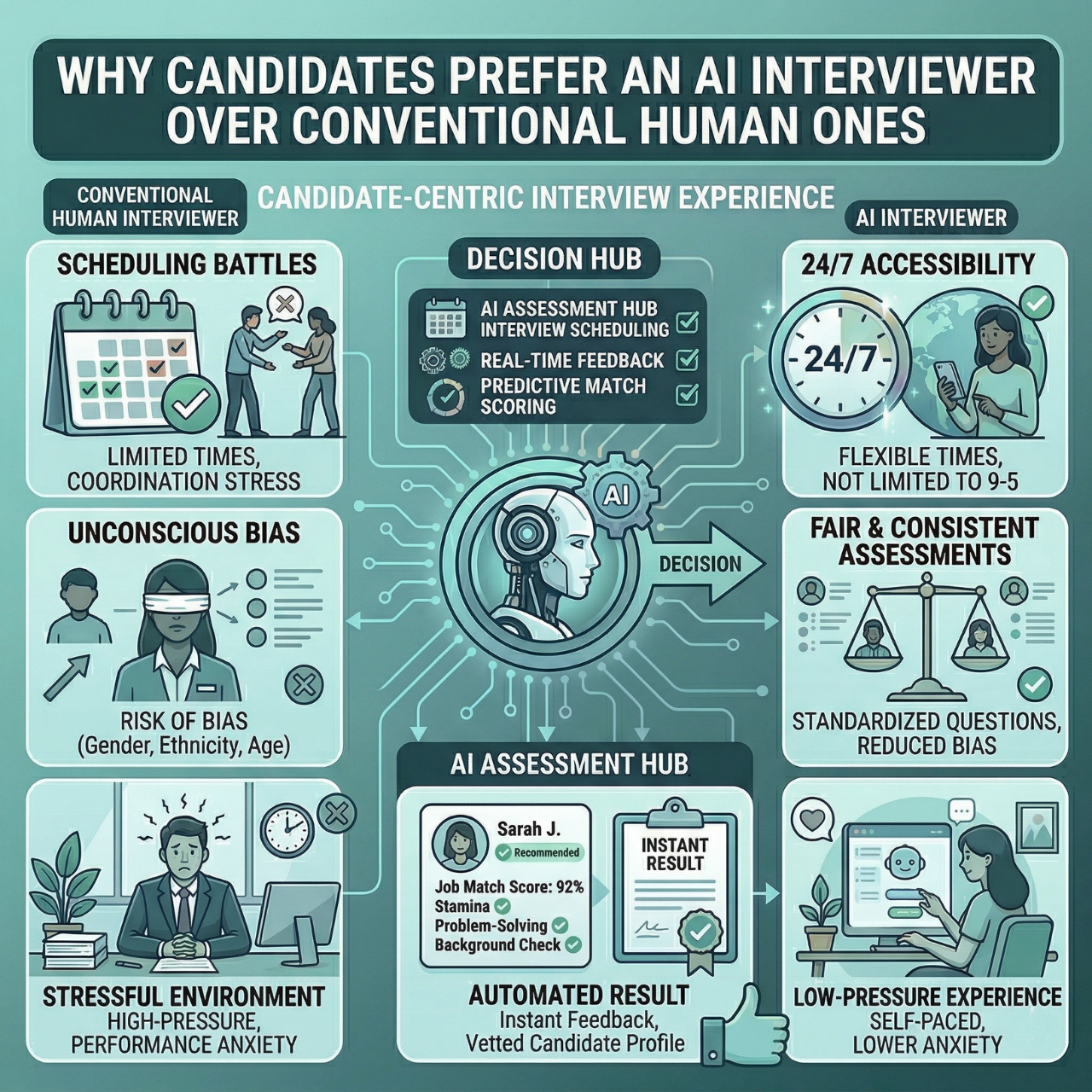
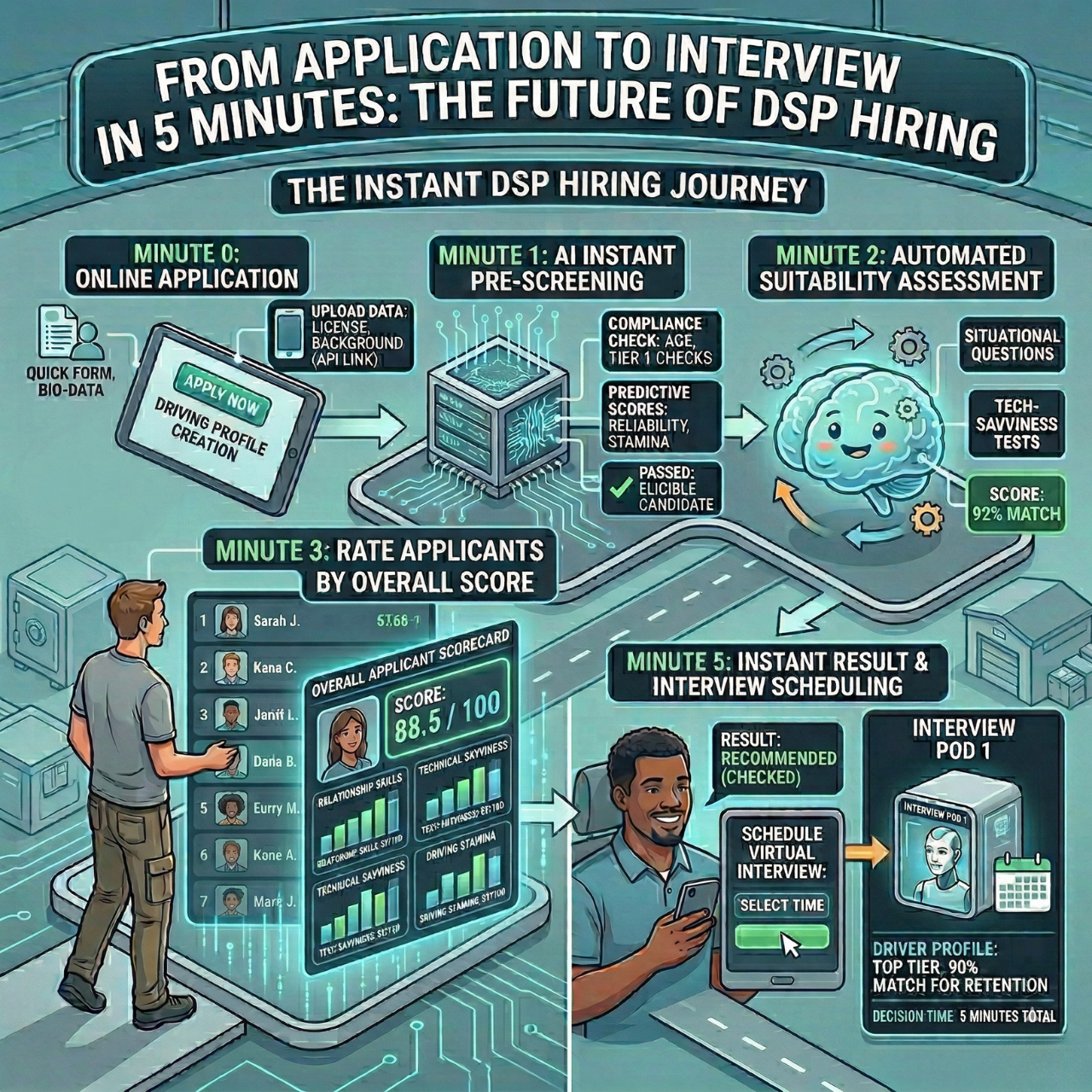
For example, some platforms use AI to run pre-screening interviews all day, every day—no more email tag or endless phone calls. Automated scheduling also means fewer no-shows since only engaged candidates book interviews.
By automating these steps, you avoid annoying delays and boost efficiency. Your team can juggle more open roles with less stress.
Automation makes sure nothing slips through the cracks and keeps everything running smoothly.
Data-Driven Decision Making
AI helps you lean on data for better hiring decisions. It analyzes candidate info objectively, reducing unconscious bias and improving hiring quality.
With AI tools, you can track patterns like candidate engagement, interview performance, and time-to-hire as they happen. These insights help you spot bottlenecks and adjust on the fly.
Scoring algorithms rank candidates based on skills and fit, so you can zero in on the best matches. The right data backs up your hiring choices and just makes outcomes better.
Enhancing Recruitment and Talent Acquisition
AI supercharges recruitment by finding and engaging candidates faster and smarter. It uses natural language tools and predictive analytics to spot talent before everyone else does.
You can automate outreach via SMS or email, nudging candidates to finish interviews or send over documents. This keeps them interested and cuts down on ghosting, which, let’s be honest, is a pain.
Hiring platforms powered by AI integrate with your ATS and HRIS, streamlining workflows. You can scale hiring to match company growth without losing quality. AI makes recruitment way more agile and responsive.
AI-Powered Recruitment Innovations
AI tools are shaking up how you find, assess, and pick candidates. These technologies save you time and help make hiring fairer. You get faster screening, better predictions, and less bias baked into your process. It’s a real upgrade from the old way of doing things.
Resume Screening and Candidate Matching
AI automates early resume sorting to quickly surface the best fits. It looks past keywords and finds candidates whose experience actually matches your needs.
The system ranks applicants based on your criteria, so only top contenders reach your desk. Smart algorithms keep learning what matters most for your roles and get sharper over time.
You also get better candidate matching by analyzing patterns in resumes and job descriptions. This cuts down mismatches and speeds up hiring.
Automating these steps means you get to focus on interviewing the right people, not just anyone who applies. Less clutter, more results.
Predictive Analytics in Hiring
Predictive analytics uses data to forecast candidate success and fit. You end up making choices based on evidence, not just gut feelings.
AI models predict job performance, culture fit, or even how likely a candidate is to stick around. These insights come from analyzing past hires and candidate responses during pre-screening.
If certain traits or skills link to strong employees, AI highlights those candidates for you. Using predictive tools cuts your time-to-hire and improves the quality of new hires.
Combine this with conversational AI interviews, and your predictions get even more reliable. Who doesn’t want fewer hiring mistakes?
Bias Reduction in Candidate Selection
AI helps reduce bias by sticking to facts, not assumptions. It ignores details like name, age, or gender—just skills and qualifications matter.
Automated scoring systems take human bias out of early screening. They deliver fair results and can even flag sketchy patterns in your hiring data.
AI supports diversity goals by ensuring underrepresented groups get a fair shot. You can trust these tools to promote fairness during recruitment.
Bias-reducing AI means you’re building a stronger, more inclusive workforce without extra effort. That’s a win.
AI for Employee Experience and Retention
AI improves how employees learn, stay engaged, and how companies predict who’s likely to leave. It offers tailored training paths, tools to keep workers motivated, and early warnings of turnover risks. These advances help you keep your team skilled and satisfied. It’s not perfect, but it’s a big step forward.
Personalized Learning and Development
AI creates custom learning paths based on each employee’s skills and goals. Forget one-size-fits-all training. Now you get recommendations that actually fit real needs.
Your team can access courses anytime, which helps them grow without interrupting work. AI tracks progress and tweaks learning plans as people develop.
Personalized learning speeds up skill development and prepares workers for new challenges. It also helps cut training costs and makes onboarding smoother.
Workforce Engagement Tools
AI tools keep employees connected through regular check-ins, surveys, and feedback prompts. You get a real-time sense of employee mood and satisfaction.
Automated messages recognize achievements or address concerns early, which helps improve retention and build a positive work culture.
Engagement becomes part of your workflow. Automated nudges keep communication open, saving time and making people feel heard.
Predictive Employee Turnover
AI analyzes data like performance, attendance, and survey results to spot who might leave soon. You get a heads-up to act before losing top talent.
Clear signals show which employees need attention, so you can offer support, adjust workloads, or improve conditions.
Predictive turnover tools take the guesswork out of retention strategies. This approach saves money by lowering turnover and keeping teams stable.
AI-Driven Performance Management
AI is changing how you manage employee performance. Feedback gets faster, evaluations feel more fair, and tracking progress in real time is suddenly possible.
These tools offer clear insights, so you can help employees grow without all the usual headaches.
Real-Time Feedback Systems
Real-time feedback uses AI to collect and share input quickly. Instead of waiting for annual reviews, you get ongoing updates on employee performance.
AI platforms analyze everything from emails to project work, delivering instant, relevant feedback. This keeps everyone focused and communication flowing.
Benefits include:
- Spotting strengths and weaknesses quickly
- Keeping motivation up with timely praise or correction
- More useful coaching moments, right when they matter
You can set automatic alerts for check-ins or coaching sessions. This saves time and keeps performance discussions regular, not just once in a blue moon.
Objective Performance Evaluations
AI helps remove bias by sticking to facts, not feelings. It looks at things like sales numbers, deadlines met, and teamwork metrics.
Using AI-driven tools reduces favoritism and subjective judgment. Employees get fair assessments based on real evidence.
Key points include:
Traditional Reviews
AI-Driven Evaluations
Annual and infrequent
Continuous and data-based
Subject to personal bias
Objective through metrics
Time-consuming paperwork
Automated scoring and scoring
Integrating AI with your existing systems means smoother updates. You get more time to focus on talent development instead of admin work.
Reliable, unbiased reviews help you make better calls on promotions, raises, and training needs.
HR Analytics and Workforce Planning
You can use AI to predict workforce needs and make smarter decisions about your talent. This tech helps you anticipate future gaps and build stronger teams with data you actually trust.
Succession Planning with AI
AI scans employee performance, skills, and goals to spot future leaders. It takes the guesswork out of picking the right people for critical roles.
You can create clear development paths based on AI insights. This approach lowers risk by preparing backups for important positions before you’re caught off guard.
Automated tracking and scoring of internal talent highlight key employees ready for promotion. It saves time and makes succession planning way more accurate.
Optimizing Team Structures
AI helps you build balanced teams by analyzing skills, work styles, and project needs. You can quickly spot gaps or overlaps in team roles, which improves efficiency.
With AI, you get data-driven insights on which team setups boost productivity. Organizing teams for better communication and delivery just gets easier.
Automation tools track real-time changes, so you can adjust team structures as projects evolve. This keeps your workforce agile and aligned with business goals.
Ethical Considerations and Challenges
When you use AI in HR, you’ve got to handle sensitive employee data with care, avoid unfair treatment from biased algorithms, and make sure decisions are transparent. These are big risks, but they’re also where you can really improve your hiring process if you do it right.
Data Privacy in HR AI Systems
When you use AI for hiring or managing staff, you’re handling personal information. Protecting this data isn’t just a checkbox; it’s fundamental.
You’ve got to follow laws like GDPR or CCPA, and make sure access to employee info is tightly controlled. Only collect what’s truly needed, then store it securely.
Encrypt data, keep an eye on who’s accessing it, and stay alert for breaches. Let candidates know how you’re using their data—transparency really does build trust, and it helps you avoid legal headaches.
Addressing Algorithmic Bias
AI learns from past data and patterns, but here’s the rub: if the data reflects human biases, you’ll get unfair results. It’s surprisingly easy to accidentally exclude qualified candidates based on gender, race, age, or who knows what else.
Test your AI models for bias, and tweak them as needed. Using diverse, balanced training data gives you a much fairer shot at hiring the right people.
Your hiring AI should stick to job-related criteria, nothing more, nothing less. That’s the only way to keep things fair.
Transparency and Accountability
AI decisions in hiring really need to be explainable. If someone asks why a candidate was scored or rejected, you should have a clear answer.
Transparency builds trust and keeps you on the right side of hiring laws. Keep records of your AI’s processes and outputs, just in case you need to review a decision later.
Assign accountability within your HR team so someone’s always making sure the automated tools are working as intended. Dashboards with detailed insights on candidate progress and decision criteria can really help you stay transparent and ethical.
Skills and Strategies for AI-Enabled HR Teams
If you want to thrive with AI in HR, your team needs specific skills and a real strategy. It’s not just about tech—data handling and managing the human side of change matter just as much.
Upskilling HR Professionals
Your HR team needs to get comfortable with data. Understanding how AI tools analyze information and make decisions is crucial, but honestly, it can be a learning curve.
Training should cover interpreting what AI spits out and validating those models for accuracy. And yeah, you’ll want to build up digital HR tech skills, too.
Getting familiar with automation and AI hiring software makes the whole process smoother. If your team knows how to operate and monitor automated pre-screening and scheduling, you’re in a good place.
AI takes care of a lot of routine work, so HR folks can focus on planning workforce needs or improving candidate experience. It’s worth teaching your team how to tell stories with data—leadership always appreciates clear insights.
Change Management in AI Adoption
Bringing in AI changes how your HR team works and interacts. You’ll need to prep everyone with honest communication and solid training.
Trust in AI’s outputs doesn’t happen overnight. Create learning paths that walk your team through adoption in steps—maybe start with a pilot project like automating job descriptions or candidate engagement.
Resistance is normal, but don’t ignore it. Offer support, talk through job changes, and help ease tech fears. Encourage your HR team to act as translators between AI systems and everyone else, so you keep things human even as AI takes over more tasks.
The Future Landscape of AI in HR
Artificial intelligence is about to make HR work a whole lot faster and, honestly, smarter. It automates the boring stuff and helps you find and engage candidates in ways that keep changing every year.
Emerging AI Technologies
AI tools are moving way beyond just sorting resumes. With advanced pre-screening interviews, candidates can answer questions whenever it suits them; no more endless scheduling back-and-forths.
Scoring and filtering use data to highlight top talent right away, so you’re not digging through piles of applications. Other tech, like automated scheduling, cuts down on no-shows by inviting only the most engaged candidates to book interviews.
Soon, voice engagement will let candidates just talk to the system, making things feel way more human. With integrations to your ATS and HRIS, AI works right alongside your current setup—less manual work, more time for the important stuff.
Long-Term Implications for HR Roles
AI isn’t here to take over HR, but it’s definitely changing the day-to-day. Your role will shift from doing basic hiring tasks to managing AI-driven processes and making people-centered decisions that actually matter.
You’ll spend less time screening and more time coaching, building culture, and focusing on employee development. That shift means you’ll need to get comfortable with AI tools that automate hiring and reduce ghosting while speeding up time-to-hire.
In the end, your ability to balance AI’s output with your own judgment will matter most. You’re the one guiding the process—AI should help, not run the show. Isn’t that what HR is really about, anyway?
Ready To Hire Without the Bottlenecks?
Hiring breaks down when teams spend too much time on manual screening, scheduling, and follow-ups. Those delays lead to ghosting, rushed decisions, and burned-out recruiters. Automation helps restore speed, structure, and consistency to the process.
HRMLESS supports this shift by handling repetitive hiring steps while teams stay focused on judgment, relationships, and strategy. The result is a faster, more efficient workflow that helps reduce errors and keeps candidates engaged.
If slow hiring is holding your team back, it may be time to remove the friction. Book a demo to see how AI-driven automation can streamline your hiring process without losing the human touch.
Frequently Asked Questions
What is meant by the future of AI in HR?
The future of AI in HR refers to using artificial intelligence to automate routine HR tasks and support better decision-making. This includes resume screening, interview scheduling, candidate scoring, workforce planning, and employee engagement. The goal is to reduce manual work while improving speed, consistency, and fairness.
How does AI help solve common HR hiring pain points?
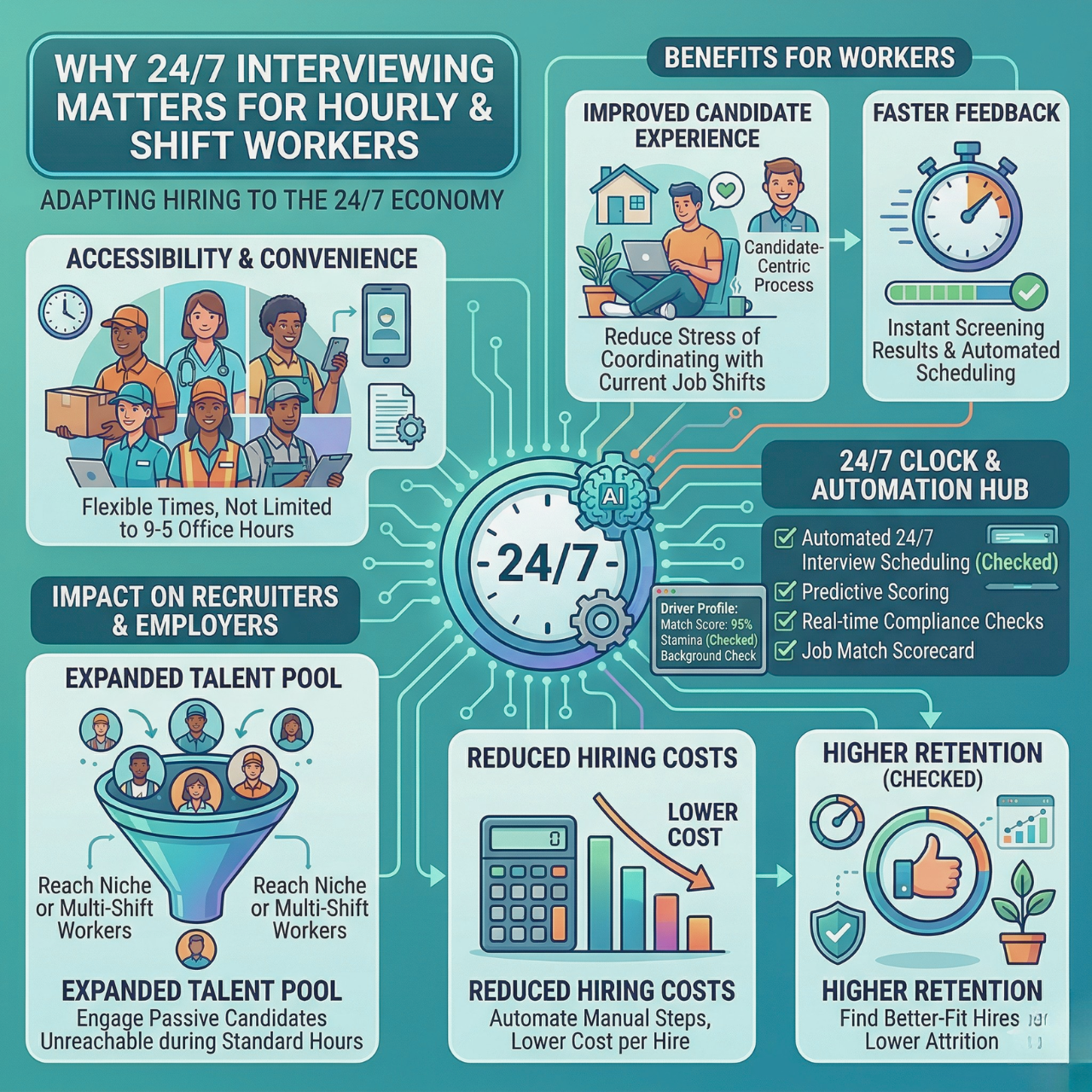
AI helps address slow hiring, candidate ghosting, and recruiter overload by automating screening, follow-ups, and scheduling. When candidates can engage 24/7 and workflows move without delays, teams see faster time-to-hire and fewer drop-offs.
Can AI in HR reduce bias in hiring decisions?
AI can help reduce bias by focusing on job-related data such as skills, experience, and performance indicators. While it does not eliminate bias entirely, well-designed AI tools help minimize subjective judgment during early screening stages.
Is AI in HR replacing recruiters?
No. AI is designed to support recruiters, not replace them. It handles repetitive tasks so HR teams can focus on strategy, candidate relationships, and final decision-making that require human judgment.
What are the biggest risks of using AI in HR?
The main risks include data privacy concerns, poorly trained algorithms, and a lack of transparency in decision-making. These risks can be managed through clear governance, regular audits, and responsible AI use.
How should HR teams prepare for AI adoption?
HR teams should focus on upskilling around data literacy, understanding how AI tools work, and building change management plans. Starting with targeted automation projects helps teams build confidence and trust in AI systems.
Featured

Subscribe to ournewsletter
Related posts
Explore the world of photography with our curated selection of
portfolio websites that showcase creativity and innovation.