

High-Volume Hiring Tips For Streamlining Recruitment Efficiency
High-volume hiring tips to cut delays, reduce ghosting, and improve candidate flow with automation, structured screening, and faster scheduling.

High-volume hiring can break even strong teams when roles pile up fast. Delays, manual follow-ups, and candidate drop-off turn a simple plan into constant firefighting. These high-volume hiring tips focus on removing friction before it costs you time, talent, and momentum.
HRMLESS helps teams automate the busywork that slows everything down. With smarter screening, scoring, and scheduling, you spend less time chasing replies and more time moving qualified candidates forward.
This guide covers how to prep for hiring spikes, source at scale, simplify applications, and keep candidates engaged. You’ll also see practical ways to structure interviews, reduce ghosting, and measure what’s working. Use these steps to keep hiring moving when volume is high.
Whats Is High-Volume Hiring
High-volume hiring means you’re bringing in a lot of candidates in a short window. Usually, these are similar roles; think customer service reps or warehouse staff. To keep up, companies use standardized steps and automation to speed up everything from screening to scheduling.
Here’s what stands out in high-volume hiring:
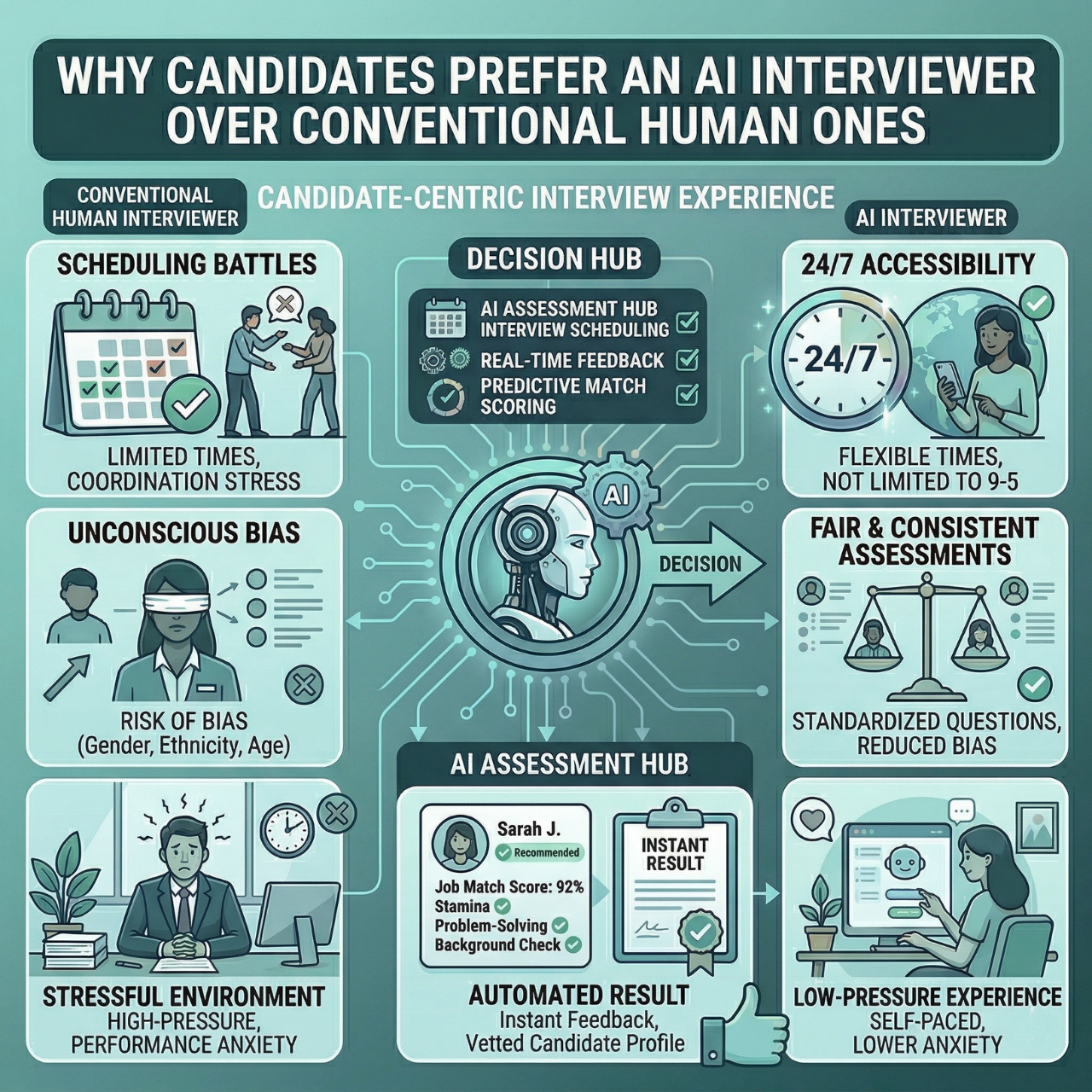
- Automation: Tools like AI screen resumes and run interviews instantly.
- Speed: You’re filling a lot of spots, and the deadlines aren’t forgiving.
- Consistency: Every candidate gets the same process, so it stays fair.
- Candidate Experience: Good systems keep applicants in the loop and engaged, which means fewer people drop out.
Challenges Unique to High Volume Recruitment
Hiring at scale brings its own set of headaches. Managing a flood of applications without missing the gems? That’s tough. Sorting through hundreds—or thousands—of resumes can slow you down, and that’s just the start.
- Candidate Ghosting: Applicants sometimes just disappear, which drags things out.
- Maintaining Quality: When you rush, it’s easy to miss the best people.
- Compliance: You still have to follow the rules, even when you’re moving fast.
- Coordination: Scheduling interviews for a crowd requires tools that actually work.
Let automation handle the back-and-forth and the scheduling. It keeps things moving before you even notice a slowdown.
Common Industries and Roles
Industries with big teams or seasonal hiring spikes lean on high-volume recruitment:
- Retail: Sales associates, cashiers, stock clerks.
- Logistics/Warehousing: Packers, forklift drivers, delivery folks.
- Call Centers: Customer service, tech support.
- Hospitality: Housekeepers, servers, front desk.
These jobs often need quick onboarding, and turnover can be high. The skill sets overlap, so you can use similar criteria for a lot of people.
Preparing for Large-Scale Talent Acquisition
When you’re about to hire a crowd, you need a plan. That means knowing what your workforce looks like now, guessing what you’ll need soon, and making sure your hiring goals actually fit the big picture.
Workforce Planning Strategies
Workforce planning helps you figure out which skills and roles you need right away, and which can wait. Start by checking your current team’s strengths and where you’re coming up short.
Set short- and long-term hiring goals so you don’t go overboard or miss what’s urgent. Track turnover and seasonal trends so you’re not caught off guard.
Keep an eye on:
- Skill gaps
- Which roles come first
- Team capacity
Automated tools can help you stay organized and avoid mistakes. It just makes planning less of a guessing game.
Forecasting Staffing Needs
Forecasting is all about predicting how many people you’ll need to hire and when. Dig into past hiring data and business cycles—if you grow every quarter, plan your hiring in waves. Think about outside factors, too. If the market shifts, it can change how easy it is to find good talent.
- Keep your candidate pipeline steady
- Lower the pressure on recruiters
- Budget smarter
AI hiring software can analyze trends and help you guess what’s coming next. That way, you’re not scrambling at the last minute.
Aligning Recruitment Goals with Business Objectives
Your hiring goals should actually support what your company’s trying to do. If you’re breaking into a new market, zero in on candidates with the right skills for that space.
Talk to business leaders to figure out what matters most. Otherwise, you risk hiring people who don’t move the needle.
Track metrics like time-to-hire and candidate quality. Every hire should help the business, not just fill a seat.
- Stay close to department heads
- Set goals you can measure
- Automate wherever you can for consistency
Building an Effective Employer Brand
Your employer brand is what job seekers think of you before they even apply. It shapes who applies and how many people you attract.
To pull in great candidates, focus on clear job descriptions, highlight your culture, and show what sets you apart.
Creating Compelling Job Descriptions
Good job descriptions are clear, specific, and avoid fluff. Use simple words to explain the main tasks, the must-have skills, and what success looks like.
Break things up with bullet points:
- Responsibilities: What the job actually involves day-to-day
- Requirements: The skills and experience you can’t live without
- Benefits: What’s in it for the candidate—healthcare, remote options, whatever matters
Drop in a line or two about your company’s values. It helps candidates connect and saves you time by filtering out the wrong fits early.
Promoting Company Culture
Let people see what it’s really like to work with you. Share real stories, team photos, or even quick videos.
Highlight teamwork, diversity, or growth—whatever makes your culture stand out. Make sure this shows up on your website and in job posts, not just in interviews.
When candidates feel your values line up with theirs, they’re more likely to say yes—and stick around.
Crafting a Value Proposition
Your value proposition is your answer to “Why work here?” Focus on what you offer that others don’t: career growth, solid pay, a supportive vibe.
Try statements like:
- “We promote fast training as part of the deal.”
- “Flexible schedules mean you can actually have a life.”
- “Our AI tools make hiring smoother and fairer.”
Keep this message consistent everywhere—emails, ads, interviews. It builds trust and draws in folks who want what you’re offering.
Optimizing Job Distribution and Sourcing
Filling lots of jobs fast means you need a plan for where and how you post. Use a mix of channels to reach a bigger pool of candidates.
Spread your jobs wide: social media, job boards, employee networks. The more places you post, the better your odds.
Leveraging Multiple Job Boards
Job boards are where most candidates start. Use both general and niche boards to reach different types of talent.
Automate your postings so you’re not wasting time. Look for boards that play nice with your ATS; it’s way easier to keep track that way.
Refresh your listings often. New posts show up higher in search results, and clear titles get you better applicants.
Utilizing Social Media Channels
Social media is a goldmine for reaching more people. Share openings on LinkedIn, Facebook, Twitter, or wherever your audience hangs out.
Use targeted ads to zero in on the right skills or locations. Social platforms also let you answer questions fast and keep candidates interested.
Don’t just post jobs—share stories about your people and culture. It makes your company more relatable and your jobs more shareable.
Employee Referral Programs
Your employees know who’s a good fit. Set up a referral program with clear rewards and make it dead simple to use.
Give them referral links or forms that plug into your ATS for easy tracking. Promote the program often and share stories when it works—it keeps people motivated to refer.
Streamlining the Application Process
A smooth application process saves everyone time. Simplify your forms, make sure they work on mobile, and use automation to handle the flood of applicants. These tweaks keep the best candidates from dropping out and help you move faster.
Simplifying Application Forms
Keep your application forms short and straight to the point. Only ask what you really need to know up front.
Stick to the essentials: contact info, relevant experience, and any must-have certs. Save the nice-to-know stuff for later.
Short forms mean fewer candidates bail before finishing. You get more completed applications and can review them faster. It's a win-win.
Mobile-Friendly Application Strategies
Most candidates apply using smartphones. Make your application process mobile-friendly to reach more applicants.
Ensure forms load quickly and adapt to small screens. Limit typing on mobile by using dropdown menus, checkboxes, and auto-fill options.
Provide clear progress indicators so applicants know how many steps remain. Mobile-optimized applications keep candidates engaged and speed up your hiring pipeline.
Automated Screening Tools
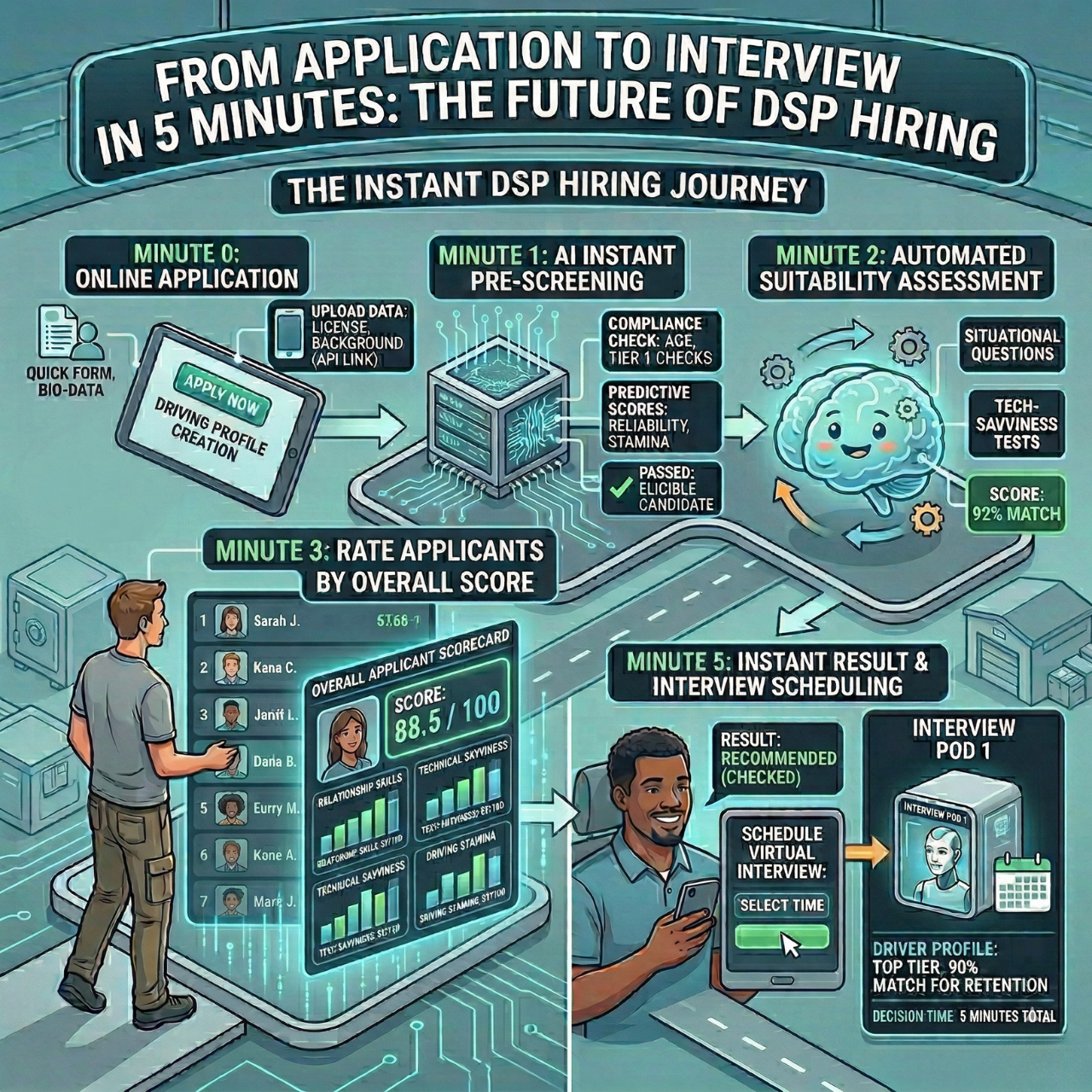
Automated screening tools powered by AI filter candidates efficiently. These systems score applications based on your criteria and flag top talent right away.
Automation handles repetitive tasks like verifying qualifications, scheduling interviews, and sending reminders. That’s a huge relief when you’re juggling dozens (or hundreds) of applicants.
Benefits include:
- Saving hours per hire by reducing manual review
- Lowering bias with standardized scoring
- Keeping candidates informed through quick, automated messages
Enhancing Candidate Screening
Effective screening lets you focus on the best candidates quickly. Using smart tools and clear tests cuts down on time spent with poor fits.
Assessment Tests and Pre-Employment Screening
Assessment tests give you concrete data on skills and fit before interviews. You can use quizzes, skills tests, or personality assessments tailored to the role.
These tools highlight candidates with the right abilities, so you don’t have to interview everyone. For example, role-specific tests in sales or customer service show who can handle real job tasks.
Pre-employment screening includes background and reference checks. Doing these early avoids surprises later and makes sure your hires meet legal and company standards.
By combining skills and screening tests, your hiring process balances speed with quality. Automation platforms can run these assessments automatically, saving you hours while keeping the process consistent.
AI-Powered Resume Parsing
AI resume parsing technology reads and sorts resumes fast. It pulls out key data like experience, skills, and education without manual review.
This lets you filter hundreds or thousands of applications in minutes. You set criteria once, and the AI finds candidates matching your needs, so you spend less time on irrelevant resumes.
AI tools also reduce bias by focusing on objective factors, not names or backgrounds. They flag top candidates based on qualifications, making your process fairer and faster.
Structured Interview Processes
A structured interview process helps you stay organized and fair when handling many candidates. It uses set steps and clear criteria to make faster decisions while keeping the candidate experience smooth.
Interview Scheduling Automation
Scheduling interviews for a large group can take lots of time and lead to errors. Automating this process saves you many manual steps. Tools let candidates pick available slots themselves, reducing no-shows by 50%.
Automation also sends automatic reminders through SMS or email. This keeps candidates engaged without extra work from your team.
By reducing clicks from 40 to 10 or fewer, automation frees recruiters to focus on evaluating candidates. Using AI-driven platforms ensures you fill slots quickly with only qualified candidates, improving flow and efficiency.
Panel Interviews
Panel interviews let multiple team members join one session to assess candidates together. This method reduces the total number of interviews needed and ensures diverse viewpoints.
You should prepare a panel with clear roles: who asks what, who scores which part, and how to agree on decisions. Structured scorecards used by all panelists lead to faster, more consistent hiring choices.
Keep panels small, ideally 3-4 people, to avoid scheduling conflicts. Include members from different departments if possible to cover various skillsets and cultural fit.
Behavioral and Situational Questions
Using behavioral and situational questions in your interviews reveals how candidates act in real work scenarios. Ask about past experiences or what they’d do in a specific situation.
- Example behavioral question: “Tell me about a time you had to meet a tight deadline.”
- Example situational question: “How would you handle a disagreement with a coworker over project priorities?”
These questions focus on actions and problem-solving skills, helping you spot candidates who will perform well on the job. Write questions aligned with job requirements, then rate answers consistently using a scoring guide.
This approach reduces bias by focusing on facts instead of opinions. It also shows candidates you value relevant skills and thinking, which can boost their confidence in the process.
Effective Communication and Engagement
Keeping candidates informed and engaged helps you avoid delays and drop-offs. Clear and timely messages show respect for their time and make your process seem organized and professional.
Easy-to-follow instructions keep candidates confident and ready to move forward. Nobody likes wondering what comes next.
Timely Candidate Updates
Send updates quickly after each step in the hiring process. Notify candidates when they move to the next stage or if their status changes.
This prevents confusion and ghosting. Automate messages using AI-powered tools to keep candidates informed 24/7.
Use multiple channels, such as email and SMS, to reach people where they are. Candidates appreciate quick, clear updates.
Examples of updates to send:
- Interview invitations and confirmations
- Feedback or results after assessments
- Reminders for upcoming deadlines or tasks
Set expectations about response times to avoid frustration. Keeping these communications short and clear helps maintain candidate interest.
Clear Onboarding Instructions
Once you select candidates, give them detailed but simple onboarding instructions. Explain every step they need to complete before starting.
This includes paperwork, training schedules, or technical setups. Use bullet points or numbered lists to make instructions easy to follow.
Avoid jargon or unnecessary details that might confuse new hires. You can automate onboarding workflows to send the right information at the right time.
This reduces back-and-forth questions and speeds up the hiring-to-start transition. Clear onboarding boosts candidate confidence and improves their first impression of your company.
Scaling Your Hiring Team and Resources
Scaling your hiring team and resources is key when managing large hiring volumes. You need to build skills in your internal recruiters and find smart ways to bring in outside help.
This helps keep hiring fast and quality high without burning out your team. It’s not easy, but it’s doable with the right approach.
Recruiter Training for High Volume
Your recruiters must handle a fast pace without losing quality. Train them to use automation tools to reduce manual work.
Teach them how to read AI-generated candidate scores and flags quickly. This lets them focus on promising talent instead of sifting through every resume.
Also, train recruiters on structured interviews. Consistent question sets help compare candidates fairly and speed up decisions.
Emphasize soft skills like communication and time management to keep the process smooth under pressure. Track recruiter performance regularly to spot areas for coaching and ensure continuous improvement.
Collaborating with Staffing Agencies
Staffing agencies can multiply your reach quickly when you need more hands on deck. Choose agencies that specialize in your industry and understand your quality standards.
Set clear expectations about candidate screening processes and timelines. Make sure agencies use compatible tech so you can easily sync candidate data with your ATS.
Establish frequent check-ins to review pipeline health and adjust strategies fast. By partnering smartly, you keep your hiring team lean while scaling your candidate flow.
Leveraging Recruitment Technology
Using the right recruitment technology speeds up hiring and improves candidate quality. Automation reduces time spent on repetitive tasks. Data helps you focus on the best channels and candidates.
AI tools keep candidates engaged and free you from manual follow-ups.
Applicant Tracking System Features
An Applicant Tracking System (ATS) organizes candidate flow from application to hire. Look for features like AI-powered scoring and automatic resume filtering.
These let you quickly identify the most qualified applicants without sifting through every resume. Integrated scheduling tools reduce no-shows by only inviting engaged candidates to book interviews.
SMS and email reminders keep candidates on track. Also, ATS integrations with HR systems prevent duplicating data and keep everyone updated in real time.
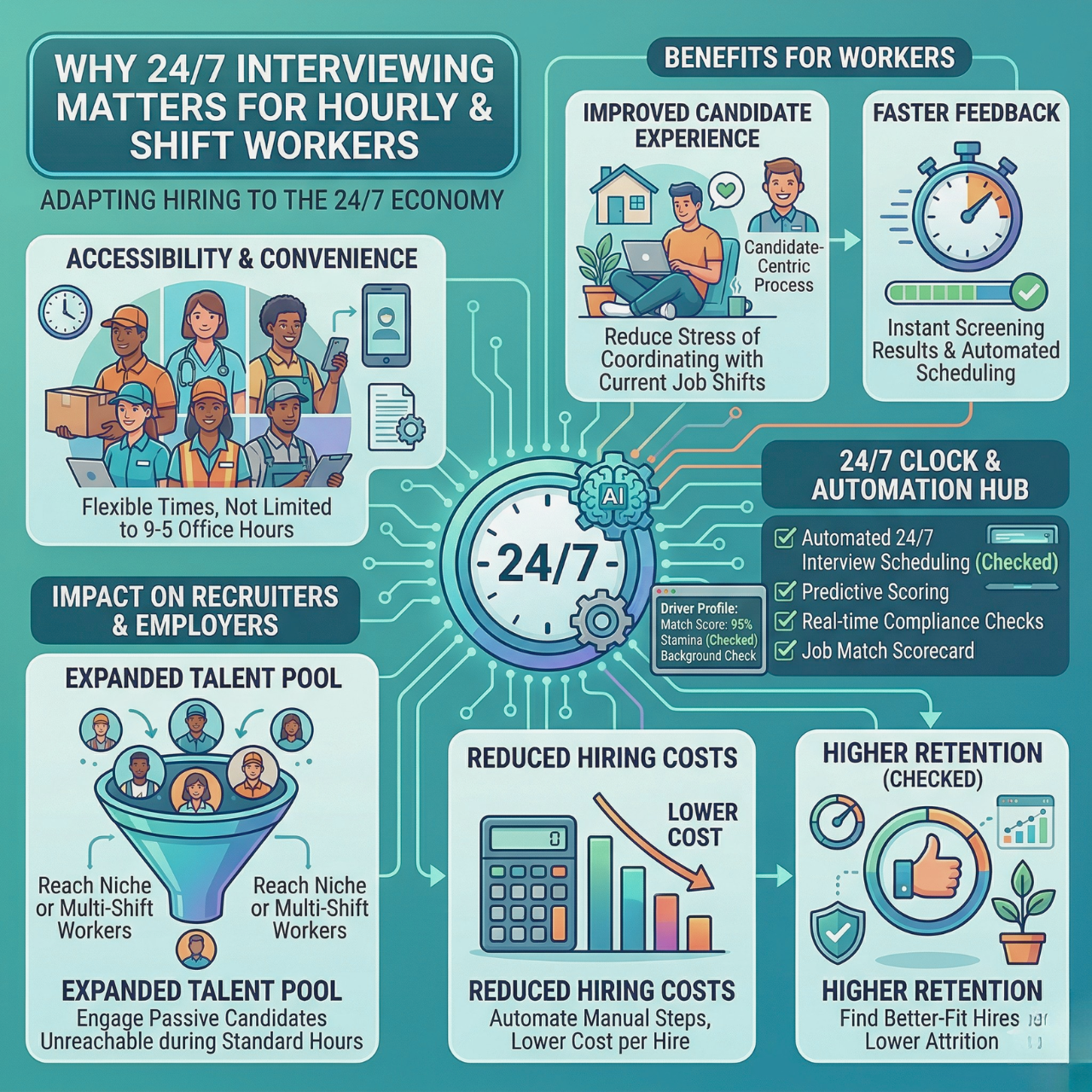
With the right tools, AI handles pre-screening interviews 24/7. Candidates can complete assessments on their own time, and you get instant results.
Data-Driven Decision Making
Use recruitment data to find which job boards, ads, or referral sources bring the best candidates. Track key metrics such as time-to-hire, applicant drop-off, and source effectiveness.
This helps you cut costs and focus on channels that work. Real-time analytics give you insight into bottlenecks in your process.
For example, you can see if too many candidates fail pre-screening or if interview scheduling is slow. Quick fixes boost your hiring speed and candidate experience.
When your data shows where top talent comes from, you can invest in those channels confidently. This reduces wasted effort and helps you build a pipeline of qualified candidates.
Chatbots and Virtual Assistants
Chatbots and virtual assistants engage candidates instantly and 24/7. They answer common questions, share job details, and pre-screen applicants with simple interviews.
This way, you don’t lose candidates waiting for human responses. Virtual assistants can nudge candidates through the process with SMS or emails.
These automated reminders lower no-shows and keep momentum. They also help reengage previous applicants without extra effort.
Using conversational AI tools keeps hiring fast and fair. Candidates feel guided and informed, while you focus on making better decisions with qualified talent.
Measuring and Improving Your Process
Tracking data and refining your recruitment steps help speed up hiring and boost candidate quality. Focus on clear numbers and ongoing improvements to keep your process efficient and fair.
Key Metrics for High Volume Recruitment
Measure how long it takes to fill roles, from posting to offer acceptance. Track your time to fill and watch for bottlenecks that slow things down.
Keep an eye on the offer acceptance rate. If candidates often turn down your offers, maybe it's time to rethink your compensation or how you communicate.
Pay attention to candidate drop-off rates at every stage. A high drop-off rate usually means something in the process confuses or frustrates people.
Look at the quality of hire. For example, check performance reviews after a few months. This gives you a sense of whether your new hires really fit the bill.
Diversity metrics matter too. They show if your hiring reflects the broader talent pool and keeps things fair.
Use dashboards or other tools to keep tabs on these numbers as they come in. Real-time tracking helps you spot trouble early.
Continuous Process Optimization
Set regular check-ins for your recruitment data. It’s the fastest way to catch issues before they snowball.
Automate repetitive stuff like screening or scheduling. That way, your team can focus on decisions that actually need a human touch.
Ask candidates for feedback and tweak your communication based on what you hear. It’s not a cure-all, but it helps cut down on ghosting and no-shows.
Try out small changes; maybe swap in new job descriptions or add automated follow-ups. See what actually bumps up completion rates.
Mix AI tools with real human contact. That’s how you keep things speedy without losing candidate quality.
Addressing Compliance and Diversity
When you hire at scale, you’ve got to balance speed with legal requirements and fairness. That means following equal opportunity laws and protecting candidate data at every step.
Equal Opportunity Hiring Practices
Make sure your process treats everyone fairly. Don’t rely only on resumes—use structured evaluations to avoid bias.
Standardized scoring helps you compare candidates on a level playing field. For example:
- Spell out must-have skills
- Ask the same interview questions or use consistent tests
- Train your team to spot and reduce unconscious bias
Diverse talent pools benefit your organization, no question. Broaden your sourcing channels to reach folks you might miss otherwise. And, of course, follow Equal Employment Opportunity (EEO) laws to keep discrimination out of the picture.
Ensuring Data Privacy and Security
Handling lots of candidate info means you’ve got to take data protection seriously. Laws like GDPR or CCPA might apply, depending on where you are.
Some basics you shouldn't skip:
- Collect only the data you really need
- Keep information on secure platforms
- Tell candidates how you’ll use their data and get their okay
- Limit who on your team can see sensitive info
Automated tools can help you manage data safely and keep everything in sync with your ATS. It’s not just about compliance—it’s about earning trust with your applicants.
Adapting to Seasonal and Temporary Hiring Needs
When your business hits seasonal spikes, you need a hiring plan that can flex. Preparing early and knowing which roles get busy during peak times keeps you ahead of the game.
Temporary workers can be a lifesaver for short bursts of demand. You get skilled folks in fast, your full-timers don’t burn out, and the operation keeps moving.
Use data to guess how many hires you'll need. Past seasons are a great guide—don’t ignore them. Forecasting isn’t perfect, but it beats flying blind.
AI pre-screening and automated scheduling take a lot off your plate. You fill roles faster, and candidates don’t get stuck waiting around for updates.
Here’s what automation brings to the table when you’re hiring for the busy season:
- AI interviews any time: Candidates can move forward when it works for them.
- Automatic scoring and filtering: Only your best options reach the next step.
- Instant SMS and email nudges: Keep the conversation going so people don’t drop off.
With smart planning and a bit of automation, high-volume and temp hiring gets a lot less stressful. It frees you up to focus on what actually matters—delivering great service, even when things get hectic.
Keep High-Volume Hiring From Stalling Out
High-volume hiring breaks down when the process turns into constant follow-ups, scheduling chaos, and slow decisions. The fix is a clearer workflow that removes busywork, keeps candidates moving, and helps your team stay consistent at scale.
HRMLESS supports that by automating screening, scoring, and scheduling so recruiters are not trapped in manual tasks. When the basics run on autopilot, you reduce drop-off, protect quality, and keep roles from sitting open longer than they should.
If your pipeline is slowing down, book a demo to see how automation can keep candidates engaged and decisions moving.
Frequently Asked Questions
What are the best high-volume hiring tips to reduce delays?
Start by removing manual bottlenecks that slow everything down. Shorten application steps, automate interview scheduling, and use standardized screening so candidates do not get stuck waiting on follow-ups.
How do I reduce ghosting in high-volume hiring?
Ghosting usually spikes when communication is slow or unclear. Send fast updates after each step, use SMS and email reminders, and make scheduling self-serve so candidates can book quickly without back-and-forth.
What should I automate first in a high-volume hiring process?
Automate screening, scoring, and scheduling first because they take the most repetitive time. This keeps recruiters focused on qualified candidates and speeds up decisions without rushing the evaluation.
How can I keep quality high while hiring fast?
Use consistent criteria for each role, structured interviews, and role-specific assessments. These high-volume hiring tips help you move faster while still comparing candidates fairly and selecting stronger fits.
What metrics matter most in high-volume hiring?
Track time-to-fill, candidate drop-off by stage, offer acceptance rate, and source quality. Watching these numbers helps you spot where your process is stalling and fix issues before they hurt hiring outcomes.
Featured

Subscribe to ournewsletter
Related posts
Explore the world of photography with our curated selection of
portfolio websites that showcase creativity and innovation.