

How AI Can Help Recruiting Efficiency And Candidate Matching
Learn how AI can help recruiting by automating screening and scheduling, improving matching, and reducing ghosting while keeping hiring fair.

If you’re wondering how AI can help recruiting, it usually starts with one problem: hiring takes too long. Recruiters get stuck sorting resumes, chasing availability, and losing candidates to slower follow-ups.
HRMLESS helps reduce that drag by automating pre-screening, scoring, and scheduling so your team spends less time on admin work and more time on real conversations with qualified people.
In this guide, you’ll see where AI saves the most time, how it improves candidate matching, and what to watch for so your process stays fair, clear, and candidate-friendly.
The Role of AI in Modern Recruiting
AI is changing how you find and hire talent. It speeds up tasks, helps remove bias, and improves communication with candidates. This technology fits into every step of recruitment, from finding applicants to scheduling interviews.
Overview of AI Technologies in Talent Acquisition
AI tools automate many hiring tasks you used to do by hand. These include scanning resumes, matching skills to job needs, and sorting candidates by fit.
You can also use AI chatbots to engage candidates instantly through SMS or email. This keeps candidates interested and reduces delays.
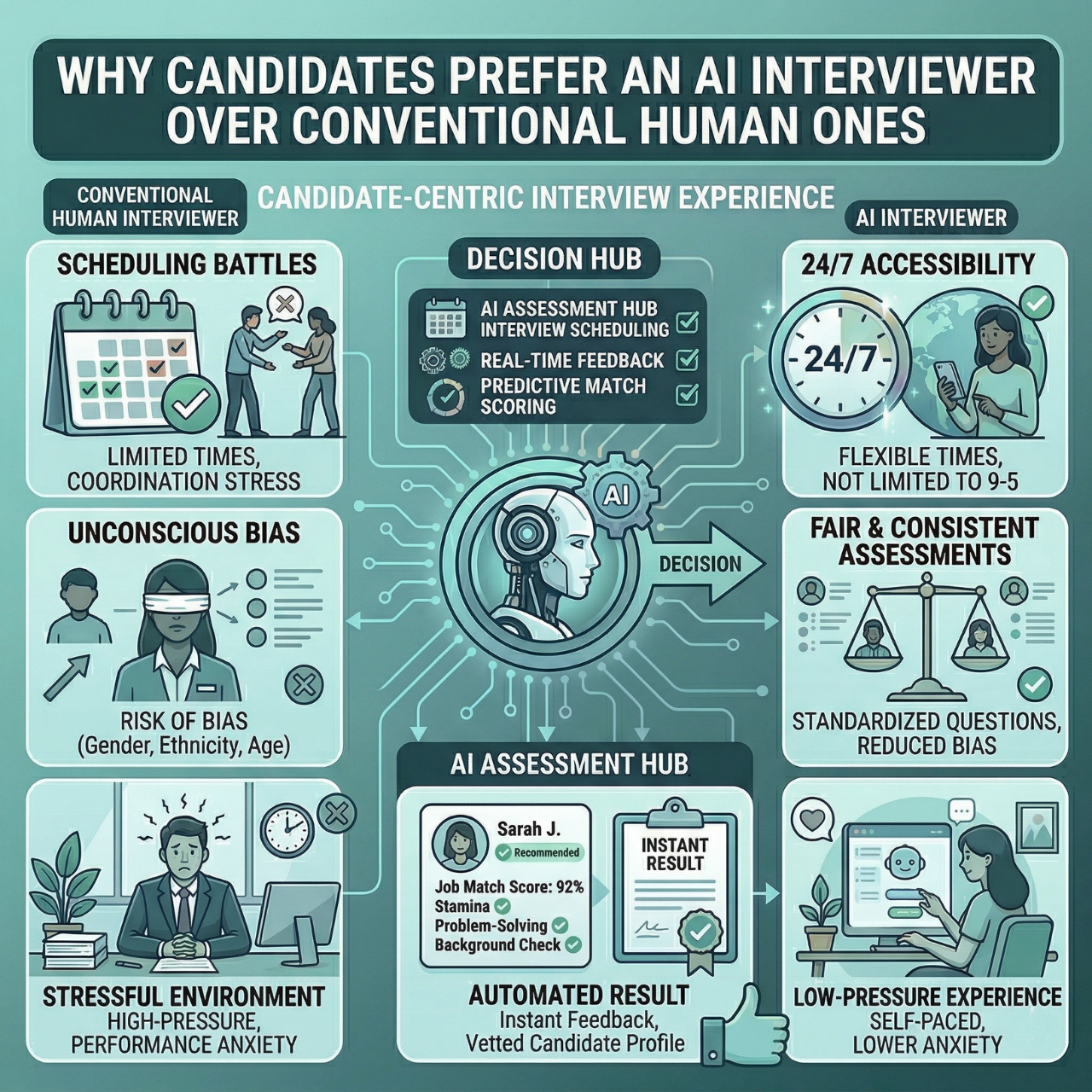
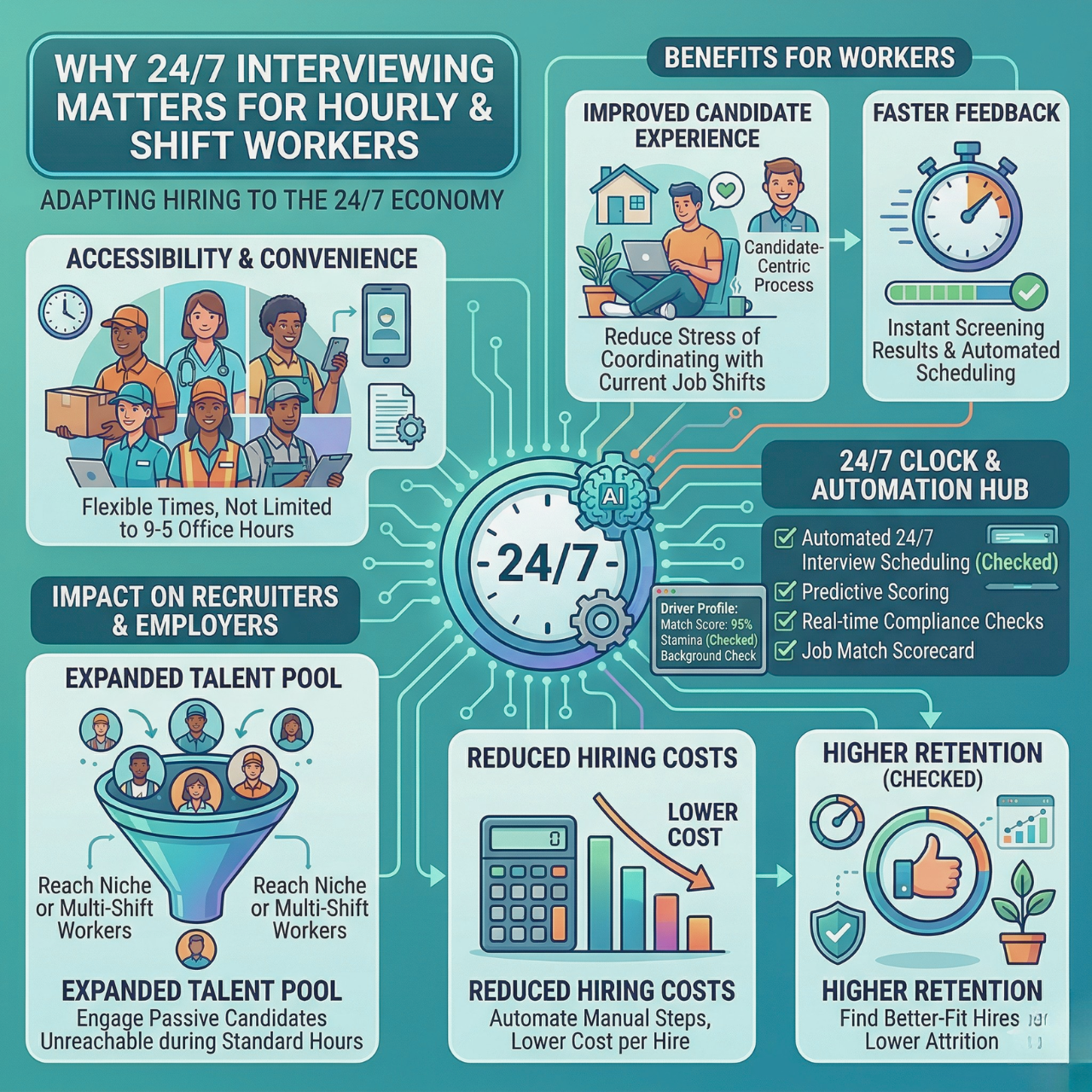
Some platforms offer AI pre-screening interviews 24/7, so applicants can complete them whenever it works for them. Automated scheduling tools cut down on no-shows by inviting only engaged candidates.
AI gathers data in real time, giving you a clearer picture of your hiring pipeline. These features save time and help avoid hiring mistakes.
Evolution of Recruitment Practices
Recruitment has shifted from manual, time-consuming work to a faster, tech-powered process. Traditionally, you spent hours reviewing resumes and coordinating interviews.
Now, AI handles many repetitive tasks automatically. This shift lets you focus on more strategic work, like building relationships and evaluating culture fit.
Using AI tools also reduces human bias by focusing on skills and potential, not unconscious preferences. The move to automation doesn’t replace recruiters, but frees you up to make better decisions.
You get quicker responses from candidates and can manage more openings without burning out. That’s a huge deal for businesses hiring at scale.
Benefits for Employers and Candidates
AI helps both sides in hiring. For employers, it cuts down time-to-hire by up to 62% and saves hours per hire by automating screening and scheduling.
You also get higher candidate quality because AI filters out unqualified applicants early. Candidates get faster updates and can complete steps, like interviews, at their own pace.
AI keeps them engaged with real-time messages, reducing dropouts and ghosting by 50%. This makes the whole process smoother and shows your company is modern and responsive.
Easy ATS integration means you can keep your current tools while adding automation that grows with your needs. Smarter, faster, and fairer hiring helps you win top talent.
AI-Driven Candidate Sourcing
AI can speed up finding candidates, matching skills to jobs, and predicting who will fit your hiring needs. It slashes time spent on manual tasks while improving the quality of your talent pools.
Automated Resume Screening
AI tools can scan thousands of resumes in minutes to filter out unqualified candidates. You set the criteria, like skills or experience, and the system ranks applicants automatically.
This reduces bias by focusing on facts, not names or backgrounds. You get a shortlist of candidates who meet your standards almost instantly.
That means you spend less time reading every resume and more time actually talking to the best fits. It’s a game-changer for keeping quality high.
Intelligent Candidate Matching
AI matches candidate profiles to your job details by analyzing resumes, online data, and skill sets. It suggests top candidates based on what matters most for the role, like relevant experience or certifications.
This feature helps you discover talent you might otherwise overlook. Instead of guessing who fits, AI narrows your options with precise matches.
You can also tweak priorities to focus on specific traits. That makes hiring more targeted and helps you connect with the right people faster.
Predictive Analytics for Talent Pools
AI uses data to predict which candidates are likely to succeed in your company. It looks at patterns like past hiring data, candidate behavior, and job success rates.
This builds smarter talent pools for current and future openings. With these insights, you can focus on candidates who match your company culture and role demands.
This helps reduce turnover and speeds up your hiring cycles. Real-time analytics let you track trends and plan better, helping you avoid common hiring pitfalls.
Streamlining the Screening Process
You can make candidate screening faster and more accurate by using AI tools. These tools analyze resumes quickly and help reduce bias, so you get a fairer and more efficient hiring process.
Natural Language Processing in Resume Analysis
Natural Language Processing (NLP) helps AI understand resumes like a human would. It reads and interprets text, spotting skills, experience, and keywords that match your job requirements.
This means you don’t have to sift through hundreds of resumes manually. NLP tools can rank candidates based on how well they fit the role, saving you time and helping you focus on only the most relevant applicants.
They handle different resume formats and phrasing, so good candidates don’t get overlooked just because of how they write their resumes. You can automate this process in real time and let AI score and filter candidates 24/7.
Bias Reduction Through Machine Learning
Machine learning models can spot patterns that cause bias in hiring. If you set things up right, AI will minimize human errors tied to gender, age, ethnicity, or other irrelevant factors.
By relying on data and consistent criteria, these tools make your screening fairer. They focus on qualifications instead of unconscious preferences or stereotypes.
Reducing bias improves candidate diversity and strengthens your hiring outcomes. AI screens candidates objectively and helps you build teams based on merit, not assumptions.
Enhancing Candidate Engagement
You can use AI tools to keep candidates interested and responsive throughout the hiring process. This means faster replies, more personalized communication, and a smoother overall experience for everyone involved.
AI-Powered Chatbots for Communication
AI-powered chatbots respond to candidate questions instantly, 24/7. They handle common queries about job details, application status, or interview scheduling without delays.
This keeps candidates informed and takes a load off your recruiting team. Chatbots also trigger timely reminders via SMS or email.
These nudges cut down on no-shows and keep candidates moving through hiring stages. Automated, multi-channel engagement keeps your candidates connected without extra effort.
Using chatbots leads to faster communication and less candidate drop-off. You stay available to candidates anytime, which can boost your hiring speed.
Personalized Outreach Strategies
AI helps tailor messages to individual candidates based on their background and interests. Instead of generic emails, you can send relevant job recommendations or interview invitations that match each person’s skills.
This personalized approach shows candidates you actually care. It makes your outreach more effective by increasing response rates and avoiding the risk of seeming spammy.
Personalized outreach ensures candidates feel noticed and respected. It shortens the time to hire by focusing attention only on qualified talent, letting you move faster with less effort.
Improving Interview and Assessment Stages
AI can make interviews and assessments faster and more accurate. It handles scheduling easily and analyzes video interviews to spot key candidate traits.
Automated Interview Scheduling
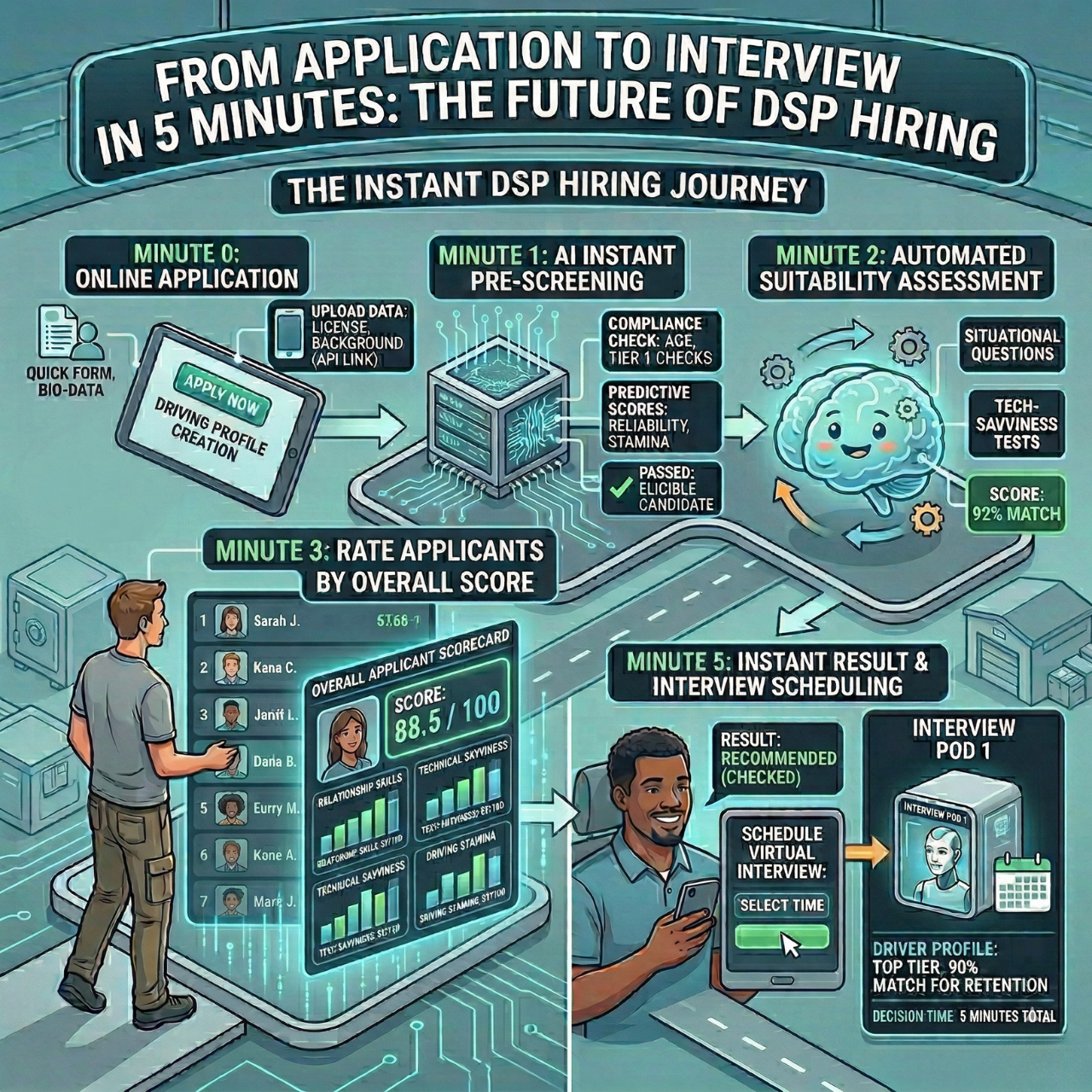
Automated scheduling tools let candidates book interview times without endless emails. This cuts down scheduling conflicts and saves your team hours.
Using AI, the system can:
- Suggest optimal times based on interviewer's availability.
- Send reminders to reduce no-shows.
- Sync with your ATS or calendar for smooth updates.
You get fewer missed appointments and a faster process. Automated scheduling can cut no-shows by up to 50%, so you focus only on candidates who are truly engaged.
Video Interview Analysis
AI in video interviews reviews candidate responses and facial cues to provide unbiased insights.
The technology can:
- Detect speech patterns, tone, and confidence.
- Highlight keywords related to job skills.
- Score answers based on consistency and relevance.
This helps you spot strong candidates faster and reduce human bias. Video analysis tools also track interview trends, letting you improve your hiring process over time.
Data-Driven Decision Making in Recruitment
Using data to guide hiring choices helps remove guesswork and leads to better results. You can predict candidate success and track your recruitment process in real time.
This approach also helps reduce bias and improve overall efficiency. It’s not perfect, but it’s miles ahead of going by gut feeling alone.
Leveraging AI for Predictive Hiring Success
AI analyzes data from resumes, interviews, and performance metrics to forecast which candidates are most likely to succeed. It digs into patterns like past job performance, skills, and cultural fit, scoring applicants in a way that feels more objective than ever.
AI-driven pre-screening and scoring highlight top talent in a flash. You end up spending less time buried in resumes and more time actually talking to candidates who might shine.
Predictive hiring helps cut down on wrong hires and, honestly, just feels smarter for retention. When you lean on data insights instead of gut feeling, your decisions get sharper and, maybe, a bit less biased.
AI backs up your judgment by showing clear reasons for why a candidate fits—or doesn’t. That’s the kind of support most of us could use.
Real-Time Recruitment Analytics
Tracking your hiring process as it happens lets you spot delays and tweak things fast. Recruitment analytics deliver metrics like time-to-hire, candidate drop-off rates, and engagement levels at every step.
A clean dashboard shows you bottlenecks, scheduling quirks, and candidate responses as they unfold. That way, you can fix issues like ghosting or missed interviews before they spiral.
It’s handy to compare hiring stages side by side and see where candidates stumble or breeze through. These insights nudge you toward continuous tweaks and help you plan for what’s next.
Ethical Considerations in AI Recruiting
Using AI in hiring brings benefits, but also important ethical issues you’ve got to handle with care. You have to make sure your process is fair, transparent, and that candidate data stays safe.
That’s how you build trust and keep your reputation intact. AI can speed up hiring, but it can also repeat old biases if you’re not careful.
Ensuring Fairness and Transparency
If your AI learns from biased resumes or interviews, it might unfairly screen out certain groups. So, you really need to check your AI tools for fairness, and do it often.
It’s only fair to explain how AI influences decisions. Candidates deserve to know if a machine played a part in their outcome, right?
Transparency helps people trust your system and gives them a shot to ask questions or appeal. Using AI thoughtfully means balancing automation with human oversight.
Maybe AI handles scoring and scheduling, but humans should still review the top candidates. That mix helps catch errors and keep things fair.
Privacy and Data Security Concerns
You collect a lot of personal info during recruiting, and protecting it isn’t optional-it’s crucial. Only store what you need, and encrypt data to keep out prying eyes.
Candidates expect privacy, plain and simple. Let them know what data you’re collecting and how you plan to use it.
Set clear rules about who can see their info. When AI manages interviews and engagement, especially through SMS and email tools, secure handling of communication data is a must.
Strong security keeps leaks at bay and helps maintain candidate trust. No one wants to deal with a data breach, after all.
Future Trends in AI for Recruitment
AI will keep pushing hiring toward faster, less manual workflows. Expect more automation across sourcing, screening, scheduling, and analytics.
Key trends to watch:
- Hyper-personalization: AI tailors job recommendations and outreach based on each candidate’s profile and behavior, improving response rates.
- Immersive assessments: Simulations and interactive tests measure real skills, helping you predict who will thrive in the role.
- Stronger predictive analytics: AI uses past hiring and performance signals to forecast fit, reducing guesswork and improving matching.
- 24/7 pre-screening and faster scheduling: Always-on screening plus automated scheduling keeps candidates moving through the funnel.
- Deeper ATS integration: Tighter connections between AI tools and your ATS improve data flow and reduce duplicate work.
- Real-time dashboards: Live reporting highlights bottlenecks and drop-off points, helping teams speed up time-to-hire.
Bottom line: these upgrades help teams scale hiring without feeling buried in admin work, while keeping candidates engaged and informed.
Hiring Faster Without Losing Good Candidates
Slow hiring costs you strong candidates. When screening, scheduling, and follow-ups drag on, people drop out or accept other offers before you can act.
HRMLESS removes those delays by automating the most time-consuming steps, helping teams move faster, reduce ghosting, and stay focused on quality instead of admin work.
If your team is tired of stalled pipelines and missed connections, book a demo and see how a faster, more organized hiring process can actually work.
Frequently Asked Questions
How can AI help recruiting teams save time?
AI reduces manual work by automating resume screening, interview scheduling, and candidate follow-ups. This helps recruiters move faster without cutting corners.
Does AI replace recruiters in the hiring process?
No. AI supports recruiters by handling repetitive tasks, but humans still make final hiring decisions and build candidate relationships.
Can AI help reduce bias in recruiting?
AI can help minimize bias by focusing on skills, experience, and job-related criteria instead of personal details. Human oversight is still important to ensure fairness.
How does AI improve candidate matching?
AI analyzes resumes, skills, and job requirements to surface candidates who best fit each role. This makes it easier to focus on qualified applicants early.
Will candidates feel less engaged if AI is used?
Usually the opposite. Automated messaging, faster responses, and flexible interview options often improve the candidate experience and reduce drop-off.
Can AI work with my existing ATS?
Most AI recruiting tools integrate with common ATS platforms. This allows teams to add automation without changing their current systems.
Is AI recruiting only useful for large companies?
No. Small and mid-sized teams often benefit the most because AI helps them scale hiring without adding extra staff.
What are the risks of using AI in recruiting?
The main risks involve bias, transparency, and data privacy. These can be managed by choosing responsible tools and keeping humans involved in key decisions.
Featured

Subscribe to ournewsletter
Related posts
Explore the world of photography with our curated selection of
portfolio websites that showcase creativity and innovation.