

How Does AI Help in Hiring? Faster, Fairer Hiring
Hiring today feels overwhelming. You’re sorting through hundreds of resumes, chasing interview slots, and trying to stay objective under pressure. It’s no surprise more teams are asking: how does AI help in hiring without adding more complexity?
This is where HRMLESS steps in. By automating screening, scoring, and scheduling, it helps teams move faster, cut manual work, and focus on qualified candidates. The result is a faster, more consistent hiring process with better use of recruiter time.
In this guide, you’ll see how AI supports resume screening, interviews, and assessments. We’ll also cover key benefits, real challenges, and what to watch for. By the end, you’ll understand where AI fits and how to apply it practically in your hiring process.
What Is AI in Hiring?
AI in hiring uses computer systems and algorithms to automate and improve parts of the recruitment process. Specifically, these technologies can screen resumes, match candidates to jobs, schedule interviews, and predict which applicants are most likely to succeed in a role. By turning messy information into structured data, AI makes it easier to compare applicants fairly and quickly.
Definition and Scope of AI Recruitment
AI recruitment means using artificial intelligence and machine learning to handle hiring tasks that people used to do by hand. Because the technology processes large amounts of candidate data quickly, it can spot patterns that help you make smarter hiring choices.
The reach of AI in recruitment can cover the whole hiring journey. For example, it may start with predicting what skills and roles your company will need down the road. From there, it can help you write job descriptions, post them to multiple platforms, and sort through applications as they come in.
In addition, AI tools can chat with candidates through bots, answer their questions, and keep them updated on their application status. Some systems also support interview scheduling and send automated follow-ups, which keep candidates engaged. Finally, the technology can keep working after hiring by helping with onboarding and tracking how well new hires perform in their roles.
Types of AI Technologies Used in Hiring
Machine learning algorithms analyze resume data and learn which candidate qualifications lead to successful hires at your company. Over time, these systems improve as they process more information.
Natural language processing (NLP) reads and understands written text in resumes, cover letters, and job descriptions. Because NLP can interpret text at scale, it can pick out skills, experience levels, and qualifications without any human review.
Chatbots and conversational AI interact with candidates in real time. As a result, they can answer common questions, collect initial info, and guide applicants through your hiring process without delay.
Predictive analytics uses historical hiring data to forecast which candidates will perform well and stick around longer. In practice, these tools assign scores to applicants based on various factors so teams can prioritize reviews.
Automated screening tools filter applications based on criteria you set, like years of experience, education level, or specific skills. That way, recruiters can start with candidates who meet the baseline instead of sorting through everything manually.
How AI Differs from Traditional Recruitment Methods
Traditional recruitment leans heavily on manual work and human judgment. Recruiters read every resume by hand, which can take hours or days, depending on how many applications you get. Then they often rely on intuition and experience to decide which candidates seem promising.
AI-powered recruitment, however, automates repetitive tasks and processes hundreds of applications in minutes. Instead of gut feelings, the technology uses data and patterns to evaluate candidates more consistently. For many teams, that consistency can remove some human bias from the initial screening.
Traditional methods also require recruiters to juggle multiple tools and platforms to post jobs, track candidates, and schedule interviews. By contrast, AI systems often roll these functions into one platform that handles the workflow automatically. As a result, your hiring team can focus on interviewing top candidates and making final decisions instead of getting bogged down in admin work.
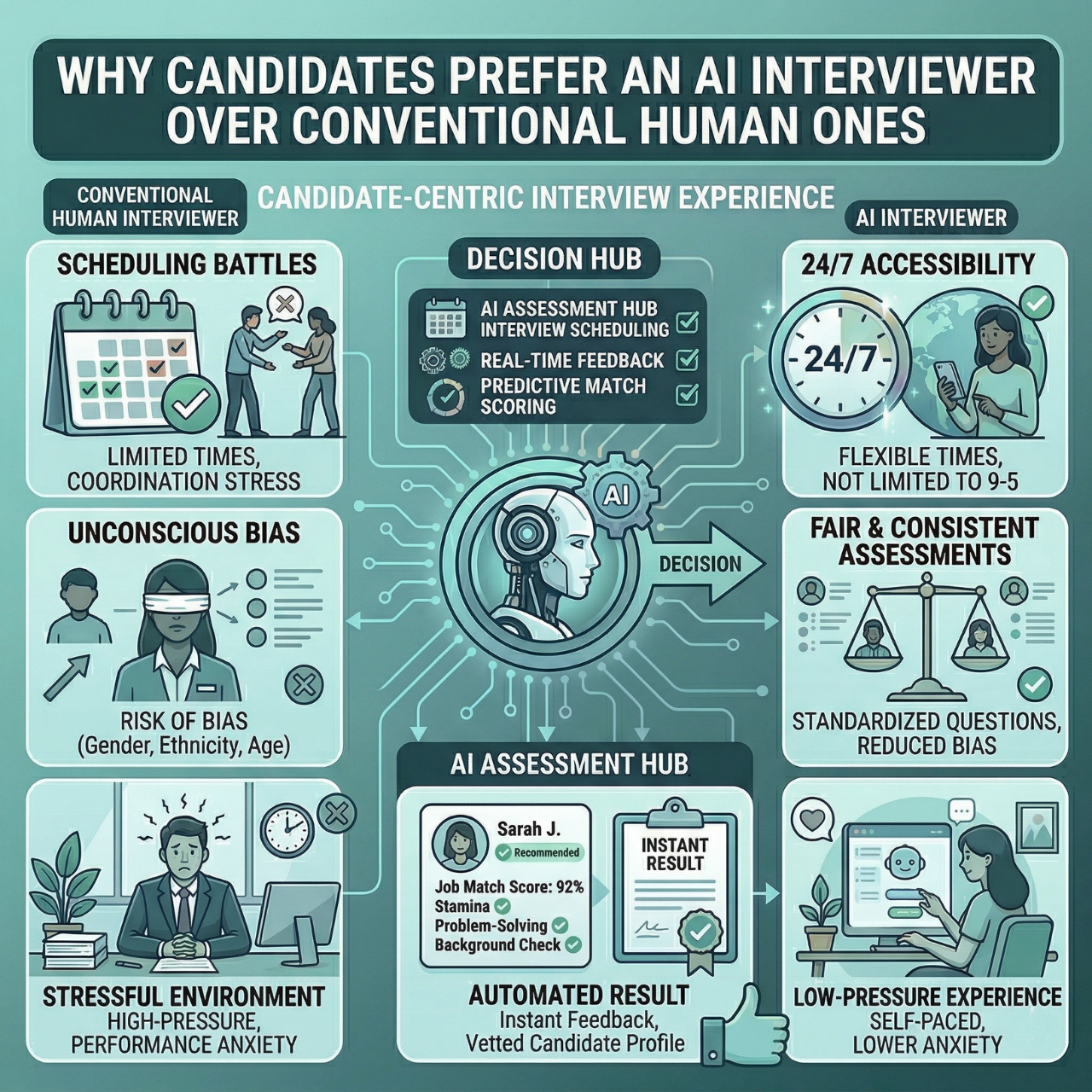
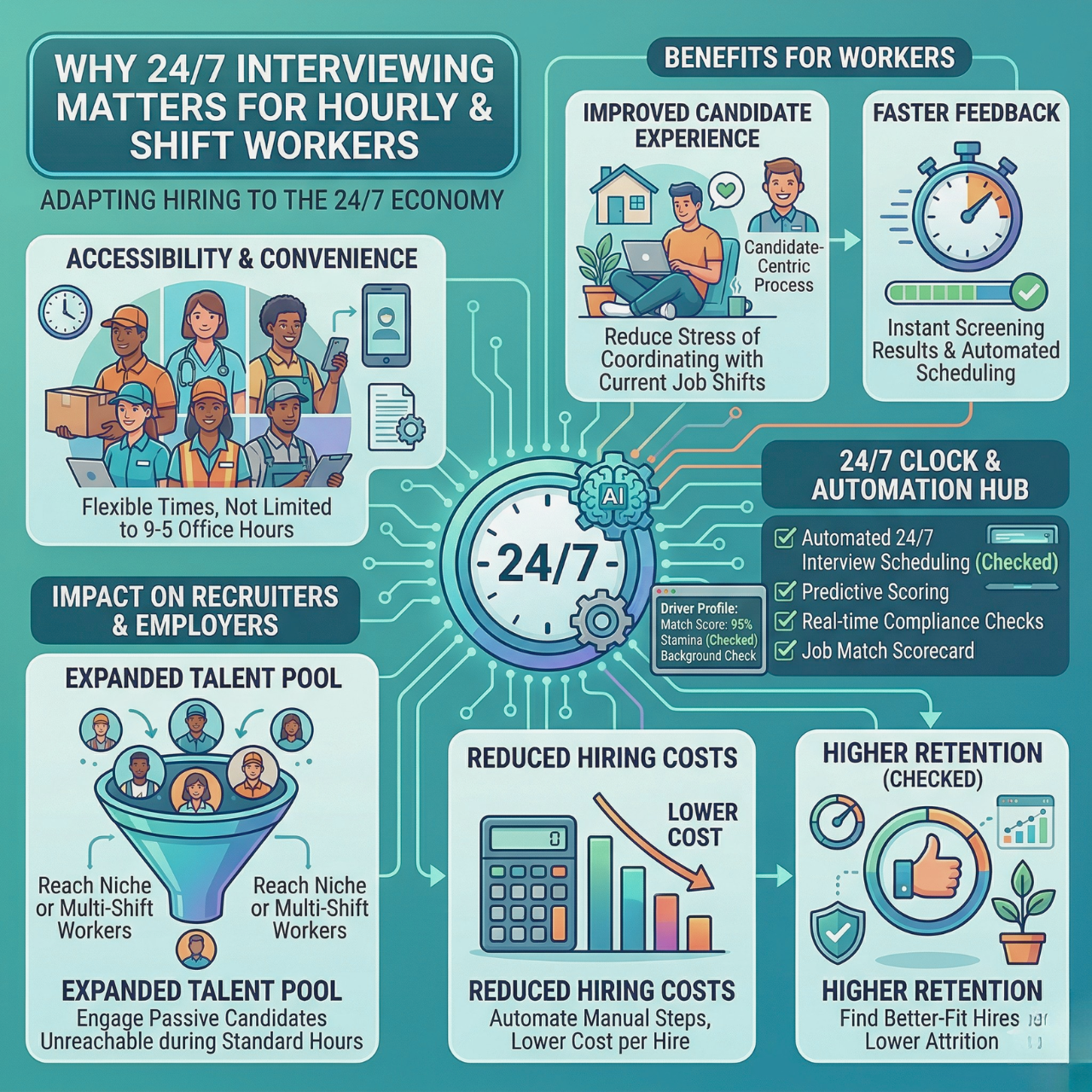
Finally, human recruiters can only work during business hours, but AI tools don’t care about the clock. Because candidates can submit applications, get responses, and schedule interviews whenever it works for them, the experience can feel faster and more responsive.
Key Benefits of AI in the Hiring Process
AI tools process applications faster than manual review and help companies make more informed hiring decisions. More importantly, these systems can screen hundreds of resumes in minutes while reducing common biases that affect traditional recruitment. When used with clear criteria and oversight, AI can support both speed and quality.
Increased Efficiency and Speed
AI slashes the time it takes to review applications. While a hiring manager might spend hours reading through resumes, AI screening tools can analyze hundreds of applications in minutes. That shift alone can shorten time-to-shortlist significantly.
These systems also work around the clock. So when you post a job opening, AI can start sorting applications right away, even at 2 a.m. As a result, you can identify qualified candidates sooner and respond faster.
The technology spots strong applicants by scanning for specific skills, experience levels, and qualifications you need. Because your team spends less time on initial screening, they can spend more time actually talking to promising candidates.
AI also takes care of repetitive tasks like scheduling interviews and sending follow-up emails. In turn, recruiters can spend more time building relationships with candidates instead of drowning in admin work.
Reduction of Hiring Bias
AI can remove identifying information from applications during the initial review. When names, ages, and other personal details stay hidden, the screening process can focus more tightly on qualifications.
In addition, the software evaluates candidates based on experience and job-related criteria. It looks at skills, education, and work history without making assumptions based on where someone went to school or how their name sounds.
At the same time, you still need human oversight to prevent AI bias. Because these systems learn from data, if past hiring decisions carried bias, the AI might repeat those patterns. That’s why regular checks matter and why evaluation criteria should be reviewed often.
Many companies also see more diverse candidate pools when using AI screening. Not because the tool “fixes” hiring on its own, but because it can help surface qualified applicants that a rushed manual review might miss.
Enhanced Candidate Experience
AI chatbots answer candidate questions instantly at any time of day. That means job seekers can get immediate responses about application status, job requirements, and next steps without waiting for business hours.
Automated systems can also keep candidates informed throughout the hiring process. When you send timely updates about where they stand, it reduces anxiety and shows respect for their time. In turn, candidates are more likely to stay engaged through each stage.
The application process can also get easier with AI tools. For example, candidates may spend less time filling out forms because smart systems can pull information from resumes and LinkedIn profiles automatically.
Faster response times make candidates feel valued. Even if someone doesn’t get the job, clear communication and predictable timelines can still improve how they view your company.
How AI Streamlines Candidate Screening
AI speeds up the hiring process by automatically reading resumes, matching candidates to job requirements, and identifying the most qualified applicants. Because it handles tasks that used to take recruiters hours or even days, it can reduce bottlenecks early in the funnel.
Automated Resume Parsing
AI software reads through resumes and pulls out important details like work history, education, skills, and contact information. Then it converts different resume formats into organized data that's easy to compare across all applicants.
That means you don’t have to manually review each resume to find basic information. Instead, the AI scans hundreds of applications in minutes and organizes everything into a standard format. As a result, you can quickly see each candidate's qualifications without flipping between different document styles.
The parsing technology also recognizes various resume layouts and extracts the relevant details accurately. For instance, it identifies job titles, company names, dates of employment, degrees, certifications, and technical skills. From there, it creates a uniform database of candidate information you can search and filter.
Skills and Experience Matching
AI compares candidate qualifications against your job requirements using algorithms that score each applicant. In doing so, the system looks at how well someone's background aligns with what you need for the role.
You get objective rankings based on criteria like years of experience, required skills, education level, and industry background. Because the AI evaluates each resume against the job description and assigns match scores, you can focus on candidates who meet your must-have requirements first.
The technology can also identify both exact matches and related skills that might transfer well to your open position. As a result, it can reduce missed potential while still keeping the screening criteria consistent.
Shortlisting the Best Fits
AI creates ranked lists of top candidates based on how closely they match your job criteria. Instead of starting from a pile of resumes, you get a curated group of applicants who are most likely to succeed in the role.
The system can also filter out unqualified candidates automatically, so you only review applications from people who meet your minimum requirements. That saves time and helps you make faster hiring decisions, especially when applicant volume is high.
You can set specific criteria for who qualifies as a strong candidate. Then, because the AI considers multiple factors at once, your shortlist becomes more accurate. It weighs qualifications by their importance to the role and serves up the strongest matches first.
AI-Driven Interviews and Assessments
AI changes how companies conduct interviews and evaluate candidates by automating scheduling tasks, analyzing video responses, and running skills tests that measure job readiness in real time. As a result, teams can move candidates through later stages faster, while still collecting structured evaluation data.
Automated Interview Scheduling
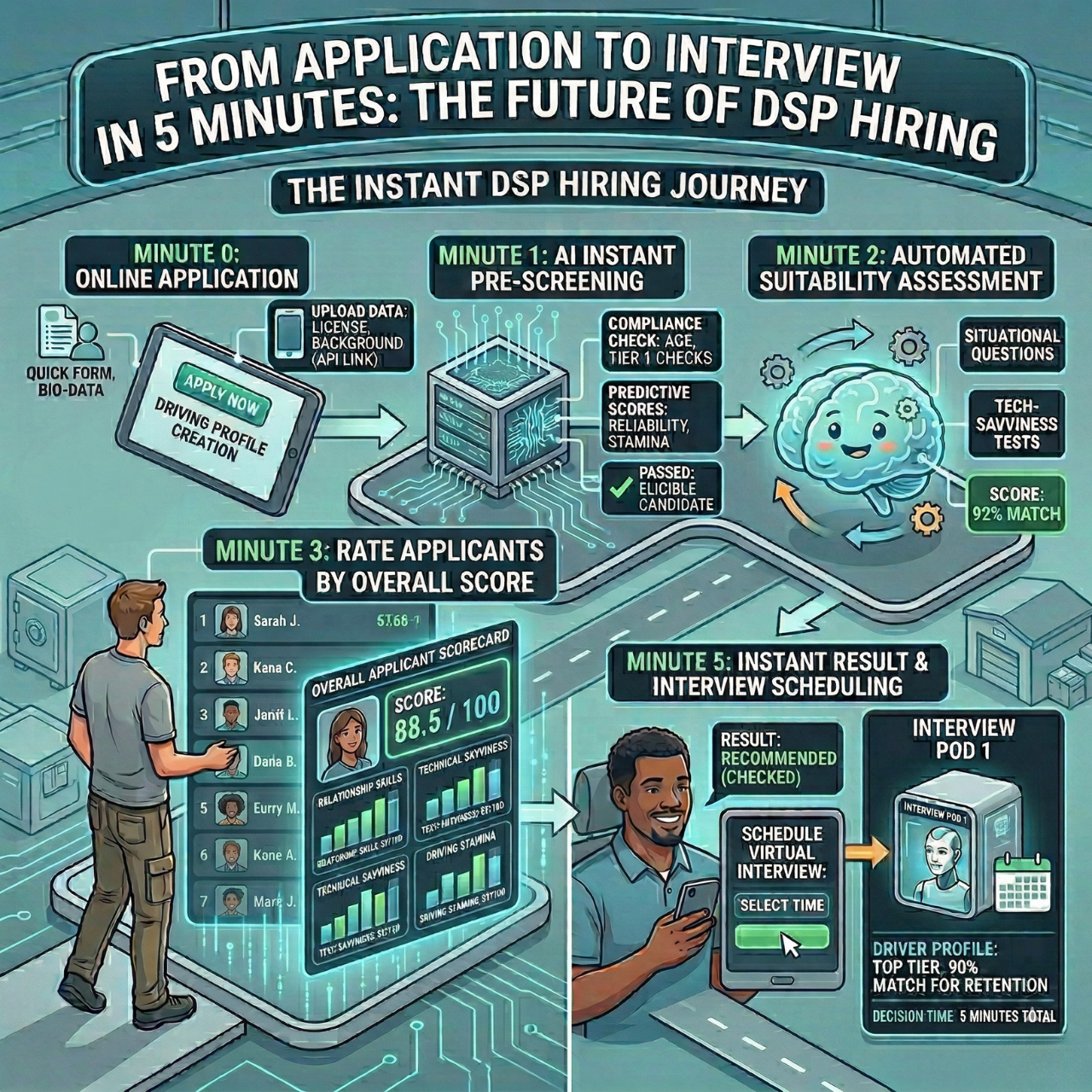
AI tools get rid of the endless back-and-forth emails that usually happen when setting up interviews. Typically, these systems connect to your calendar and the candidate's availability to find times that work for everyone.
The software can send automatic reminders and handle rescheduling requests, so you don't have to. In turn, recruiters save several hours every week and can focus on evaluating candidates and making hiring decisions.
This approach also cuts down on scheduling conflicts and missed appointments. Because candidates get instant confirmations and reminders, fewer interviews slip through the cracks.
Many platforms sync with your existing calendar software and applicant tracking systems. As a result, interview times can be updated across all your tools automatically.
Video Interview Analysis
AI-powered video interview platforms evaluate candidates through recorded or live video sessions. In some systems, the technology analyzes what candidates say, how they speak, and their facial expressions during responses.
Machine learning algorithms may assess communication skills, confidence levels, and problem-solving abilities based on these inputs. Some systems also use real-time voice bots that ask follow-up questions based on candidate answers, which can feel more conversational than a typical recorded interview.
The AI can generate reports that highlight each candidate's strengths and potential concerns. Even so, you shouldn't use AI analysis as the only factor in hiring decisions. Instead, it works best as one structured input that supports, not replaces, human judgment.
Online Pre-Employment Assessments
AI can create and grade skills tests that measure job-specific abilities before you even meet candidates. In some platforms, the software adapts question difficulty based on how someone performs, which can give a clearer picture of skill level.
You can test technical skills, cognitive abilities, and personality traits through these platforms. Because the technology focuses on objective performance data, it can reduce reliance on subjective impressions early in the process.
Common assessment types include:
- Coding challenges for technical roles
- Writing samples for content positions
- Situational judgment tests for management roles
- Job simulations that mirror actual work tasks
These assessments help you screen candidates more efficiently while providing data-driven insights into their capabilities.
Challenges and Ethical Considerations
AI hiring tools raise real concerns about how they handle your data, whether they treat all candidates fairly, and if you can trust their decisions. Because these issues affect both job seekers and employers, they’re worth addressing early, not after a problem shows up.
Data Privacy in AI Recruitment
AI systems collect and analyze loads of personal information from job applications. This includes work history, education, contact details, and sometimes even social media activity. Because of that, companies need to protect this data from unauthorized access and follow data protection laws.
Your information should only be used for hiring purposes and stored securely. In many places, there are strict rules about how long companies can keep your data and who can see it. You also have the right to know what data is collected and how it's used.
AI recruitment platforms should get consent before processing your information. They should also let candidates request the deletion of data after the hiring process ends. Without proper safeguards, sensitive information could be exposed or misused.
Addressing Algorithmic Bias
AI systems learn from historical hiring data, which can contain existing biases. If past hiring decisions favored certain groups, the AI might repeat these unfair patterns. In that case, qualified candidates could be rejected for reasons unrelated to job performance.
The problem can get worse when AI amplifies those biases instead of just copying them. For example, if a company mostly hired men in the past, the AI might automatically rank male candidates higher.
To reduce this risk, companies should regularly test AI tools for bias. They also need diverse training data and clear evaluation rules that focus on job-related factors. Above all, human oversight is crucial to catch problems that automated systems miss.
Transparency and Accountability
A lot of AI hiring systems work like black boxes, meaning you can’t easily see how they reach decisions. That lack of transparency makes it tough to understand why someone was rejected or accepted, and it can create trust issues with candidates.
Companies need to explain how their AI tools evaluate people. That includes sharing what skills and qualifications the system actually prioritizes. When things go wrong, there should also be a straightforward way to challenge decisions and review outcomes.
Human recruiters still need to be part of the final hiring choices. AI should support them, not replace them. Ultimately, someone at the company has to be accountable if the tool makes unfair judgments or produces inconsistent results.
Hire Smarter Without Slowing Down
Hiring doesn’t have to mean endless resume reviews, scheduling chaos, and inconsistent screening. When used correctly, AI helps streamline repetitive tasks, improve response times, and support more objective decisions. The result is a process that is faster, more efficient, and easier to manage at scale.
HRMLESS brings automation, structured screening, and intelligent scheduling into one workflow. Instead of juggling tools and manual follow-ups, your team can focus on evaluating top candidates and making confident hiring decisions.
If you're ready to reduce bottlenecks and improve hiring outcomes, book a demo and see how AI can simplify your process.
Frequently Asked Questions
How does AI help in hiring?
AI helps in hiring by automating resume screening, matching candidates to job requirements, scheduling interviews, and analyzing structured data. This reduces manual work and allows recruiters to focus on qualified candidates faster.
It also improves consistency by applying the same criteria to every applicant, which helps support more objective decision-making.
Does AI replace human recruiters?
No. AI is designed to support recruiters, not replace them. It handles repetitive administrative tasks like screening and scheduling so hiring teams can spend more time on interviews and final decisions. Human judgment remains essential, especially when evaluating culture fit, communication style, and long-term potential.
Can AI reduce bias in hiring?
AI can help reduce bias by focusing on job-related qualifications and removing identifying details during early screening. However, it must be monitored regularly to ensure it does not learn biased patterns from historical data. When combined with human oversight, AI can support more consistent and fair evaluations.
Is AI hiring software difficult to implement?
Most modern AI hiring tools integrate with existing applicant tracking systems and calendars. Implementation typically involves setting screening criteria, connecting systems, and training your team on the workflow. With clear goals and defined hiring stages, AI can be implemented without disrupting your current recruitment process.
Featured

Subscribe to ournewsletter
Related posts
Explore the world of photography with our curated selection of
portfolio websites that showcase creativity and innovation.