

How to Automate Hiring With AI and Hire Faster
If you’re wondering how to automate hiring with AI, you’re likely buried in resumes, emails, and scheduling back-and-forth. Manual screening slows your team down and stretches time-to-hire. The right AI hiring tools help you screen faster, respond instantly, and focus on top candidates instead of admin work.
HRMLESS helps teams automate screening, scoring, and interview scheduling without losing the human touch. Instead of chasing calendars and reviewing every resume line by line, recruiters can prioritize qualified talent and move faster. The result is shorter hiring cycles, lower cost per hire, and better candidate experiences.
In this article, you’ll learn how to automate sourcing, resume screening, matching, and interviews step by step. We’ll also cover integration with your ATS and how to reduce bias while staying compliant. By the end, you’ll have a clear roadmap to modernize your hiring workflow.
What Is AI-Powered Hiring?
AI-powered hiring means using artificial intelligence to handle those recruitment tasks that used to eat up hours. Now, these tools can screen resumes, match candidates to jobs, set up interviews, and even communicate with applicants automatically.
Definition of AI in Recruitment
AI in recruitment? It’s all about computer programs and algorithms that make hiring smoother and faster. These systems can rip through hundreds of resumes in minutes, hunting for the skills and experience your job needs.
They analyze data from your past successful hires to learn what worked before. Then, they spot patterns and apply them to new applicants. AI tools can help with everything from writing job descriptions to pinging candidates with automated messages.
But don’t worry, they’re not here to replace human recruiters. Instead, they handle the boring, repetitive stuff so your team can focus on conversations and big decisions. Think of AI as your first filter, as it saves time and brings the best people to your attention faster.
Benefits of Automating Hiring Processes
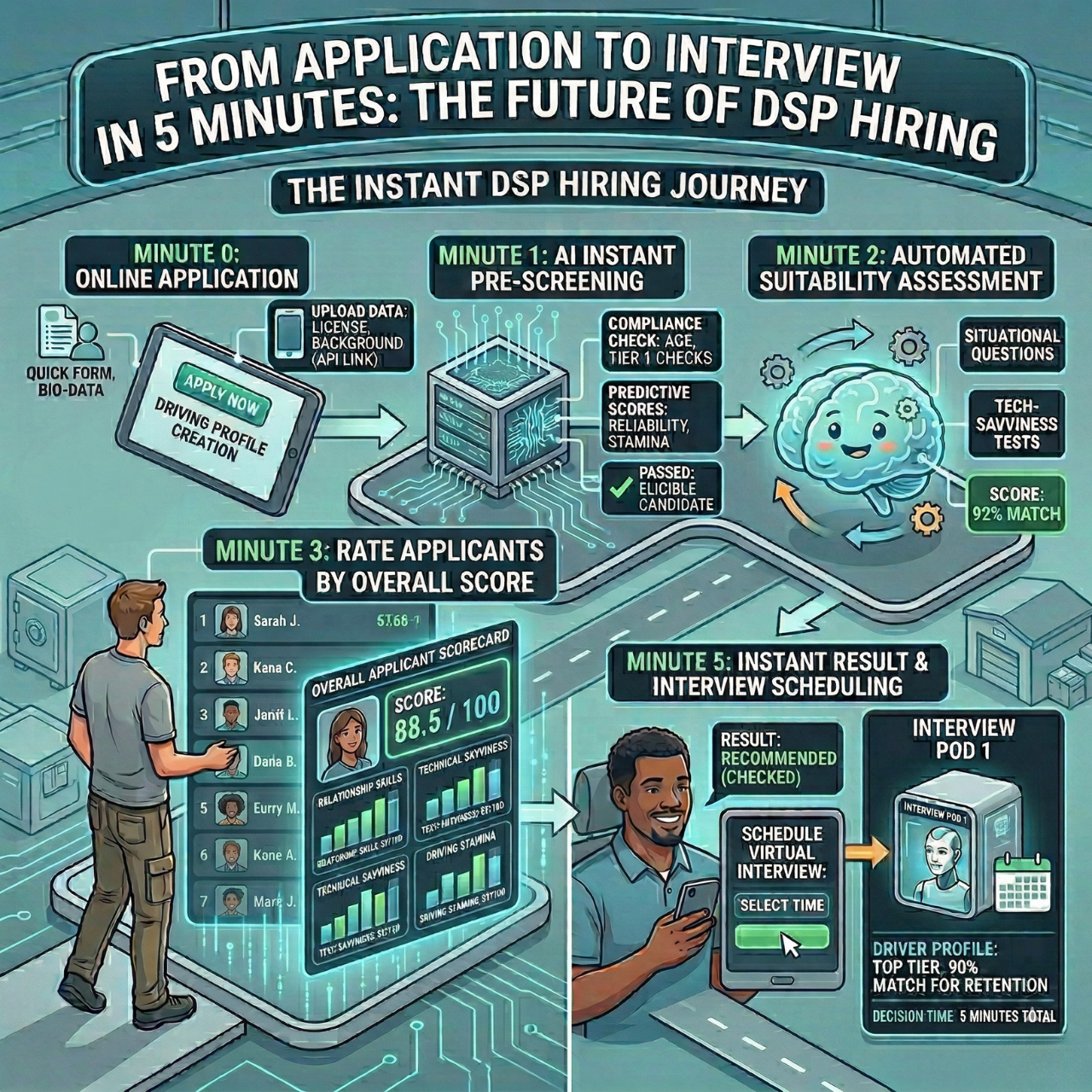
Automated hiring slashes the time you spend on each role. What used to drag on for weeks can now wrap up in days, since AI screens applications instantly and ranks candidates by fit.
You'll reach a wider pool of potential hires, too. AI can search across job boards and social sites simultaneously, finding folks who might not have even applied. Your team gets to focus on the human stuff, not just paperwork.
Key benefits include:
- Lightning-fast replies to applicants
- Lower cost per hire
- Handling mountains of applications
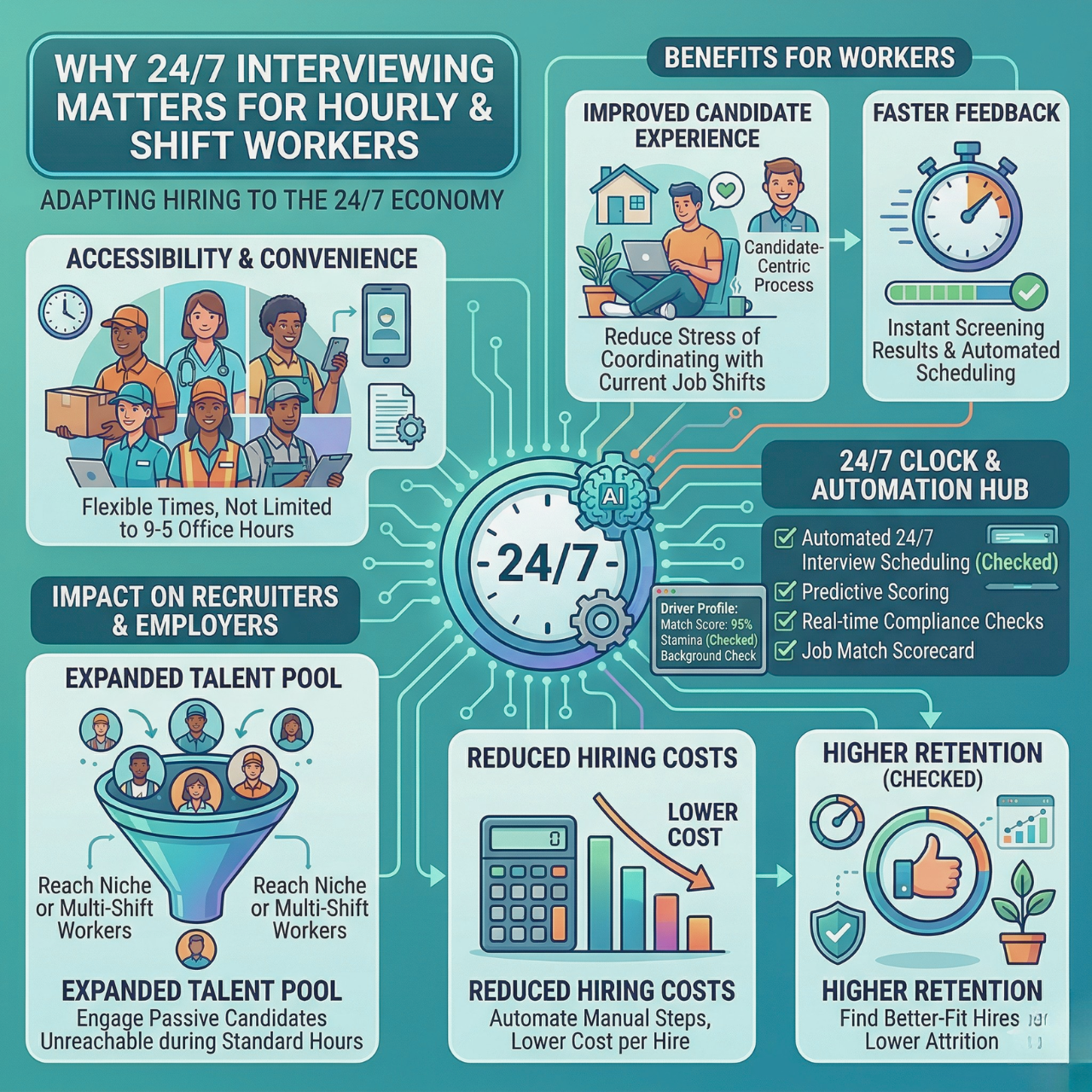
- 24/7 candidate communication with chatbots
- Data-driven insights into your process
AI also helps reduce bias in early screening. It looks at skills and qualifications, not names or backgrounds.
Key Differences from Traditional Hiring
Traditional hiring? That’s all about people reading every single resume and tracking candidates in spreadsheets. It’s slow, and you just can’t get through that many applications.
AI-powered hiring chews through data at a speed humans can’t touch. A recruiter might review 50 resumes a day, while AI can process thousands in minutes. Plus, the tech works all night, so candidates get replies even after hours.
Traditional vs. AI-Powered Hiring:
Traditional Hiring
AI-Powered Hiring
Manual resume screening
Automated screening and ranking
Limited candidate reach
Searches multiple platforms simultaneously
Days to respond to candidates
Instant automated responses
Subjective first impressions
Data-based candidate matching
High administrative workload
Automated scheduling and communication
The real difference? Decisions. Traditional hiring leans on gut feelings early on. AI uses data and patterns to make recommendations, but humans still have the final say.
How to Automate Candidate Sourcing With AI
AI sourcing tools use natural language processing and machine learning to find candidates way faster than manual searches. They can screen resumes in seconds, match people to jobs, and help you reach folks you might’ve overlooked.
Using AI for Resume Screening
AI resume screening tools scan through hundreds (sometimes thousands) of resumes in minutes. They hunt for specific skills, experience, education—whatever you care about.
They don’t just look for exact keywords, either. These tools understand context, so if you want a “customer service” experience, they’ll spot “client support” or “customer success” too.
You can set must-have filters, and the AI ranks candidates based on their fit. No more slogging through every resume yourself. The best part? AI screening never sleeps. Applications get processed as soon as they arrive, so candidates hear back faster.
Automating Job Matching
AI job matching automatically connects the right people to your open roles. The tech considers skills, experience, education, and past job titles.
Modern matching tools dig deeper than just qualifications. They analyze work patterns, career moves, and even soft skills mentioned in profiles. You get a more complete sense of each candidate.
You can have the AI search your existing talent pool whenever a new job opens. It’ll flag people who applied before but might be perfect now. That means quicker hires and lower sourcing costs.
Some platforms even score candidates based on their likelihood of success in the role. These predictive analyticshelp you decide who to reach out to first.
Leveraging AI for Talent Pool Expansion
AI sourcing platforms access candidate databases across job boards, social networks, and professional sites simultaneously. No more checking each site individually.
They’re great at finding passive candidates; not just those actively job hunting, but people with the skills you need. AI analyzes public profiles and matches experience to your requirements.
You can also discover candidates from adjacent fields or with transferable skills. AI can tell when someone’s background could fit, even if they haven’t worked in your industry.
AI chatbots engage potential candidates automatically, sending initial messages and screening questions. That keeps people interested while you focus on the top prospects. The automation helps you build a bigger, more diverse talent pool, without eating up your whole day.
Streamlining Interview Processes Using AI
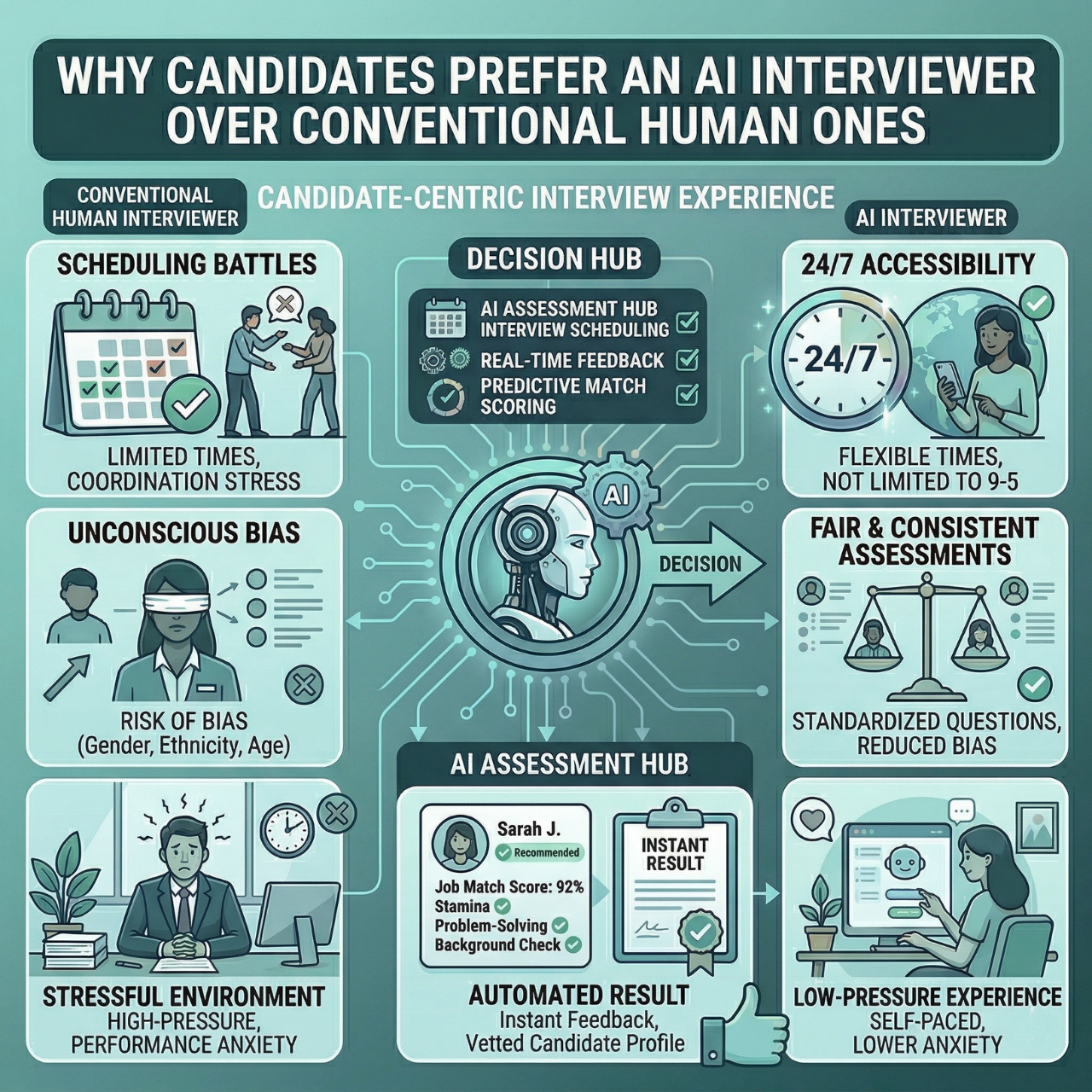
AI tools can handle interview scheduling and even assess candidates, so you can screen more applicants while keeping things fair and consistent.
Automated Interview Scheduling
AI scheduling tools save you from endless email chains. They connect to your calendar, send available slots to candidates, and automatically book interviews.
You can set preferences, such as requiring all first-round interviews to occur on certain days or at specific times. The AI follows your rules; no manual checking needed.
If you’re interviewing remote candidates, the system handles time zones. Need to reschedule? The AI sorts it out and sends new invites. No more delays from scheduling headaches.
AI-Powered Candidate Assessments
AI assessment tools analyze how candidates respond in interviews. Some review video interviews, looking at word choice, speaking pace, and relevant experience. Others generate interview questions based on your job description.
These tools score everyone on the same criteria. Two candidates answering similar questions get evaluated the same way, which helps reduce bias.
You’ll get reports highlighting each candidate’s strengths and weaknesses. The AI might flag answers that show problem-solving or technical know-how. Comparing candidates gets a lot easier, and you can make decisions faster.
Implementing AI Tools in Your Hiring Workflow
Choosing the right software, connecting it to your current systems, and making sure your team actually knows how to use it; these steps make or break your AI rollout.
Selecting the Right AI Recruitment Software
Start by figuring out your biggest hiring headaches. Are you drowning in resumes? Losing good candidates to slow processes? Different AI tools tackle different problems. Look for software that actually solves your pain points. Some focus on resume screening, others on scheduling or candidate communication.
Make sure the tool fits your hiring volume. A small business hiring 20 people isn’t going to need the same features as an enterprise hiring 500. Most platforms charge by user seats or job postings.
Always get demos from at least three vendors. Test them with your real job descriptions and candidate data. The best one should feel easy right away. Check reviews from companies like yours. Watch out for complaints about support or hidden costs. Ask vendors how they handle data security and hiring laws.
Integration With Applicant Tracking Systems
Your AI tools have to connect with your Applicant Tracking System (ATS). Bad integration means double data entry and confused teams.
Ask vendors if their tools work natively with your ATS. Native integrations sync data better than third-party add-ons. Test the integration before you commit. Create a fake job, run test candidates through, and see where things flow or get stuck.
Set up automation rules to match your hiring stages. When a candidate passes AI screening, they should move to the next step in your ATS automatically. Recruiters should see updated scores and notes without jumping between platforms. Plan for a couple of weeks to get everything integrated. You’ll probably need some IT help and a bit of troubleshooting.
Training Your Team to Use AI Tools
Schedule hands-on training before launching anything new. Your recruiters need to know what the AI can and can’t do.
Focus on the daily tasks your team actually does. Show them how to review AI recommendations, override mistakes, and flag issues. Make simple guides with screenshots for common actions.
Pick one person as your AI champion. This is your go-to expert who helps everyone else and talks to the vendor. They should join all the vendors’ training calls and webinars.
Start small—a pilot with one or two open jobs. Let your team learn without pressure. Collect feedback every week and tweak your process as you go.
If your team’s worried about AI taking over, be upfront. Make it clear: these tools handle the grunt work so recruiters can spend more time with candidates and on decisions that matter.
Overcoming Challenges of AI Automation in Hiring
AI makes hiring more efficient, but it brings its own headaches. You’ll need to keep an eye on bias, protect candidate data, and make sure humans stay in the loop.
Addressing Bias in AI Hiring Algorithms
AI learns from your old hiring data. If your past choices leaned toward certain groups, the AI might repeat those patterns.
You’ve got to audit your AI tools for bias. Test how the system rates candidates of different backgrounds, genders, or ages. Many platforms now have bias detection features that flag sketchy patterns.
How to reduce bias:
- Use diverse training data that reflects your actual workforce
- Strip out names, photos, and addresses from early screenings
- Have human recruiters regularly review AI decisions
- Track hiring outcomes across different groups
Ask your vendor how their algorithm ranks candidates. If they can’t explain it, that’s a problem. Transparency lets you catch and fix bias before it affects real people.
Ensuring Data Privacy and Compliance
AI hiring tools collect a lot of personal info. You’re on the hook for protecting it and following privacy laws.
Rules vary by region. In Europe, GDPR requires explicit consent before collecting candidate data. Some US states have their own AI-in-hiring laws. Make sure you know what applies to you.
Store candidate data securely using encryption and limit access. Don’t keep info longer than you need. Tell candidates when you’re using AI. Explain what you collect and how it’s used. In some places, you have to let candidates ask for a human review of AI decisions.
Maintaining the Human Touch
AI can screen resumes and schedule interviews, but it shouldn’t make final hiring calls. People understand nuance, context, and cultural fit in ways algorithms just can’t.
Let AI handle the repetitive stuff—sorting applications, answering basic questions. That frees up recruiters for real conversations.
Keep humans in the loop at key points. A recruiter should review AI recommendations before anyone is rejected. Final interviews and offers should always involve a real person.
Candidates want to feel seen. Send personalized messages, not just automated replies. Make time for phone or video chats, even if AI handled the early steps. The hiring process shapes how people see your company, so balance speed with a genuine human touch.
Automate Hiring Without Losing the Human Touch
Manual hiring drains time, slows decisions, and frustrates candidates. Learning how to automate hiring with AI helps you remove repetitive tasks, speed up screening, and improve consistency. The result is a faster, more efficient hiring process without sacrificing quality.
HRMLESS streamlines screening, scheduling, and candidate communication so your team can focus on real conversations and final decisions. Instead of juggling spreadsheets and inbox threads, recruiters gain structure, visibility, and momentum at every stage.
Ready to reduce delays and hire smarter? Book a Demo and see how AI can simplify your workflow from application to offer.
Frequently Asked Questions
What does it mean to automate hiring with AI?
Learning how to automate hiring with AI means using software to handle repetitive recruiting tasks like resume screening, candidate matching, and interview scheduling. Instead of manually reviewing every application, AI tools analyze skills, experience, and job fit in seconds.
This allows recruiters to focus on interviews, relationship-building, and final decisions rather than administrative work.
How does AI reduce time-to-hire?
AI speeds up early-stage hiring by instantly screening resumes and ranking candidates based on predefined criteria. Automated scheduling tools also eliminate back-and-forth emails by syncing calendars and booking interviews automatically.
By removing these bottlenecks, teams can move qualified candidates through the process much faster.
Can AI help reduce bias in hiring?
AI can help reduce bias by focusing on skills, qualifications, and experience rather than names or demographic details. Structured scoring systems also evaluate candidates consistently across the same criteria.
However, human oversight is still essential to review decisions and ensure fairness throughout the hiring process.
Will automating hiring remove the human touch?
No. Automating hiring with AI is designed to support recruiters, not replace them. AI handles repetitive tasks so hiring teams can spend more time engaging with candidates. The most effective approach combines automation for efficiency with human judgment for final evaluations and culture fit.
Do AI hiring tools integrate with an ATS?
Most AI hiring platforms are designed to integrate with an Applicant Tracking System (ATS). Integration ensures candidate data flows automatically between systems without duplicate entry. When implemented correctly, this creates a smoother workflow and better visibility across your hiring pipeline.
Featured

Subscribe to ournewsletter
Related posts
Explore the world of photography with our curated selection of
portfolio websites that showcase creativity and innovation.