

How to Hire Faster With AI and Keep Candidates Engaged
Hiring delays slow teams down, increase burnout, and cost real revenue. If you’re wondering how to hire faster with AI, it usually starts with fixing manual steps that drag on hiring for weeks.
AI hiring software removes bottlenecks by automating screening, scheduling, and early candidate engagement. With HRMLESS, teams spend less time sorting resumes and more time talking to qualified people who are ready to move.
This guide breaks down how AI fits into recruiting, where it saves the most time, and how to use it responsibly. You’ll learn practical ways to speed up hiring without sacrificing quality or candidate experience.
What Is AI in Recruitment?
AI in recruitment uses computer programs to handle tasks that recruiters normally do by hand. These systems can read resumes, match candidates to jobs, and even conduct first-round interviews through chatbots.
The technology learns patterns from past hiring data. When you feed it information about successful employees, it identifies the traits and qualifications that lead to good hires. It then uses this knowledge to evaluate new applicants. Most AI hiring tools focus on specific tasks.
Some screen resumes and pull out key information, such as skills and experience. Others schedule interviews automatically or send follow-up emails to candidates.
A few advanced systems can analyze video interviews to assess communication skills and personality fit. The technology has moved from experimental to mainstream in just a few years. It’s honestly kind of wild how fast that shift happened.
Key Benefits of AI for Hiring
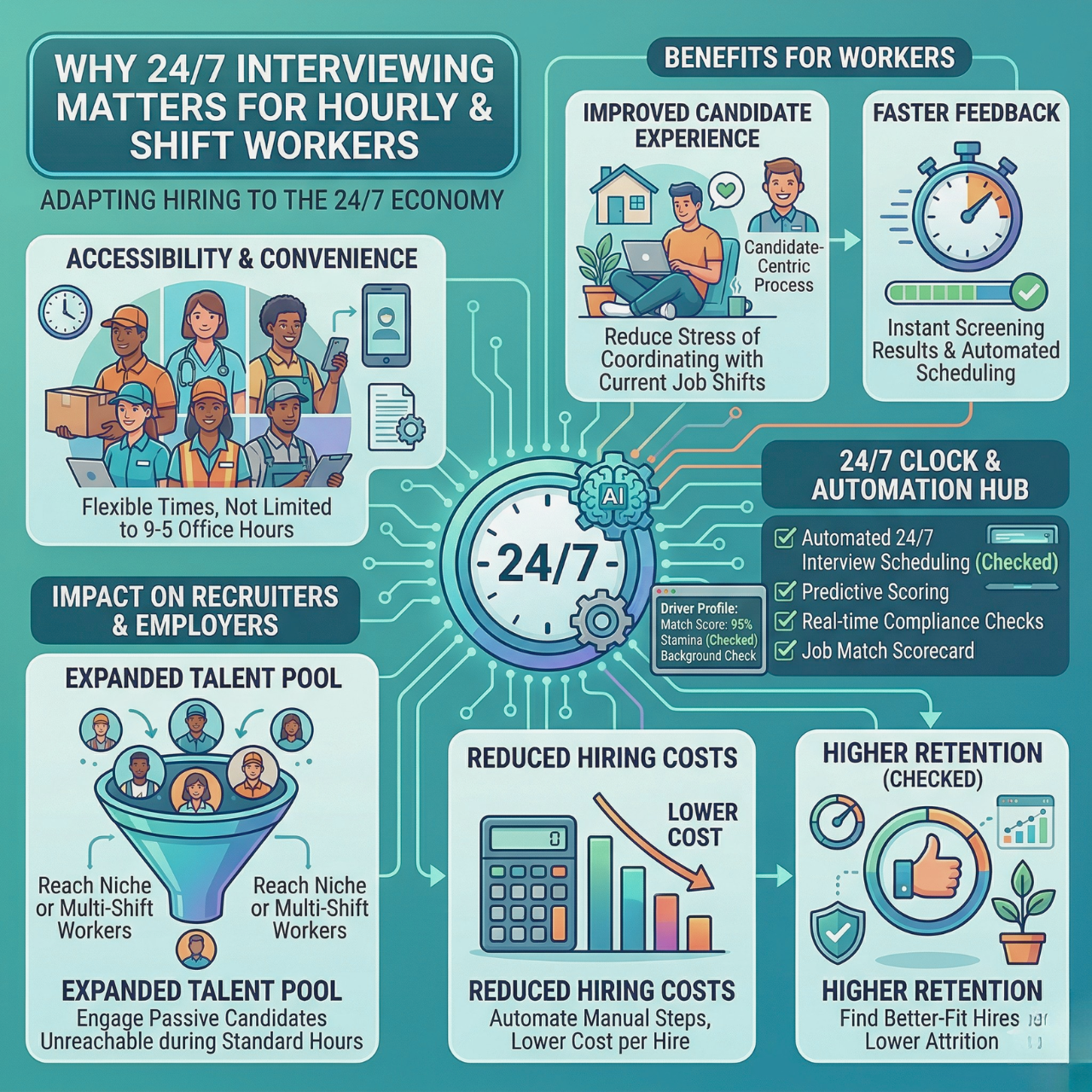
Speed is the biggest advantage you'll notice. AI tools can review hundreds of resumes in minutes instead of days. They work 24/7 without breaks, so your hiring process never really stops. Cost reduction comes from needing fewer hours of manual work.
Your team spends less time on repetitive tasks, such as sorting applications. This lets them focus on building relationships with top candidates.
Better-quality hires result from AI's ability to spot patterns humans miss. The systems analyze data points that predict job success.
They match candidates based on skills and experience rather than gut feelings. Reduced bias is possible when you set up AI correctly. These tools evaluate all candidates using the same criteria. They don’t get swayed by a person’s name, age, or where they went to school.
Your time-to-hire drops significantly with automation. Companies report filling positions weeks faster than before. This speed helps you grab talented candidates before competitors do. It’s a bit of a race, isn’t it?
Common Myths About AI in Hiring
"AI will replace human recruiters" is the most common worry, but it’s not true. AI handles time-consuming tasks while you make final decisions and build relationships.
The technology works best when it supports your judgment, not replaces it. "AI is too expensive for small companies"doesn’t match reality anymore. Many affordable tools are available to businesses of all sizes. Some platforms charge based on usage, so you only pay for what you need.
"AI hiring tools are always biased" confuses the technology with poor implementation. AI can reduce bias when trained on diverse data.
The key is choosing tools that were built with fairness in mind and testing them regularly. "Candidates hate AI in hiring" isn’t backed by data.
Most job seekers appreciate faster response times and clear communication. Problems only pop up when companies use AI to completely remove human interaction from the process.
Streamlining the Recruitment Process with AI
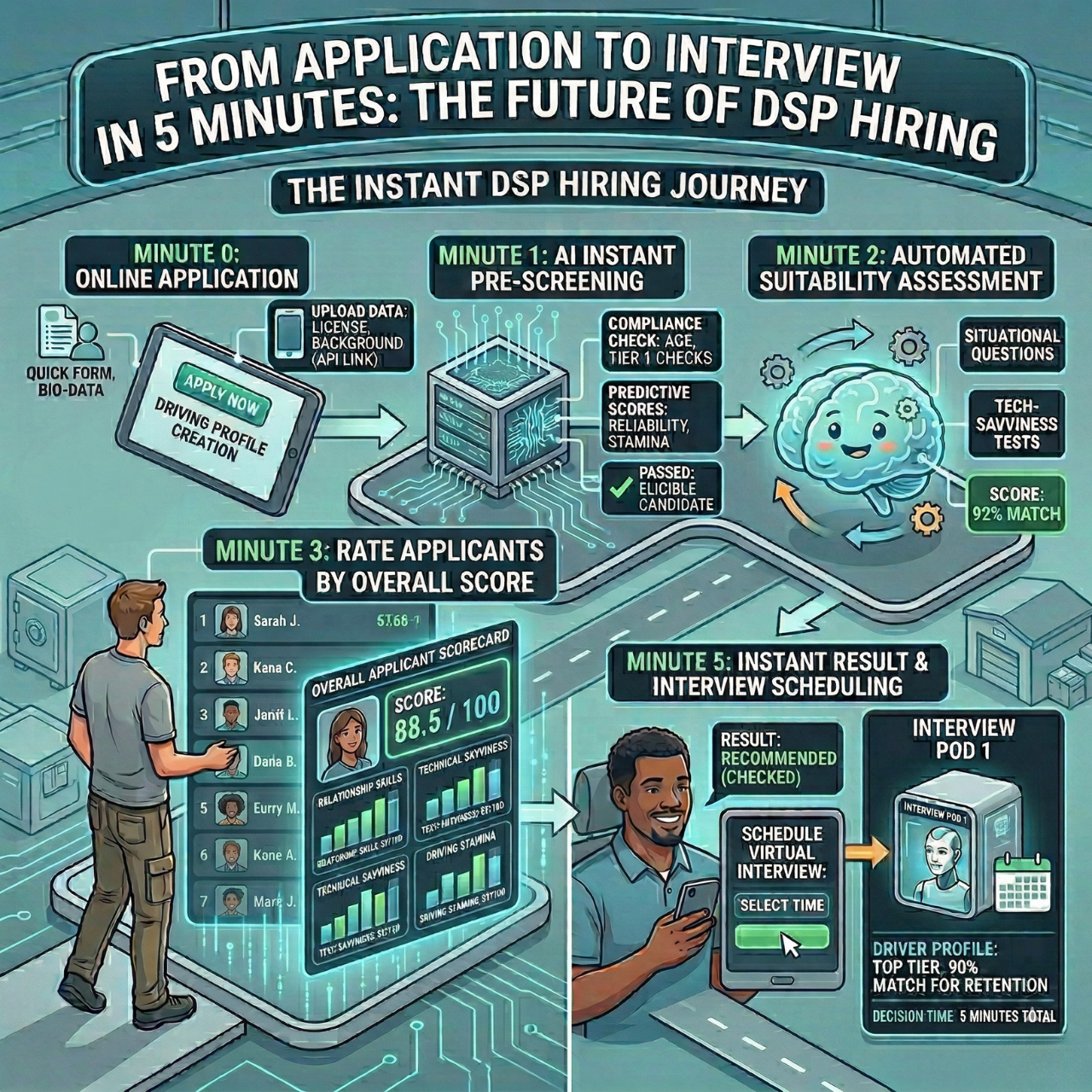
AI tools can reduce your hiring time by handling repetitive tasks such as finding candidates, reviewing resumes, and answering applicant questions. These systems work around the clock to keep your recruitment moving forward while your team focuses on making final decisions.
Automating Candidate Sourcing
AI sourcing tools search through multiple job boards, social media platforms, and professional networks to find potential candidates for your open positions. These systems scan thousands of profiles in minutes, rather than the hours it would take your team to do so manually.
The tools look for specific skills, experience levels, and qualifications you need. They can identify passive candidates who aren’t actively job-hunting but who still match your requirements well.
You can set up AI systems to continuously search for talent even when you’re not hiring. This builds a pipeline of qualified candidates for future openings.
Many companies say they find better matches faster because AI can search a wider range of sources than human recruiters typically have time to check. It’s a huge time-saver.
AI Screening and Matching Tools
AI screening software reviews resumes and applications by comparing candidate qualifications against your job requirements. The technology ranks applicants based on how well they match what you’re looking for.
These tools can process hundreds of applications in seconds. They look at education, work history, skills, and other factors you specify as important.
The system highlights top candidates and flags potential concerns. Machine learning algorithms improve their accuracy over time by learning from your hiring decisions.
Enhancing Candidate Communication
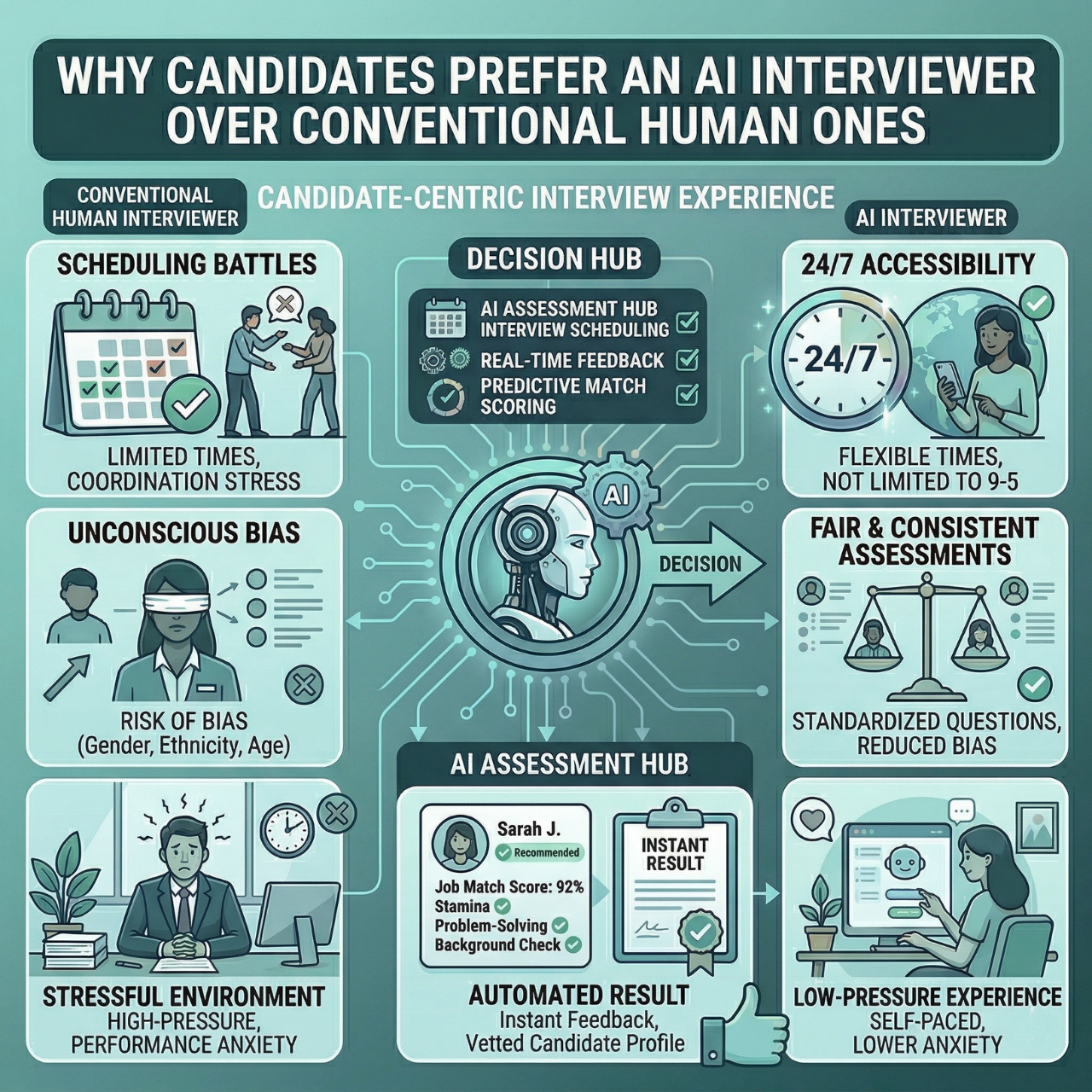
AI chatbots answer common candidate questions 24/7 without requiring your staff to be available. They can explain application steps, share information about your company, and provide updates on application status.
These systems automatically schedule interviews by coordinating candidate availability with your team’s calendar. This eliminates the back-and-forth emails that usually slow down the process.
AI can send personalized updates to candidates at each stage of your hiring process. Over 86% of recruiters confirm that AI speeds up hiring, partly because communication doesn’t create delays.
Candidates get quick responses, which improves their experience and keeps them engaged with your opportunity.
Integrating AI Tools into Your Hiring Workflow
Success with AI hiring depends on choosing tools that match your needs, properly integrating them with your current systems, and preparing your team to use them effectively. The right setup makes the difference between AI that saves time and AI that creates extra work.
Selecting the Right AI Solutions
Start by identifying which parts of your hiring process take the most time. Common pain points include resume screening, interview scheduling, and candidate communication.
Look for AI tools that solve your specific problems. If you spend hours reading resumes, choose software with strong resume screening features.
If candidates drop off during long application processes, find tools that streamline applications and improve engagement. Consider these factors when evaluating options:
- Integration capability with your current systems
- Ease of use for your team members
- Compliance features for legal requirements
- Cost versus time savings
- Vendor support and training resources
Request demos and trial periods before committing. Test each tool with real job postings and candidates to see how it performs in your actual workflow.
Integrating AI with Existing HR Systems
Your AI tools need to connect with your Applicant Tracking System (ATS) and other HR software. Most modern AI platforms offer direct integrations with popular ATS platforms through APIs.
Check if your chosen AI tool can automatically sync candidate data, interview notes, and screening results. This prevents duplicate data entry and reduces errors.
Set up automated workflows between systems. For example, when AI screens a resume and finds a qualified candidate, it should automatically move that candidate to the interview stage in your ATS.
When someone schedules an interview, the details should appear in your team’s calendars automatically. Plan a testing period in which you run the AI tools alongside your current process.
This helps you catch integration issues before fully switching over. It’s not always seamless, so a trial run is smart.
Training Your Hiring Team
Your team needs clear guidance on using AI tools correctly. Schedule hands-on training sessions where team members practice with the actual software they’ll use daily.
Explain what the AI can and cannot do. Make it clear that AI assists with tasks such as screening and scheduling, but doesn’t replace human judgment in final hiring decisions.
Create simple guides that show:
- How to review AI-generated candidate rankings
- When to override AI recommendations
- How to spot and report bias or errors
- Best practices for using AI-written job descriptions
Assign a point person who becomes the AI expert on your team. This person troubleshoots issues and answers questions as they come up.
Regular check-ins during the first month help address concerns and improve adoption rates. It’s a learning curve, but your team will get there.
Ensuring Fairness and Compliance with AI
AI hiring tools can speed up recruitment, but they must work fairly and follow the law. Companies need to check for bias, protect candidate data, and meet legal requirements to use AI responsibly.
Addressing Bias in AI Hiring
AI systems learn from historical data, which means they can pick up the same biases that existed in past hiring decisions. If your company previously hired mostly from certain schools or backgrounds, the AI might favor similar candidates and exclude qualified people.
You need to audit your AI tools regularly to catch bias before it affects real hiring decisions. Test how the system treats candidates from different backgrounds, ages, and genders.
Look at the data you’re feeding the AI and remove information that could lead to unfair decisions, like zip codes or college names. Choose AI vendors who can show you evidence of fairness testing.
Ask them to explain how their algorithms make decisions and what steps they take to reduce bias. You should also keep humans in the process.
AI can screen resumes and rank candidates, but people need to review the results and make final decisions. This helps catch problems the AI might miss.
Maintaining Data Privacy
AI hiring systems collect and process large amounts of personal information from candidates. You must protect this data and use it only for legitimate hiring purposes.
Store candidate data securely with encryption and access controls. Only give hiring team members access to the information they need.
Delete candidate data after you no longer need it for hiring or legal record-keeping. Tell candidates what data you’re collecting and how you’ll use it.
Get their consent before processing their information through AI systems. Be clear about whether humans or algorithms are making decisions about their application.
Follow data protection laws like GDPR if you hire in Europe or CCPA if you hire in California. These laws give candidates rights to access their data, correct errors, and understand how decisions are made.
Adhering to Hiring Regulations
Employment laws apply to AI hiring just like traditional recruitment. You need to follow anti-discrimination laws that protect candidates based on race, age, gender, disability, and other protected characteristics.
Keep detailed records of how your AI system works and the decisions it makes. If a candidate or regulator questions your hiring process, you need to show that your AI tools treat people fairly and follow the law.
Some locations now require specific AI hiring disclosures. New York City, for example, makes companies tell candidates when AI is used and publish bias audit results.
Work with your legal team to understand which laws apply to your hiring process. Review your AI tools at least once a year to make sure they still comply with current regulations.
Measuring Success and Improving Over Time
Tracking the right data helps you understand if AI tools speed up your hiring process and where you can make improvements. Collecting feedback and making ongoing adjustments based on what you learn ensures your hiring gets faster over time.
Key Metrics to Track
Time-to-hire measures how many days pass from posting a job to accepting an offer. This metric shows if your AI tools actually speed things up. Track this number before and after using AI to see the difference. Quality of hire tells you if new employees perform well and stay with your company.
You can measure this through performance reviews, manager feedback, and how long people stay in their roles. Good AI should help you hire faster without sacrificing quality.
Cost per hire includes all expenses like job ads, recruiter time, and software costs. AI might require upfront investment, but it should lower your overall hiring costs by reducing manual work and filling positions more quickly.
Source of hire shows which channels bring you the best candidates. AI can help you spot patterns in where your top applicants come from, so you focus your energy on what works.
Gathering Feedback from Candidates
Ask candidates about their experience with short surveys after interviews or when they accept or decline offers. Keep surveys brief—three to five questions max—so people actually fill them out.
Find out if AI tools like chatbots or automated scheduling made things easier or just more complicated. Candidates can tell you if messages felt too robotic or if they struggled to get answers.
Pay attention to drop-off points in your process. If a bunch of candidates bail halfway through your application, maybe your AI screening asks too many questions or just takes too long.
Continuous Optimization for Faster Hiring
Look over your metrics every month to spot trends and catch issues early. Set real goals, like shaving five days off time-to-hire or bumping up candidate survey scores by 15%.
Try changing just one thing at a time so you can see what actually moves the needle. Maybe adjust your AI screening questions, switch up how you schedule interviews, or tweak those automated messages that sound a little stiff.
Update your AI tools based on what you learn. If certain questions don't predict job success, just get rid of them. If candidates complain about chatbot responses, make them sound more human and, well, helpful.
Keep your hiring team in the loop with regular training on new tools and processes. Even the best AI's pretty useless if folks don't know how to use it. Share wins and data with everyone so the team knows what's working and stays motivated.
Hire Faster Without Burning Out Your Team
Long hiring cycles drain productivity and cause great candidates to walk away. AI helps reduce delays by automating screening, scheduling, and follow-ups, so roles are filled faster.
With HRMLESS, hiring teams reduce manual work and keep candidates engaged from first touch to offer. The result is a faster process without sacrificing quality or fairness.
Ready to fix slow hiring? Book a Demo and see how AI can help you hire faster with less effort.
Frequently Asked Questions
How does AI help companies hire faster?
AI speeds up hiring by automating time-consuming steps like resume screening, interview scheduling, and candidate follow-ups. This removes delays caused by manual reviews and back-and-forth emails, helping teams move qualified candidates forward faster.
Is AI hiring software difficult to set up?
Most modern AI hiring tools are designed to plug into existing workflows and ATS platforms. You don’t need technical expertise to get started, and many teams see time savings within days of setup.
Can AI improve hiring speed without hurting quality?
Yes. AI focuses on matching candidates to job requirements based on skills and experience, not shortcuts. This helps teams hire faster while still making thoughtful, human-led final decisions.
Will candidates react negatively to AI in the hiring process?
Most candidates appreciate faster responses and clearer communication. Problems usually arise only when AI replaces all human interaction instead of supporting it.
Does AI help reduce bias in hiring?
AI can help reduce bias by applying consistent criteria to every applicant and removing subjective factors early in screening. Human oversight is still essential to review results and ensure fair outcomes.
What hiring tasks should be automated first?
Teams often start with resume screening or interview scheduling, since these steps take the most time. Automating one bottleneck first makes it easier to see quick wins and build trust in the process.
Featured

Subscribe to ournewsletter
Related posts
Explore the world of photography with our curated selection of
portfolio websites that showcase creativity and innovation.