

How To Use AI In Recruitment To Hire Faster And Find Better Matches

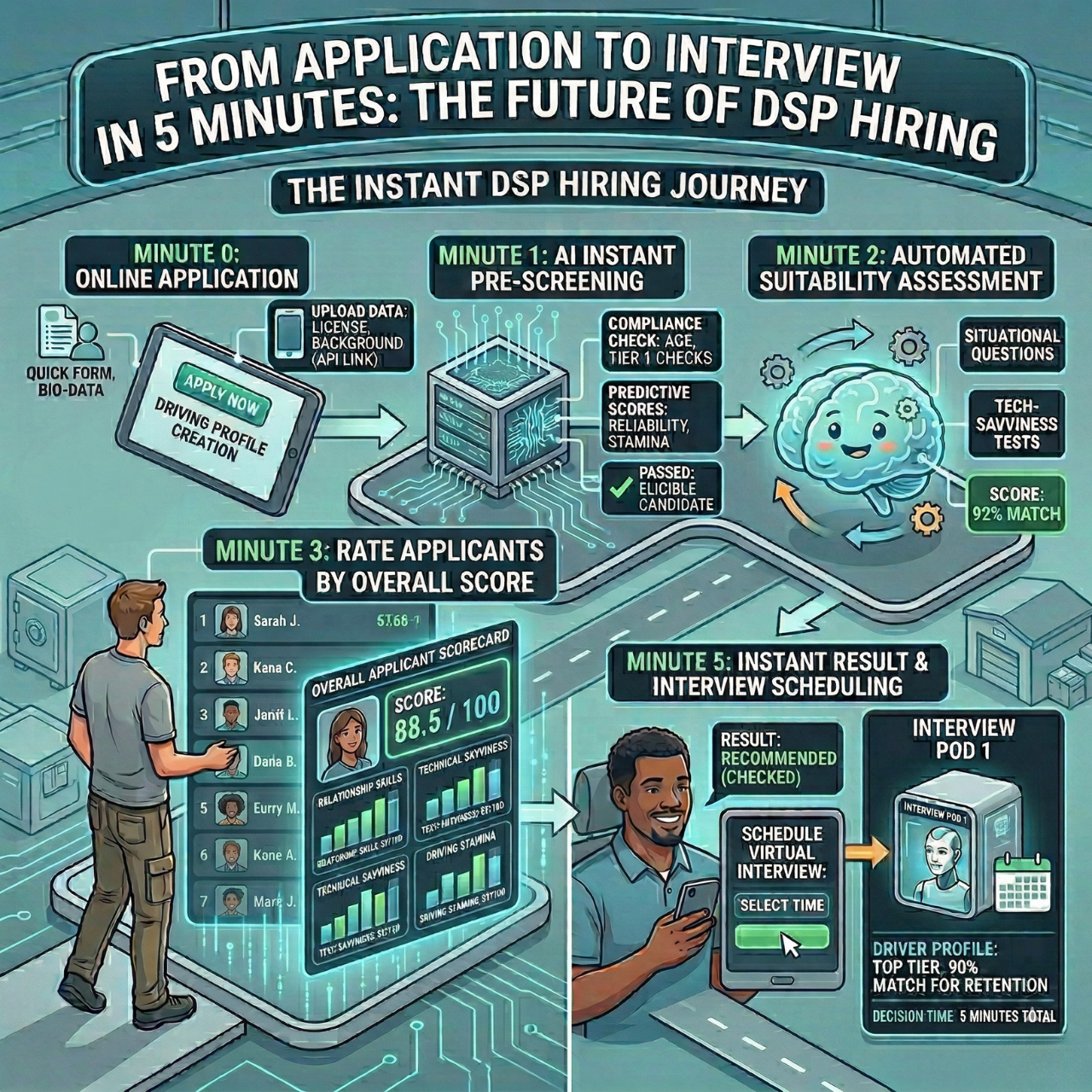
If you are wondering how to use AI in recruitment, start with the basics: automate what slows you down. AI hiring tools can screen resumes, score candidates, and schedule interviews so your team spends more time talking to qualified people and less time buried in admin work.
With HRMLESS, recruiters use AI to streamline pre-screening, reduce ghosting, and keep candidates engaged through 24/7 interviews and smart messaging. Your team gets real-time visibility into every stage of the funnel and can move the right people forward quickly.
In this guide, you’ll see how to use AI in recruitment across the full hiring journey: sourcing, screening, scheduling, interviewing, and measurement. By the end, you’ll know exactly where AI can make hiring faster, fairer, and easier to scale.
What Is AI in Recruitment?
AI in recruitment means using computer programs to help with hiring tasks. These tools can read resumes, rank candidates, schedule interviews, and even talk to applicants through chatbots.
You save time because AI handles routine work like screening applications or sending follow-up messages. This lets you focus on talking to top talent and making final hiring decisions.
AI is not about replacing recruiters but making your job easier and more accurate. It reduces mistakes and speeds up your workflow while helping you hire the best people faster.
Types of AI Technologies Used
Recruitment AI uses several key technologies:
- Resume Parsing: AI scans resumes to pull out important info like skills and experience automatically.
- Candidate Scoring: Systems rank applicants based on qualifications and fit for the role.
- Chatbots: These bots answer questions and conduct initial screening interviews.
- Automated Scheduling: AI coordinates interview times without back-and-forth emails.
- Predictive Analytics: Some tools predict candidate success by analyzing past hiring data.
All these technologies work together to speed up hiring tasks that usually take hours.
Key Benefits for Employers
AI tools bring real advantages to your hiring process:
- Speed: You reduce time-to-hire by automating screening and scheduling.
- Efficiency: Automation frees you from repetitive tasks and lets you handle more openings without stress.
- Better Candidate Quality: AI filters out less qualified candidates early, so you focus on the best fits.
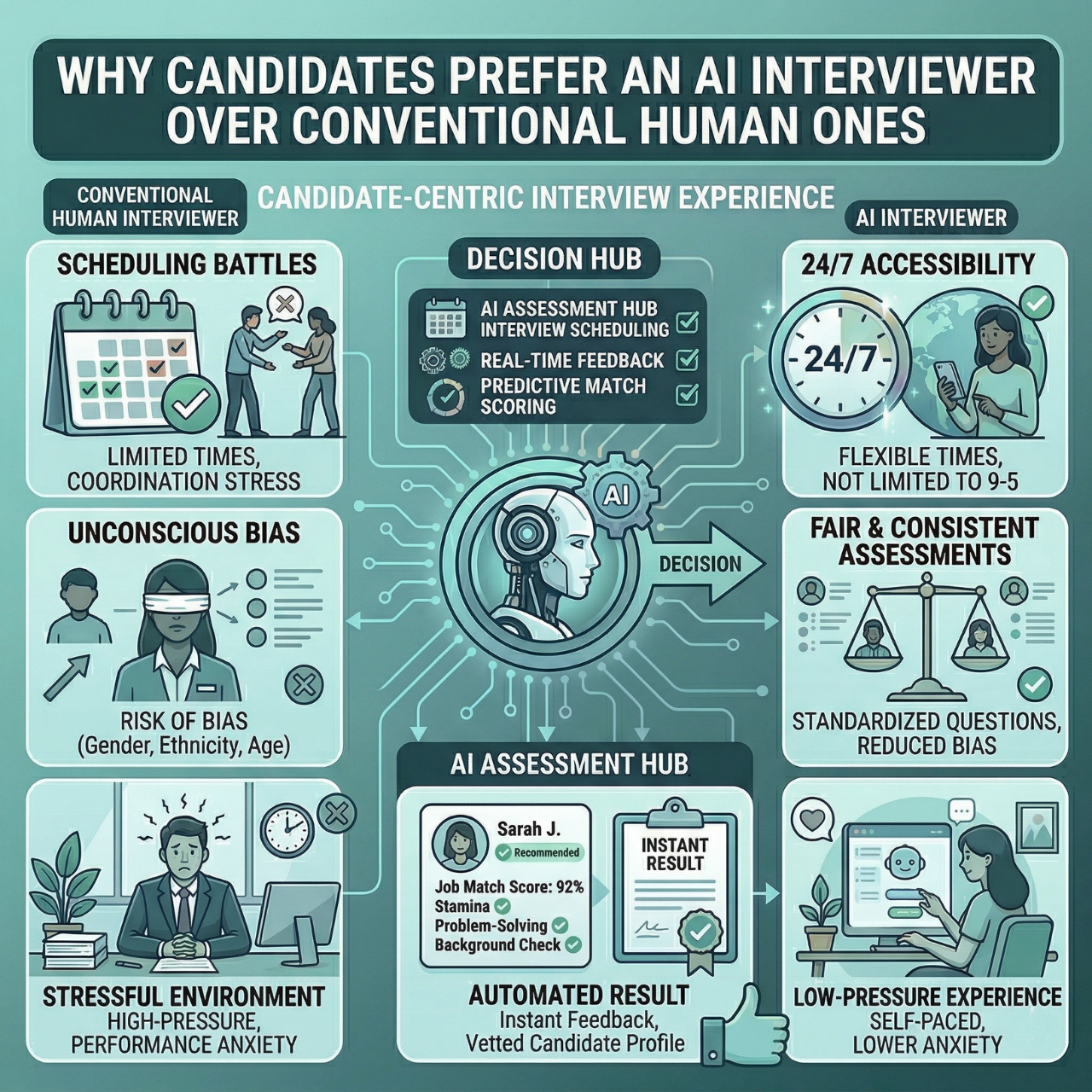
- Reduced Bias: Standardized scoring removes unconscious preferences from initial selections.
- Improved Engagement: Automated emails and texts keep candidates informed and reduce ghosting.
Implementing AI in the Hiring Process
Using AI in your recruitment means choosing the right tools, fitting them into your current setup, and setting clear goals. These steps help you automate hiring smoothly, save time, and improve candidate quality.
Selecting the Right AI Tools
Pick tools that match your hiring needs and scale with your business. Look for AI that automates key tasks like pre-screening candidates, scoring resumes, and scheduling interviews.
Make sure the tool integrates with your Applicant Tracking System (ATS) or Human Resource Information System (HRIS). This avoids extra work and keeps your data in one place. Also, consider features that reduce no-shows and ghosting, such as automated SMS or email nudges.
Integrating AI with Existing Systems
Connect AI tools to your current hiring platforms to keep workflows smooth. Proper integration means no disruption, and your team can trust the new system right away.
Ensure data flows between AI modules and your ATS effortlessly. This allows automatic updates on candidate status, reducing manual work and errors. Check that your AI partner supports multi-channel communication like text, email, and sometimes voice. This helps keep candidates engaged without extra effort from your team.
Focus on flexibility, and your AI system should grow with your hiring demands, whether you have 2 roles or 200 to fill.
Setting Clear Objectives
Define what you want AI to accomplish in your recruitment process. Clear goals guide you to choose relevant features and measure success. Examples of objectives include:
- Cutting time-to-hire by automating scheduling
- Reducing bias in candidate screening
- Increasing the quality of applicants through AI scoring
Set metrics like hours saved per hire and percentage reduction in no-shows. These help you track progress and justify AI investment.
AI Applications for Candidate Sourcing
Using AI in recruitment helps you find the right candidates faster and with less effort. It automates sorting resumes, matches candidates smartly to job needs, and broadens your reach to new talent pools.
Automated Resume Screening
AI tools scan resumes quickly to spot the most qualified candidates. Instead of reading every application, your system can rank resumes by skills, experience, and keywords that matter most.
This saves you hours of manual review. You focus only on top matches, reducing delays in the hiring process. Automated screening also removes biases by following clear criteria. This means you get a fairer, more consistent pool of candidates every time.
Intelligent Candidate Matching
AI matches candidates with open roles by analyzing their profiles against job descriptions with precise algorithms. This eliminates guesswork and speeds up your ability to find the right person.
The system ranks candidates not just by keywords but by experience levels and cultural fit signals. You get a list of suggested hires that fit your exact needs. By using AI-driven matching, you reduce low-quality interviews and increase the chance of hiring the right talent quickly.
Talent Pool Expansion
AI helps you tap into candidates beyond active job seekers. It scans platforms like LinkedIn and databases to find passive candidates who might not apply but fit your job.
This widens your reach, making it easier to fill roles in competitive markets or specialized fields. AI tools also keep track of previous applicants and recommend reaching out to promising talent later.
Expanding your talent pool this way leads to a stronger lineup of applicants and less time spent looking. Automation means you can source continuously without adding to your workload.
Enhancing Candidate Experience with AI
Using AI tools lets you create a smooth, fast, and personalized hiring journey. AI helps keep candidates informed, suggests the best job matches, and makes scheduling interviews easy. These improvements reduce confusion and make candidates more likely to stay engaged.
AI-Powered Chatbots for Communication
AI chatbots provide instant answers to candidates at any time. They can handle questions about job details, application status, and next steps without waiting for a human recruiter.
This quick response keeps candidates informed and reduces frustration. Chatbots guide candidates through the application process with clear steps. They also send reminders and updates automatically.
By using chatbots, you maintain constant communication, which lowers the risk of candidates dropping out.
Personalized Recommendations
AI analyzes candidate profiles, experience, and skills to suggest jobs that fit best. This helps you target roles where candidates are most likely to succeed and enjoy the work.
These recommendations improve as AI learns from past hiring data. It can spot patterns that recruiters might miss. This leads to better matches and saves you time sorting through unsuitable resumes.
Personalized job suggestions also make candidates feel valued. They see tailored options instead of generic listings. This personal touch increases the chance that candidates will apply and respond quickly.
Streamlining Interview Scheduling
Scheduling interviews can slow your hiring process and frustrate candidates. AI automates this step by offering available time slots based on your calendar and candidate preferences.
Candidates can directly book interviews without back-and-forth emails or calls. Automated scheduling tools reduce no-shows and lateness by sending reminders before the interview.
AI Assessment Tools for Interviews
AI tools help you assess candidates faster and with more fairness. They analyze behaviors and skills that might be missed in a traditional interview. Using these tools improves accuracy and saves time, letting you focus on the best prospects.
Video Interview Analysis
AI-powered video platforms review candidates’ facial expressions, tone, and body language. This lets you measure soft skills like confidence and emotional intelligence, which are hard to capture through resumes or tests.
These tools use machine learning to spot micro-expressions and voice cues. That gives you insights into how candidates might perform in the role beyond what they say. With automated scoring, bias is reduced, and interviews become more consistent. You can save hours by letting AI handle initial video reviews.
Skill and Aptitude Testing
AI-driven tests measure job-specific skills and mental abilities automatically. These assessments are tailored to the role, ensuring candidates meet key criteria before moving forward.
Such tests include coding challenges, problem-solving, and critical thinking exercises. AI scores results instantly and ranks candidates so you see who fits best without manual grading.
You can customize tests and adjust difficulty to match your company’s needs. Skill testing through AI also reduces unconscious bias by focusing solely on abilities, improving candidate quality.
Mitigating Bias and Ensuring Fairness
Using AI in recruitment can improve fairness if you actively manage bias. You need clear tools to find bias early and steps to promote diversity. These actions help you build a fair hiring process and improve outcomes for all candidates.
Bias Detection Algorithms
Bias detection algorithms scan your recruitment data to spot unfair patterns. They compare candidate outcomes by gender, race, or other traits.
When differences appear, these tools flag possible bias. You can then adjust AI models or data to correct these issues. This process includes pre-processing data checks and post-processing result reviews. Using Early detection saves time and avoids repeating errors.
Your AI can then treat all candidates fairly while matching job requirements.
Promoting Diversity and Inclusion
Promoting diversity means widening who gets a fair chance in your hiring. Use AI to remove indicators like names or schools that might trigger bias. Focus on candidates’ skills and potential instead.
You should also set diversity goals and track hiring results. AI can help by showing if some groups advance less often. Then, tweak your recruitment steps or candidate pools.
Measuring Recruitment Success with AI
You can track how well your hiring process works by focusing on clear data points and using that information to make smart changes. This helps you see if your AI tools are saving time, improving candidate quality, and cutting costs.
Key Performance Metrics
Measure success with straightforward numbers like time to hire, cost per hire, and candidate quality. Track how long it takes from when a job opens to when a candidate is hired. A shorter time shows your process is faster.
Cost per hire helps you see if AI tools save money compared to manual work. Candidate quality shows how well AI selects people who do well on the job. Look at candidate engagement rates, too. Higher engagement means your AI-powered messages and scheduling keep applicants interested.
Use dashboards that combine these metrics to get a clear picture. Then, set goals based on real data to improve your hiring outcomes.
Continuous Process Improvement
Use AI to spot hiring bottlenecks by analyzing real-time data. For example, if many candidates drop out after screening, review that step. Adjust AI settings like scoring filters to better match your ideal candidate profile. This helps you avoid wasting time on unqualified applicants.
Regularly review which parts of your process slow down hiring or cause candidate ghosting. Continuous improvement means using AI not just to hire faster, but to make each step smoother and fairer. Keep testing, measuring, and tweaking your process to get the best results consistently.
Challenges and Considerations
Using AI in recruitment brings clear benefits, but you must handle sensitive data carefully, help your team adapt, and follow laws about fairness and privacy. These areas need close attention to keep your hiring process secure, smooth, and legal.
Data Privacy and Security
You collect and process a lot of personal information during recruitment. Protecting this data is critical. Make sure your AI tools follow strict security rules to stop data breaches and unauthorized access. Use encryption, secure servers, and regular audits to keep candidate data safe.
Also, be transparent and tell applicants how you collect, store, and use their data. This builds trust and helps you meet regulations like GDPR or CCPA. When choosing AI software, check if it has strong privacy controls and clear data handling policies. Your platform should prioritize data security while automating candidate screening and scheduling.
Change Management for Teams
Introducing AI tools changes how your recruitment team works. Some may worry about job security or new technology. To avoid resistance, train your team early on how AI helps them save time and improve candidate quality.
Explain that AI handles repetitive tasks, like scoring resumes and scheduling interviews, so your recruiters can focus on human judgment and communication. Show how the technology reduces ghosting and speeds up hiring. Provide ongoing support and feedback channels.
Legal and Ethical Compliance
Recruitment AI must follow laws that prevent discrimination and bias. AI can accidentally favor or exclude certain groups if it learns from biased data.
You need to audit your AI tools regularly for fairness. Keep humans in the loop for final decisions. Balance automation with human judgment to catch errors AI might miss. This also helps maintain ethical hiring standards.
Know your local laws about AI in hiring, including rules some states set for transparency and fairness. Document your AI use to show compliance if needed.
Future Trends in AI-Driven Recruitment
AI in recruitment is evolving with new tools and bigger changes on the horizon. These advances will help you hire faster, reduce bias, and improve your candidate experience. The future includes smarter technologies and shifts in how hiring decisions are made.
Emerging Technologies
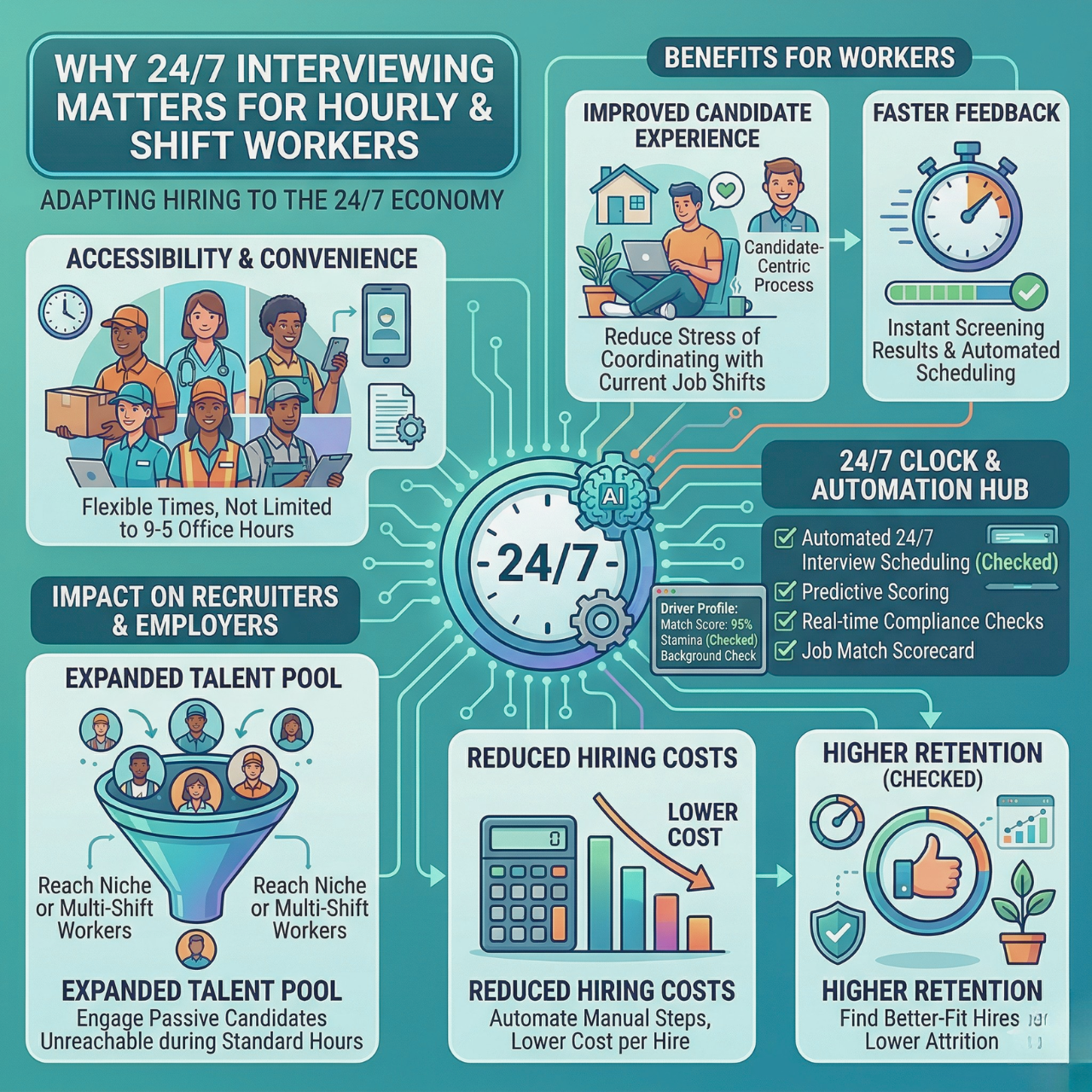
AI-driven tools are adding new features to speed up recruitment. Automated pre-screening evaluates candidates 24/7, so you don’t miss strong applicants.
Chatbots engage candidates instantly, answering questions and scheduling interviews without delay. Predictive analytics will help you forecast which candidates fit best based on skills and past hiring data.
Video interviewing combined with AI can analyze tone and body language, offering deeper insights. Soon, voice engagement tools will let candidates talk naturally with AI, making interviews easier and more human.
These technologies reduce admin work and improve candidate quality by focusing only on qualified applicants.
Predictions for the Hiring Landscape
Hiring will become faster and more skills-focused. AI will help you avoid unconscious bias by standardizing candidate scoring and predictions. This means fair and objective hiring decisions based on real data.
You can expect a drop in ghosting, thanks to automated candidate engagement through SMS and email nudges. AI will handle repetitive tasks. This frees you to focus on the personal side of recruitment.
Companies adopting AI tools will see shorter time-to-hire, often cutting it by over 60%. As these technologies grow, your team can scale hiring up or down without extra stress.
Turning AI Hiring into Everyday Practice
Using AI in recruitment is about more than new tools. It is a way to automate repetitive work, shorten time to hire, and improve candidate quality with consistent, data-driven decisions. When you apply it across sourcing, screening, and scheduling, hiring becomes faster and easier to manage.
The right platform shows you how to use AI in recruitment to cut manual steps, reduce bias, and keep candidates engaged from first touch to final offer. HRMLESS supports your team with always-on screening, smart routing, and clear visibility into every stage of the funnel.
If you are ready to streamline your hiring process and get better matches with less manual work, take the next step today. Book a demo and see exactly where AI can save time and lift the quality of every hire.
Frequently Asked Questions
How do I start using AI in recruitment for my company?
Begin by mapping your current hiring steps and spotting the tasks that take the most time, like resume screening or scheduling. Then pilot one or two tools that automate those tasks and integrate with your ATS. As you learn how to use AI in recruitment in your own workflow, you can expand to sourcing, assessments, and analytics.
Will AI replace recruiters in the hiring process?
No. AI is best at handling repetitive, rules-based work such as screening, scoring, and interview booking. Recruiters are still needed for relationship building, stakeholder alignment, and final hiring decisions. AI should support recruiters so they can focus on higher-value conversations with candidates and hiring managers.
How does AI help reduce bias in recruitment?
AI can apply consistent criteria at scale, which helps reduce the impact of individual preferences in early screening. When models are trained and audited carefully, they can flag patterns that suggest unfair outcomes and highlight where changes are needed. You still need human oversight, clear policies, and regular reviews to keep the process fair.
What metrics should I track to measure AI’s impact on hiring?
Focus on time to hire, cost per hire, and candidate quality after implementation. You should also track candidate engagement, such as response rates and no-show rates, to see if automated messaging and scheduling are working. Over time, compare these metrics to your pre-AI baseline to prove where the tools add value.
Is AI in recruitment suitable for smaller teams or only large enterprises?
AI hiring tools can benefit teams of almost any size, from a few open roles to large, high-volume hiring. Smaller teams gain leverage by automating manual tasks they do not have time for, while larger teams use AI to manage scale and consistency. The key is to pick solutions that fit your volume, budget, and tech stack.
Featured

Subscribe to ournewsletter
Related posts
Explore the world of photography with our curated selection of
portfolio websites that showcase creativity and innovation.