

Voice AI Interviews: How Technology Is Transforming Hiring
Learn the future of voice AI interviews and how they speed screening, cut scheduling delays, and improve candidate experience in modern hiring.

The future of voice AI interviews is rising fast because hiring teams are stuck with slow screening, calendar chaos, and too many drop-offs. When the first conversation takes days to schedule, qualified people move on.
HRMLESS helps teams reduce that friction with 24/7 voice conversations that automate early screening and scheduling while keeping the process clear for candidates. You get faster first-touch, more consistent evaluation, and fewer missed connections.
This guide breaks down what voice AI interviews are, how they work, where they fit in your process, and the key risks to manage. You’ll also see practical ways to use them to speed up hiring without losing human judgment.
What Is Voice AI in Interviews?
Voice AI in interviews uses smart tech to run parts of the hiring process through real, spoken conversations. It steps in for things like screening, asking questions, and managing schedules. The whole thing moves faster and feels more engaging, yet it stays simple and fair for everyone. No need for endless email chains or awkward phone calls.
Core Technologies Powering Voice AI
Voice AI stands on a few big pillars. First, speech recognition turns what candidates say into text so you can actually use it.
Then, natural language processing (NLP) helps the system get what people mean and gives back replies that sound human. Machine learning keeps the AI sharp by learning from every interview, so it gets better at scoring and ranking candidates.
These tools let the AI have conversations that actually feel like conversations—not just a script. It listens, understands, and responds, making interviews smoother for both sides.
How Voice AI Differs From Traditional Interview Methods
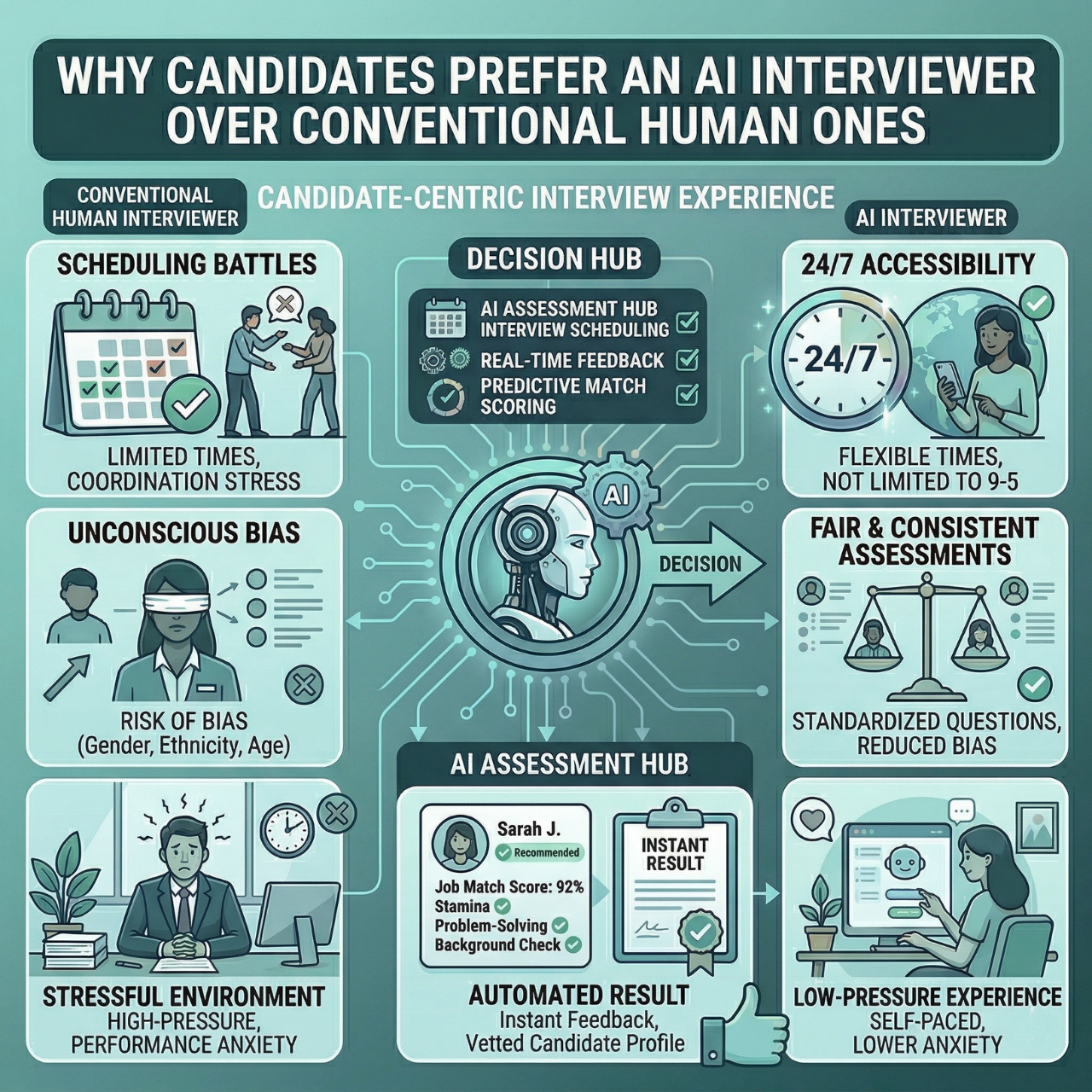
Traditional interviews? You or your team have to show up live and ask questions. Voice AI interviews run whenever, no interviewer needed.
Candidates talk to the AI, which guides them through the process at their own pace. No more juggling schedules or chasing people down.
This approach also reduces bias because AI scores answers using data, not gut feelings. You still call the shots on who moves forward, but you get the results fast and fair.
Key Benefits for Employers and Candidates
Voice AI interviews take repetitive stuff like pre-screening and scheduling off your plate. Users often save more than two hours per hire, which adds up.
Candidates get flexible interview times and clear communication through SMS or email. That means less ghosting and a smoother process for everyone.
Top talent moves through the funnel faster, and you can handle more roles without burning out. It’s a win-win, honestly.
Evolution of Voice AI in Recruitment
Voice AI has totally changed how recruiters and candidates connect. What started as a basic tool is now a smart system that saves time and actually makes hiring better.
There were some bumps in the early days, but now you see progress everywhere: early experiments, big leaps forward, and more companies jumping on board.
Early Adoption and Lessons Learned
Voice AI began as simple bots mostly used for scheduling. Early users noticed these saved time, but conversations felt stiff and robotic.
Candidates sometimes got frustrated when the bots only handled yes/no answers. Recruiters realized that making conversations feel human mattered a lot.
So, developers worked on making the AI understand real language and handle more flexible answers. Mixing voice AI with other steps, like resume screening, made everything smoother.
Key Milestones in Voice AI Interview Development
After some trial and error, progress took off. Voice AI learned to handle open-ended questions and even analyze tone and pacing.
Adding automated scheduling and scoring was a game-changer. The AI started ranking candidates, not just talking to them. This made hiring faster and based on real data.
Looking ahead, there’s even more on the horizon. Voice engagement is evolving so candidates can speak naturally anytime, bringing a real human touch to AI interviews.
Milestone
Impact
Basic voice scheduling bots
Saved time, limited interaction
Natural language processing
More engaging, flexible interviews
Automated scoring & scheduling
Faster hiring, better candidate fit
Real-time voice engagement
Future-ready, human-like AI
Growing Industry Acceptance
More companies are trusting voice AI for hiring, especially in industries with tons of applicants like retail and healthcare. The benefits are clear: faster interviews, less bias, and better communication.
Candidates seem to like it too. Many prefer early AI screenings because they can do interviews whenever it fits their schedule. That flexibility keeps more people in the process and cuts down on no-shows.
For recruiters, voice AI automates the routine stuff so you can focus on real conversations. The technology scales up easily, so you can handle hundreds of openings without burning out. It’s only a matter of time before voice AI is just the standard way things are done.
Current Applications of Voice AI Interviews
Voice AI interviews take the grunt work out of recruiting. Candidates talk naturally, and you get quick, clear data to help you decide who’s worth your time.
These tools are perfect for remote work and global hiring, keeping you efficient and connected no matter where you or your candidates are.
Automated Candidate Screening
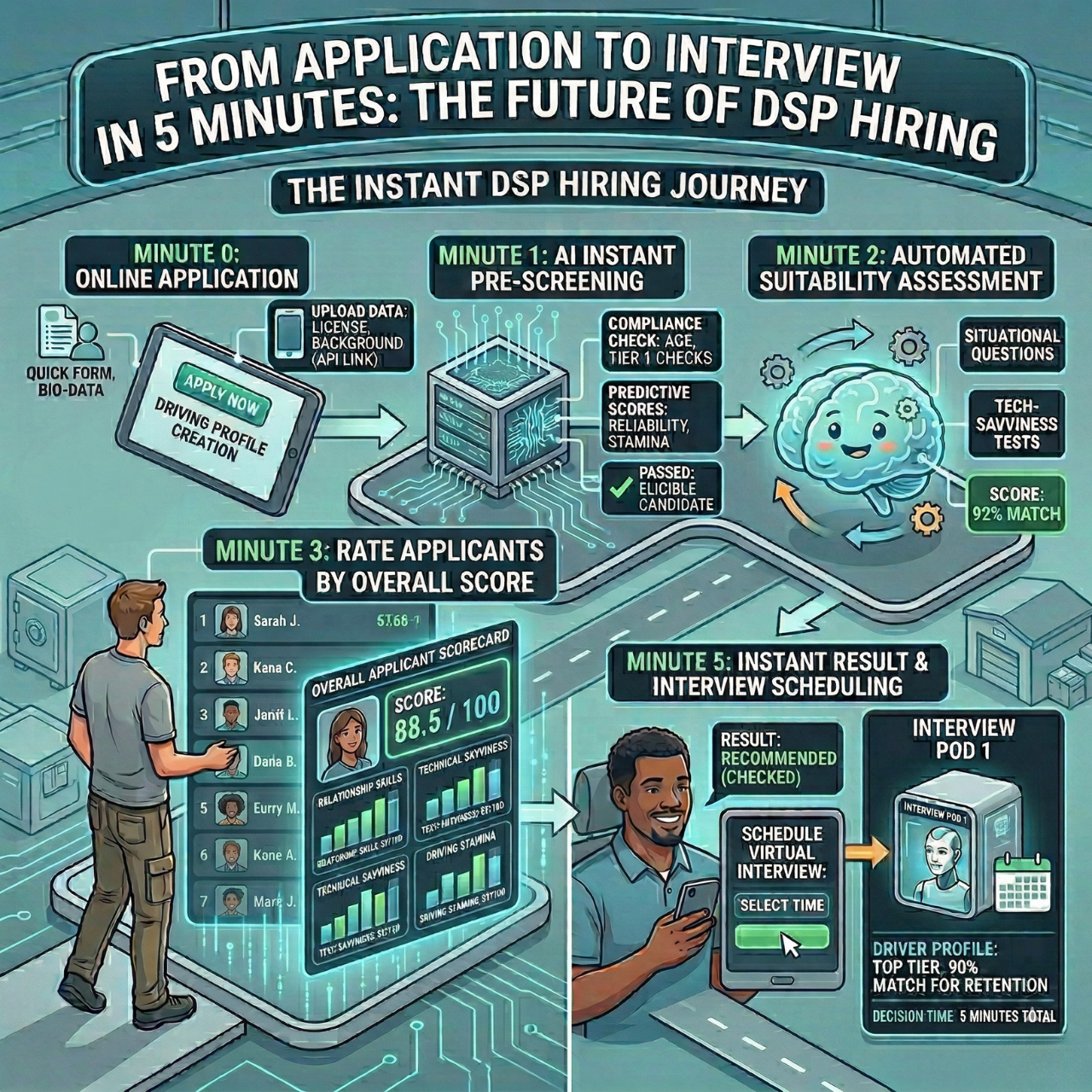
Voice AI handles screening chats for you. It asks preset questions and listens to answers whenever candidates are ready; no more late nights sifting through resumes.
The AI scores answers based on your criteria, pulling out the best candidates so you can focus on quality. This lowers bias and keeps candidates engaged right from the start.
Example benefits:
- Screen more candidates, way faster
- Get instant feedback and scoring
- Automate scheduling right alongside screening
Automating these steps can save you a couple hoof urs per hire. That’s not nothing.
Real-Time Voice Analysis
Modern voice AI listens for more than just words. It picks up on tone, pace, and clarity to spot confidence, enthusiasm, or maybe even nerves.
You get data that goes way beyond keywords, which helps you spot soft skills and culture fit early. Real-time analysis means you can tweak your shortlist as you go.
With voice engagement, candidates feel like they’re having a real conversation. It keeps things comfortable and natural, which is good for everyone.
Remote Interview Solutions
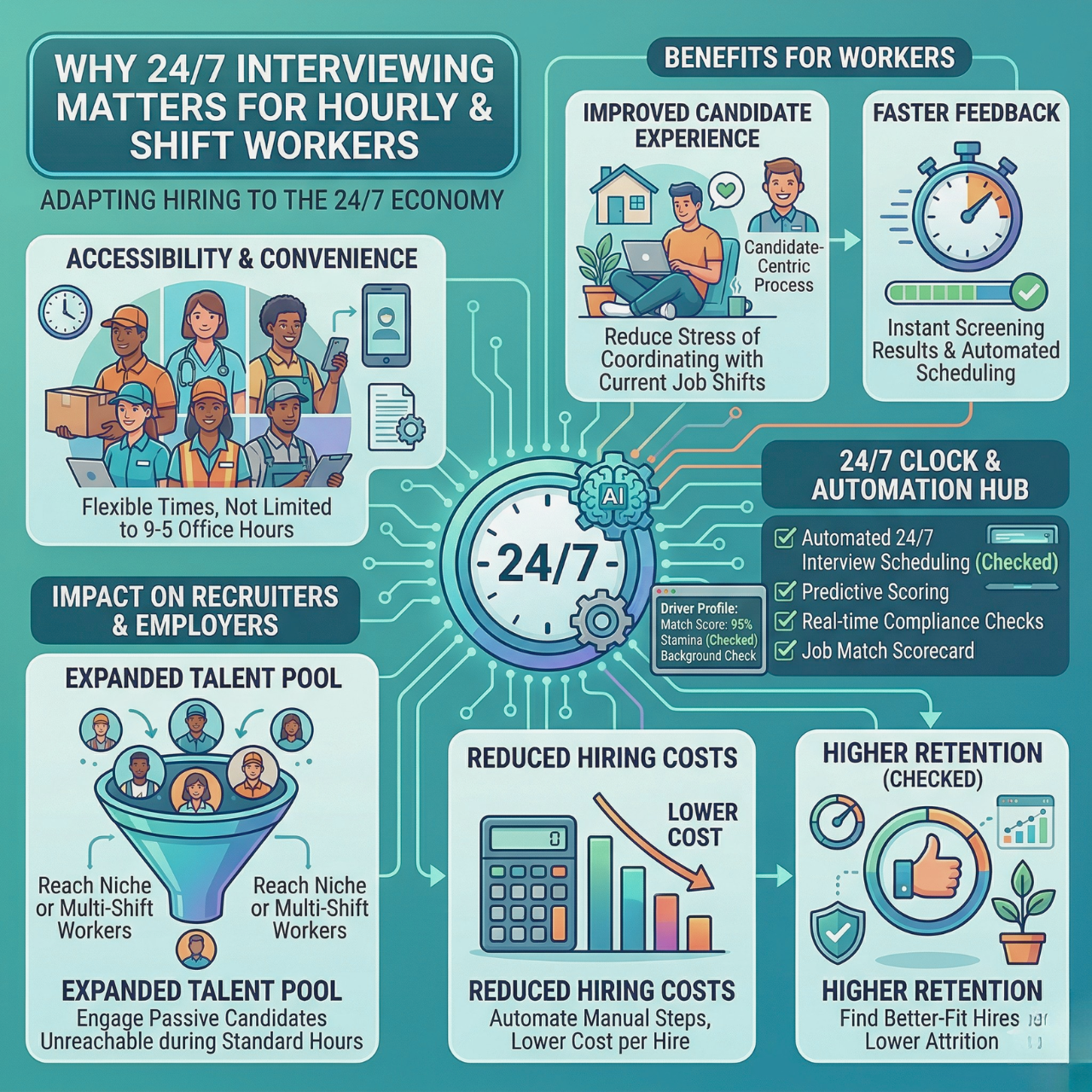
Voice AI makes interviews possible across any time zone, no problem. Candidates interview when it works for them, and you get responses instantly.
Automated scheduling cuts down on no-shows by inviting only candidates who are actually interested. You get real-time alerts and can adjust your hiring pace on the fly.
This is huge if you’re juggling a lot of roles or a big pool of applicants. It keeps your process moving without overloading your team.
Emerging Trends in Voice AI Interview Technology
Voice AI is moving fast—smarter, easier, and even a bit more human. New tech helps you get a better read on candidates, blend different types of data, and even pick up on emotions during interviews. These changes are making the hiring process not just faster, but a lot more accurate.
Natural Language Understanding Advancements
Voice AI now gets natural speech way better than before. It can handle different accents, slang, and weird sentence structures that trip up older systems.
The tech also digs into the meaning behind words, not just the words themselves. That means you get better insights into how candidates think and communicate.
For you, this means quicker screening with fewer mistakes. Interviews feel way less robotic, which is a relief.
Integration With Video and Multi-Modal Assessments
Voice AI interviews aren’t just about audio anymore. You can add video, facial expressions, and even body language to get a fuller sense of who someone is.
Mixing voice with video gives you multi-modal assessments. That means you see confidence, engagement, and professionalism from every angle. For example:
- Video shows posture and eye contact
- Voice tone picks up on enthusiasm or nerves
- Text answers fill in the details
Using all these signals together helps reduce bias and makes remote interviews feel more interactive. New features are rolling out soon to speed up hiring while keeping quality high.
AI-Driven Emotional Intelligence Assessment
Emotion AI is joining the mix to spot feelings in a candidate’s voice. It looks for stress, confidence, or excitement in tone, pace, and volume.
This helps you see how someone might handle pressure or work with others. It can also flag answers where a candidate sounds unsure or insincere.
Adding this layer means you’re not just judging words; you’re getting a fuller picture. It’s a little more human, which is never a bad thing.
When you pair emotional assessment with automated scoring, you can focus on candidates who really fit your team and culture. That’s what matters, right?
Ethical Considerations and Challenges
Using voice AI for interviews brings up some big questions around fairness, data safety, and how much candidates actually know about what’s happening. If you want to build trust and get better hiring results, you have to tackle these head-on.
Bias and Fairness in AI-Driven Interviews
AI learns from data, and if your data is biased, the AI can make unfair decisions. Some groups could get screened out for reasons that have nothing to do with their skills.
To keep things fair, you need diverse training data and regular audits. AI should never confuse accent or speech style for ability.
Staying on top of this means you can trust your hiring decisions are based on what actually matters: skills and fit, not something random.
Data Privacy and Security
Voice AI interviews collect sensitive info—audio, personal answers, all that. You have to keep it safe, period.
Store it securely, follow privacy laws, and make sure only the right people can access it. Data should always be encrypted.
Candidates deserve to know how their data is used and have some control over it. If you’re not transparent, it’s going to come back to bite you.
Building trust here isn’t just about compliance—it’s about doing the right thing for your candidates and your company.
Building Trust with Transparent AI Interviews
Candidates want to know how AI affects their interview and hiring chances. If you don’t give clear explanations, it’s easy for them to feel uneasy or even distrustful about the process.
Explain what AI does, what it measures, and how you make decisions. Showing that AI can help remove human bias goes a long way in boosting confidence.
Let candidates ask questions or request a human follow-up if they need it. This kind of openness is what actually creates a positive experience.
When you communicate clearly about AI interviews, candidates are more likely to engage and accept the results.
What’s Next for Voice AI Interviews?
Voice AI interviews are getting smarter and more flexible. They’ll start adapting to each candidate’s style, work across languages, and make hiring easier for everyone.
Personalization and Adaptive Interviewing
Voice AI can tailor questions based on how candidates answer. It learns which areas to dig into and which to skip, giving you better candidate insights without piling on extra work.
Candidates will notice that interviews adapt to their pace and responses. That smoother experience helps you spot top talent faster.
Adaptive interviewing can even pick up on stress or hesitation in someone’s voice. This adds another layer to how you evaluate people—goes way beyond just their words. You’ll save time by focusing on the right questions and the right candidates.
Breaking Language Barriers and Embracing Diversity
Voice AI will soon handle interviews in lots of languages, not just the big ones. That breaks down language barriers and opens your hiring pool to the whole world.
It’ll start recognizing cultural differences in how people communicate, making assessments fairer and more accurate. That’s a real step forward for diversity.
As AI gets better at understanding accents and dialects, more candidates get a real shot. You can reach global talent without needing translators or expensive setups.
Making Interviews Accessible for Everyone
Voice AI interviews are making hiring more accessible for people with disabilities. Speech-based systems help those who struggle with typing or reading.
Turn on features like adjustable speech speed, repeatable questions, or alternative input methods. These tools support candidates with speech or hearing impairments, too.
When you improve accessibility, you see fewer dropouts and stronger engagement. Making interviews simple and inclusive means nobody gets left out.
How Voice AI is Shaking Up Recruitment
Voice AI interviews are changing how hiring teams work. You get to make faster decisions and reach more candidates worldwide, while automation takes care of routine stuff.
How Recruiters’ Jobs Are Evolving
With voice AI doing pre-screening and first-round interviews, your role shifts. Instead of manual screening, you focus on strategic decisions.
AI asks consistent questions, scores responses, and highlights top talent. That means you spend less time sorting resumes and more time connecting with the best people.
Your focus moves toward building relationships, understanding culture fit, and making final calls. Let AI do the heavy lifting early on—use your skills where judgment matters most.
Speeding Up and Smartening Up Hiring Decisions
AI voice interviews speed up hiring by automating scheduling and screening, anytime. You get real-time insights on candidate engagement and performance, based on preset criteria like communication skills.
This cuts down wait times and drop-offs, boosting candidate experience and your time-to-hire numbers. When tools score and filter candidates instantly, you only spend time on qualified prospects. Faster reviews mean quicker offers and less chance of losing top talent.
Hiring Beyond Borders: Expanding Your Talent Pool
Voice AI interviews break down time and location barriers. Candidates can do interviews whenever, wherever—no more juggling schedules or travel headaches.
This opens your reach to more diverse and distant talent. You hire beyond local limits, building stronger teams with all kinds of experiences. Automated language and cultural adjustments in AI interviews help keep things fair and smooth.
Getting Ready for the Next Wave of Voice AI Interviews
You’ll need some new skills to thrive in voice AI interviews. Companies should prepare by adopting clear policies and smart tools. AI systems also have to keep evolving to stay accurate and fair.
What Candidates Can Do to Stand Out
If you want to do well in voice AI interviews, practice speaking clearly and confidently. AI pays close attention to how you explain your experience and answer questions.
Work on your communication—tone, pace, all of it—so you come across as natural and engaged. Try mock voice interviews to get comfortable with the tech. This will ease your nerves and help you get used to AI platforms.
Prepare concise answers that fit typical AI question formats. Being comfortable with automated, on-demand interviews helps you stand out.
Pay attention to feedback from AI systems if you get it. These clues tell you what skills matter most, so you can improve faster. Voice AI may also test problem-solving or behavioral skills, so having stories ready is smart.
How Companies Can Prepare for AI Interviews
Give candidates clear instructions on how AI interviews work. Being transparent about AI’s role builds trust and cuts down on candidate anxiety.
Use tools that schedule across time zones, so candidates can interview when it works for them. Choose AI that focuses on skills and data, not demographics; this reduces bias and improves candidate quality.
Automate pre-screening, scoring, and scheduling to save hours per hire, but keep candidates engaged. Train your HR staff to use AI insights for fair decisions. Integrate AI with your ATS to streamline hiring without adding extra steps.
Keeping AI Interviews Fresh and Fair
AI interview systems should keep learning from every interview to get more accurate. They need updates to understand new language trends, accents, and even slang.
Regular reviews help catch bias early and let the system recalibrate by comparing candidate results with real-world job performance. AI needs ongoing fine-tuning based on recruiter feedback and candidate responses.
Letting candidates speak naturally adds a more human feel—and more data points for better evaluation. Continuous training keeps AI fair, quick, and helpful for everyone.
Faster Hiring Without the Usual Friction
The future of voice AI interviews solves the biggest hiring pain points: slow screening, scheduling delays, and candidate drop-off. Automating early conversations helps teams move faster, stay consistent, and focus time on qualified talent instead of logistics.
HRMLESS supports this shift by handling pre-screening and scheduling through voice AI, so recruiters spend less time chasing calendars and more time making confident decisions.
If your team is losing candidates before the first real conversation, it’s time to rethink the process. Book a demo and see how voice AI interviews can speed up hiring without losing the human touch.
Frequently Asked Questions
How will voice AI evolve in job interviews?
Voice AI will sound more natural and human-like. It’ll handle more of the interview process from start to finish, including answering candidate questions and giving instant feedback. You’ll be able to run interviews anytime, no recruiter needed.
What’s coming next for voice AI in employment screening?
Future voice AI will pick up on tone, mood, and clarity, helping assess fit beyond just what’s said. Automated scoring and consistent questions will make screening faster and more reliable. This technology will cut down on manual tasks like scheduling and scoring.
Can voice AI actually make recruitment fairer?
Absolutely. Voice AI asks every candidate the same questions and scores answers consistently, without unconscious bias. This creates a fairer process and gives everyone a real shot. It tracks data so you can check for bias and keep things on track.
How does voice AI help job seekers during interviews?
Candidates can interview whenever works for them—even late at night or on weekends. Voice AI guides them through questions clearly and lets them speak naturally, which is a lot more relaxed than typing or video calls. Reminders and follow-ups keep candidates in the loop and engaged.
What about the ethics of using voice AI in interviews?
You’ve got to be upfront with candidates about how you use AI in interviews. Keep data private and secure. Don’t rely on AI alone—use it to support human decision-making and respect candidate rights. Transparency is key to building trust and fairness.
Featured

Subscribe to ournewsletter
Related posts
Explore the world of photography with our curated selection of
portfolio websites that showcase creativity and innovation.