

What Are the Best AI Recruitment Tools in 2026?
Hiring today is harder than it should be. Recruiters spend hours reviewing resumes, coordinating schedules, and chasing candidates who disappear mid-process. If you’re wondering what the best AI recruitment tools are, chances are you’re trying to cut hiring time without sacrificing quality.
Modern AI recruitment tools solve these pain points by automating screening, scheduling, and candidate engagement. Platforms like HRMLESS help teams move faster, stay organized, and focus on meaningful conversations instead of repetitive admin work.
In this guide, you’ll learn what AI recruitment tools actually do, which features matter most, and how to choose the right solution for your hiring goals in 2026.
What Are AI Recruitment Tools?
AI recruitment tools use artificial intelligence to automate and improve the hiring process. They help you find better candidates, and they cut down on the tedious stuff.
These systems learn from your data. Feed them info about your best hires, and they’ll get better at spotting similar people. Machine learning algorithms can plow through thousands of resumes in seconds; something that would take a human team days.
Core features include:
- Automated candidate sourcing from job boards and social media
- Resume screening and ranking
- Chatbots for answering candidate questions
- Interview scheduling tools
- Predictive analytics for hiring success
You can plug these tools right into your current hiring workflow. No need to be a tech wizard.
How AI Is Transforming Recruitment
AI takes repetitive tasks off your plate. Instead of reading hundreds of resumes, you get a shortlist of the most qualified people. You can reach a more diverse pool of candidates this way. AI tools scan across multiple platforms and screen based on skills and qualifications, not gut feelings.
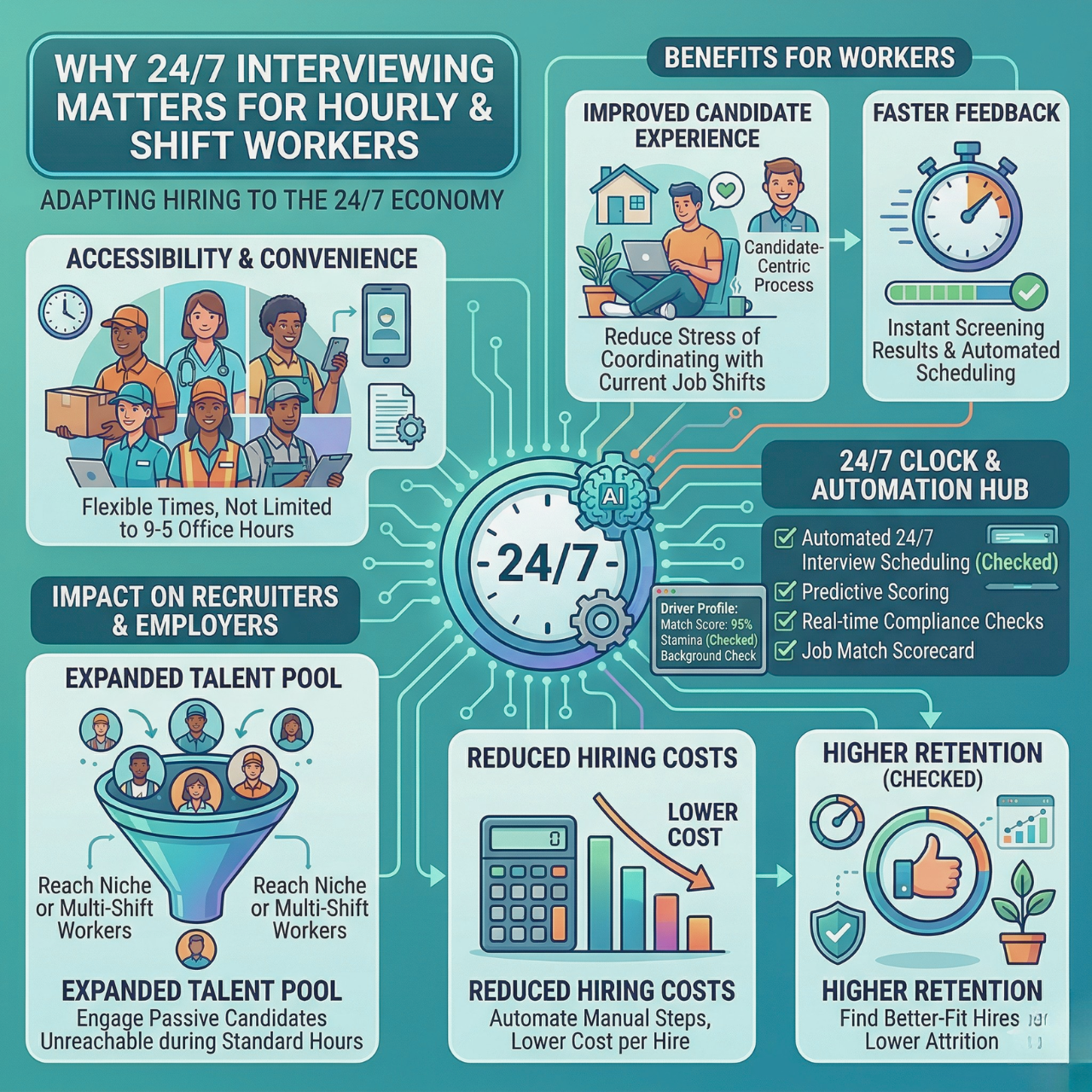
Speed is a big deal, too. What used to take weeks now happens in days. Chatbots engage with candidates 24/7, so applicants get instant answers instead of waiting for your team. AI also predicts which candidates will do well in a role. It looks for patterns from your past hires to figure out what works.
Key Benefits for Employers and Candidates
If you’re an employer:
- Save time: Automation can handle up to 75% of your initial screening
- Cut costs: Faster hiring means lower cost per hire
- Better quality: Data-driven decisions lead to stronger matches
- Scale up: Handle more applications without growing your team
For candidates:
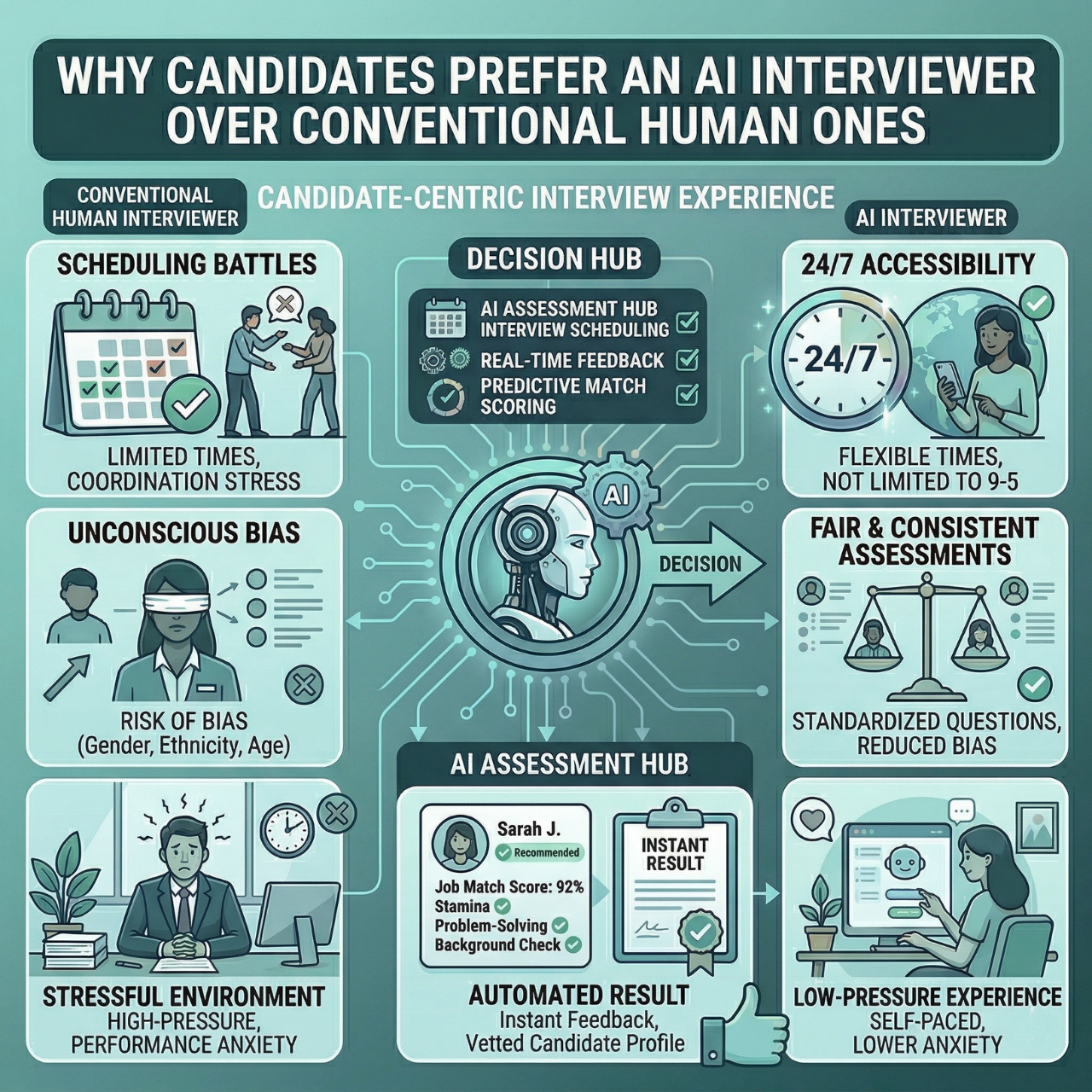
- Faster replies to applications
- More transparent processes
- Jobs matched to their skills
- 24/7 access to info via chatbots
You’ll spot red flags early and spend more time building relationships with top candidates instead of drowning in paperwork. The tools also track your hiring metrics, so you’ll know what’s actually working.
Essential Features of the Best AI Recruitment Tools
The best AI recruitment tools have a few things in common. They make hiring faster, more accurate, and a whole lot less painful for everyone.
Automated Candidate Sourcing
AI tools can search job boards, social media, and professional networks to find folks who match your needs. No more endless scrolling through profiles. They use algorithms to spot people with the right skills and experience - even passive candidates who aren’t actively job hunting.
The more you use the tool, the smarter it gets. It learns what works for your company, so you get better matches over time. Some platforms even reach out to potential candidates with personalized messages, saving you hours of outreach time.
Resume Screening Using AI
AI-powered resume screening sorts applications in minutes. The tech scans for keywords, skills, certifications, and work history that fit your job.
You set the criteria, and the AI ranks candidates accordingly. That way, you start with the most qualified people. The system screens everyone using the same standards, which helps reduce bias.
Modern AI can recognize context, not just keywords. It’ll spot related skills and equivalent experience, so you don’t miss good candidates who describe their work differently.
AI-Driven Interview Scheduling
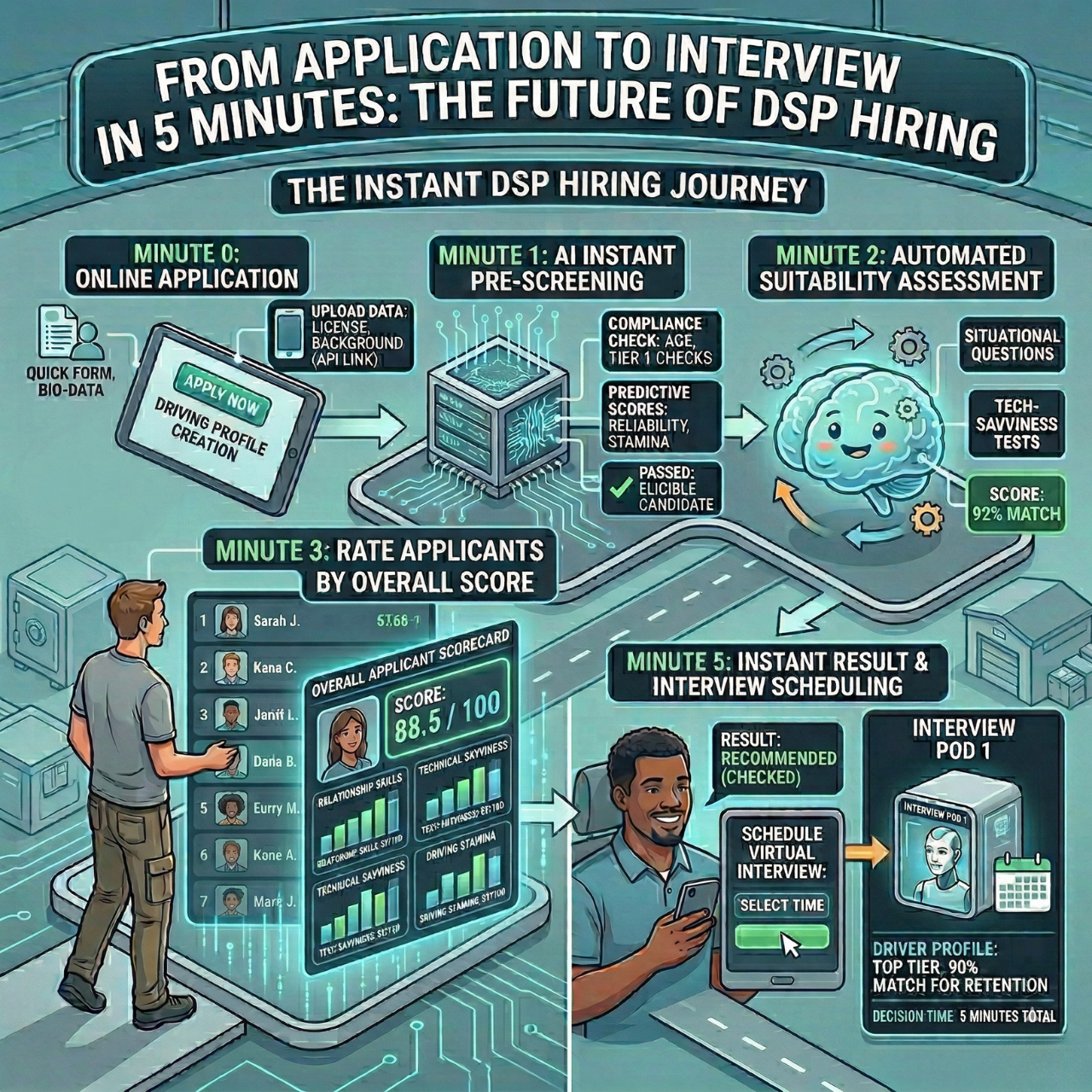
Interview scheduling tools take the back-and-forth out of setting up meetings. The AI checks your calendar and the candidate’s, then finds a time that works.
You pick your preferred slots, and the system handles the rest: sending invites, confirming appointments, and sending reminders to reduce no-shows.
It can handle multiple rounds and coordinate schedules across your whole team. No more email chains. Some platforms plug into video conferencing tools for virtual interviews and handle rescheduling if something changes.
Personalized Candidate Engagement
AI helps you stay in touch with candidates in a way that feels personal. It sends custom emails based on where they are in your process.
Chatbots answer questions 24/7 about your company, the job, and next steps. No one waits for business hours. You can keep candidates updated on their status automatically, so no one feels ghosted. The system can also ask for feedback, giving you a chance to improve your process and keep your employer brand strong.
How to Choose the Right AI Recruitment Tool
Choosing the right AI recruitment tool depends on your hiring headaches, how easy the platform is to use, and whether it plays nice with your current software.
Assessing Organization Needs
First, figure out what’s eating up your recruiting time. Is it a resume screening? Finding qualified people? Or maybe interview scheduling is the real time sink.
Different tools solve different problems. Some focus on screening and matching, others on sourcing, and a few handle interview logistics or candidate engagement.
Think about your team size and how many people you hire. Small teams might want simple, all-in-one tools. Bigger orgs usually need advanced features like custom workflows or analytics.
Budget matters. Free tools can handle basics, but paid platforms bring automation and smarter matching. Enterprise solutions get pricey but can handle complex needs.
Evaluating User Experience
Your team needs to actually use the tool for it to work. If the interface is clunky, people will avoid it. Try before you buy. Most vendors offer free trials or demos. See how fast you can screen candidates and whether the dashboard makes sense.
Look for clear explanations behind AI decisions. You’ll want to know why the tool ranked someone higher - this builds trust and helps you explain choices to hiring managers. If your team works remotely, mobile access is a must. Make sure the tool works well on phones and tablets.
Integration With Existing Systems
Your AI recruiting tool should connect with the software you already use. Otherwise, you’ll end up with more manual work.
Check if it syncs with your applicant tracking system (ATS), HR software, and email platform. The best tools automatically update candidate info.
If you need custom connections, look for API access. Flexibility helps as your tech stack changes. Ask about help with moving your existing data. Some vendors assist with migration, while others leave you to figure it out on your own.
Trends and Future Developments in AI Recruiting
AI recruiting tech is moving fast. Smarter language processing, better fairness controls, and new ways to find and assess talent are all changing the game.
Advancements in Natural Language Processing
Natural language processing (NLP) is getting way better at understanding what candidates actually mean. Your AI tools can now pick up on skills and experience, even if the wording is different from your job description.
Chatbots are having more natural conversations. They can answer complex questions about roles, culture, or benefits without sounding robotic. They can even pick up on candidate concerns during the screening process.
AI is starting to analyze video interviews for communication skills and cultural fit. It looks at word choice, how candidates speak, and how they express ideas - giving you insight beyond just their answers.
Ethical Considerations and Bias Reduction
Bias in AI recruiting is still a big issue. These tools learn from your past hiring data, which might include old biases. If you’re not careful, they can repeat or even amplify those patterns.
Some ways to reduce bias:
- Regularly audit your AI tools for unfair outcomes
- Train systems with diverse data
- Remove identifying info from applications early on
- Test algorithms across different groups
- Keep humans in the loop for final decisions
Many companies now require transparency reports from AI vendors. These show how the tools make decisions and whether any groups are disadvantaged. You should definitely ask for this info before picking a platform.
Predictions for AI in Talent Acquisition
AI will keep picking up the repetitive stuff, freeing you to focus on people. Expect tools that source candidates from everywhere, schedule interviews automatically, and send personalized outreach at scale.
Predictive analytics will help you figure out which candidates are most likely to accept offers and stick around. These systems analyze your hiring history to identify what drives retention and strong performance.
We’ll probably see more immersive assessments - realistic job simulations or problem-solving exercises that AI evaluates instantly. It’s a more objective way to measure skills and give candidates a taste of the work.
Hire Faster Without the Hiring Headaches
Hiring delays, resume overload, and candidate drop-off slow teams down. The best AI recruitment tools reduce manual work, speed up screening, and help you focus on qualified candidates instead of admin tasks.
With platforms like HRMLESS, recruiting teams can automate the most time-consuming steps while keeping hiring decisions human, data-informed, and consistent.
Ready to simplify your hiring process? Book a Demo and see how AI can help you hire faster with less friction.
Frequently Asked Questions
What Are the Best AI Recruitment Tools Used for?
The best AI recruitment tools help automate sourcing, resume screening, interview scheduling, and candidate communication. They reduce manual work and speed up hiring.
How Do AI Recruitment Tools Improve Hiring Speed?
AI recruitment tools screen resumes in minutes, schedule interviews automatically, and engage candidates around the clock. This can cut days or weeks from the hiring process.
Are AI Recruitment Tools Suitable for Small Teams?
Yes. Many platforms offer flexible pricing and lightweight features designed for small or growing teams. You can start with core automation and scale as hiring needs grow.
Do AI Recruitment Tools Replace Recruiters?
No. AI recruitment tools handle repetitive tasks, but recruiters still make final decisions. The goal is to support recruiters, not replace human judgment.
Can AI Recruitment Tools Help Reduce Bias?
AI recruitment tools can help reduce bias by screening candidates using consistent criteria. However, teams should regularly review results and keep humans involved.
How Do AI Recruitment Tools Integrate With ATS Platforms?
Most AI recruitment tools integrate directly with applicant tracking systems. This keeps candidate data synced and reduces manual data entry.
Are AI Recruitment Tools Worth the Cost?
For most teams, yes. Saving several hours per week, reducing time to hire, and improving candidate experience often offsets the software cost quickly.
Featured

Subscribe to ournewsletter
Related posts
Explore the world of photography with our curated selection of
portfolio websites that showcase creativity and innovation.