

AI in Retail Hiring: What’s Actually Changing Recruitment
Learn how AI in retail hiring speeds screening, cuts no-shows, and improves fit with practical tools, risks, and best practices.

Retail teams are under constant pressure to hire fast without sacrificing quality. High applicant volume, no-shows, and manual screening slow everything down. That’s why AI in retail hiring is gaining traction as a way to reduce delays and keep stores staffed.
With tools like automated screening, interview scheduling, and real-time candidate messaging, platforms such as HRMLESS help retailers cut admin work and move qualified people forward faster. The focus is simple: speed up hiring, reduce drop-off, and improve fit without adding headcount.
This guide breaks down how AI actually works in retail hiring, where it delivers the most value, and what to watch out for. You’ll get a clear view of the benefits, limitations, and practical use cases so you can decide what makes sense for your team.
The Role of AI in Retail Hiring
AI technology now automates the most tedious recruitment tasks. It helps match candidates to positions more effectively, too. These systems reduce human bias in the screening process. They also process applications way faster than the old-school methods.
Automating Candidate Screening
AI screening tools can scan resumes and applications in seconds, not hours. The software picks out key qualifications like work experience, availability, and required skills—no human needed.
This automation is a lifesaver for retail employers during peak hiring seasons. Instead of slogging through hundreds of applications for seasonal gigs, AI filters candidates based on what you set as must-haves.
The system flags top candidates for a closer look and filters out folks who don’t meet the basics.
Common screening criteria include:
- Previous retail experience
- Schedule availability
- Required certifications
- Location proximity
- Minimum age requirements
AI doesn’t stop at screening. It also handles initial candidate communications automatically. Chatbots schedule interviews, send updates, and answer basic job questions. That keeps candidates engaged and gives your hiring team some breathing room.
Enhancing Job Matching
AI matching systems dig into candidate profiles and job requirements to find the best fits. These tools are a step up from keyword matching; they look at skills, experience, and how well someone might actually fit the role.
You can use these systems for all sorts of retail positions. Store assistants, cashiers, inventory managers, warehouse staff, customer service—AI evaluates both newbies and seasoned pros.
Job descriptions built with AI tools attract more qualified applicants. Indeed’s AI-based job description tool, for example, helped employers get 16% more candidates. The tech tweaks language and calls out details that matter to your target audience.
AI matching also tries to predict success and retention. It looks for patterns in your best employees and then finds similar traits in new applicants.
Reducing Hiring Bias
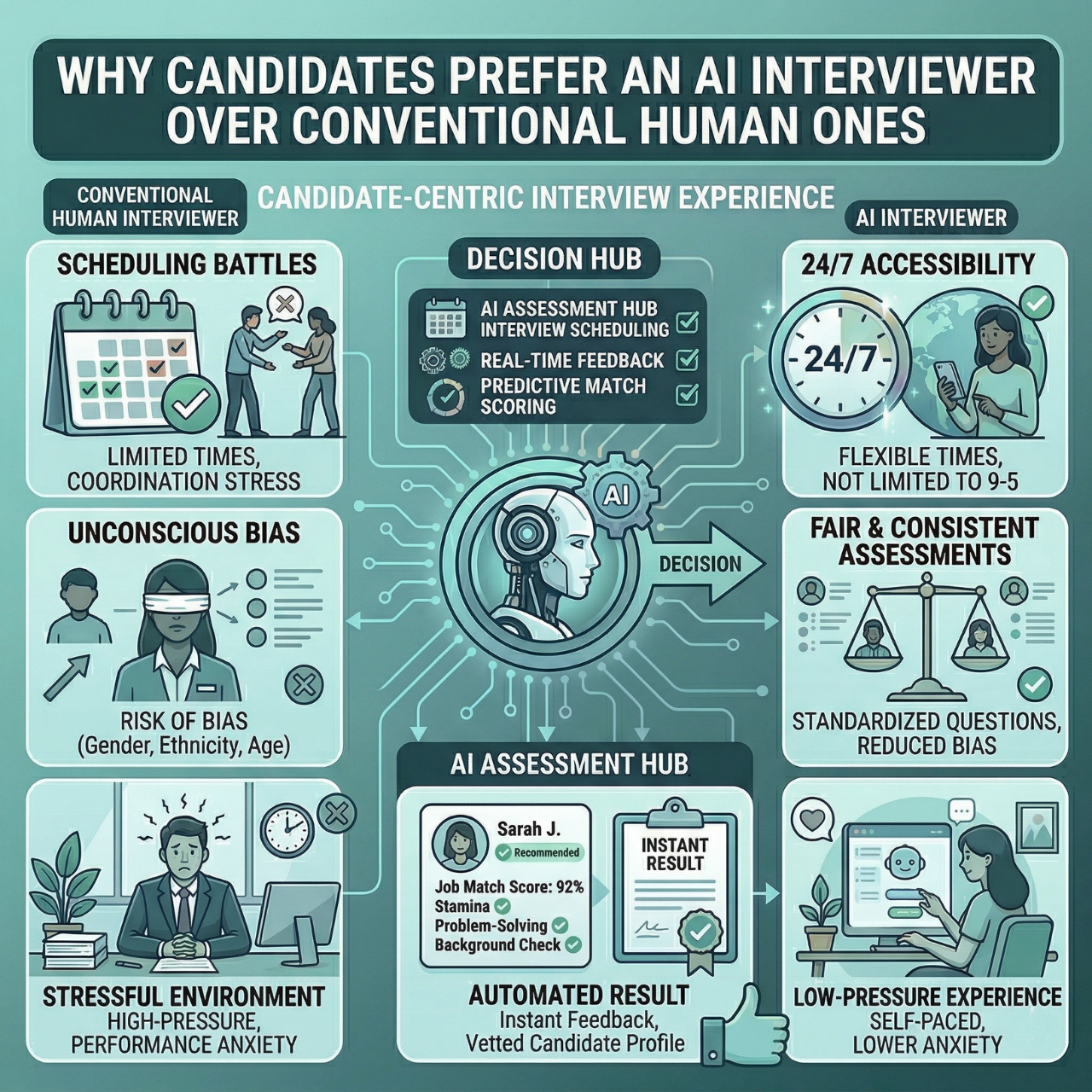
AI takes subjective judgments out of initial screening decisions. The software evaluates everyone using the same criteria—names, photos, or demographics don’t come into play.
These systems stick to qualifications and job-relevant factors. They don’t consider age, gender, ethnicity, or any other protected characteristic during screening.
Still, you can’t just set it and forget it. Algorithms learn from your old data, and if that’s biased, well, so is your AI. Regular audits help you spot and fix any issues.
Your hiring team still reviews the final candidates and makes the calls. AI just helps create a more diverse pool for you to choose from.
Key Benefits of AI-Driven Recruitment
AI tools let retail businesses hire workers faster, spend less, and juggle huge numbers of applicants without breaking a sweat. These tools take over repetitive stuff, so hiring managers can actually focus on finding the right people.
Improving Efficiency and Speed
AI speeds up the hiring process by blowing through tasks that usually take hours or days. It can sift through hundreds of resumes in minutes and surface candidates who match your needs.
You get a ranked list of applicants instead of having to slog through every resume yourself.
AI chatbots answer candidate questions around the clock. They schedule interviews and send reminders without human intervention. Candidates get responses fast, which keeps them interested in your jobs.
The tech also screens applicants by asking pre-set questions and scoring their answers. You only end up reviewing candidates who actually meet your requirements. This can shave weeks off the time it takes to go from job posting to offer.
Cost Savings for Retailers
Faster hiring means spending less on recruitment. Your HR team can cover more positions without hiring extra help.
You also save on the costs of keeping jobs open, like overtime for current staff or lost sales from being short-handed.
AI tools help you stop wasting money on job ads that don’t work. The software learns which platforms and job descriptions pull in the best candidates.
Avoiding bad hires saves you thousands in training and turnover. AI matches candidates to jobs based on real skills and experience, leading to better fits and longer retention.
Enabling Scalable Hiring Processes
Retailers need to ramp up hiring during busy seasons without lowering standards. AI handles high volumes of applications without slowing down. Your recruitment process works the same whether you’re hiring 10 people or 1,000.
The software keeps standards consistent across all locations and positions. Every candidate gets evaluated using the same rules, which helps you build a stronger team.
You can also track hiring metrics across your company to spot issues and make improvements. AI tools grow with you. Add new job templates, tweak screening questions, and plug the software into your existing systems as you need.
AI Tools and Technologies Shaping Retail Hiring
Retail companies are using specialized AI software to screen candidates faster, answer applicant questions instantly, and evaluate interview responses at scale.
These technologies help hiring teams manage big recruitment pushes while cutting time-to-hire and improving candidate quality.
Applicant Tracking Systems with AI
AI-enhanced applicant tracking systems scan resumes and applications to spot qualified candidates. The software can read through hundreds of applications in minutes and rank candidates based on your criteria.
These systems learn from your hiring decisions. If you flag certain candidates as great fits, the AI tweaks its screening to find more like them.
You can also see where candidates drop off in your process. The system flags bottlenecks, like long forms or confusing requirements. Many platforms sync with your current HR software, so you don’t have to do manual data entry.
Chatbots and Virtual Assistants for Recruitment
AI chatbots answer candidate questions 24/7 via your careers page or messaging apps. They handle common questions about jobs, benefits, schedules, and application status.
Virtual assistants can schedule interviews automatically. Candidates pick time slots that sync with your hiring manager’s calendar. The chatbot sends reminders and rescheduling options if needed.
Some chatbots even handle initial screening. They ask basic questions and collect info before passing candidates to human recruiters. This keeps applicants engaged and stops them from dropping out due to slow responses.
AI-Powered Video Interviewing
Video interview platforms now use AI to analyze candidate responses during recorded or live interviews. The software checks speech patterns, word choice, and response content against profiles of your best employees.
You can send video interview questions to multiple candidates at once. Each records answers on their own time. AI scores responses and highlights top performers for you to review.
These tools also check for specific skills or traits you need. If you’re hiring for customer service, the system spots candidates who show problem-solving and communication skills. This helps reduce bias by sticking to objective criteria.
Challenges and Ethical Considerations
Retailers using AI for hiring have to wrestle with data protection, algorithm fairness, and explaining how decisions get made. If you don’t handle these issues, job seekers and your reputation could take a hit.
Data Privacy in AI Hiring
AI hiring systems collect tons of personal info from applicants—resumes, social media, assessments, sometimes even voice or video recordings. You’ve got to protect this data under laws like GDPR and state privacy rules.
Get clear consent from applicants before collecting anything. Tell them what you’re gathering and how you’ll use it. Store data securely (encryption is a must) and limit access to essential staff.
Many AI tools share data with third-party vendors or cloud services. Make sure you know where applicant info goes and who can see it. Delete or anonymize candidate data after a certain period to cut privacy risks.
Managing Algorithmic Bias
AI systems learn from your past hiring data, which means they can copy—and even worsen—existing biases.
If your old data shows patterns of discrimination, AI will probably repeat them. That’s not just unfair, it’s risky. Regularly test your AI tools for bias across different groups. Check how the system treats candidates based on race, gender, age, and so on.
You might find your AI favors certain groups without a good reason.
Key steps to reduce bias:
- Review your training data for bias
- Test AI decisions across demographics
- Update algorithms if bias pops up
- Keep humans in the loop for hiring decisions
Your business could face legal trouble if your AI discriminates, even by accident.
Transparency and Accountability
Explaining how your AI makes hiring calls is tough; many systems work like black boxes. Applicants and regulators want to know why someone got rejected or picked. If you can’t explain the AI’s logic, you could run into legal and trust problems.
Set clear policies about how AI fits into your hiring process. Tell applicants when you’re using AI and what factors it considers. That kind of transparency builds trust and usually keeps you on the right side of the law.
Assign people in your company to oversee AI hiring tools. They should monitor performance and handle complaints. Keep detailed records of how the AI makes decisions in case you need to defend your process.
Human oversight is still crucial, even with advanced AI. Your staff should review AI recommendations before making final calls, especially for roles where culture fit or soft skills matter.
Future Trends for AI in Retail Talent Acquisition
AI is going to keep changing how retailers find and hire people. Personalized experiences and data-driven predictions are on the horizon.
These technologies should help you make better hires and treat each candidate as an individual.
Personalized Candidate Experiences
AI systems will create unique interactions for every applicant. The tech looks at each person’s background, skills, and preferences to tailor job recommendations and communication.
Chatbots will answer questions based on what matters to each candidate—shift schedules, store locations, advancement opportunities, you name it.
Key personalization features include:
- Custom job matches by skills and location
- Interview questions tailored to the role
- Automated scheduling that fits candidate availability
- Personalized onboarding materials for different jobs
The process adapts in real-time. If someone’s interested in management, the system highlights leadership training. This approach could help you attract people who might otherwise look elsewhere.
Predictive Hiring Analytics
AI will forecast your staffing needs before things get urgent. It looks at sales data, seasonal trends, and turnover to predict when and where you’ll need more workers. You can plan hiring campaigns weeks or months ahead. That means less scrambling and fewer emergency hires.
Predictive tools will help you:
- Spot candidates likely to stick around
- Calculate the best team sizes for each store
- Find skills gaps before they cause problems
- Cut time-to-hire with better planning
The systems also predict which applicants will thrive in specific roles. They compare candidate profiles to your top performers and look for similar traits.
Hiring Faster Without Burning Out Your Team
Retail hiring doesn’t fail because of a lack of applicants. It fails because teams are buried in manual screening, slow follow-ups, and missed connections. AI in retail hiring helps remove those bottlenecks, so roles get filled faster with people who actually fit.
By automating early screening, scheduling, and candidate communication, HRMLESS helps hiring teams focus on decisions instead of admin. The result is shorter time-to-hire, fewer no-shows, and a more consistent process across every location.
If your team is stretched thin or struggling to keep stores staffed, it may be time to simplify. Book a demo and see how automation can take pressure off your retail hiring process.
Frequently Asked Questions
What Is AI in Retail Hiring?
AI in retail hiring refers to software that automates parts of the recruitment process. This includes screening applications, scheduling interviews, and ranking candidates based on job requirements. The goal is to reduce manual work while improving speed and consistency.
How Does AI Help Retailers Hire Faster?
AI tools review applications in minutes instead of days. They automatically filter unqualified candidates and move strong applicants forward. This cuts delays caused by resume reviews, scheduling back-and-forth, and slow follow-ups.
Does AI Replace Human Recruiters?
No. AI supports recruiters by handling repetitive tasks. Hiring teams still make final decisions and interview candidates. AI simply helps teams focus their time on qualified applicants instead of admin work.
Can AI Reduce No-Shows and Candidate Drop-Off?
Yes. Automated reminders, instant responses, and self-scheduling keep candidates engaged. When applicants hear back quickly, they are less likely to lose interest or ghost interviews. This is especially helpful for high-volume retail roles.
Is AI in Retail Hiring Fair?
AI applies the same screening criteria to every applicant, which helps reduce inconsistency. However, systems must be monitored to avoid bias from historical data. Regular reviews and human oversight are key to fair outcomes.
What Retail Roles Benefit Most From AI Hiring Tools?
High-volume roles see the biggest impact. Cashiers, sales associates, stockers, warehouse staff, and customer service positions are common use cases. AI is especially useful when hiring across multiple locations or during peak seasons.
Featured

Subscribe to ournewsletter
Related posts
Explore the world of photography with our curated selection of
portfolio websites that showcase creativity and innovation.