

Real-Time Analytics in AI Recruitment for Faster Hiring
Use real-time analytics in AI recruitment to speed up hiring, boost candidate engagement, and spot bottlenecks while improving the quality of hire.
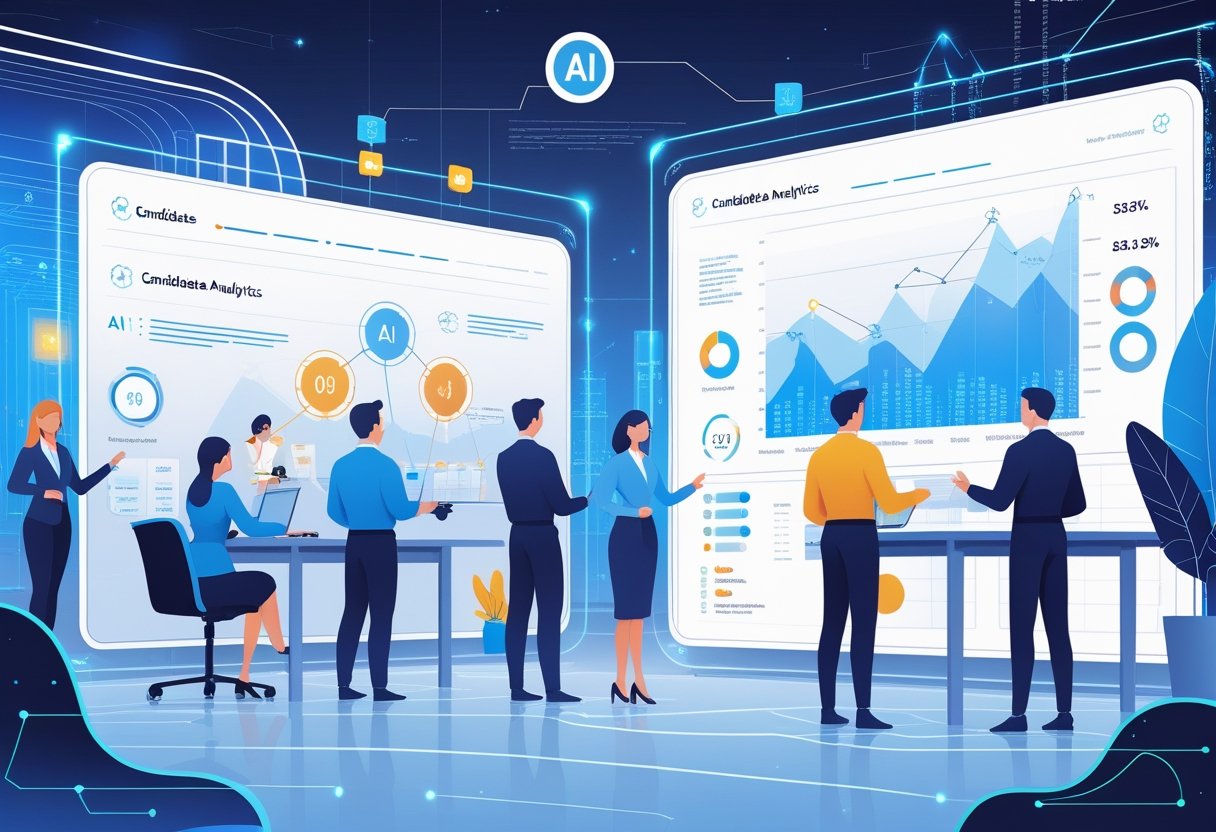
Real-time analytics in AI recruitment turns every click, reply, and interview into live feedback you can actually use. Instead of waiting on monthly reports, you see where candidates drop off, which channels work, and how long each step really takes.
With HRMLESS, real-time analytics in AI recruitment is built into your everyday hiring flow, not bolted on as an afterthought. Automated screening, scoring, and scheduling surface the right candidates while cutting the lag that causes ghosting.
In this guide, you’ll learn what real-time analytics in AI recruitment is, which metrics matter, and how it differs from slow, traditional reporting. By the end, you’ll know exactly how to turn live hiring data into better, faster decisions.
Understanding Real-Time Analytics in AI Recruitment
Real-time analytics gives you instant insights into every step of your hiring process. It helps spot problems like delays or candidate dropouts fast. Using AI, you get clear data on candidate quality and engagement, so you can make smarter hiring choices as you go.
Definition and Key Concepts
Real-time analytics means collecting and analyzing recruitment data right when it happens. This is different from reports that come weeks later. You get updates on metrics like how many candidates applied, their engagement, and how fast interviews get scheduled.
Key metrics include:
- Time-to-hire: How quickly you fill roles
- Candidate quality: Scores or rankings of applicants
- Engagement rates: How many candidates respond to messages or complete steps
- Dropout points: Where candidates quit the process
How Real-Time Analytics Differs From Traditional Analytics
Traditional analytics often rely on past data and slower reports. You might get monthly or weekly updates. This means problems can go unnoticed for days or weeks.
Real-time analytics gives you instant visibility. It shows where candidates get stuck or drop out right away. You can adjust your approach faster, for example, by reaching out to a stalled candidate or speeding up interview scheduling.
Because it is live, real-time analytics supports smoother workflows and less wasted time. You can see all your recruiting stats in one clean dashboard, cutting down manual tracking.
Role of AI in Recruitment Analytics
AI improves real-time analytics by automating data collection and analysis. It can rank candidates, detect patterns, and highlight bottlenecks without human delay. This frees you from guesswork and manual screening.
AI tools also predict which candidates are likely to succeed or drop out, so you focus on the best matches. Scheduling, messaging, and scoring happen automatically, helping you move faster and reduce ghosting.
By using AI-powered analytics, you spend less time on busywork and more on interviewing candidates who fit your team.
Benefits of Real-Time Analytics for Recruitment Teams
Real-time analytics give you instant insights into your hiring process. You can quickly spot delays, track candidate engagement, and measure how well your recruitment efforts are working. This data lets you act fast, improve candidates’ experience, and shape smarter hiring plans.
Faster Decision-Making
With real-time analytics, you see exactly where your hiring process slows down. Whether it's a bottleneck in screening or scheduling, you can fix problems right away. This stops delays and speeds up hiring.
You no longer guess about candidate quality. Automated scoring highlights top talent before interviews. Data appears instantly, so you decide who moves forward fast. This cuts time-to-hire significantly.
Quick decisions mean fewer chances for good candidates to drop out. You save hours by automating routine tasks and focusing on strategic choices.
Enhanced Candidate Experience
Candidates hate waiting. Real-time data helps you respond quickly to their applications and questions. Automated messages and fast scheduling keep them engaged and reduce no-shows by up to 50%.
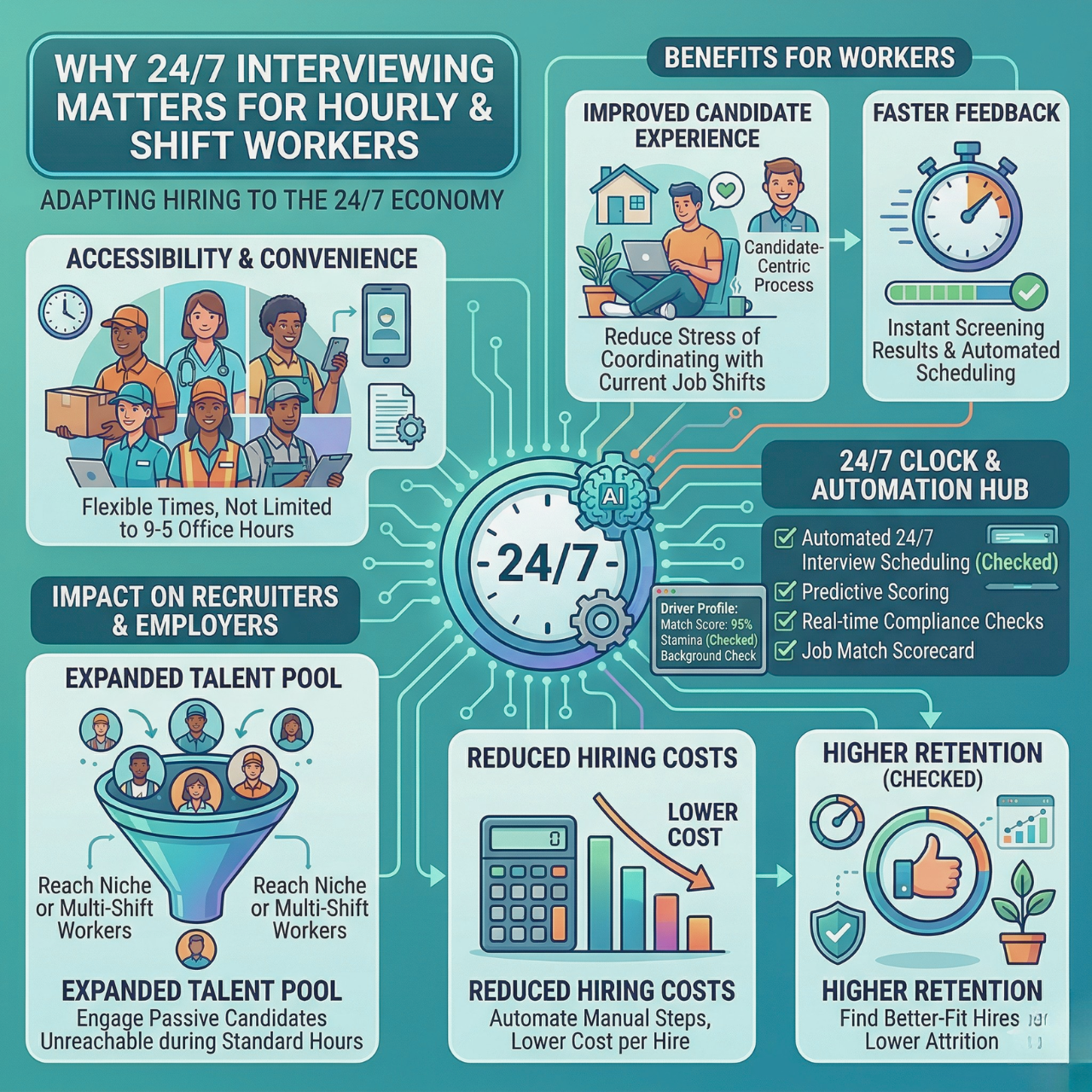
You can track which candidates are most interested and tailor your communication. This makes interviews happen at convenient times, often 24/7, boosting their satisfaction.
A smooth process with fast replies creates a positive impression. It builds trust and encourages top talent to stick with you instead of ghosting.
Data-Driven Recruitment Strategies
Real-time analytics give you hard facts about your hiring efforts. You can see which sourcing channels bring the best candidates and where drop-offs occur. This data supports smarter plans for future hiring.
You learn which skills predict success and focus your search accordingly. Insights are easy to understand and act on. You can adjust your strategy based on what works, cutting wasted time and costs, while improving the quality of new hires.
Core Components of Real-Time Analytics in AI Recruitment
Real-time analytics in AI recruitment relies on collecting accurate data, using smart algorithms, and syncing with your existing HR tools. These parts work together to give you quick insights about candidate quality, engagement, and bottlenecks, all while helping you speed up hiring without losing control.
Data Collection Methods
Data collection is the first step. It gathers details about candidates from various sources like resumes, interviews, and engagement activities. You get metrics on things like:
- Candidate drop-off points
- Response times
- Sourcing channels used
- Quality scores from AI screening
This data often comes from automated interview platforms and communication tools like SMS or email. By gathering this in real-time, you can spot issues early and adjust your process to keep the best candidates engaged.
Machine Learning Algorithms
Machine learning analyzes the collected data to find patterns and predict results. For example, it can score applicants based on skills, experience, and interview performance. These algorithms help by:
- Filtering candidates faster
- Identifying the strongest fits
- Predicting time-to-hire and dropout risks
The system learns and improves as more data flows in. This means your recruiting gets smarter the longer you use it, helping reduce guesswork and bias in hiring decisions.
Integration With HR Systems
Real-time analytics works best when AI tools connect with your HR systems like ATS (Applicant Tracking Systems) and HRIS (Human Resource Information Systems). Benefits include:
- Automatic data syncing across platforms
- Streamlined workflows without manual input
- Easy tracking of candidate progress and hiring metrics
Integration with common HR software lets you avoid double work and get all insights in one place. This saves you time and gives a clear view of your recruitment funnel across the tools you already use.
Key Use Cases for Real-Time Analytics in AI Recruitment
Real-time analytics helps you spot issues and improve every part of hiring quickly. It gives clear data about candidates and your hiring steps. You can target bottlenecks, boost engagement, and hire the right people faster.
Resume Screening Optimization
Real-time data shows how fast resumes move through your system and where candidates stall. You can instantly see which keywords or skills filter out top talent too early. This insight helps you adjust filters to avoid missing strong candidates.
You’ll save time by focusing only on resumes that truly match your job needs. By using analytics, you reduce human bias and ensure all qualified applicants get a fair chance. Your screening process becomes faster and more reliable with less guesswork.
Interview Scheduling Automation
Analytics tracks how candidates respond to interview invites, including no-shows and reschedules. You see which times get the most bookings and adjust availability automatically. This reduces no-shows by only offering times when candidates are likely to show up.
Scheduling happens without back-and-forth emails, saving hours per hire. Automation keeps candidates engaged using SMS and email nudges. You keep your hiring moving without manual effort or delays.
Predictive Candidate Matching
Real-time analytics use AI to score candidates based on skills, experience, and cultural fit. This scoring updates as new data arrives from interviews or assessments. You get a clear list of top candidates who fit your role best.
It reduces hiring mistakes and speeds up decisions so you don’t lose talent to competitors. By relying on data instead of gut feeling, your hiring picks are smarter and fairer. This predictive matching lets you focus interview time on the right candidates only.
Diversity and Inclusion Tracking
Use real-time data to monitor diversity goals and spot bias in your hiring steps. You can track if certain groups drop out more or if your filters exclude them unfairly. This helps you adjust criteria and keep your process fair.
Analytics highlight where bias might enter, letting you tweak questions or resume scans. Diversity tracking ensures your hiring draws from all candidate pools equally. It makes your workplace more inclusive without adding manual review work.
Implementation Challenges and Considerations
Using real-time analytics in AI recruitment brings clear benefits but also some challenges you need to think through. These involve making sure data is reliable, protecting candidate privacy, and scaling analytics as your hiring needs grow.
Data Quality Issues
Accurate data is the backbone of real-time analytics. If your data has errors or gaps, decisions based on it will suffer. You might see outdated candidate info, duplicates, or incomplete application details.
Poor data quality can lead to misidentifying top candidates or missing hiring bottlenecks. Make sure your AI tools integrate well with your ATS and update data consistently. Regular data cleansing and validation are essential.
Tracking dropout points during the application is helpful only if the data reflects reality. Keep an eye on data sources and set up checks to catch inconsistencies early. Reliable data prevents wasted effort and delays in hiring.
Privacy and Ethical Concerns
Real-time analytics handle sensitive candidate information. You must protect this data following employment laws and privacy regulations like GDPR or CCPA. Transparency is key.
Let candidates know how you use their data and get their consent. Avoid biases that AI might inherit from past hiring data. Algorithms need regular reviews to ensure fairness.
Ethical concerns also include preventing unfair rejections caused by automated screening. You should combine AI insights with human judgment.
Scalability of Analytics Solutions
As your company grows, your hiring volume and analytics needs will increase. Your real-time analytics system must handle more candidate data and more complex analysis without slowing down.
Scalable solutions let you add roles or locations without manual work. Look for AI platforms that grow with you, offering options to upgrade plans or increase data limits.
Consider cloud-based analytics tools for flexibility and reliability. They manage data storage and processing off-site, reducing your IT burden. A scalable setup ensures fast decisions, no matter how many candidates apply. This keeps your hiring process smooth and efficient.
Best Practices for Leveraging Real-Time Analytics
Using real-time analytics correctly helps you speed up hiring and spot issues early. You should know how to work as a team with your data and tailor tools to fit your unique needs.
Collaborative Team Approaches
Real-time analytics work best when your whole hiring team shares insights. Make sure recruiters and hiring managers discuss the data together. This helps everyone understand bottlenecks or where candidates drop out.
Create clear roles for who tracks what metrics, like time-to-hire or candidate engagement. Use shared dashboards so everyone sees the same information. When your team works as one, decisions happen faster and with fewer errors.
Collaboration also means blending human judgment with AI insights. Your team reads the personal fit, balancing both for better hiring results.
Continuous Monitoring and Improvement
Don’t just set your analytics once and forget it. Keep watching key numbers like how fast candidates move through steps or how many no-shows happen. These updates show where you can improve.
Schedule regular reviews, weekly or biweekly, to check progress. Quickly fix problems like delays in scheduling or low response rates. Real-time data helps you act right away instead of waiting for reports.
Use the analytics to test small changes too, like sending SMS reminders or adjusting interview questions. See what works and make hiring smoother every time.
Customizing AI Analytics Tools
Choose tools that fit your hiring needs, not the other way around. Look for platforms that allow you to set filters, reports, and alerts based on your priorities. For example, focus on candidate skills or timing to speed up top talent review.
Customize your dashboard to track exactly what matters most—like engagement levels or scoring breakdowns. This stops you from drowning in data and keeps your focus sharp. Make sure your AI analytics integrates with your ATS or HRIS systems to create one clear view.
Custom settings save time and reduce errors across multiple platforms. By tailoring your setup, you get actionable insights fast and keep your hiring process efficient.
Future Trends in AI Recruitment Analytics
AI recruitment analytics will grow more precise and connected to your hiring process. It will give you deeper insights into candidates and automate tough tasks. You’ll see smarter tools that help you make fair, fast, and data-driven decisions.
Real-Time Sentiment Analysis
Real-time sentiment analysis lets you understand how candidates feel during interviews or interactions. It uses AI to spot emotions like confidence, hesitation, or enthusiasm from text, voice, or video answers.
This helps you quickly identify candidate engagement and fit beyond just their resume. For example, it can show if candidates are nervous or excited, guiding you to adjust follow-up questions or decide who to prioritize.
By catching these signals live, you improve communication and reduce bias.
Advanced Automation Capabilities
Recruitment automation is moving beyond simple tasks. Soon, AI will handle complex duties like personalized candidate follow-ups, adaptive interview scheduling, and even predicting candidate success by analyzing past hiring data.
Automated tools will track each candidate’s journey and flag where drop-offs happen. You’ll get alerts when candidates seem to lose interest or when resumes don’t match the role well, so you can act fast.
This saves time and prevents missed opportunities. With automation, tuning your process, you reduce manual work and improve candidate experience without extra effort on your part.
Integration With Emerging Technologies
AI recruitment analytics will link tightly with new tech like voice assistants, chatbots, and augmented reality. Voice-based AI could let candidates speak naturally during interviews while systems analyze tone and content instantly.
Chatbots will handle candidate questions 24/7, keeping them engaged. Augmented reality might help with virtual job previews or immersive assessments, showing candidates what day-to-day roles look like.
All these tools will work together with your ATS and hiring platforms. This connected ecosystem means you’ll manage hiring all in one place—fast, fair, and easy.
Measuring the Impact of Real-Time Analytics in AI Recruitment
Real-time analytics shape the way you track and improve your hiring process. You can measure important data points, understand the value of your investment, and see how these tools affect your business goals over time.
Key Performance Indicators
To know if AI recruitment is working, you need clear metrics. These include time-to-hire, candidate quality, and engagement rates. You want to see how fast you fill open jobs, how skilled your candidates are, and how actively they interact with your process.
Tracking dropout points is also vital. Analytics show where candidates lose interest or get stuck. This helps you fix weak spots early.
Return on Investment
ROI in AI recruitment is about comparing costs with the results you get. You spend money on software and tools, but you save time and avoid bad hires. With real-time data, you see exactly how much faster your hiring moves.
You also spot reductions in wasted resources, like unnecessary interviews or lost candidates. Automated tasks—screening, scheduling, and engagement—cut down manual work significantly. That turns into direct cost savings.
Your ROI improves when more qualified candidates move forward, reducing ghosting and no-shows.
Long-Term Business Outcomes
Real-time analytics don’t just impact today’s hires. They help you make smarter decisions that improve your team quality and company growth over time. By analyzing trends, you can predict which sourcing channels deliver better talent. This allows you to invest in the right places.
Better hires mean higher employee retention and stronger performance. You build a reliable pipeline for the future.
Turn Live Hiring Data Into Better Decisions
Real-time analytics in AI recruitment turns your hiring process into something you can see, measure, and improve every day. You cut delays, reduce ghosting, and focus on higher-quality candidates. Automation supports your team so they spend more time choosing the right people, not chasing updates.
HRMLESS helps you plug real-time analytics in AI recruitment directly into your existing workflows. From instant scoring to smart scheduling and clear dashboards, you get the visibility and speed you need without losing control of candidate experience or fairness.
If you are ready to turn real-time analytics into real hiring results, now is the moment to act. Book a demo or see HRMLESS in action to start building a faster, more efficient hiring process today.
Frequently Asked Questions
Real-time analytics in AI recruitment gives you clear insights about candidate quality, engagement, and where the hiring process slows down. You’ll see data that helps pick better candidates and speed up the whole hiring journey.
How are examples of real-time analytics applied in AI recruitment?
You can track when candidates drop out of applications or interviews. This shows you which steps cause delays or confusion. Metrics like candidate engagement rates and sourcing channel success help improve the process. Real-time dashboards let you spot issues quickly and fix them.
What are the major benefits of integrating AI into the recruitment process?
AI automates repetitive tasks like screening resumes and scheduling interviews. This saves you time and cuts busywork. It reduces no-shows by inviting only engaged candidates to book interviews. AI also helps keep hiring fair and unbiased by focusing on data-driven scores.
What could be the potential drawbacks of using AI in recruitment strategies?
Relying too much on AI might make the process feel less personal for candidates. Some may worry that a machine overlooks their unique qualities. There’s also a risk of technical glitches or incomplete data that could slow things down. You still need human judgment to balance AI outputs.
In what ways is AI expected to shape the future of recruitment?
AI will handle more of the early screening and scheduling, letting recruiters focus on candidate fit and culture. Voice engagement tools will let candidates speak naturally to AI, making interviews feel more personal. Real-time analytics will get smarter, giving you better predictions and faster hiring decisions.
How does AI impact the overall efficiency of the recruitment process?
AI cuts down time-to-hire by automating steps like candidate scoring and interviewer scheduling. You save about 2.7 hours per hire by removing manual tasks. The fast feedback from real-time analytics means fewer delays and fewer candidates lost along the way.
What are applicants' views on the use of artificial intelligence during their recruitment journey?
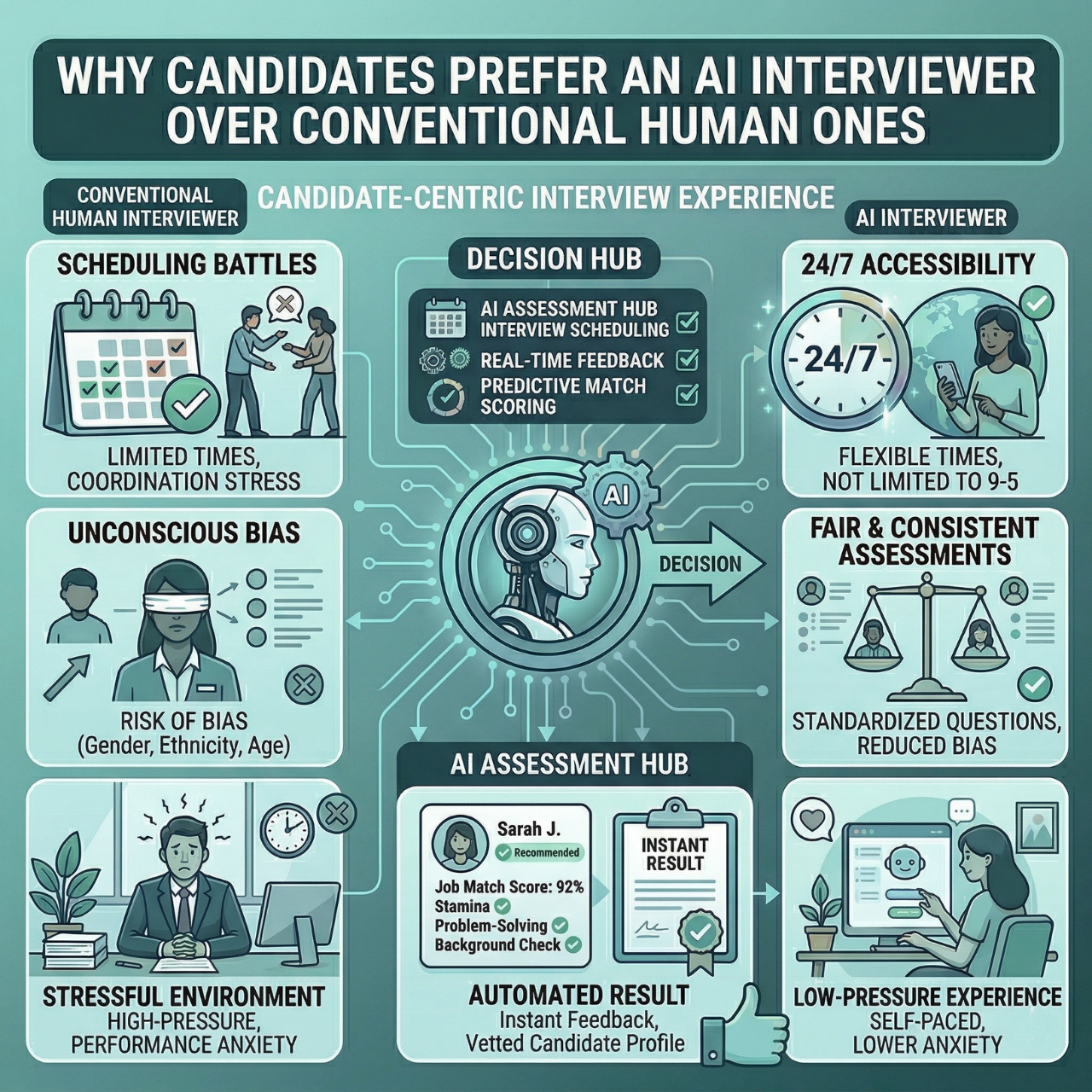
Many candidates appreciate 24/7 AI interviews because they can complete them when it’s convenient. Automated messages also keep applicants informed and reduce ghosting. Some applicants may feel unsure about AI assessing soft skills. Clear communication about how AI is used helps build trust during the process.
Featured

Subscribe to ournewsletter
Related posts
Explore the world of photography with our curated selection of
portfolio websites that showcase creativity and innovation.