

Voice AI Recruiter Guide For Faster, Fairer Hiring In 2025
A Voice AI recruiter uses artificial intelligence to hold spoken conversations with job candidates.

A voice AI recruiter helps hiring teams move from slow, manual screening to fast, automated conversations with candidates. It handles early interviews, scoring, and scheduling so you can focus on decisions, not logistics. The result is a more consistent, data-informed hiring process.
With HRMLESS, you get a 24/7 assistant that meets candidates where they are and keeps your pipeline active. It reduces ghosting, cuts no-shows, and surfaces the right people sooner. Your team gains back hours while candidates get clear, timely communication.
This guide breaks down what a voice AI recruiter is, how it works, and where it fits in your hiring stack. You’ll see key benefits, common use cases, and the challenges to plan for. By the end, you’ll know how to evaluate tools and roll one out with confidence.
What Is a Voice AI Recruiter?
A Voice AI recruiter uses artificial intelligence to hold spoken conversations with job candidates. It can ask questions, listen to answers, and evaluate responses just like a human recruiter. This technology helps you speed up hiring and focus on the best candidates without spending hours on early-stage screening.
Key features include:
- Real-time conversation with candidates
- Automated screening and scoring based on answers
- Scheduling follow-up interviews automatically
- Reducing repetitive tasks for your hiring team
By automating these parts, you get faster results and can spend time on meaningful candidate assessment.
How Voice AI Differs From Traditional Recruitment Tools
Traditional tools often rely on forms, resumes, or text questions that miss the nuances of human conversation. You lose important clues about a candidate’s tone, enthusiasm, or problem-solving approach.
Voice AI recruiters simulate real conversations. They don’t just ask scripted questions. Instead, they adapt based on candidate responses, providing a natural interview flow. This reduces bias by sticking to standard evaluation criteria while still capturing unique communication traits.
Unlike old phone systems with rigid menus, Voice AI is conversational. It handles many candidates at once, so your team won’t get overwhelmed. This means less ghosting, faster feedback, and more reliable candidate engagement.
Key Technologies Behind Voice AI Recruiters
Voice AI recruiters use advanced technologies like:
- Natural Language Processing (NLP): Understands the meaning behind what candidates say.
- Machine Learning: Improves responses and scoring by learning from past interviews.
- Speech Recognition: Converts spoken words into text for analysis.
These technologies work together to listen, analyze, and react in real time. The system can detect tone, hesitation, or confidence in answers. This helps you identify top candidates more accurately.
How Voice AI Recruiters Work
Voice AI recruiters use advanced technologies to automate hiring tasks while keeping conversations natural and clear. They listen, understand, and respond to candidates, gathering important details to help you make better hiring decisions faster.
Speech Recognition and Processing
Speech recognition converts spoken words into text instantly. When a candidate answers a call or leaves a voice note, this technology captures every word accurately. It works across phones or other channels, allowing flexible, 24/7 candidate interaction.
Once the speech is captured, processing algorithms clean and organize the data. This helps filter out background noise and correct errors in real-time. Accurate speech processing is vital because it builds the foundation for AI to understand the candidate’s answers and qualifications correctly.
Conversational AI Algorithms
Conversational AI drives the recruiter’s ability to hold realistic and meaningful talks with candidates. It uses natural language processing (NLP) to interpret what candidates say, including their tone and intent. The AI can ask follow-up questions or clarify details, making the conversation feel more lifelike.
Dialog management keeps the interview on track and ensures all key topics are covered. This technology powers your AI recruiter’s ability to communicate naturally while collecting valuable insights beyond resumes.
Automated Screening and Interviewing
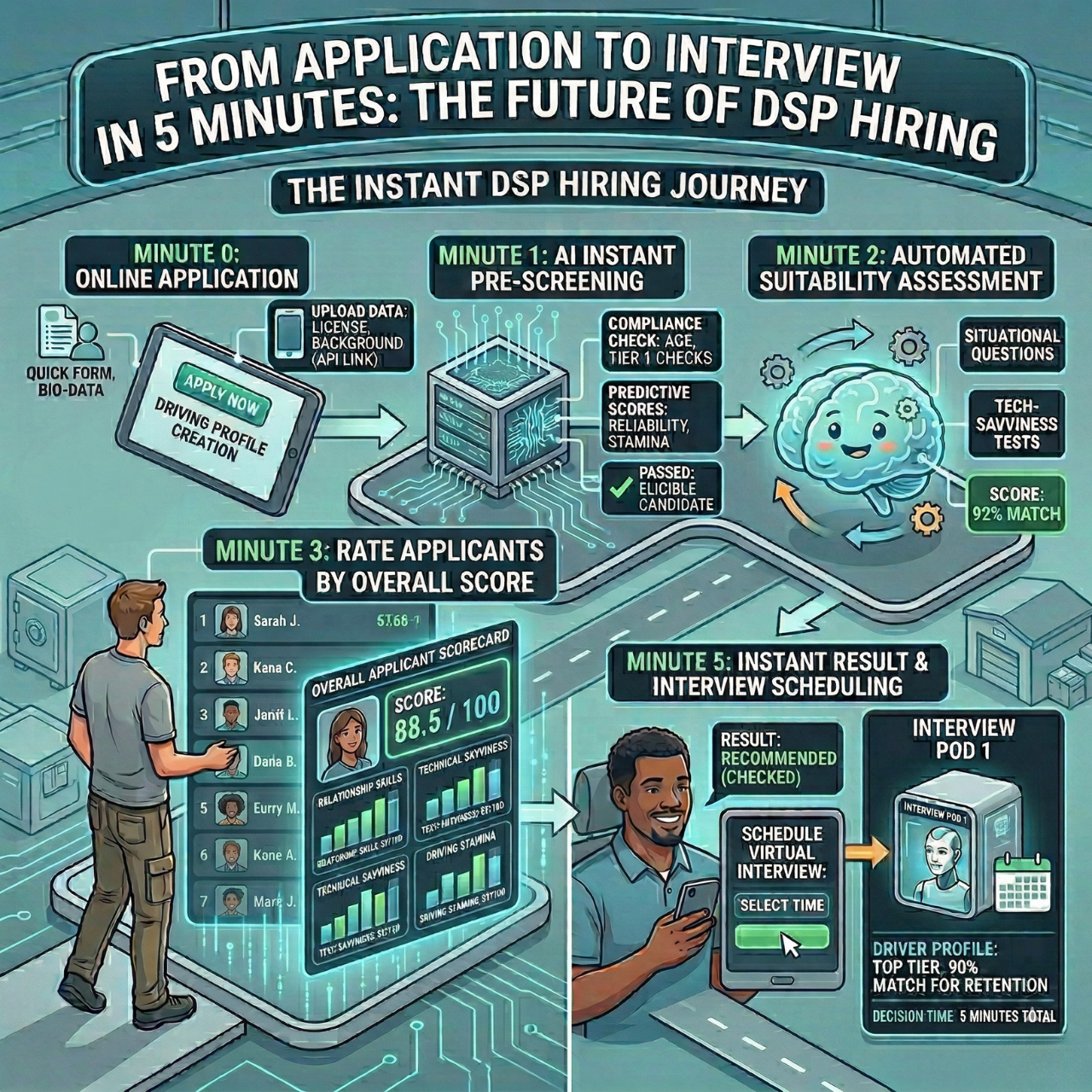
Voice AI recruiters automate the first steps of hiring by conducting phone screenings and pre-interviews with candidates. They ask standardized questions about skills, availability, and preferences, gathering data quickly without your involvement.
These systems score and filter candidates based on their responses. Only the most qualified move forward, which saves you time and reduces bias. Automated scheduling is often built in, helping arrange follow-up interviews with your team and cutting no-shows by focusing on engaged talent.
Benefits of Using a Voice AI Recruiter
Using a voice AI recruiter can help you save time, reduce bias, and improve the way candidates feel during the hiring process. This technology supports your recruiting team by handling routine tasks and creating smoother interactions.
Efficiency and Time Savings
Voice AI recruiters automate phone screenings, interview scheduling, and initial candidate conversations. This speeds up the hiring process by handling many applicants simultaneously, something impossible for humans alone.
You can save hours per hire by reducing manual tasks. This lets your team focus on top candidates rather than sorting through resumes or chasing candidates to book interviews.
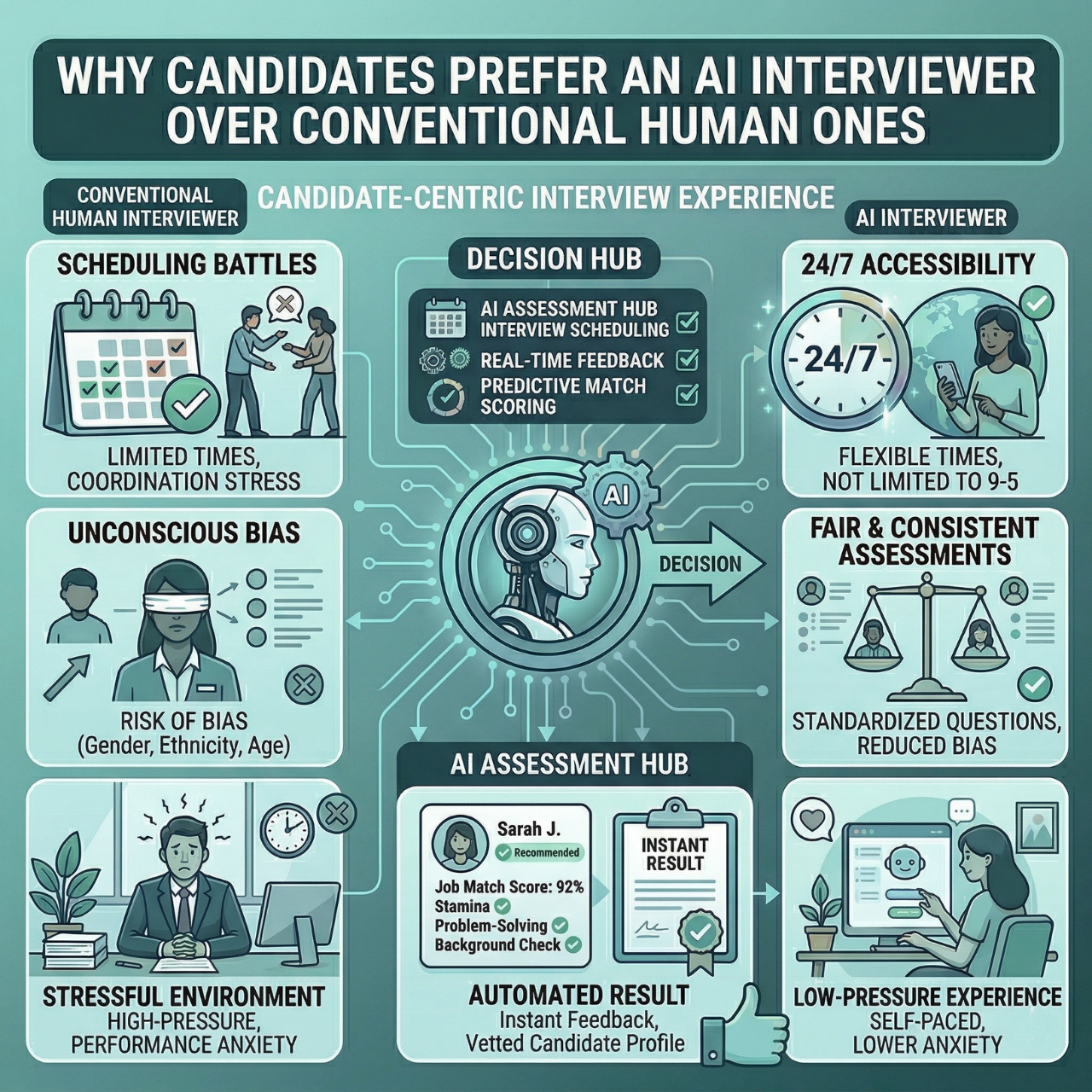
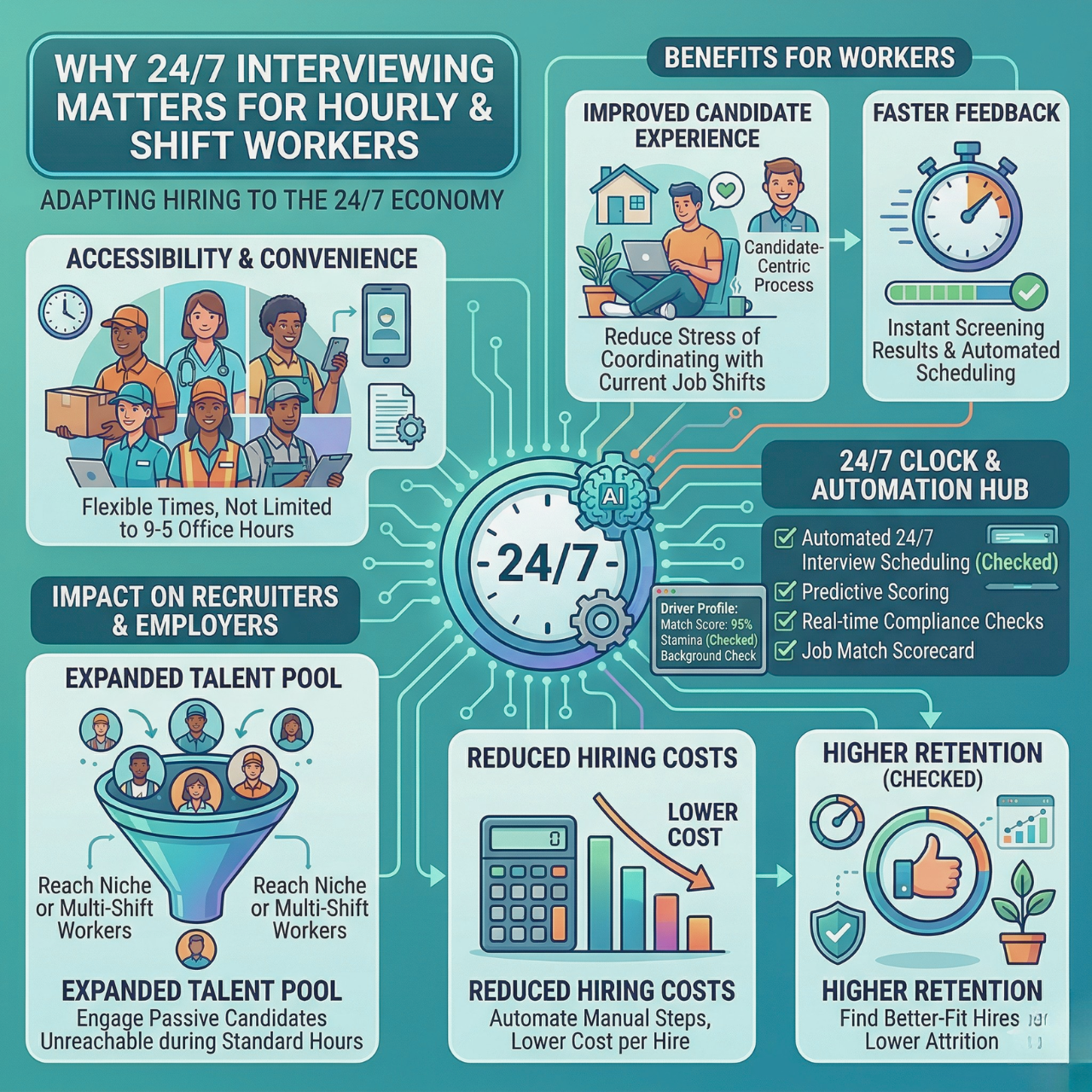
Because voice AI works 24/7, candidates complete interviews when it suits them. This flexibility reduces delays and keeps your hiring pipeline moving fast, helping you fill roles quicker and with less effort.
Bias Reduction in Candidate Selection
Voice AI recruiters assess candidates using consistent criteria every time. This helps limit unconscious bias that can creep into human decisions, such as preferences based on age, gender, or accent.
By focusing only on skills and qualifications during conversations, AI tools promote fairness. Your hiring team gets a more objective view of who fits the role best. This results in a more diverse and qualified talent pool.
Improved Candidate Experience
Candidates prefer a fast, clear, and respectful interview process. Voice AI recruiters offer natural, real conversations without the usual delays or repetitive tasks.
AI recruiters can answer questions in real time, explain next steps, and keep candidates engaged through automated SMS or email nudges. This lowers "no-shows" and prevents candidates from feeling ignored or confused.
The convenience of completing interviews at any time also appeals to candidates. They get immediate feedback and know where they stand, which increases their satisfaction and keeps your employer brand strong.
These benefits combine to create a smoother journey for candidates. You improve communication and present a modern hiring experience that attracts talent.
Common Use Cases for Voice AI Recruiters
Voice AI recruiters handle many tasks that help speed up hiring and improve candidate interactions. They free you from repetitive work like screening and scheduling so you can focus on decisions that need a human touch. Below are key ways these tools work in practice.
High-Volume Hiring
When you have lots of open roles to fill quickly, voice AI recruiters can reach out to thousands of candidates at once. They contact applicants right after they apply, speeding up the early steps of hiring. This helps prevent delays and reduces the chance of losing candidates due to slow responses.
Voice AI tools save hours by automating calls and messages to ask basic questions. You can screen larger pools without adding staff. This is especially useful in industries with high turnover or seasonal hiring spikes. Using voice AI lets you scale easily without stress.
Initial Candidate Screening
Voice AI recruiters conduct pre-screening interviews by asking candidates key questions about skills, availability, and eligibility. This happens automatically after application submission, so only candidates meeting your criteria move forward.
With AI handling this step, you get faster and more consistent screening results. It removes bias and ensures every candidate is asked the same questions. You also get early insights beyond what resumes show, which helps you focus on the most qualified applicants.
Scheduling and Follow-Up
Organizing interviews can be tedious and prone to no-shows. Voice AI recruiters automate scheduling by syncing with your calendar and inviting only engaged candidates to book time slots. This reduces missed interviews and keeps candidates moving through the process.
They also send follow-up reminders through SMS or email, nudging candidates to confirm or reschedule if needed. This constant communication minimizes ghosting and keeps your hiring pipeline active.
By automating these tasks, you spend less time coordinating and more time focusing on meaningful candidate conversations. Your workflow becomes smoother, and candidates feel valued with timely updates.
Challenges and Limitations of Voice AI Recruiters
Voice AI recruiters offer many advantages but also face specific challenges you should know. These include how well the AI understands candidates, protecting sensitive data, and fitting voice AI into your current hiring tools.
Accuracy and Misinterpretation
Voice AI must interpret speech precisely to work well. Misunderstandings happen when accents, speech speed, or background noise interfere. This can lead to wrong answers or missed candidate information.
Complex questions or answers with nuance may be misread. AI might miss sarcasm, tone, or emotional cues that human recruiters catch easily. That can affect candidate screening quality.
Regular updates and training of your voice AI help reduce errors. Still, it is best to use voice AI for early screening and keep humans for final decisions.
Data Privacy and Security
Handling candidate data means that strict privacy rules apply. Voice AI collects and processes personal info, which is sensitive and must be protected. You need clear security measures like encryption and controlled data access to prevent leaks.
Compliance with laws like GDPR or CCPA is critical, especially if you hire internationally. Data breaches or misuse can harm your company’s reputation and candidate trust. Choose AI tools with strong privacy policies and transparent data management.
Integration With Existing Systems
You likely use an ATS, HRIS, or other recruitment tools. Voice AI must work smoothly with these systems to improve workflow. Poor integration causes extra manual work and delays.
Check if your voice AI supports common ATS or calendar systems for automatic scheduling and candidate tracking. This avoids double entry and errors. Seamless integration means recruiters focus on high-value tasks, not tech troubleshooting.
It also maintains reliable candidate data across platforms. When choosing voice AI, aim for tools built to plug into your current setup effortlessly. This saves time and helps scale your hiring as you grow.
Key Features to Look for in Voice AI Recruiter Solutions
When choosing a voice AI recruiter, certain features stand out for improving the hiring process. Focus on tools that let you tailor interviews, understand candidate responses naturally, and handle large volumes of applicants smoothly.
Customizable Interview Scripts
Your voice AI recruiter should let you easily create and modify interview scripts. This means you can tailor questions to fit specific roles and company culture. Look for options to add follow-up questions based on candidate answers. This makes the interview feel more like a real conversation.
Having scripts that can be updated without technical help saves you time and keeps your process flexible. Scripts that cover everything from basic screening to in-depth skill checks help you filter candidates early. This reduces your workload and speeds up the time to hire.
Natural Language Understanding
A key feature is the AI's ability to understand and reply to candidates naturally. It should grasp different accents, slang, and varied sentence structures. This helps keep conversations clear and accurate. The AI must interpret not just keywords but also context and tone.
This allows it to ask relevant follow-up questions or clarify unclear answers without sounding robotic. Good natural language understanding means candidates won’t feel like they’re talking to a machine. It supports better candidate experience and leads to higher completion rates.
This human-like interaction encourages honest, detailed responses, giving you richer data to decide who fits best.
Scalability
Your voice AI solution needs to handle a large number of candidates without losing quality. Scalability means it can call, screen, and schedule hundreds or thousands of applicants at once.
This is crucial if you want to grow hiring quickly but keep your team’s workload steady. Scalability should include the ability to integrate smoothly with your ATS or HRIS, enabling seamless data flow and less manual work.
Look for platforms that let you scale from a few roles to enterprise-level hiring smoothly. This allows you to focus on engaging top candidates, not managing the process.
Implementing a Voice AI Recruiter in Your Hiring Process
To add a voice AI recruiter effectively, you need a clear plan that focuses on your specific hiring needs. Smooth integration with your current tools and proper training for your team are also important. Each step helps ensure you get faster, unbiased hires while keeping candidates engaged.
Assessment of Recruitment Needs
Start by identifying which parts of your hiring process take the most time or cause bottlenecks. Common tasks ripe for automation include candidate pre-screening, interview scheduling, and answering frequent questions.
Use data to find gaps such as:
- High no-show rates for interviews
- Long wait times for candidate responses
- Overloaded recruiters handling repetitive calls
Knowing exactly where you lose time or candidates will help you choose the right voice AI features. For example, if many candidates can’t answer during business hours, a voice AI recruiter working 24/7 can close that gap.
Integration Strategies
Integrate your voice AI recruiter with your Applicant Tracking System (ATS) and communication channels like SMS or email for seamless workflows. This lets you automate tasks without disrupting what already works.
Key points to consider:
- Ensure the AI can sync interview schedules with your calendar
- Use SMS and email nudges powered by AI to reduce no-shows
- Connect analytics to your dashboard for real-time hiring insights
A good integration lets you track candidate progress and recruiter activity from one place. This reduces manual updates and errors. When choosing a platform, pick one that works well with your existing software to avoid technical hassles and delays.
Training and Onboarding Your Team
Your recruiters and HR staff need clear training on how the voice AI recruiter works and what it can handle. This builds trust and lets them focus on high-value tasks.
Training should include:
- Understanding what AI covers (screening, scheduling, FAQs)
- How to access AI-generated candidate scores and reports
- How to handle exceptions and override AI decisions when needed
Start with short sessions and hands-on demos. Provide FAQs and support materials for quick reference. Make sure your team knows this tool is designed to save time, not replace them.
Top Voice AI Recruiter Platforms
Voice AI recruiter platforms vary in features, user experience, and industry focus. You’ll find tools that automate interviews, screen candidates, and integrate with your systems. Some platforms are built for fast, bias-free screening, while others emphasize customization for specific hiring needs.
Overview of Leading Vendors
Leading Voice AI recruiters include platforms with 24/7 automated interviews powered by natural language processing and machine learning. These solutions help reduce manual tasks like scheduling and candidate follow-up.
Many top vendors support integration with ATS and CRM systems, so your existing workflow stays intact. Other strong contenders focus on eliminating bias during candidate evaluation and speeding up the hiring funnel. When choosing a vendor, look for tools that balance automation with a human-like candidate experience.
Comparing Platform Capabilities
Most Voice AI platforms offer key features like AI pre-screening, candidate scoring, automated scheduling, and multi-channel communication via SMS and email. Some also provide real-time analytics to track recruiter performance and candidate engagement.
Feature
Benefit
AI Pre-Screening
Candidates complete interviews anytime
Scoring & Filtering
Quickly find top candidates
Automated Scheduling
Reduces no-shows and manual work
Communication (SMS/Email)
Keeps candidates engaged
ATS/CRM Integration
Fits into your current workflow
Real-Time Analytics
Identify bottlenecks and improve speed
Look for platforms that offer flexible plans to grow with your hiring volume, like Launch or Enterprise tiers. Your choice should reduce ghosting and speed hiring without extra management.
Industry-Specific Solutions
Some Voice AI recruiters tailor their tools for specific industries. For example, tech hiring benefits from platforms with detailed technical screening.
Healthcare may require compliance with privacy laws and role-specific assessments. Staffing firms often need solutions that enable multi-client use and CRM flexibility.
Depending on your industry, prioritize platforms that offer customized question banks, compliance features, or integrations with sector-specific systems. This ensures your voice AI recruiter matches your unique recruitment needs.
Future Trends in Voice AI Recruitment
Voice AI recruitment is growing more advanced with technology that adapts to your needs. You will see smarter language support, better personalized candidate talks, and tools that predict hiring outcomes more accurately. Each step helps you hire faster and with less effort.
Advances in Multilingual Capabilities
Voice AI systems are increasingly capable of understanding and speaking many languages. This means you can reach candidates from different regions without hiring extra staff or translators.
These systems handle accents and dialects better, making conversations natural and clear. With multilingual Voice AI, you will engage a wider talent pool. This breaks down language barriers and speeds up global hiring.
It also creates a fairer process because candidates get a chance to express themselves fully. You can expect smoother interviews in multiple languages within one platform, saving time and reducing complexity. This is especially helpful if your company hires internationally or serves diverse communities.
Personalization in Candidate Engagement
Voice AI now adapts its tone and questions based on each candidate’s profile and responses. This makes interactions feel more human and relevant.
When you use personalized conversations, candidates are more likely to stay interested and provide thoughtful answers. Personalized Voice AI can remember details from earlier talks and adjust follow-ups to match skills or job levels.
This saves you from asking repetitive or irrelevant questions and keeps candidates engaged longer. By tailoring the hiring experience, Voice AI helps you attract better fits faster. This leads to less drop-off, fewer no-shows, and a better candidate experience overall.
Predictive Analytics
Voice AI systems use data from candidate conversations to forecast outcomes like job fit and likely acceptance. These predictions help you focus on top talent without sorting through every applicant manually.
Predictive models analyze speech patterns, answers, and even tone to score candidates on qualities important to your roles. This scoring is objective and consistent, reducing bias in early screening.
When integrated with your ATS or HRIS, these insights highlight bottlenecks and speed up decisions. You’ll save time by reviewing only the best matches and reducing errors from guesswork.
Turning Voice AI Recruiters Into Hiring Results
A voice AI recruiter automates early screening, scoring, and scheduling so your team moves faster with less manual work. You get shorter time-to-hire, more consistent evaluations, and higher-quality shortlists. Candidates experience clear, timely communication instead of delays.
HRMLESS helps you plug a voice AI recruiter into your existing stack so it quietly handles volume while your team focuses on final decisions. The platform reduces ghosting, improves response rates, and keeps every step traceable and fair.
If you are ready to modernize your hiring process with a voice AI recruiter, book a demo to see what this looks like with your real roles and workflows.
Frequently Asked Questions
How does AI enhance the recruitment process during interviews?
Voice AI conducts interviews by asking screening questions and capturing candidates’ answers naturally. It handles repetitive tasks quickly so you can focus on top candidates. The AI also adapts to different types of questions, keeping the conversation smooth.
What benefits does integrating voice AI offer to recruitment teams?
Voice AI frees your team from manual pre-screening, scheduling, and follow-ups. This results in faster hiring, fewer no-shows, and reduced ghosting. You can screen hundreds of candidates in minutes, improving your overall hiring speed and efficiency.
What are the key features to look for in a voice AI recruitment tool?
Look for tools with natural speech recognition, customizable question flows, and scoring systems. Automated scheduling and multi-channel candidate engagement are useful.
How does voice AI ensure a fair and unbiased hiring process?
The AI uses consistent questions and criteria for every candidate, removing human bias from screening. It applies the same scoring and rules transparently. This helps you meet equal opportunity goals and focus on qualifications, not unconscious preferences.
What measures are in place to protect candidate privacy with voice AI recruitment tools?
Strong data encryption protects candidate responses and personal information. Voice AI platforms follow privacy laws and limit access to authorized users. Make sure the tool keeps recordings and data secure and deletes information when no longer needed.
How is the effectiveness of voice AI in recruitment measured and improved over time?
You track success through analytics like time-to-hire, candidate engagement, and screening accuracy. Voice AI learns from data to improve its question handling and candidate ranking. Dashboards are used to monitor performance and pinpoint bottlenecks.
Featured

Subscribe to ournewsletter
Related posts
Explore the world of photography with our curated selection of
portfolio websites that showcase creativity and innovation.